





_(1).jpg)
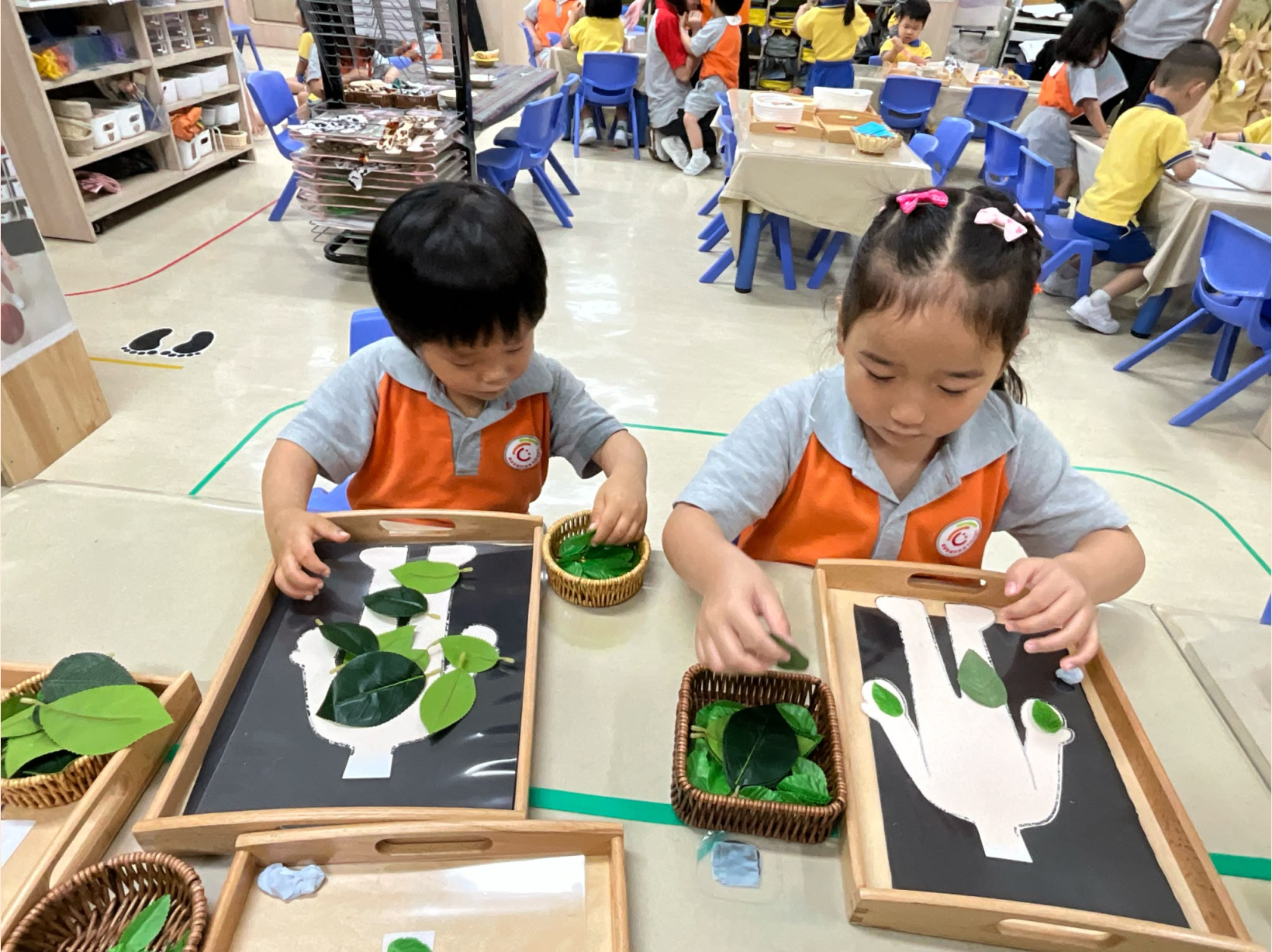
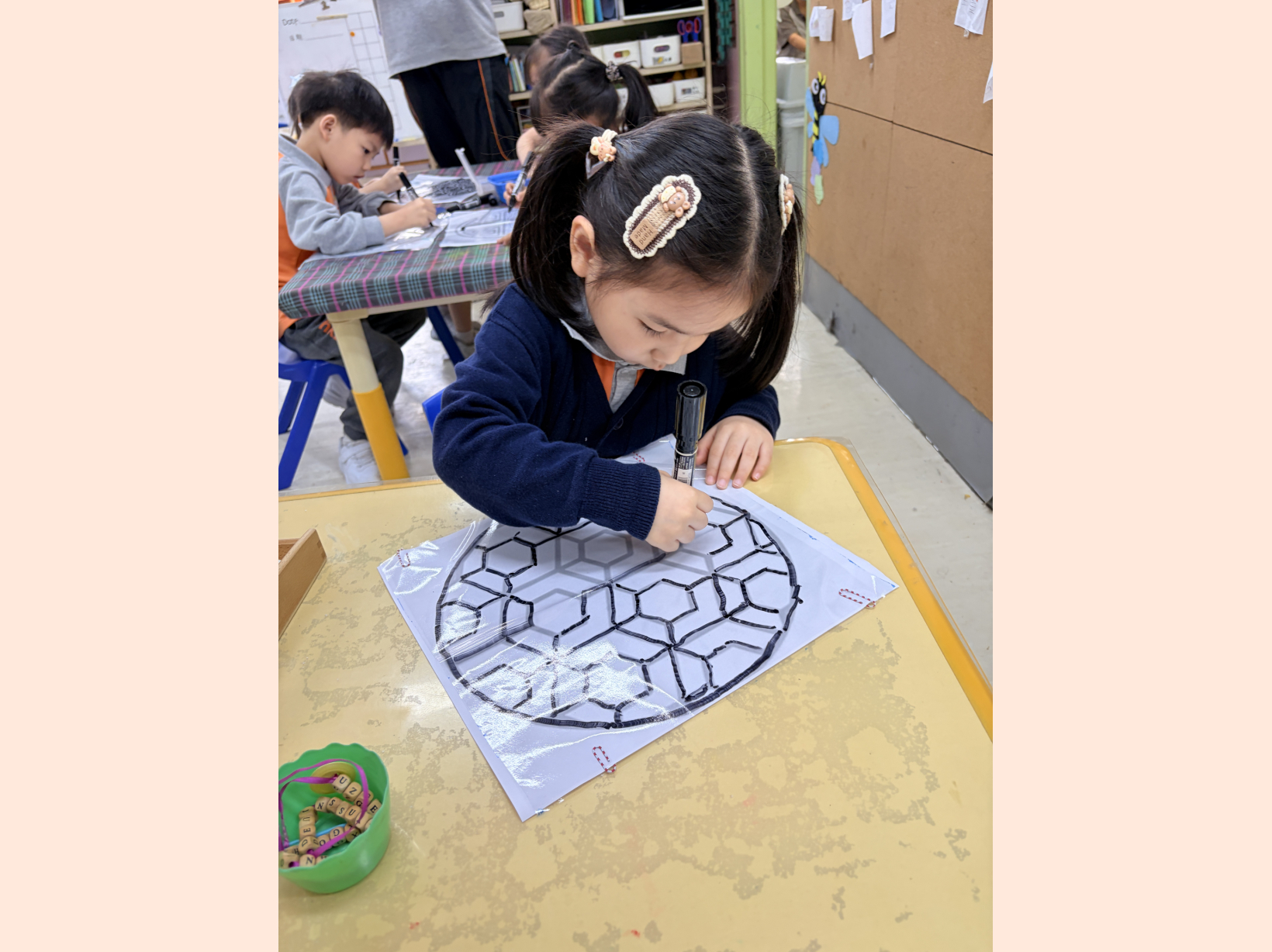
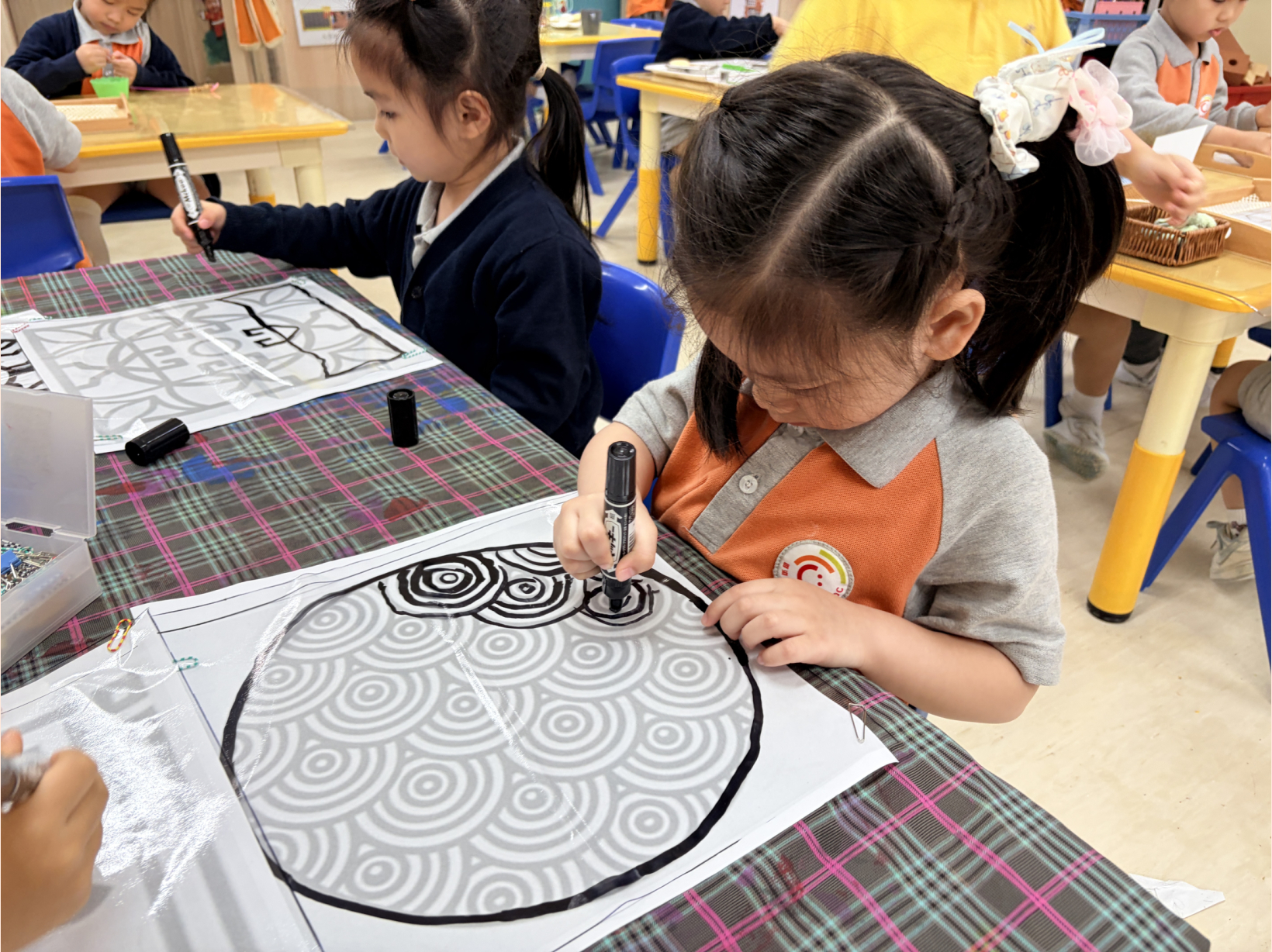
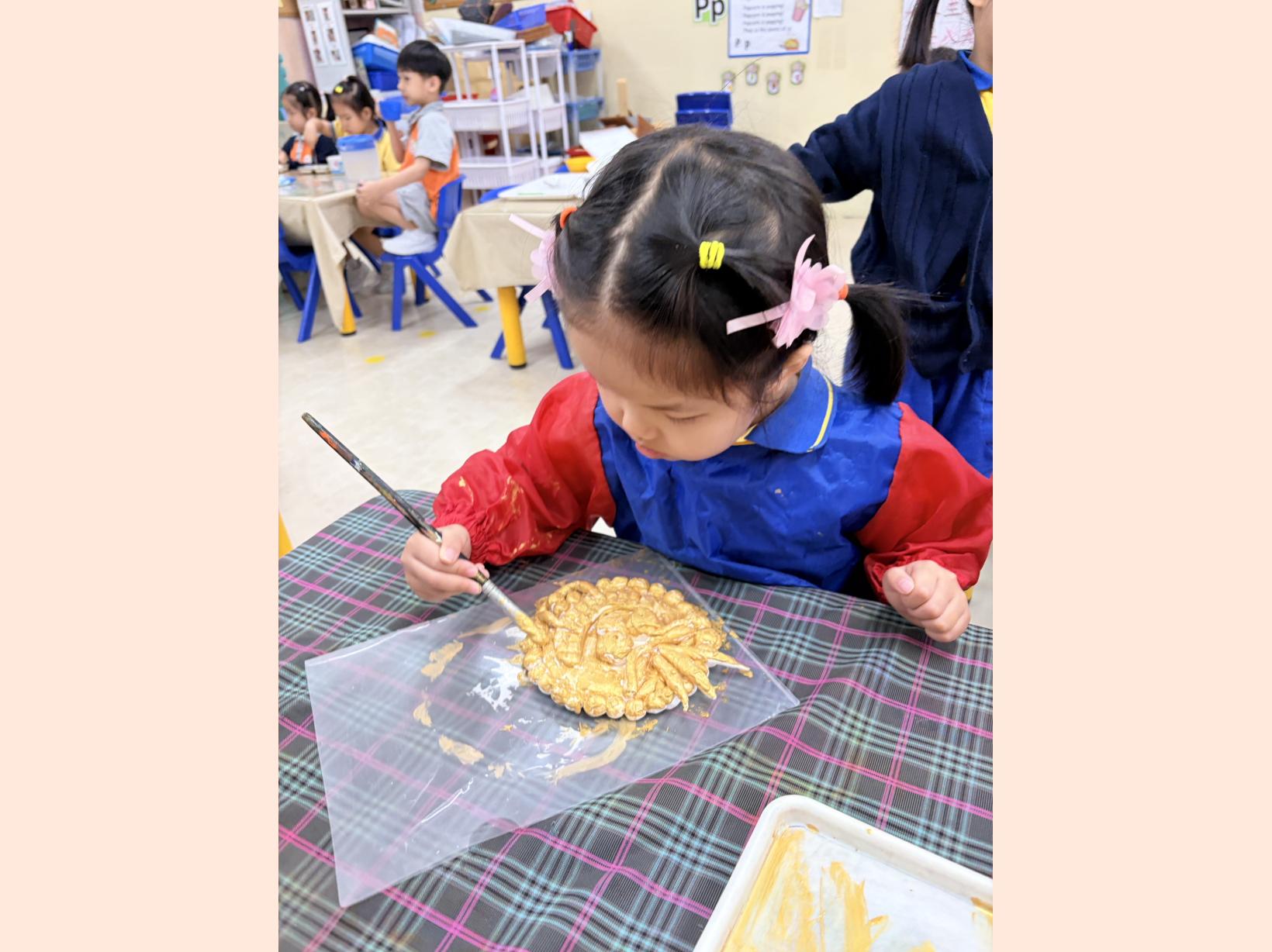
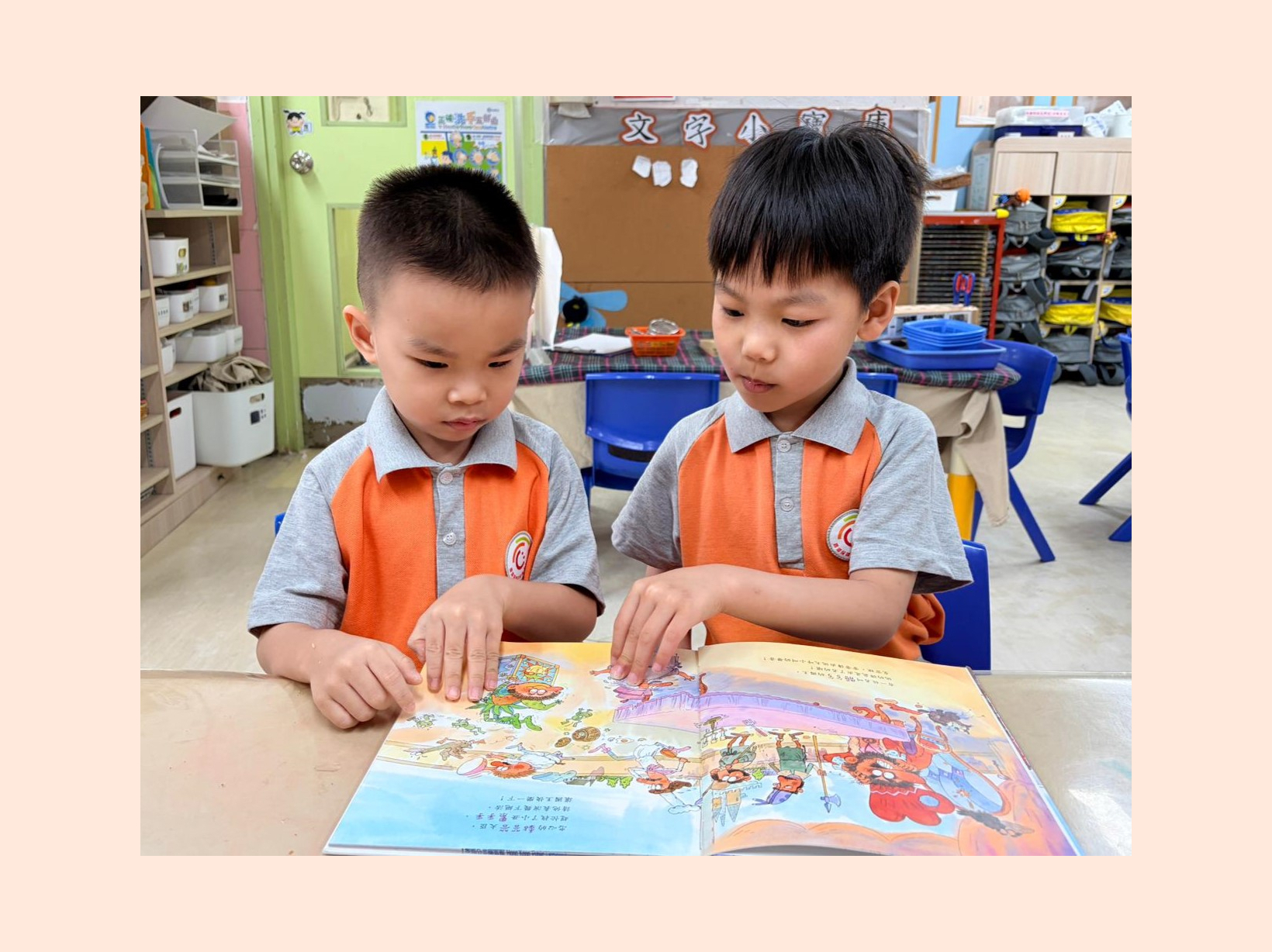
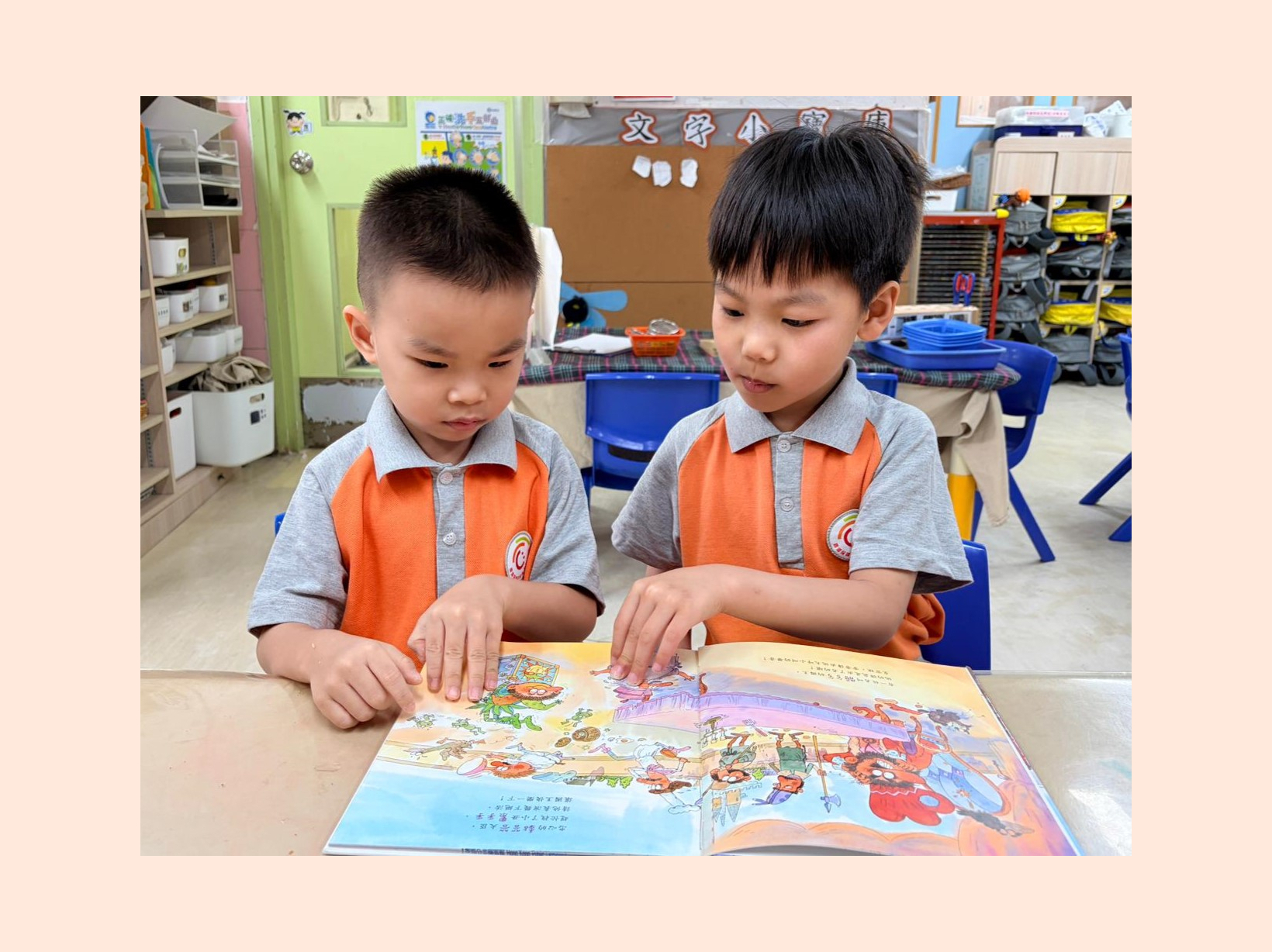
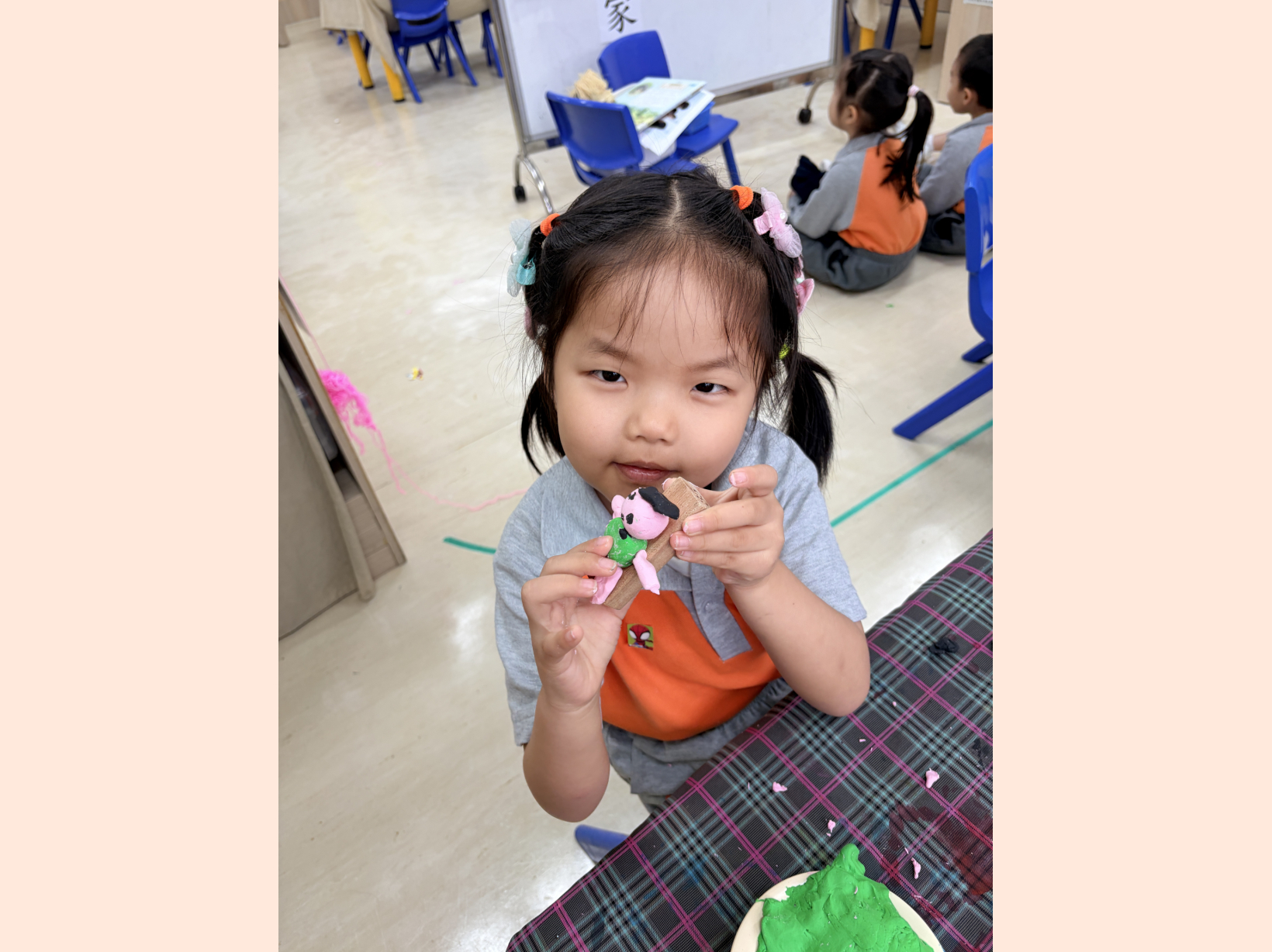
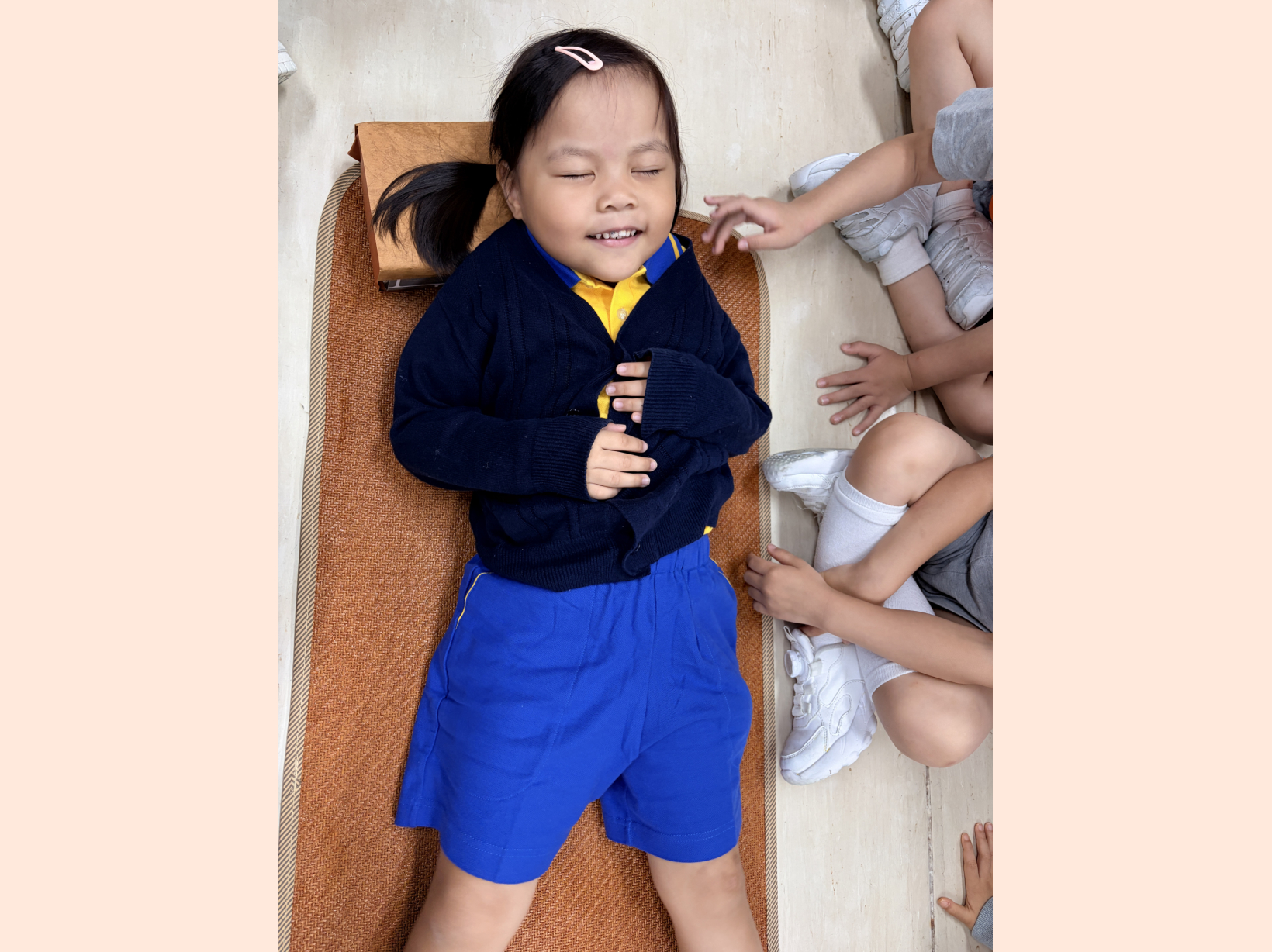
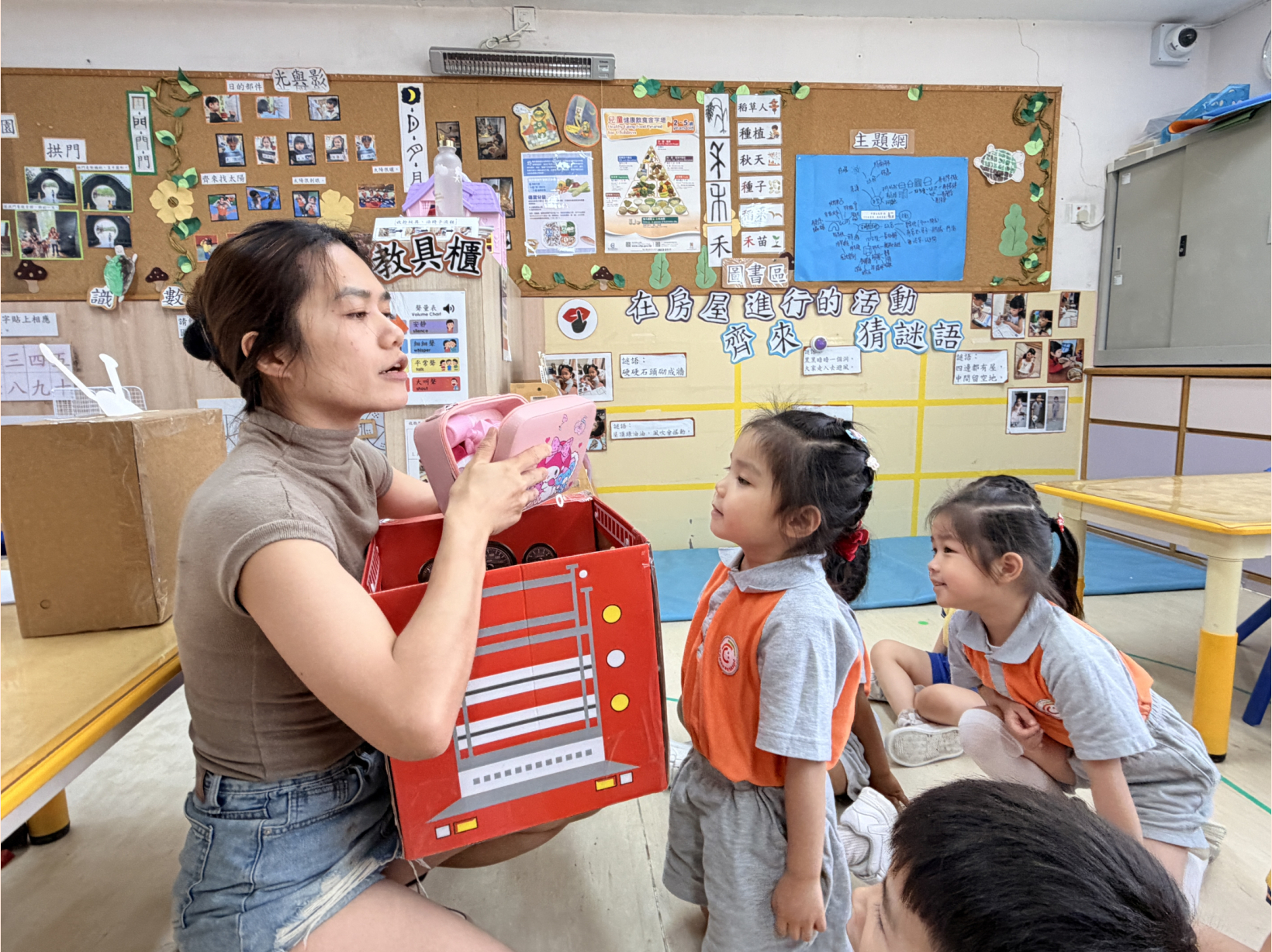
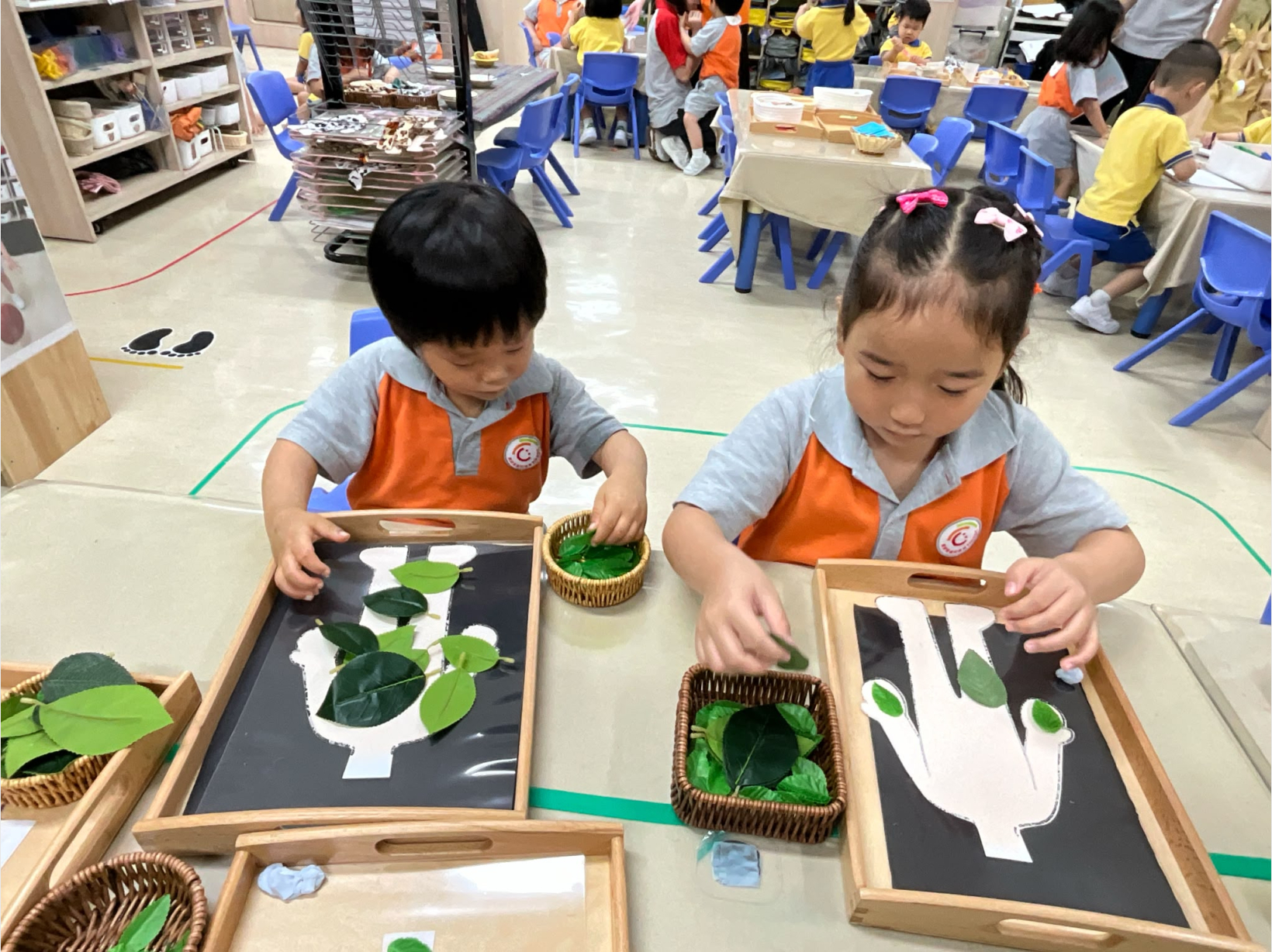
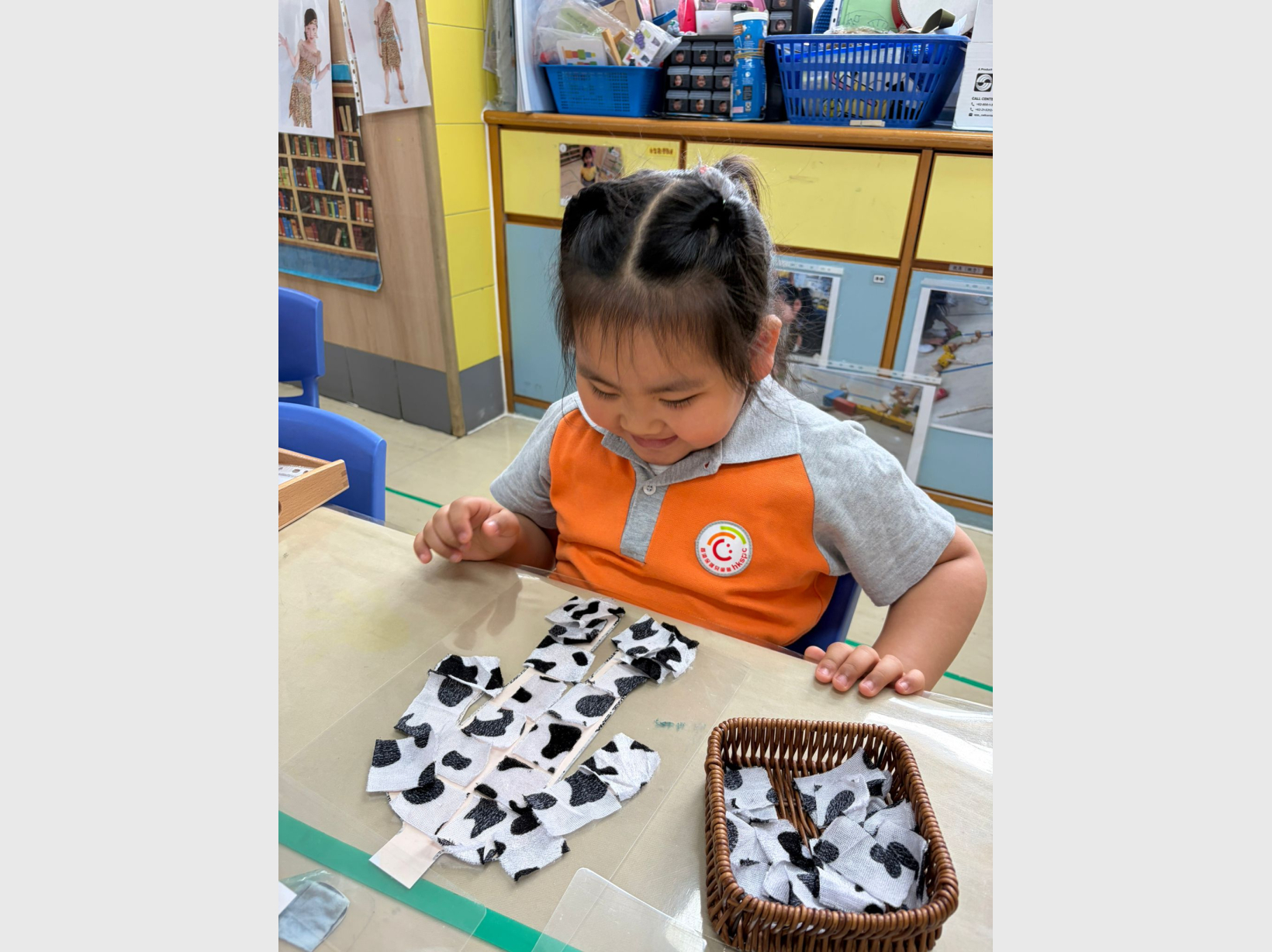
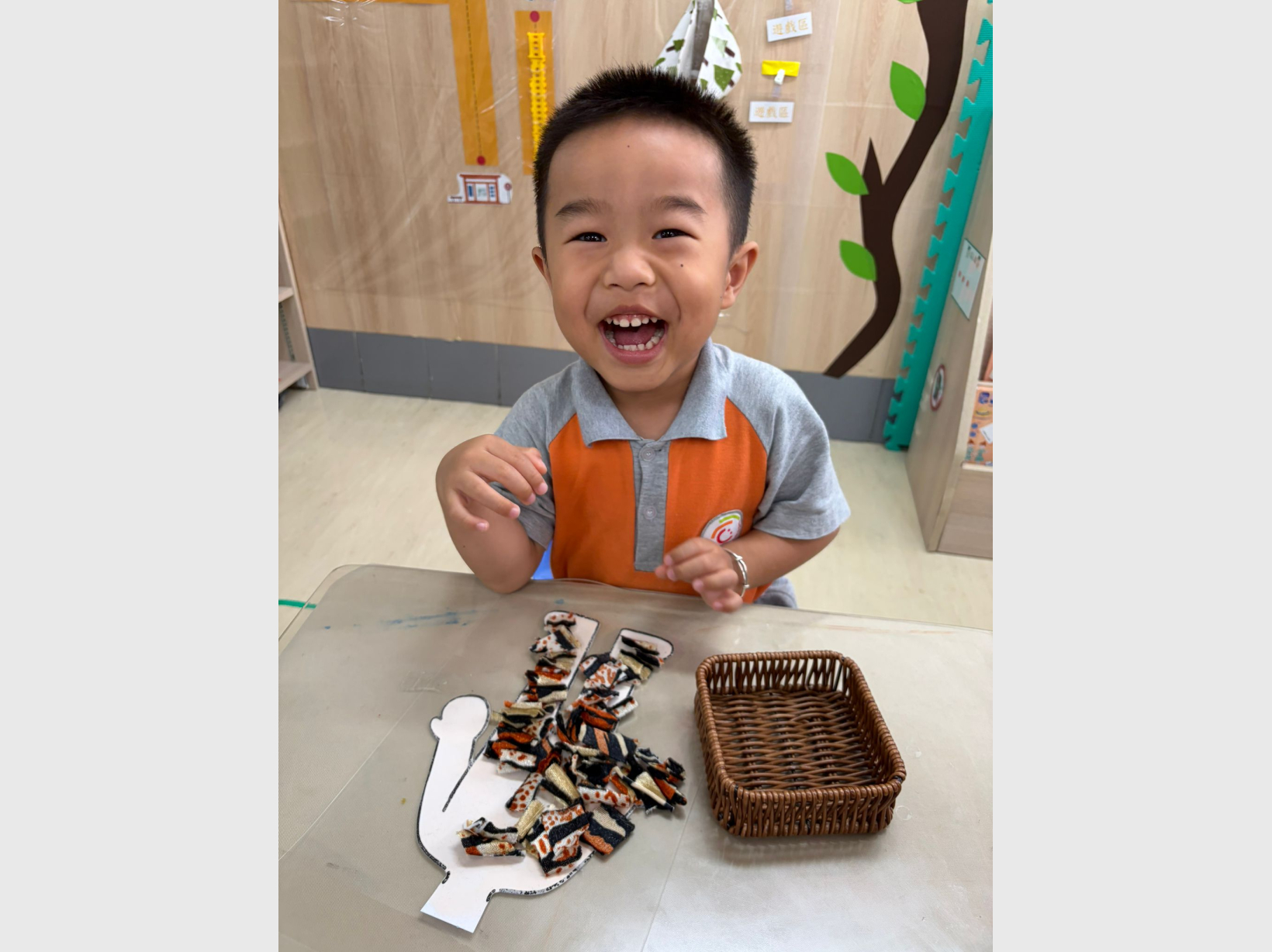
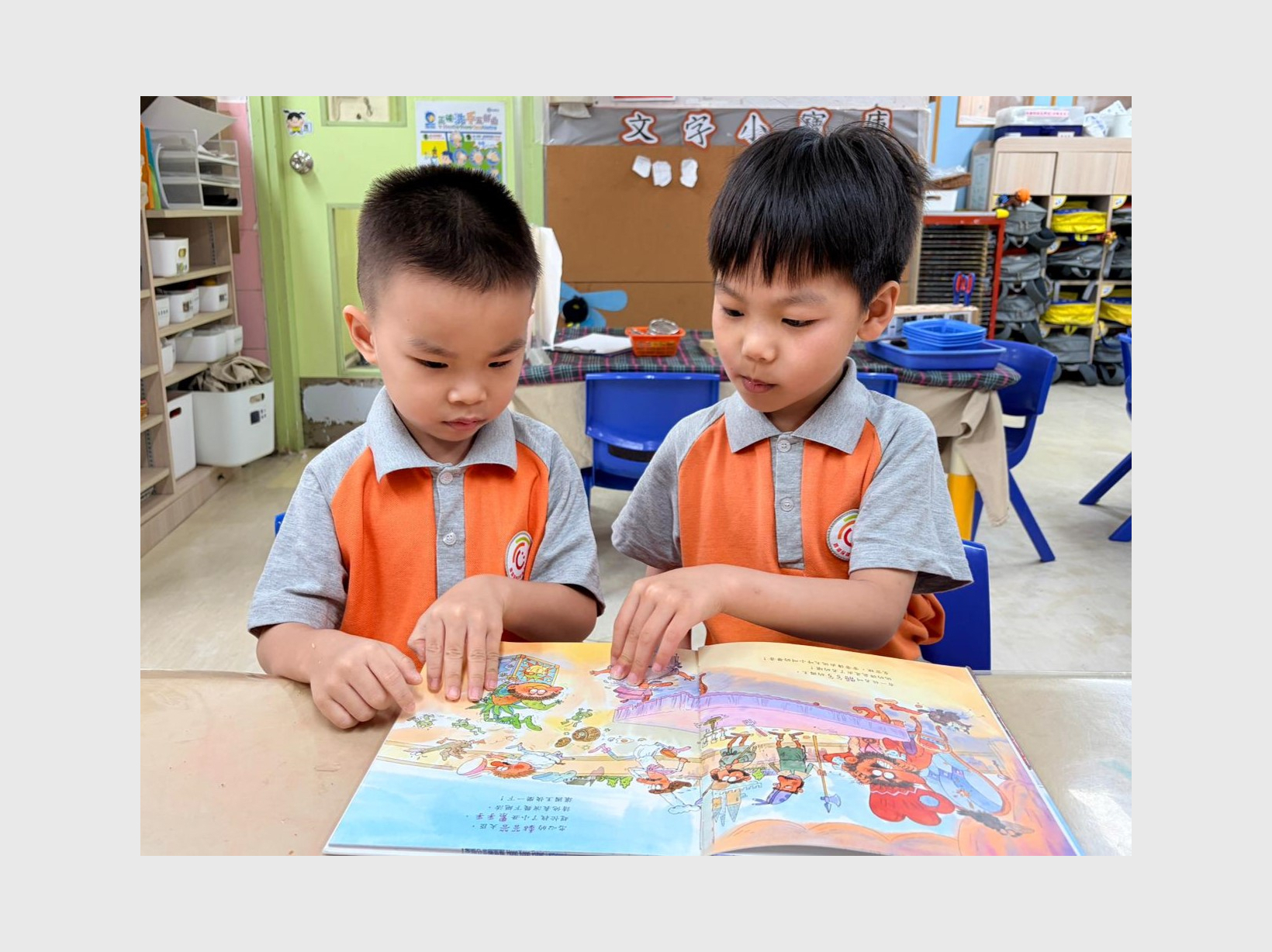
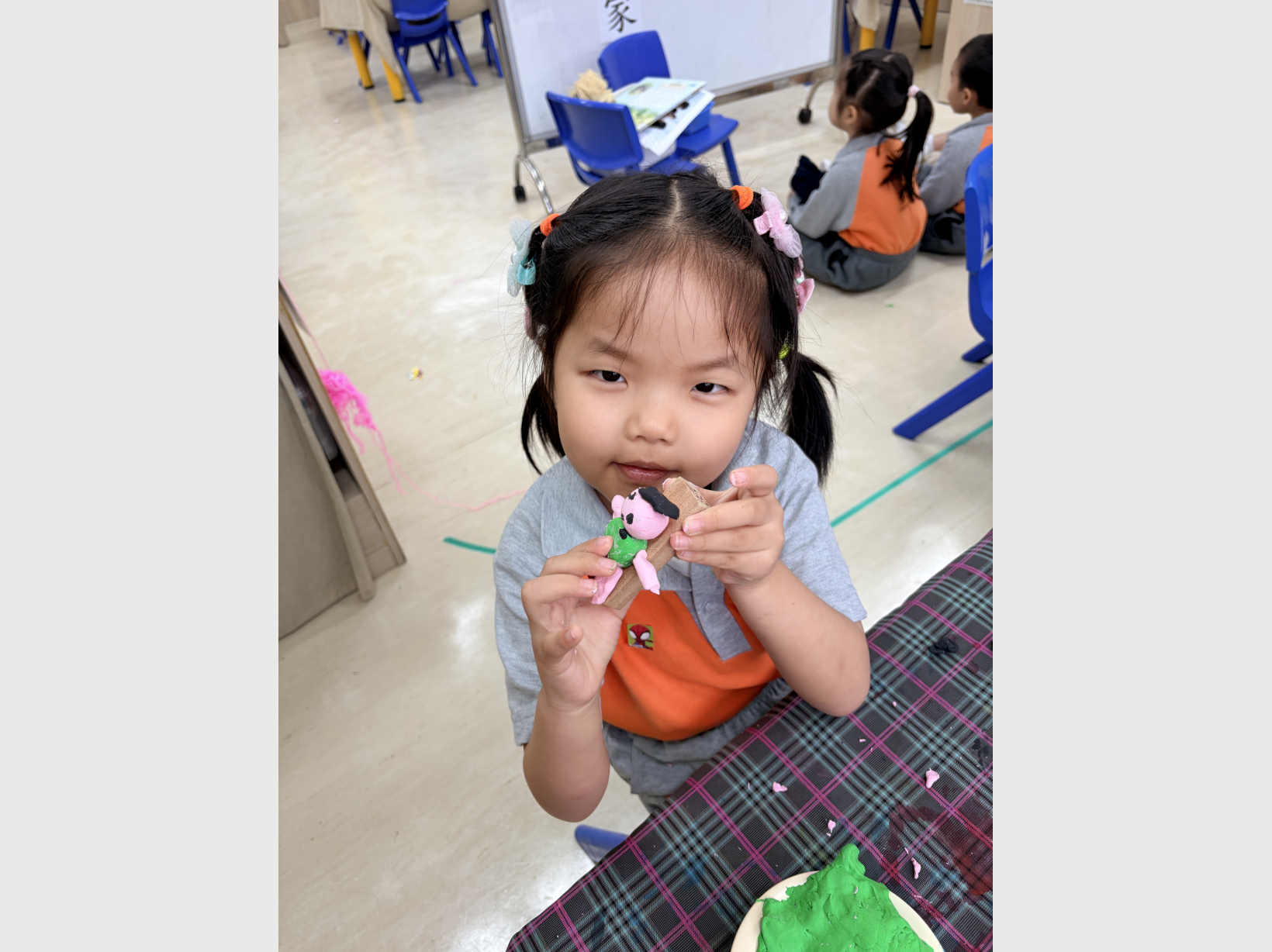
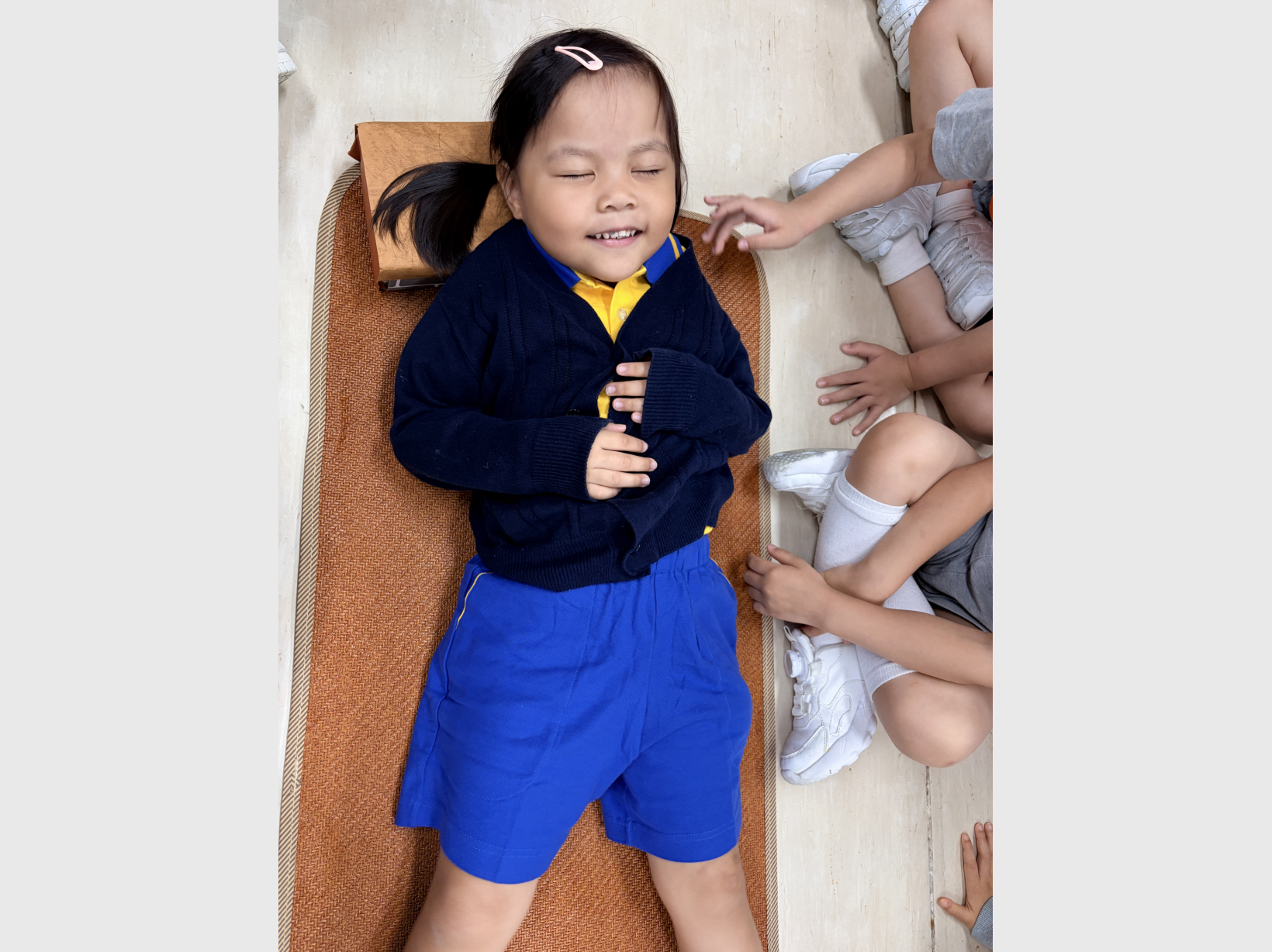
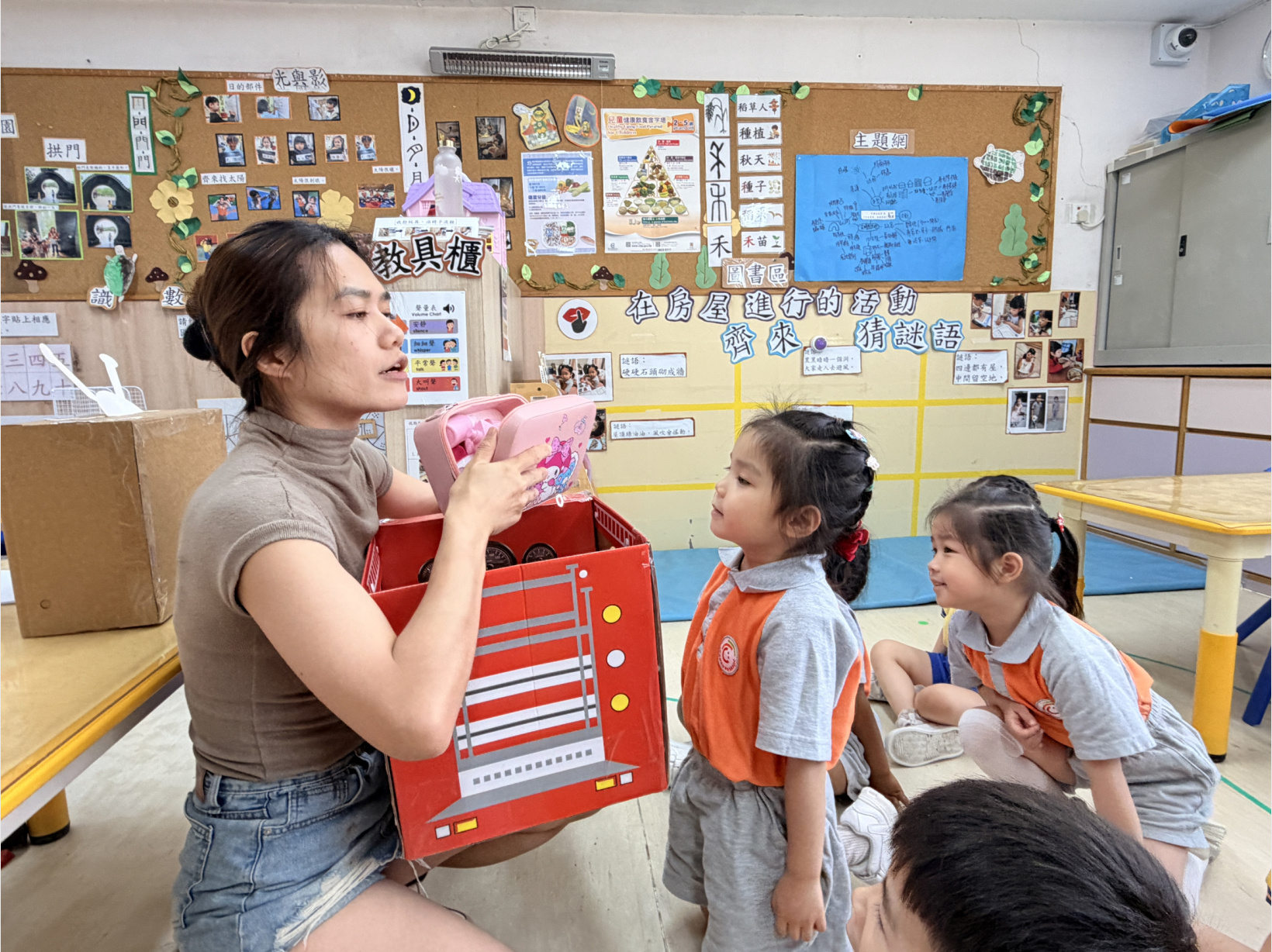
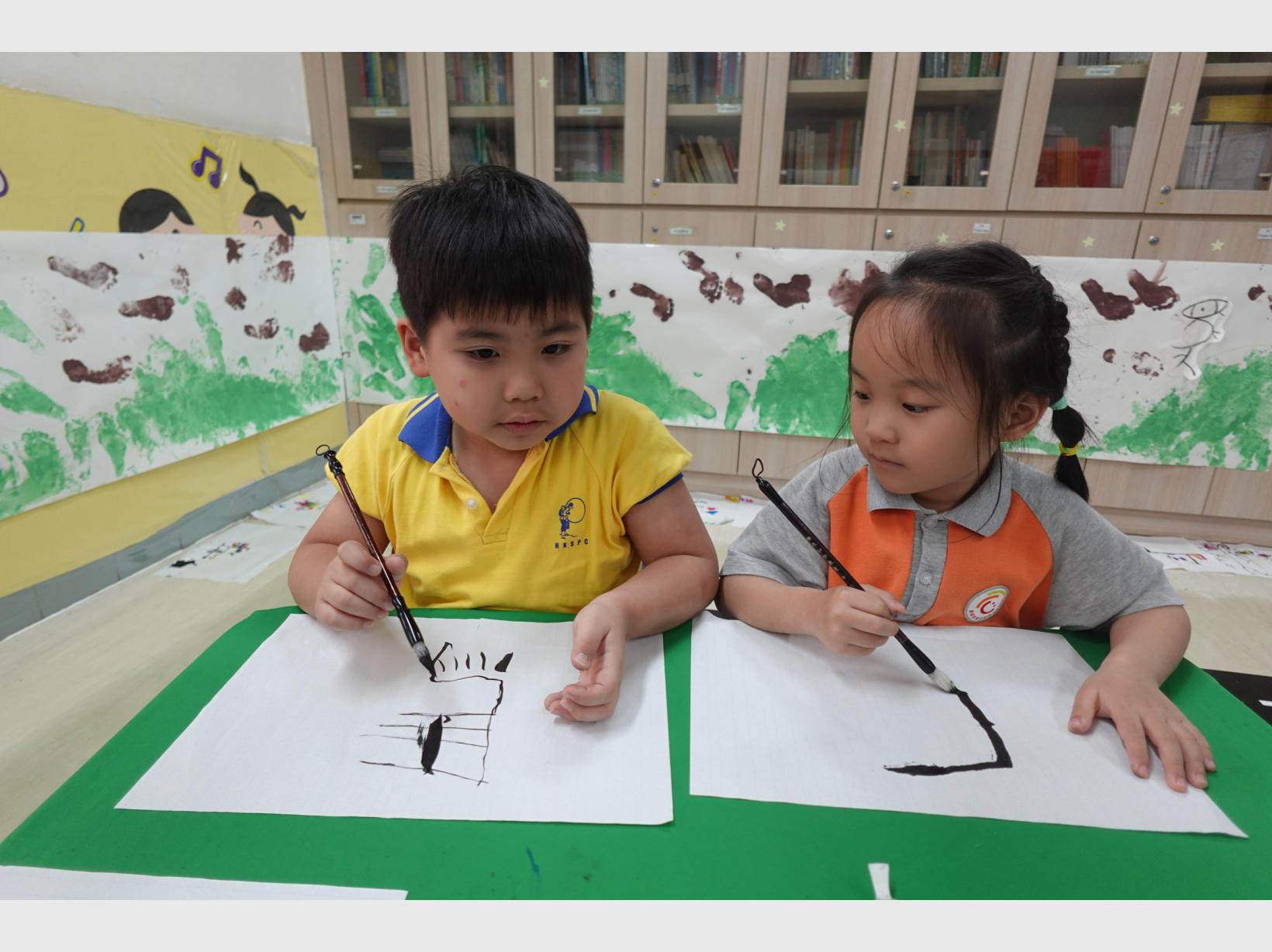
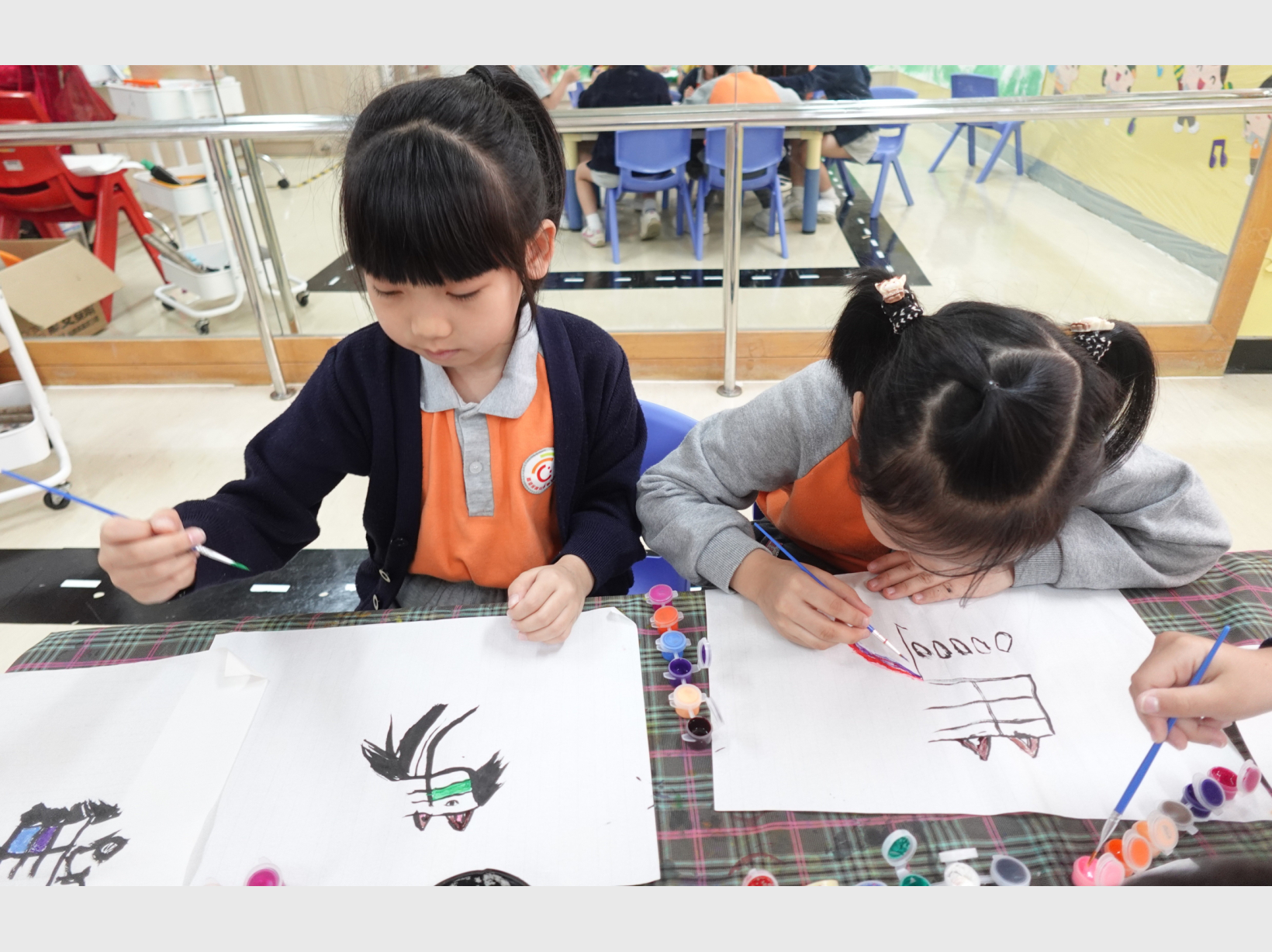
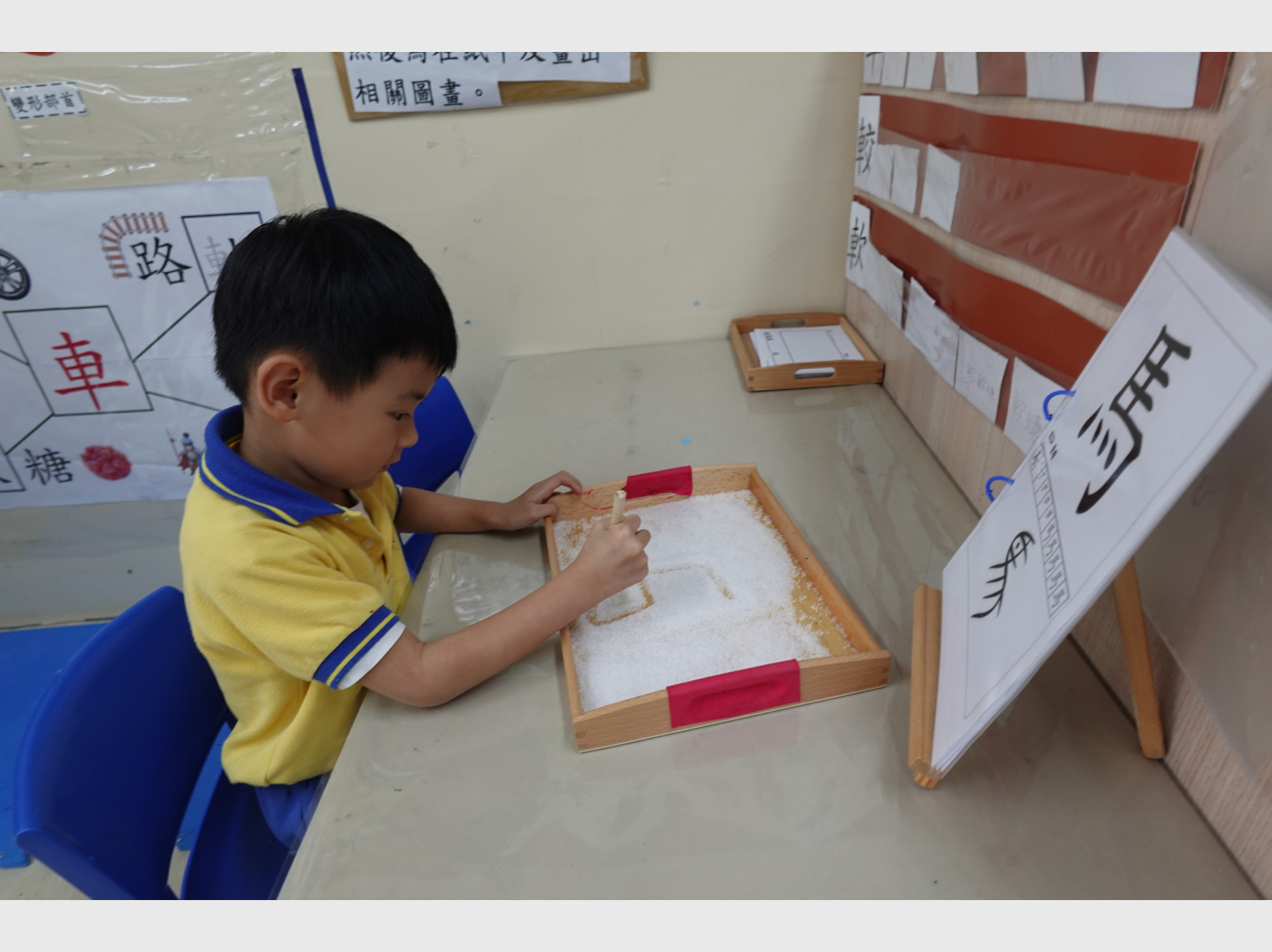
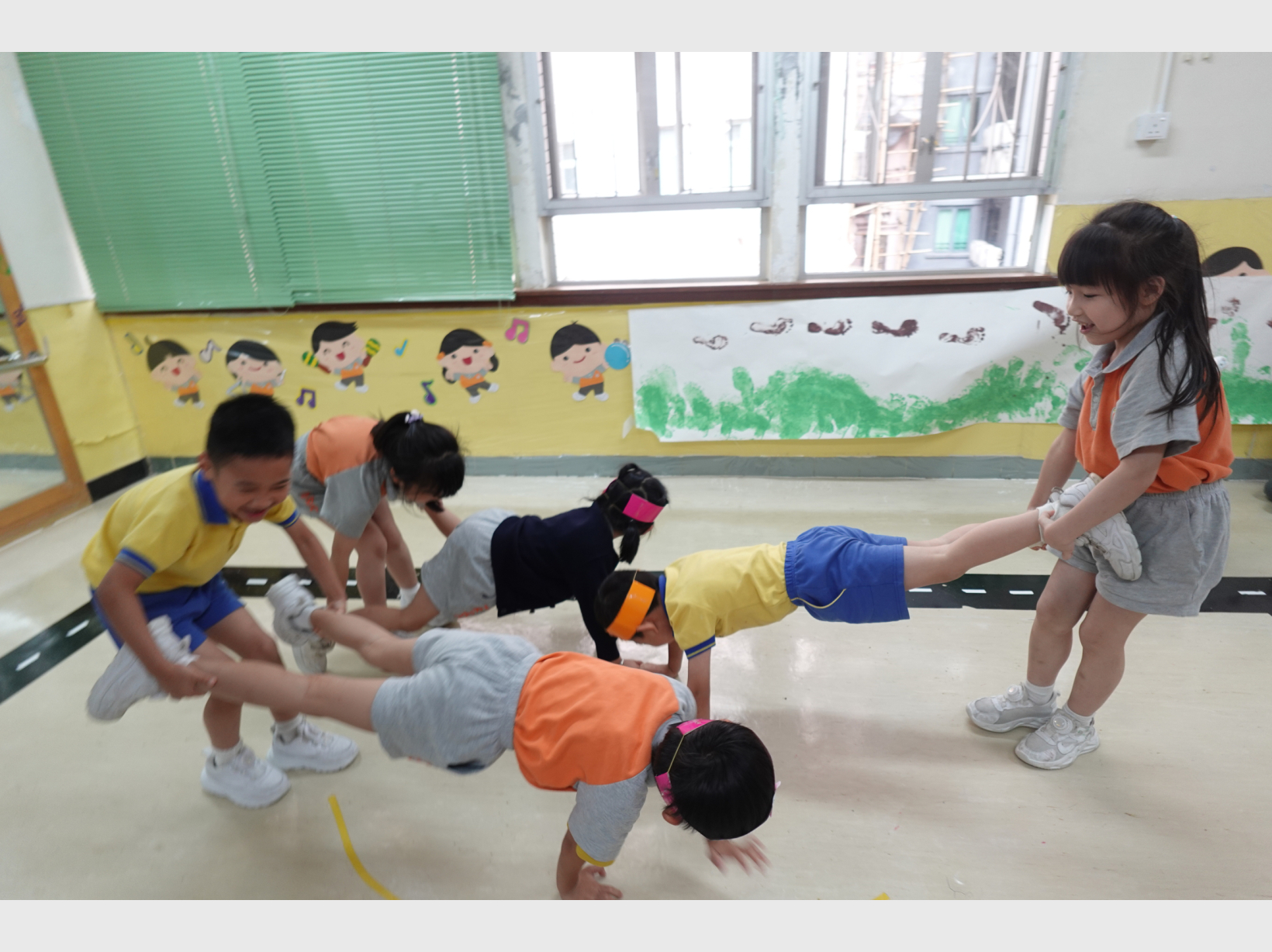
Children learned about how ancient Chinese clothing, food, housing, and transportation have evolved to the present day, and understood their relationship to people’s daily lives through a variety of activities such as visits, stories, role play, appreciation of famous paintings, and games. Below are the children’s learning experiences and outcomes.
N1
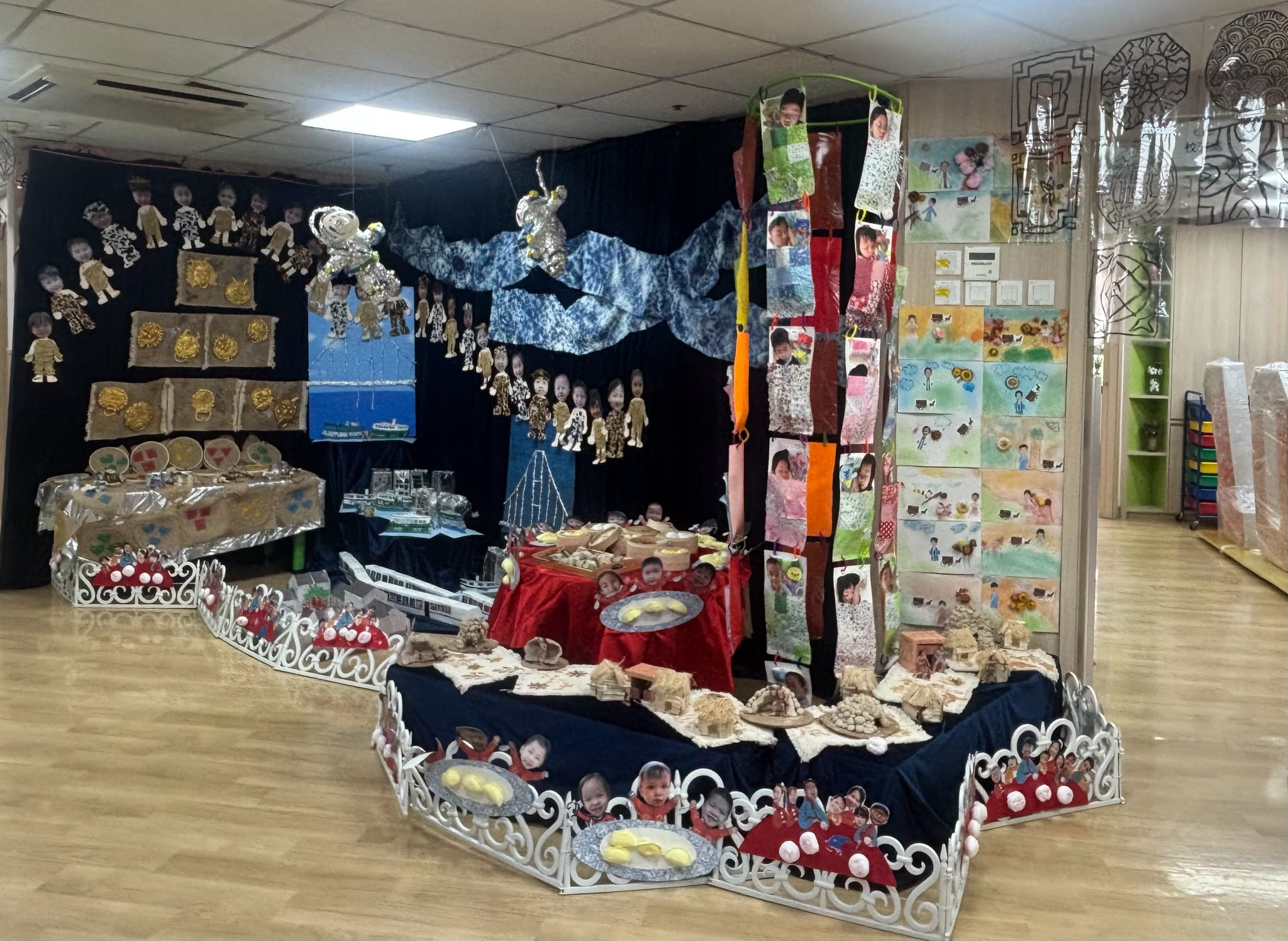
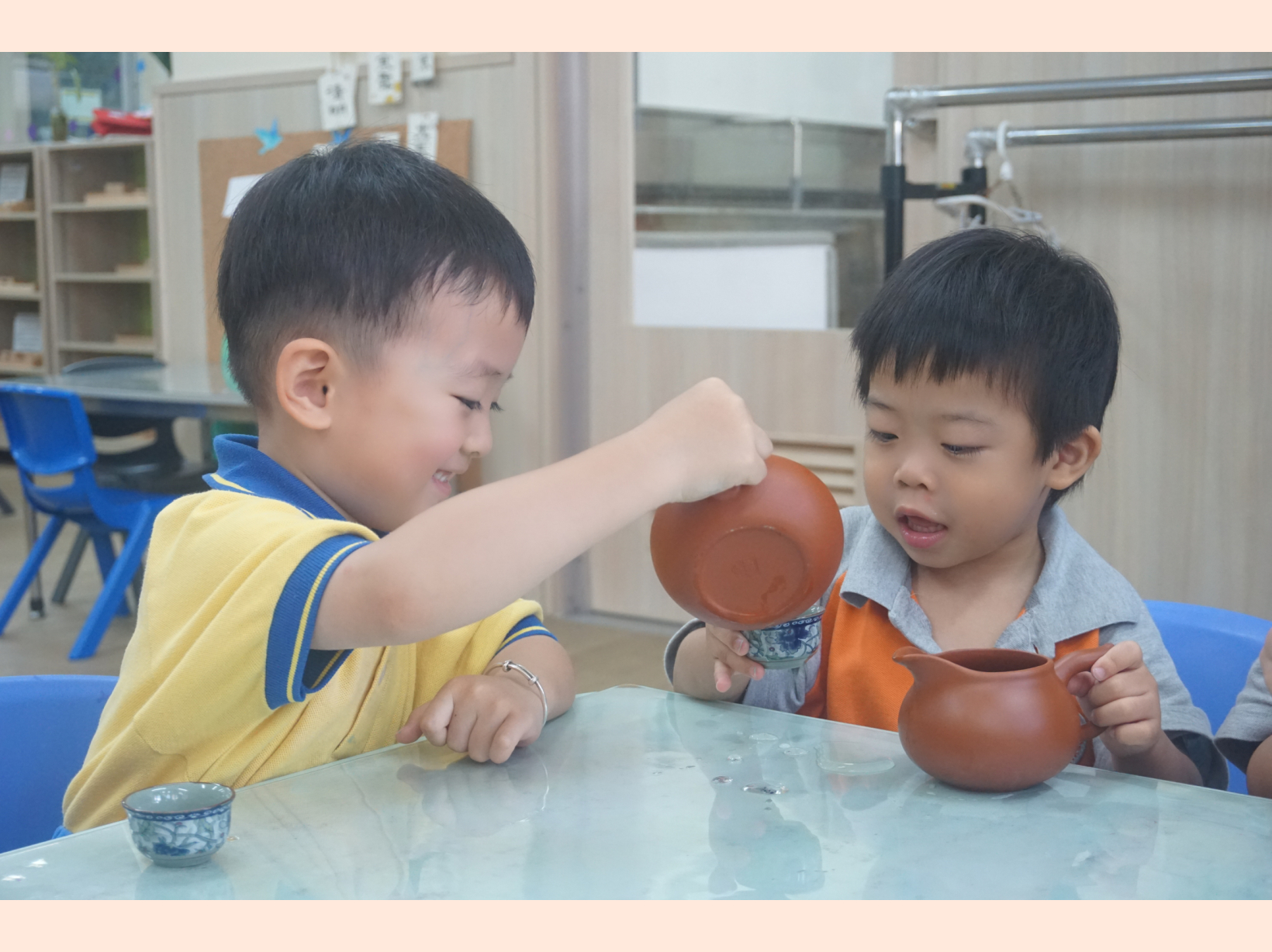
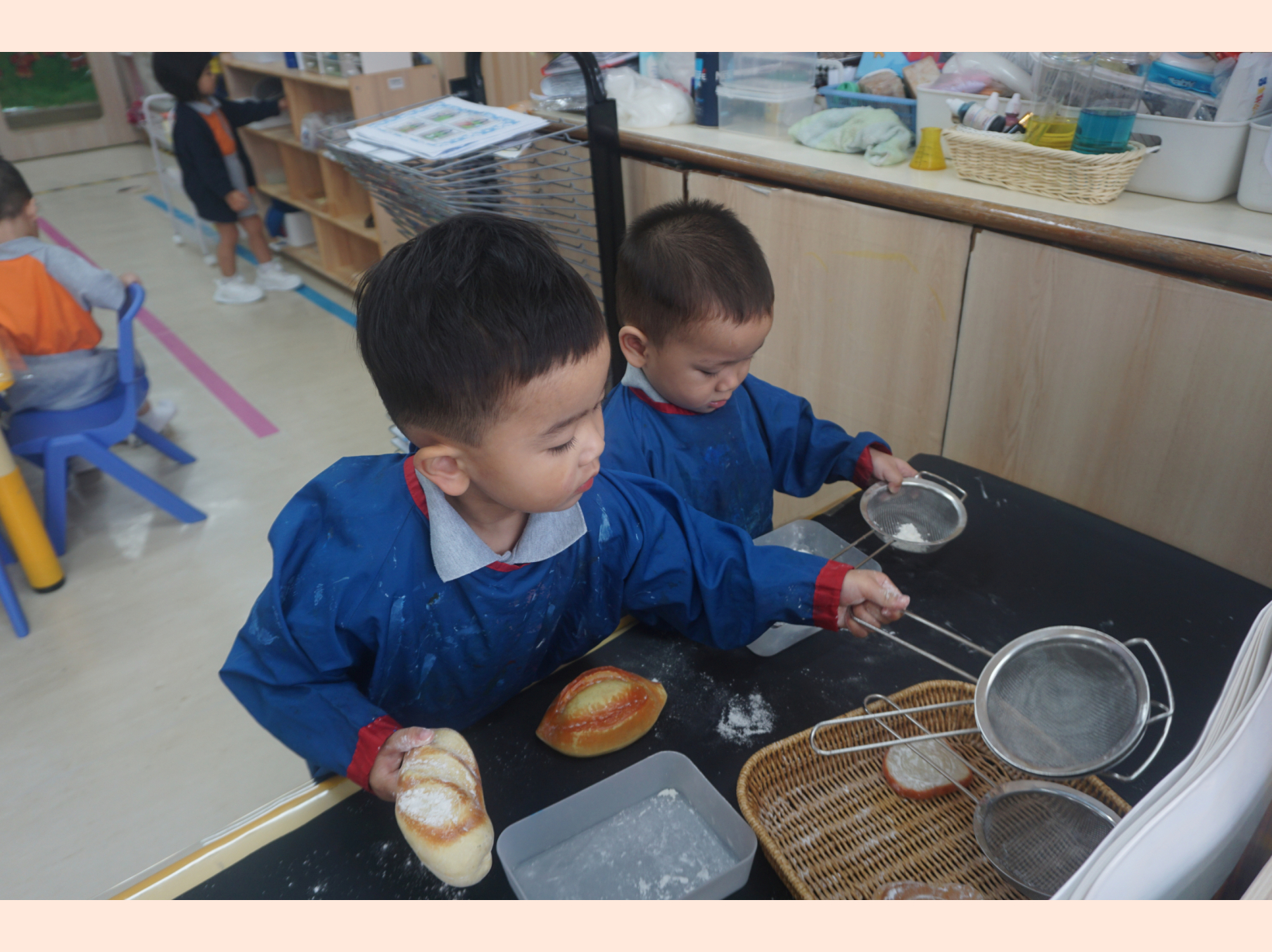
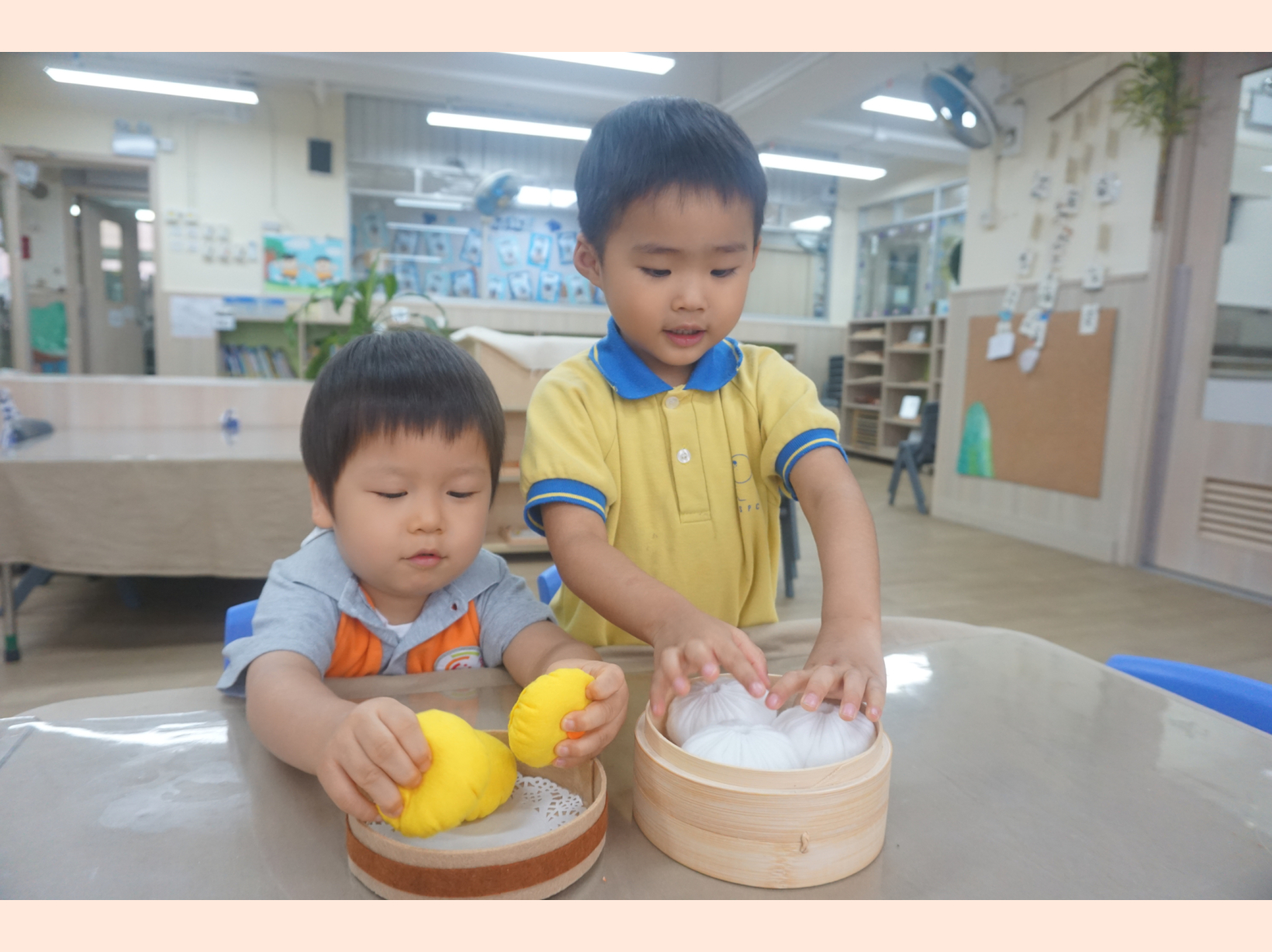
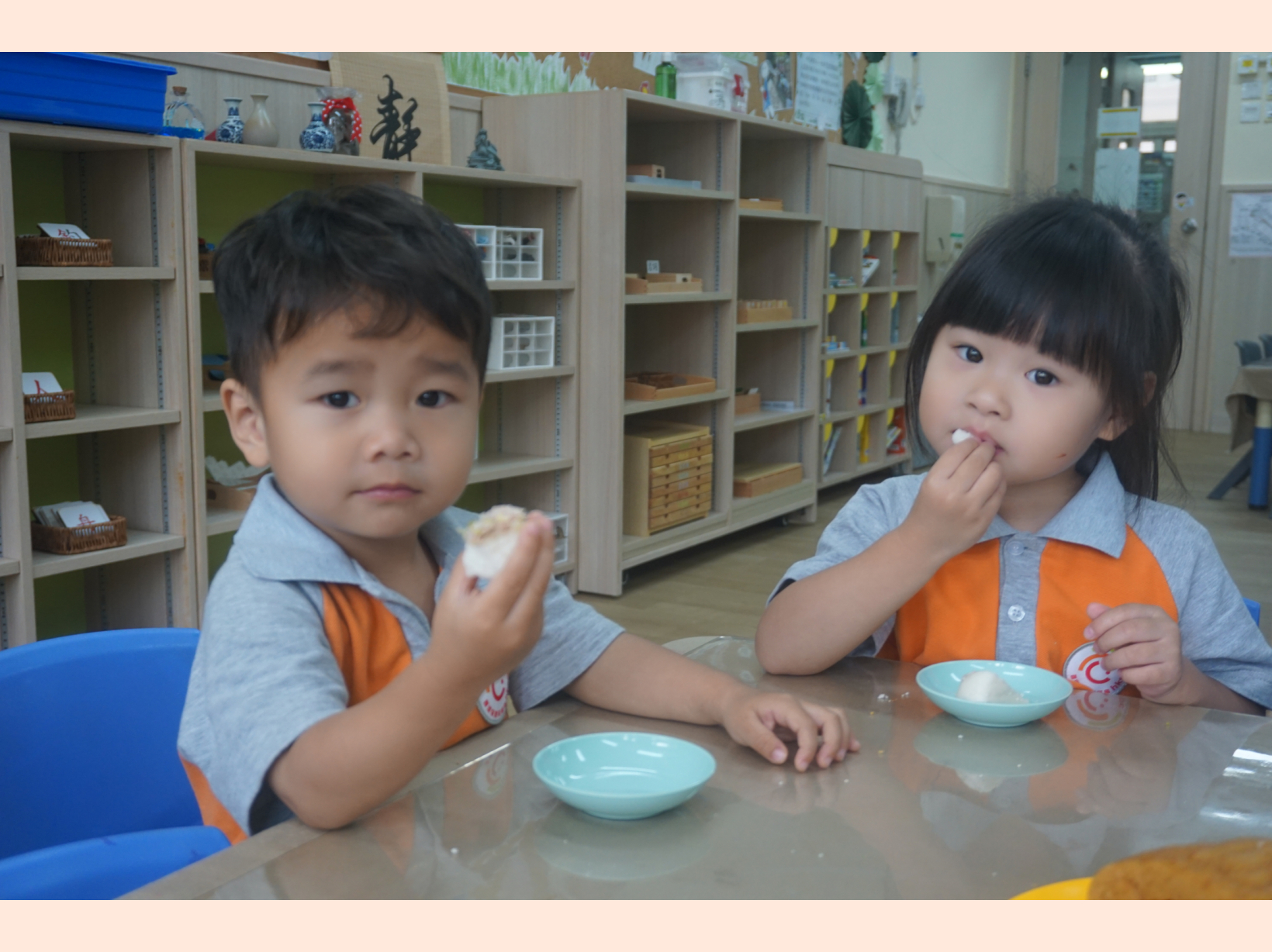
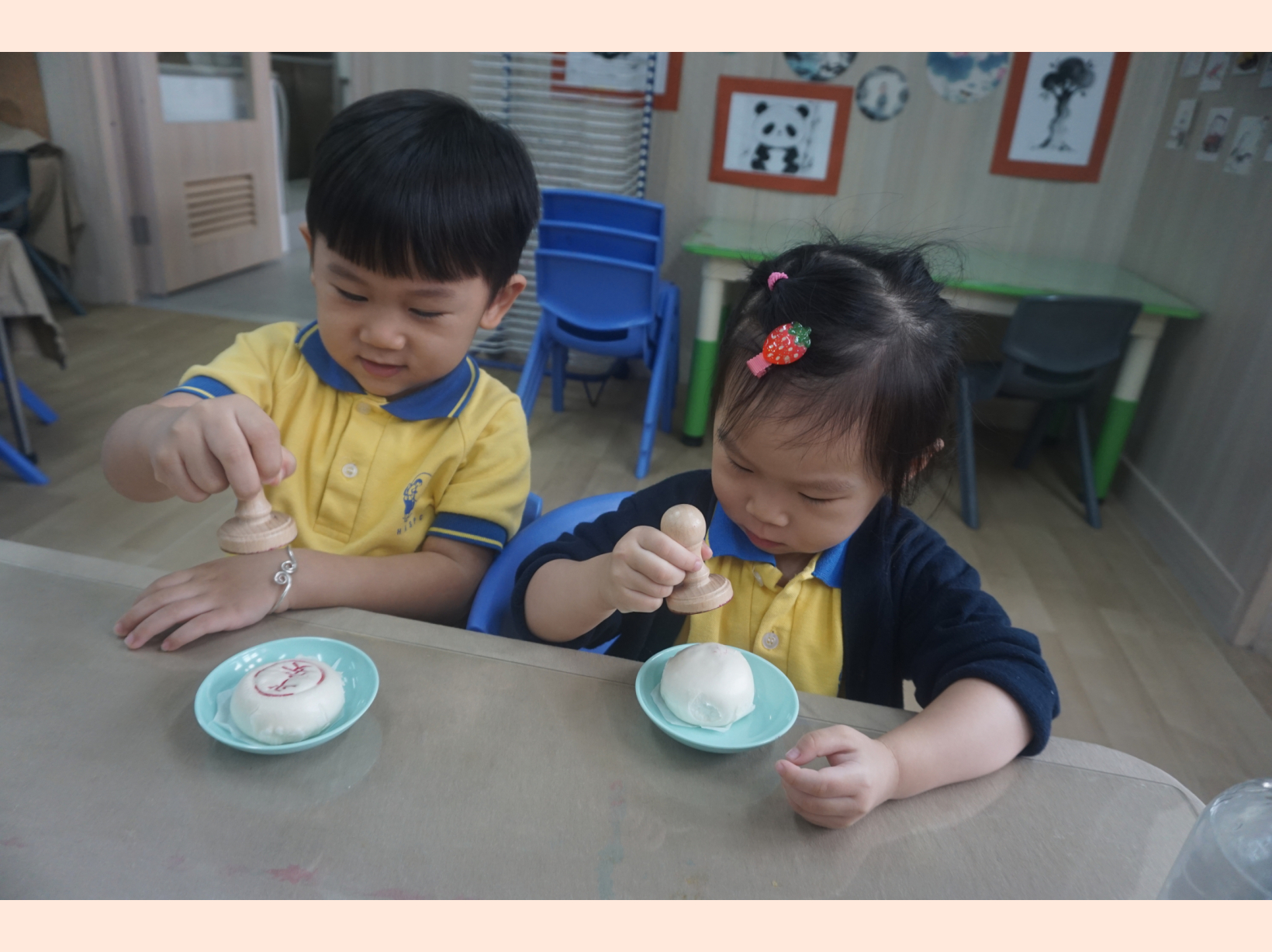
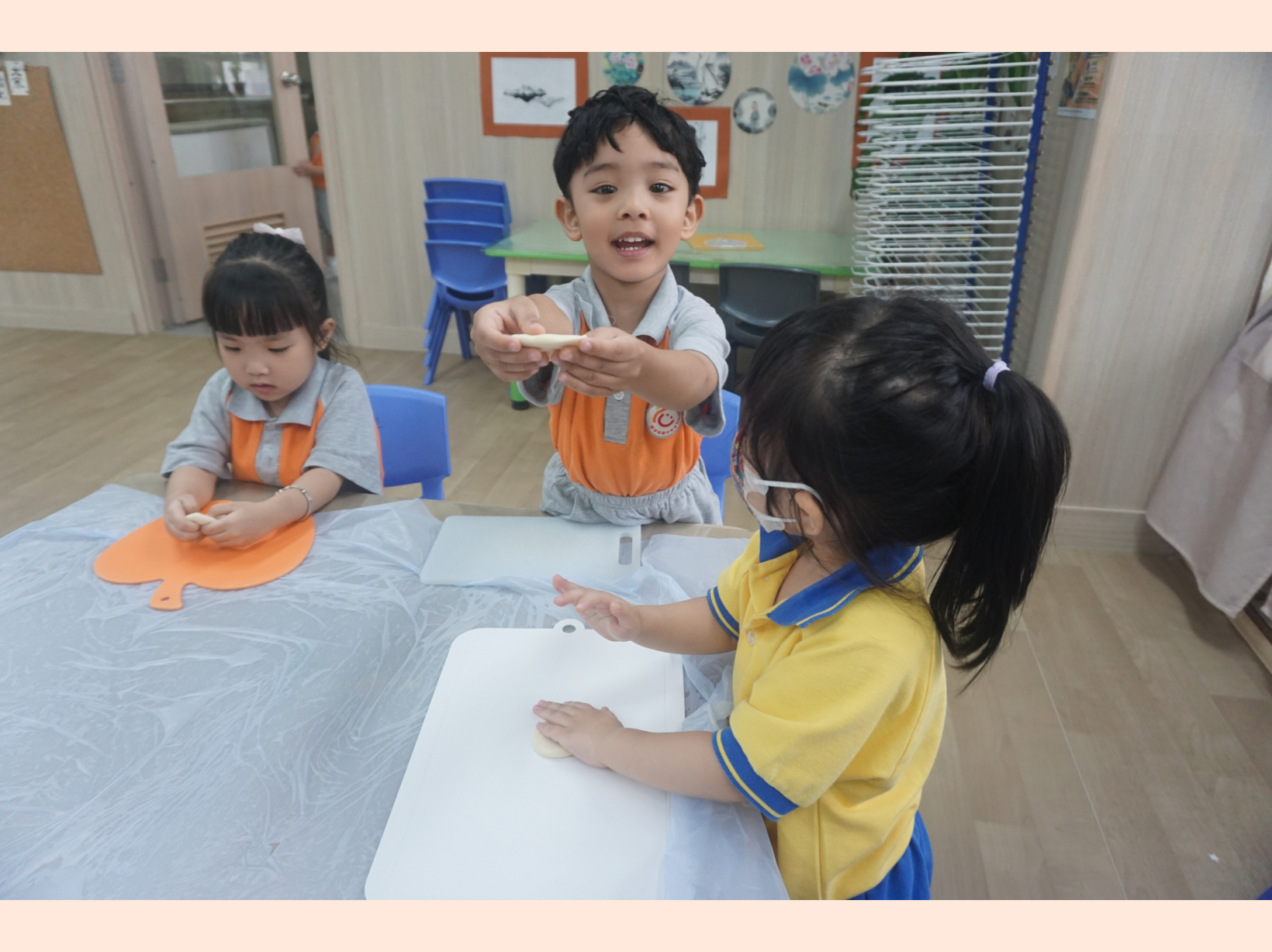
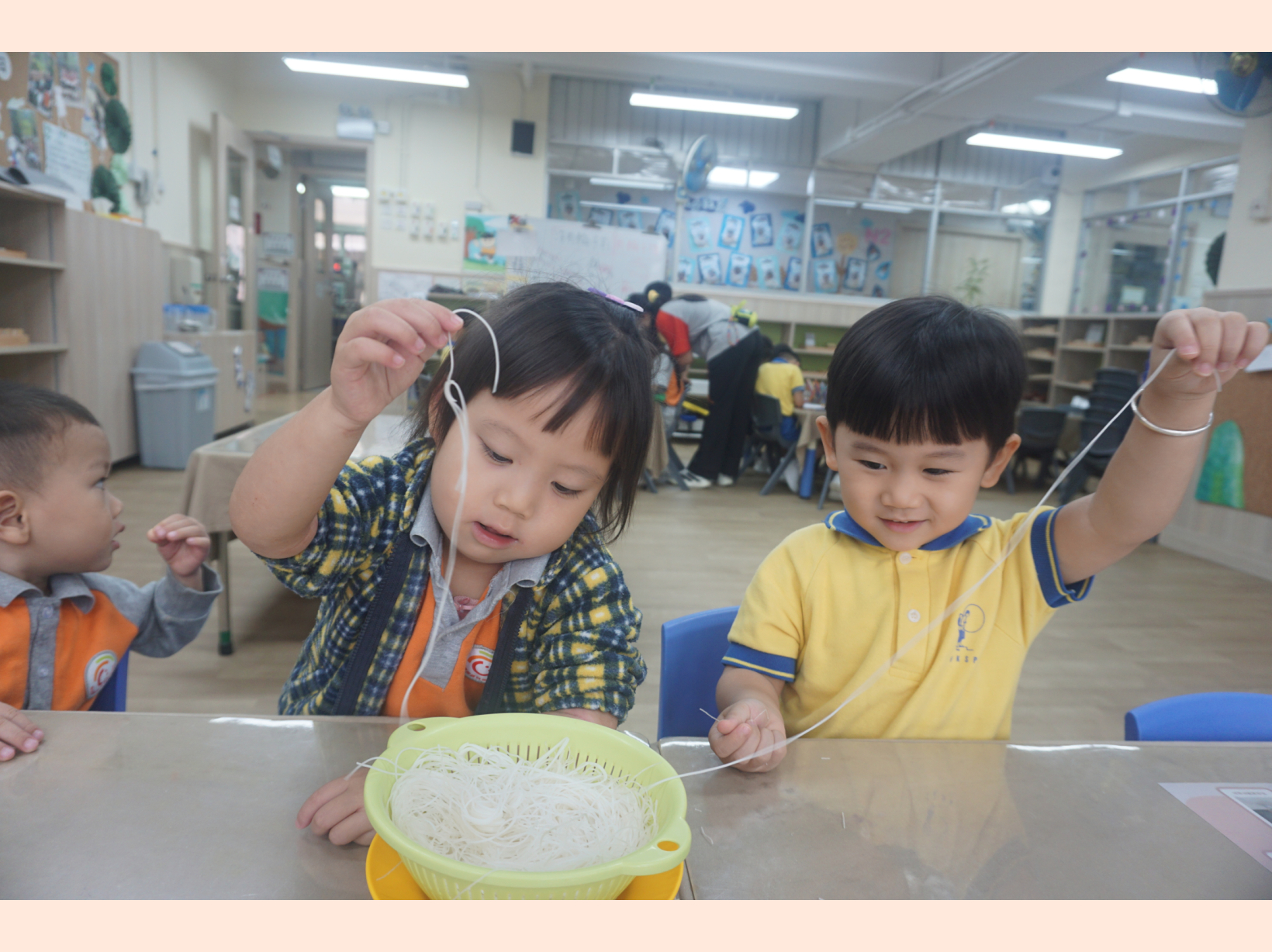
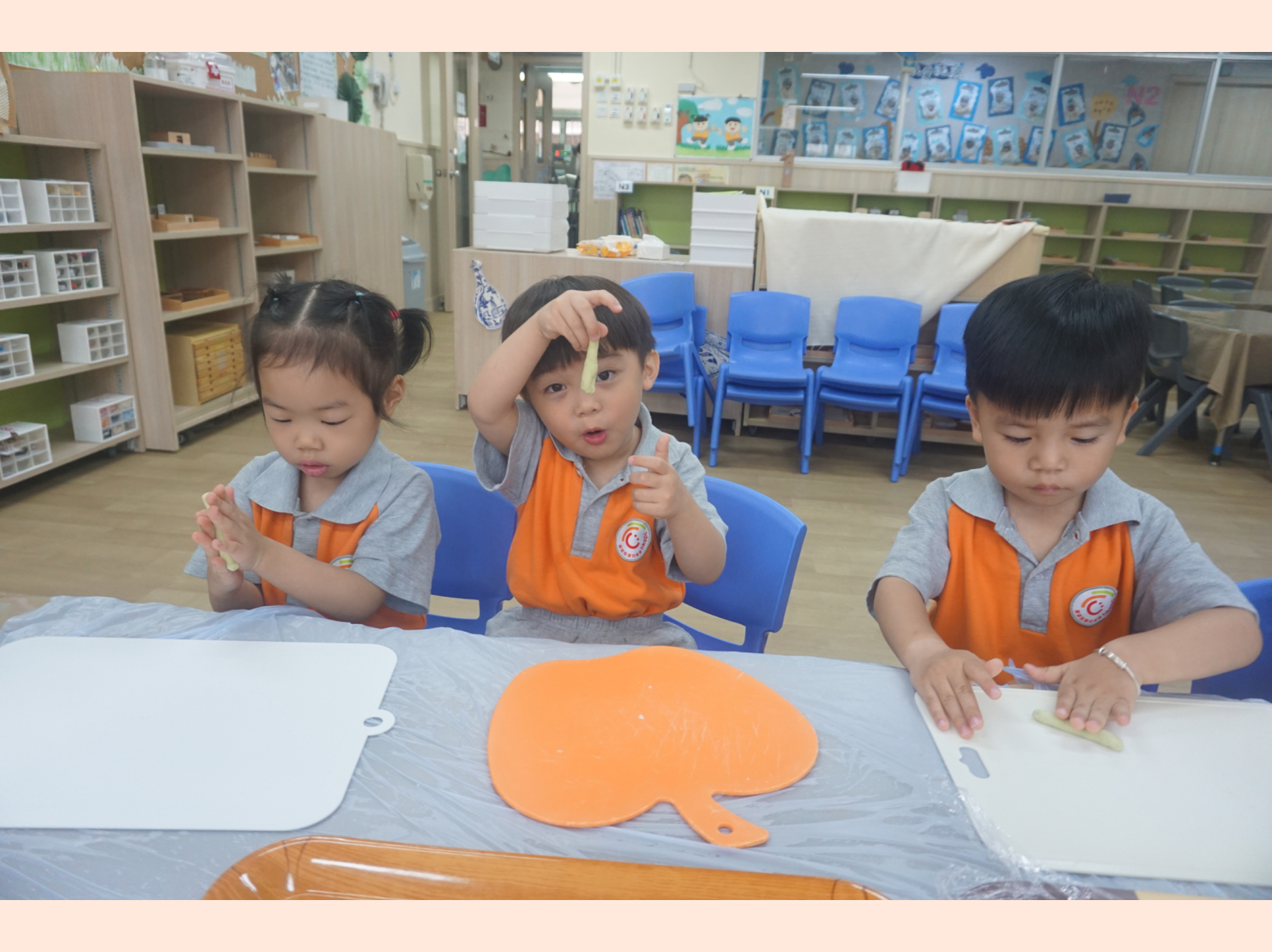
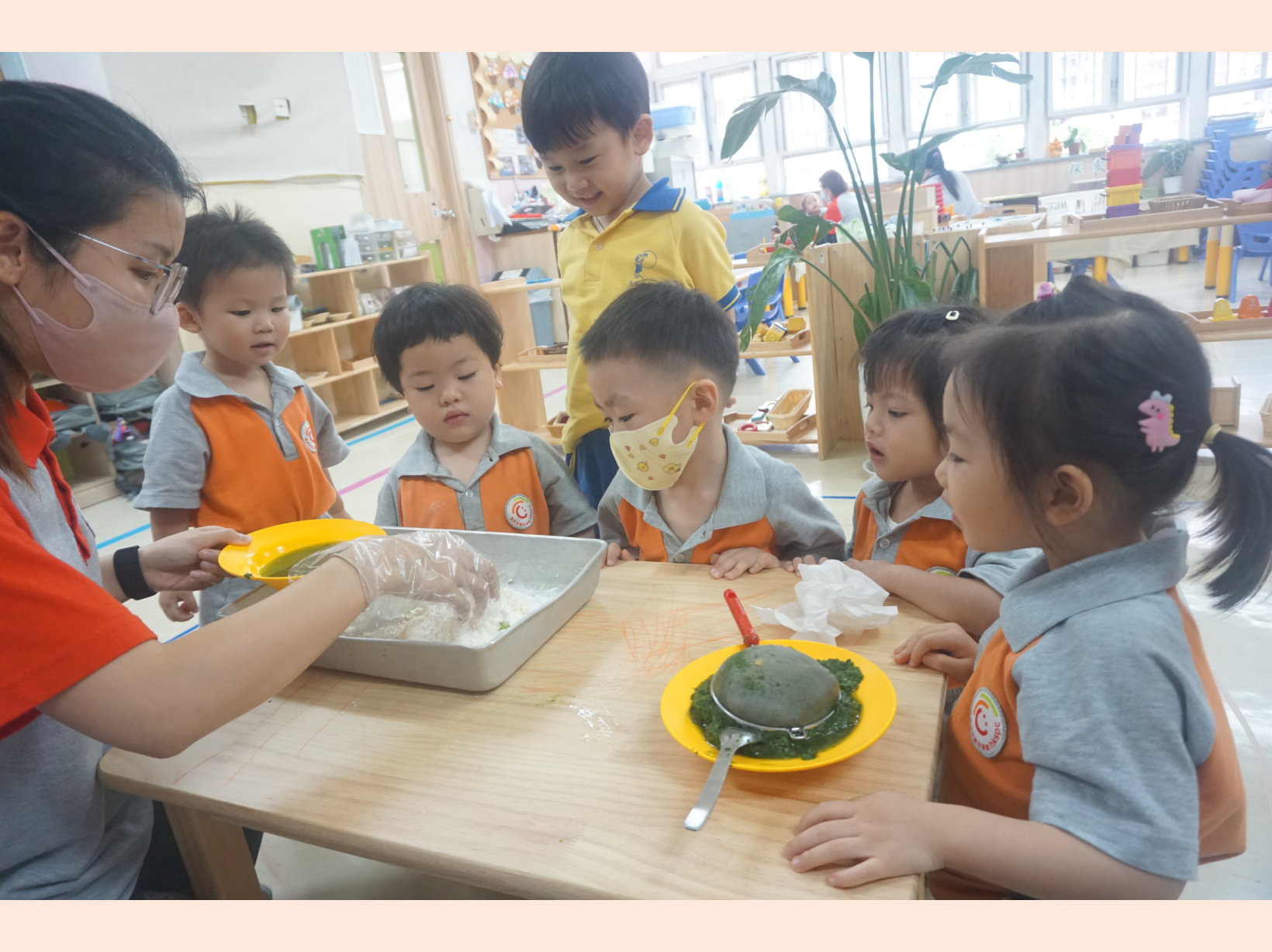
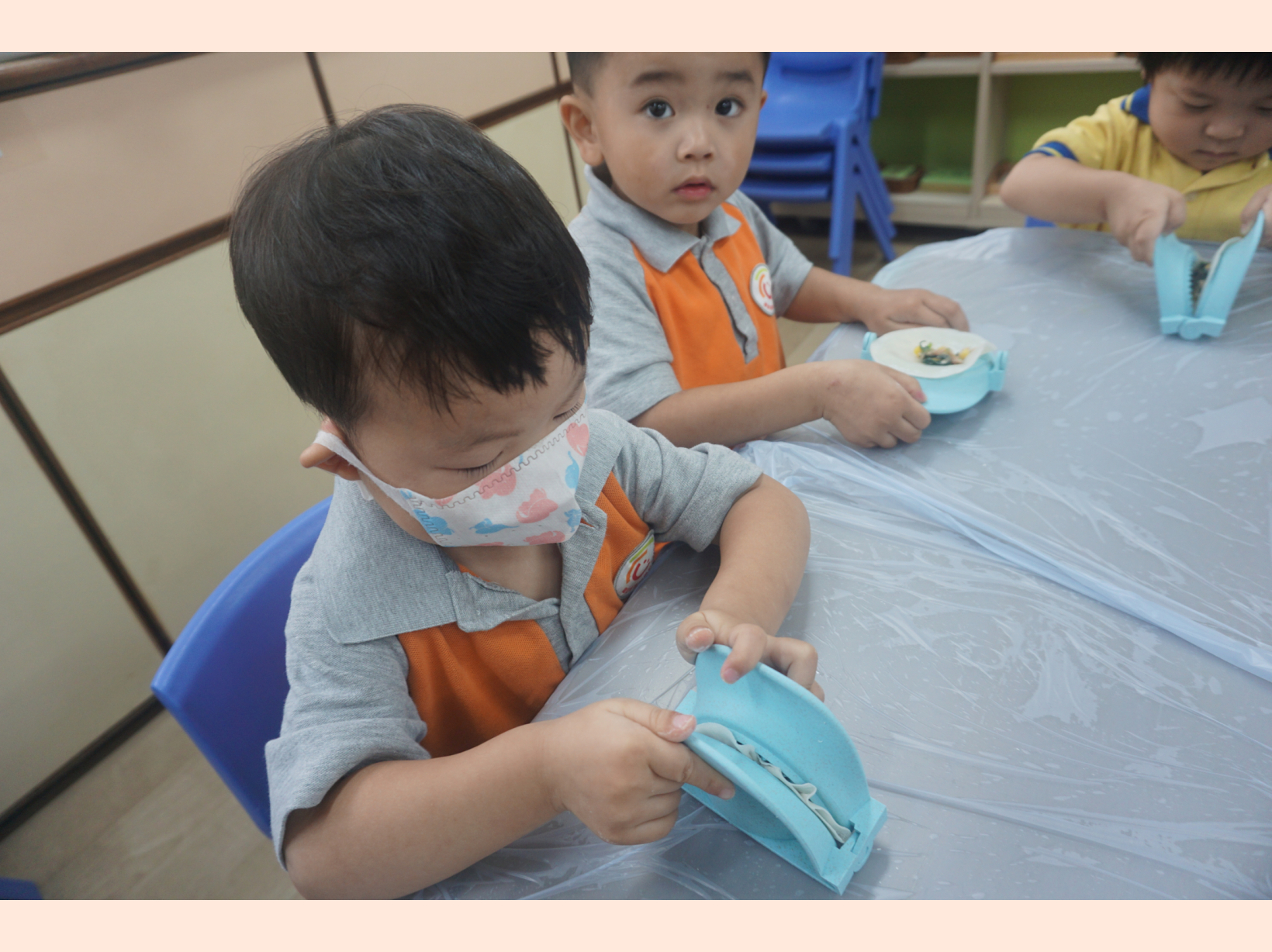
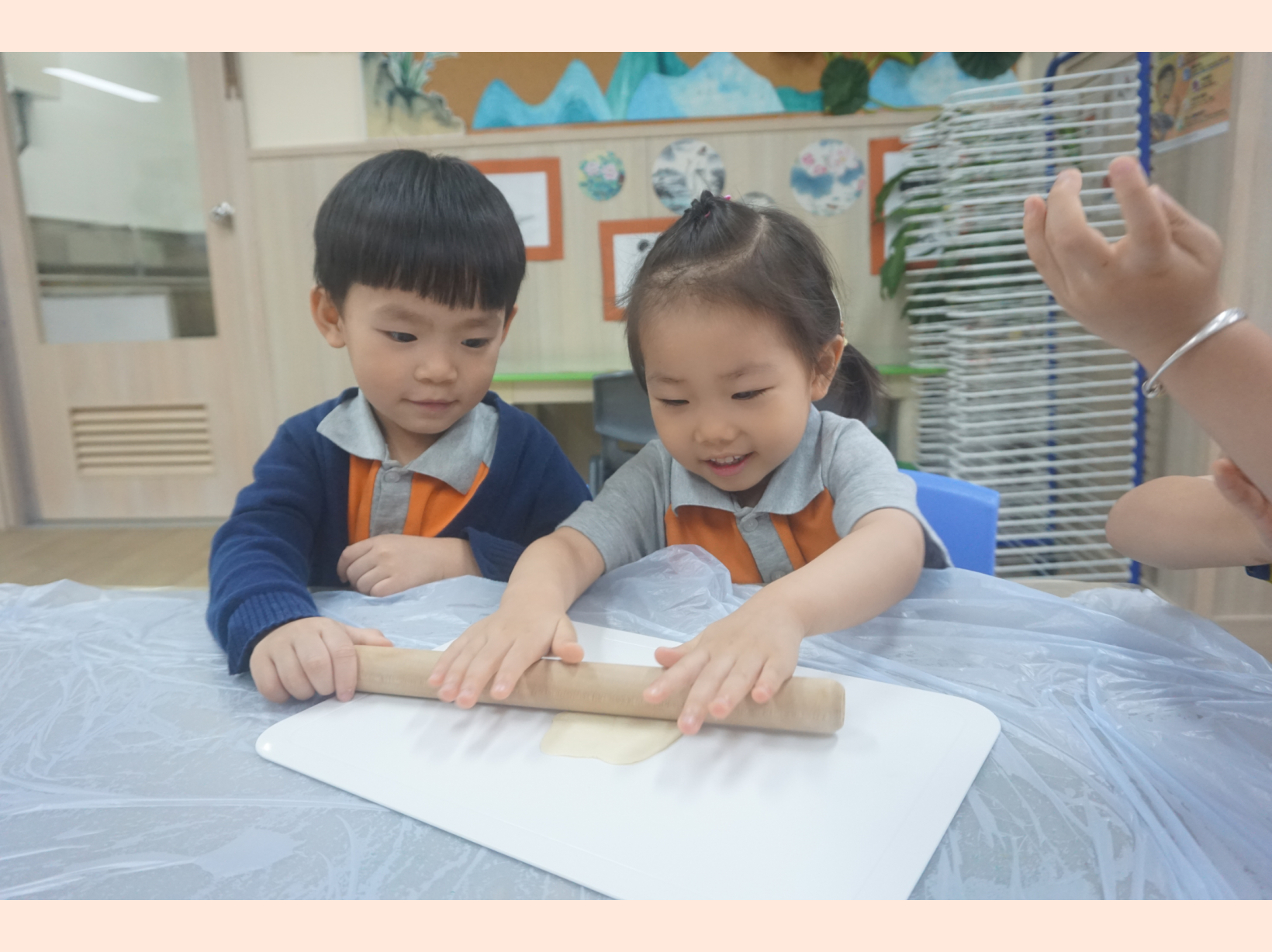
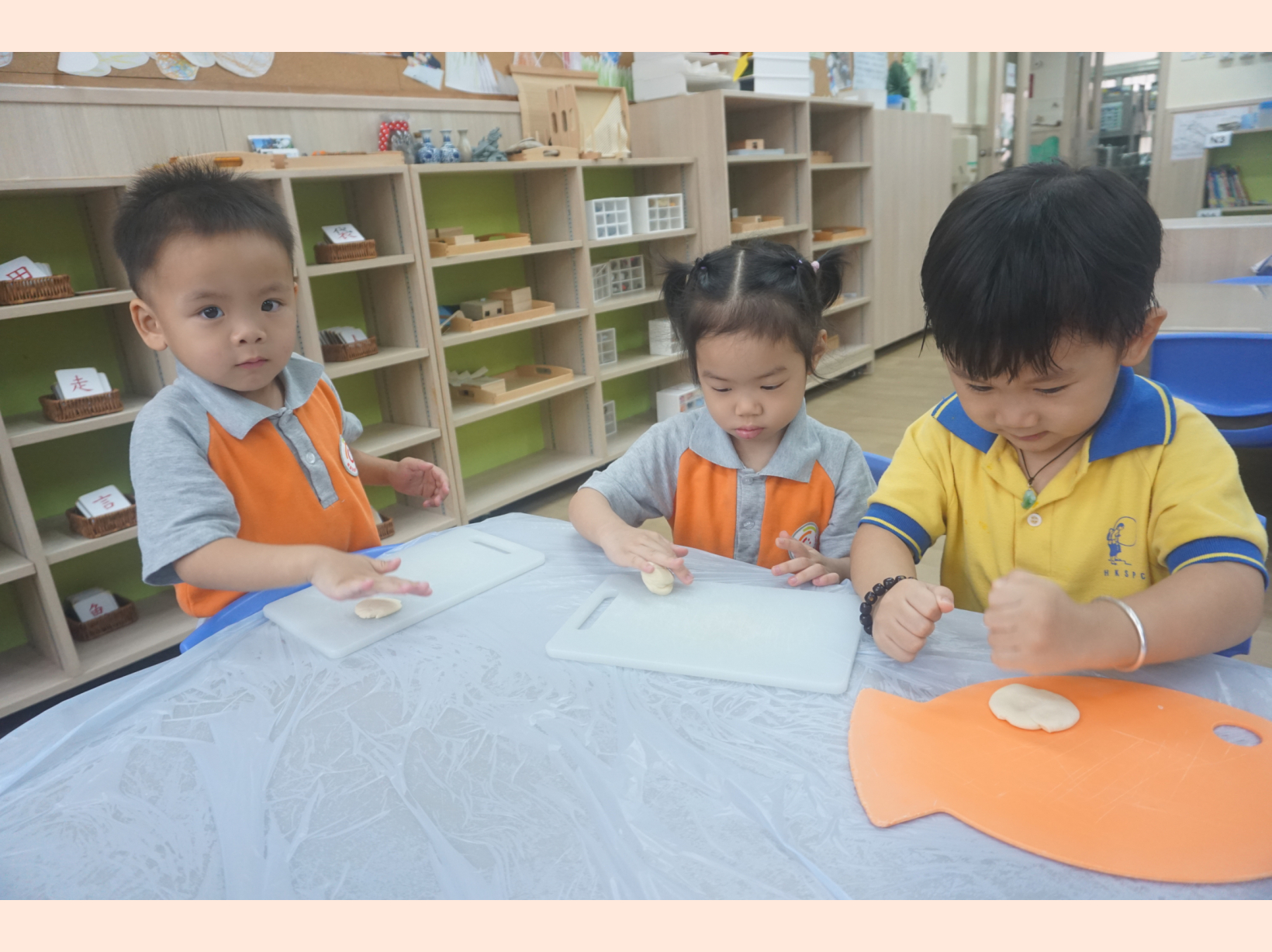
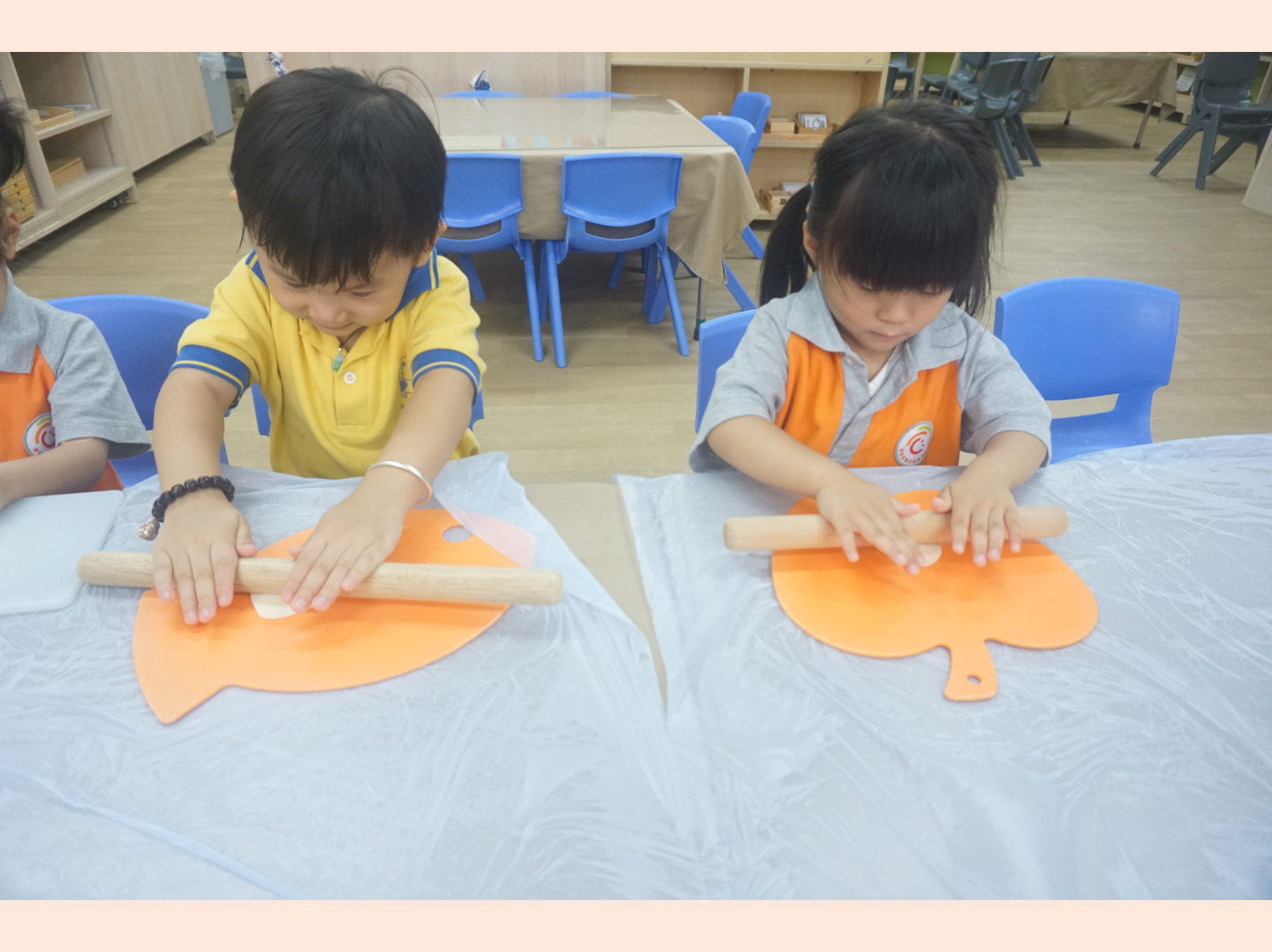
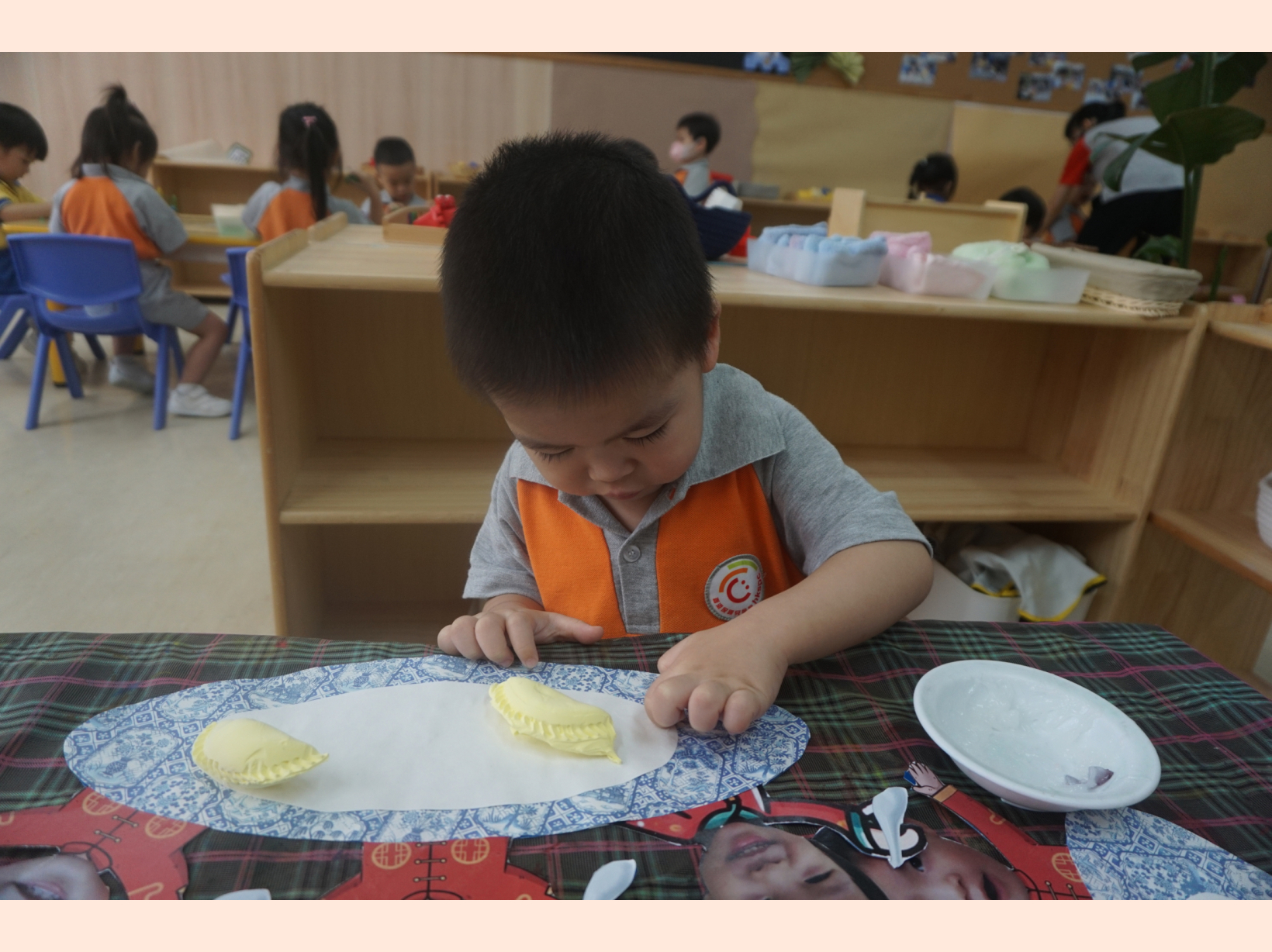
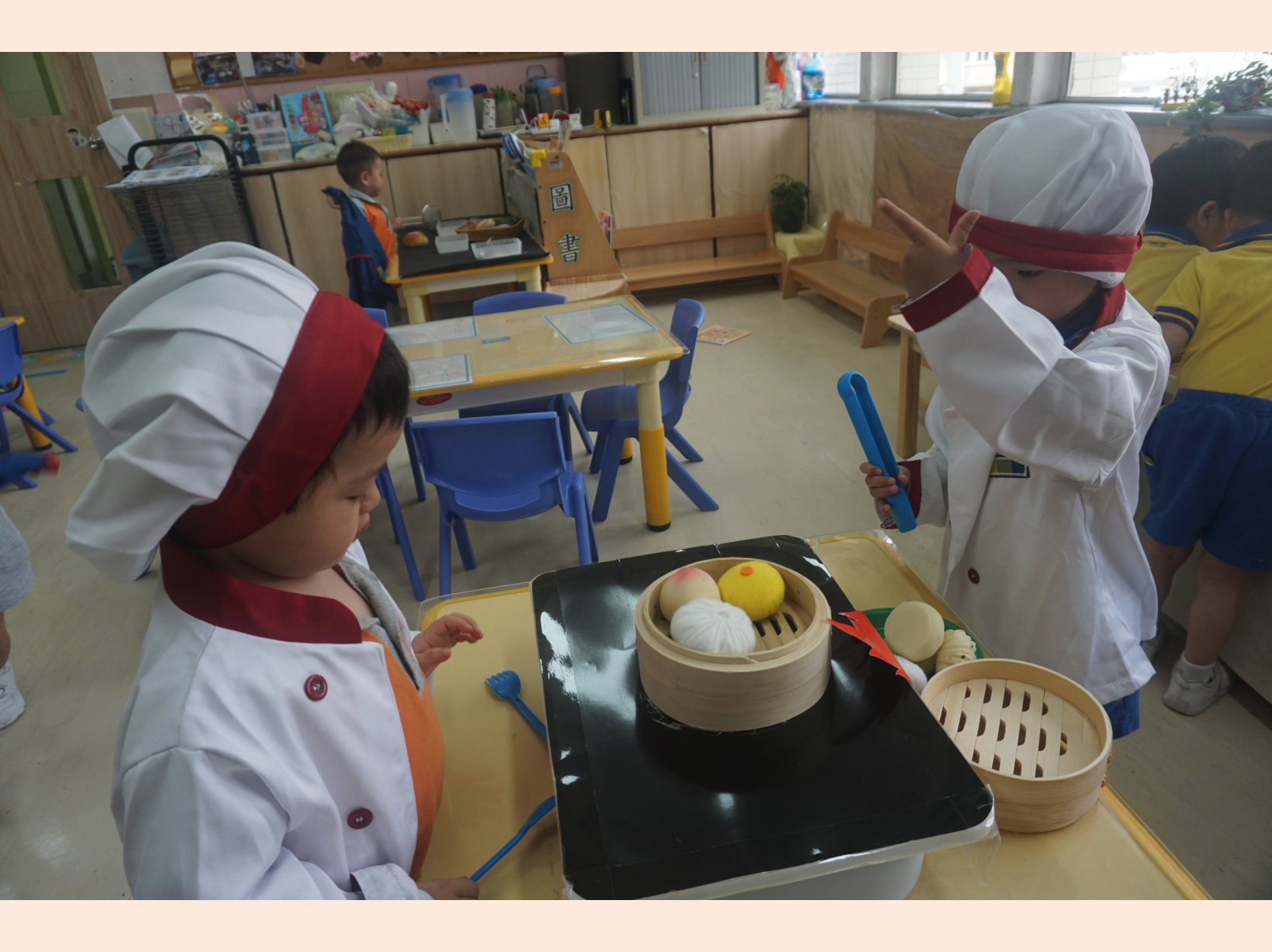
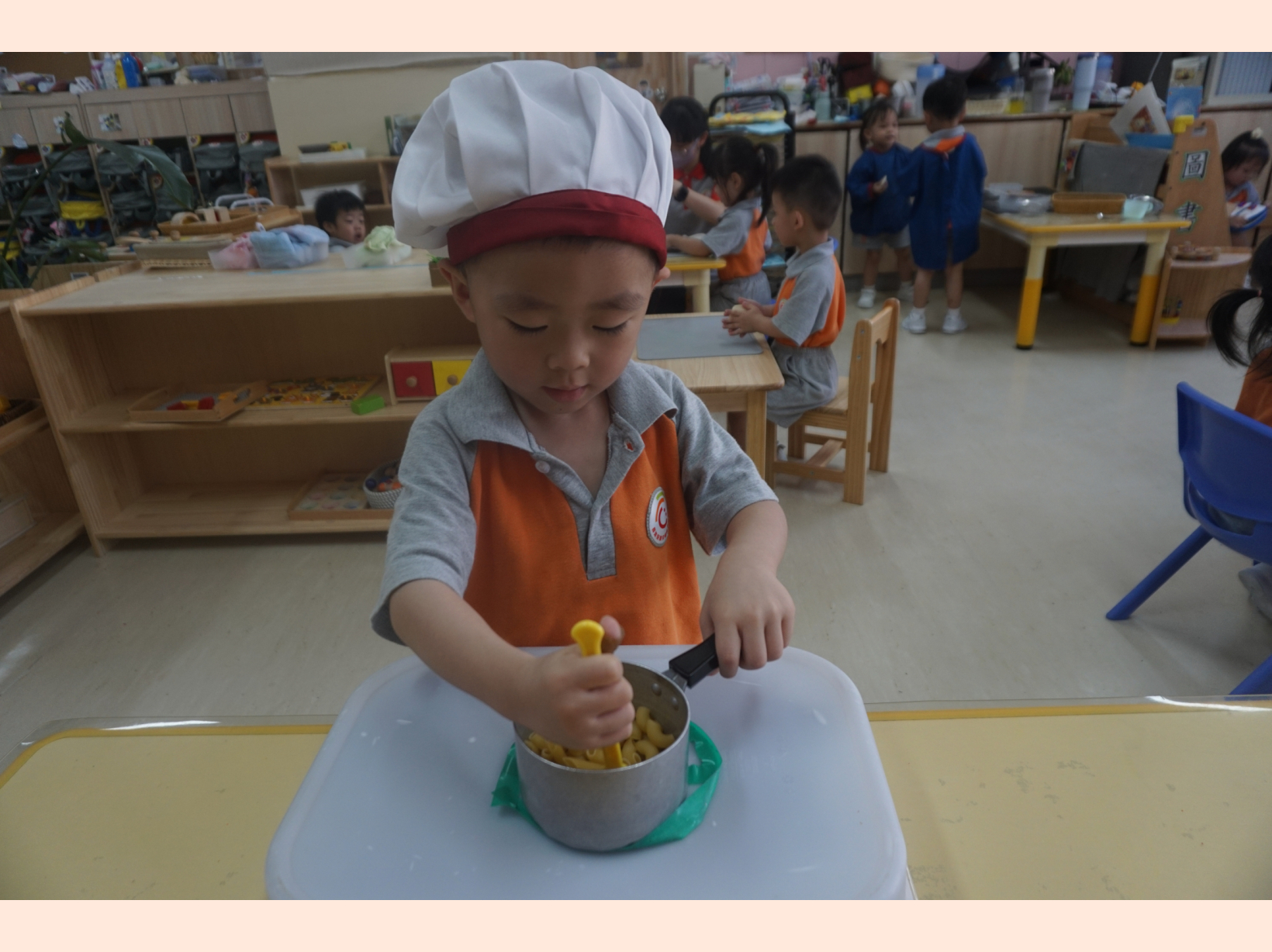
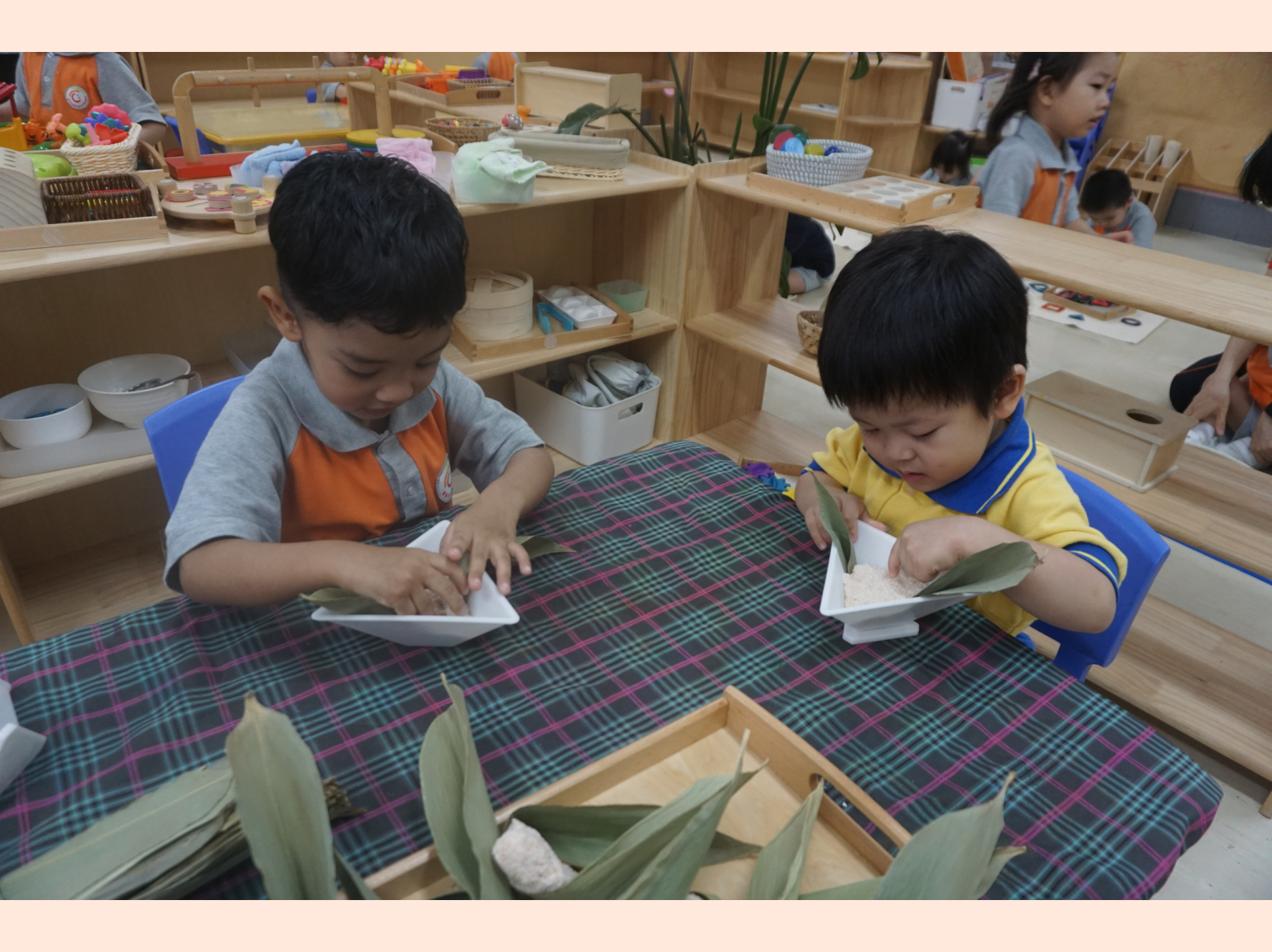
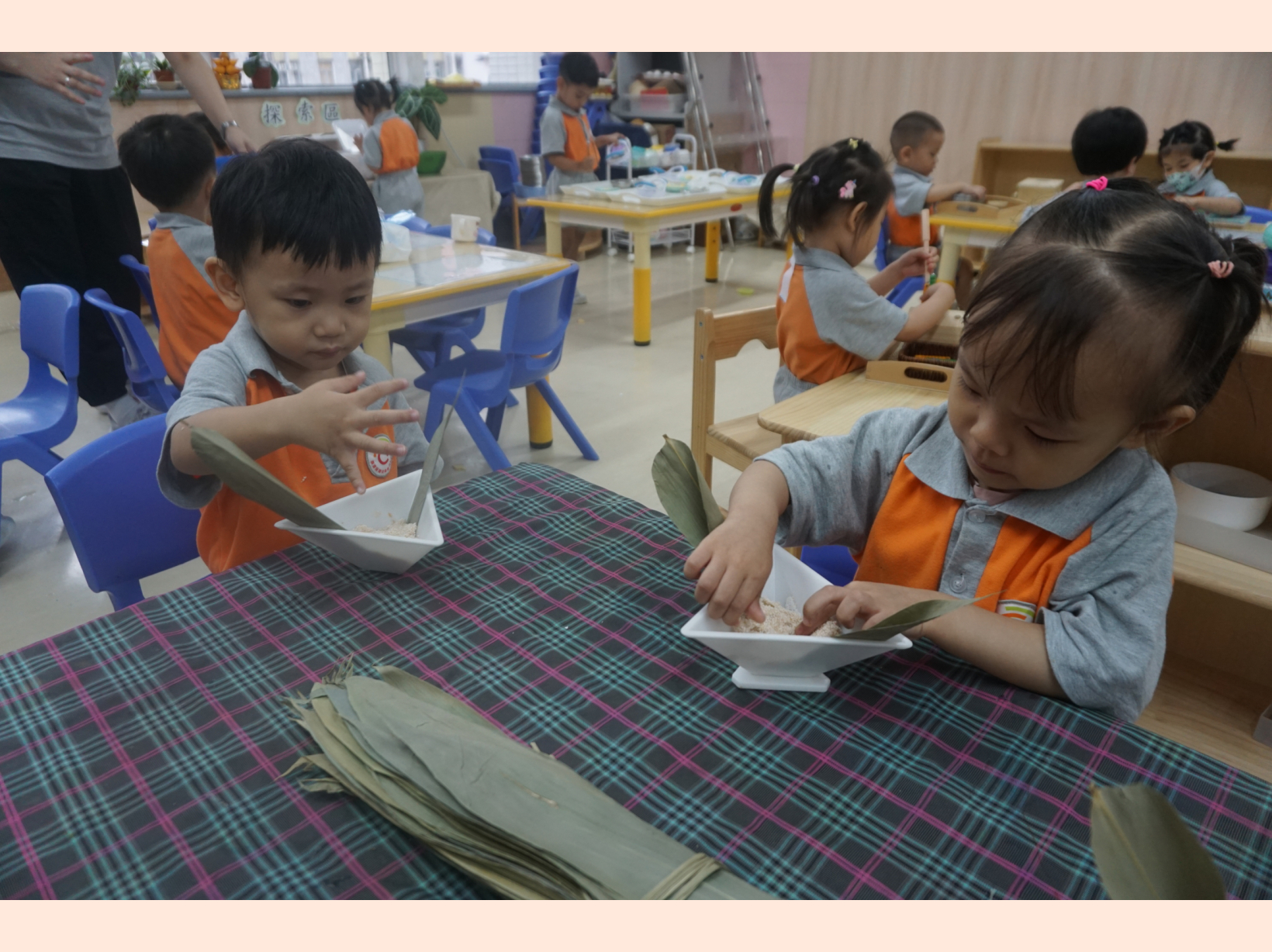
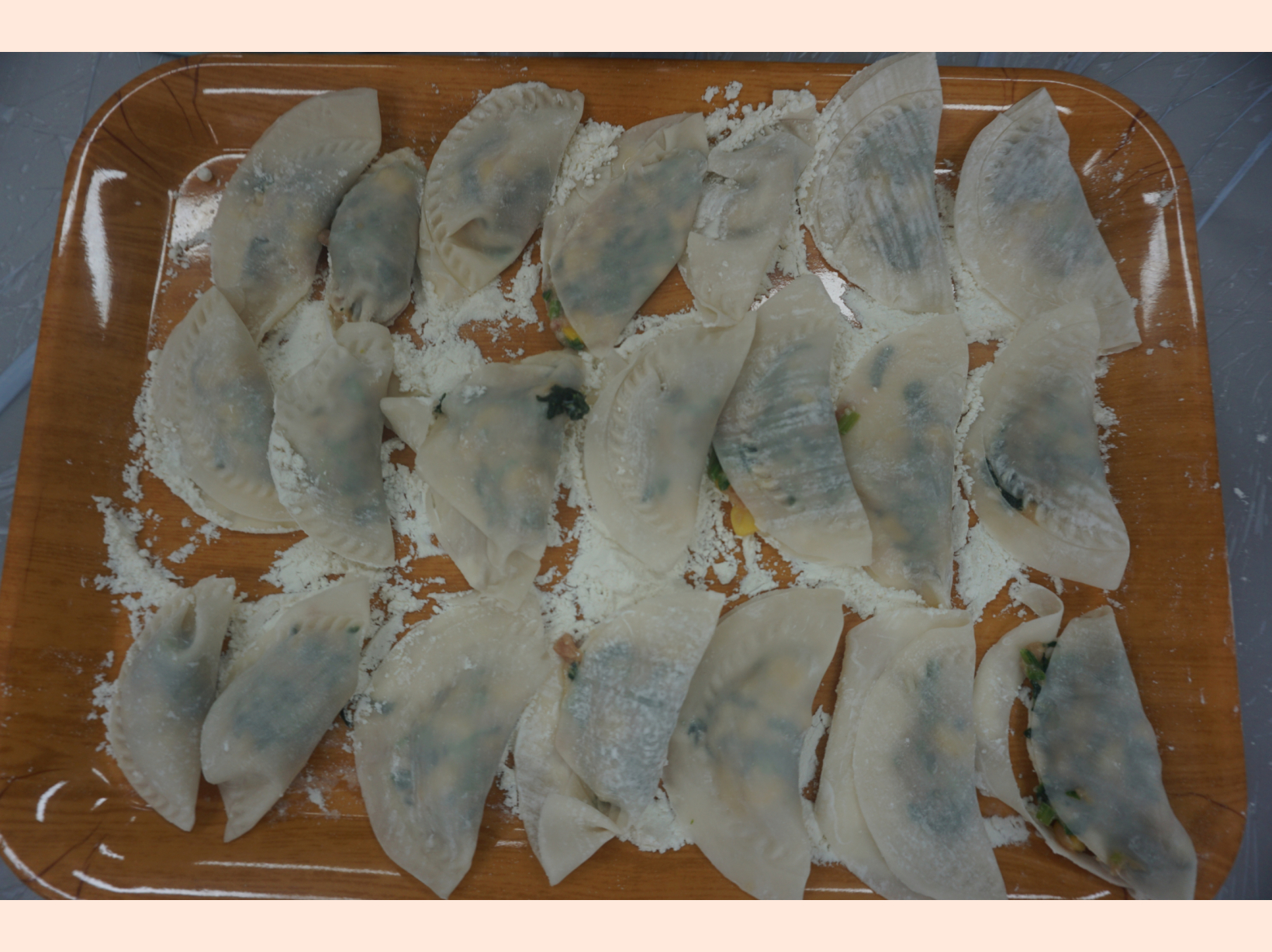
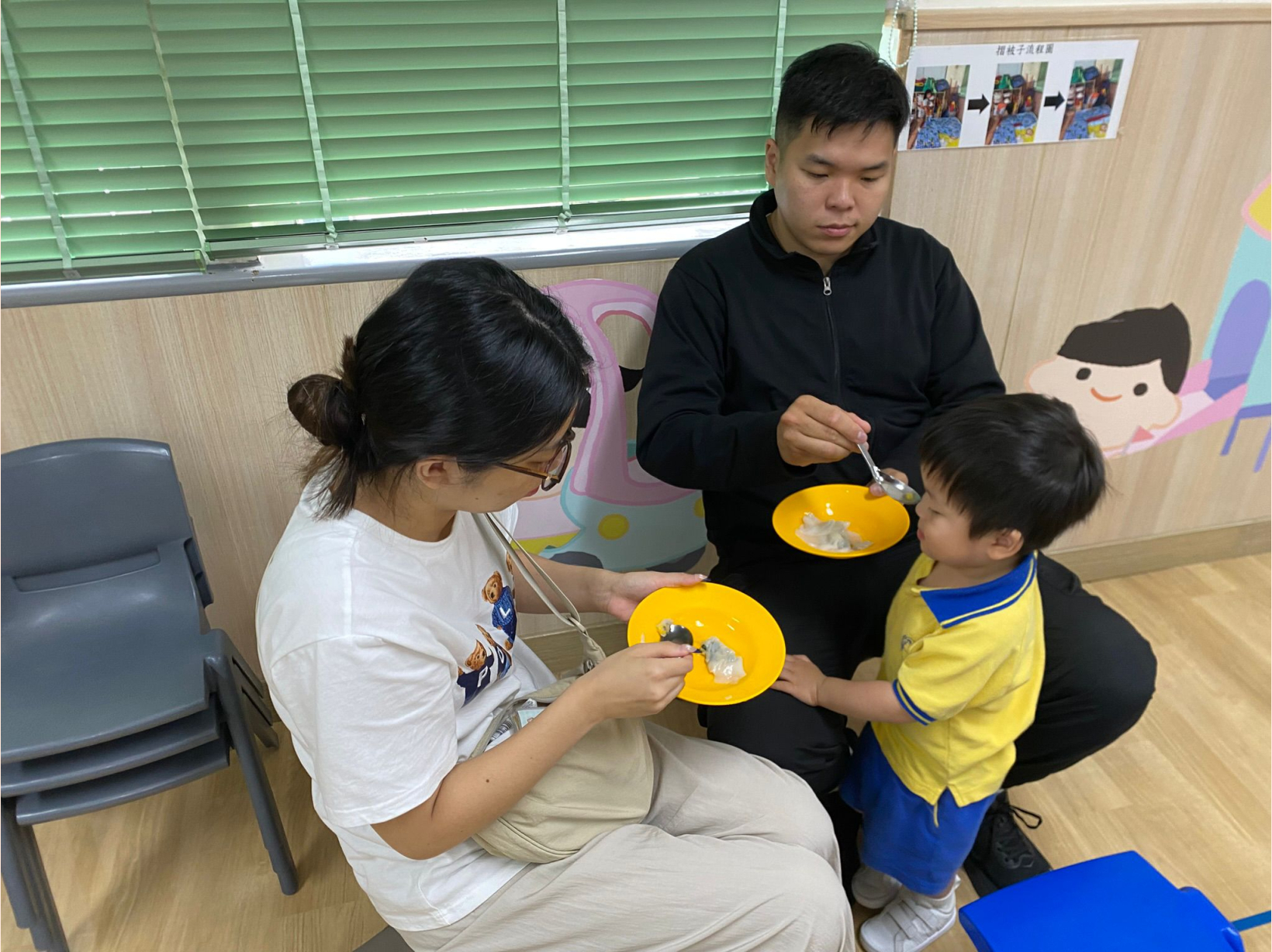
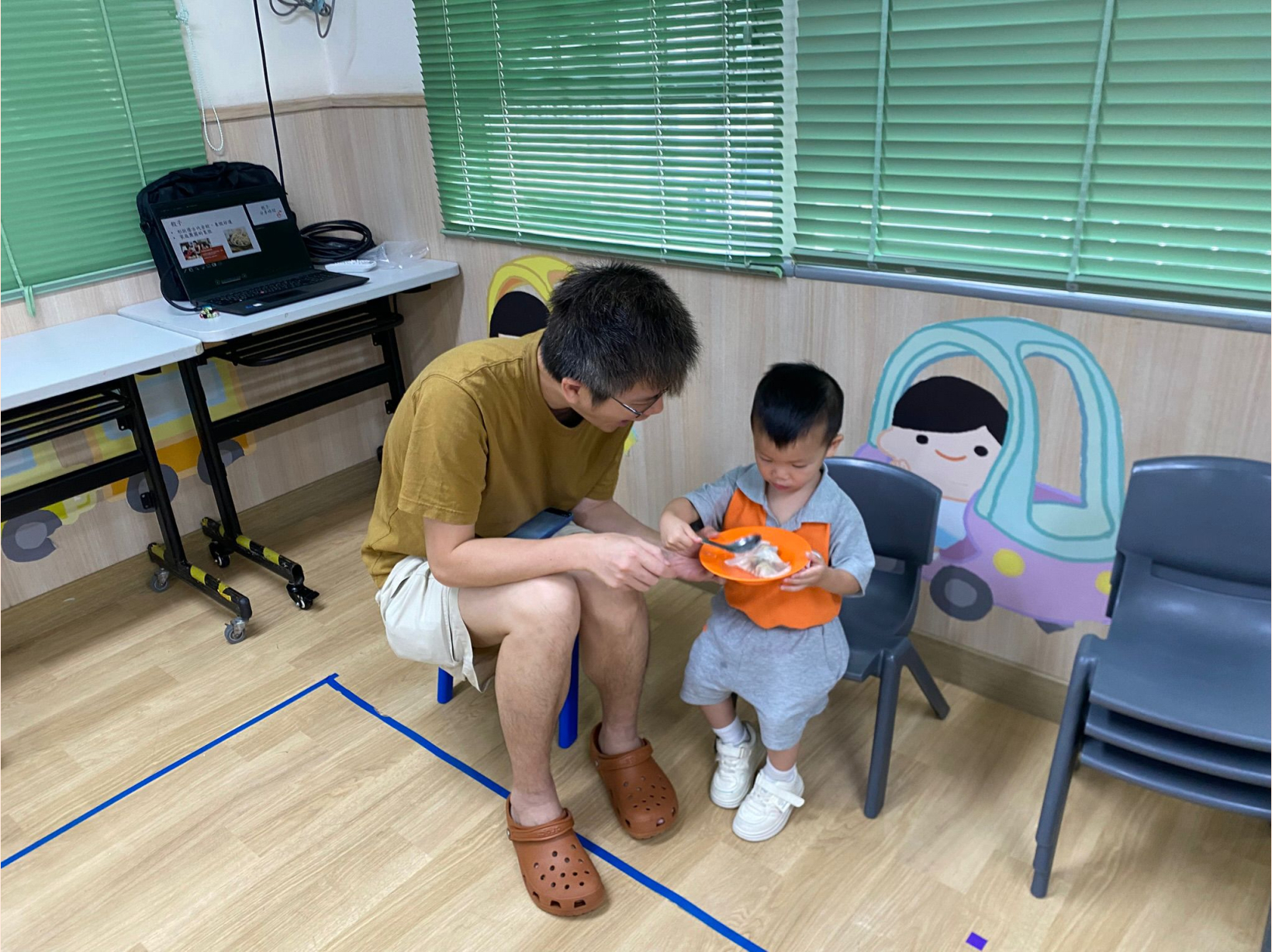
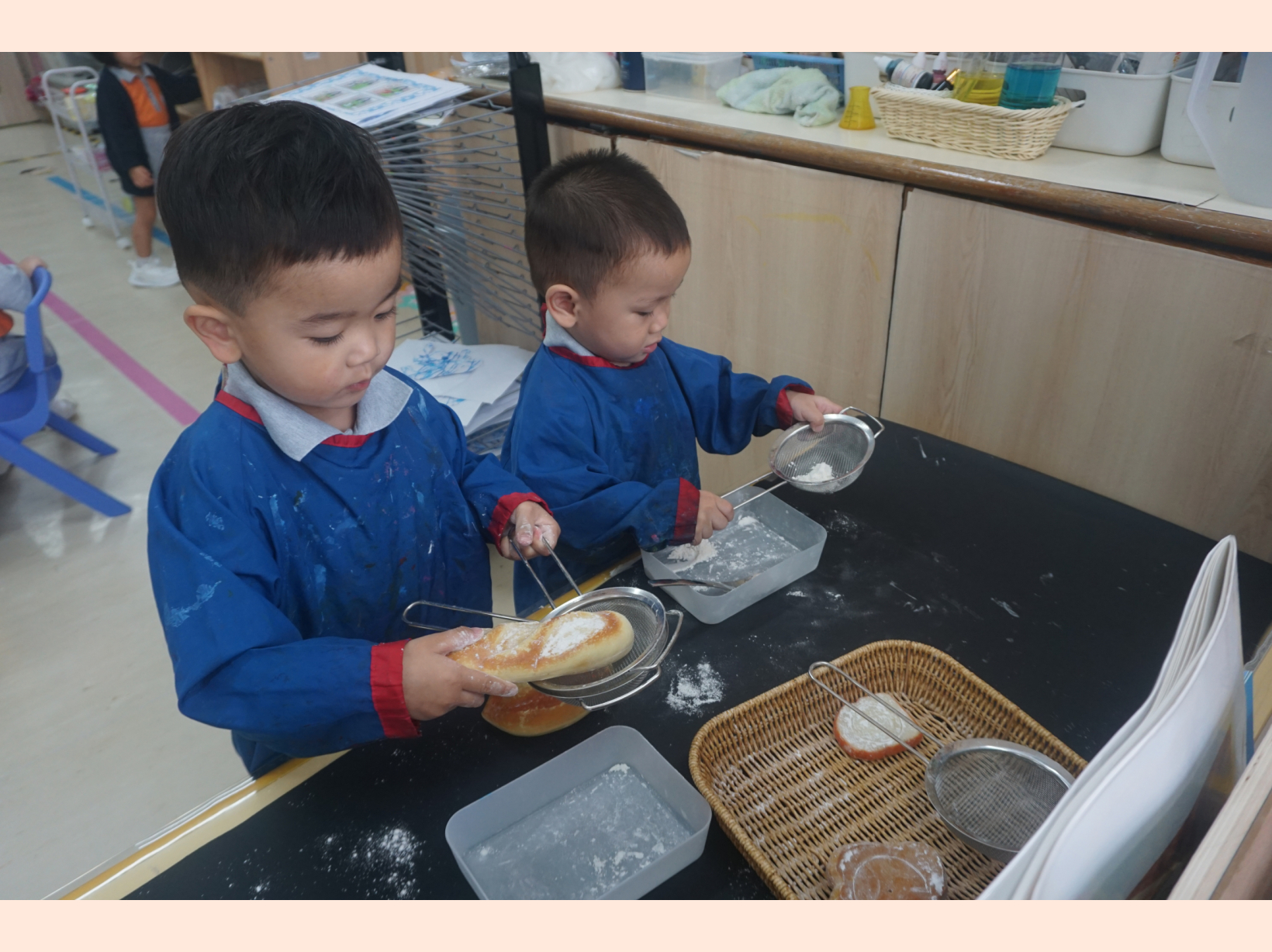
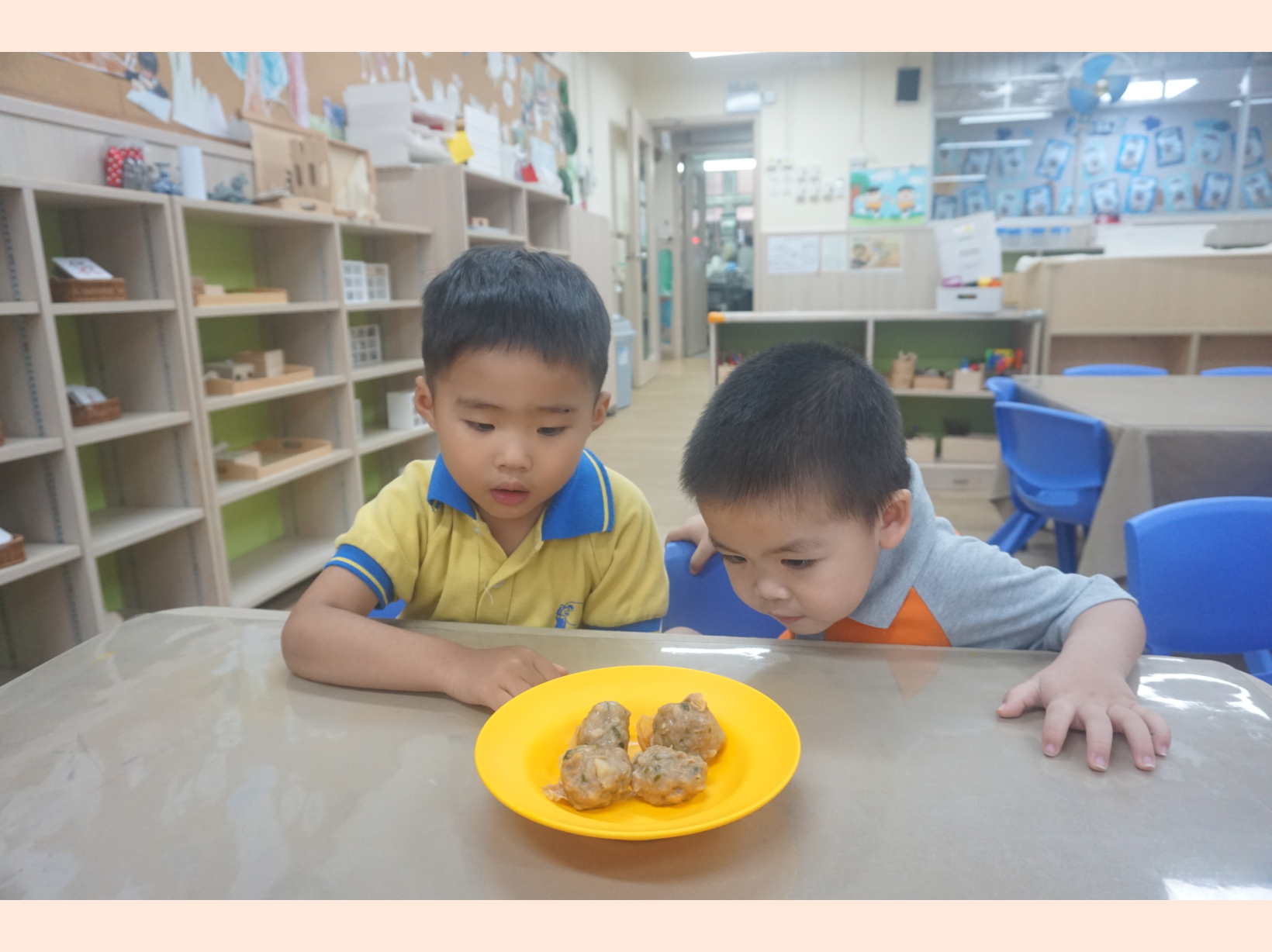
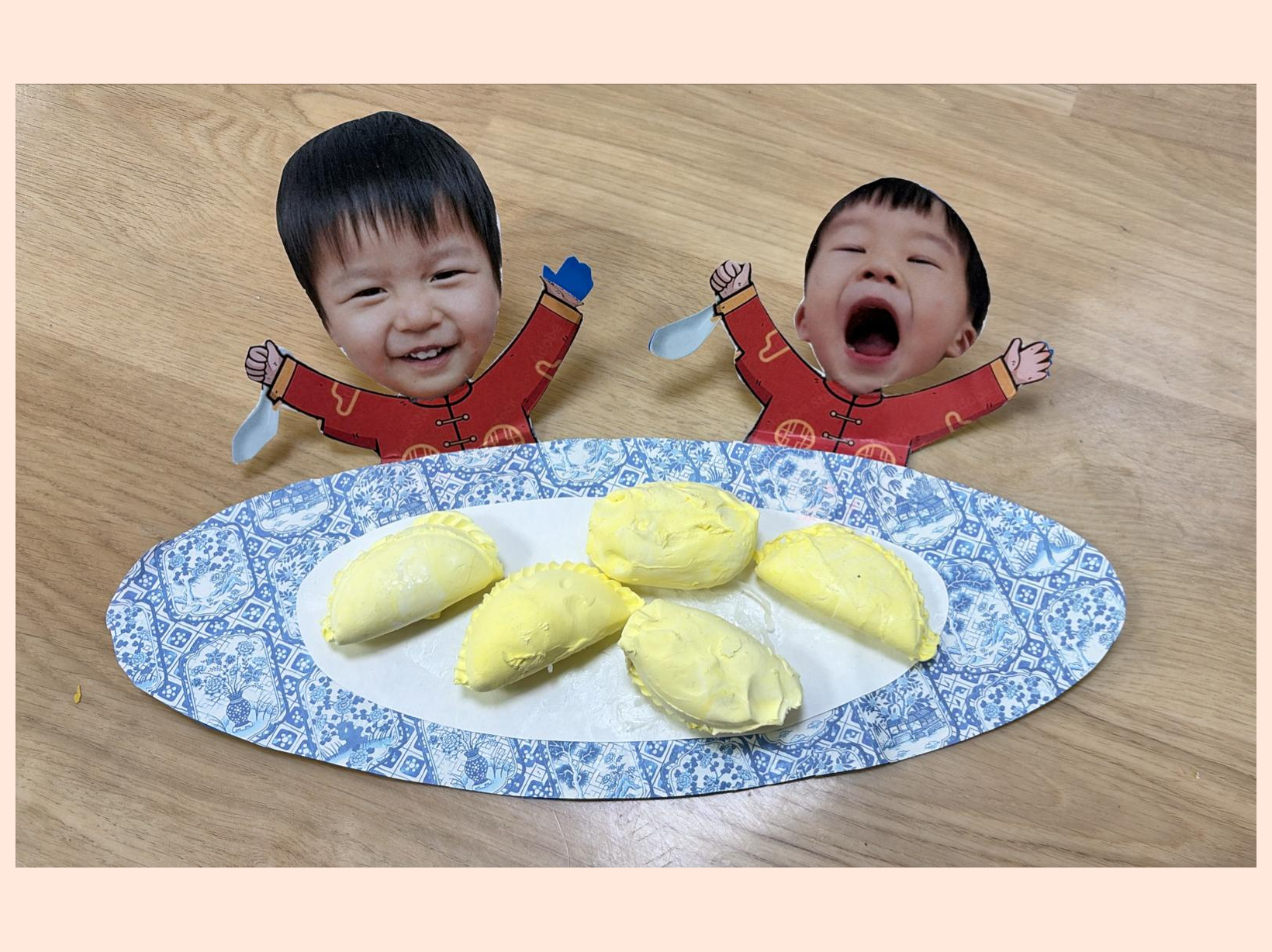
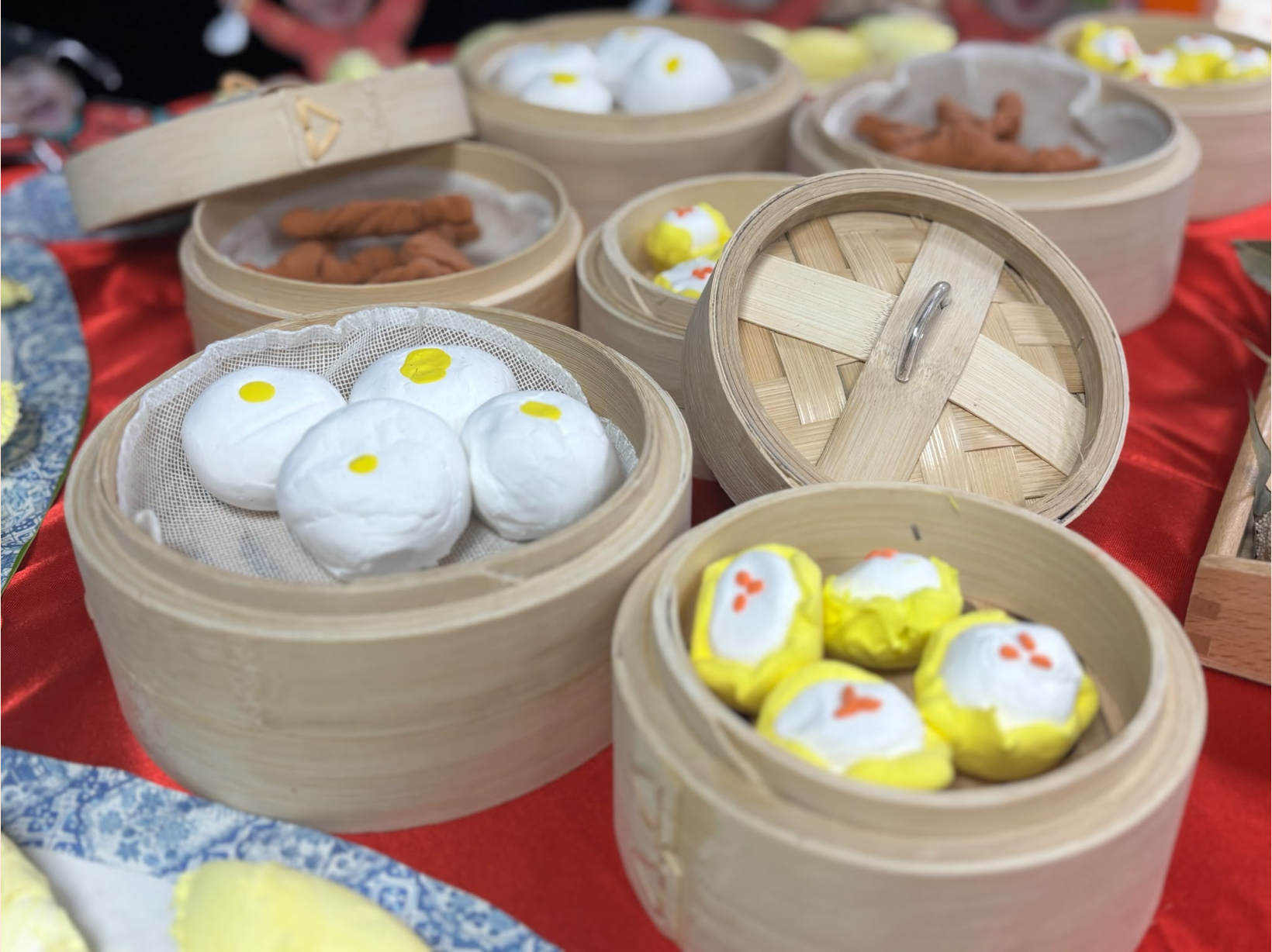
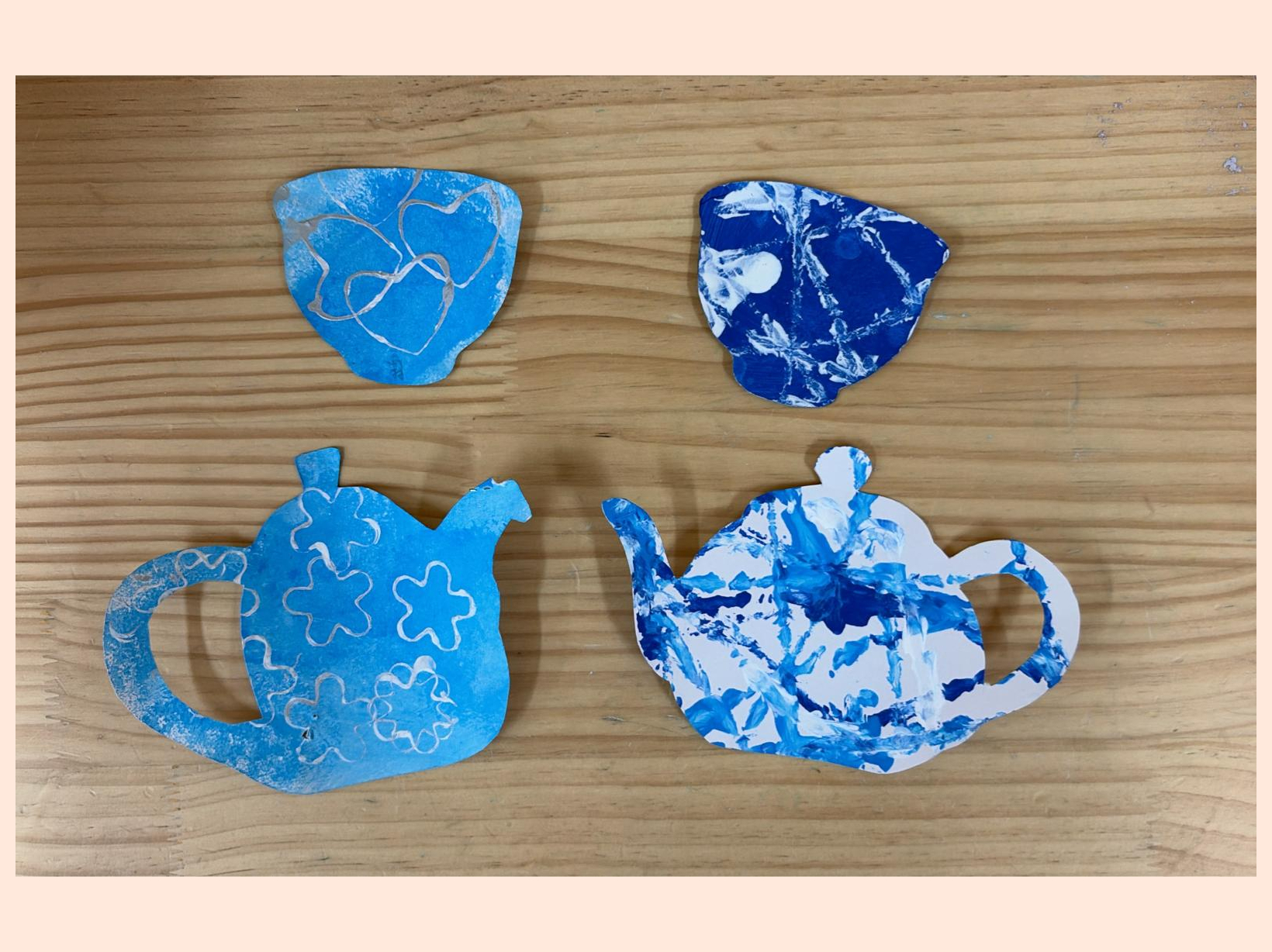
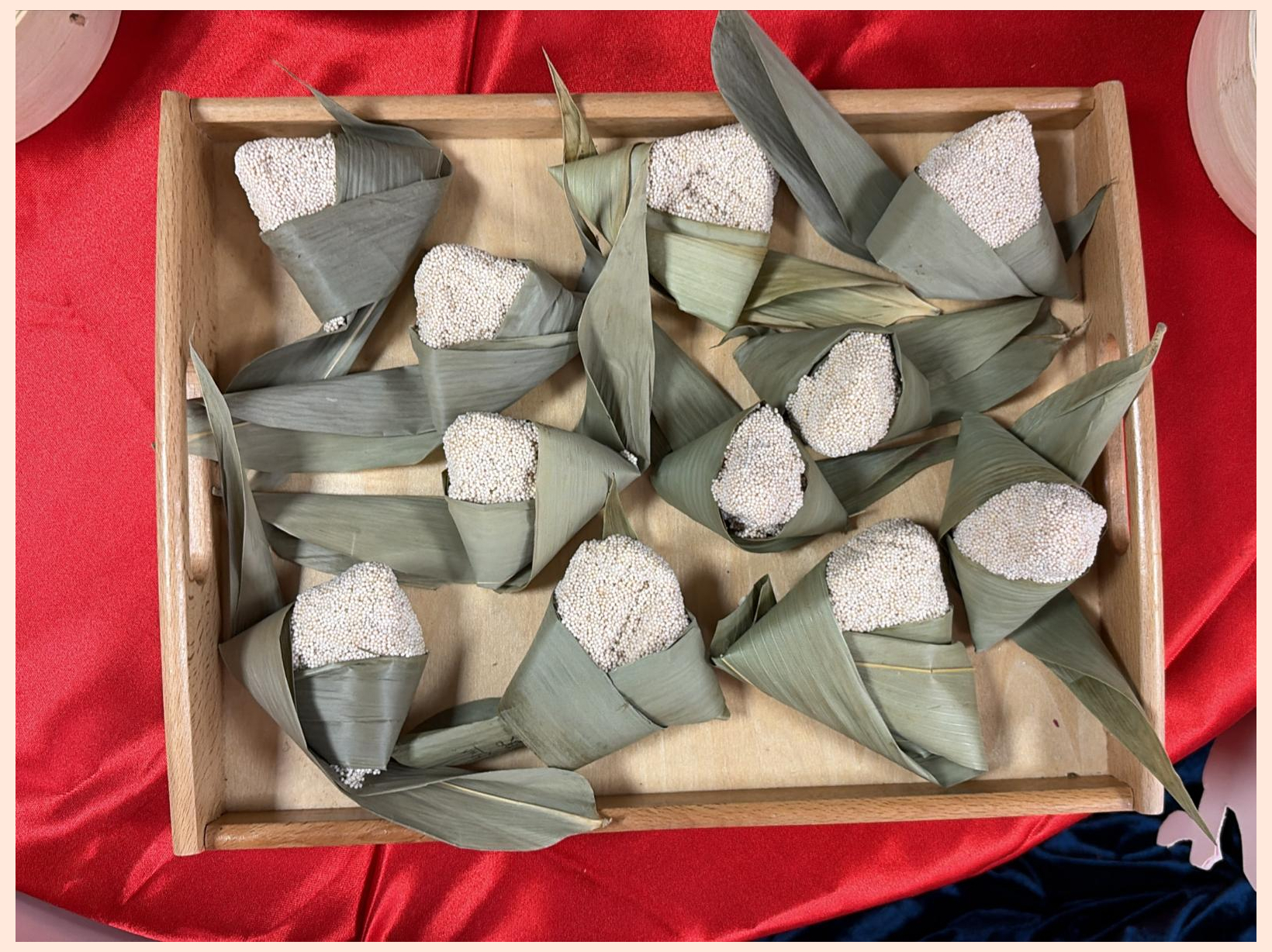
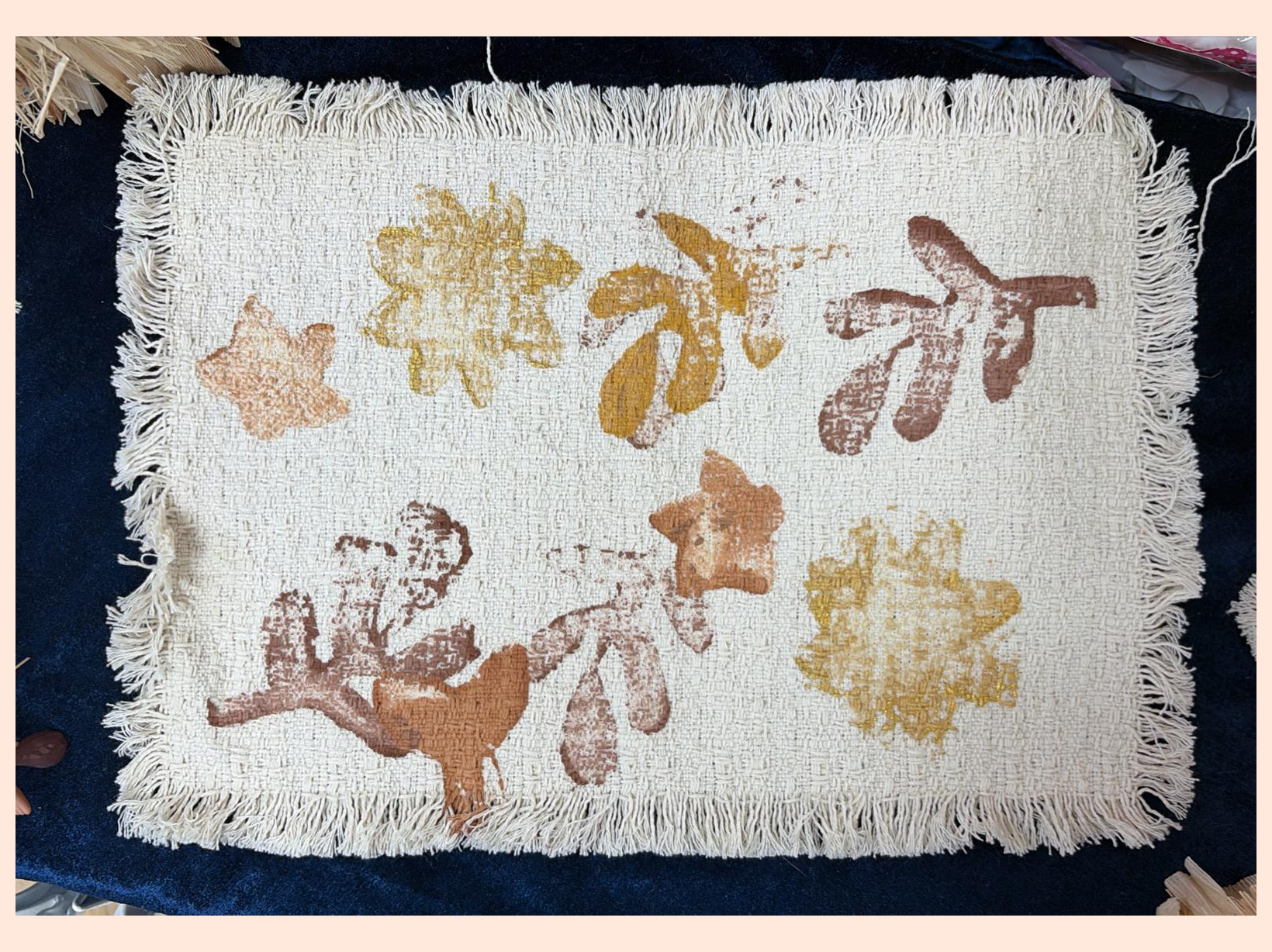
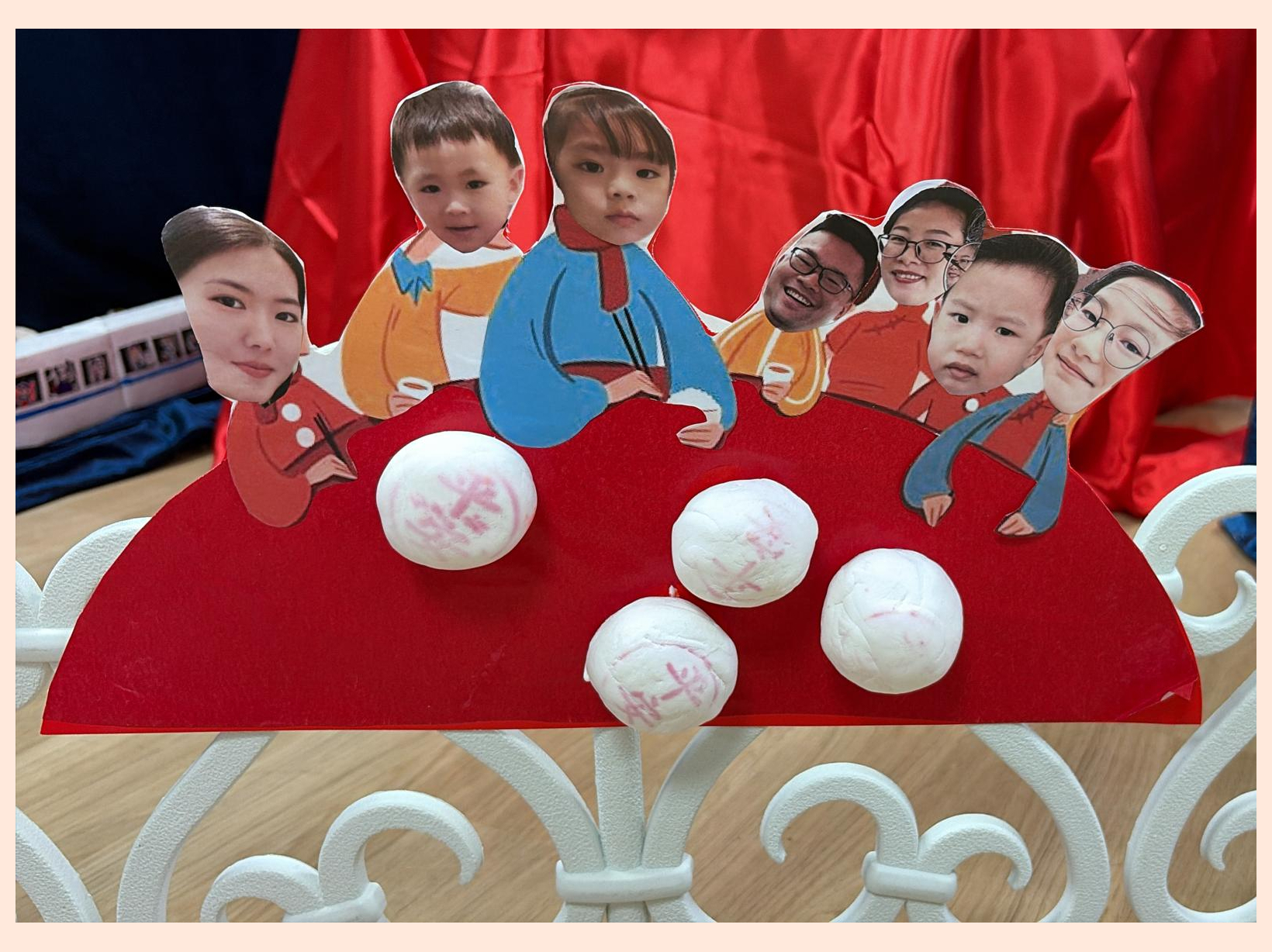
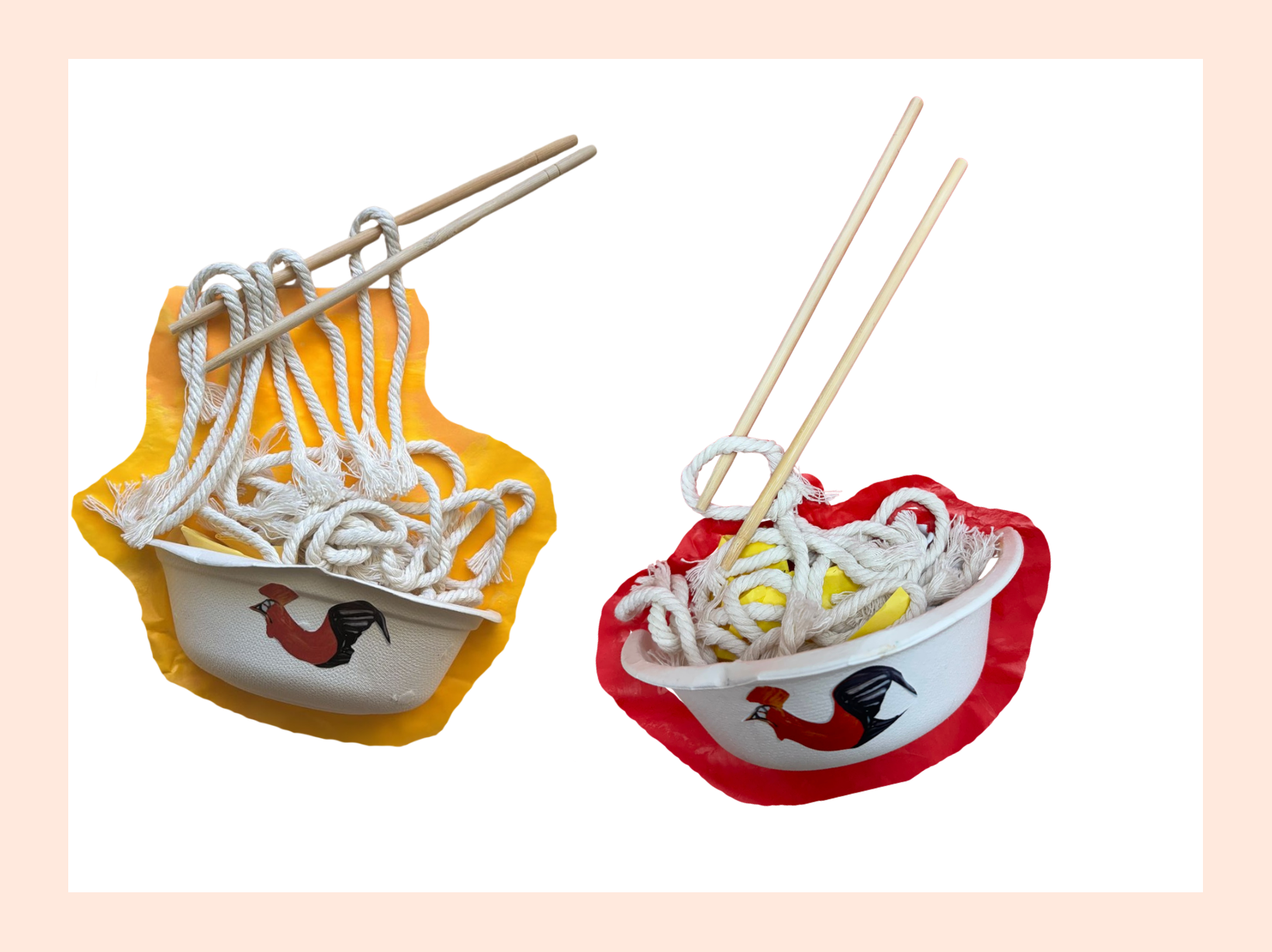
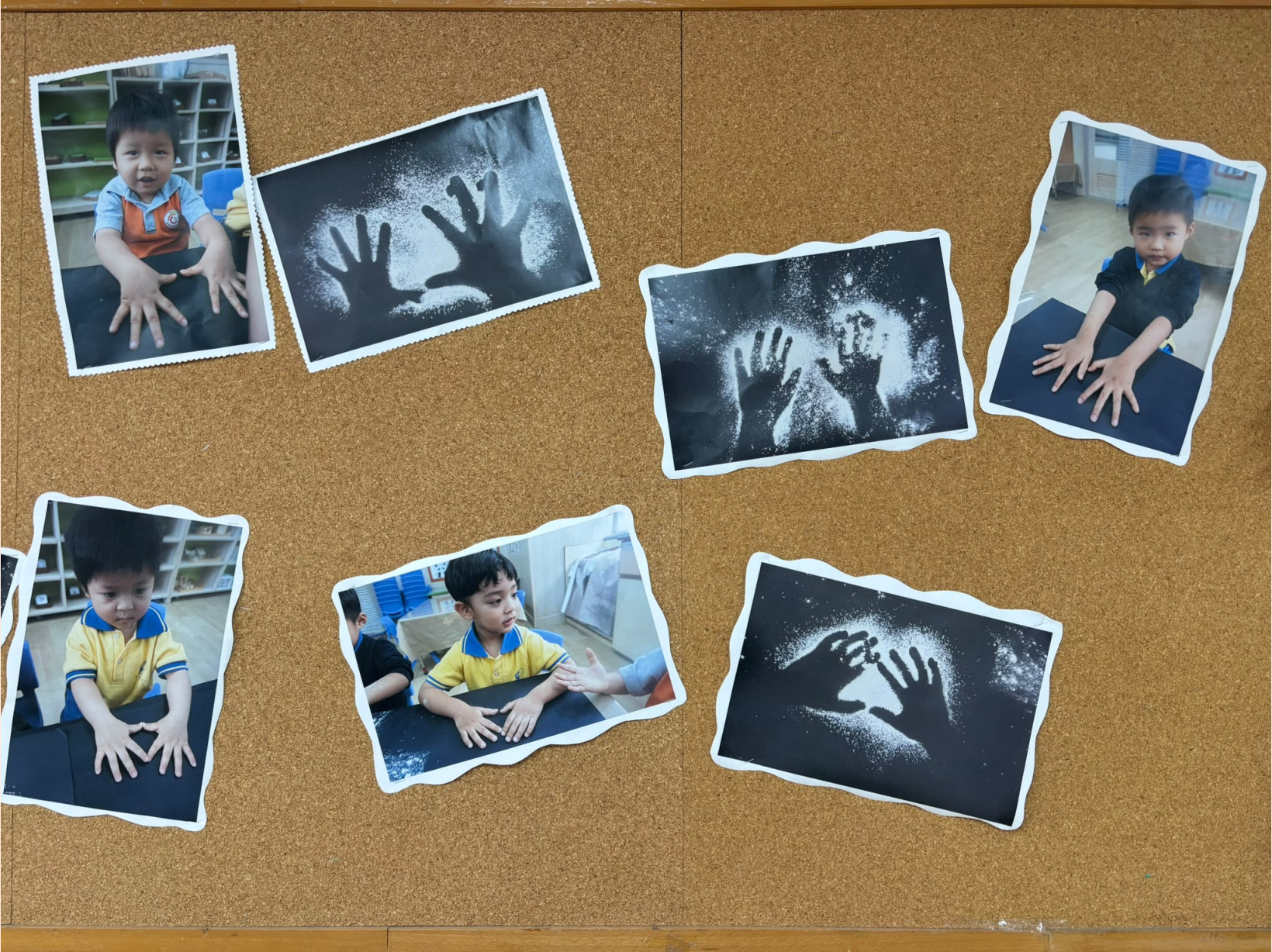
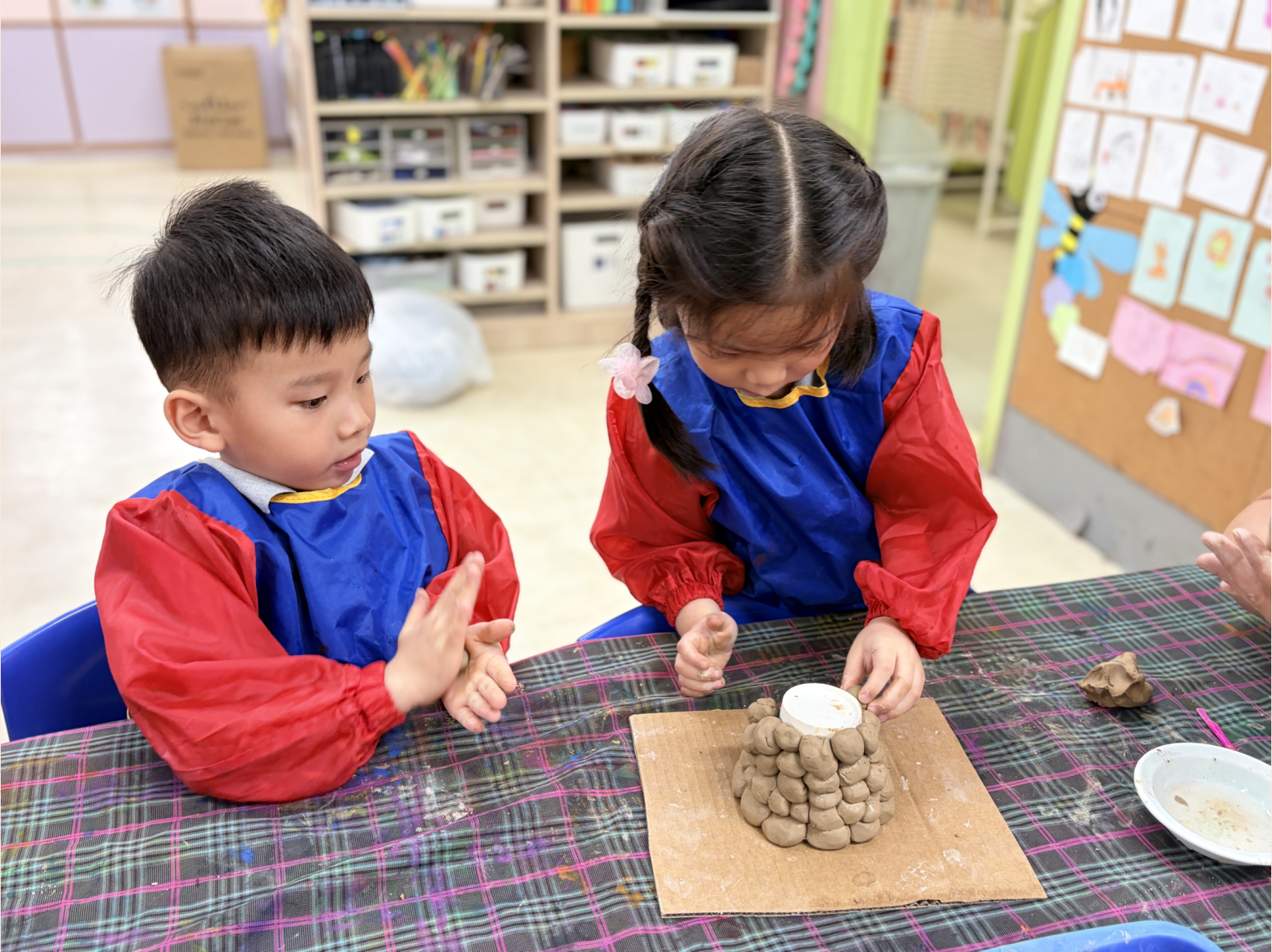
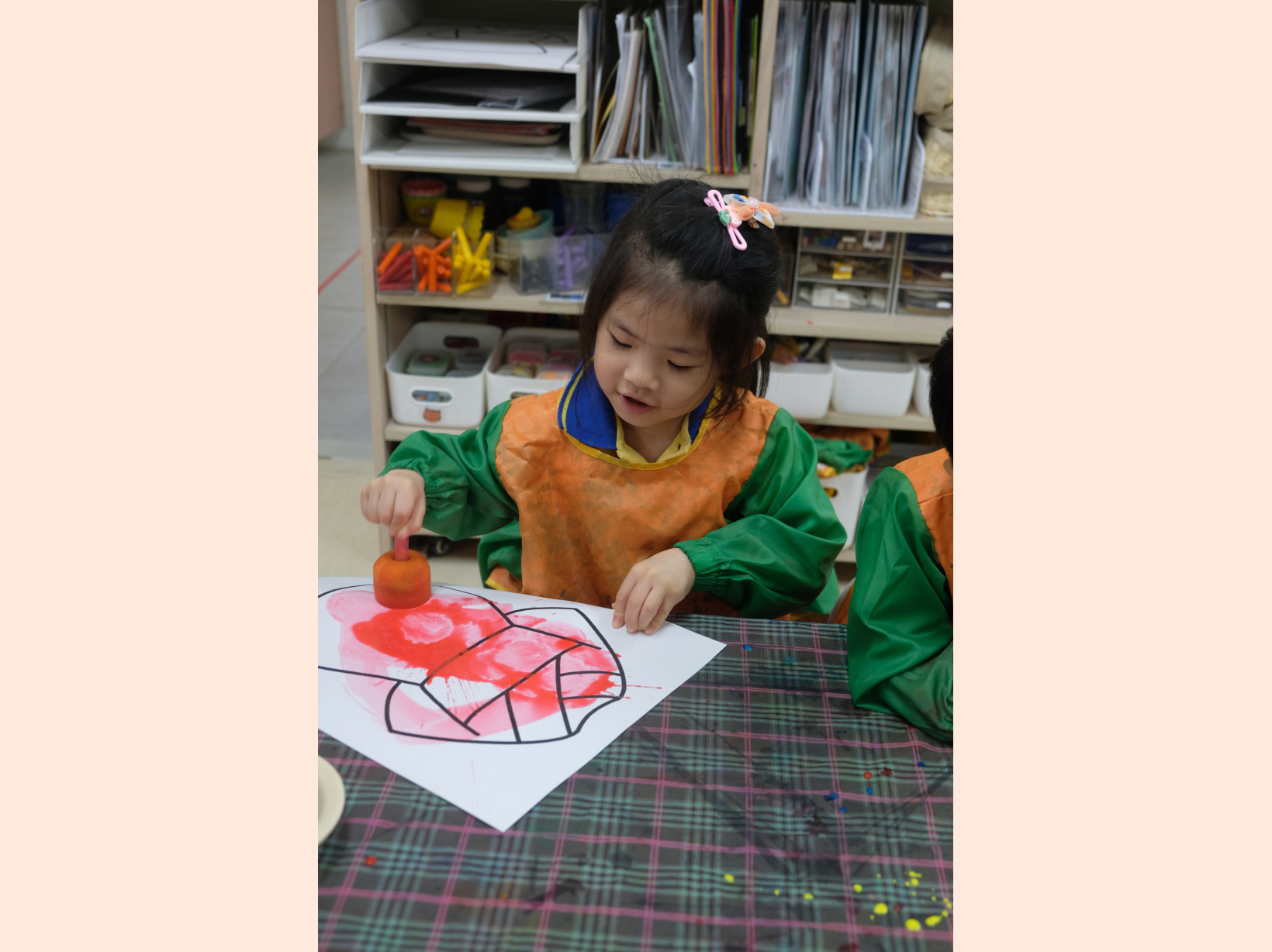
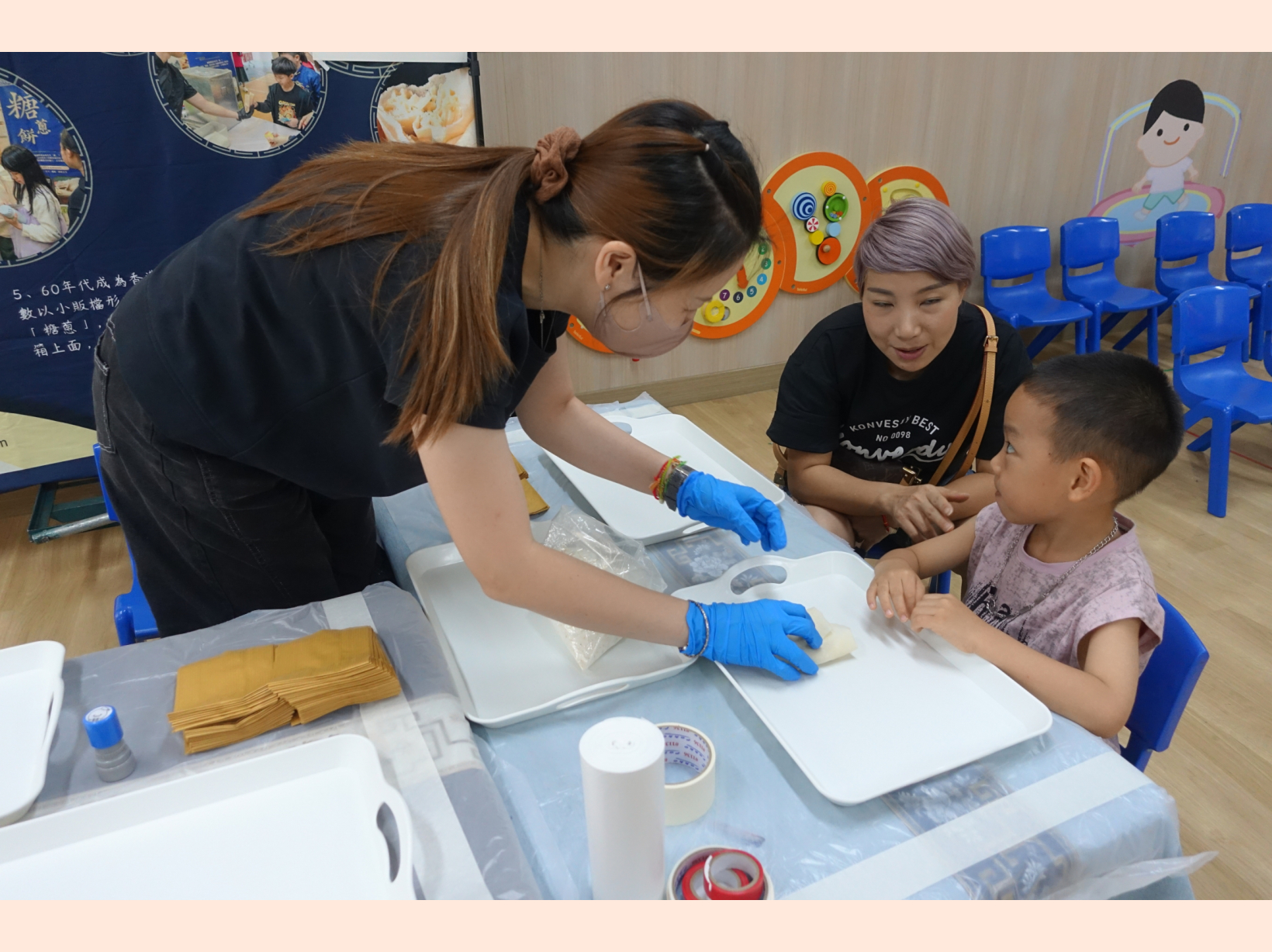
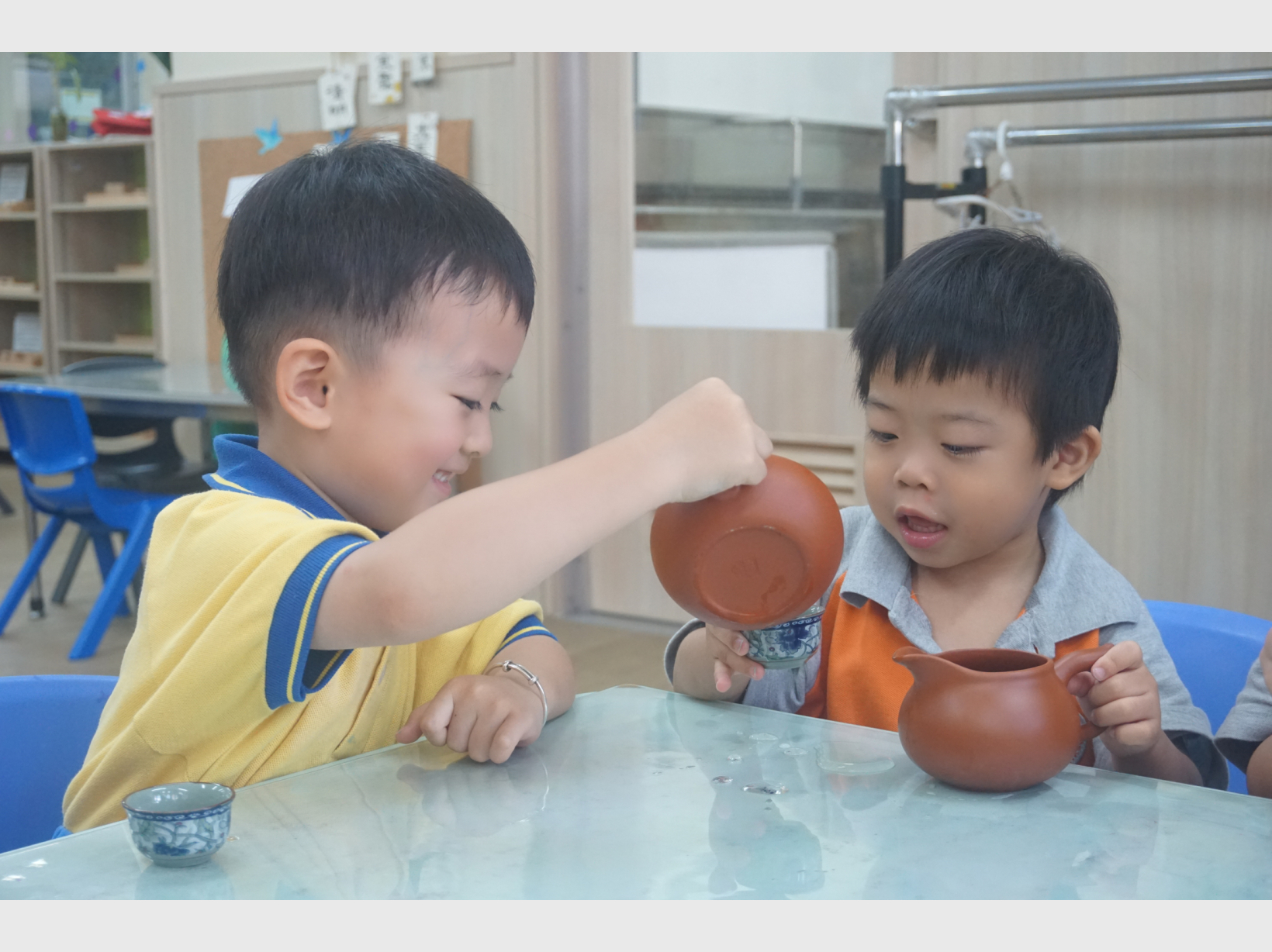
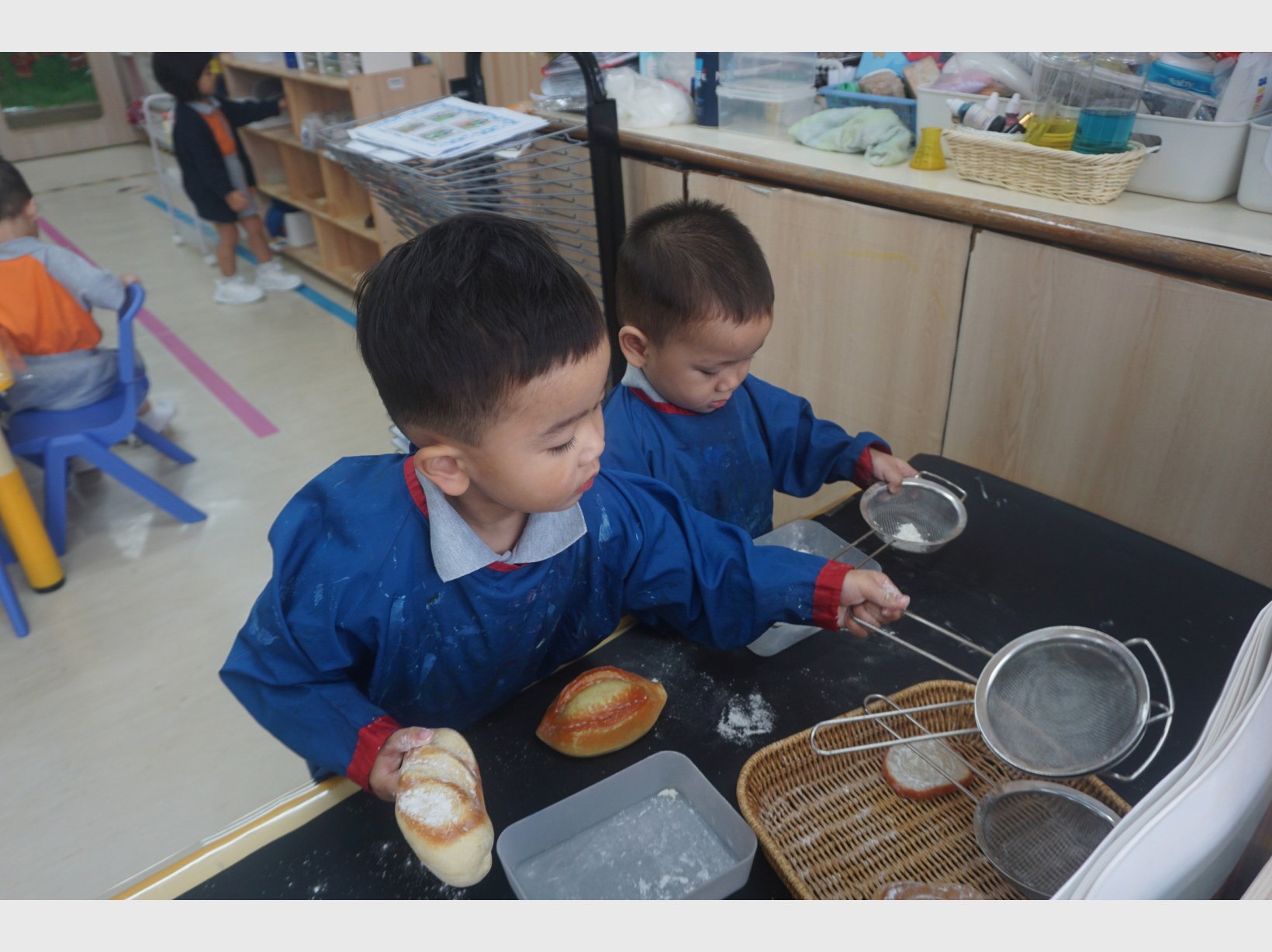
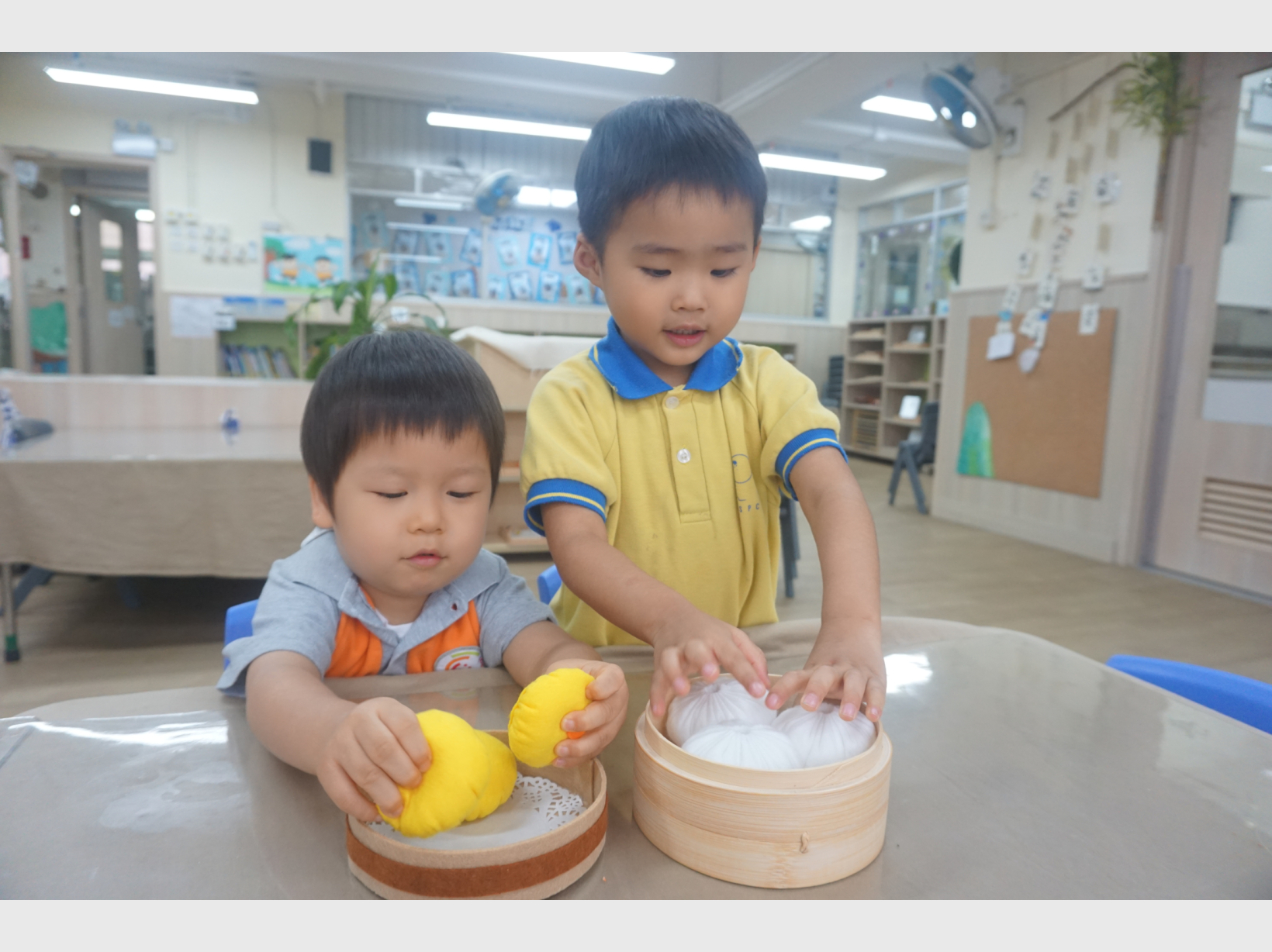
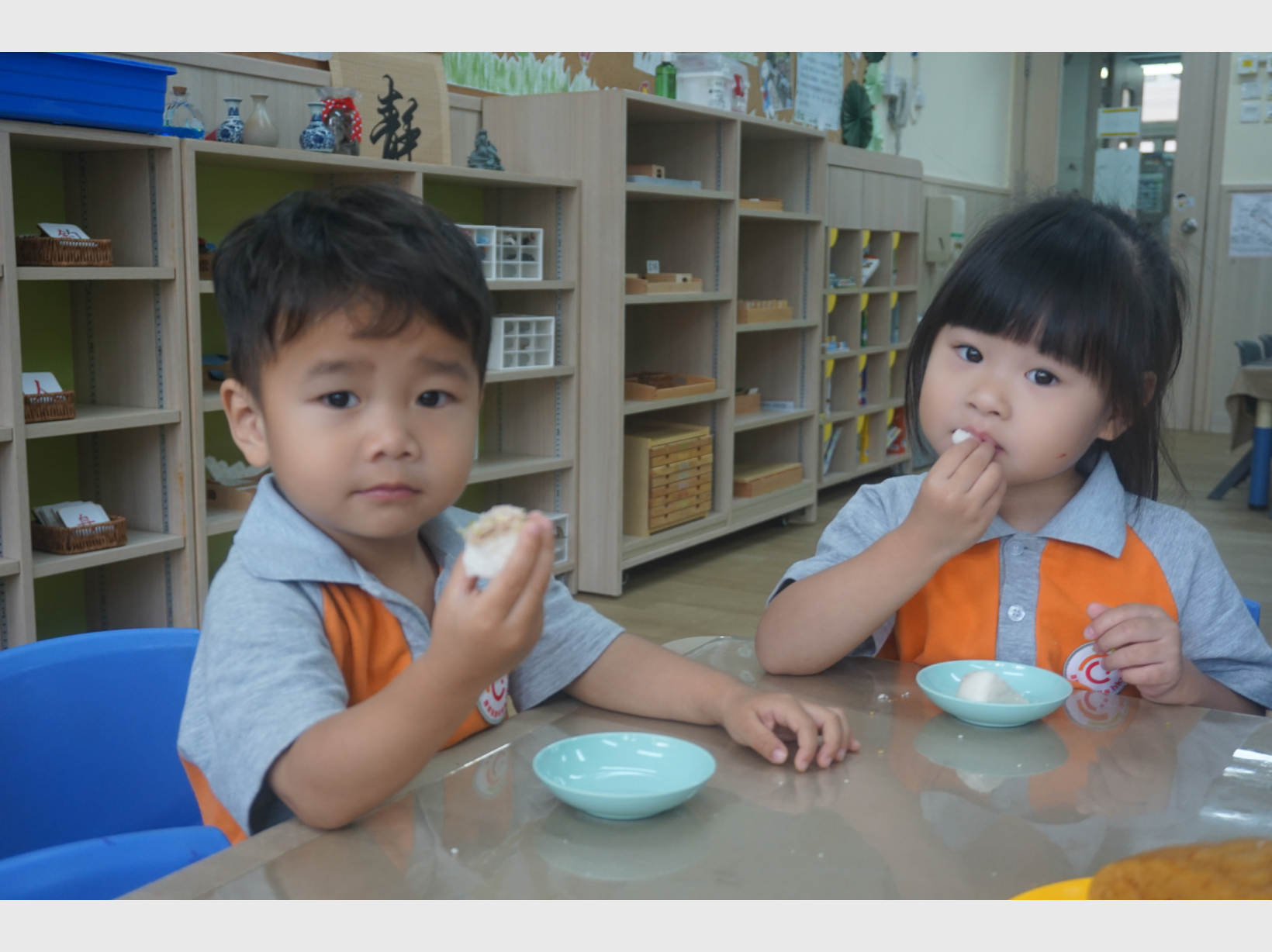
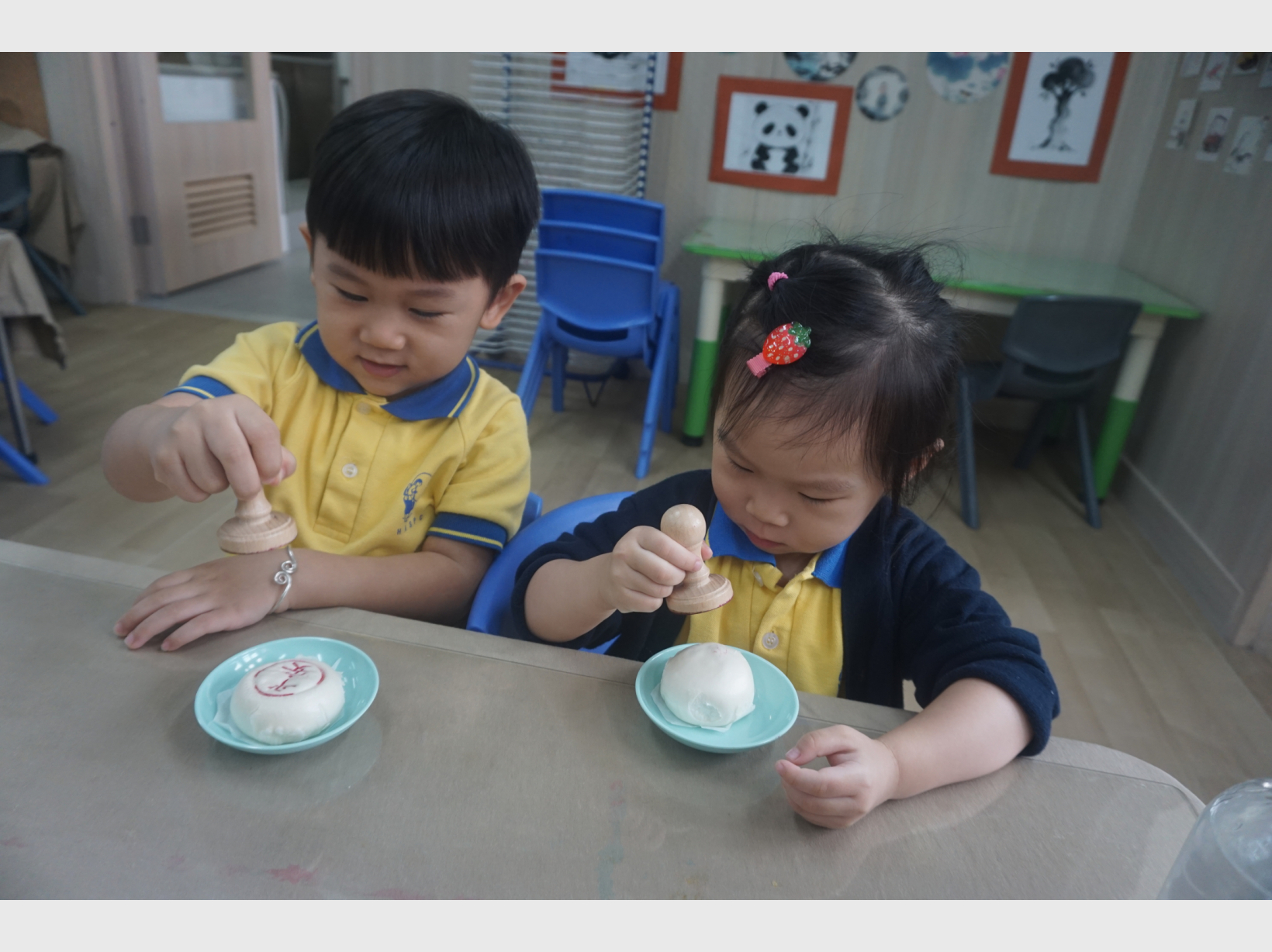
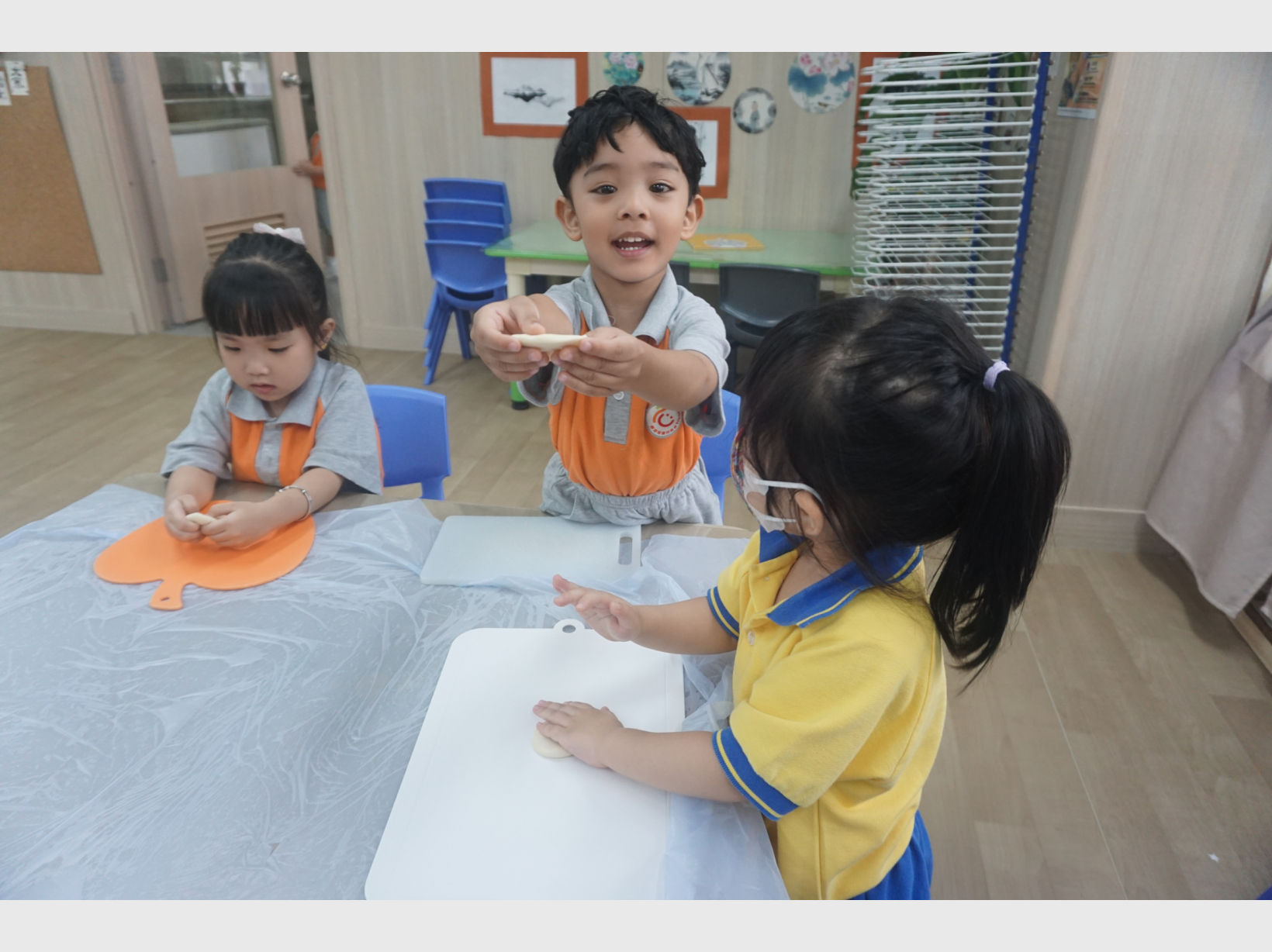
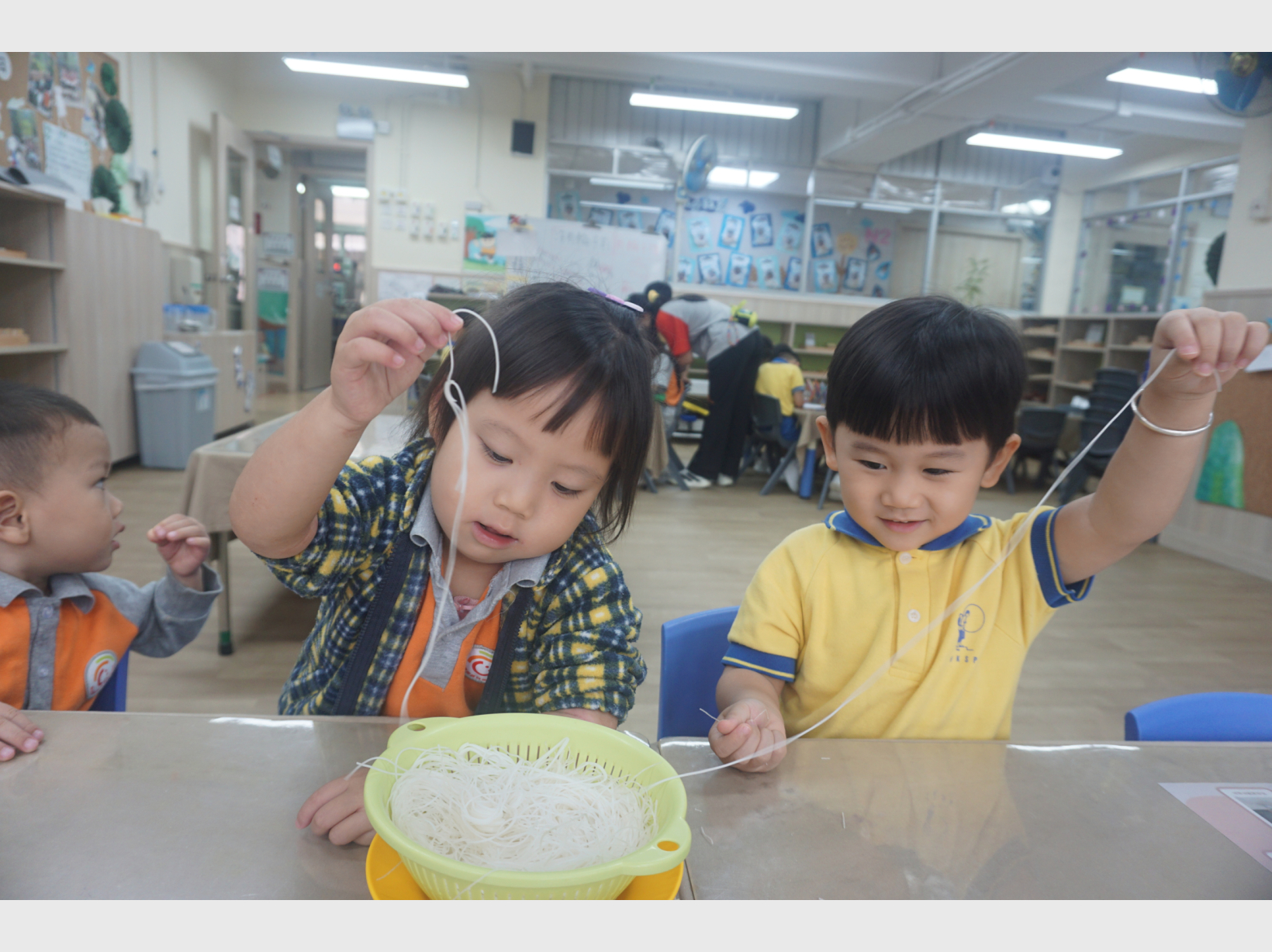
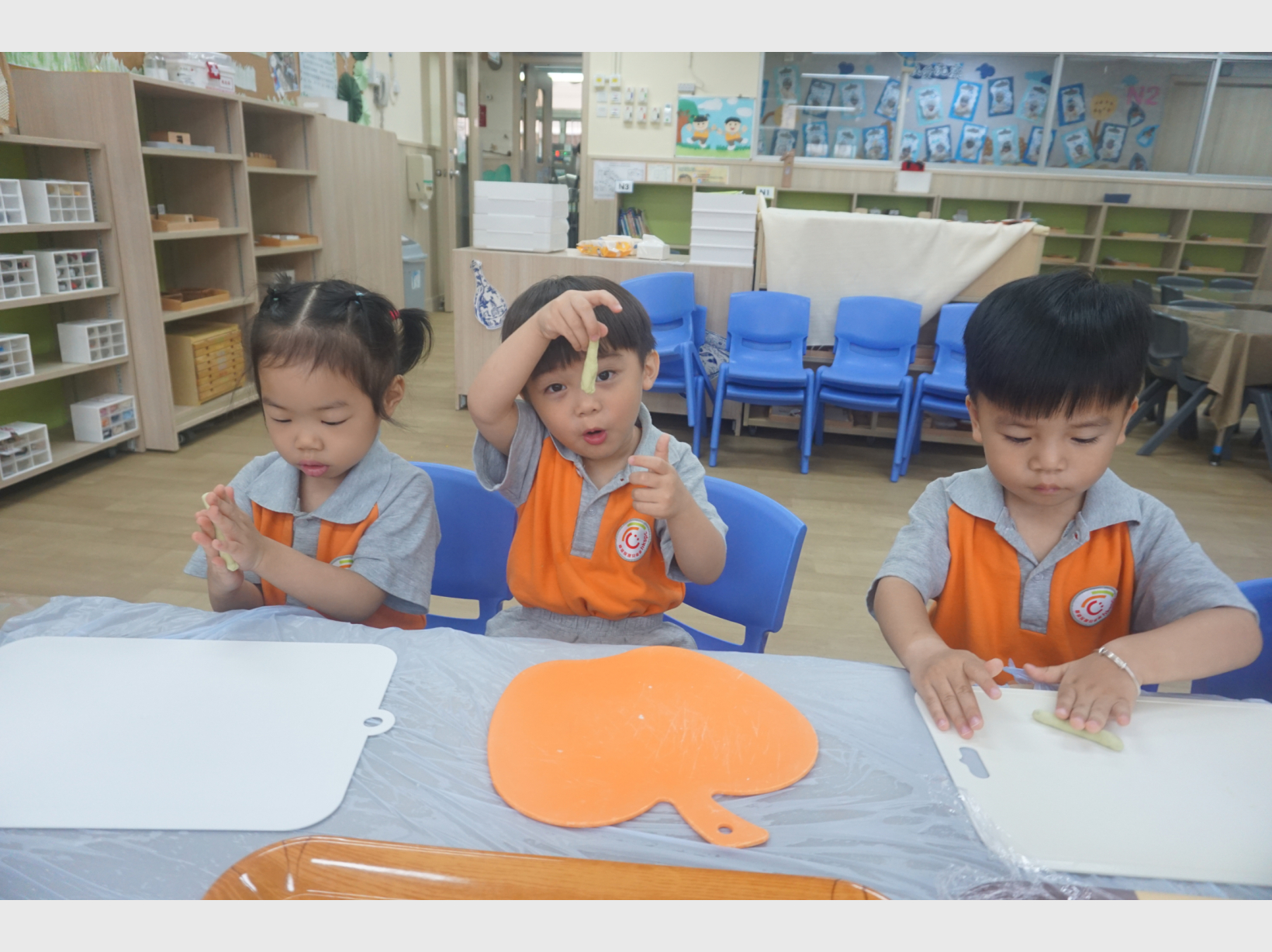
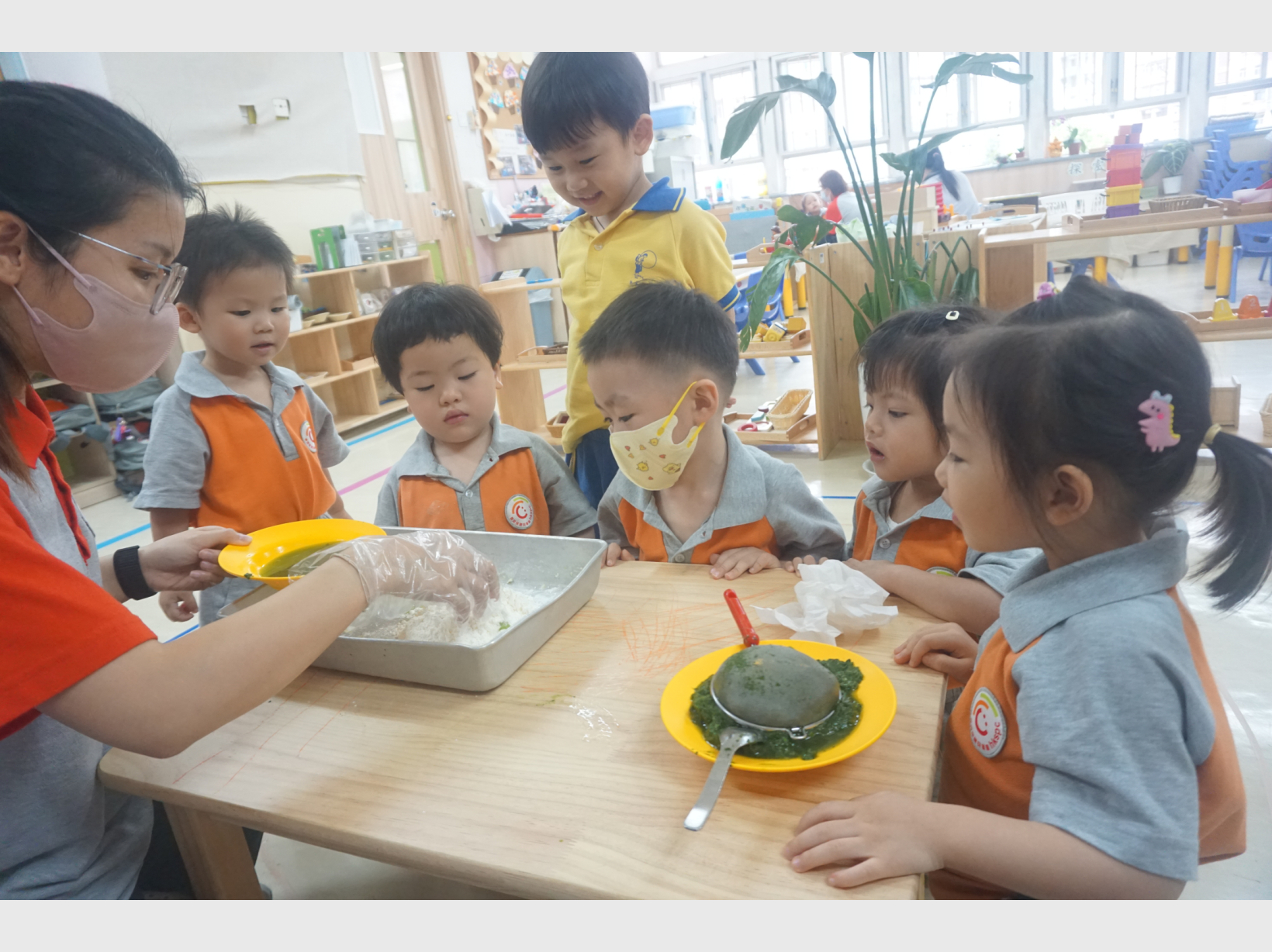
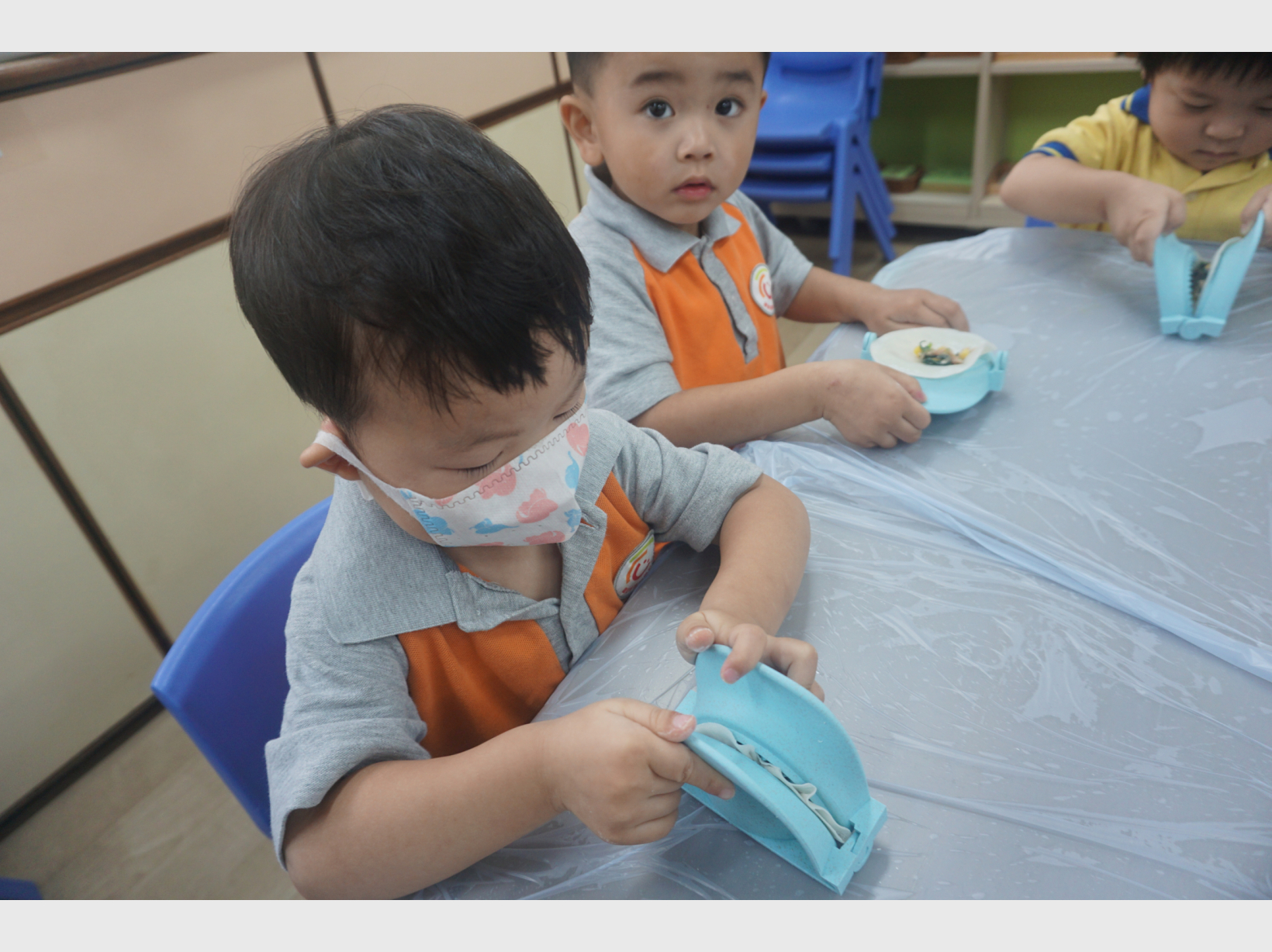
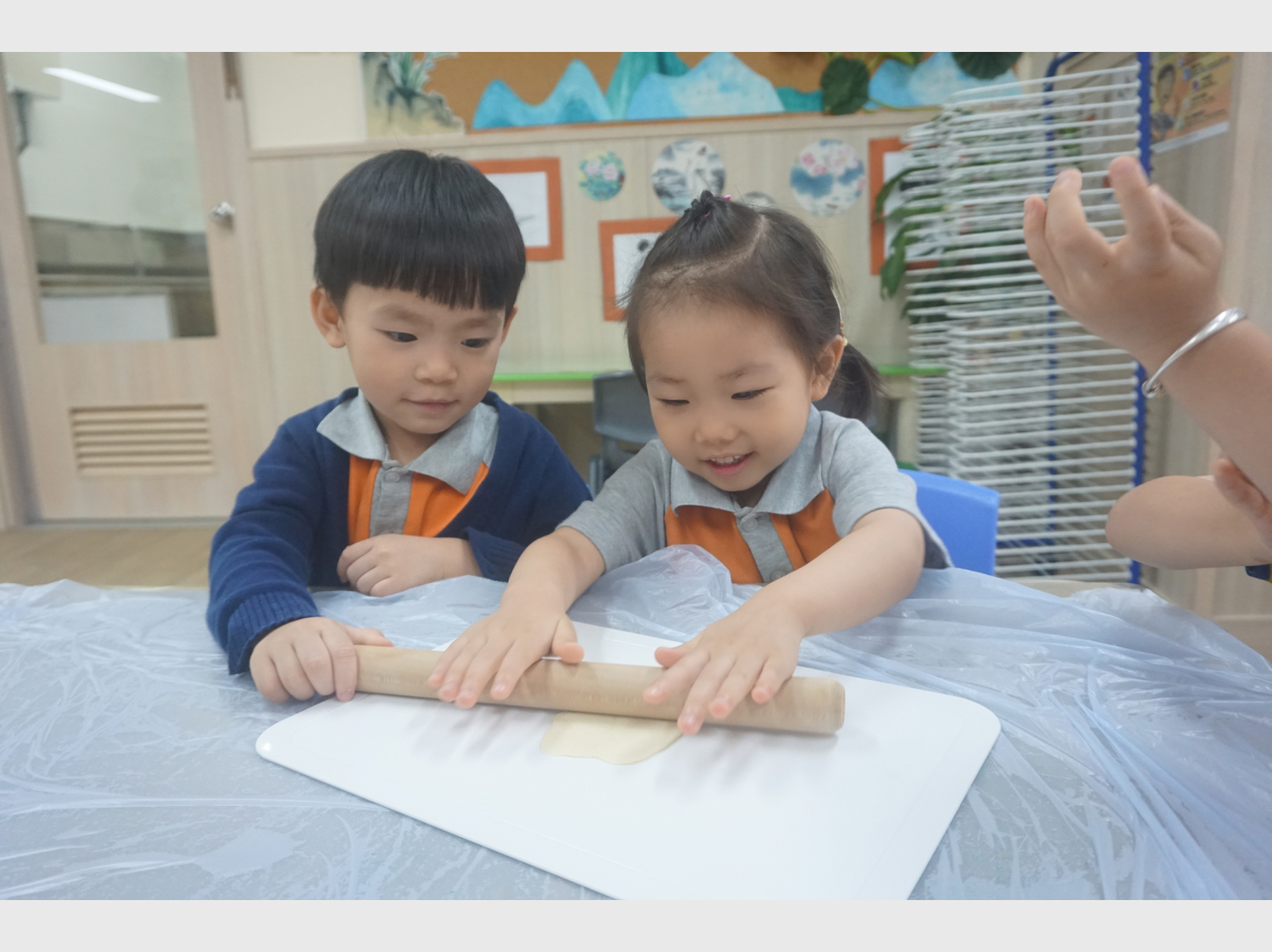
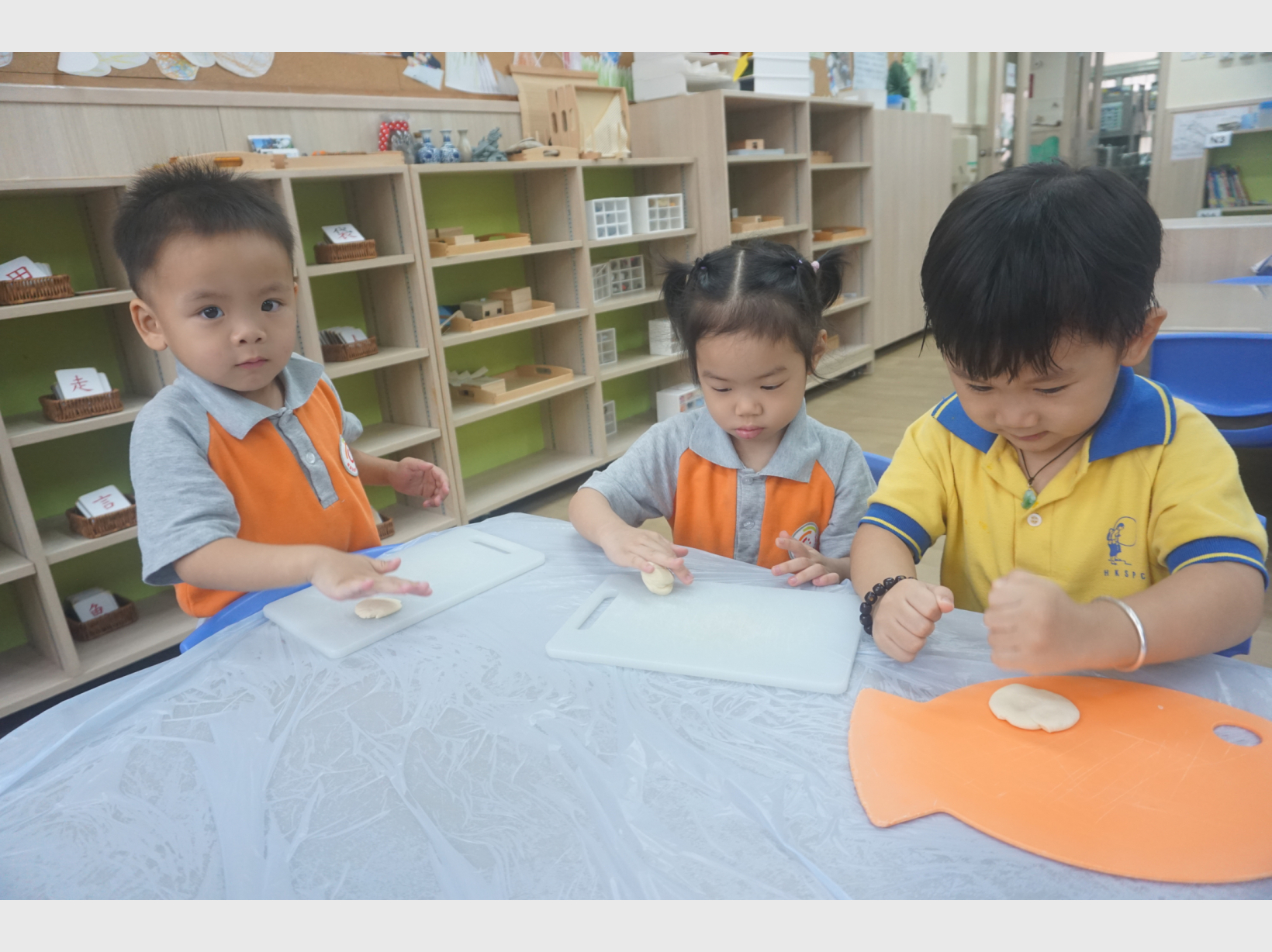
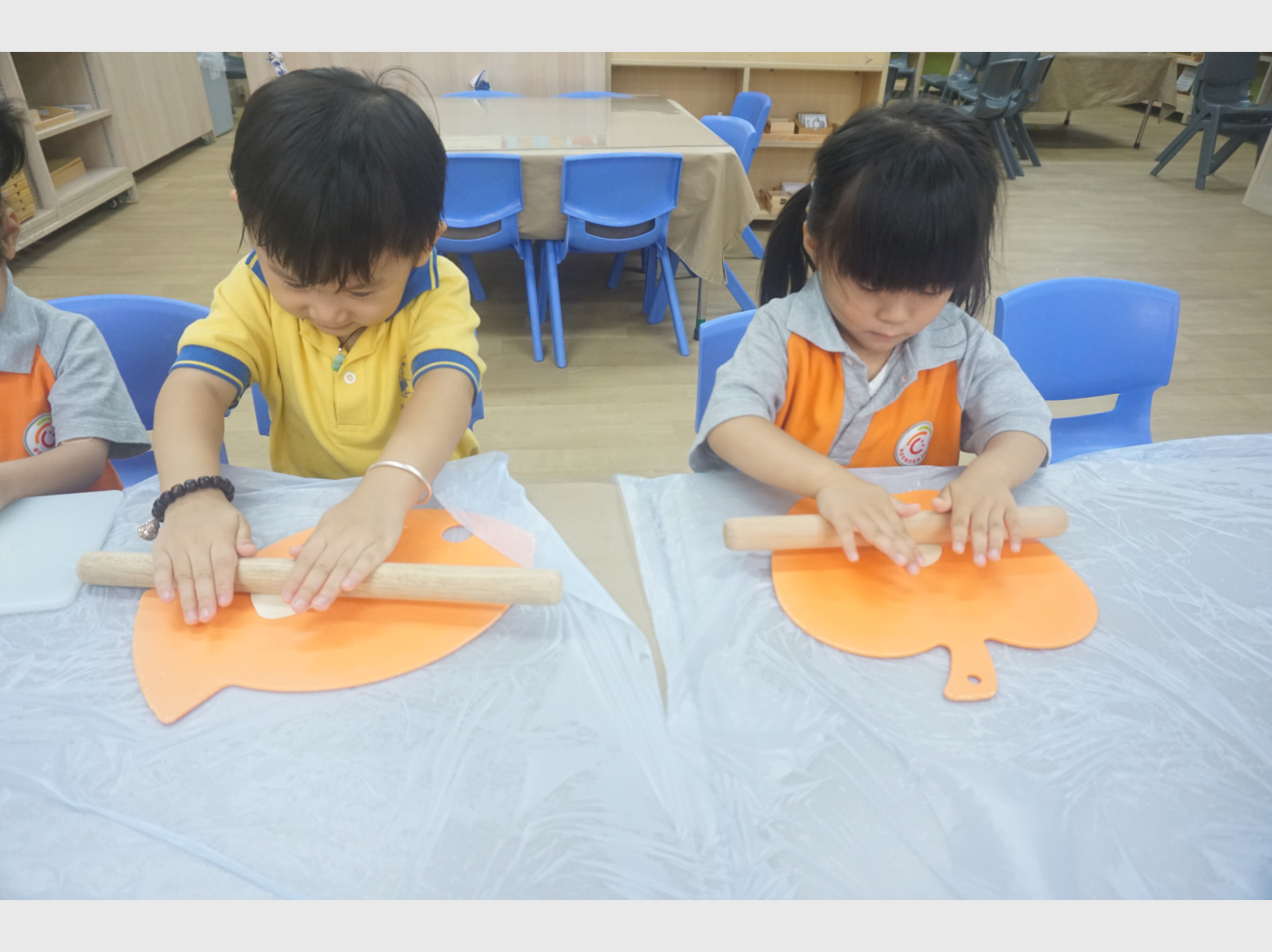
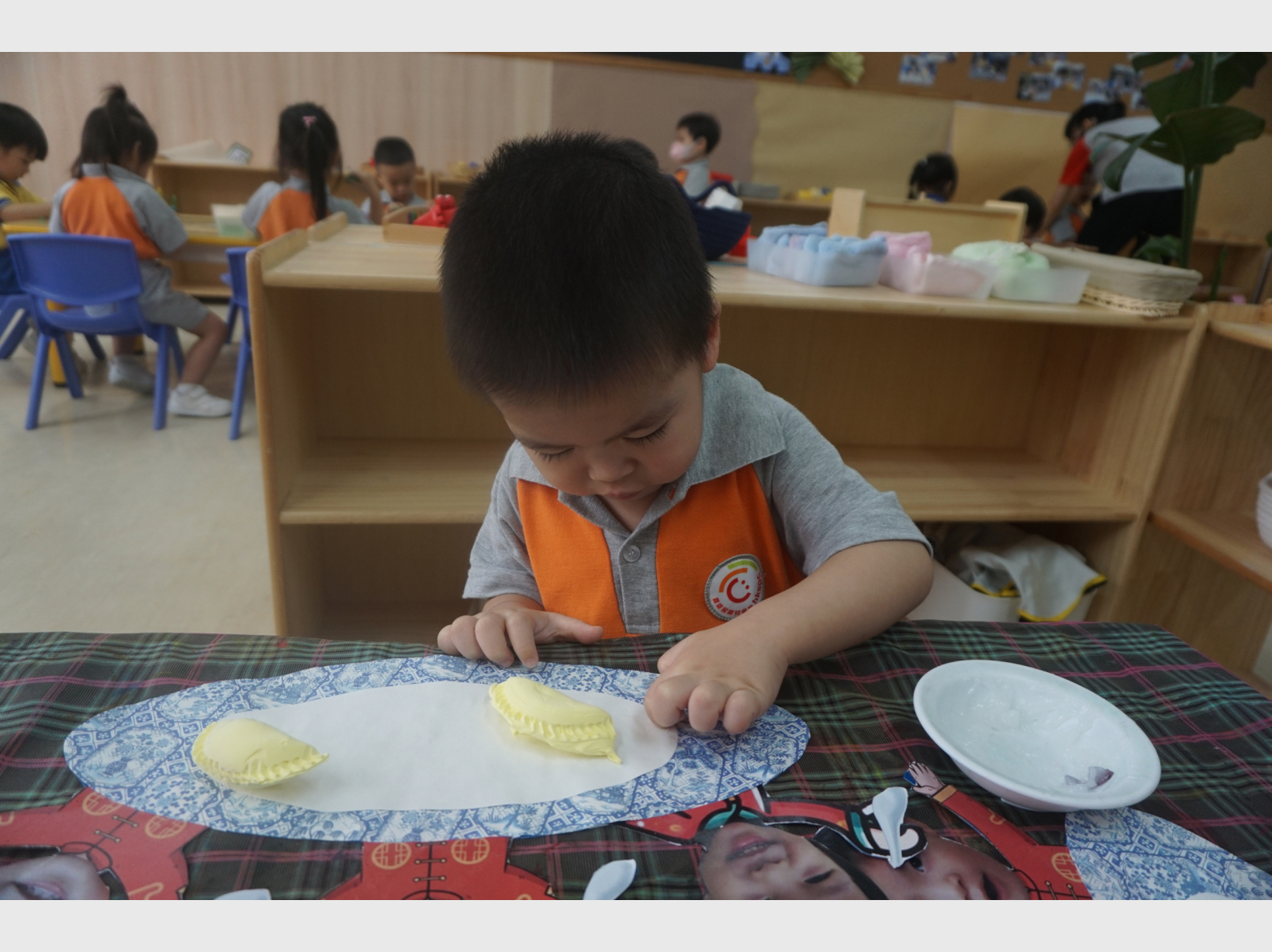
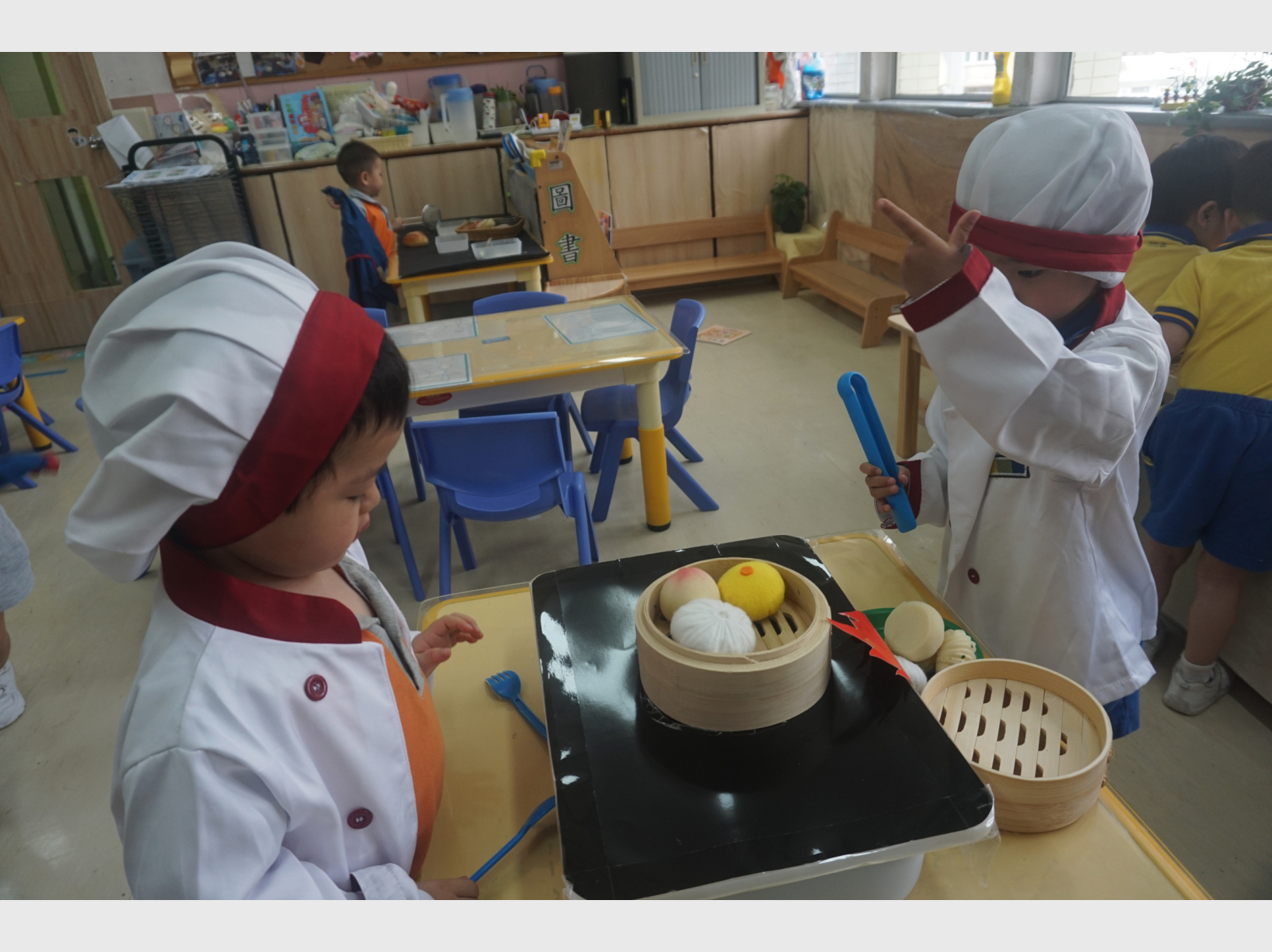
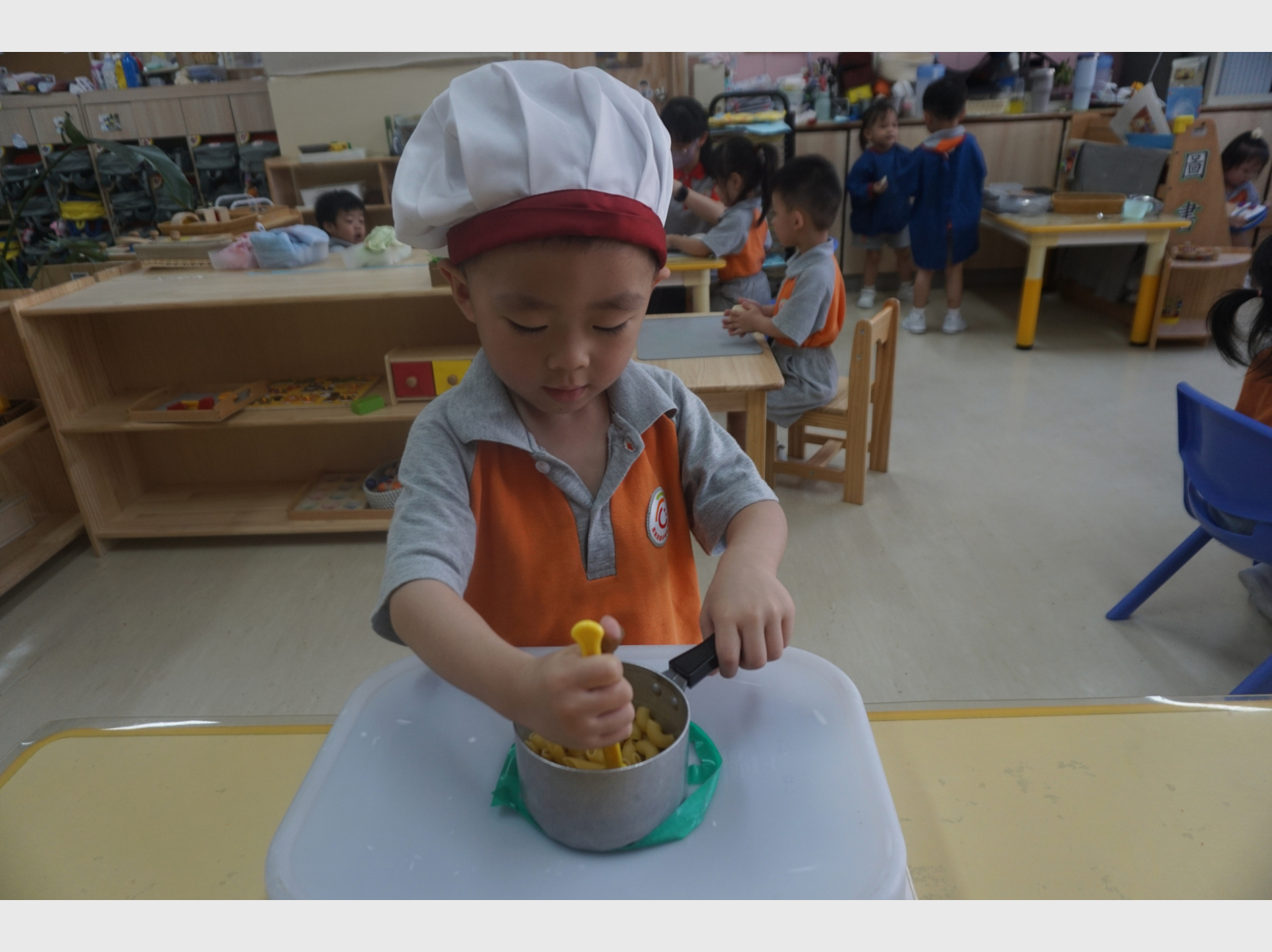
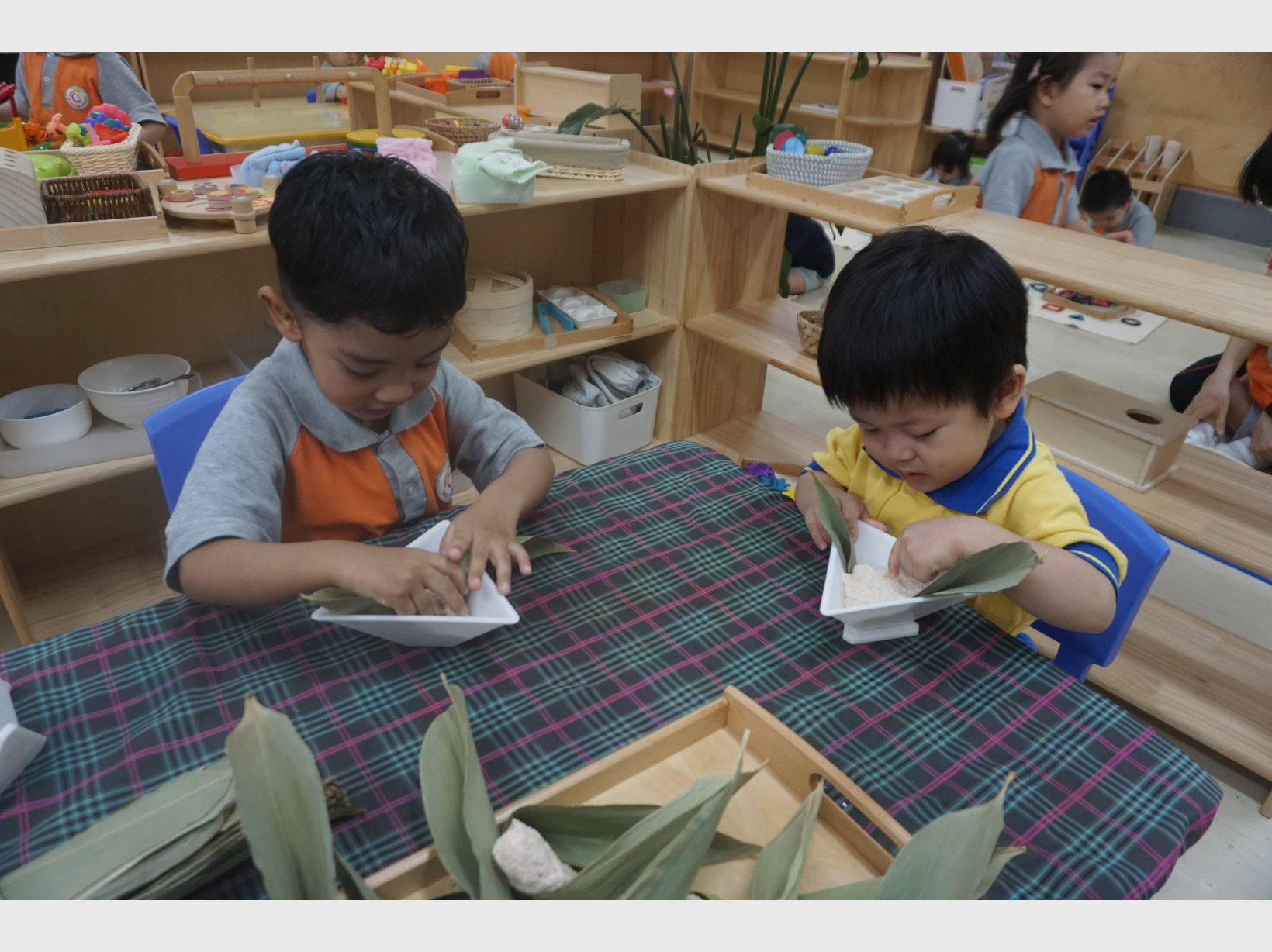
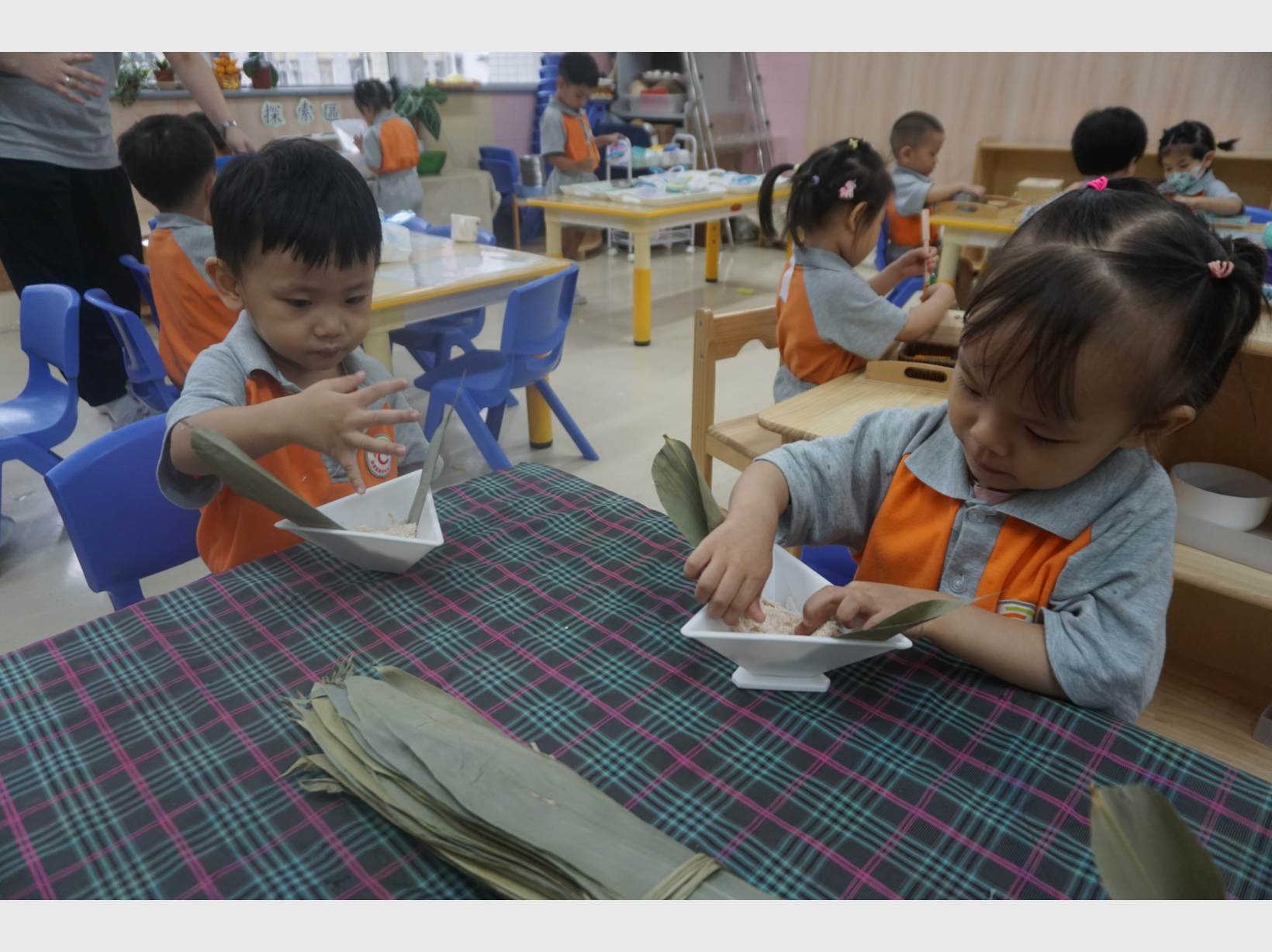
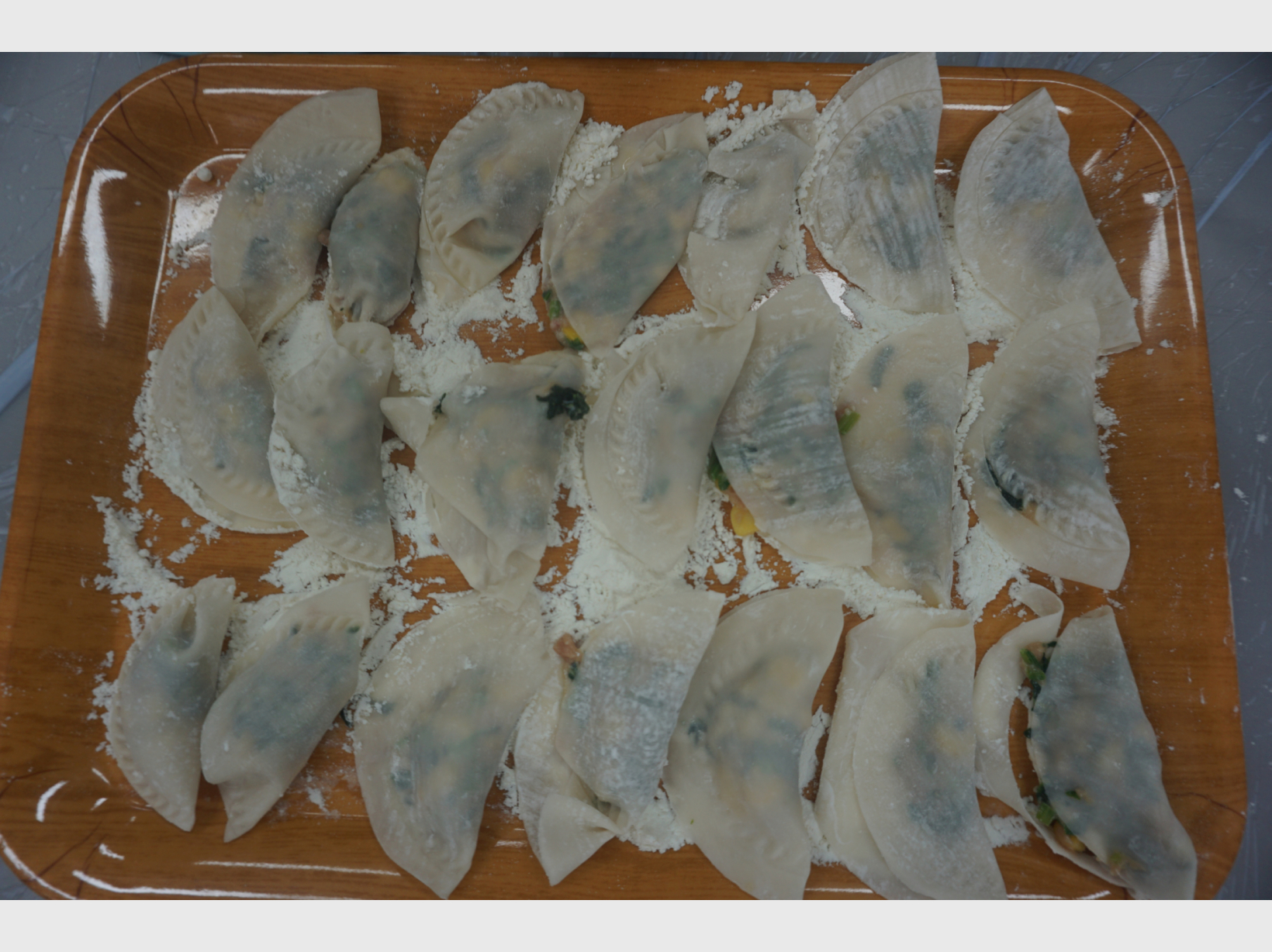
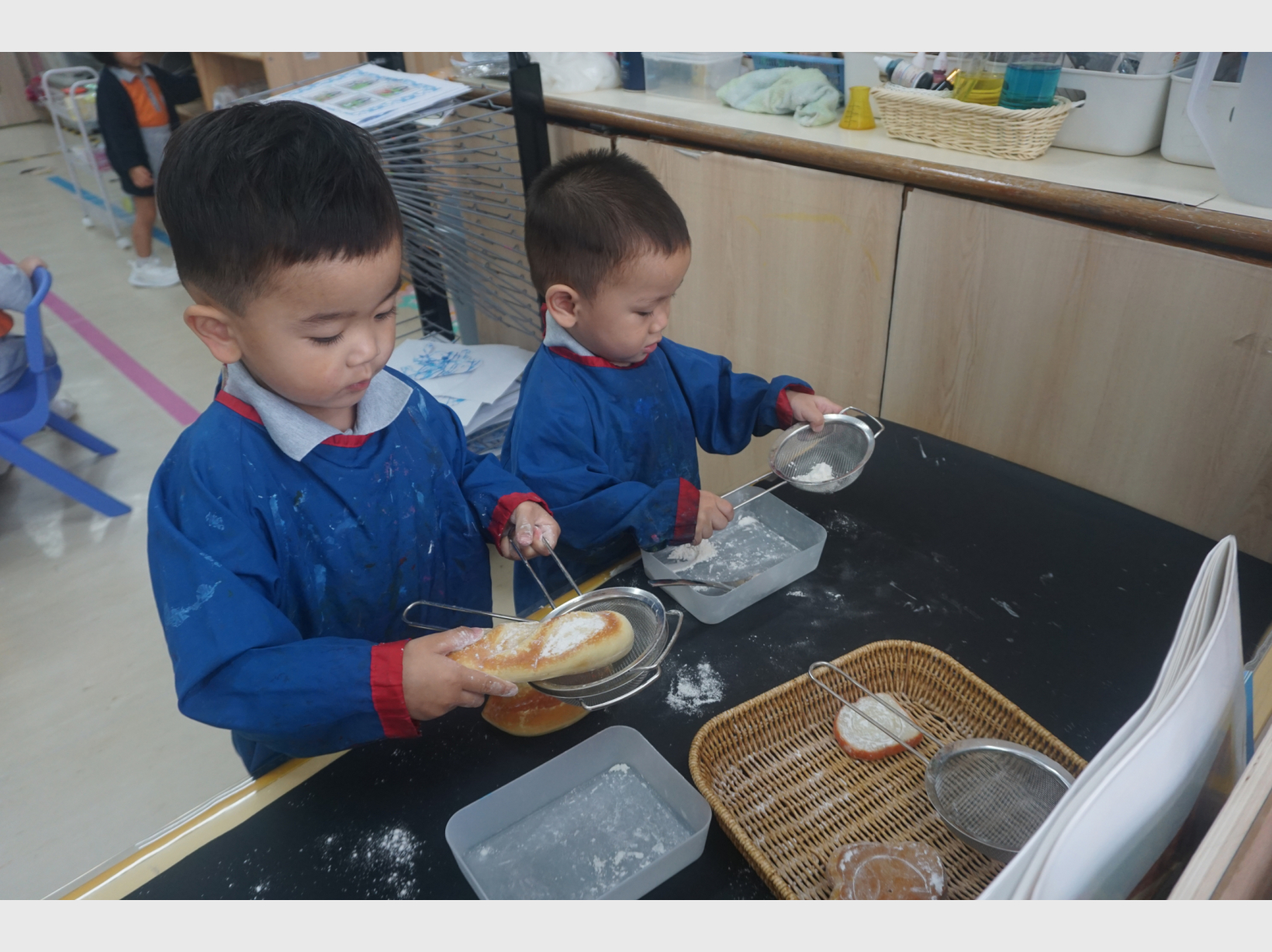
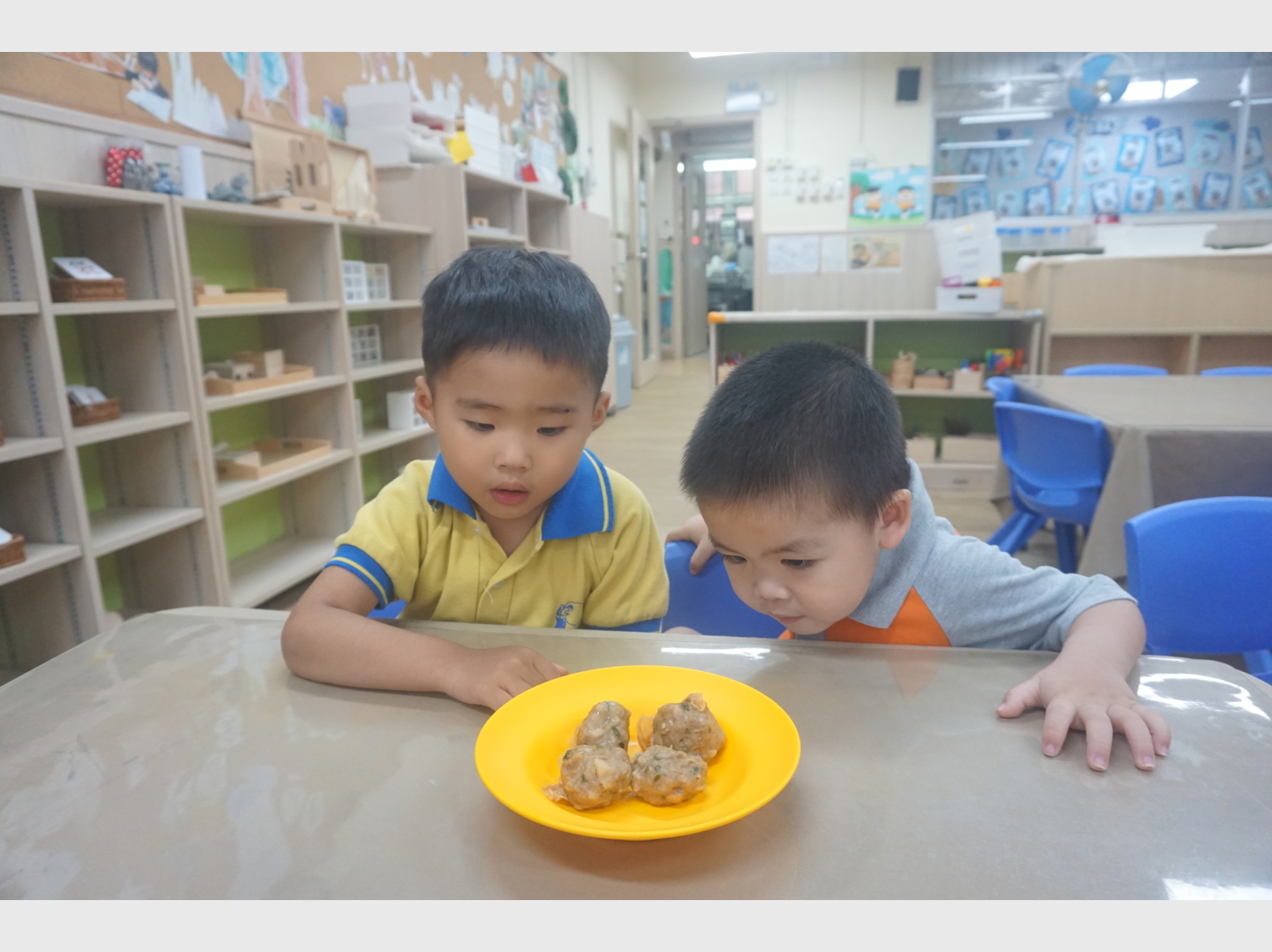
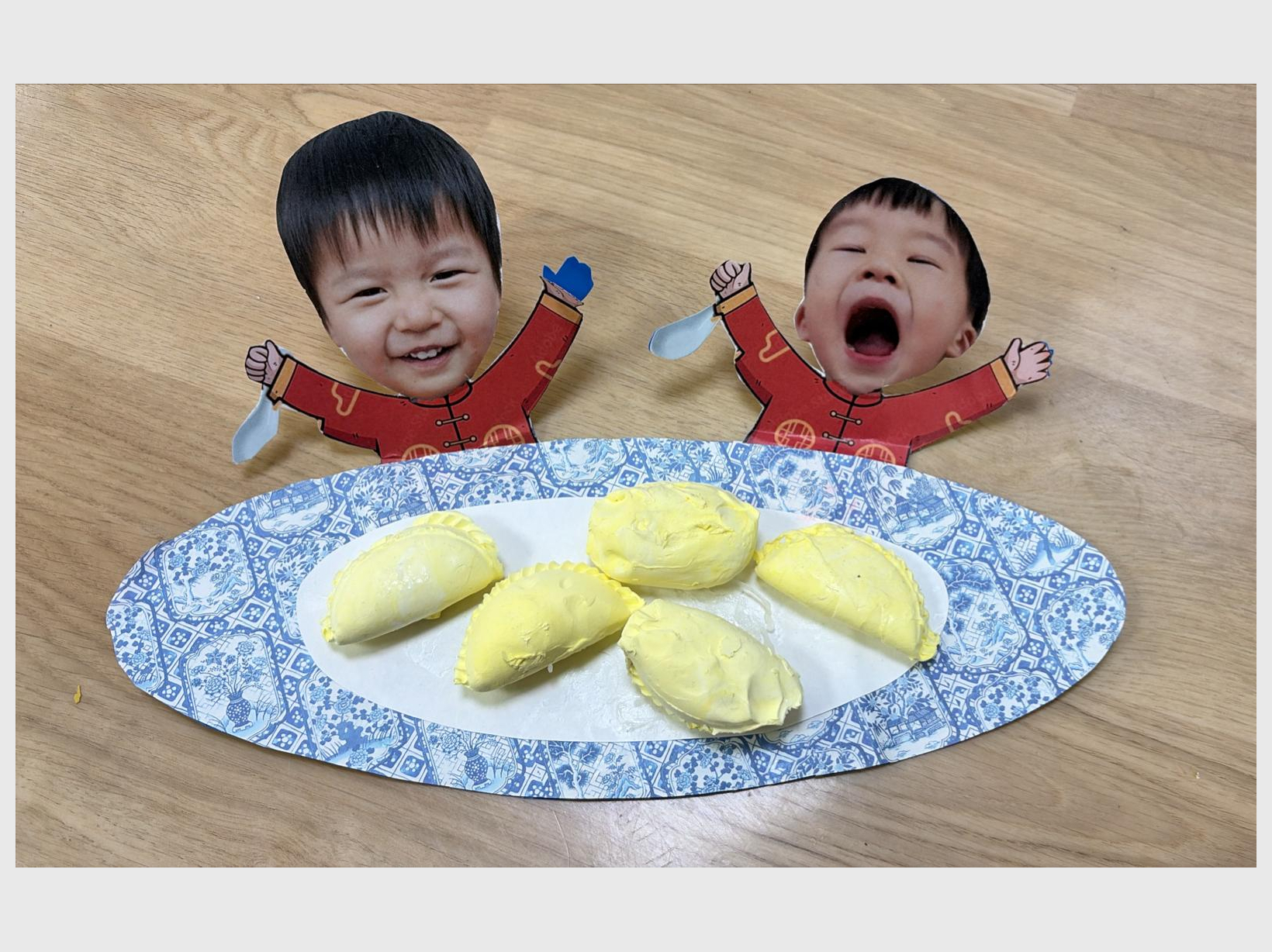
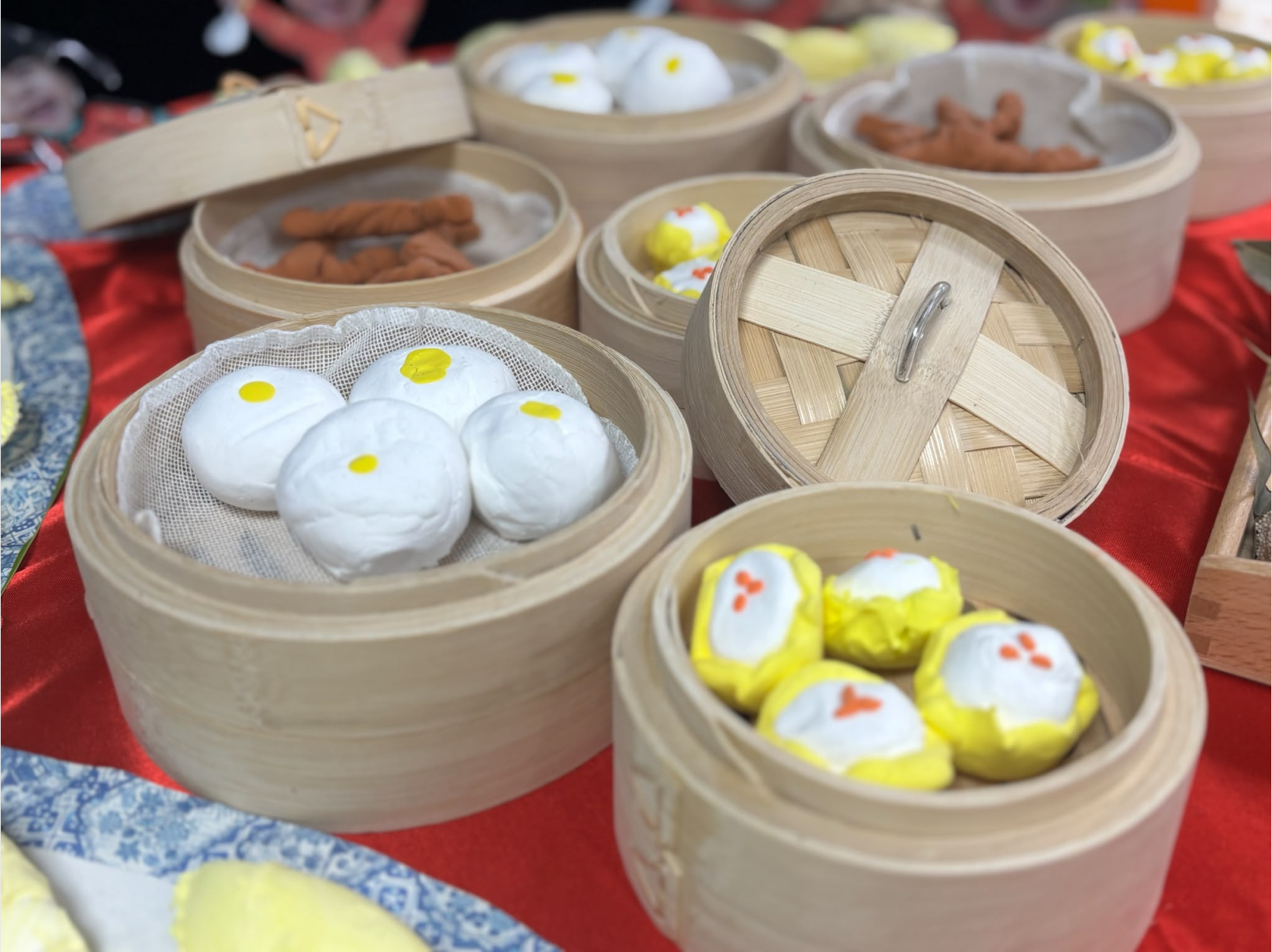
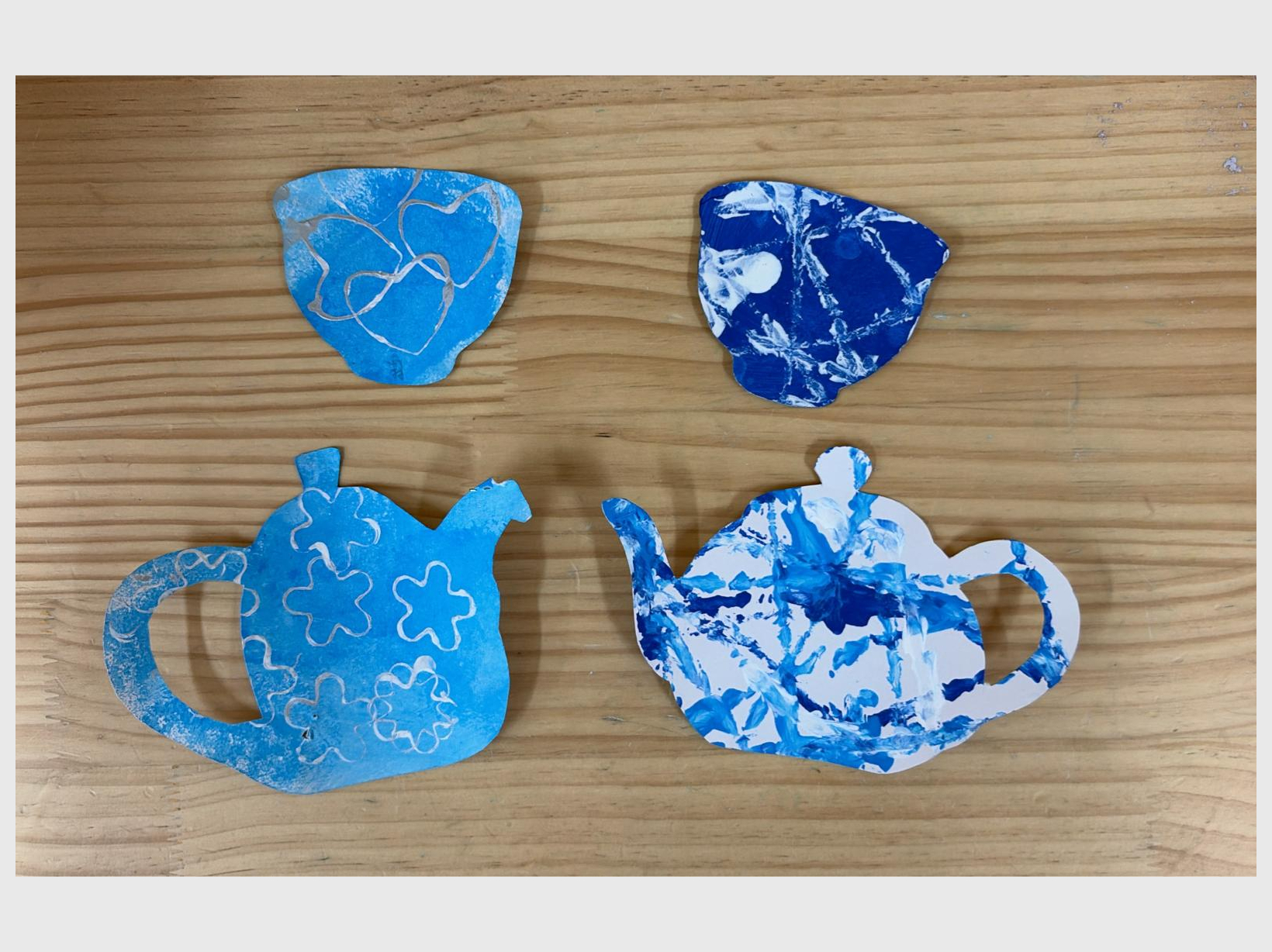
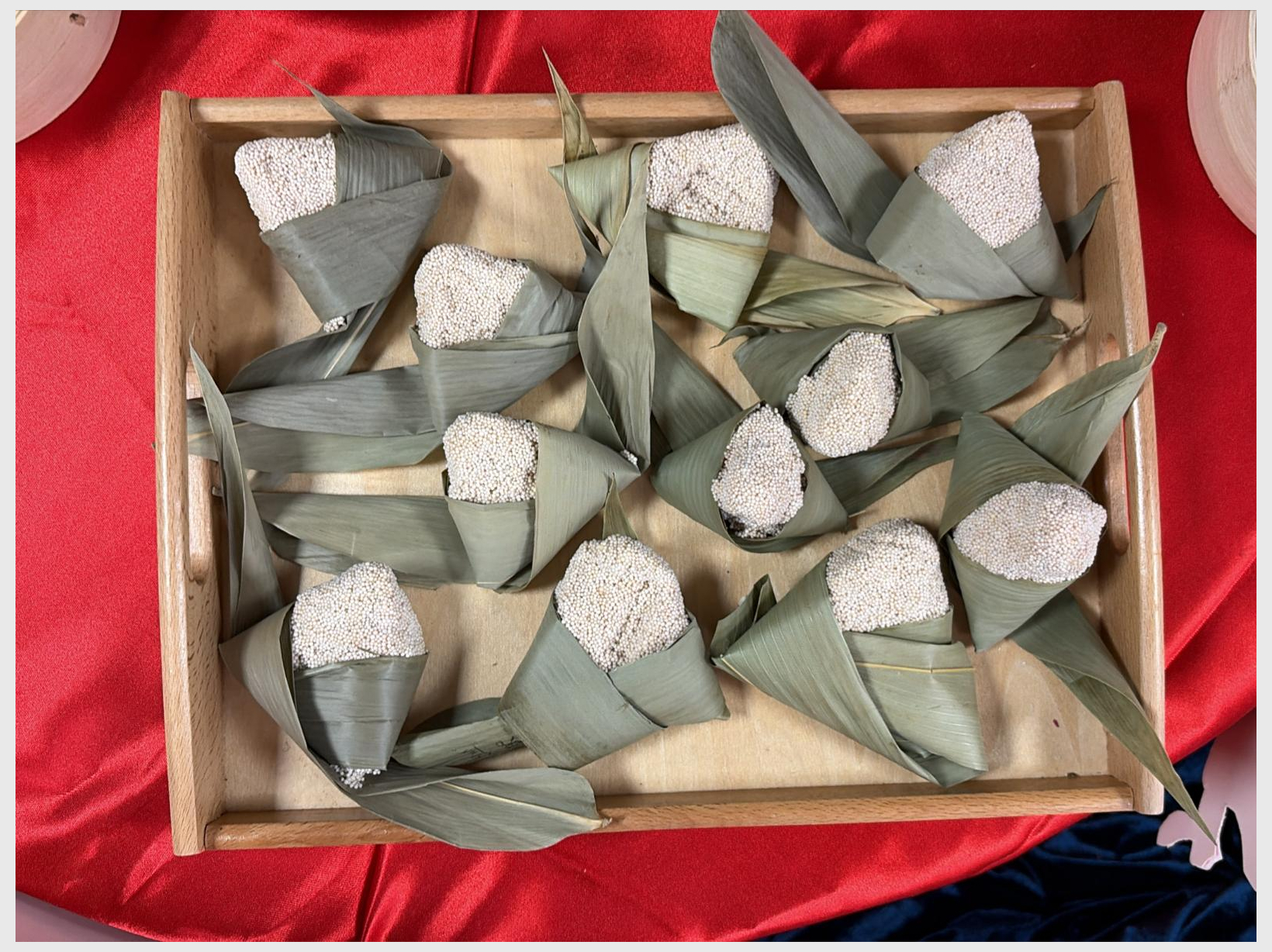
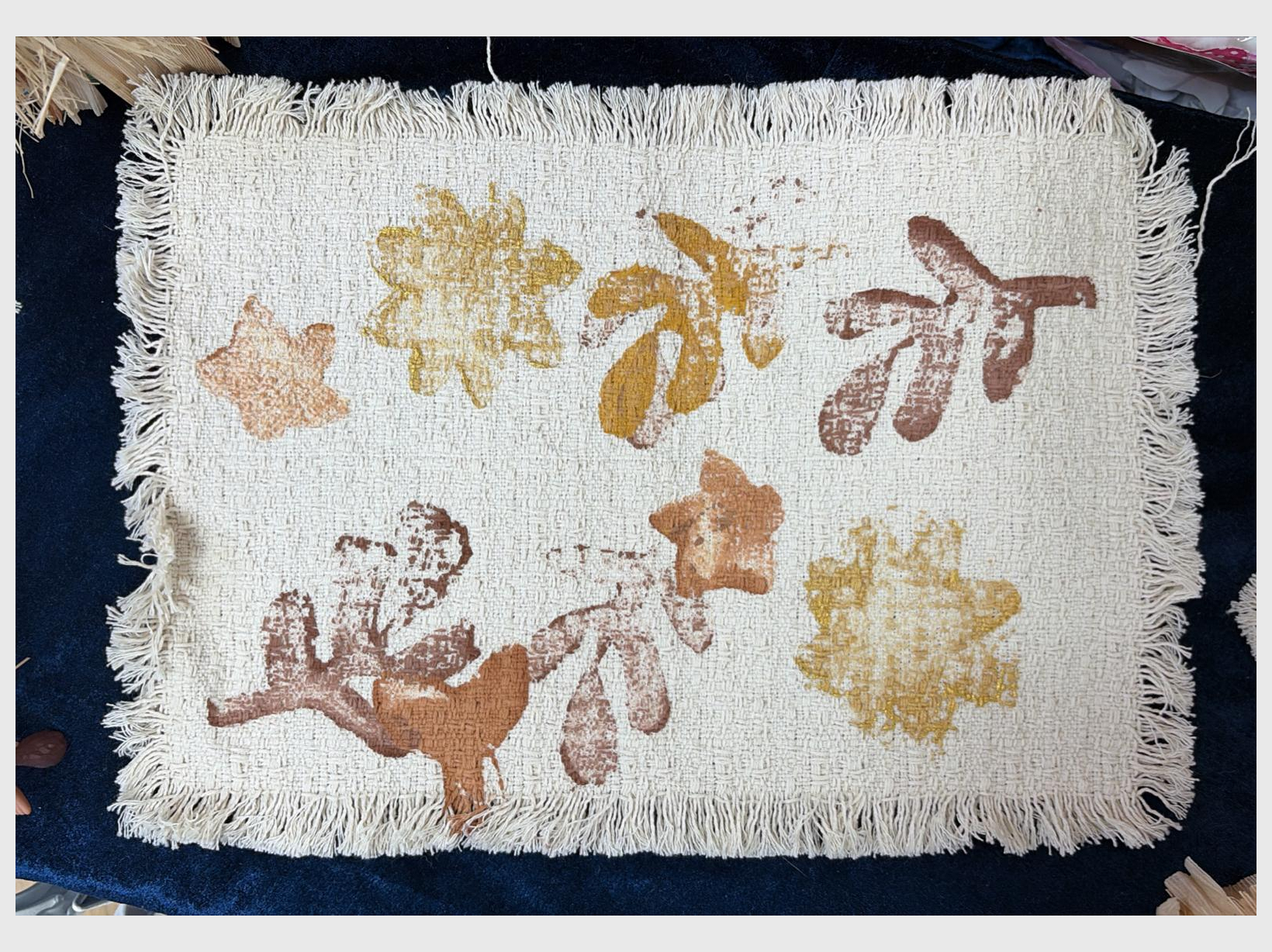
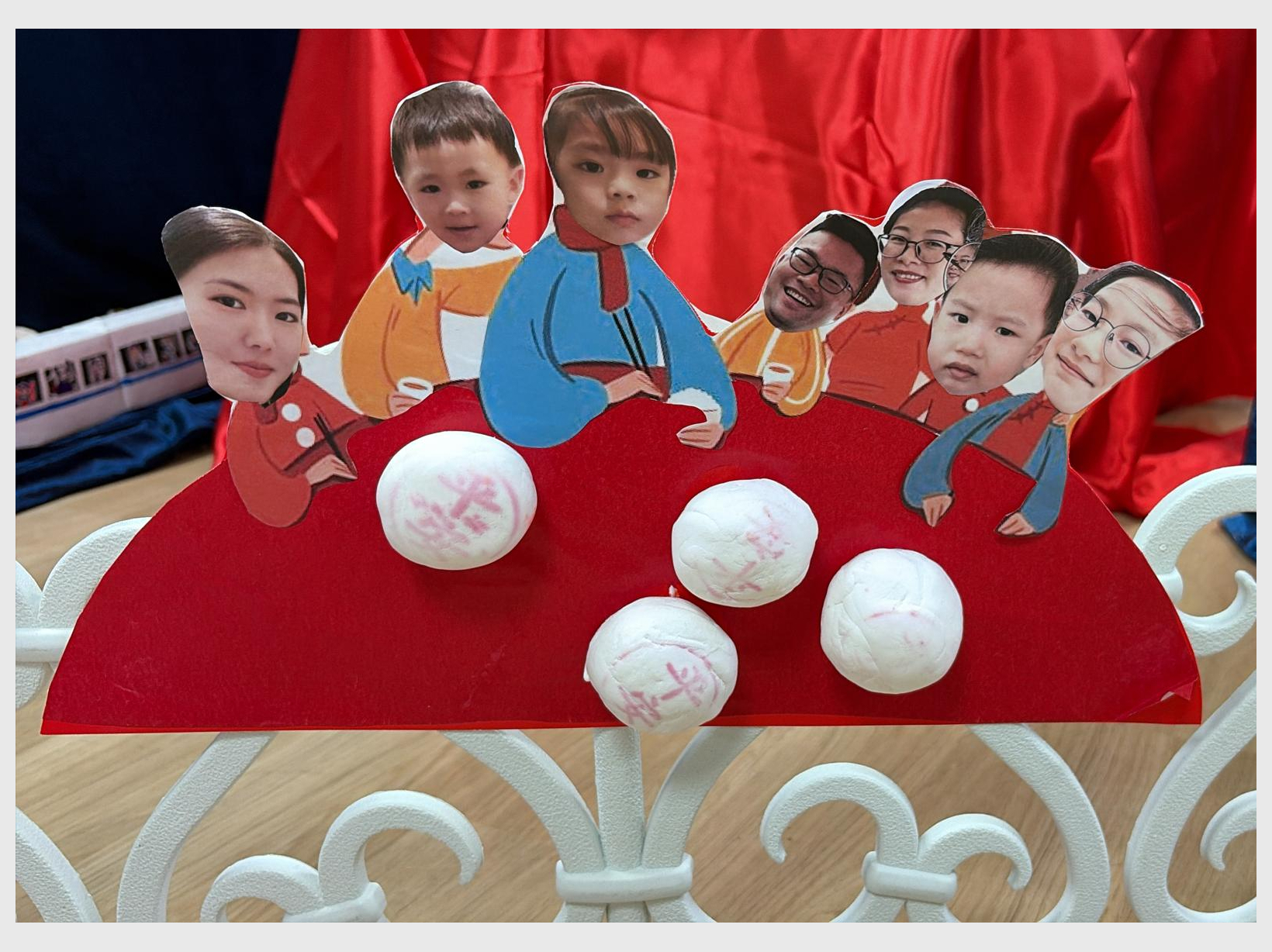
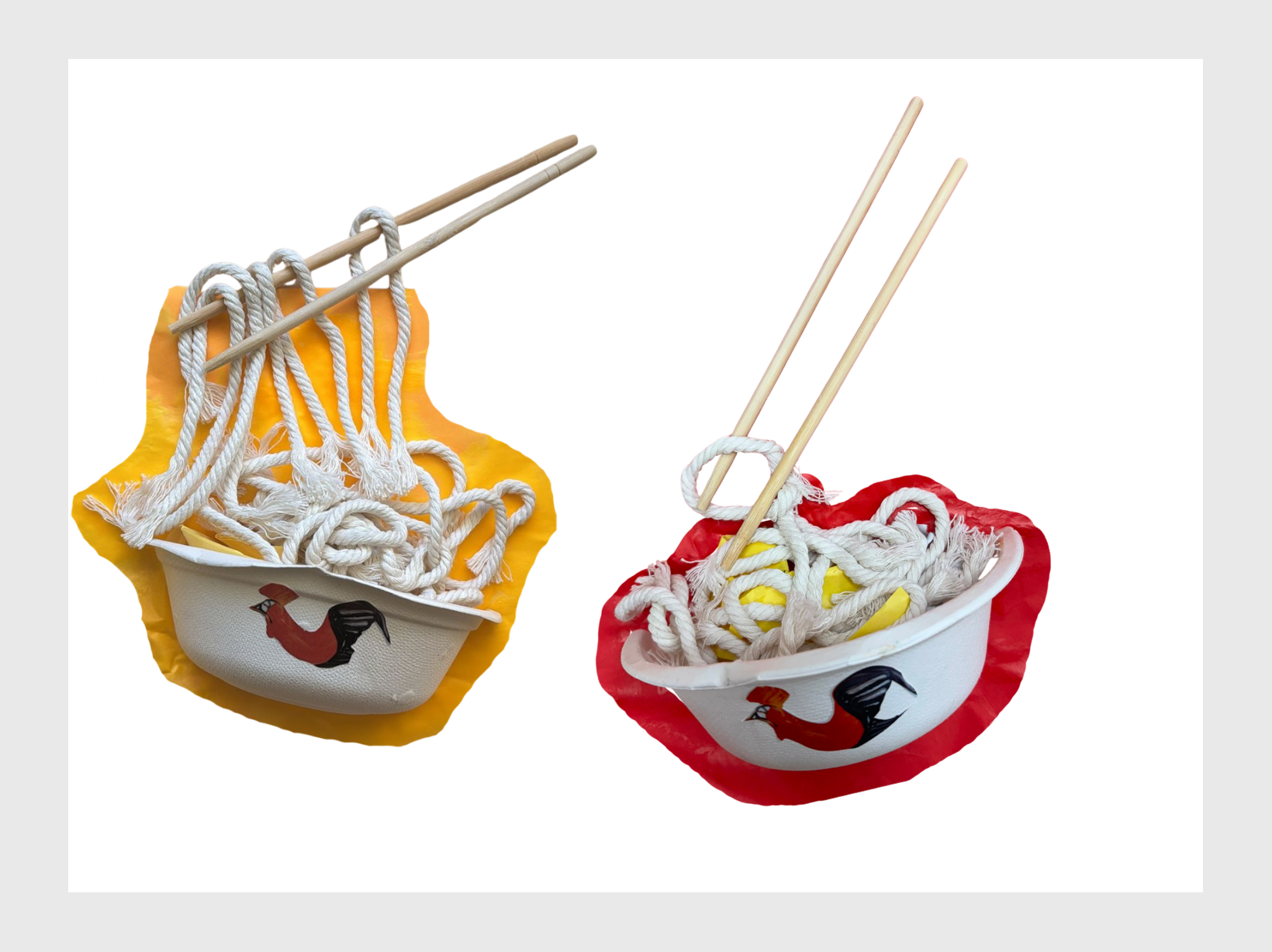
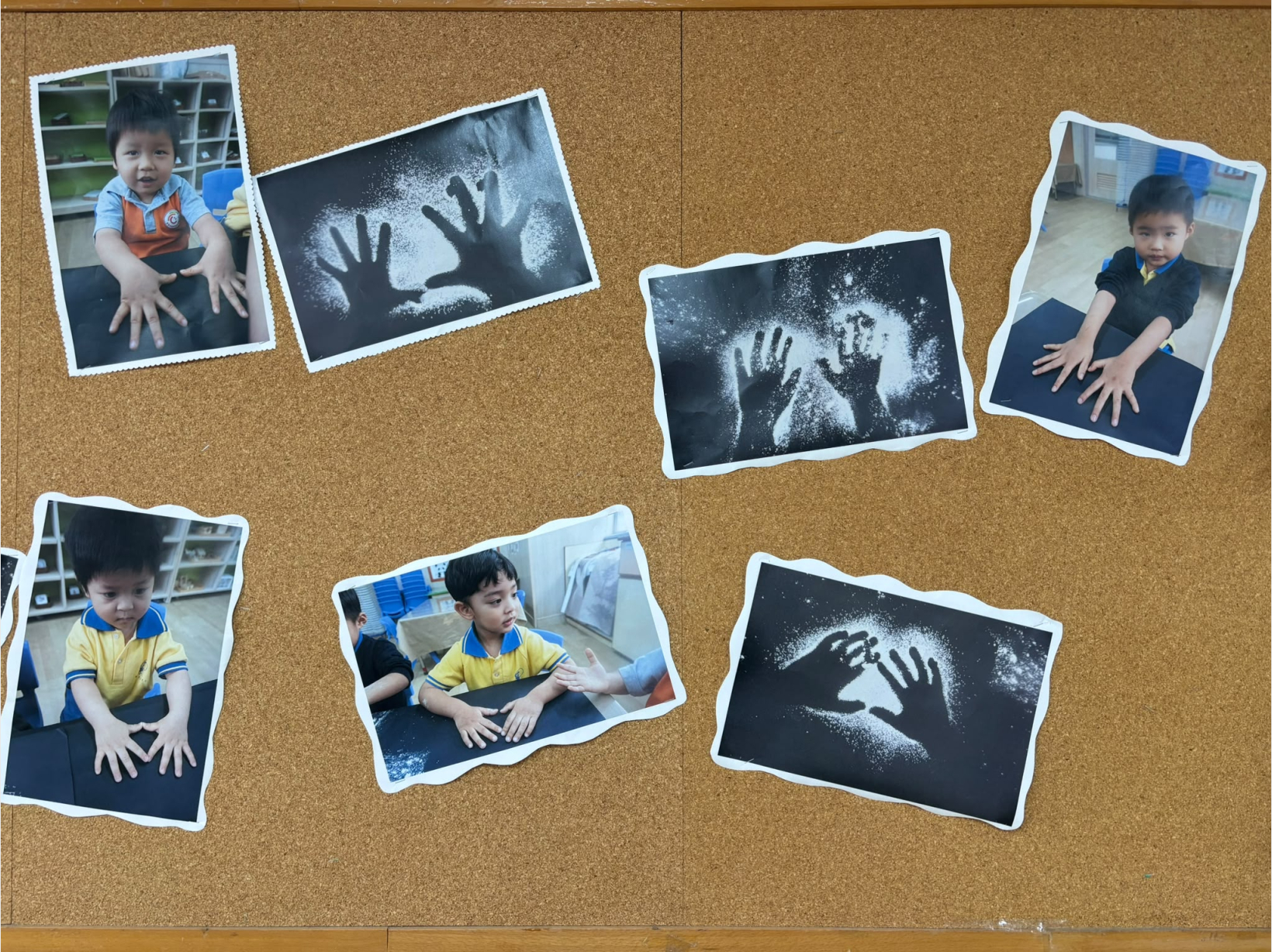
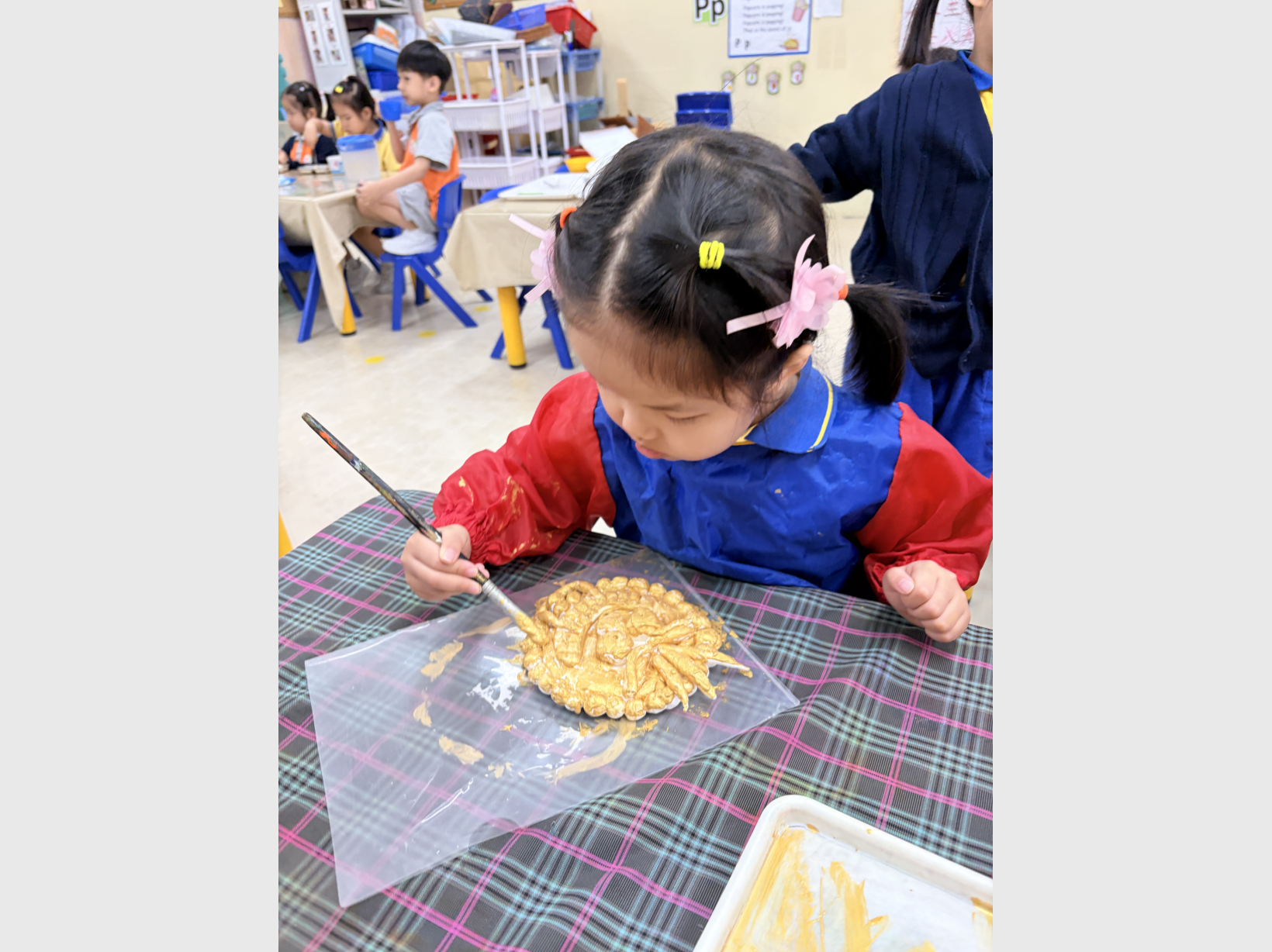
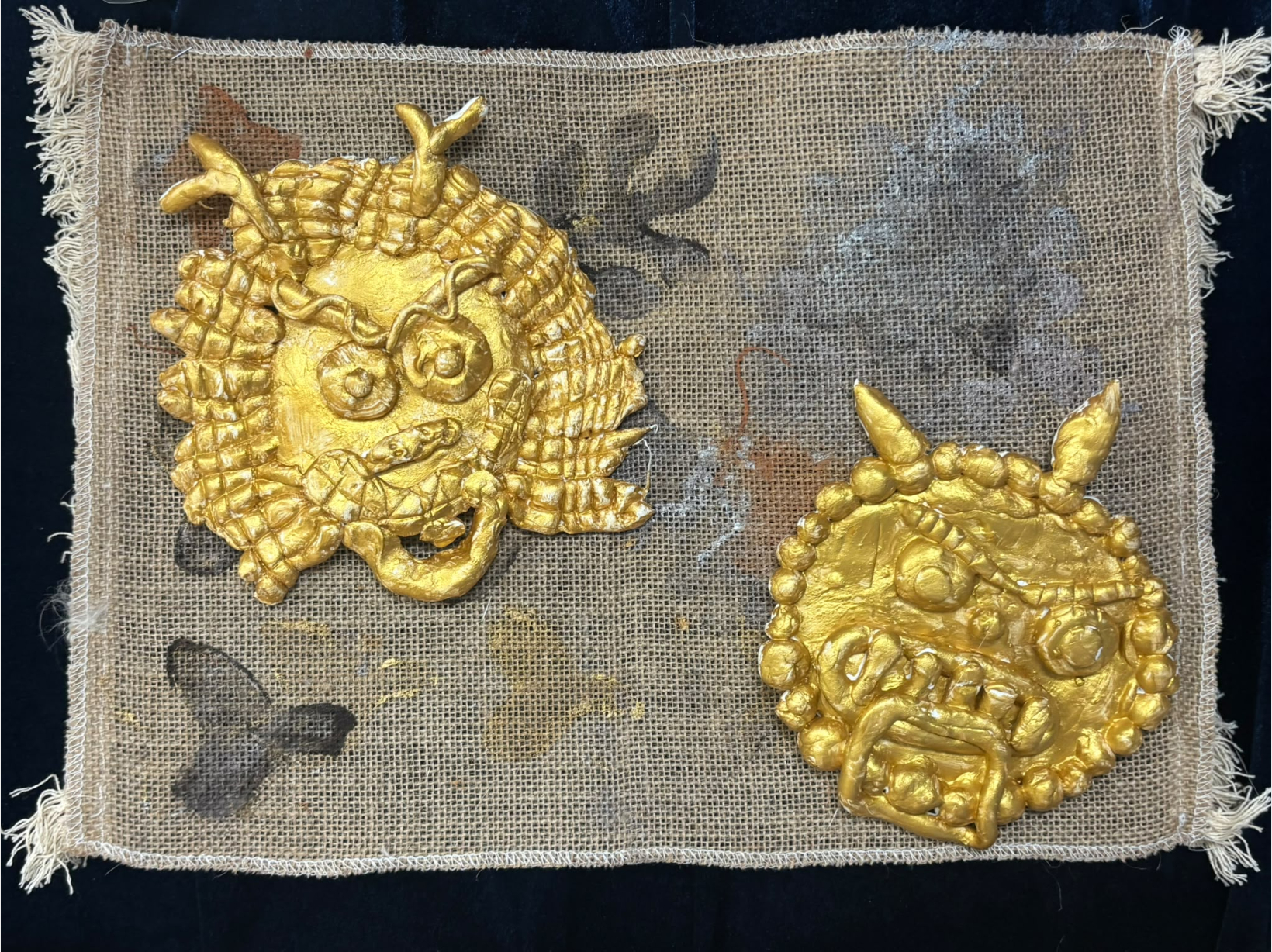
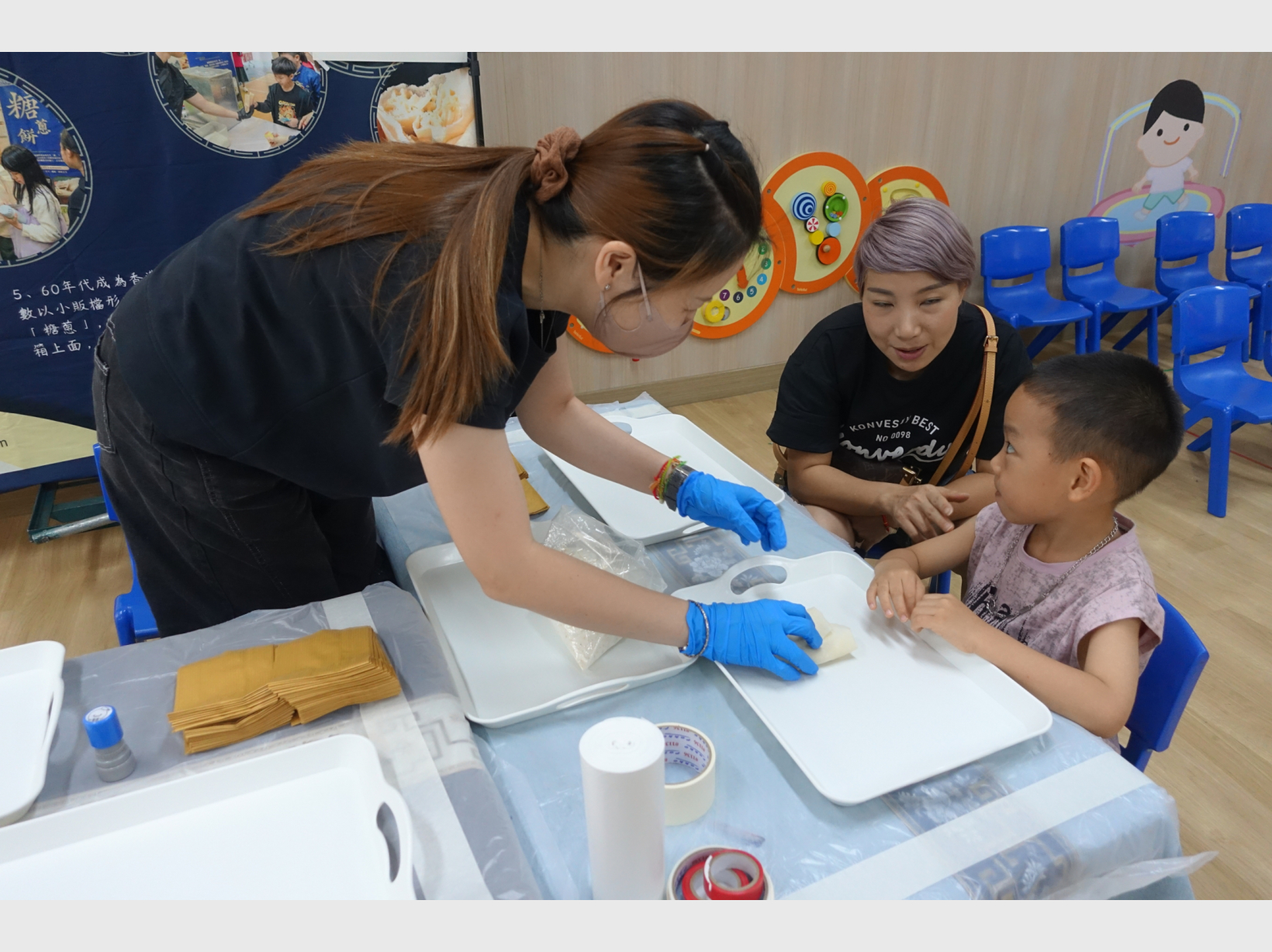
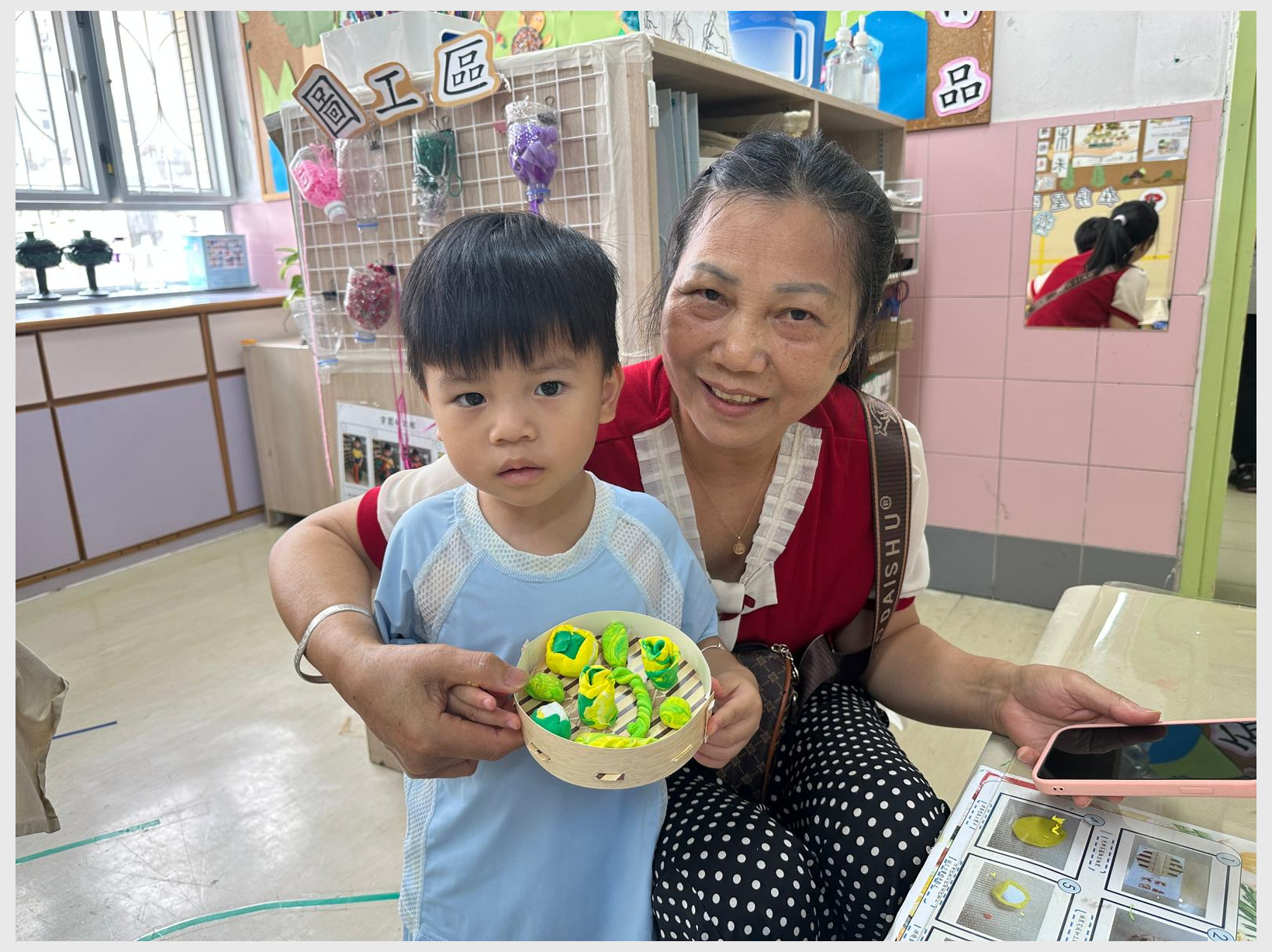
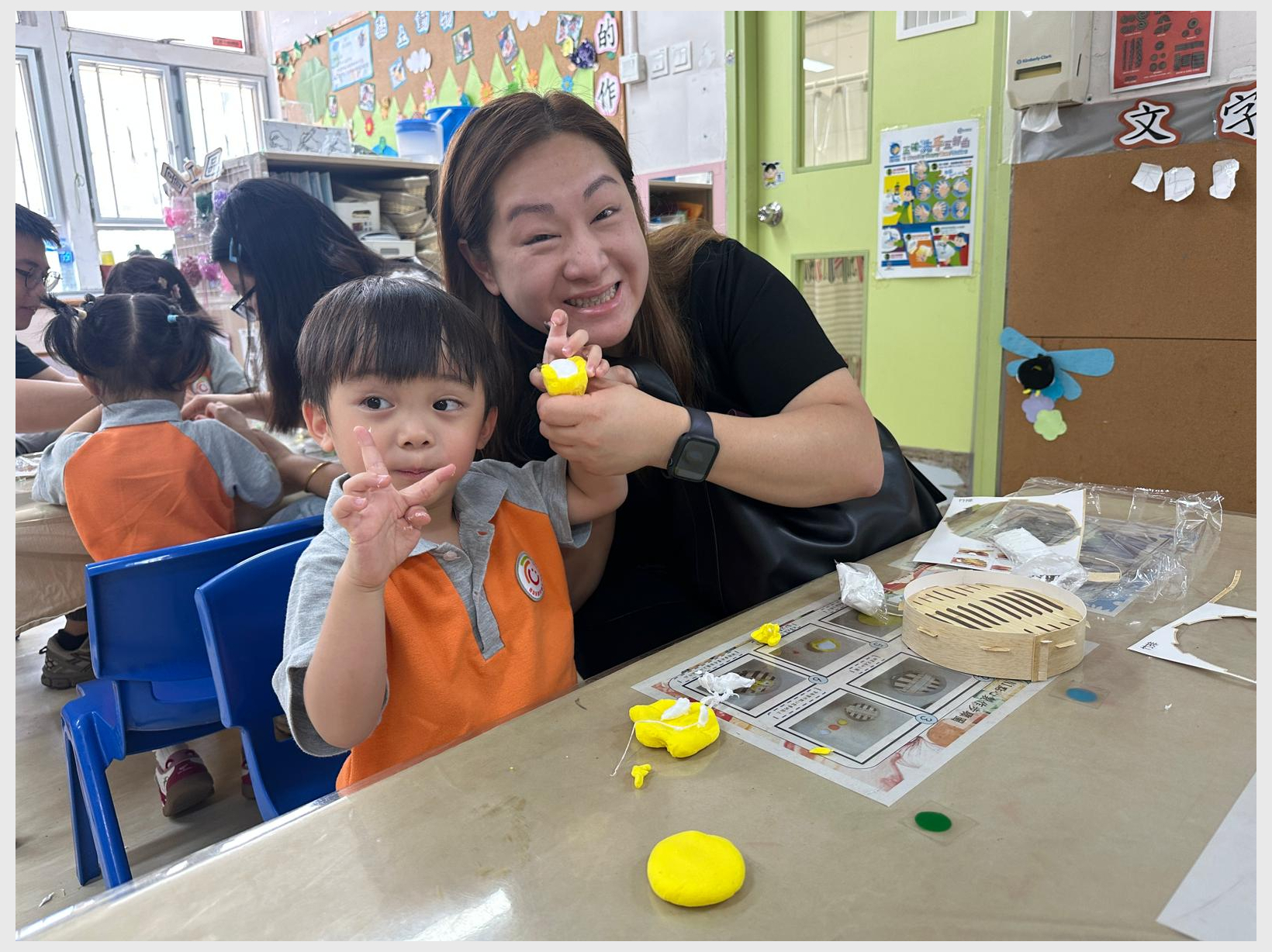
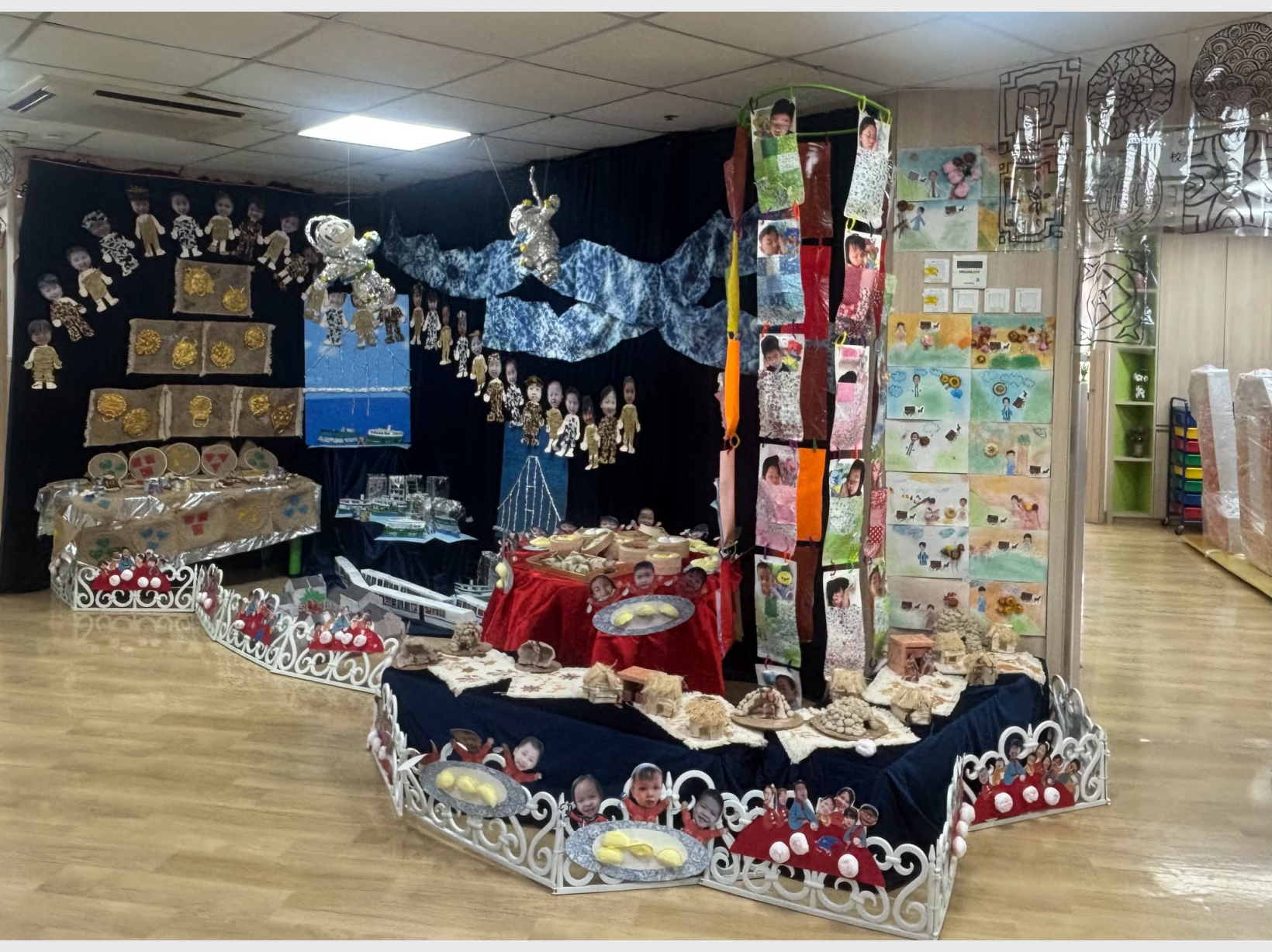
Through stories, exploratory activities, snack-making, and games, N1 children learned about traditional food culture. During the activities, they became familiar with特色 Chinese foods such as steamed buns, noodles, dumplings, and dim sum. They also created artworks such as flour silhouettes, dumplings, blue-and-white porcelain tea sets, lotus leaf rice balls, peace buns, rooster bowl noodles, dim sum, and placemats.
N2
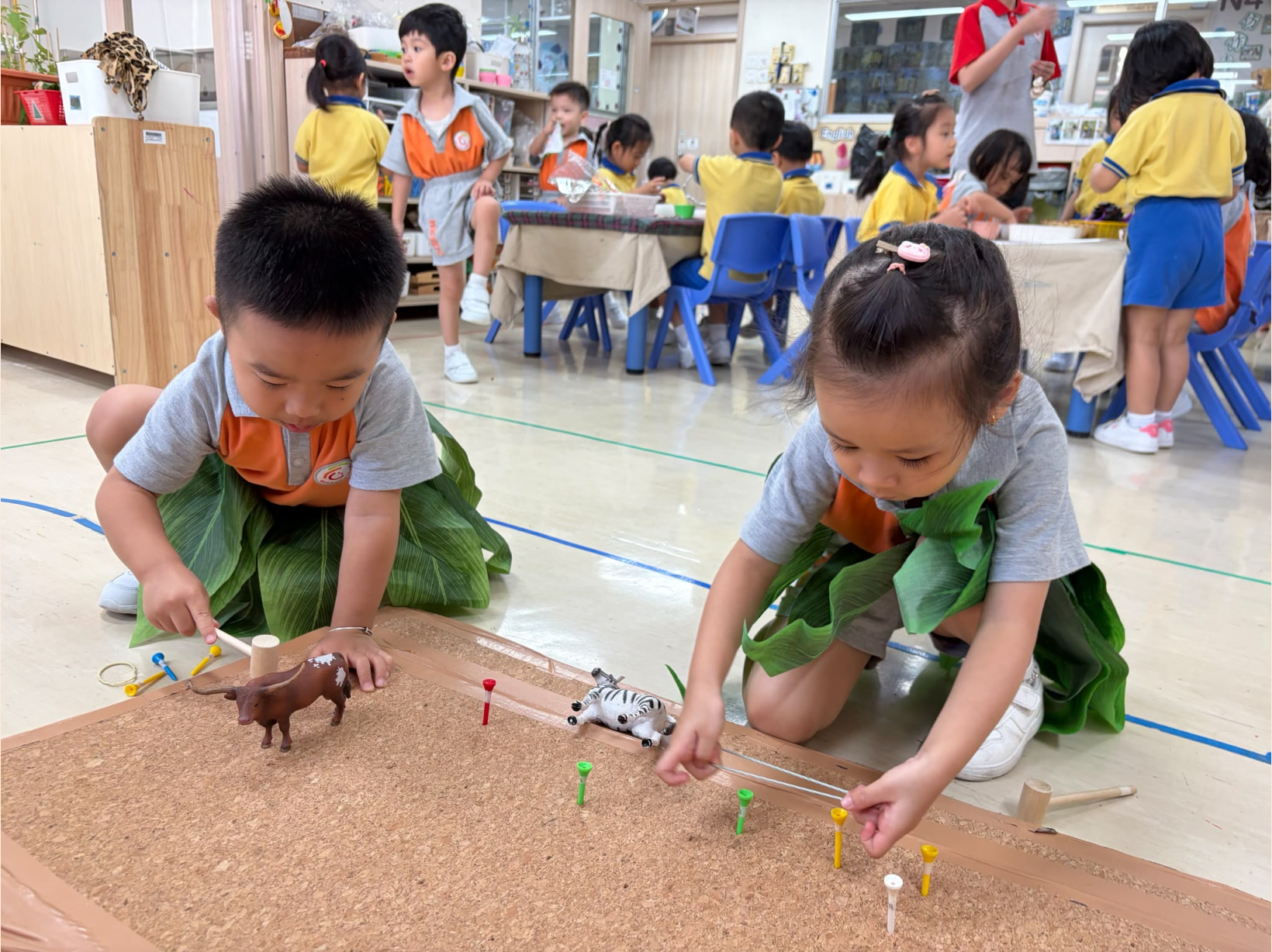
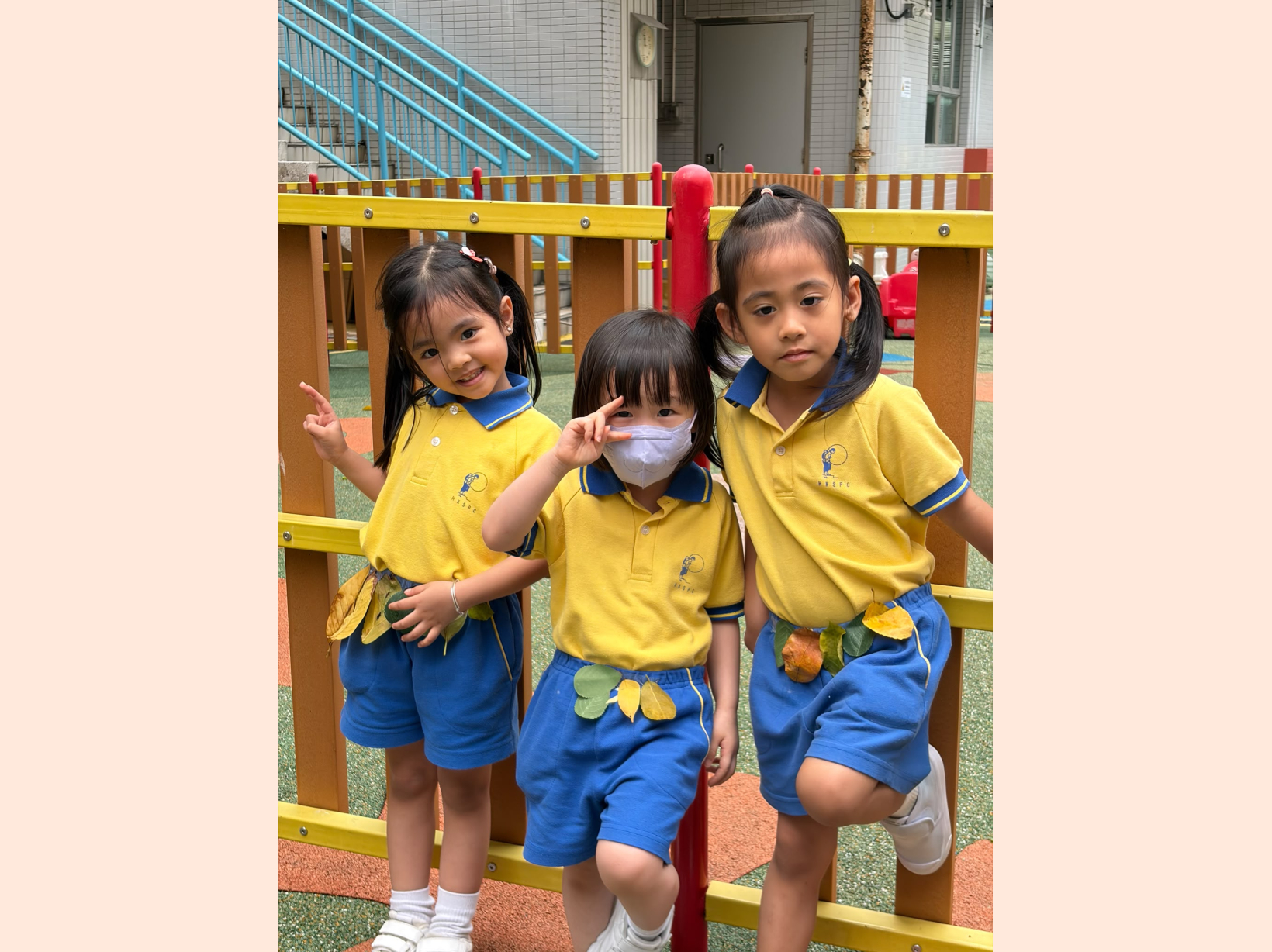
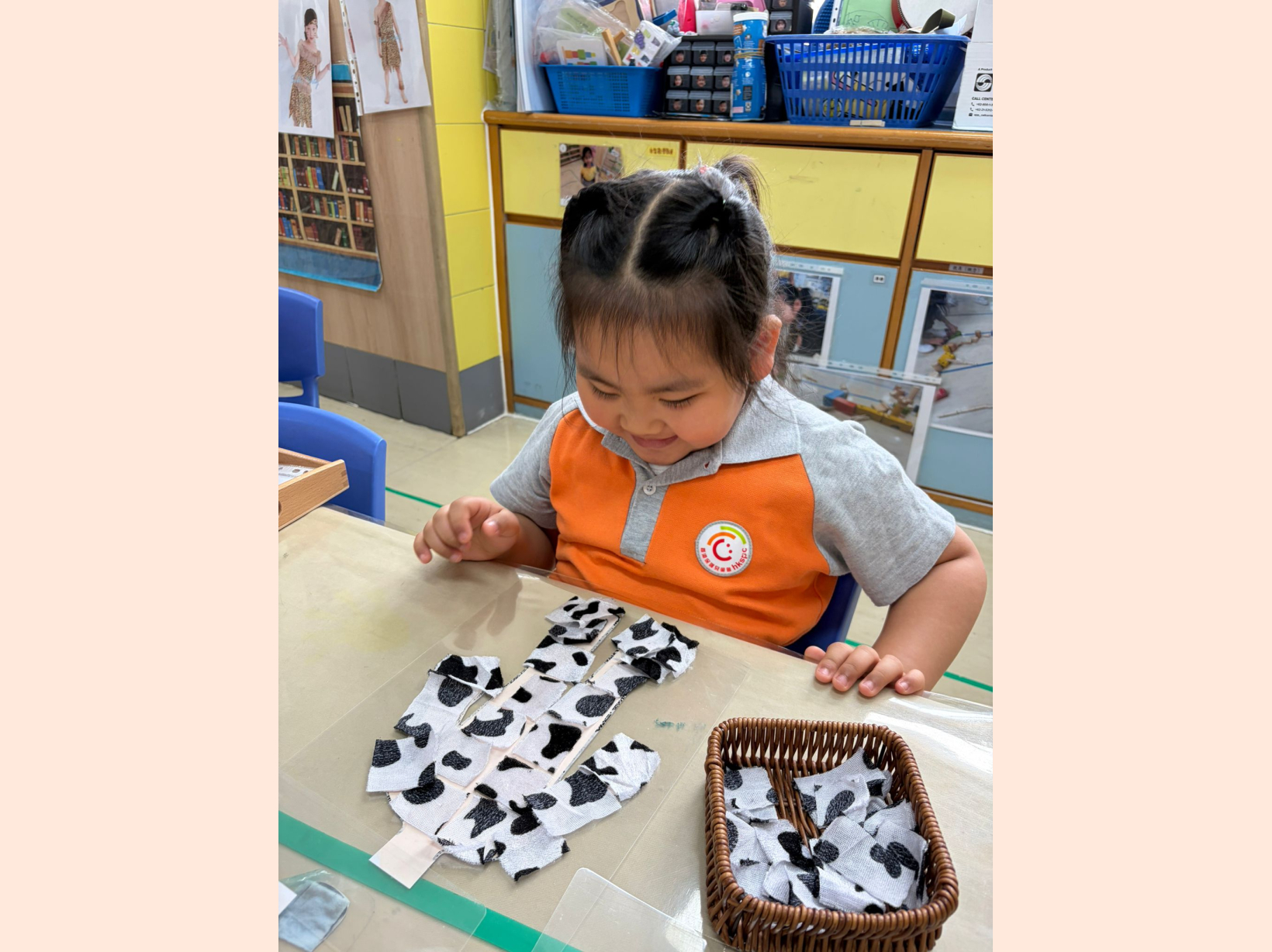
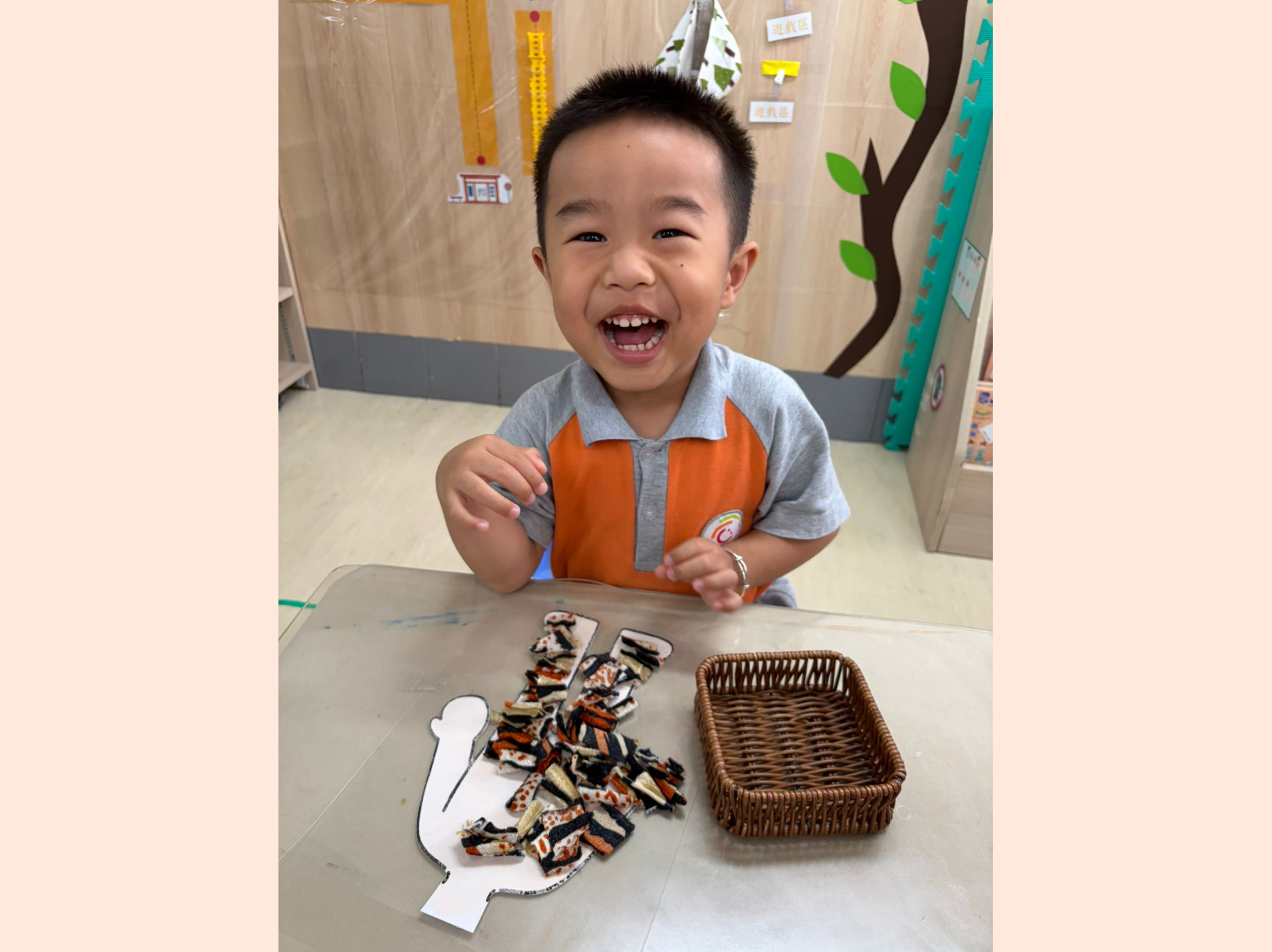
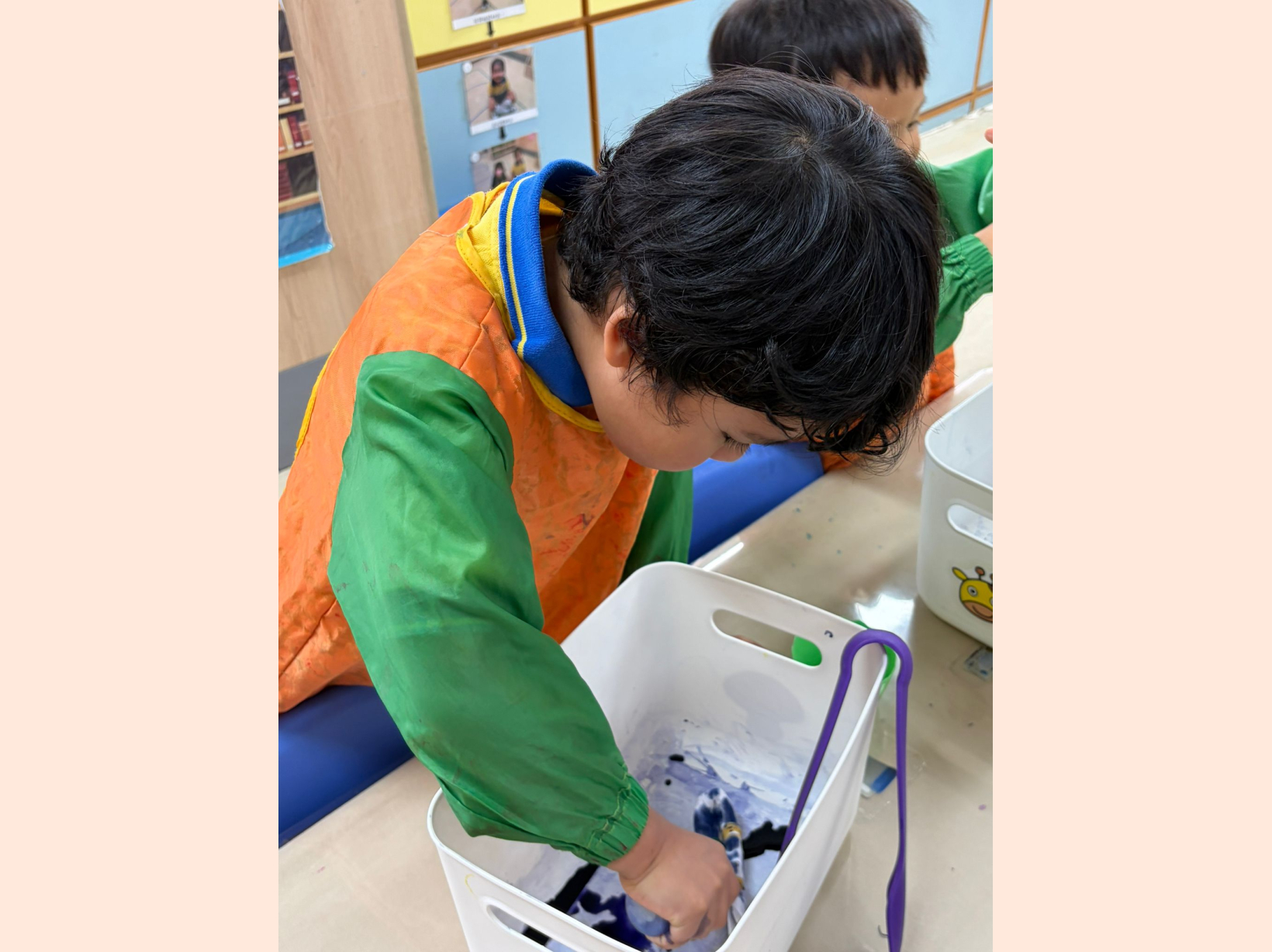
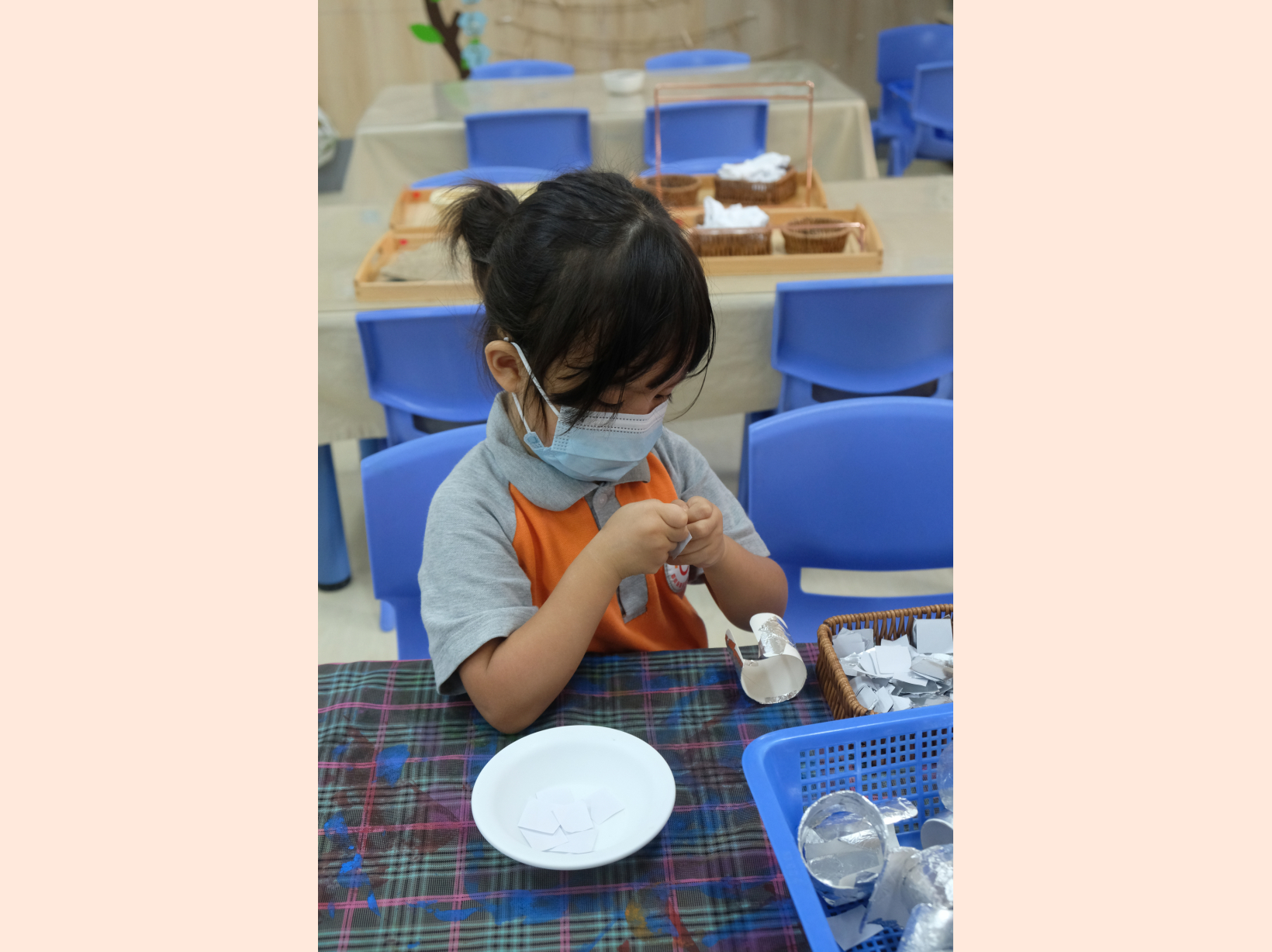
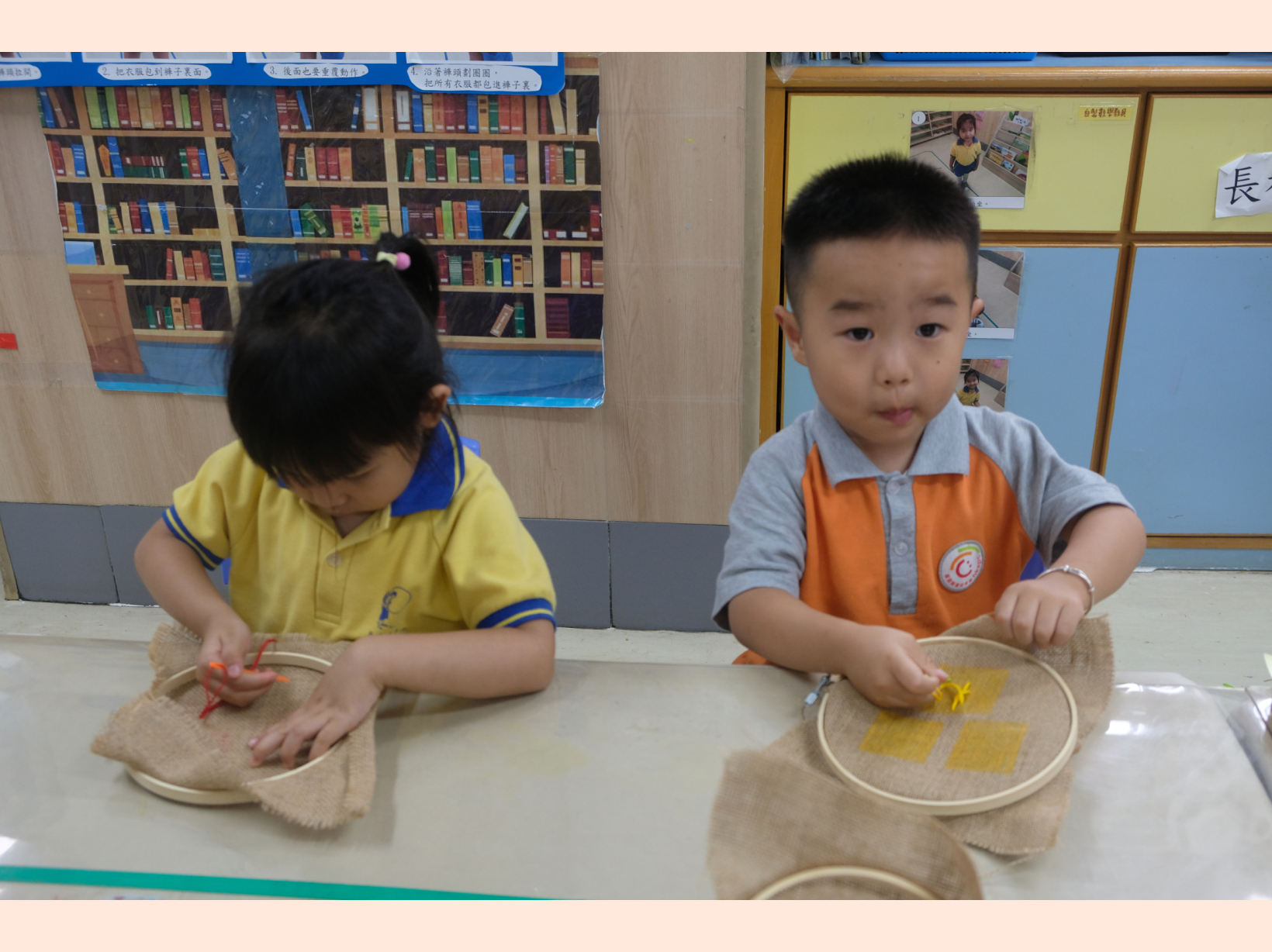
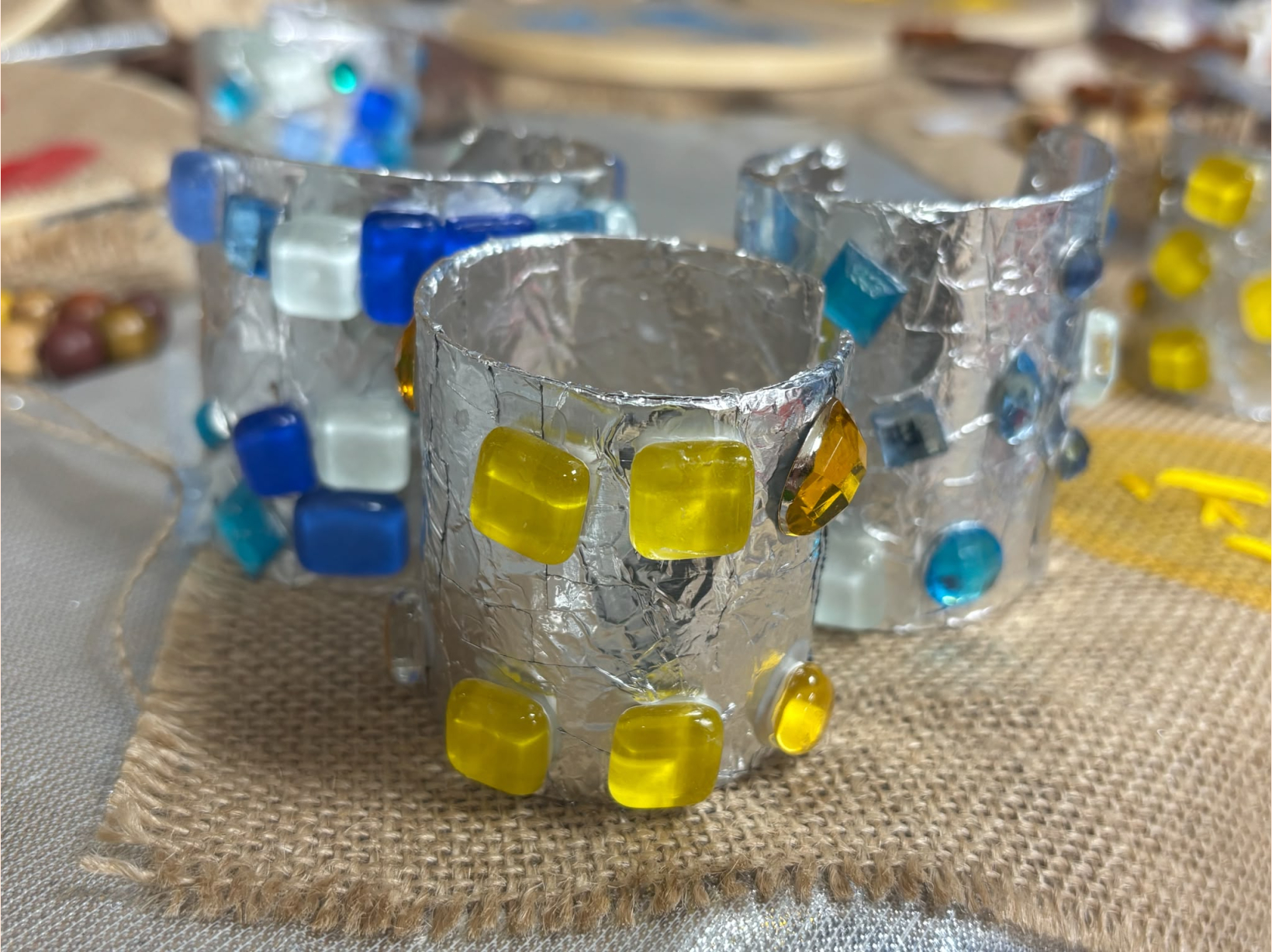
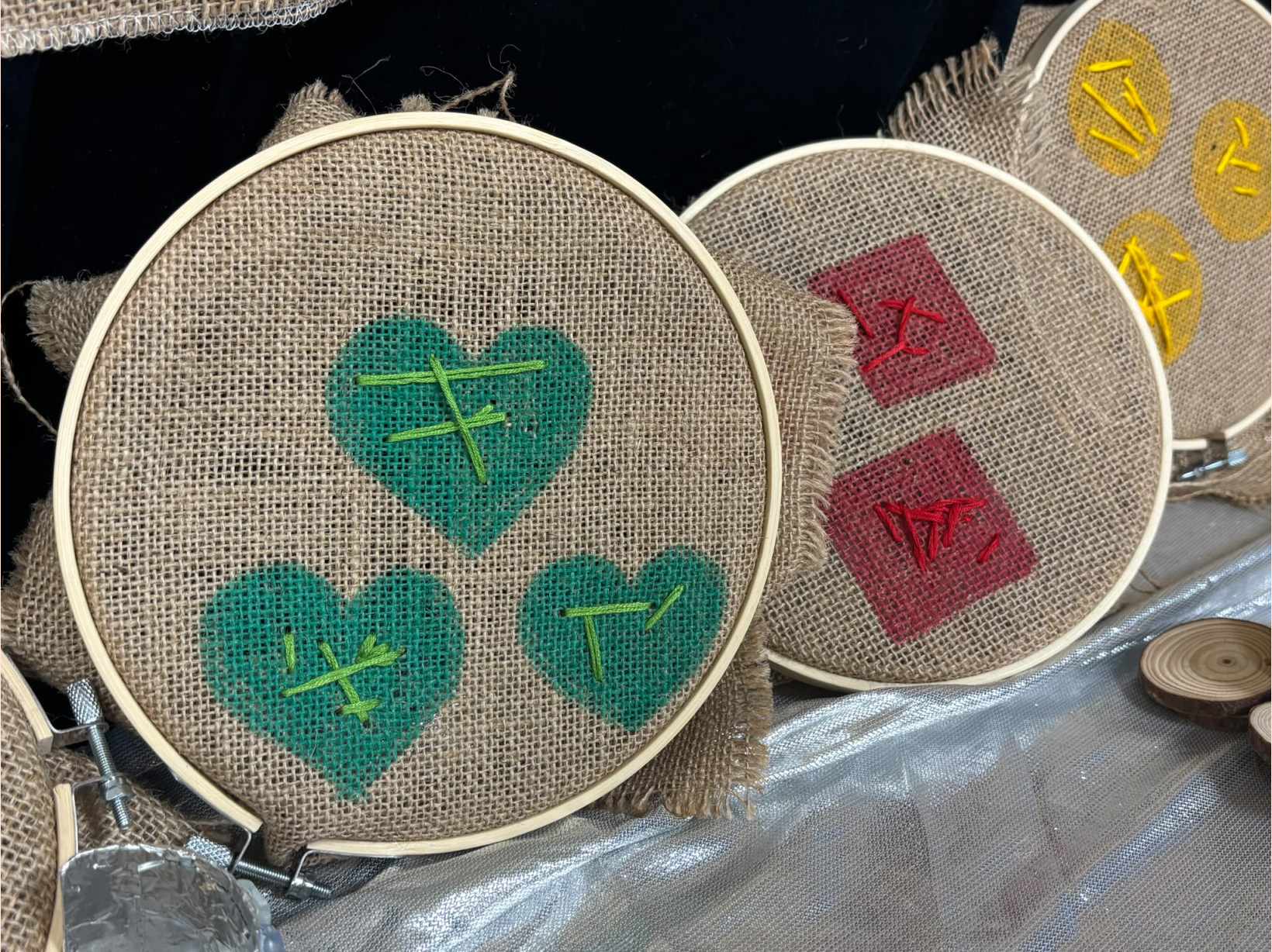
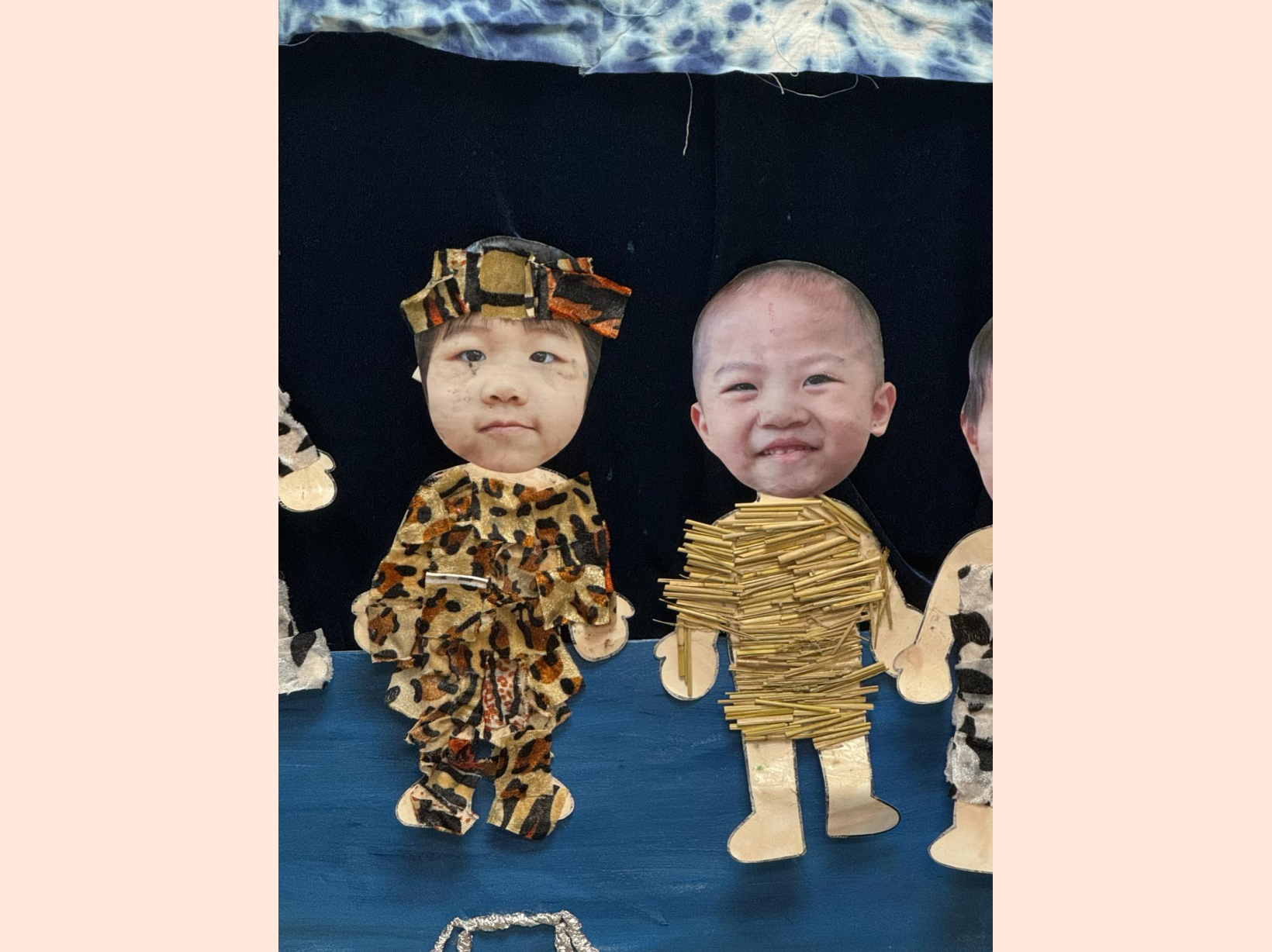
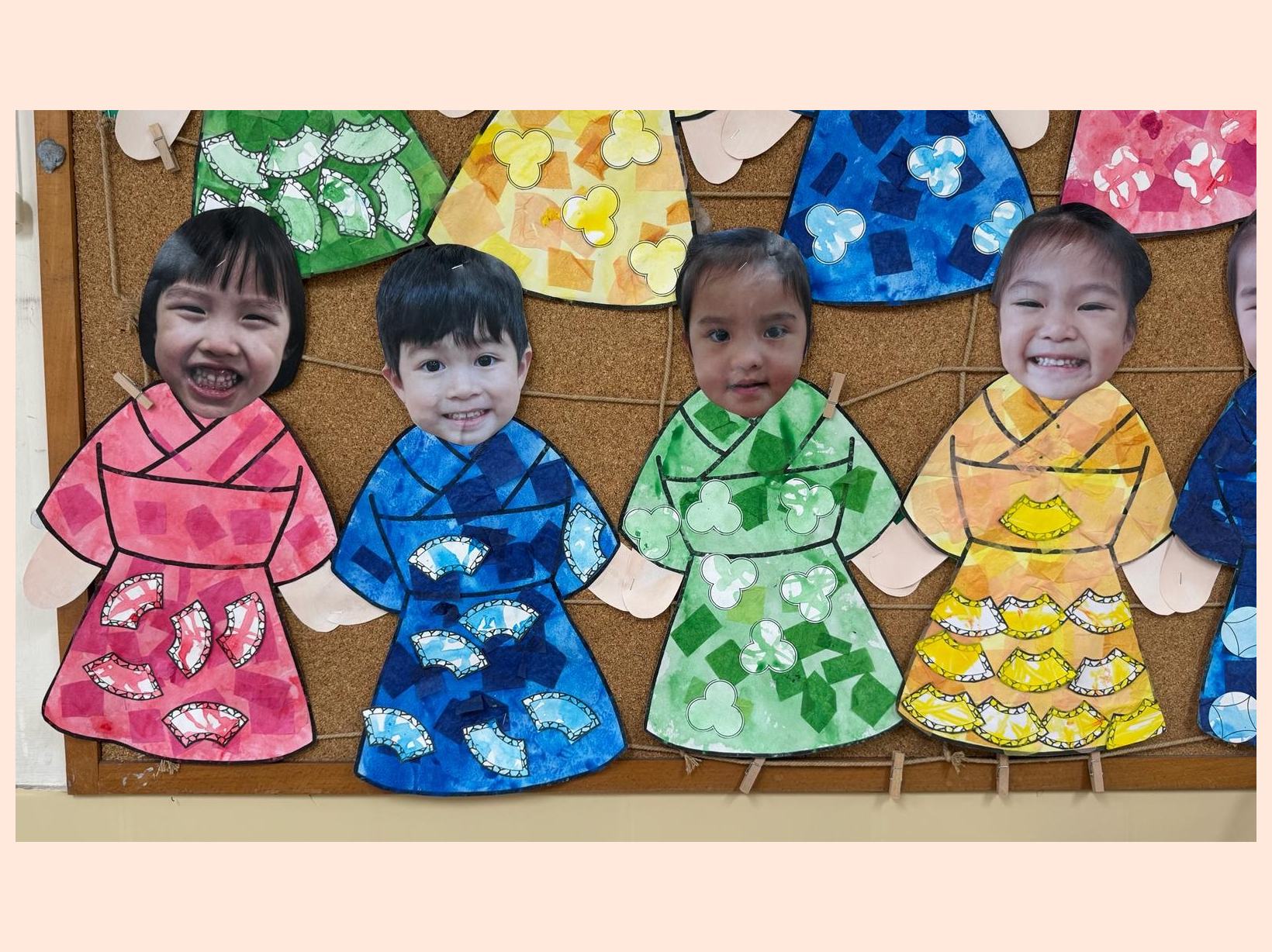
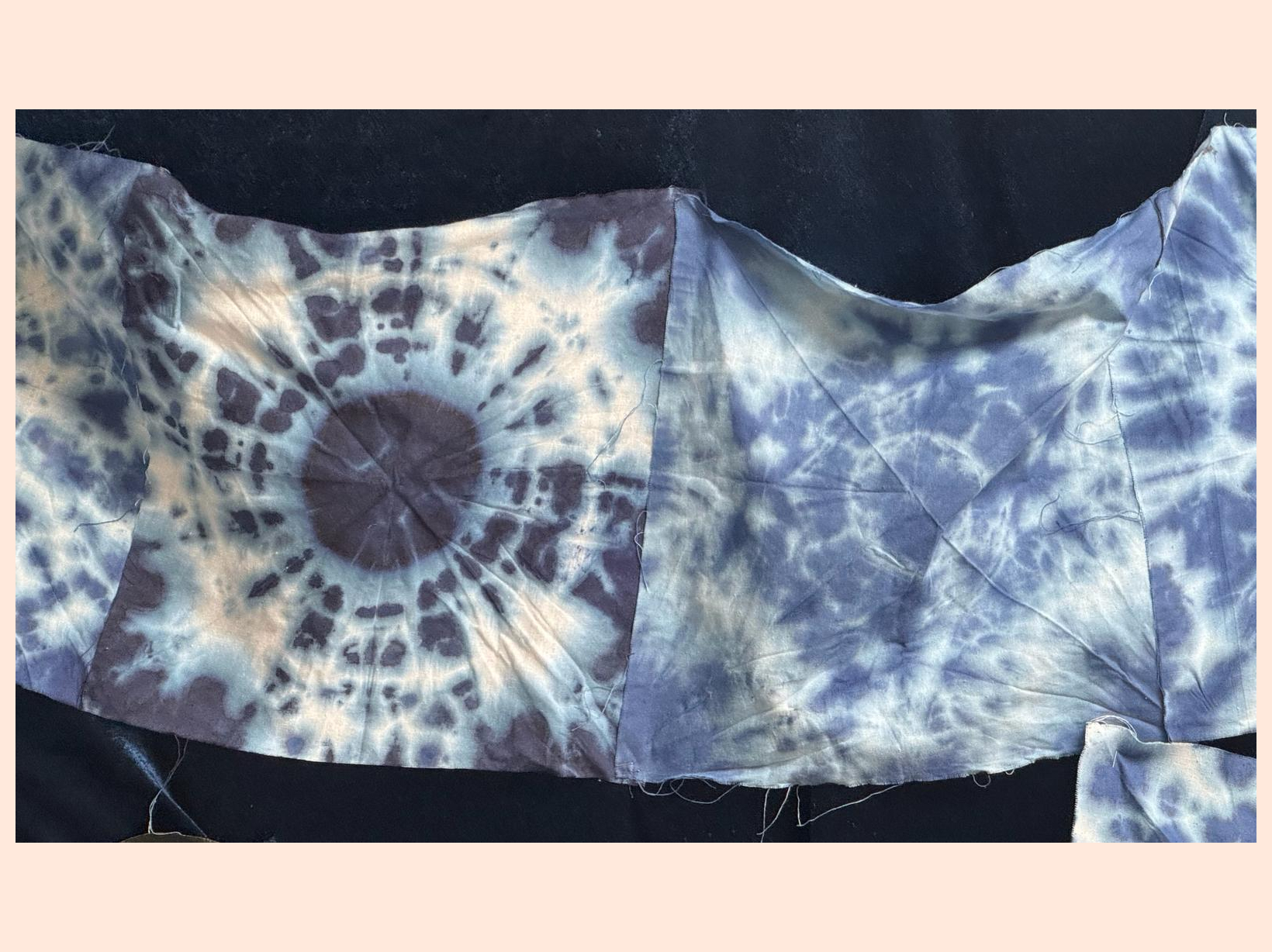
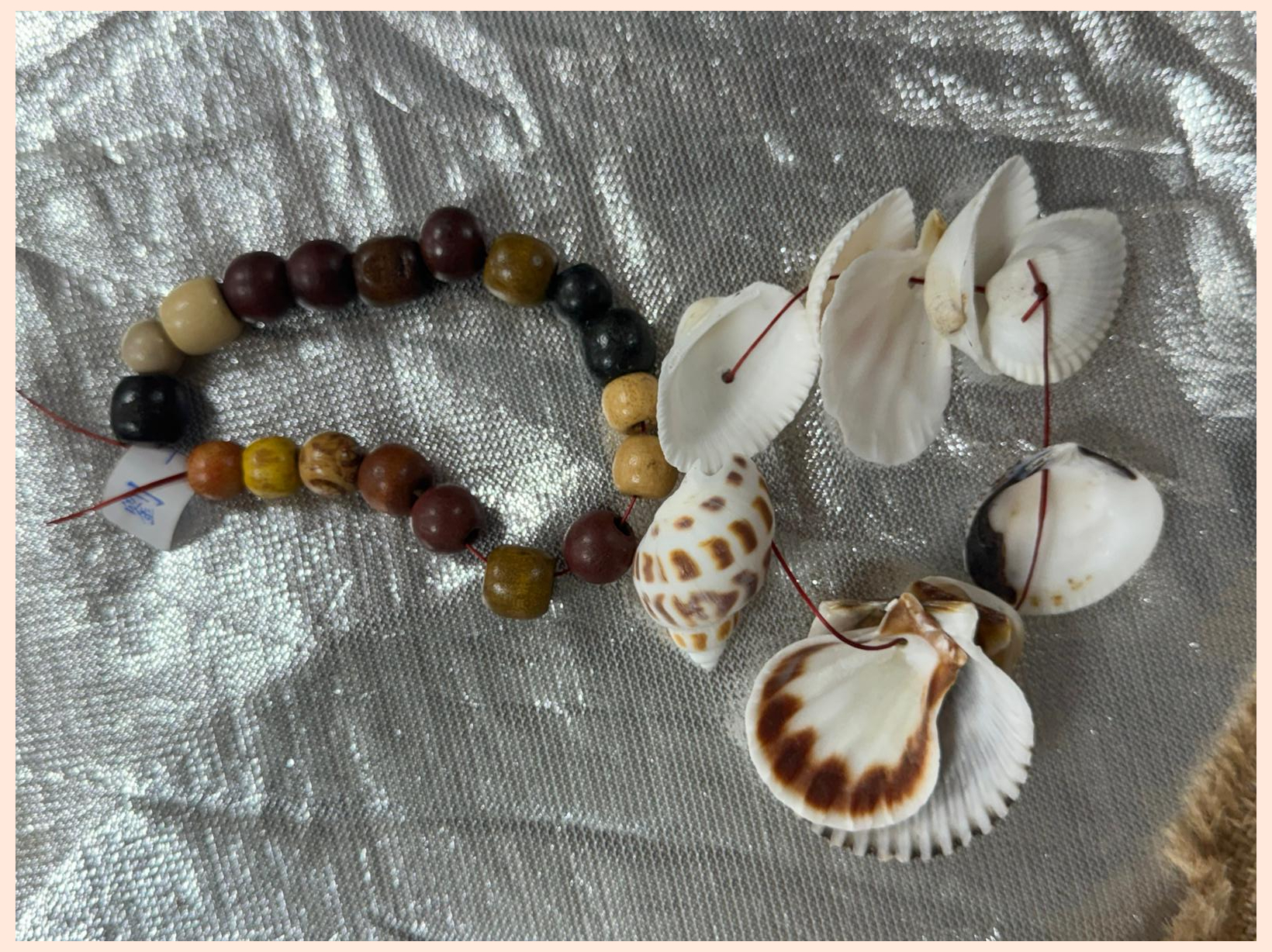
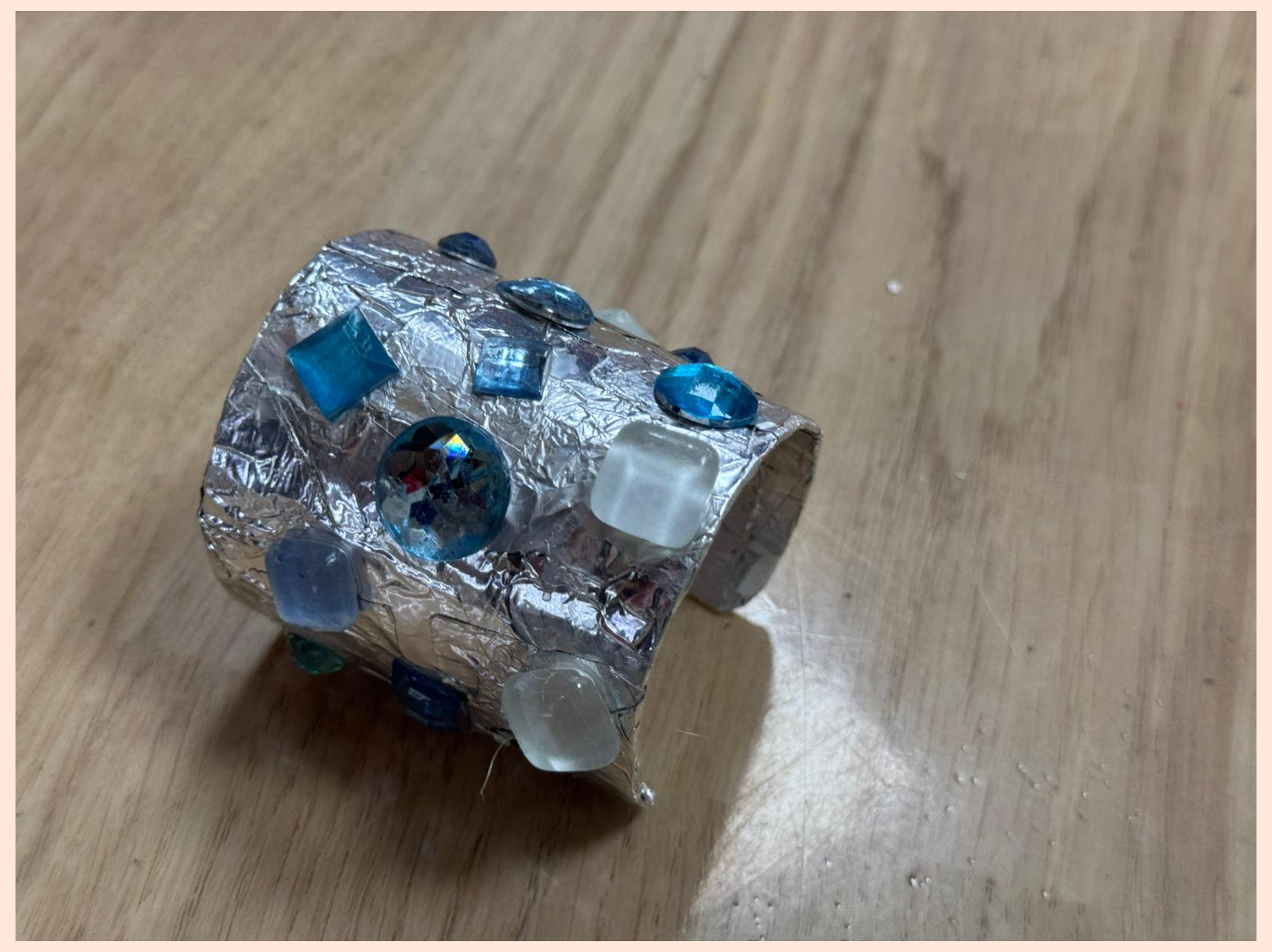
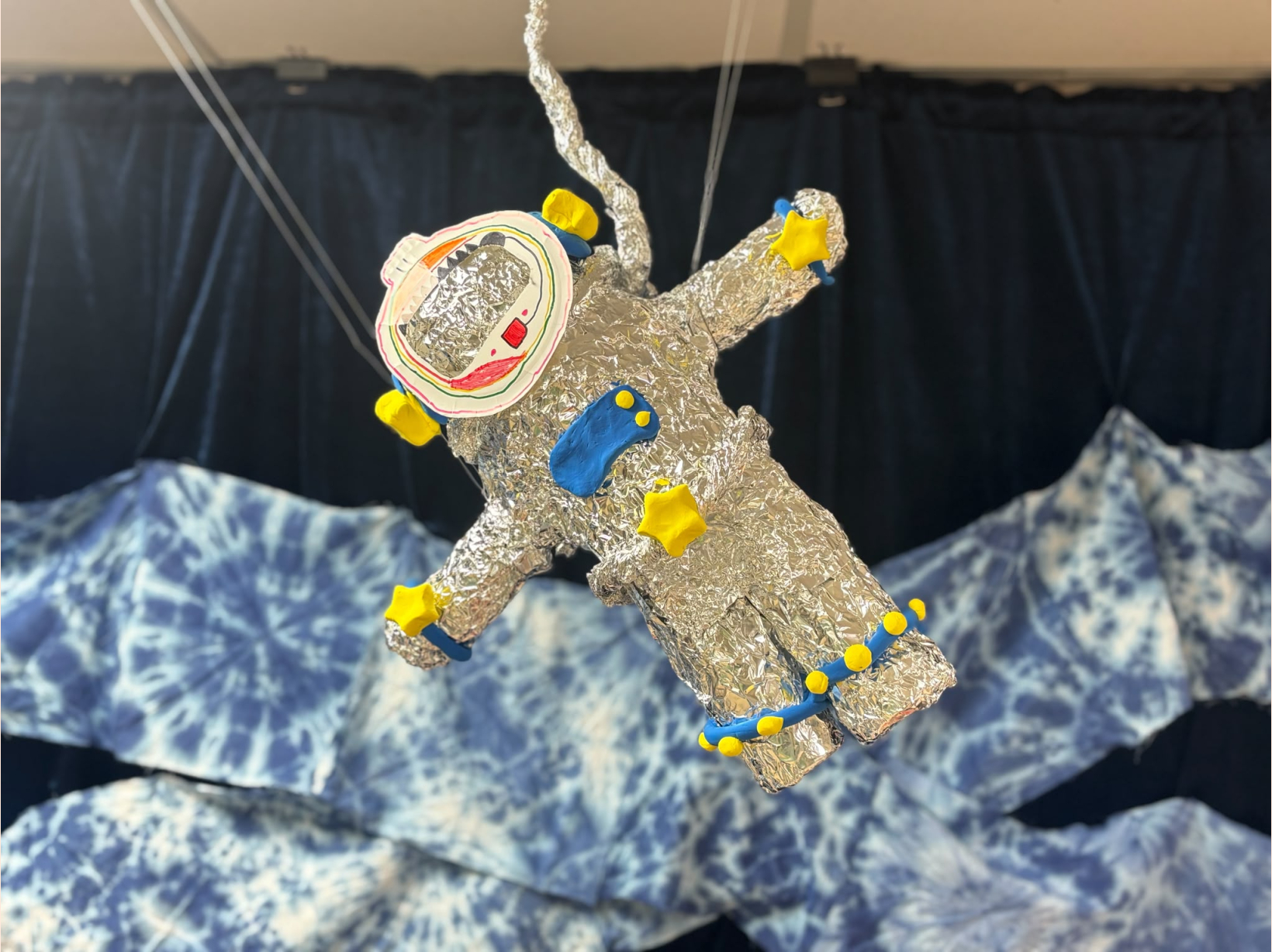
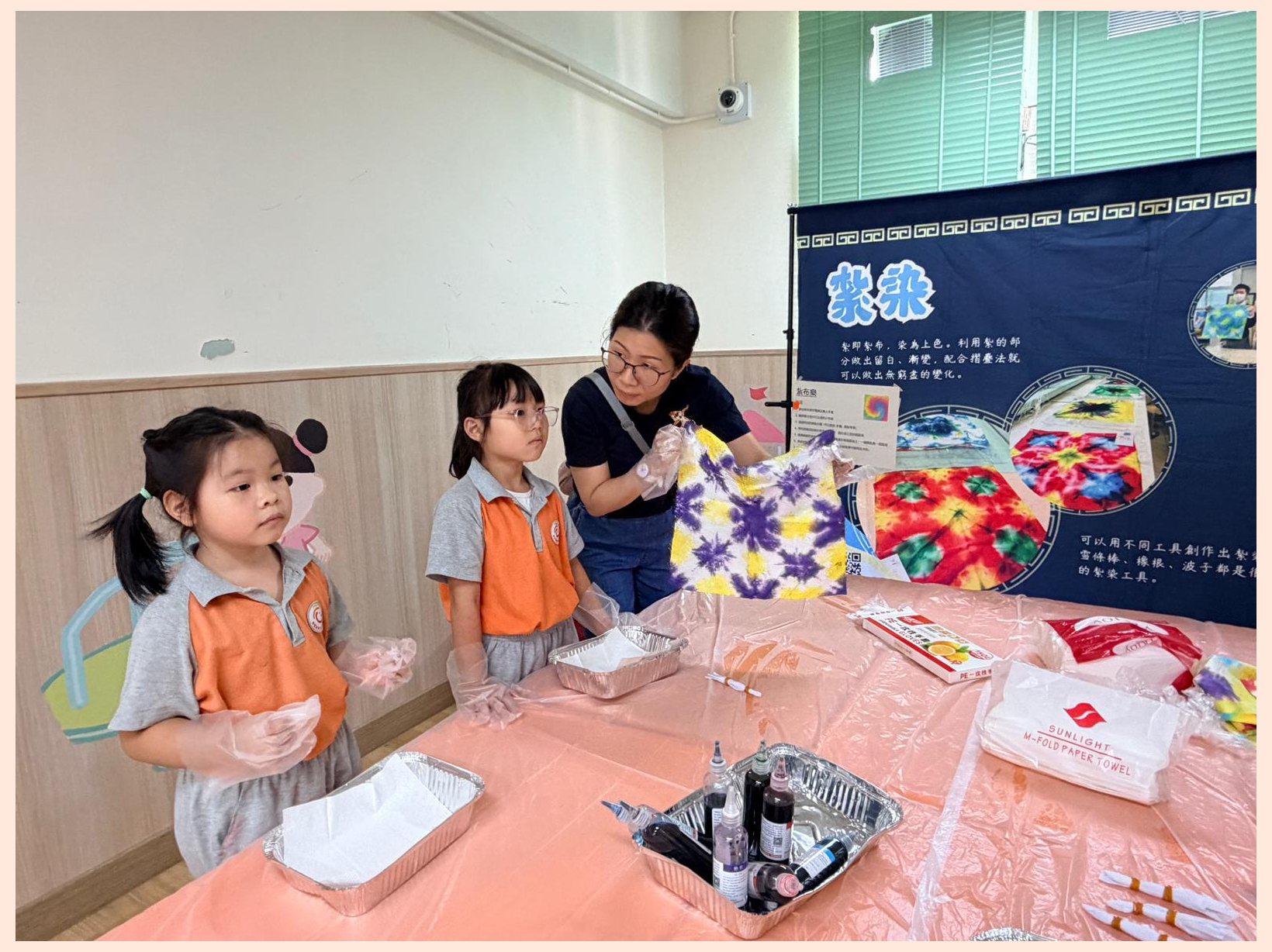
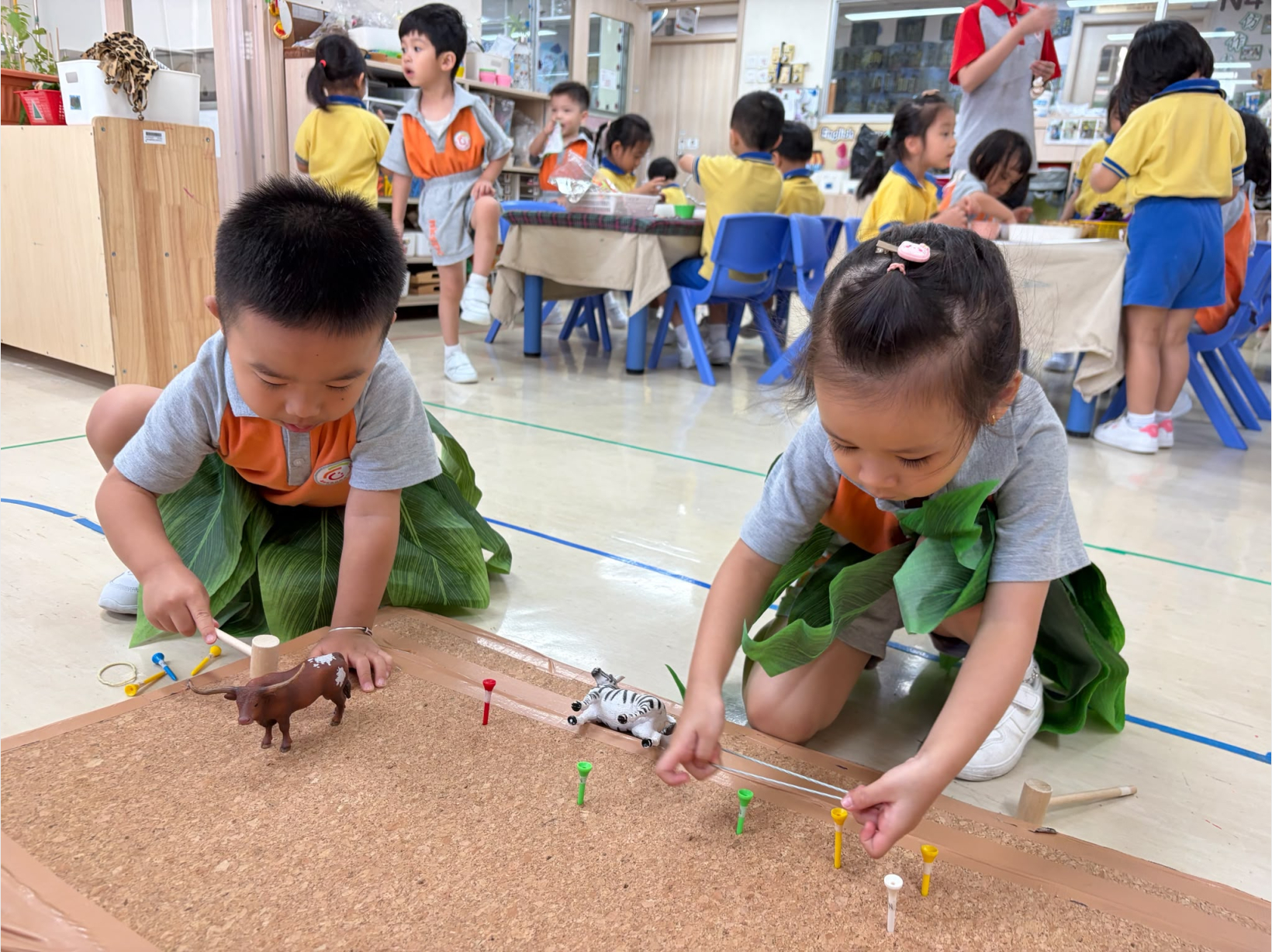
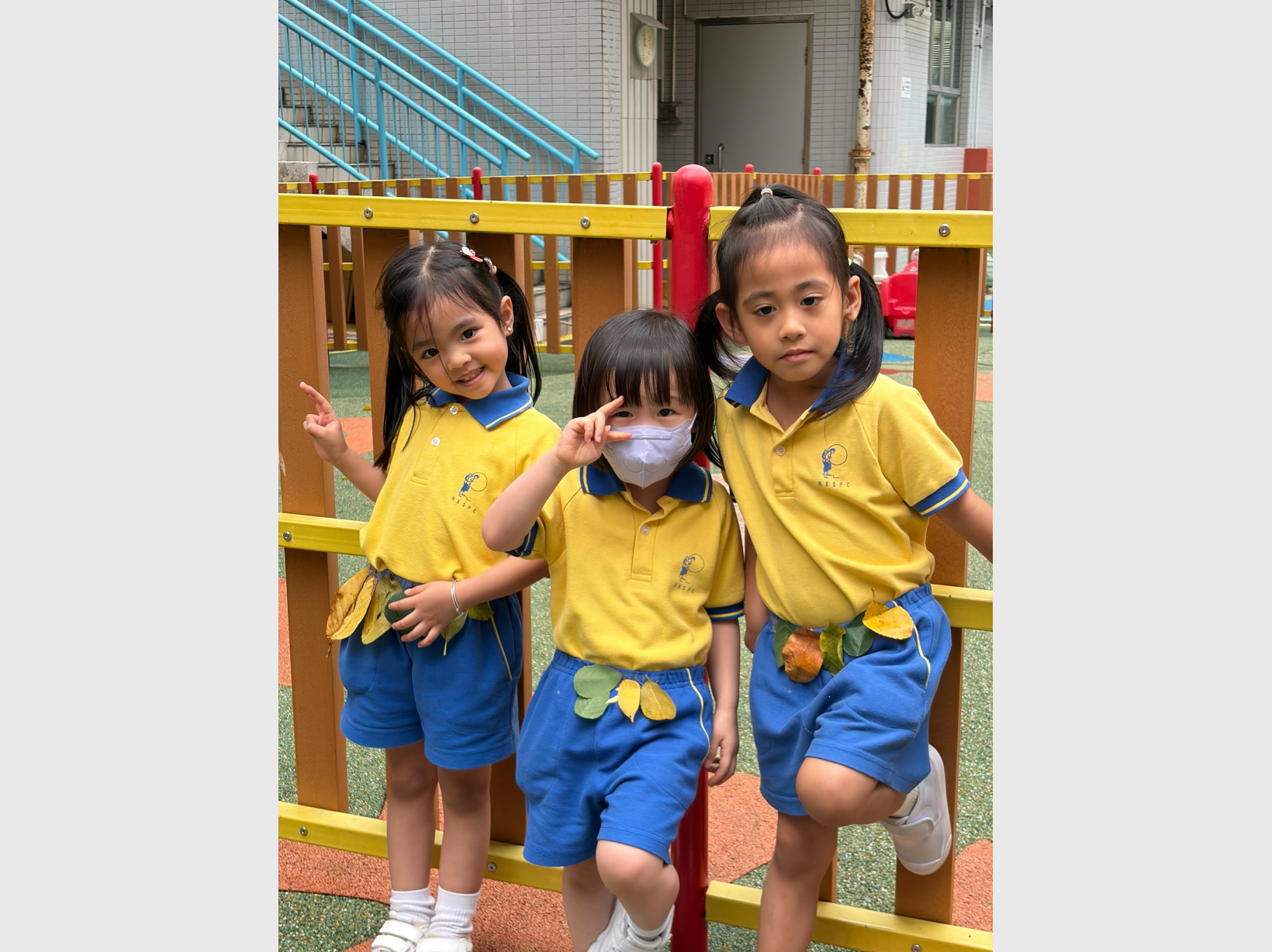
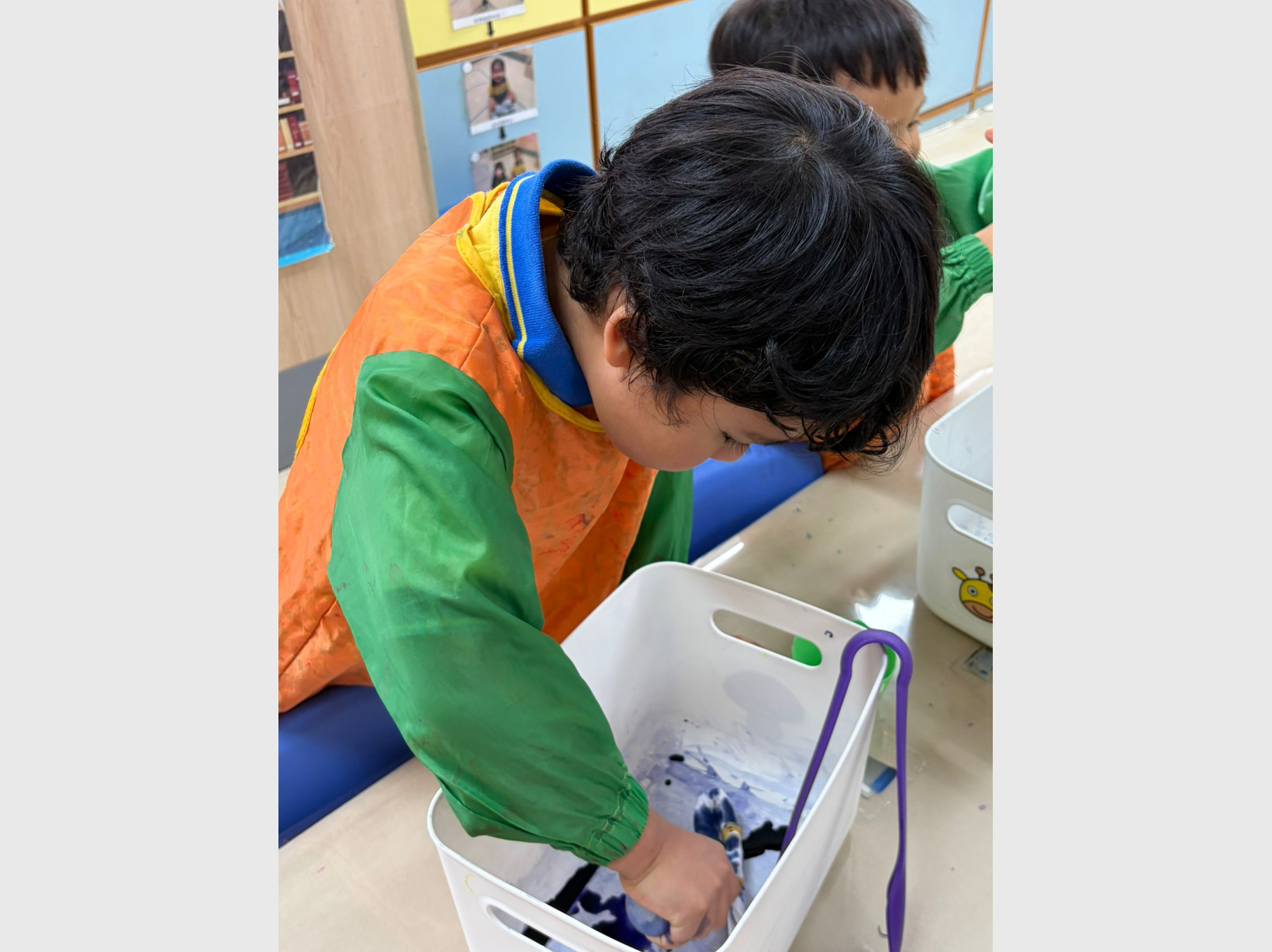
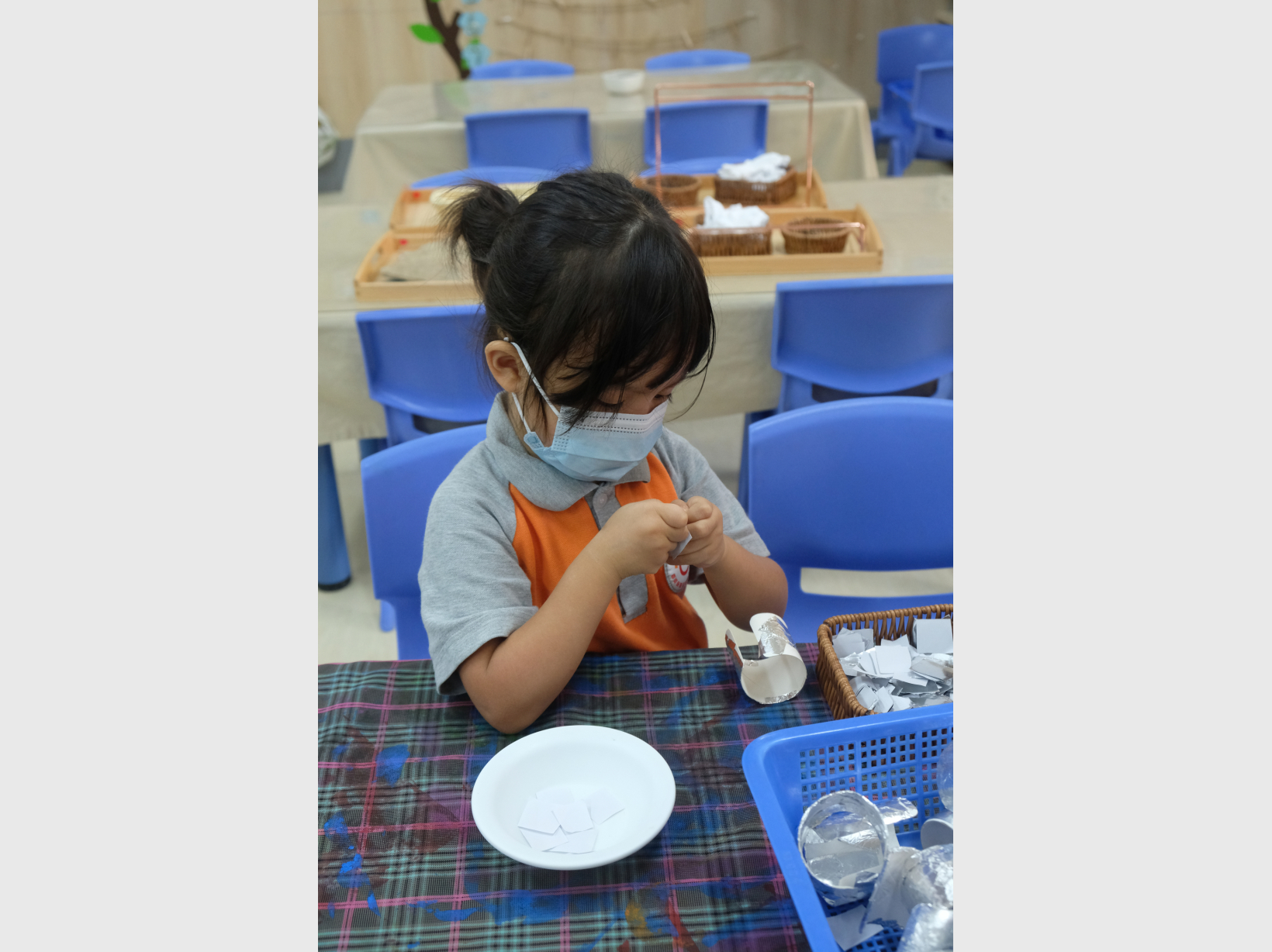
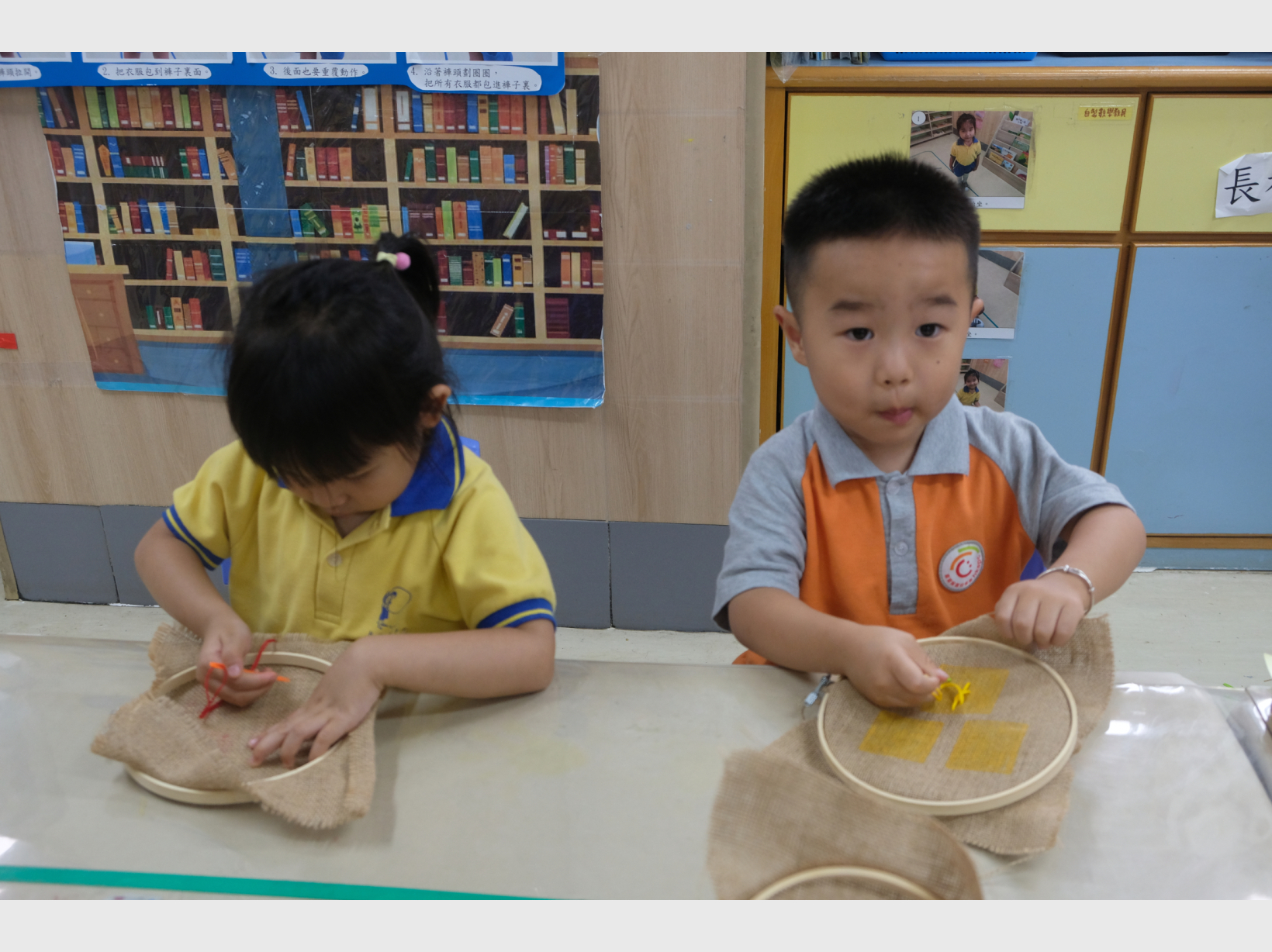
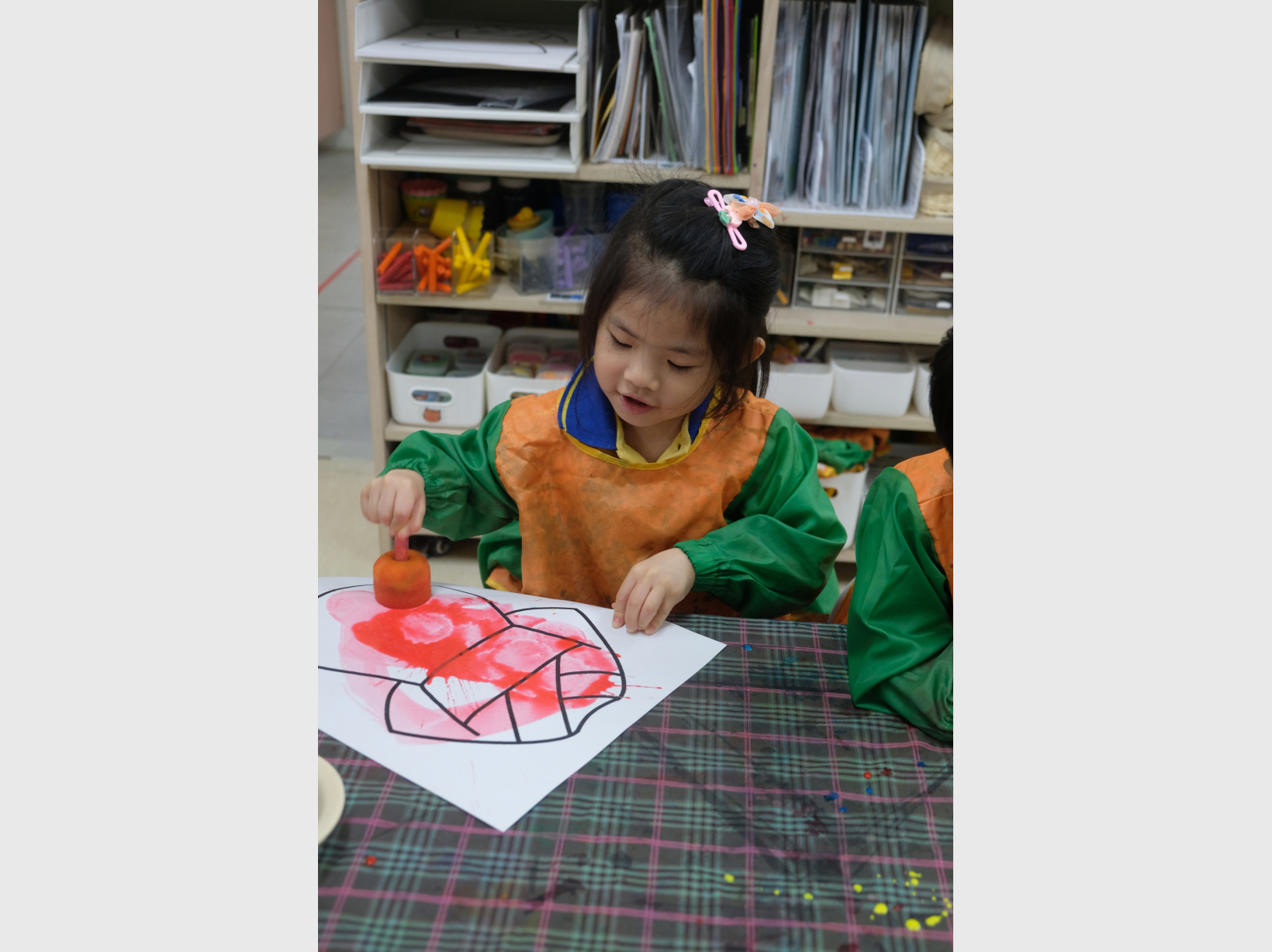
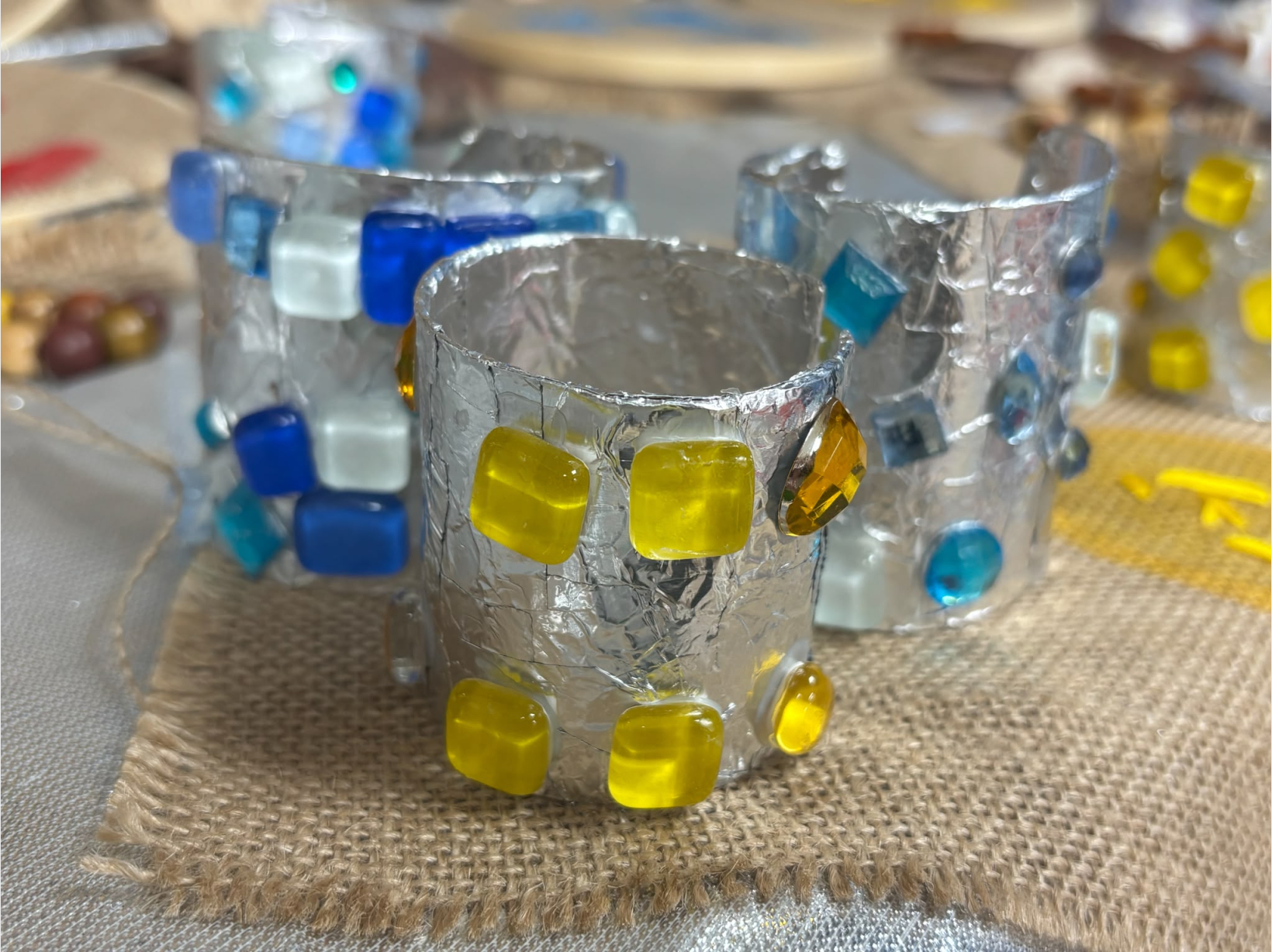
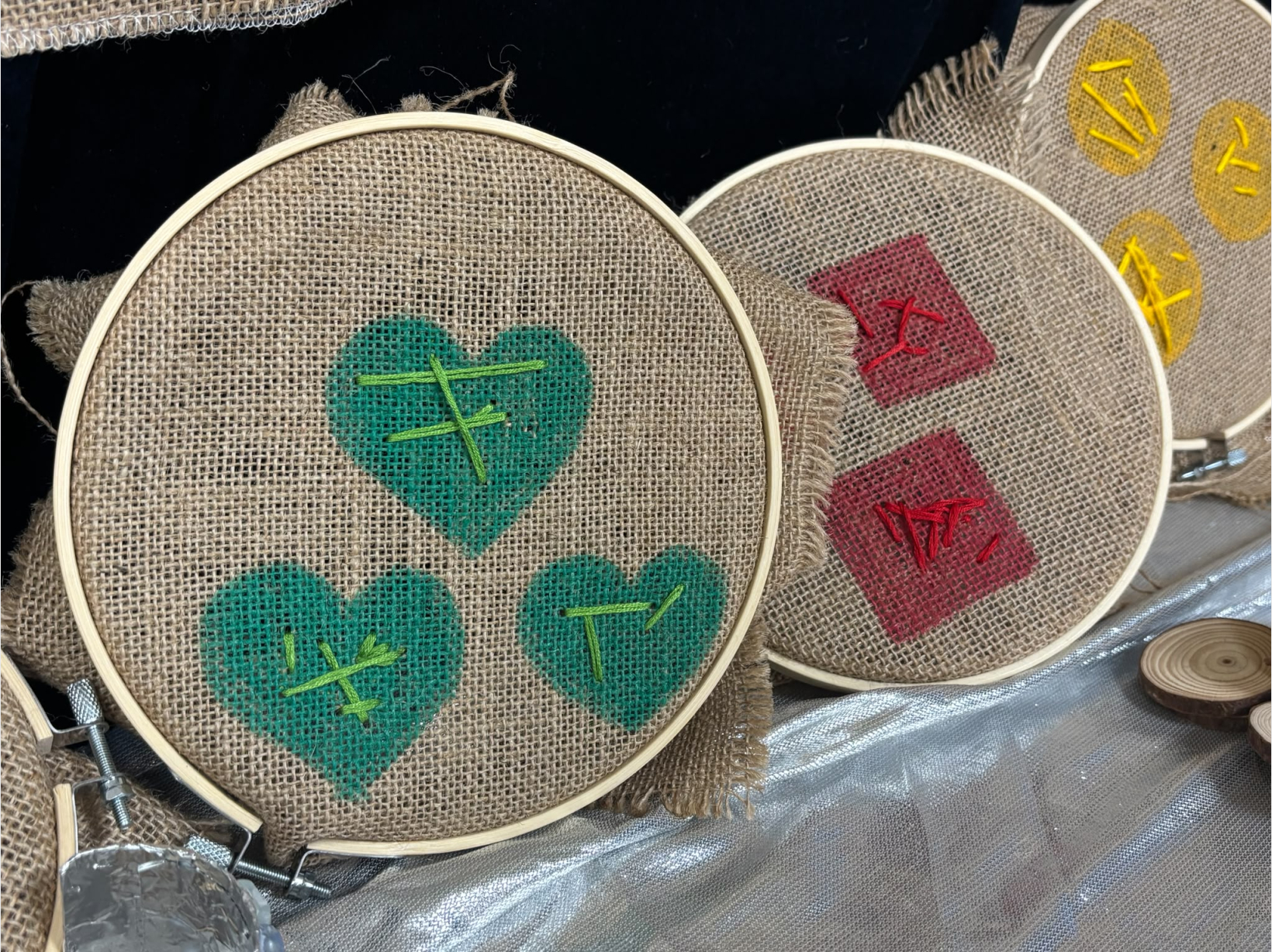
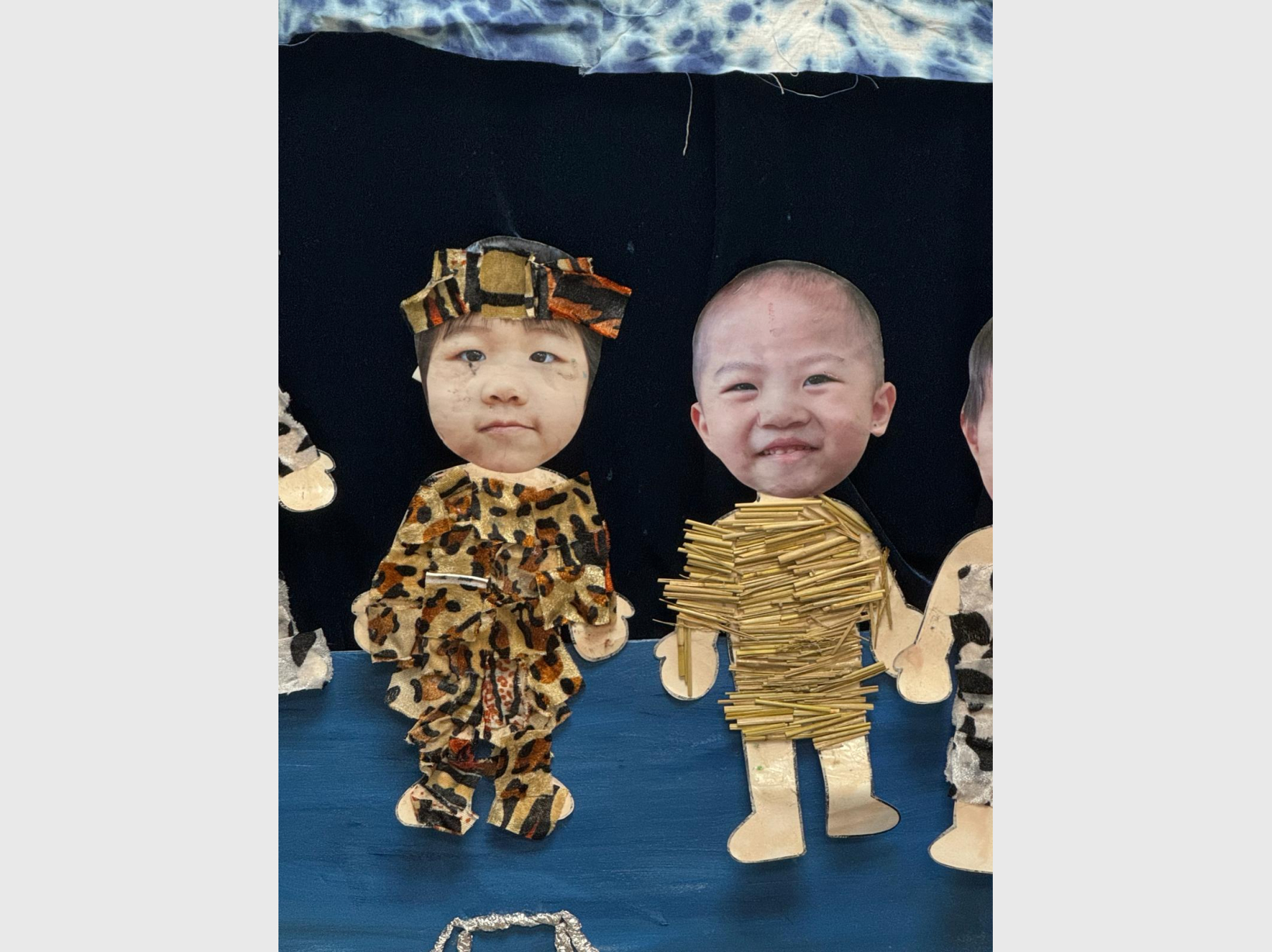
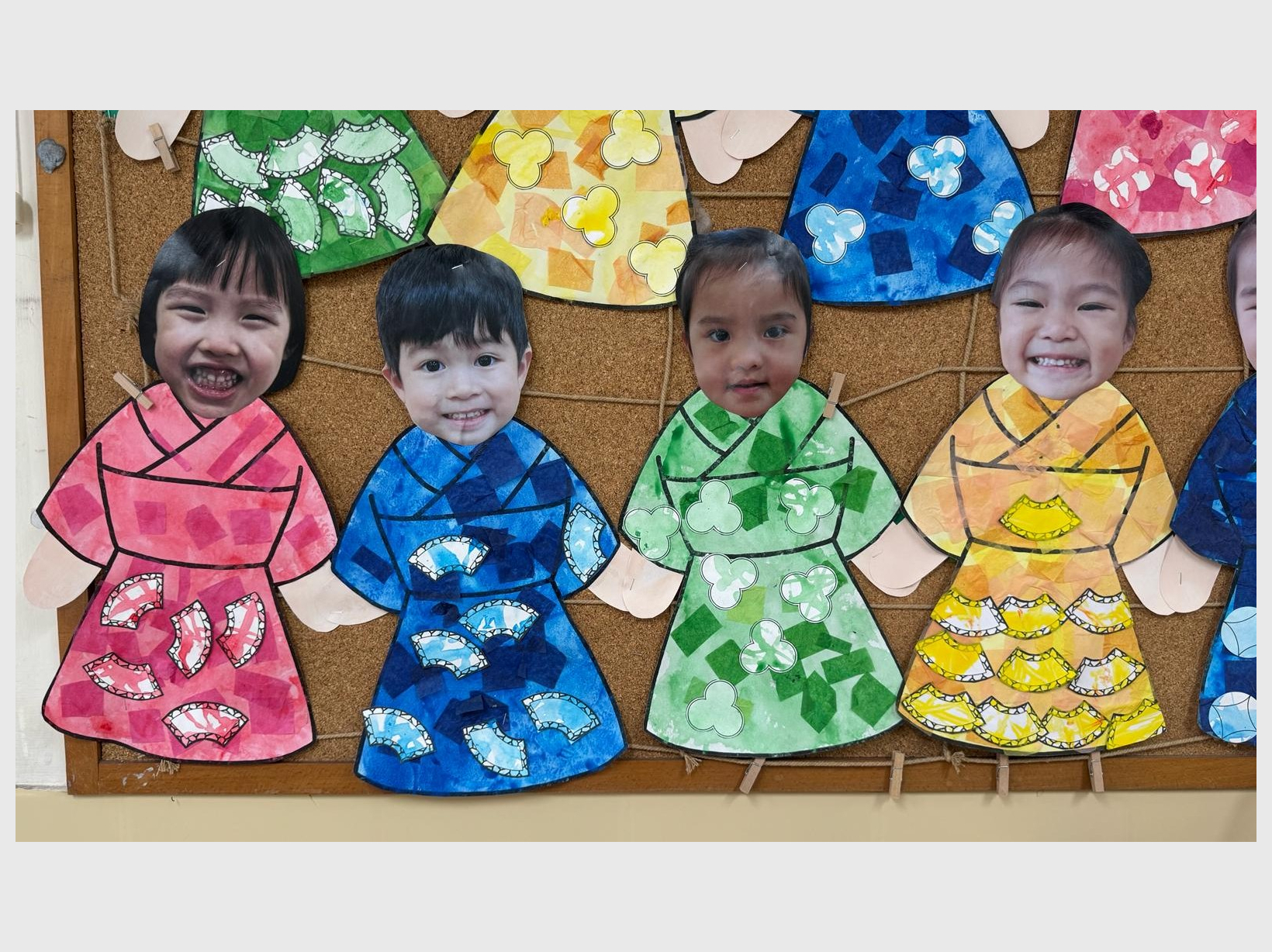
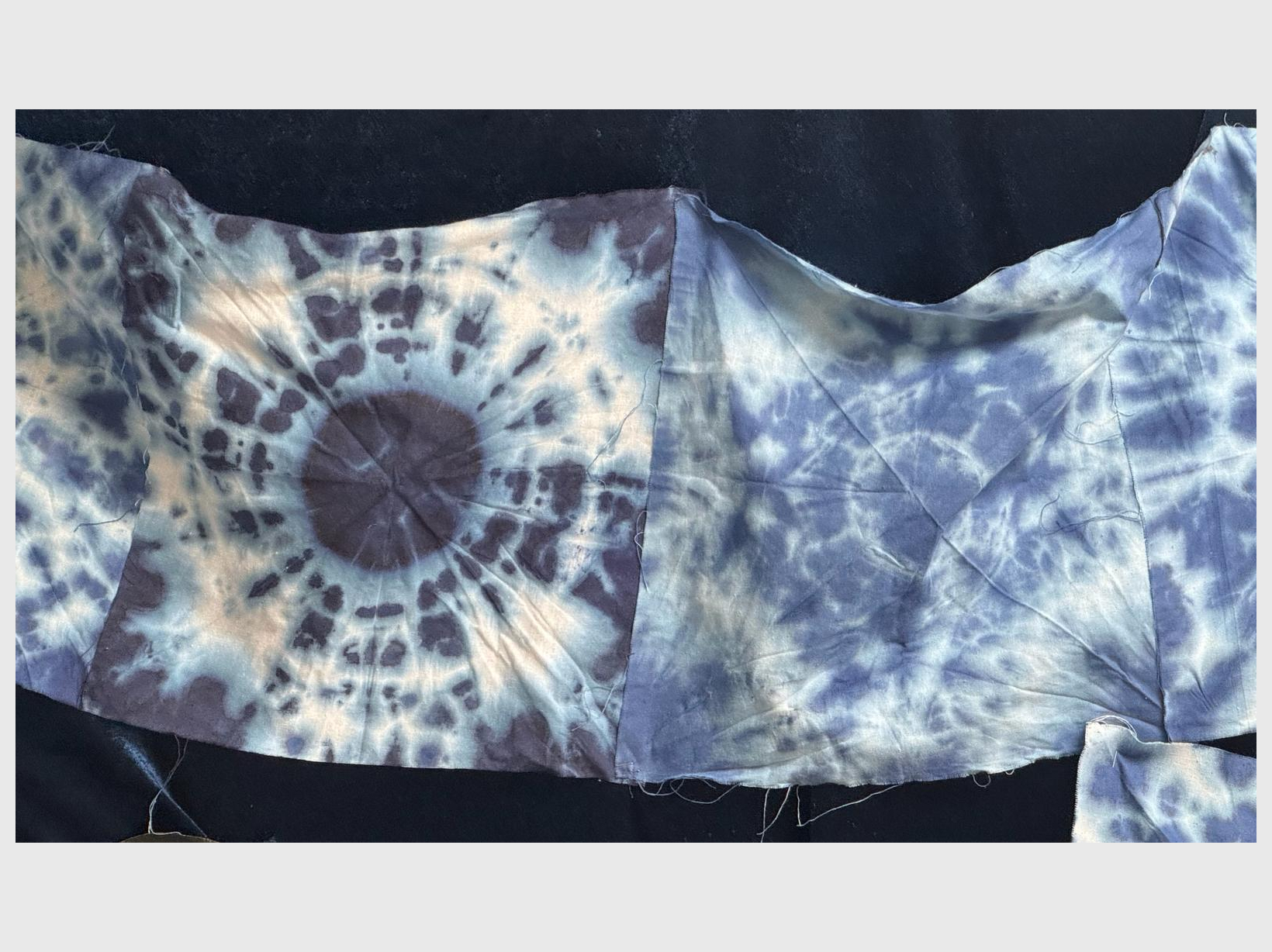
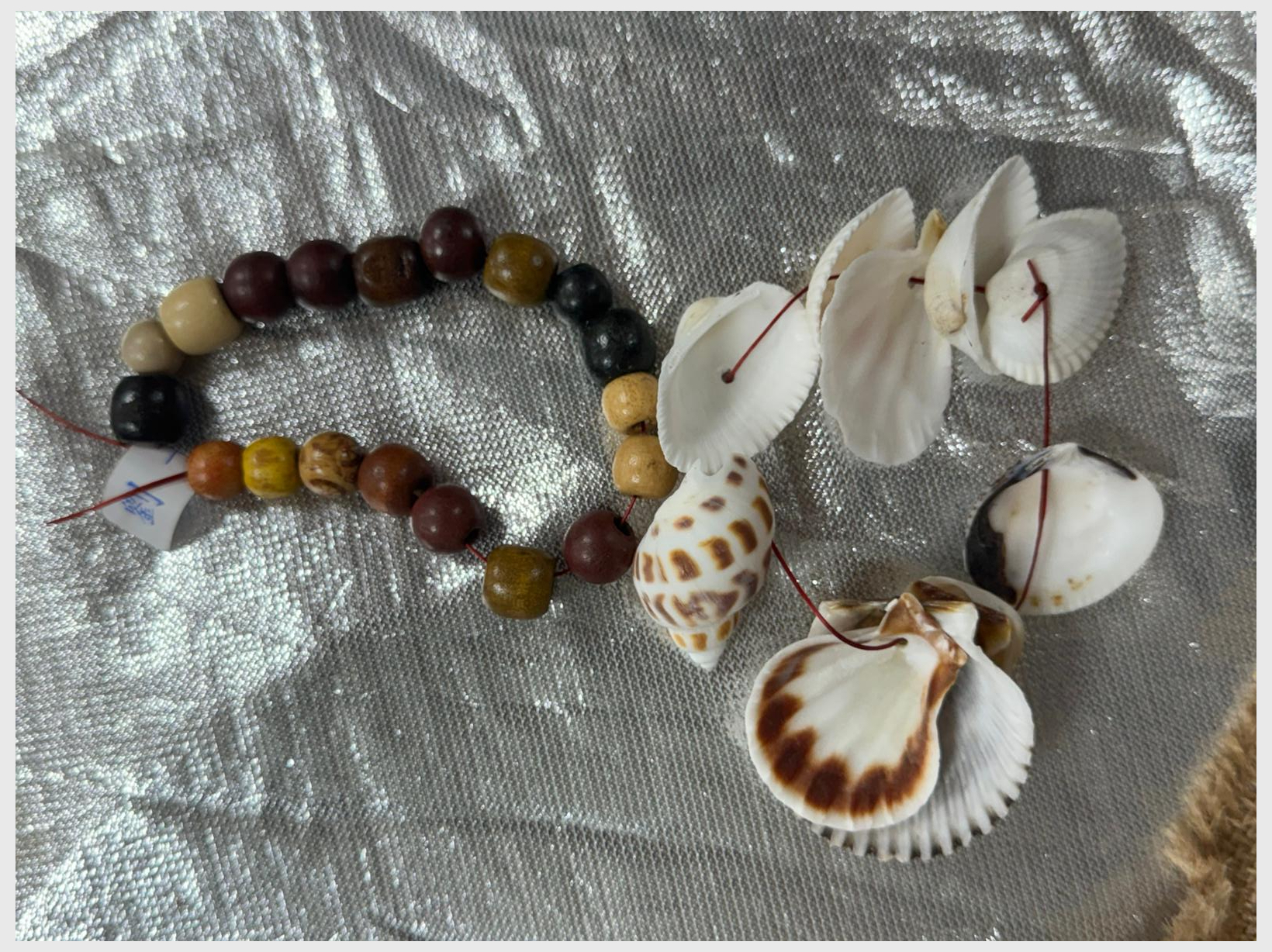
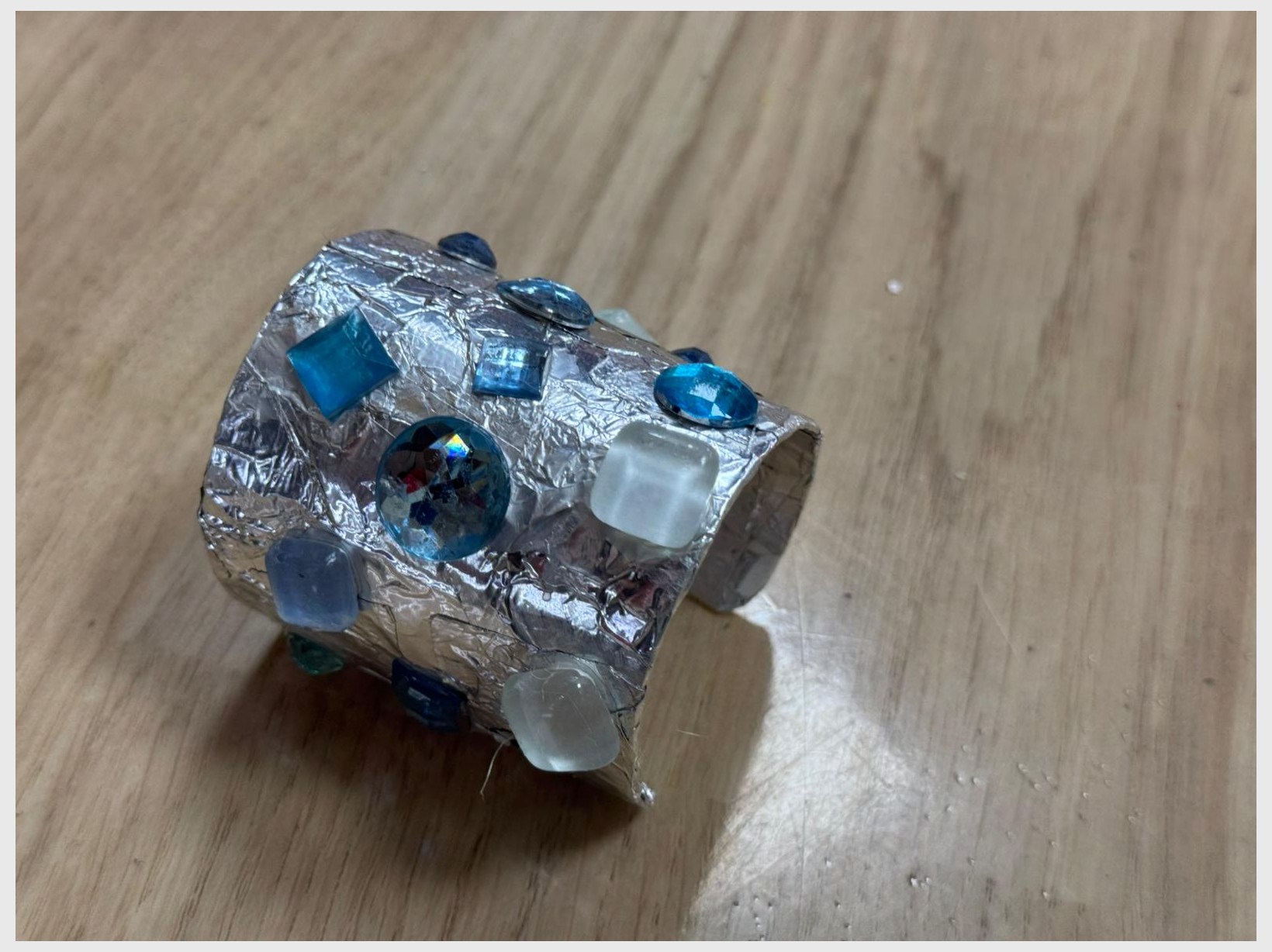
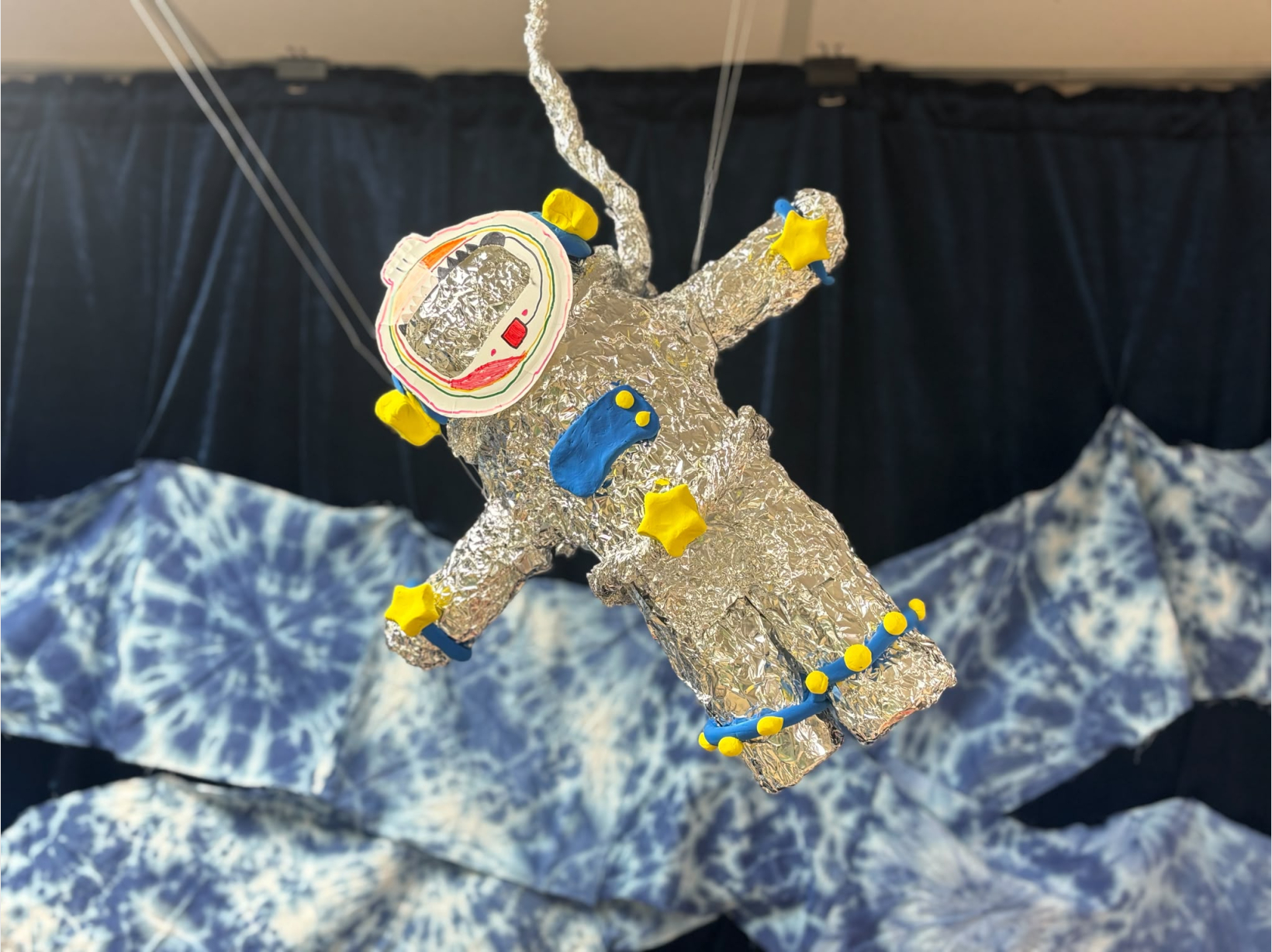
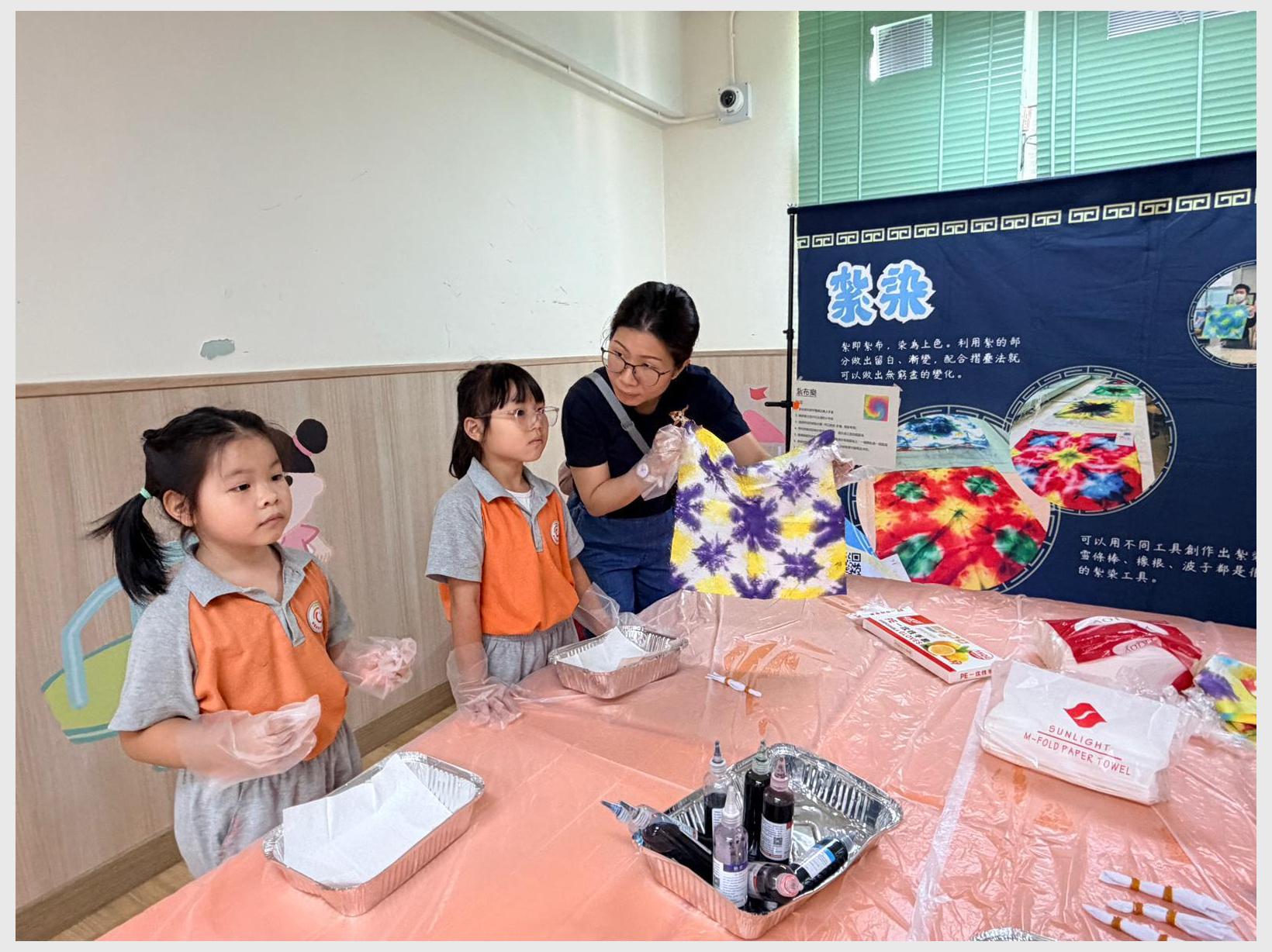
Through stories, exploratory activities, and games, N2 children learned about ancient and modern Chinese clothing and fabrics. Through hands-on experiences, they explored the functions of clothing, patterns, and accessories, and designed ancient-style clothing such as “my animal-skin clothing” and “grass clothing.” They also experienced tie-dyeing and embroidery, and designed silver accessories and nature-inspired necklaces.
N3
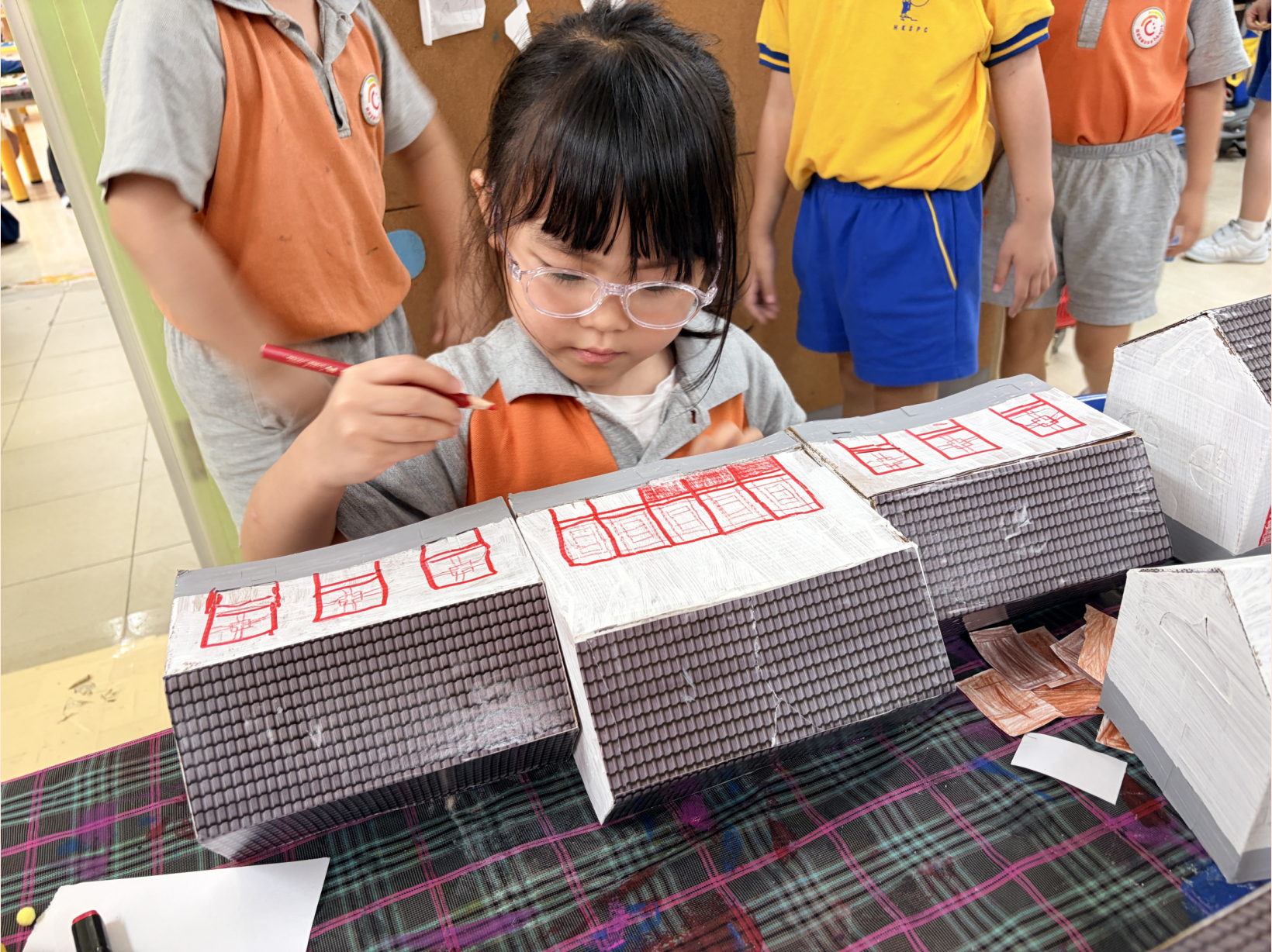
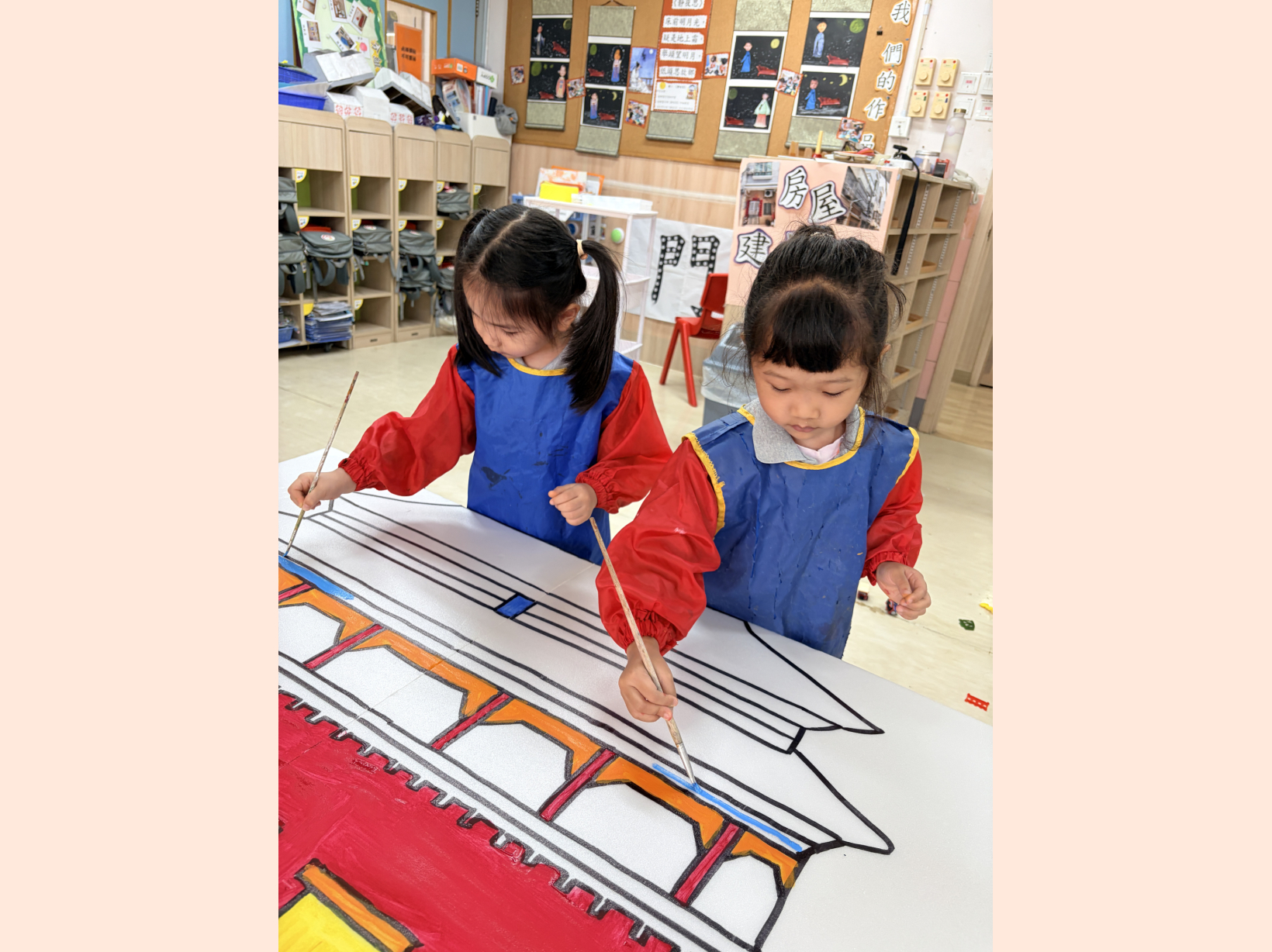
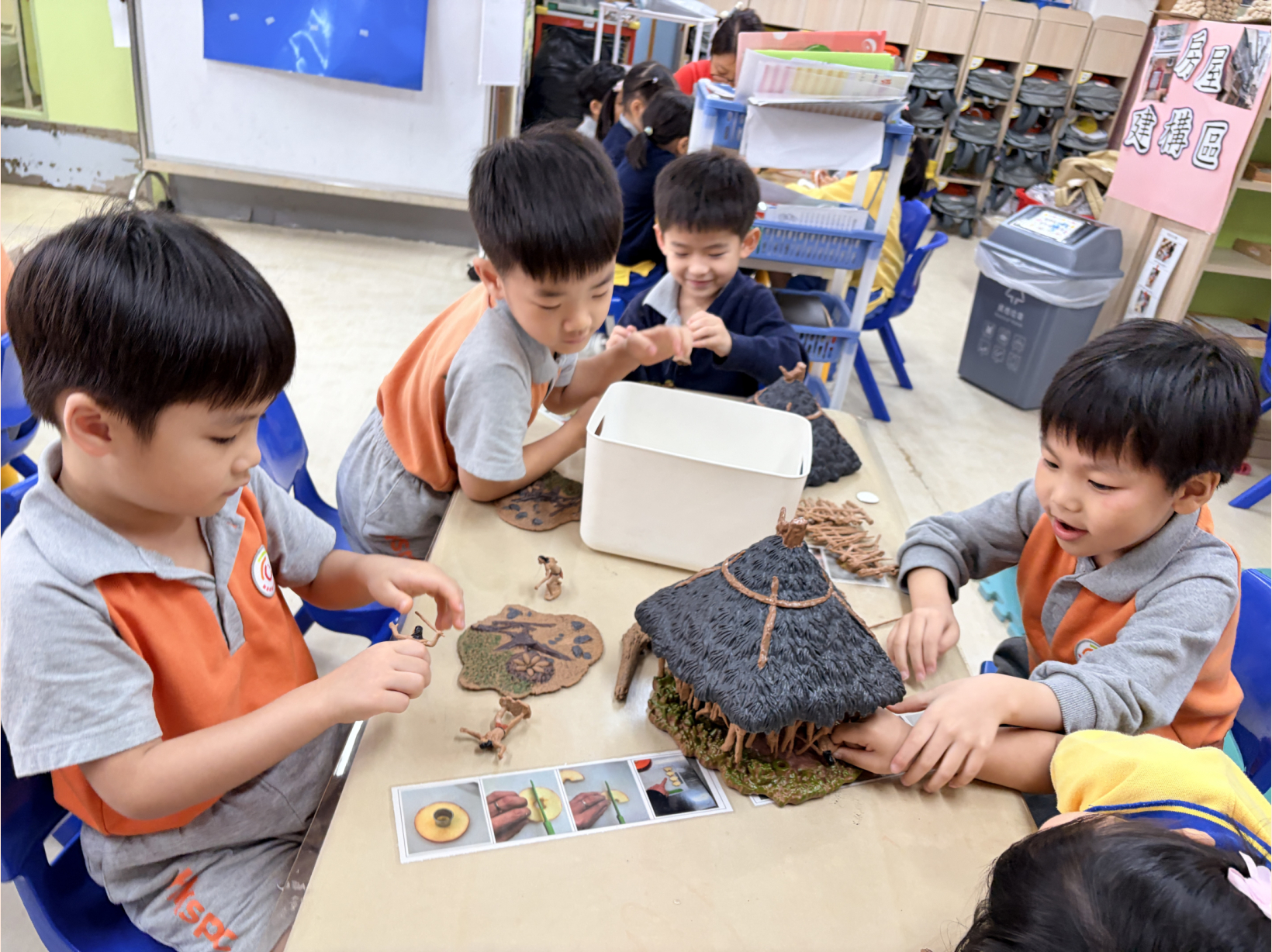
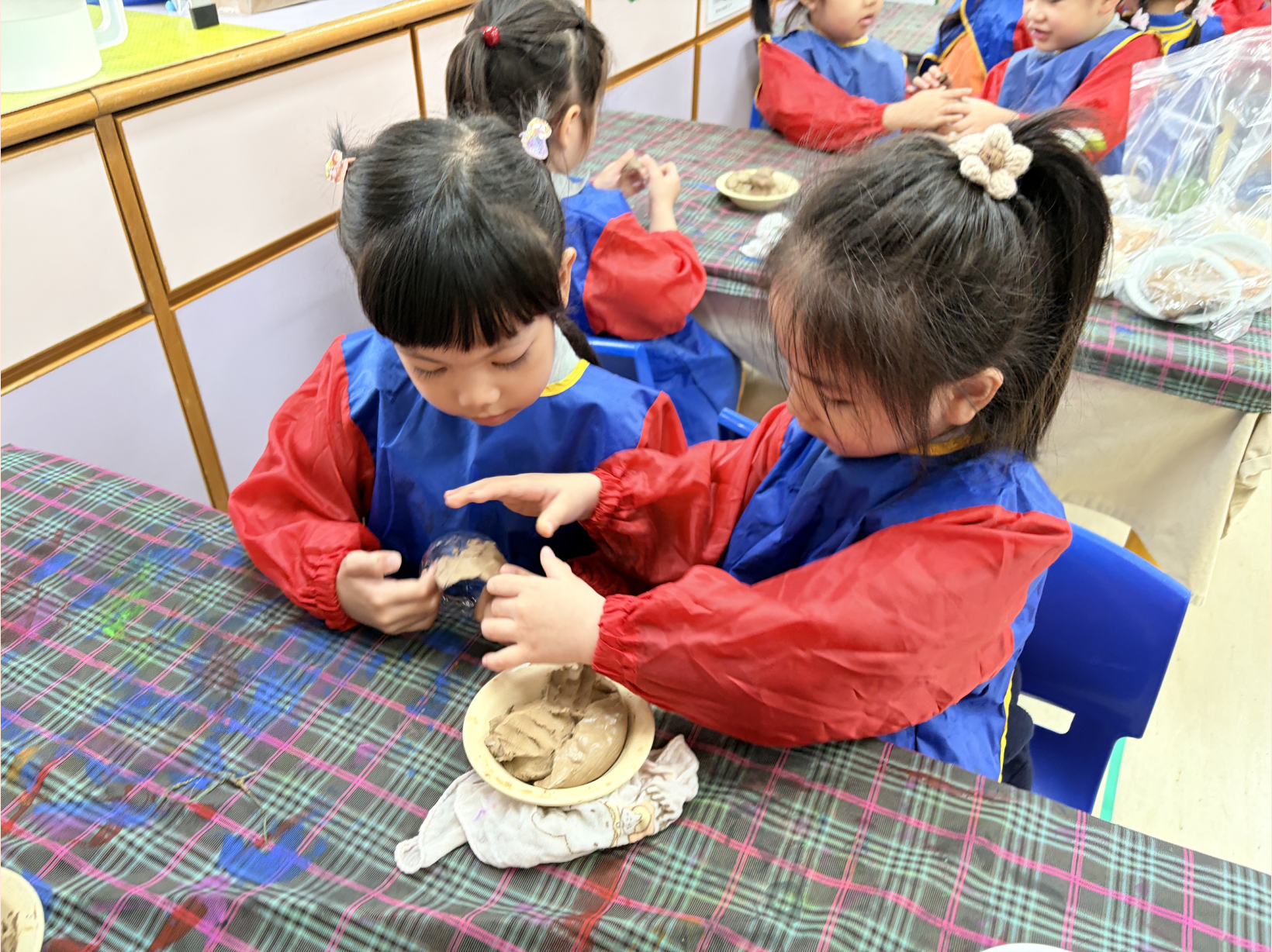
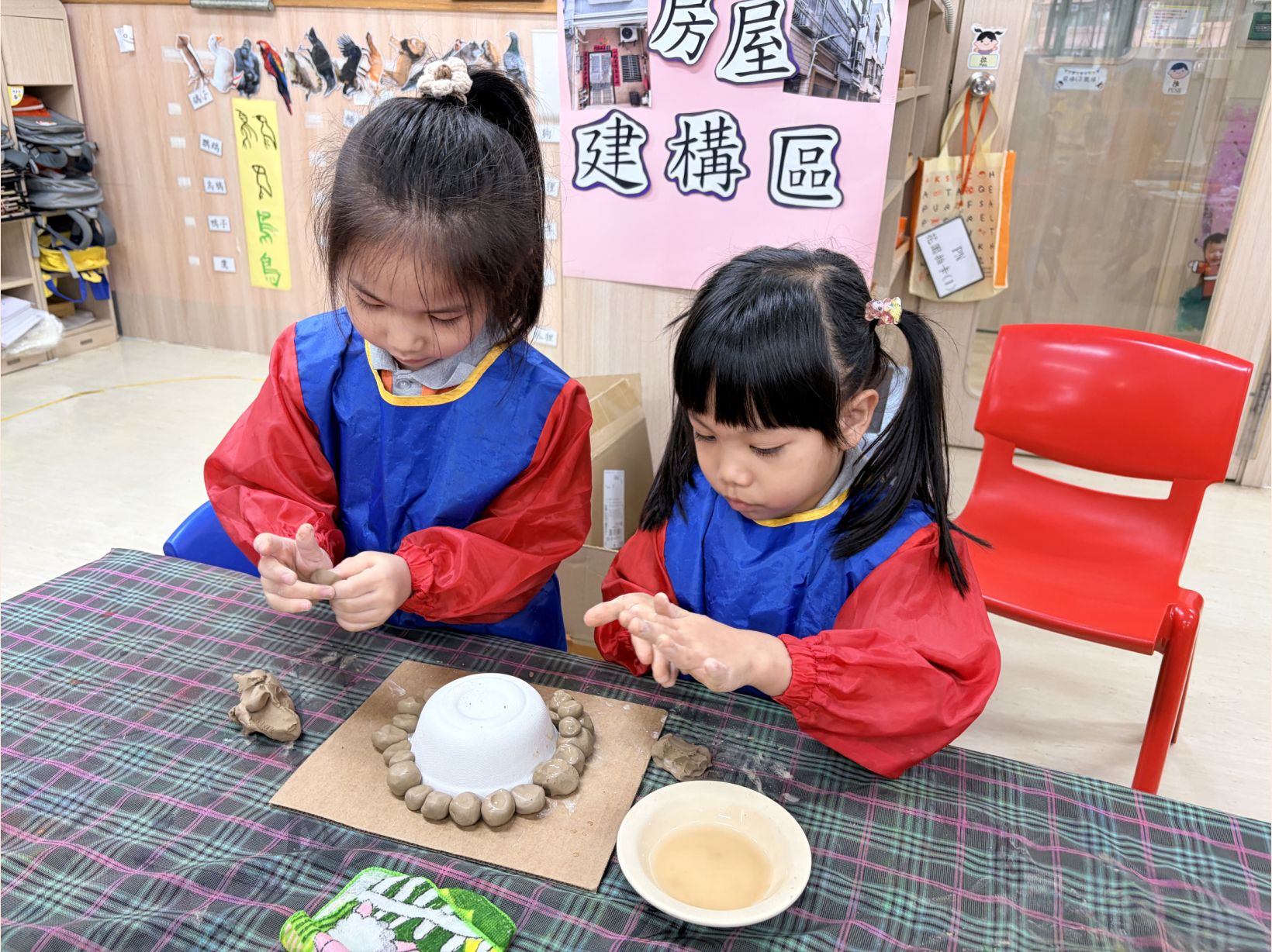
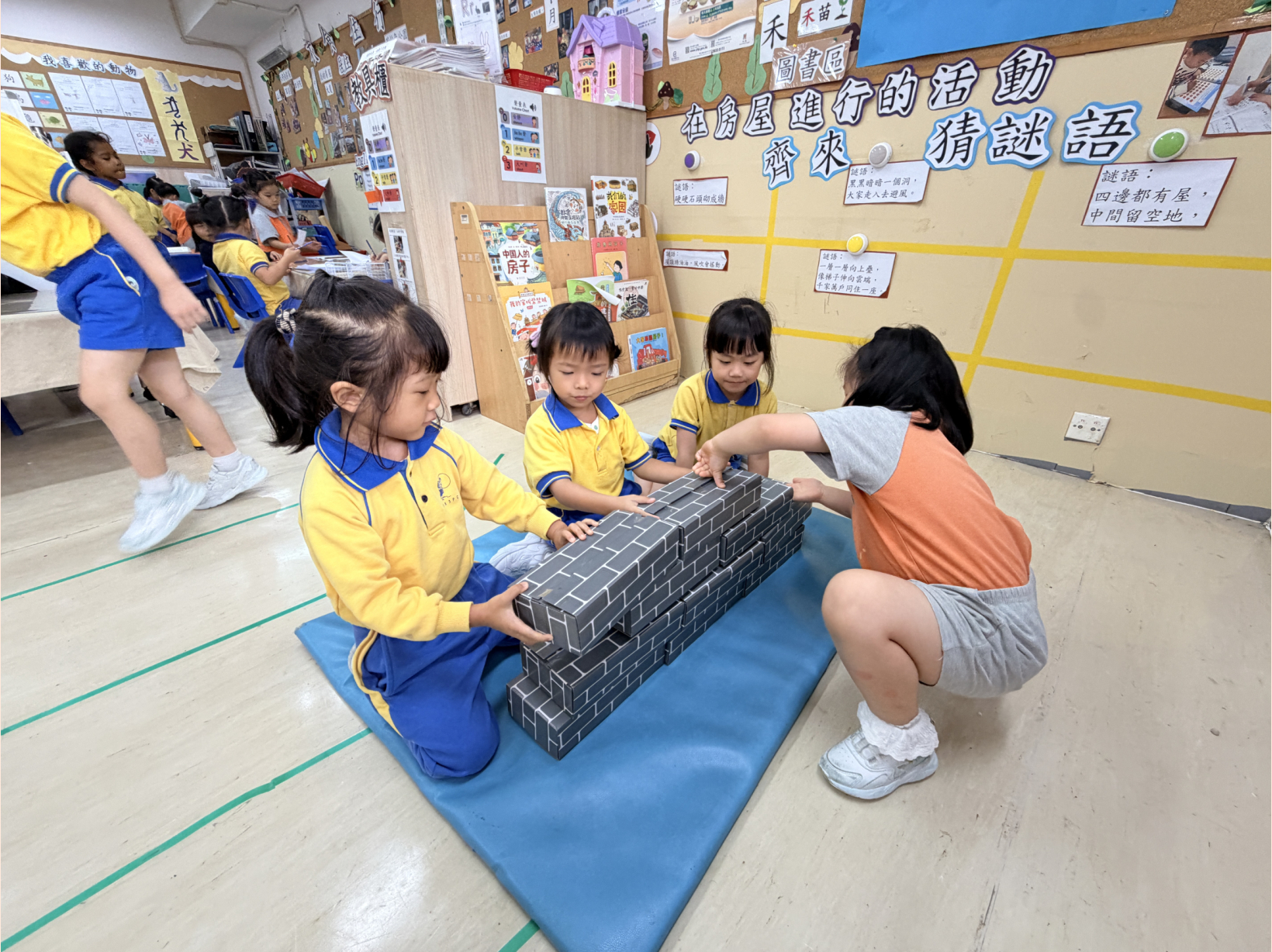
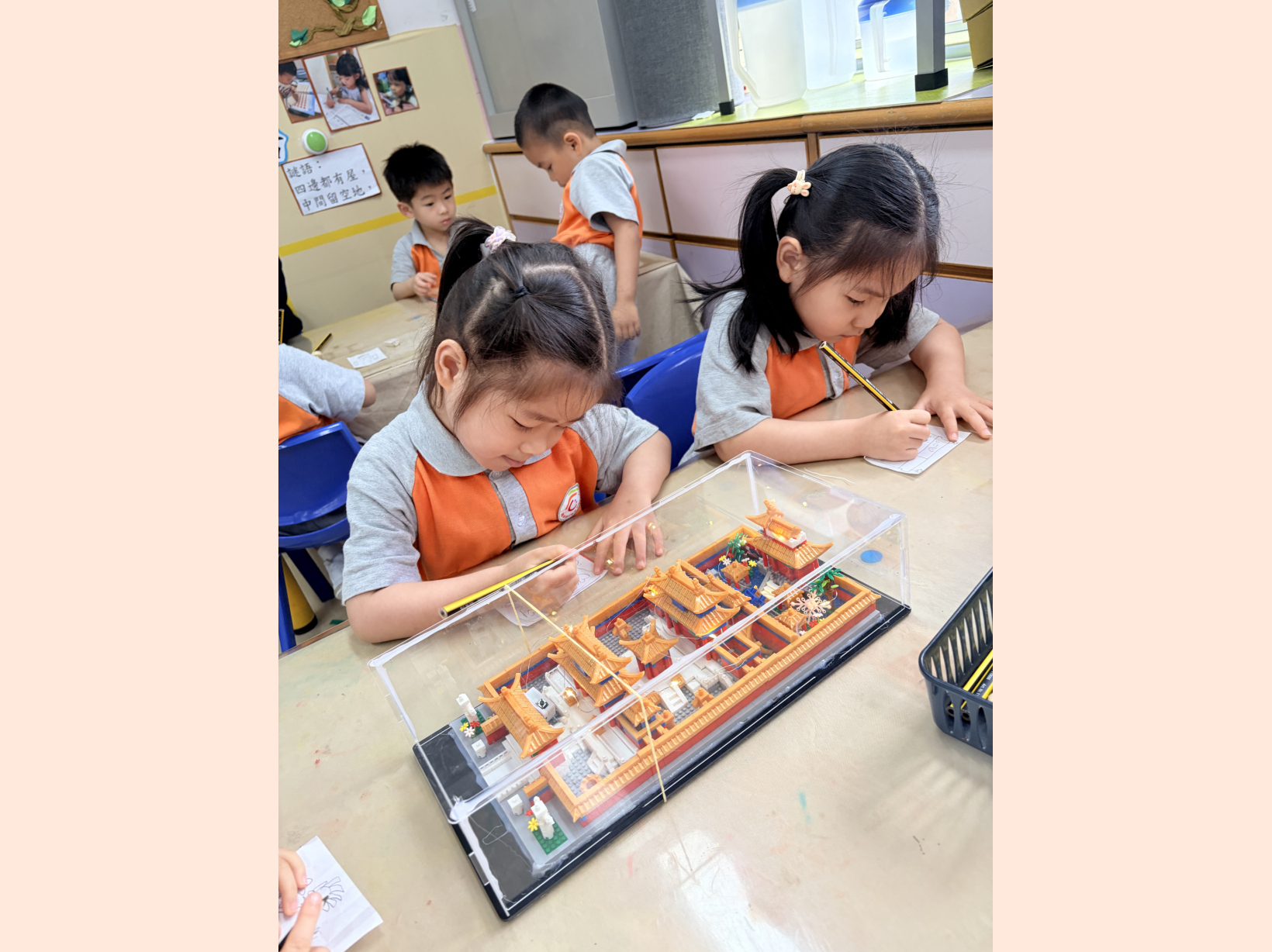
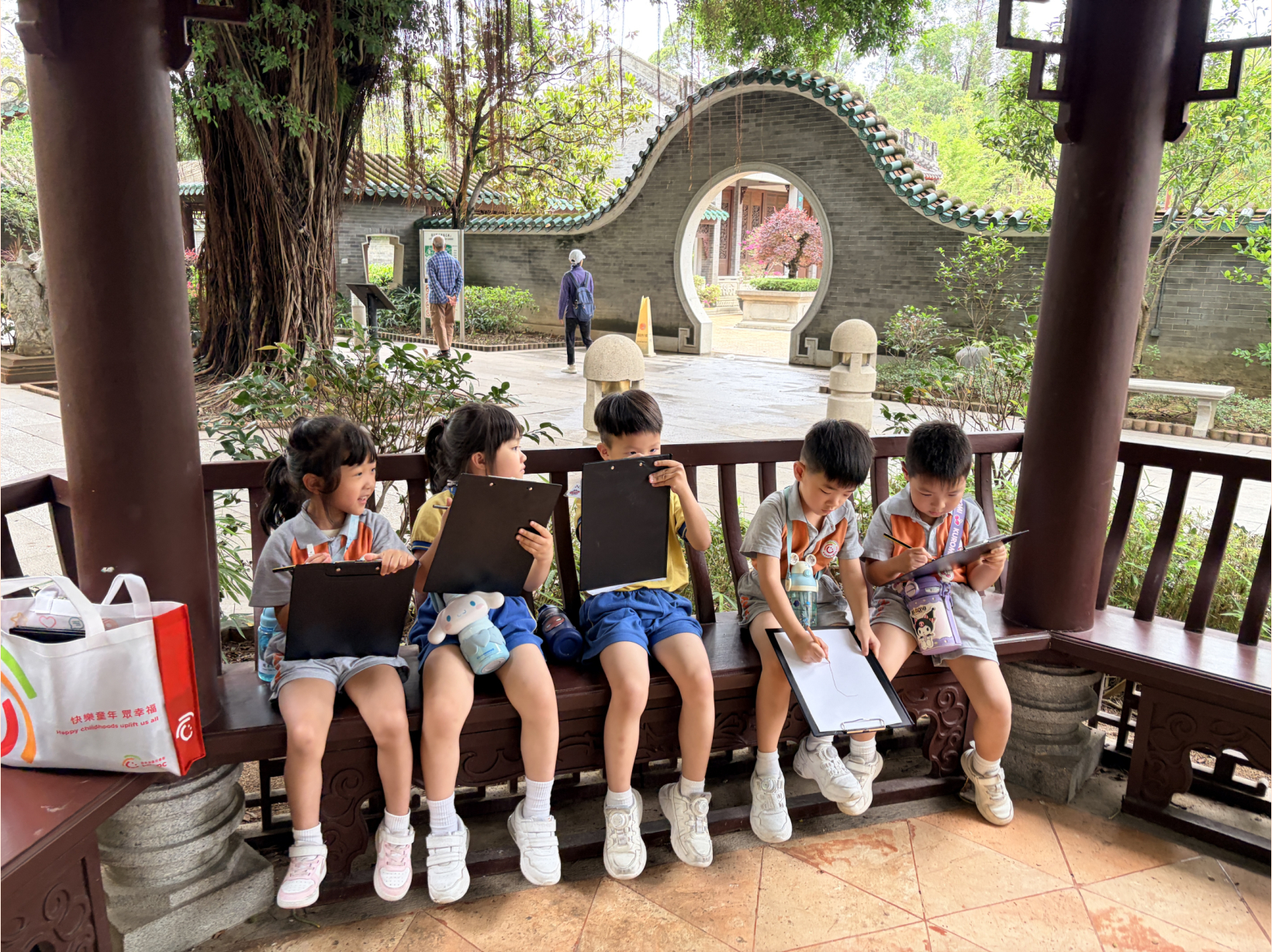
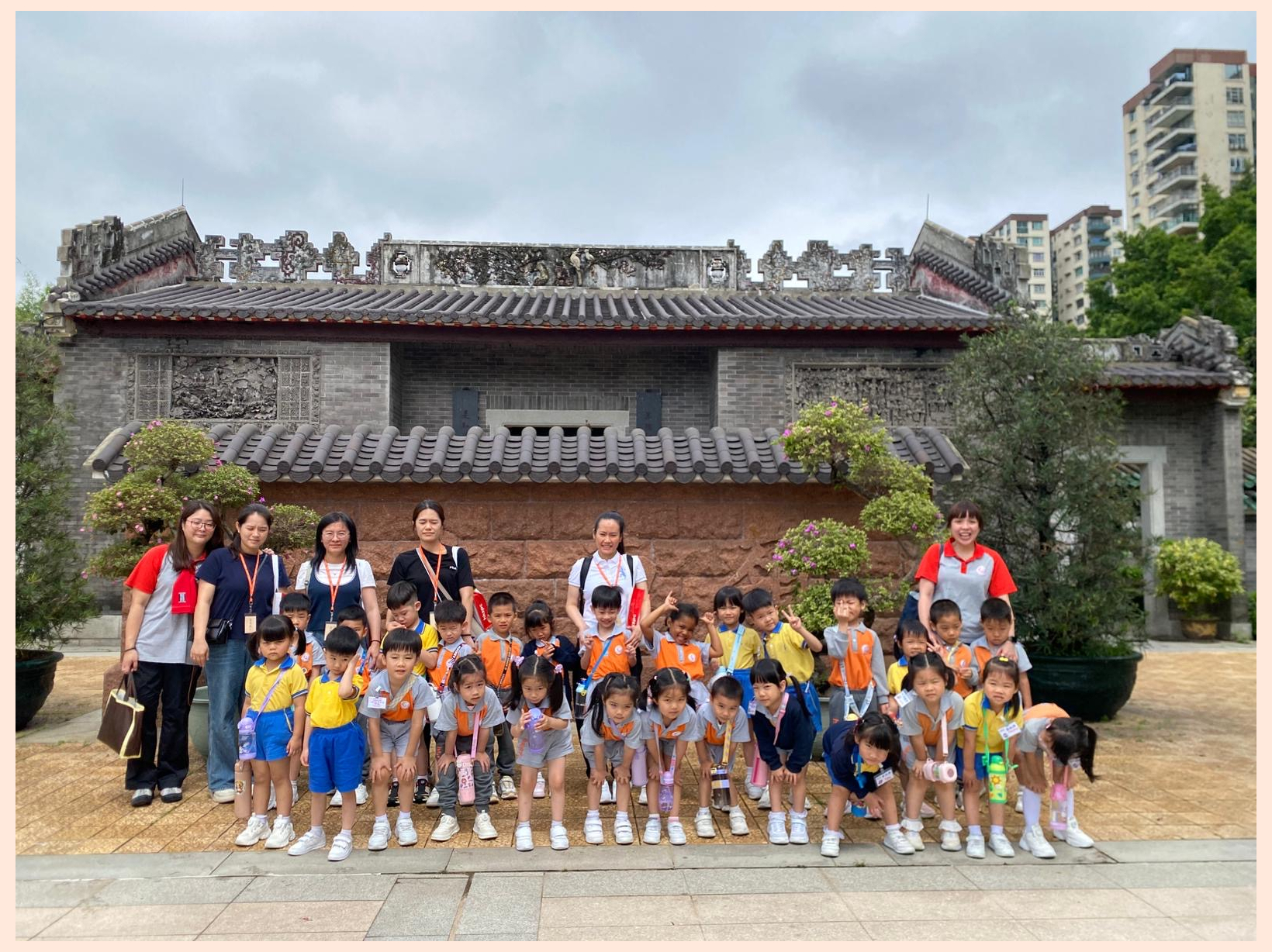
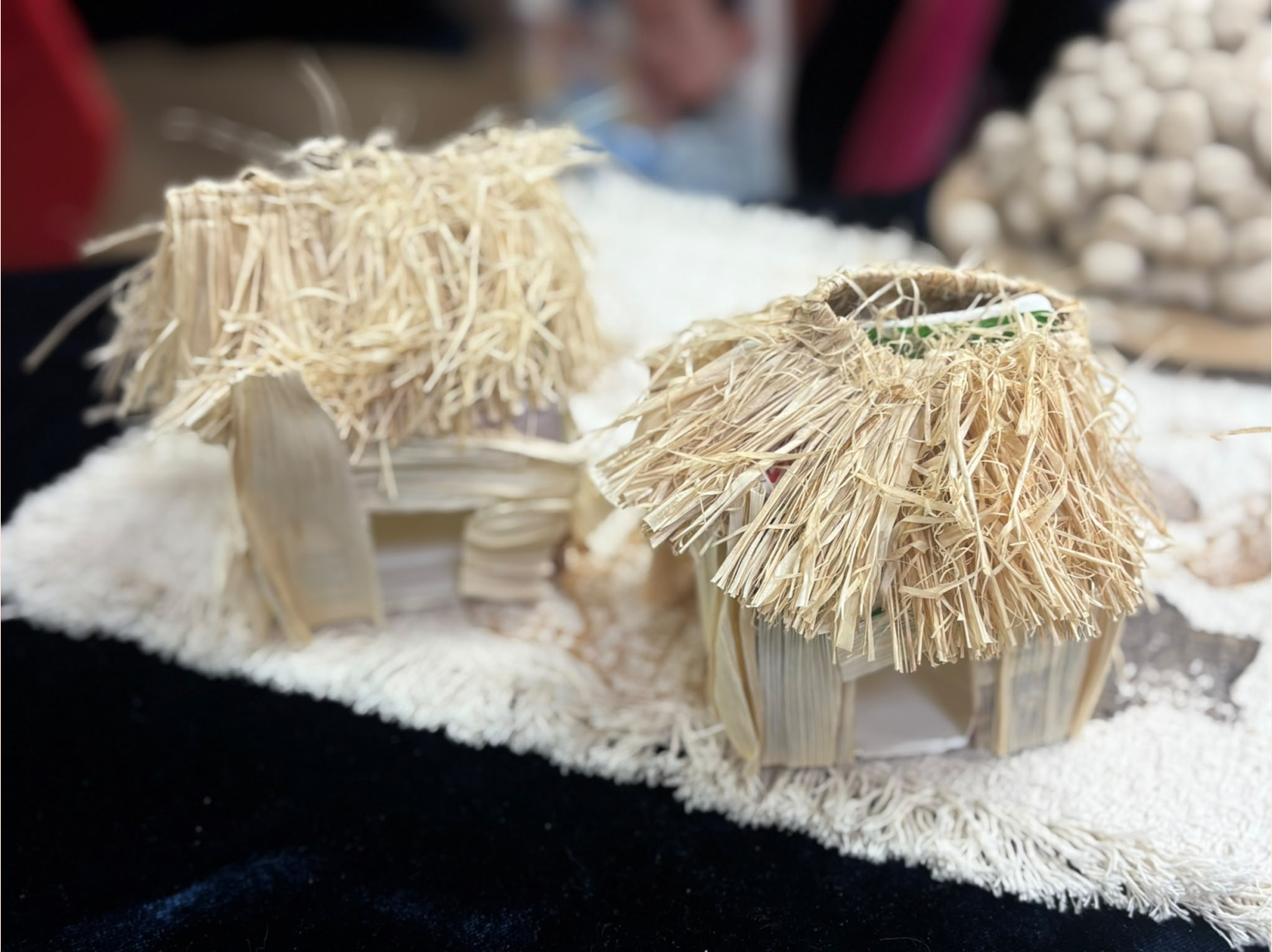
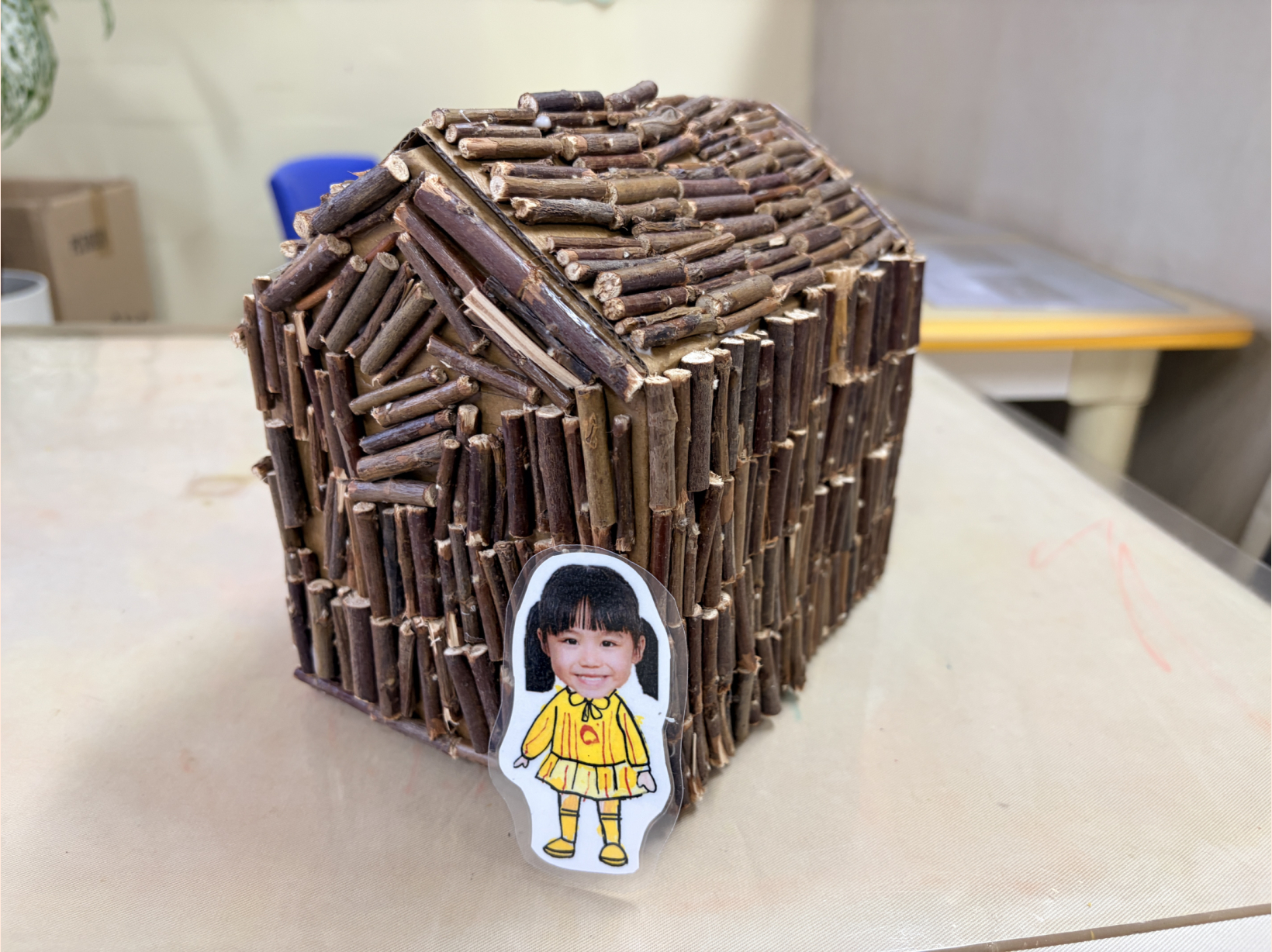
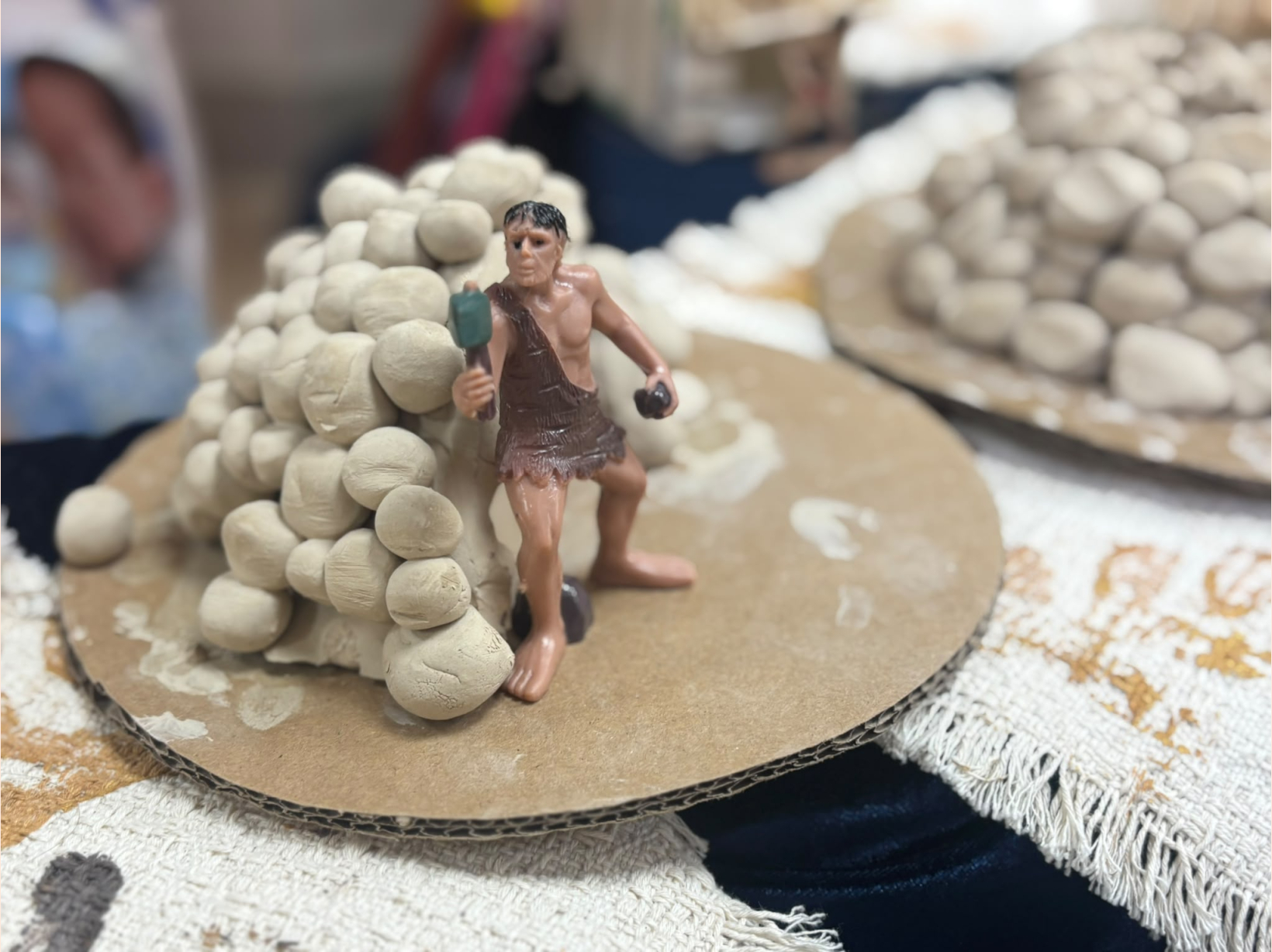
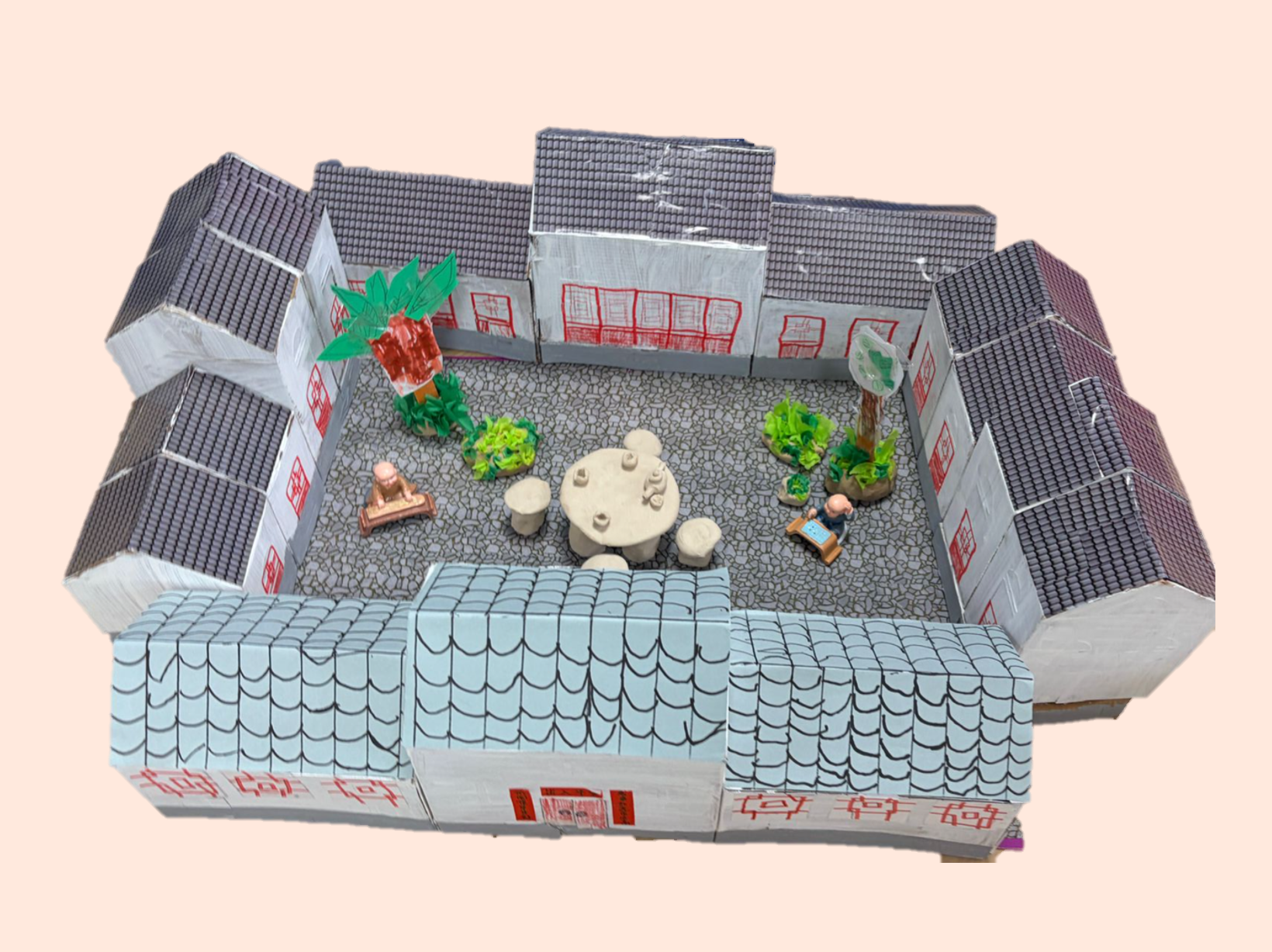
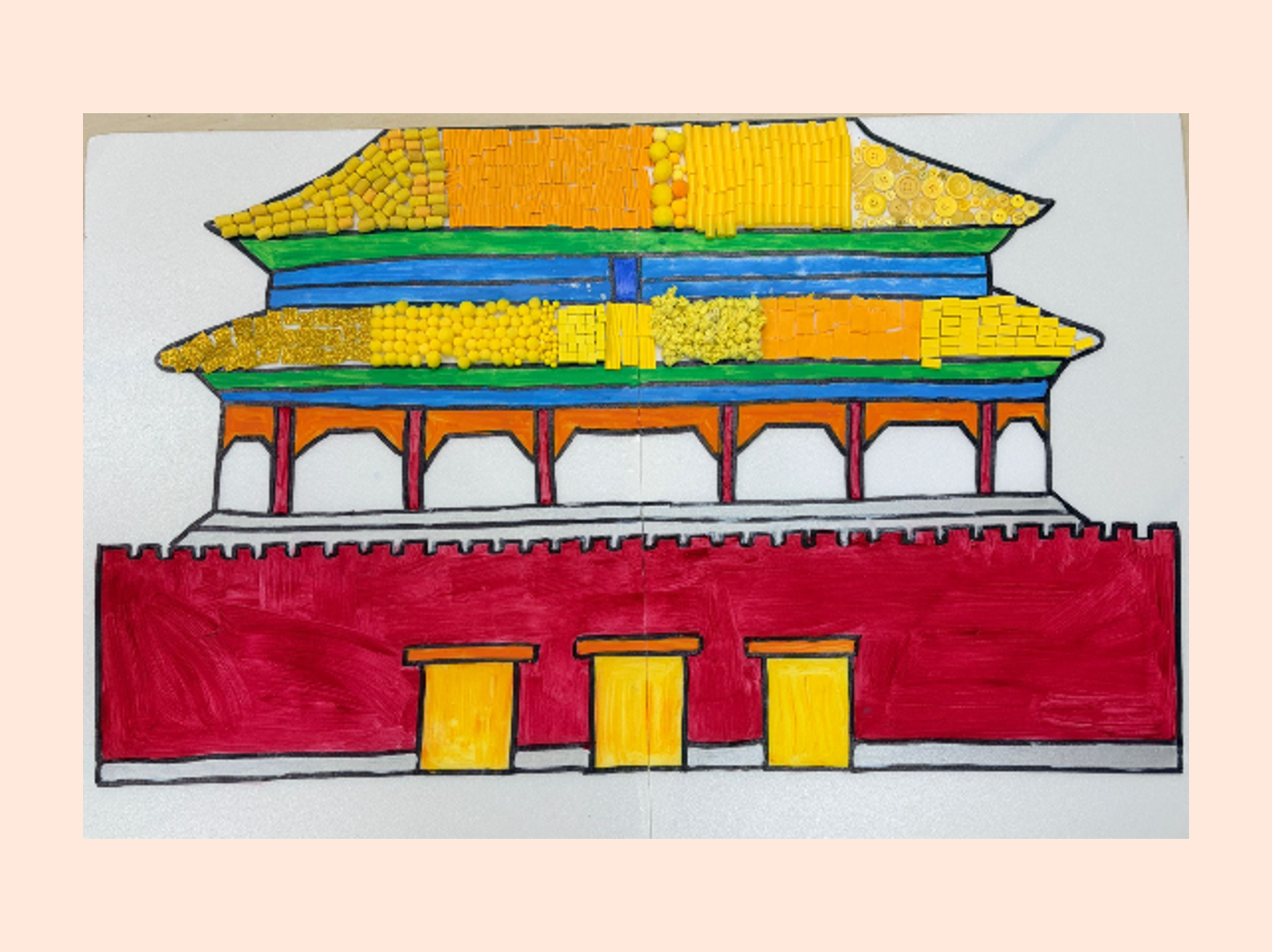
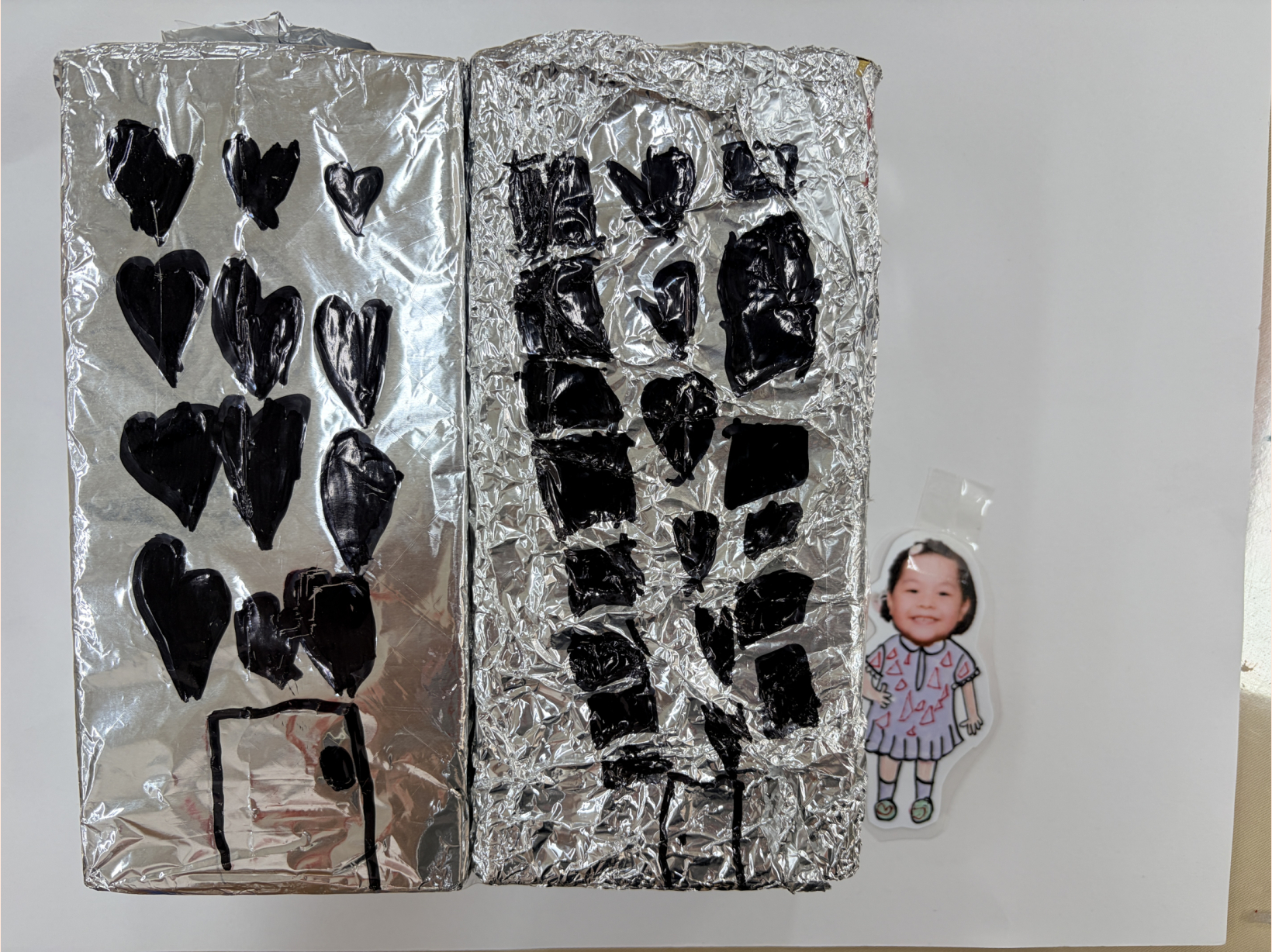
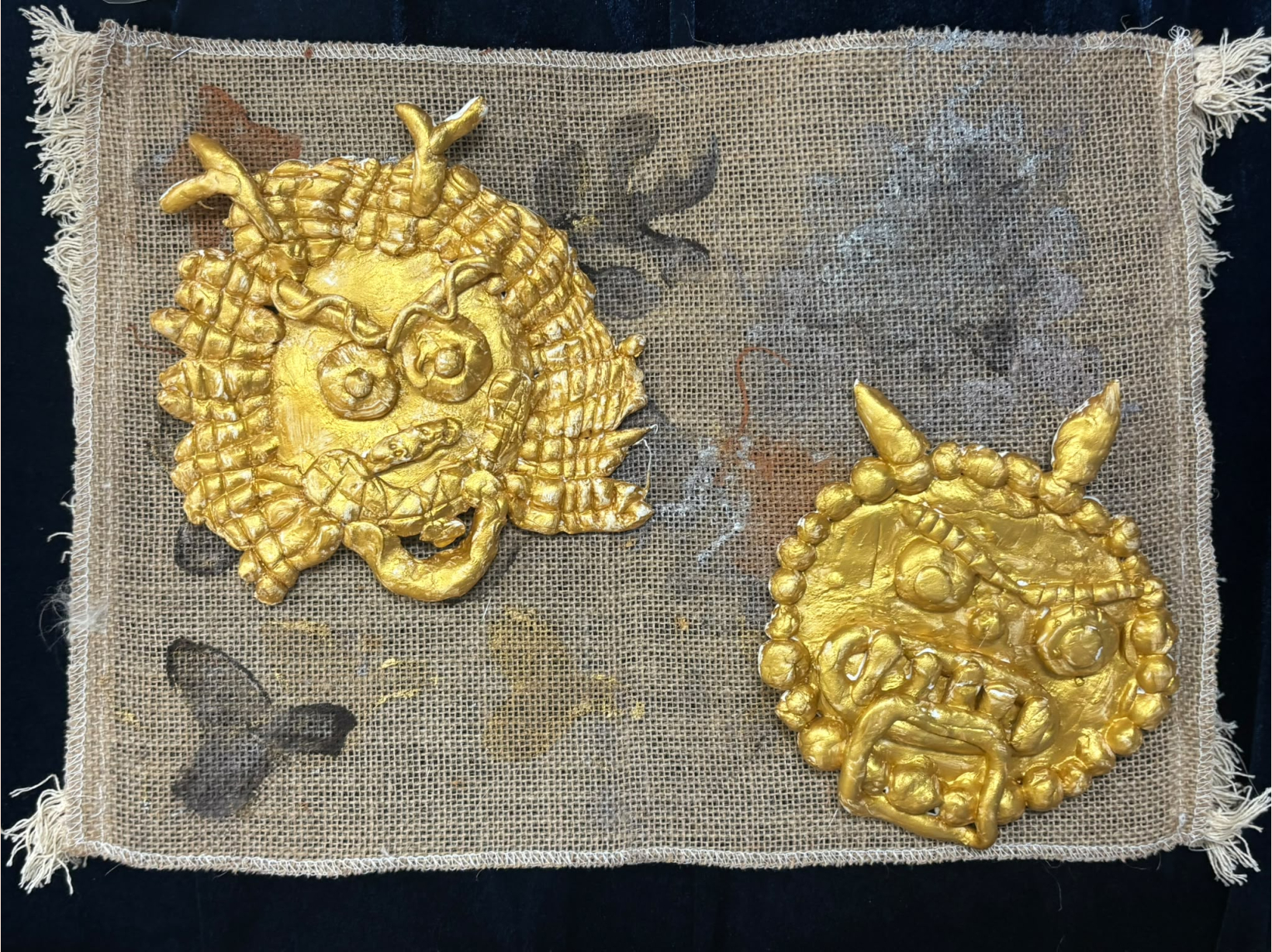
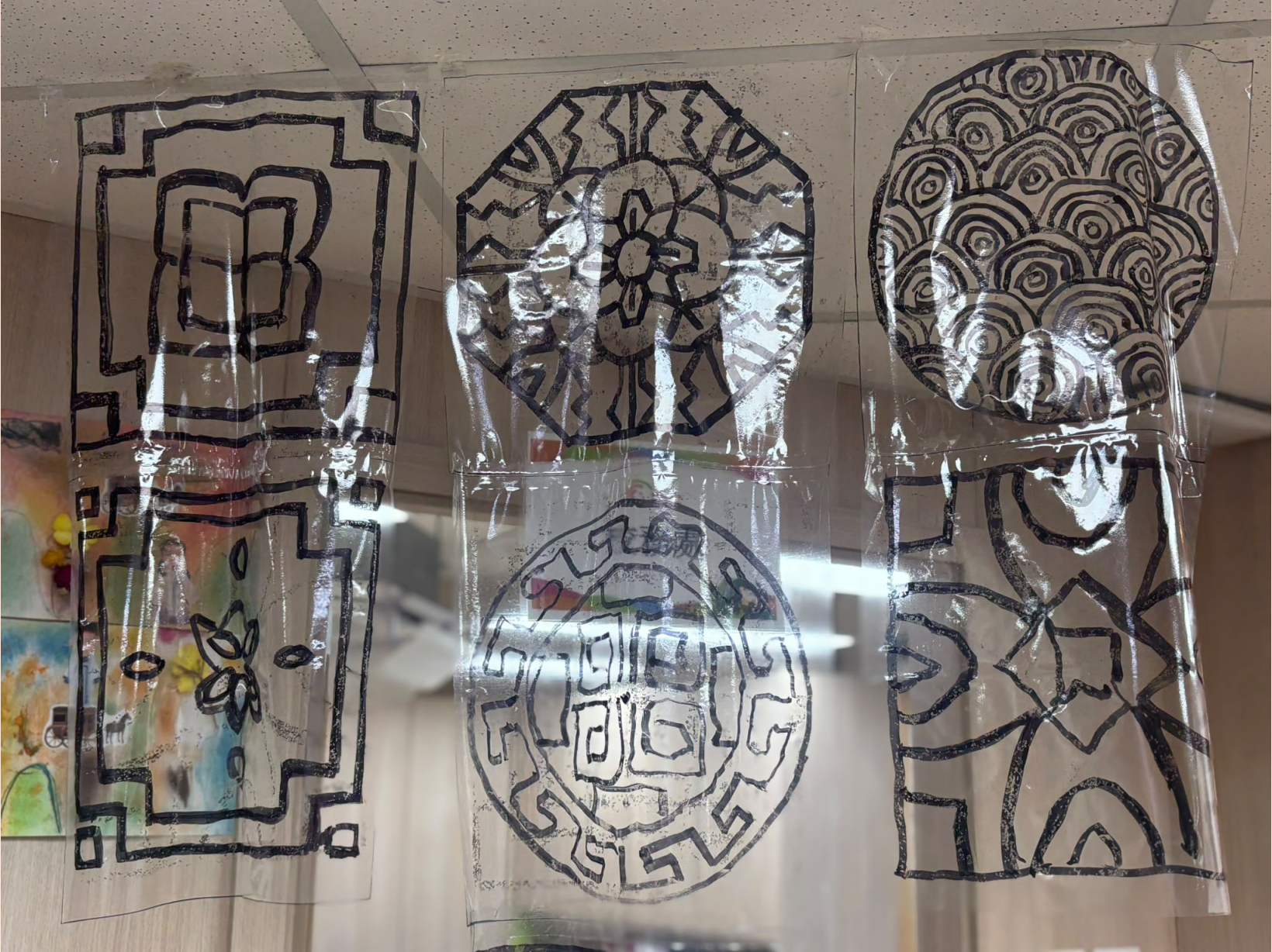
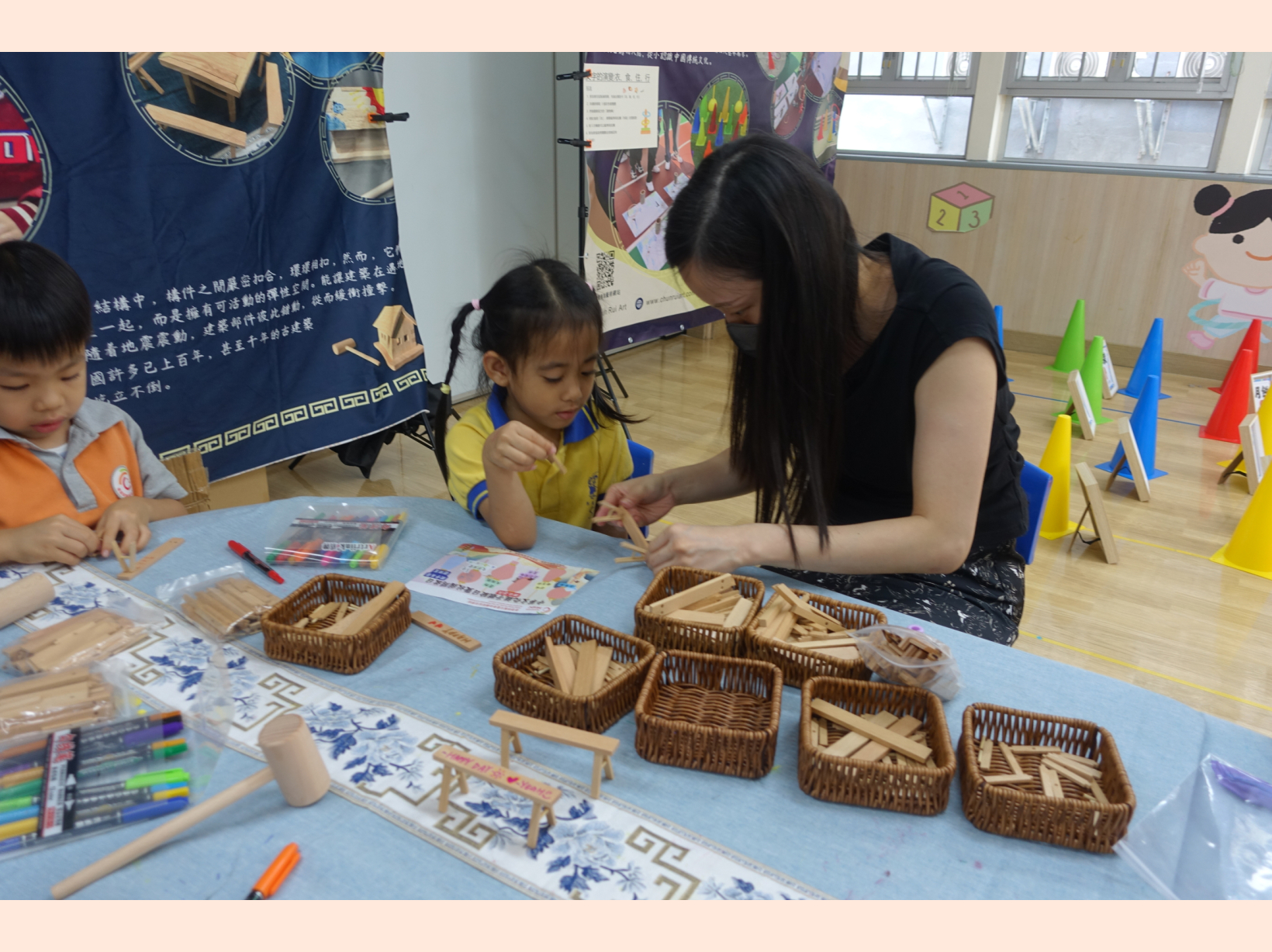
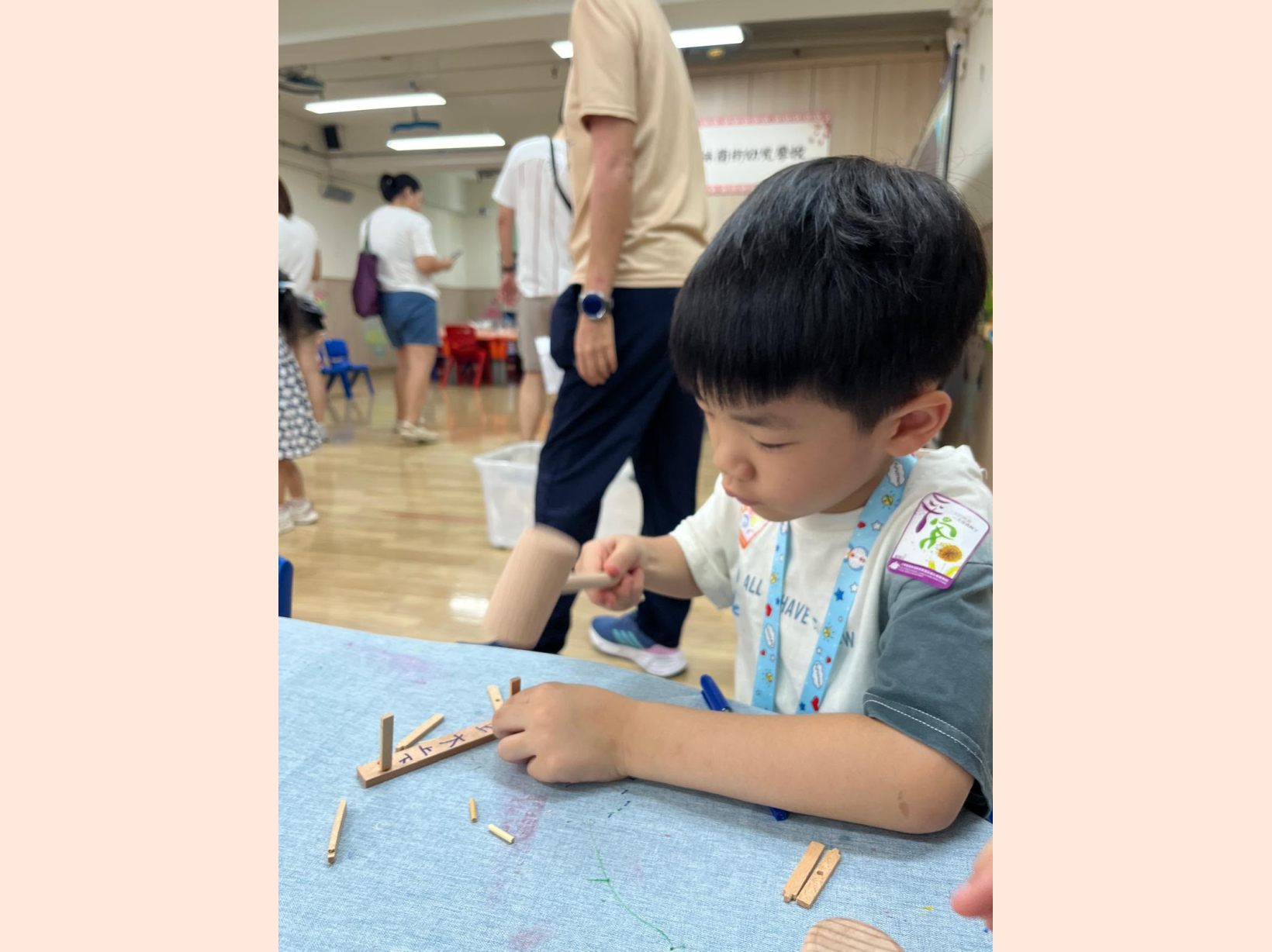
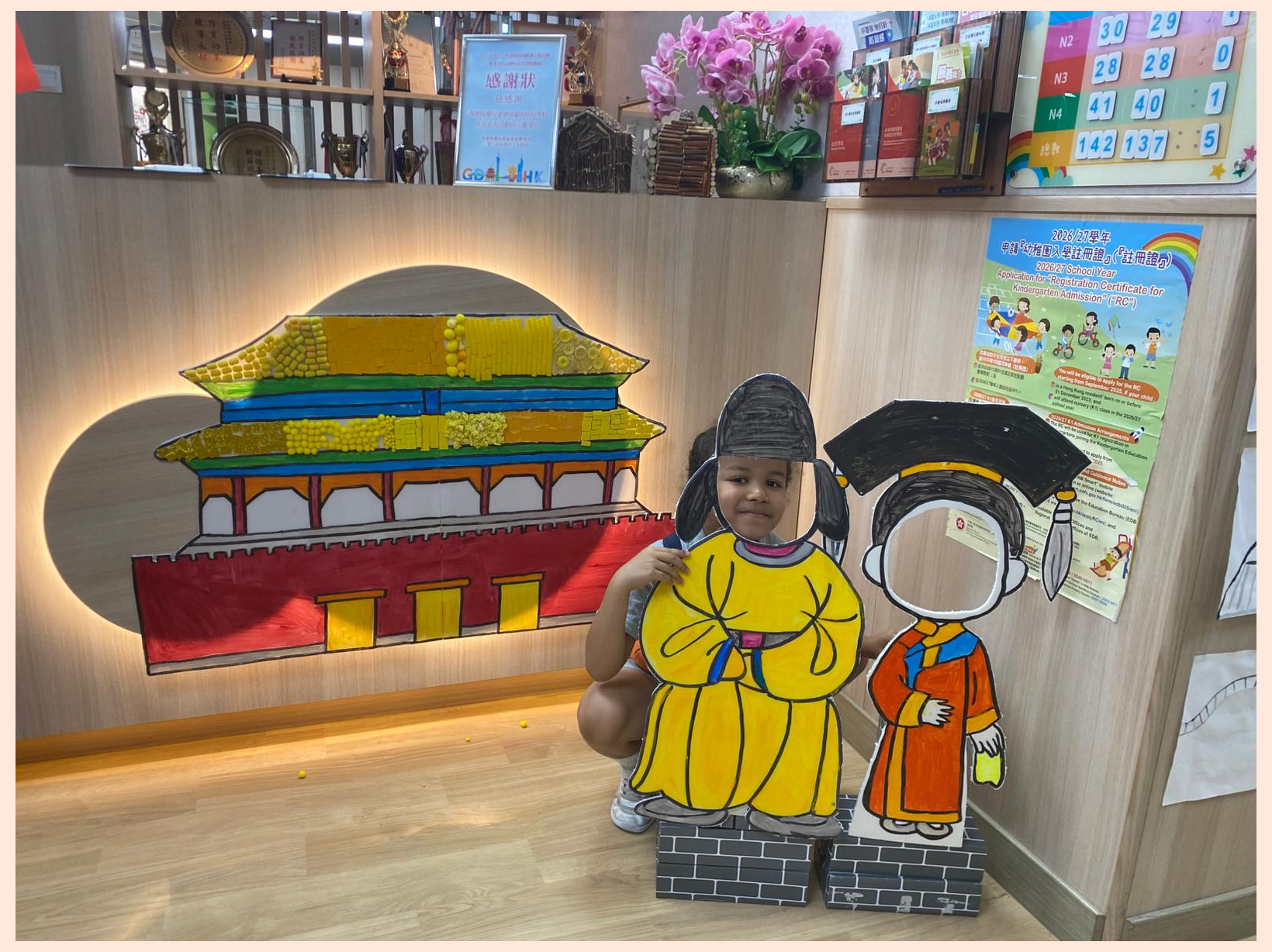
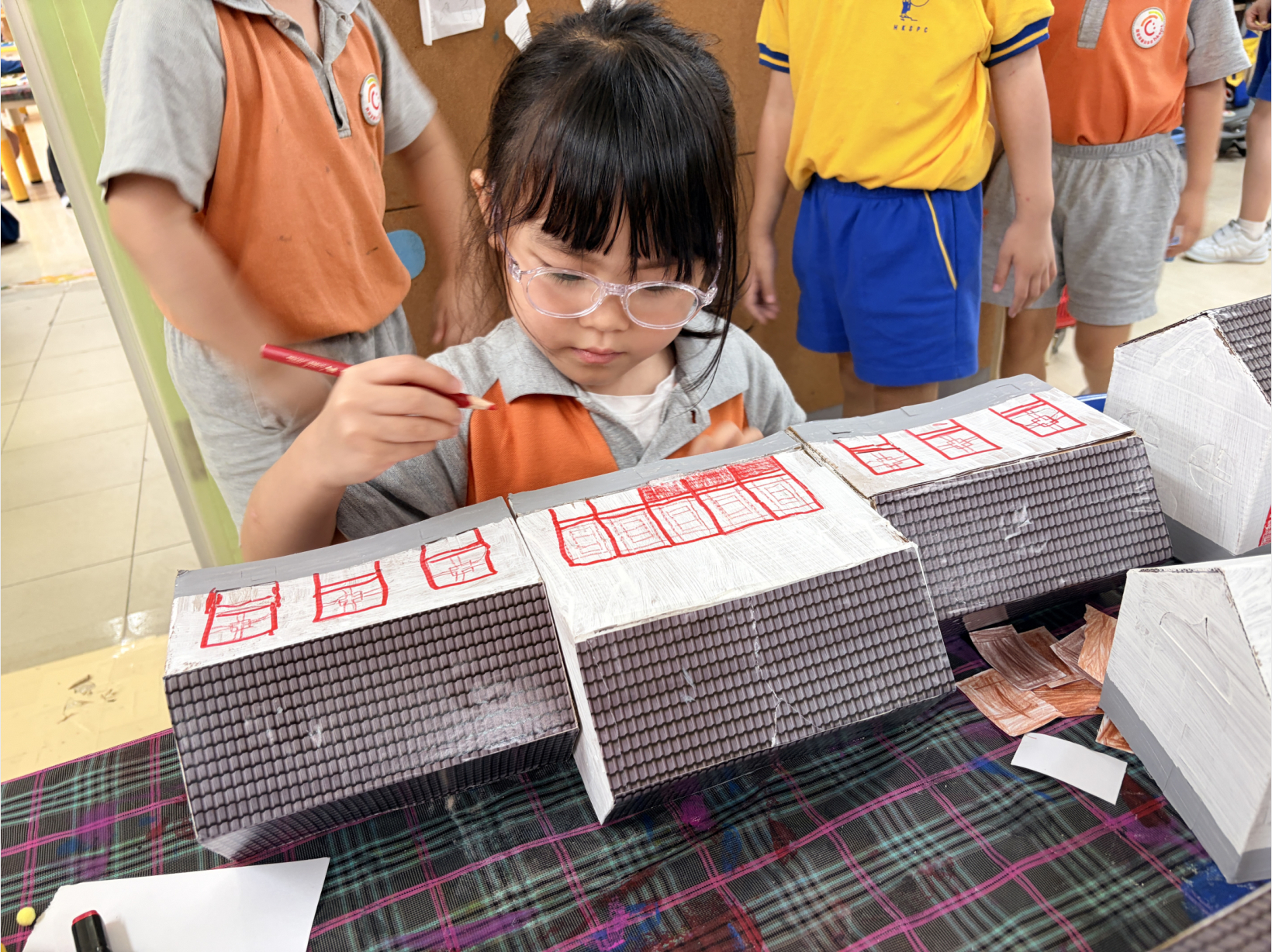
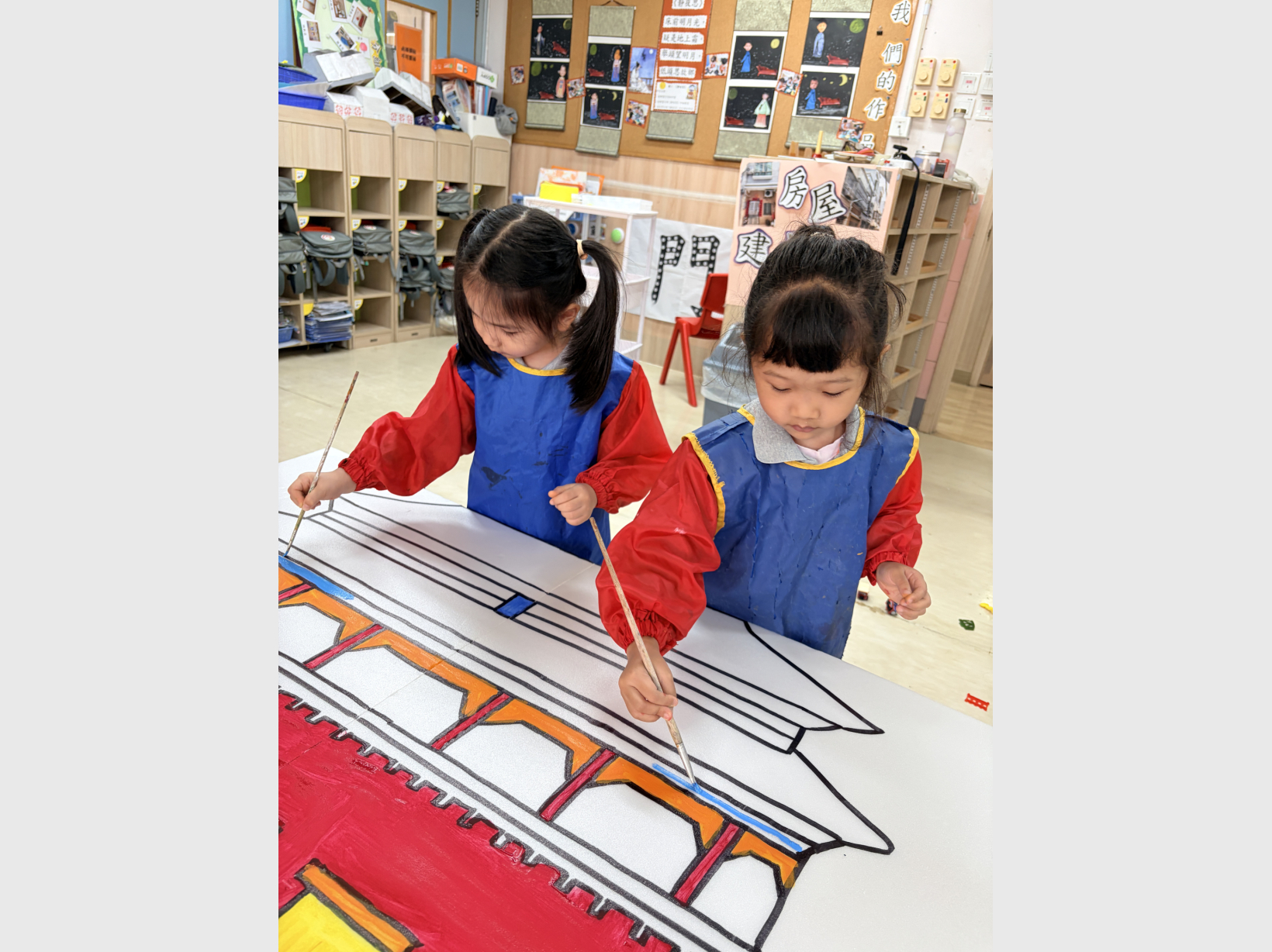
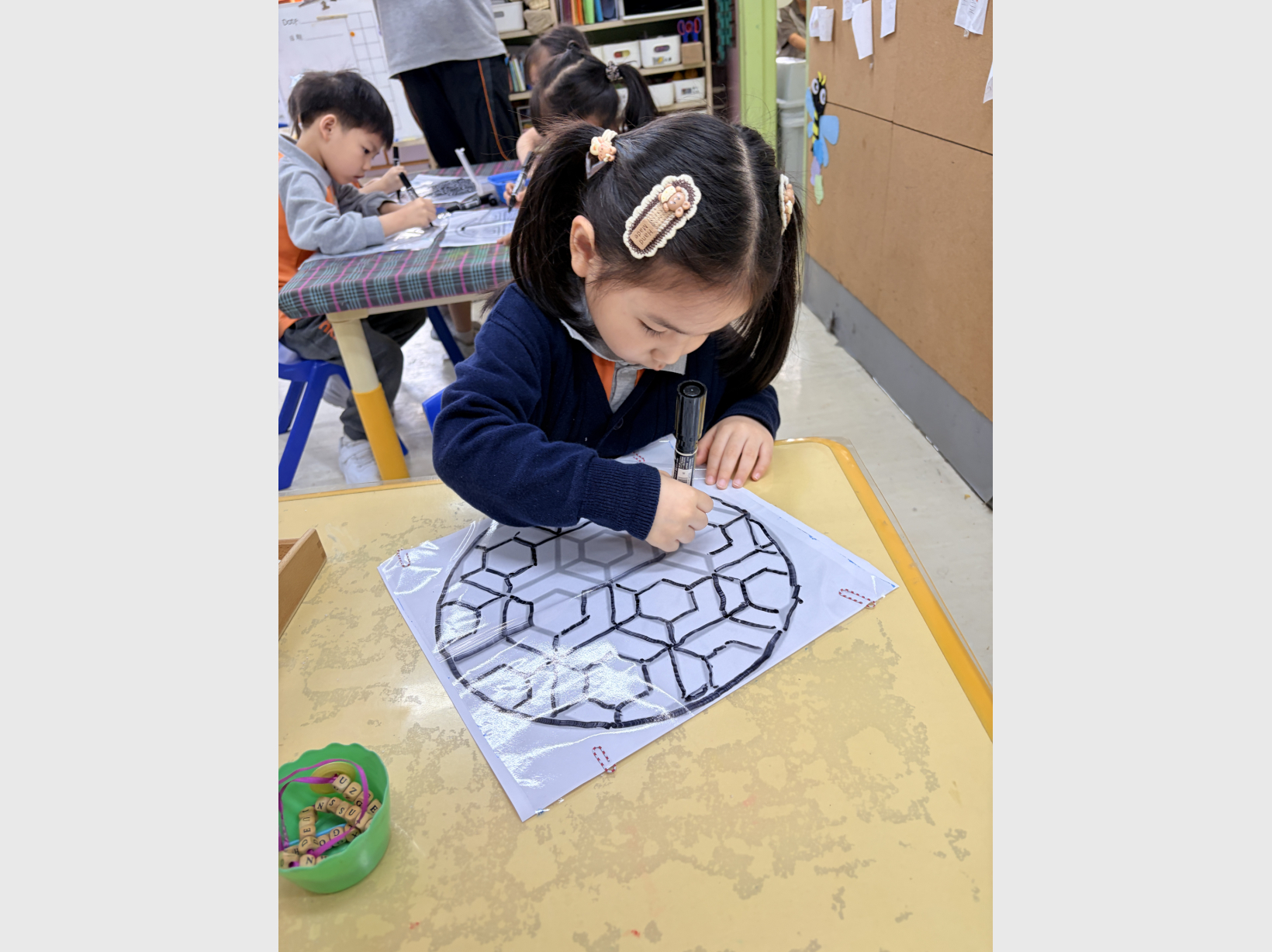
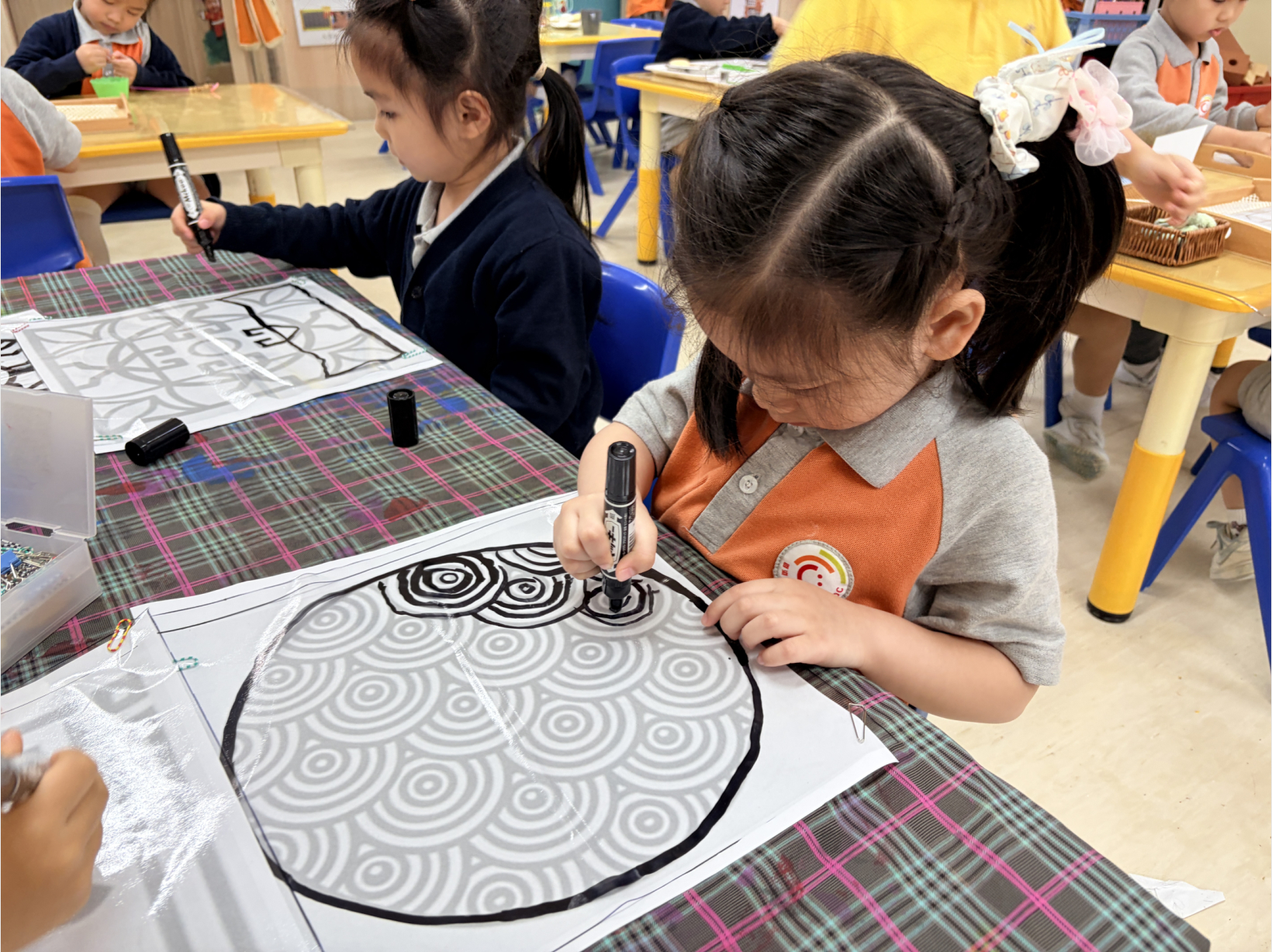
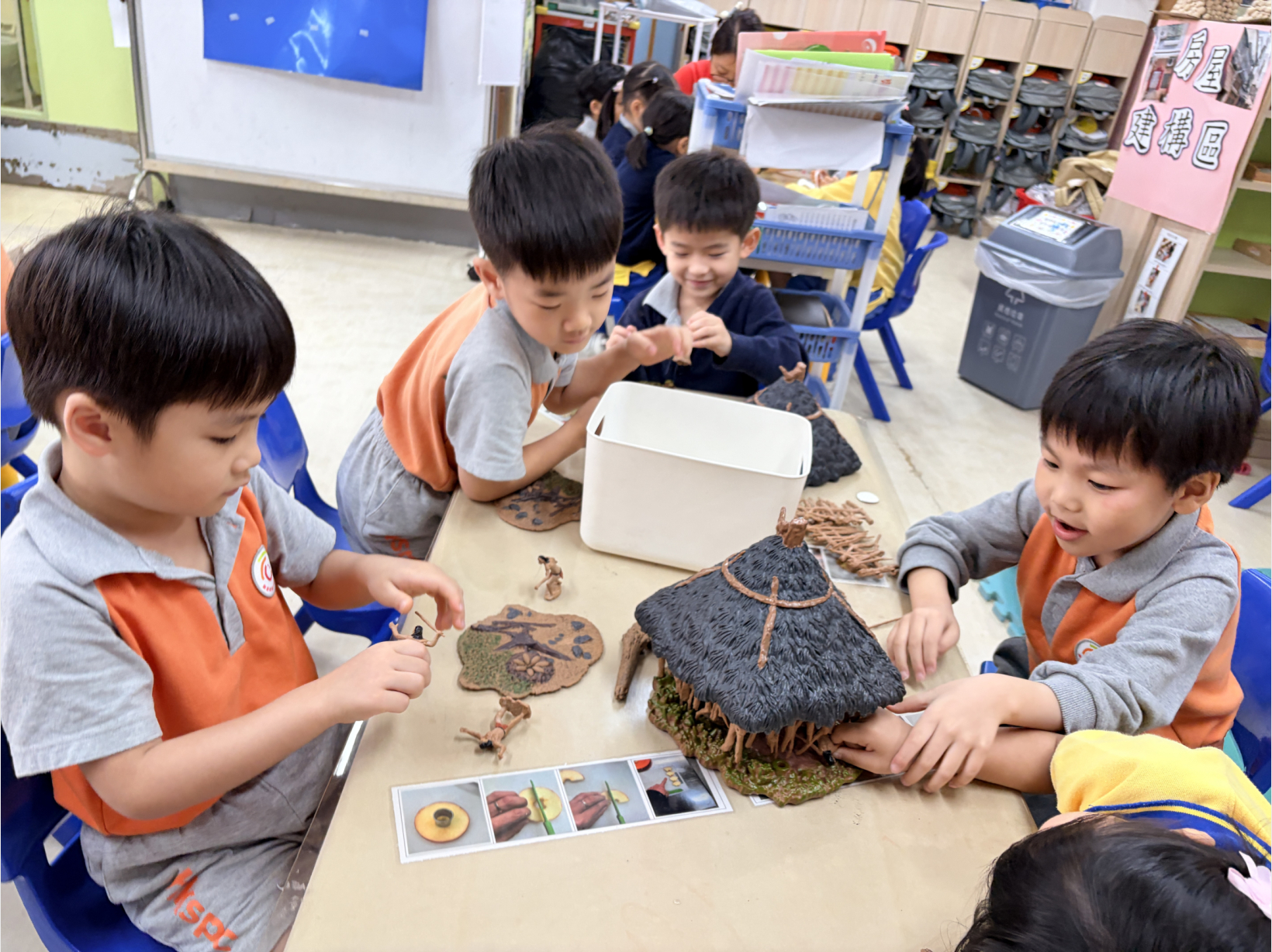
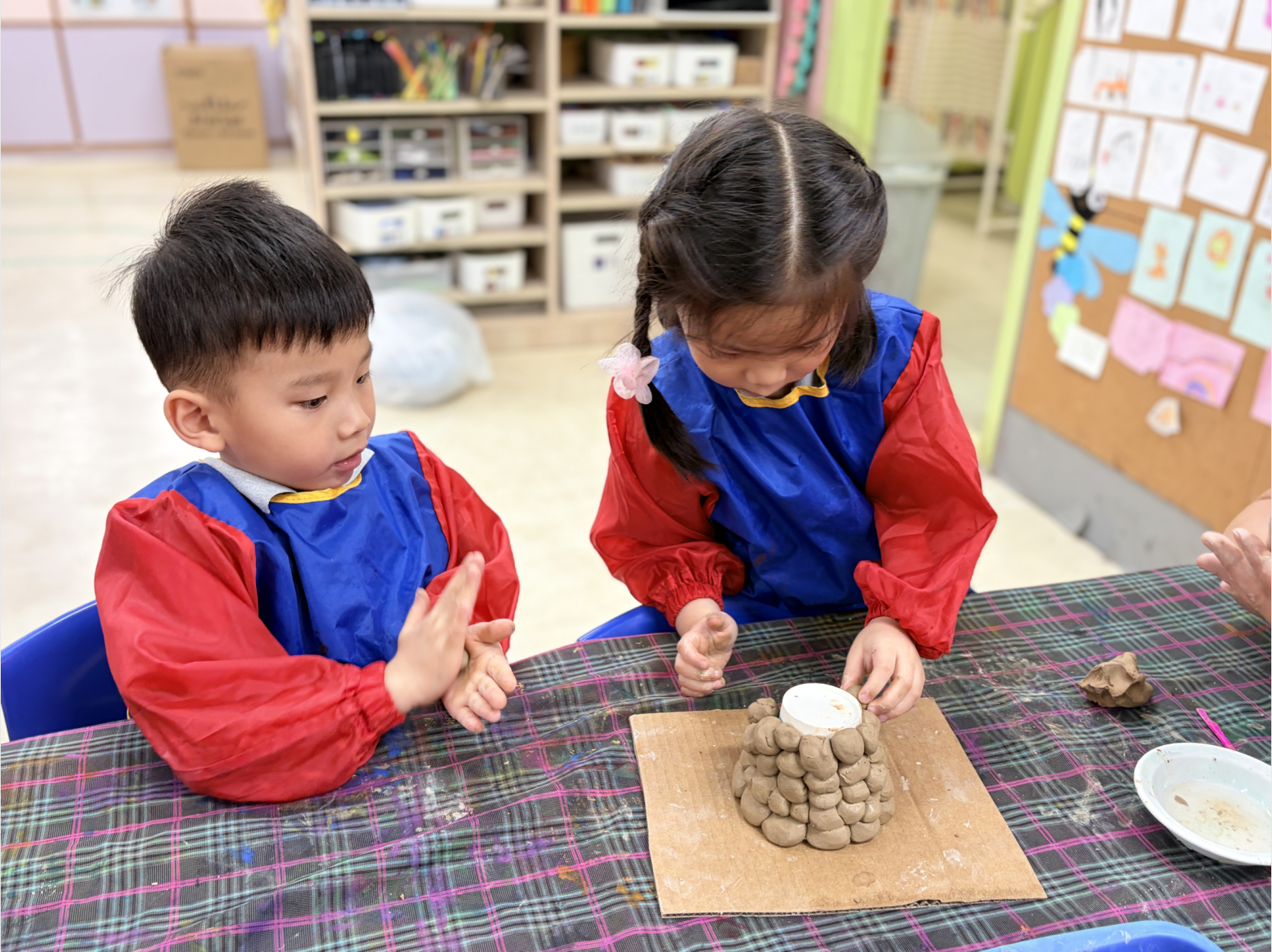
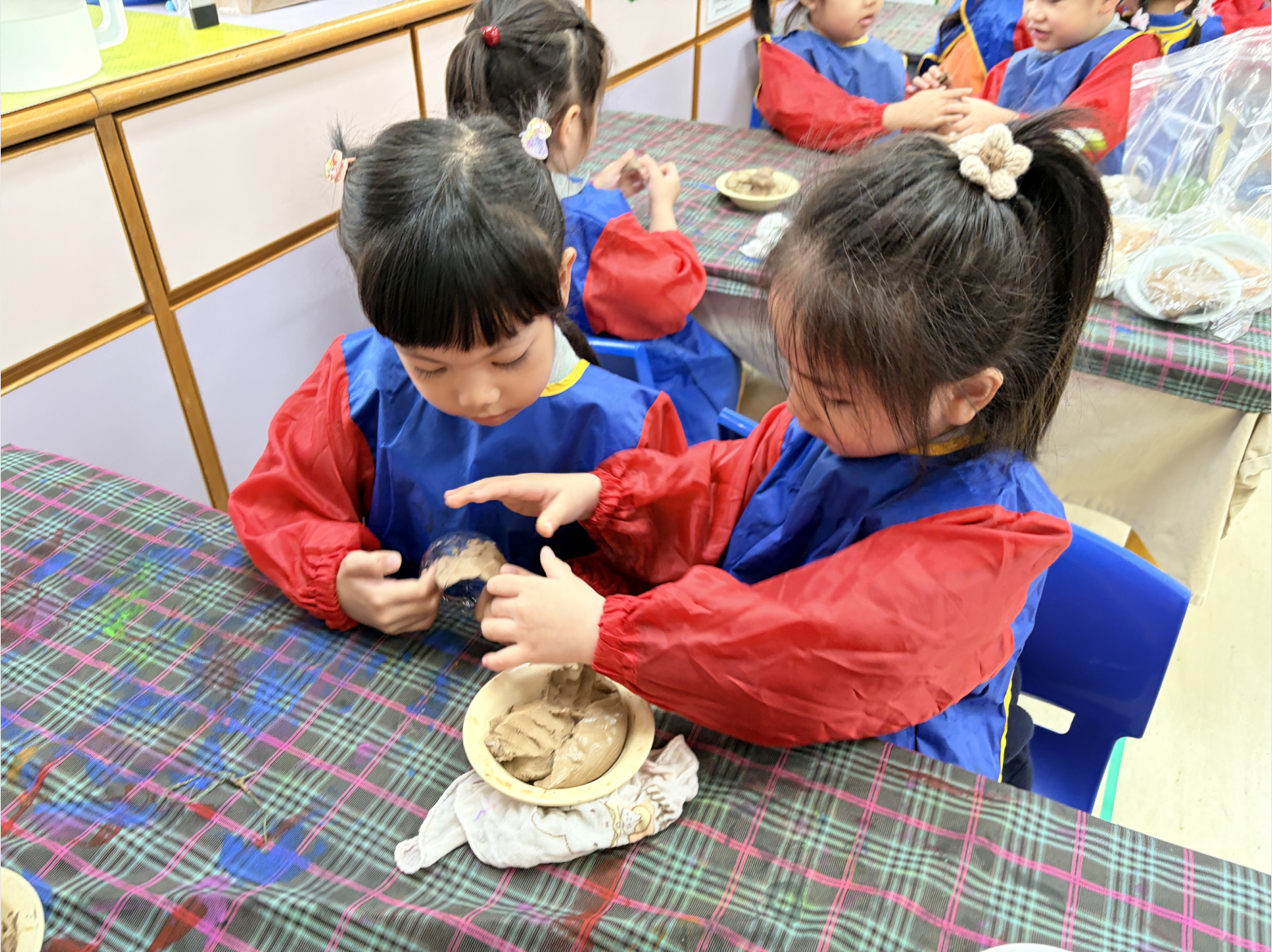
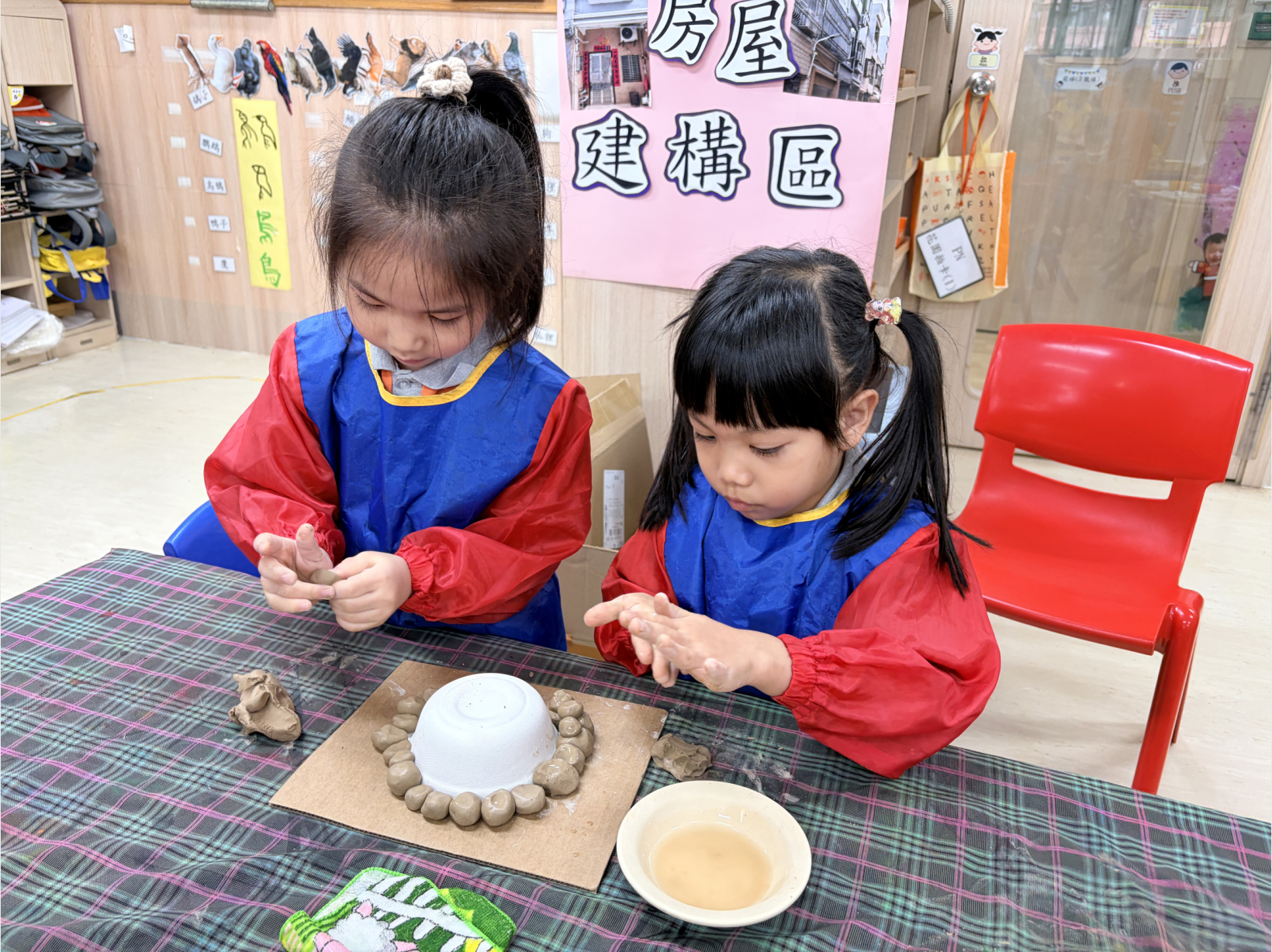
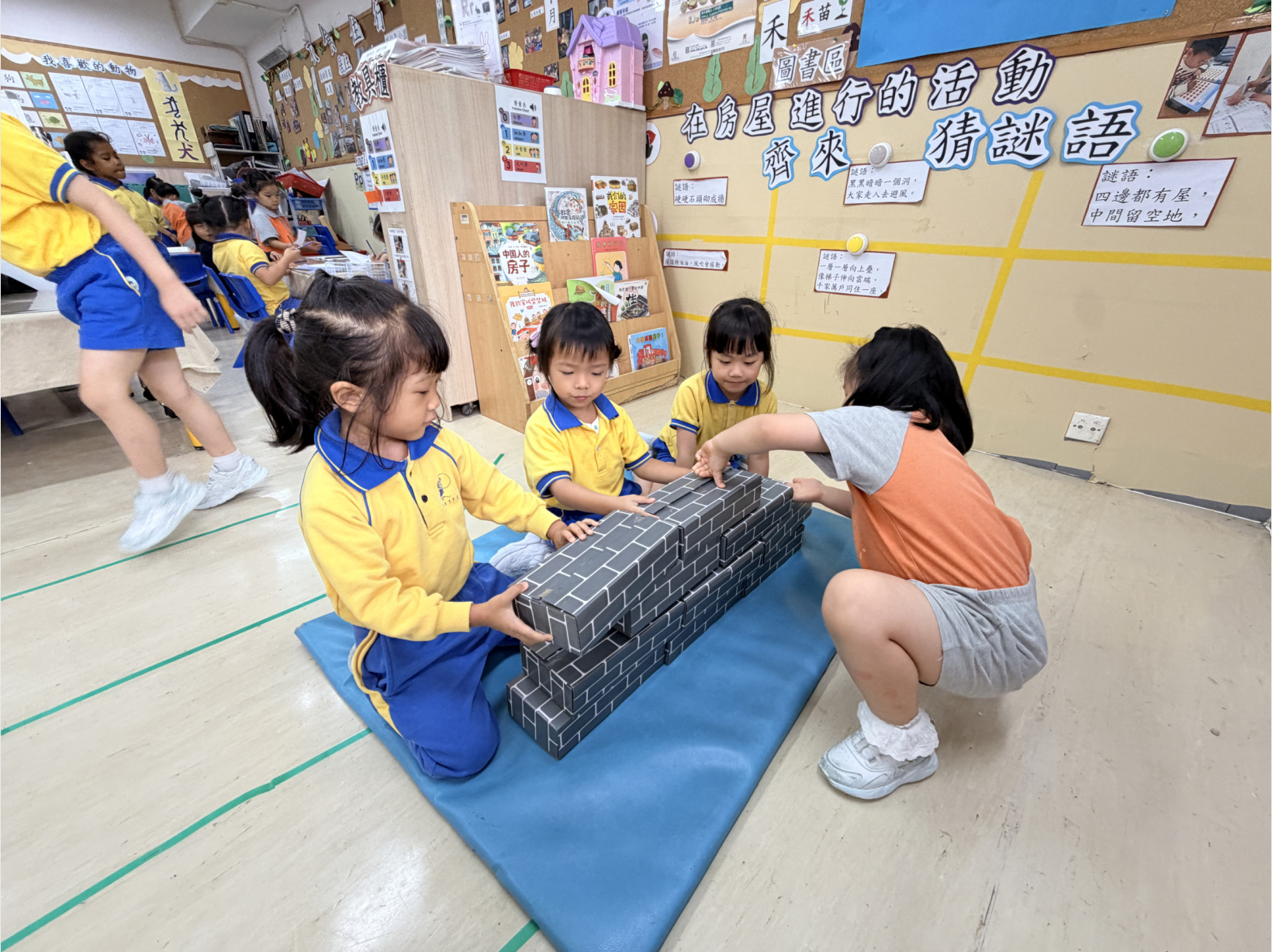
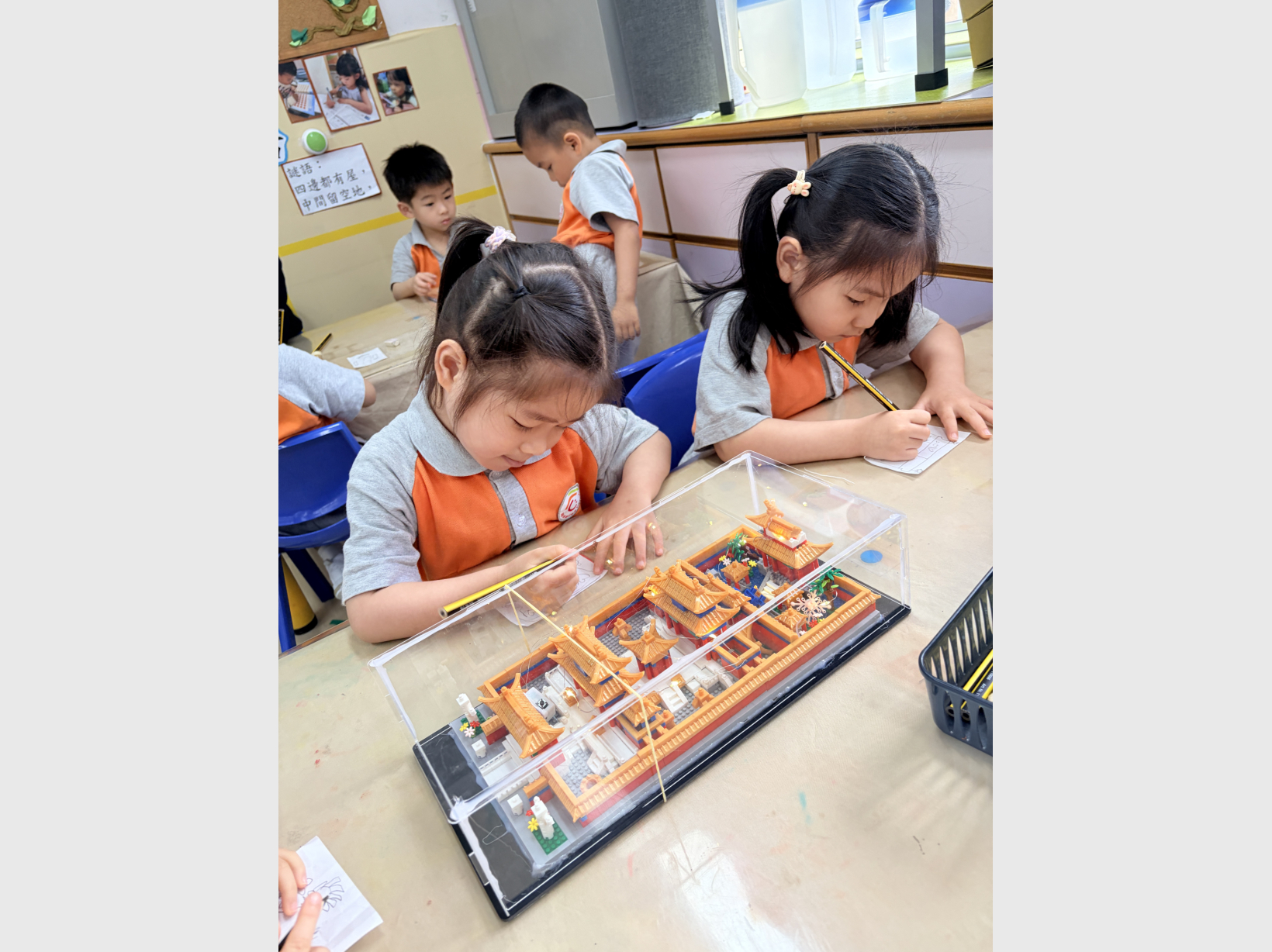
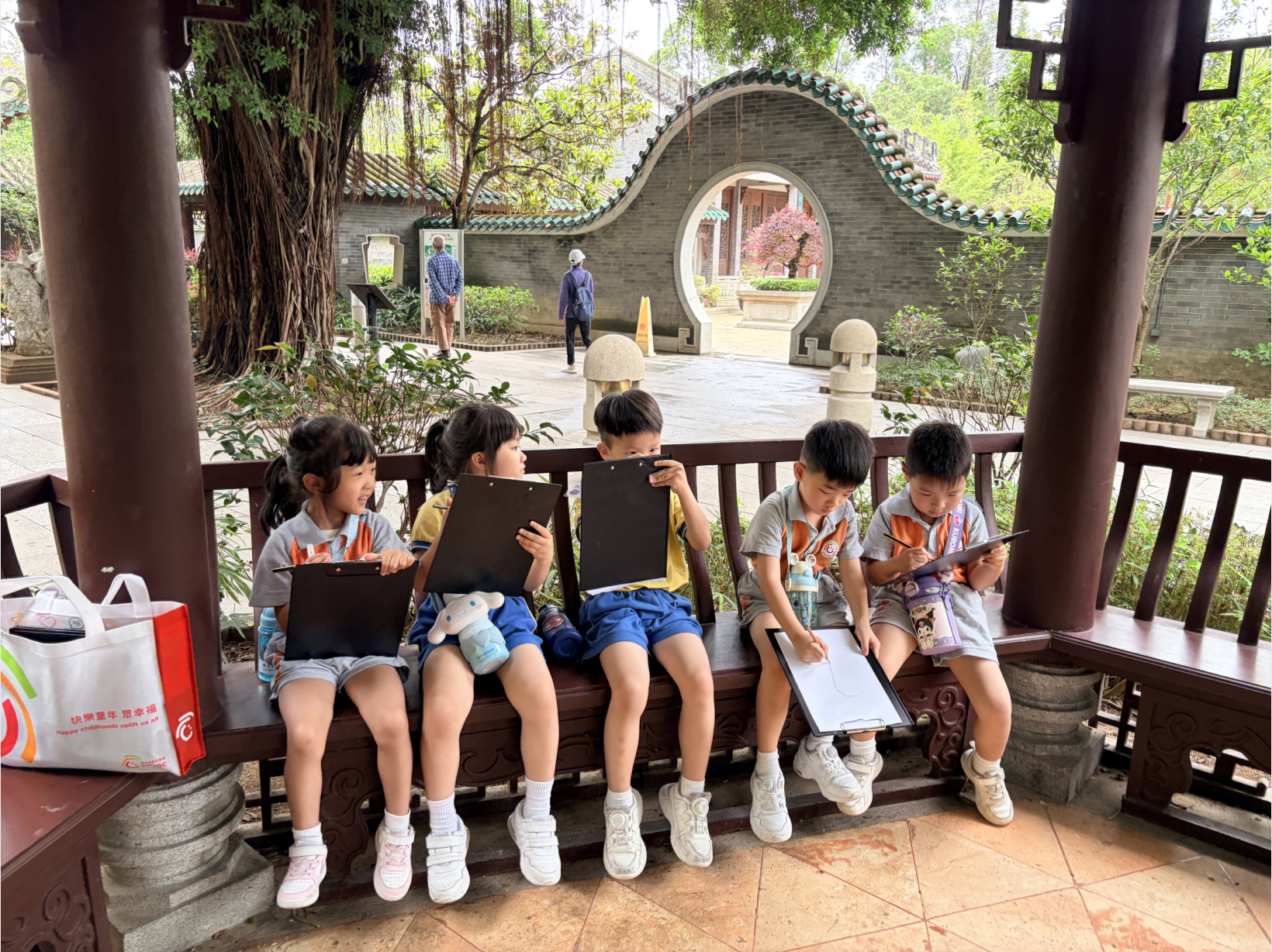
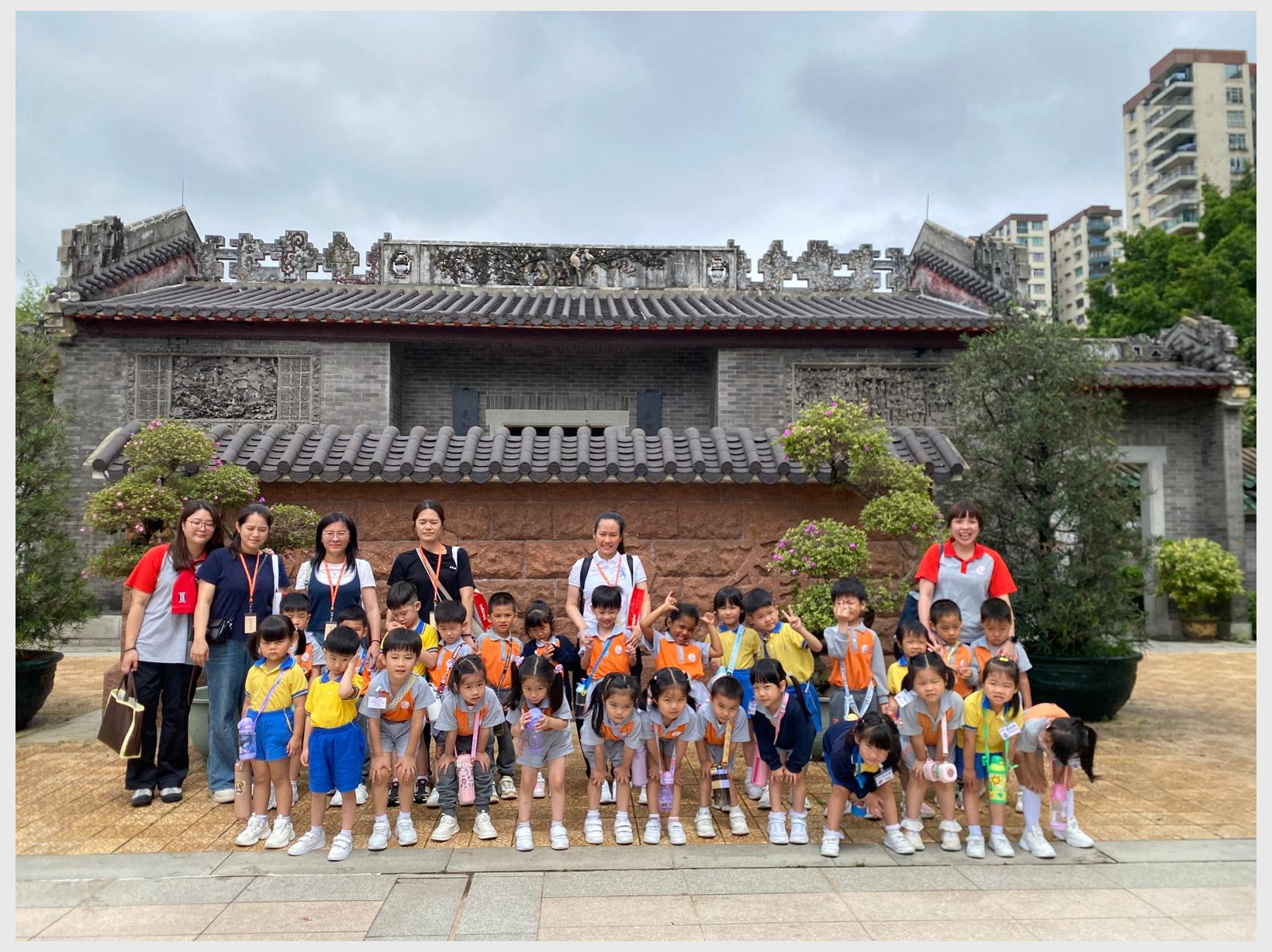
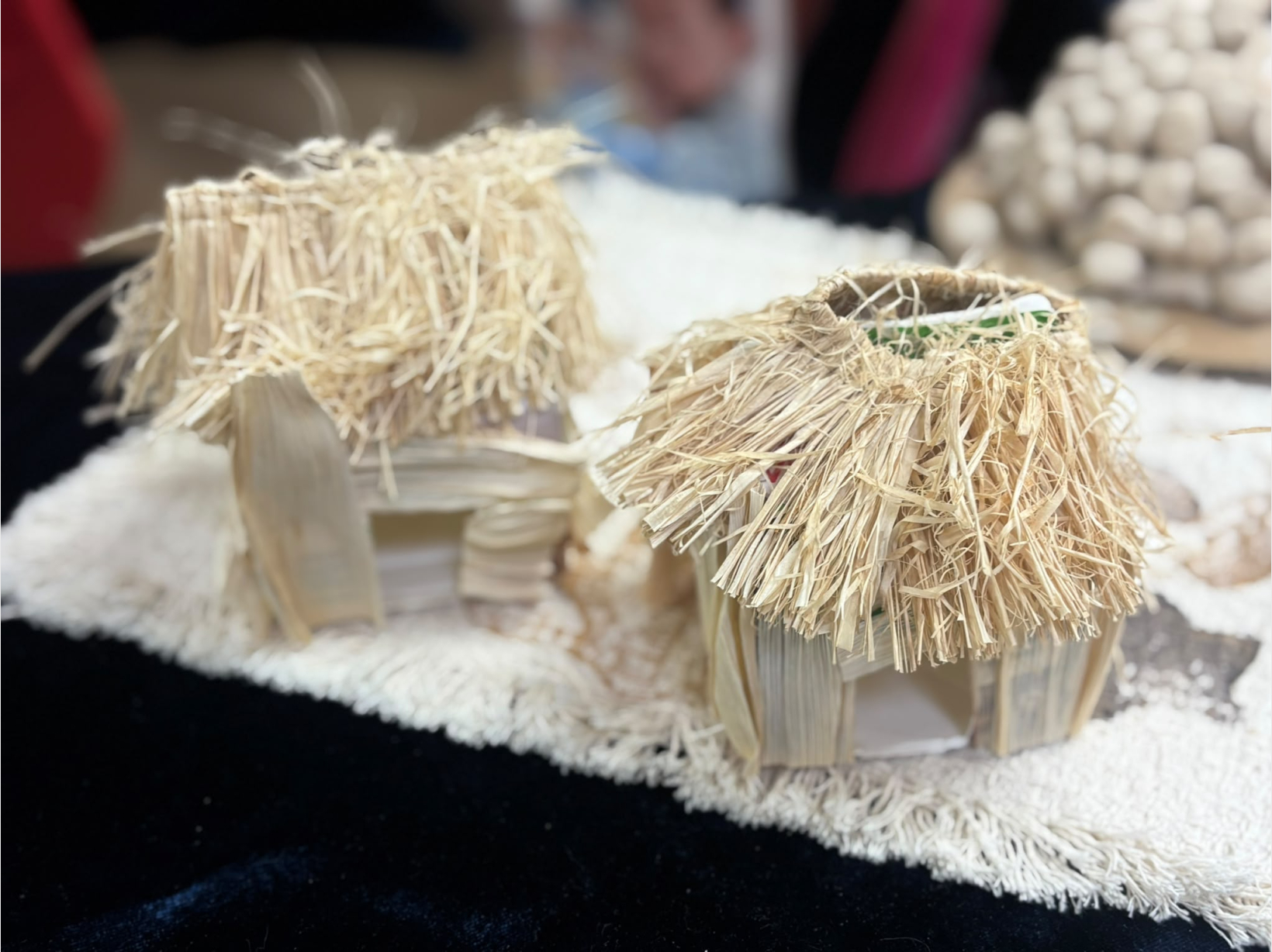
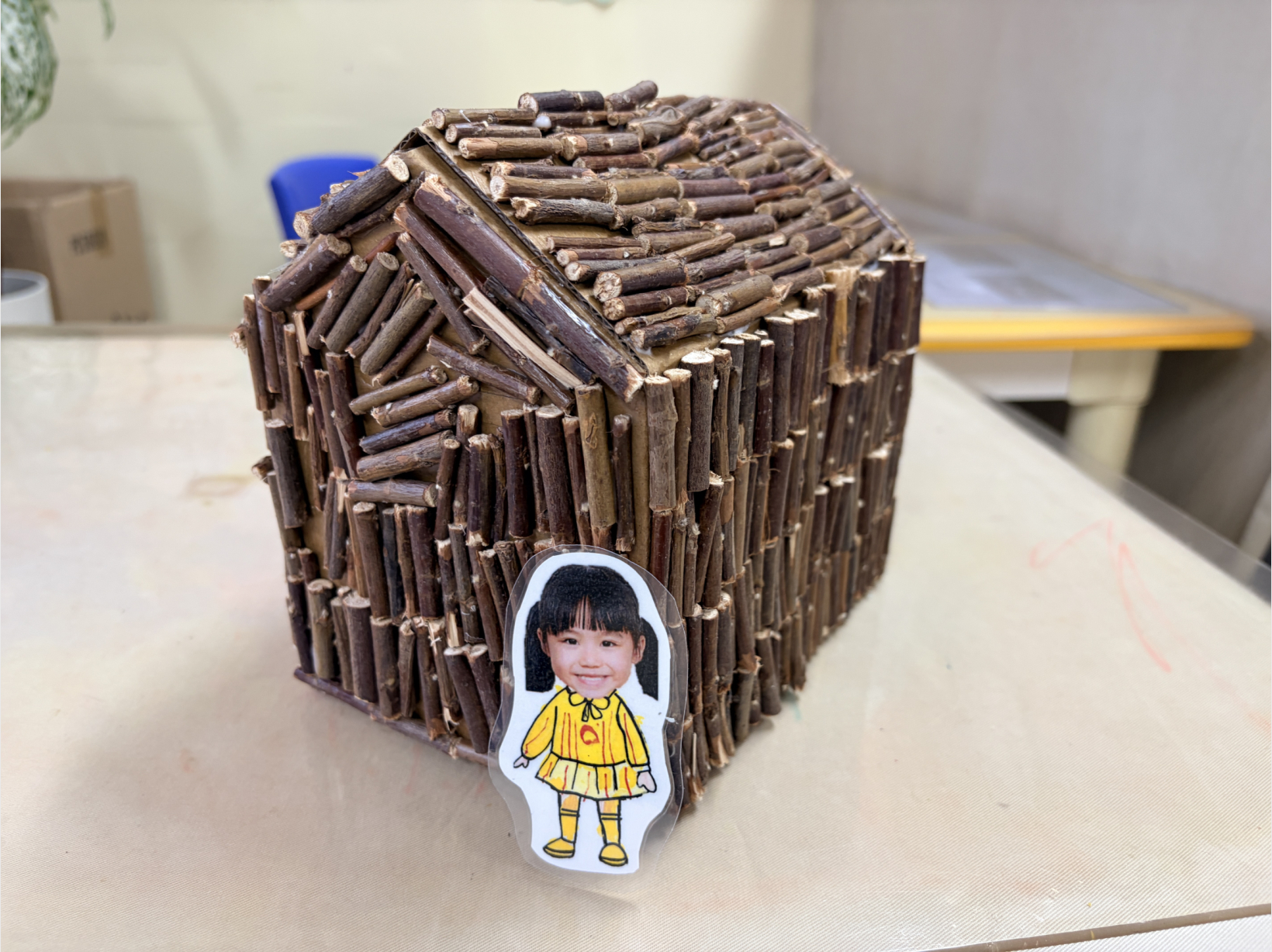
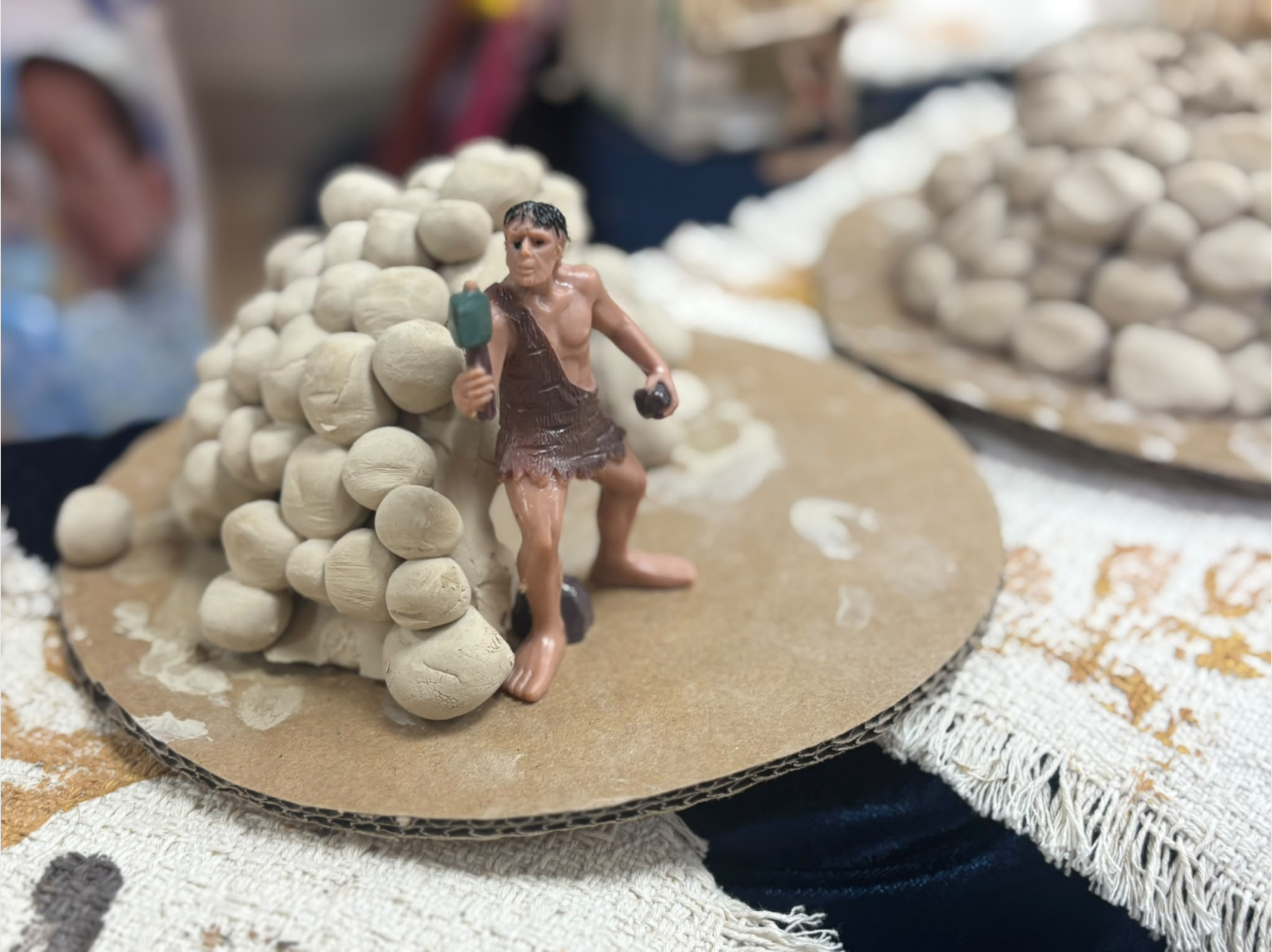
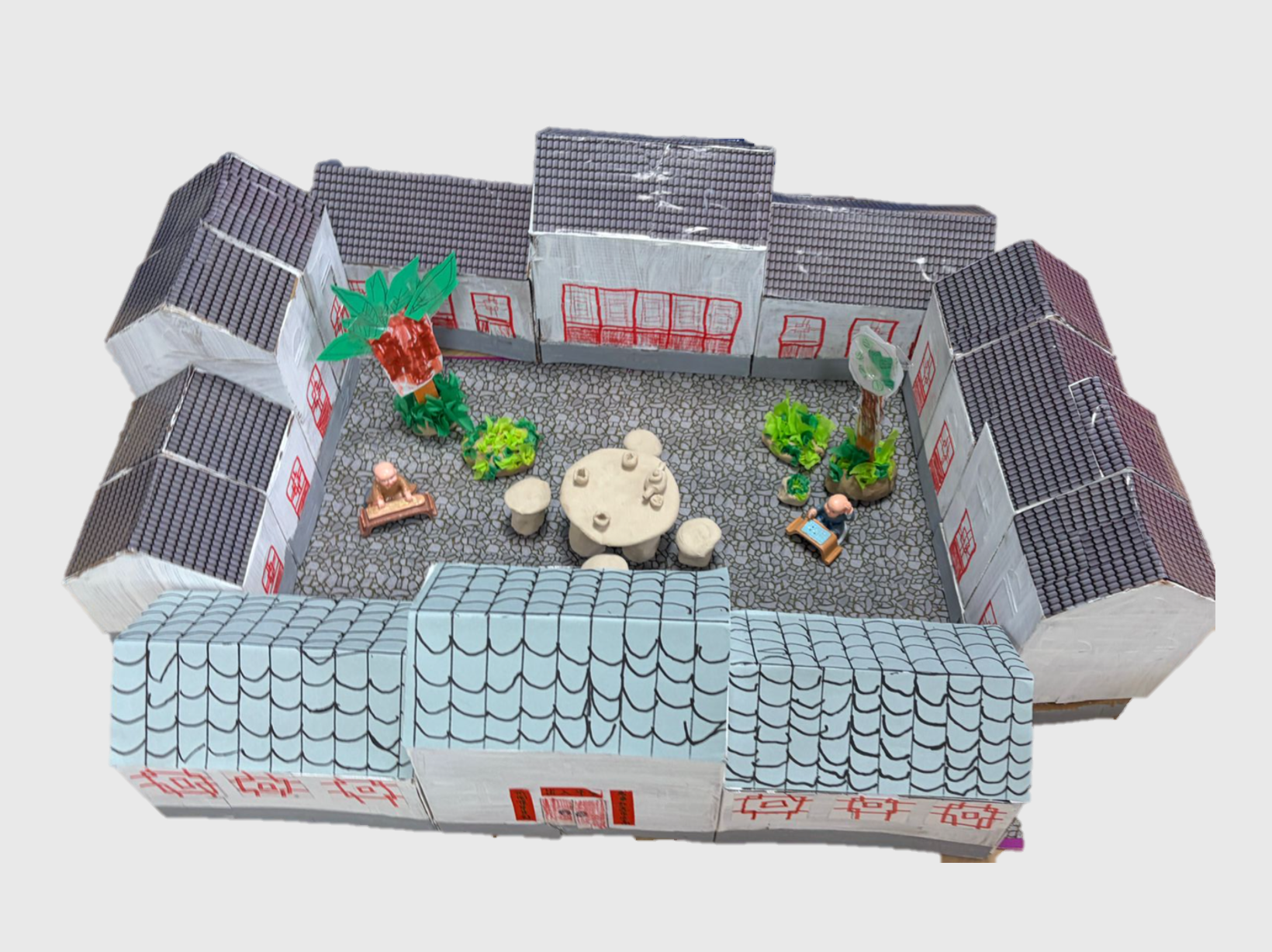
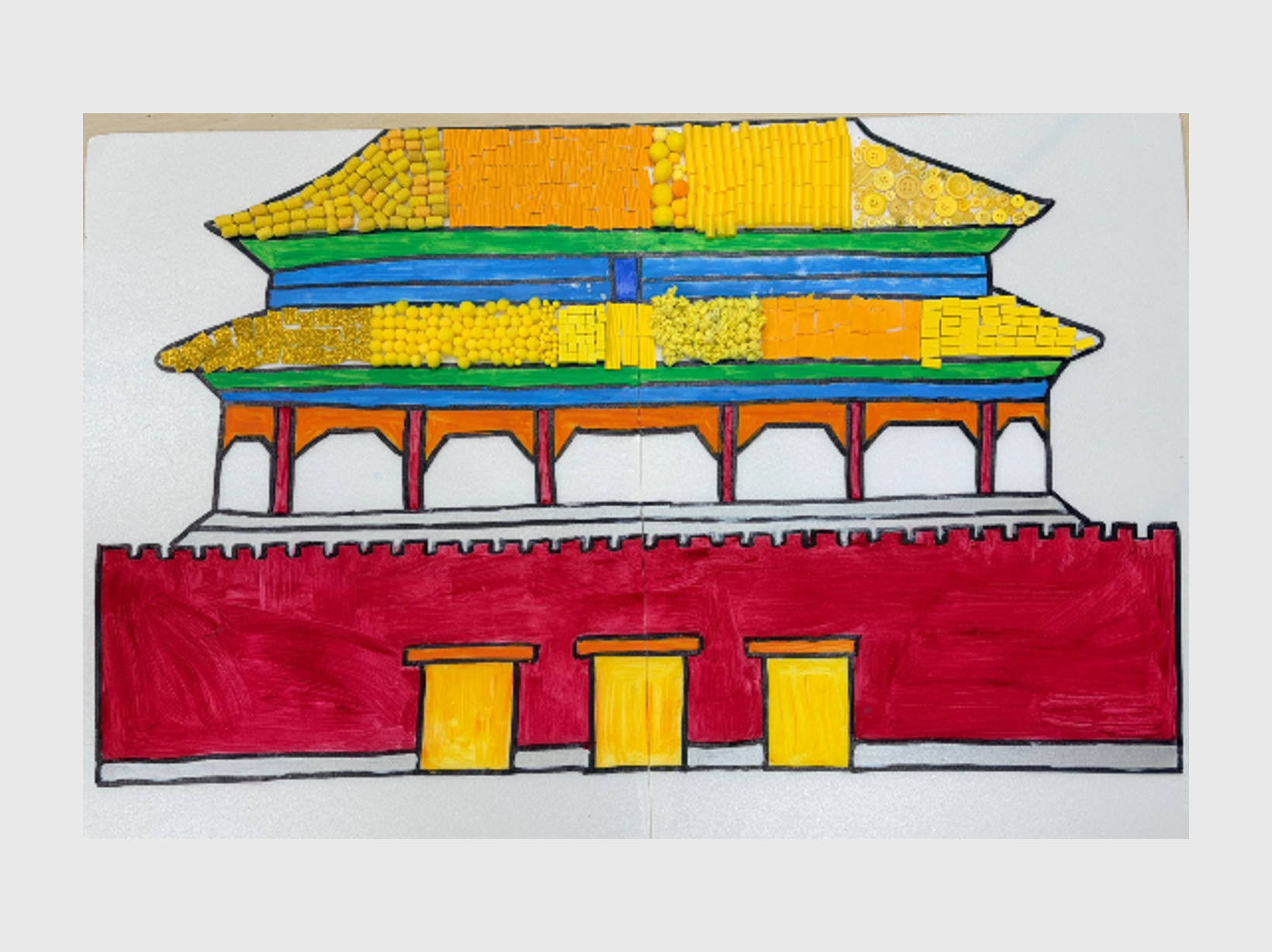
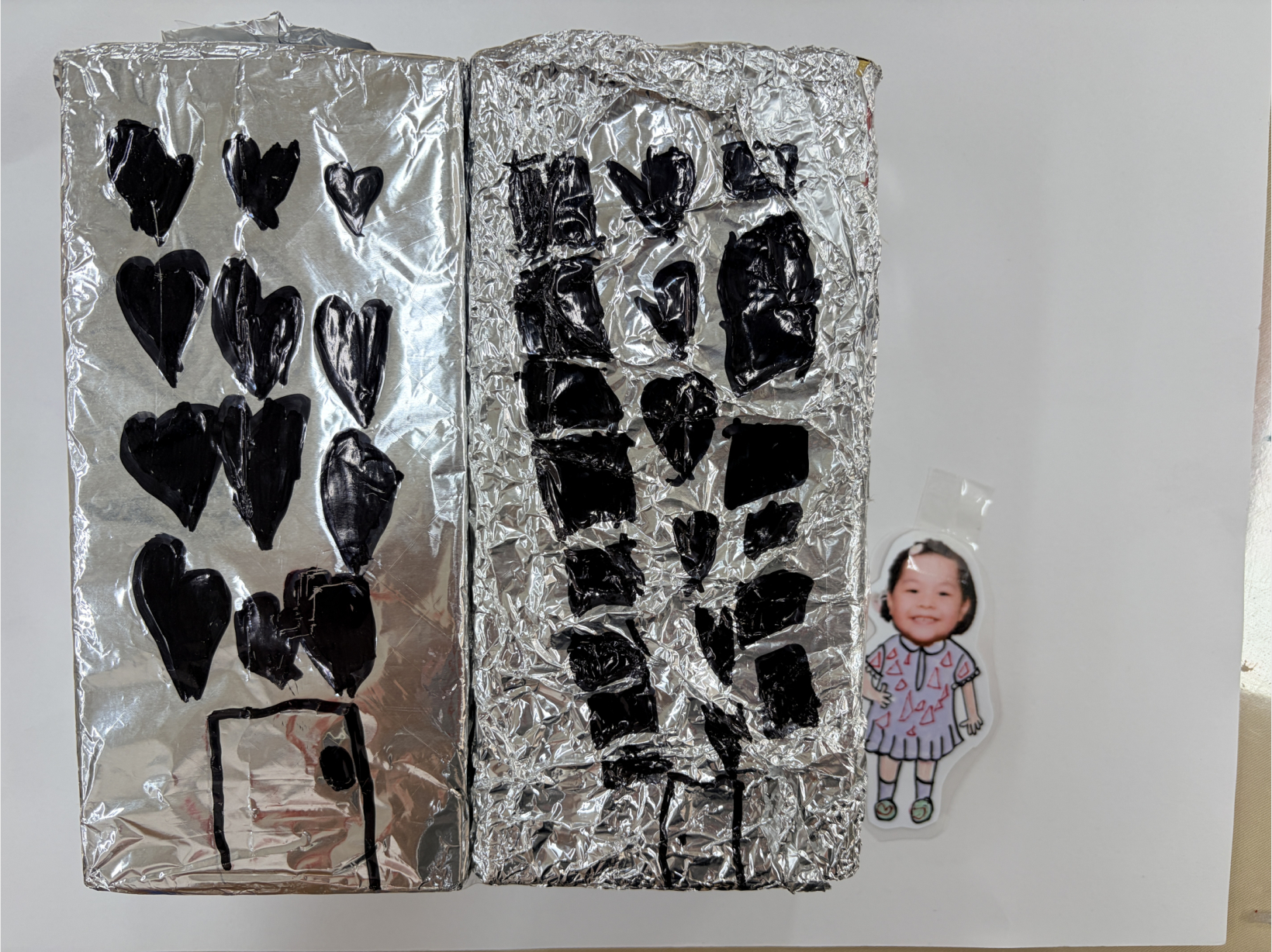
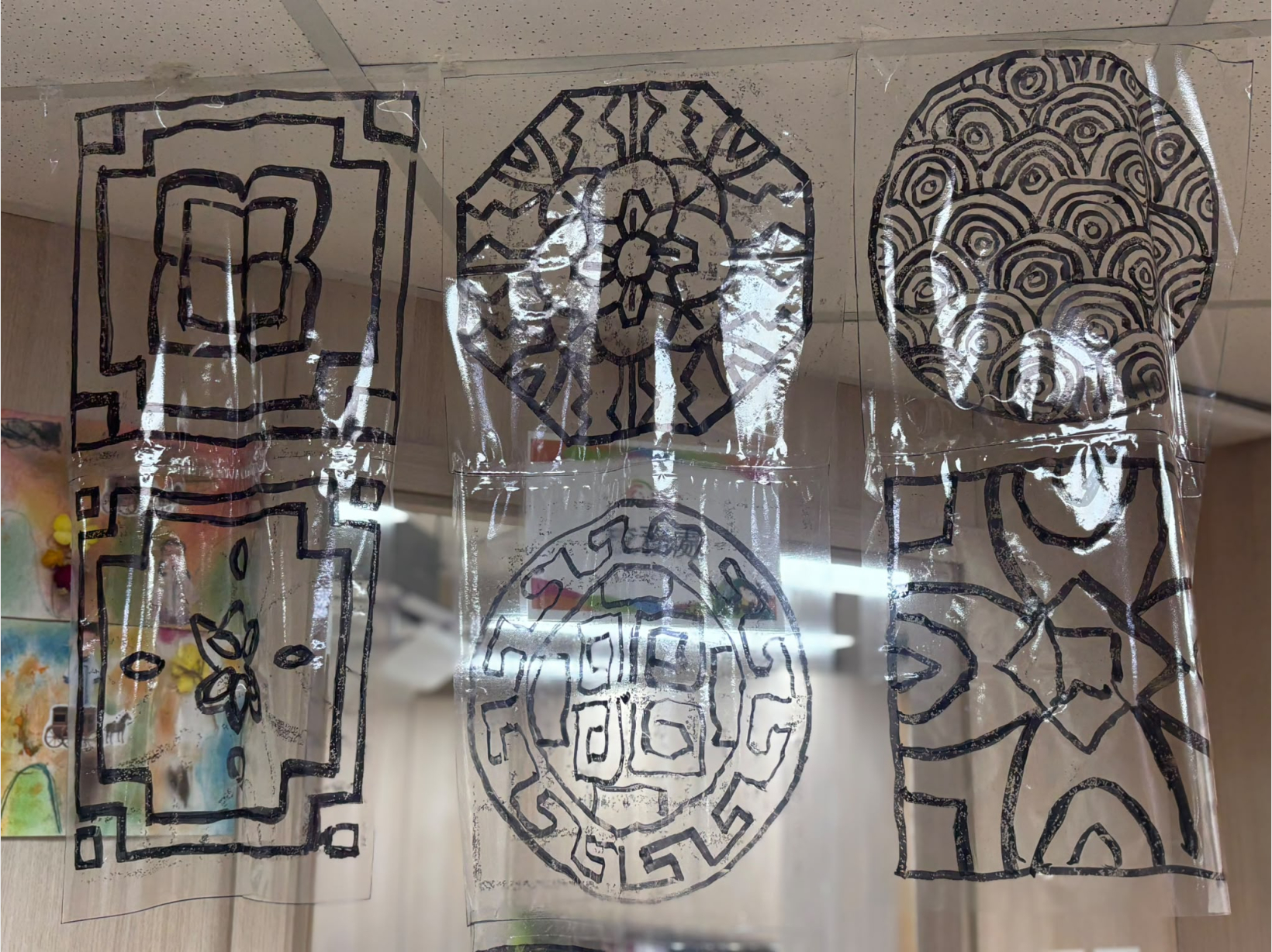
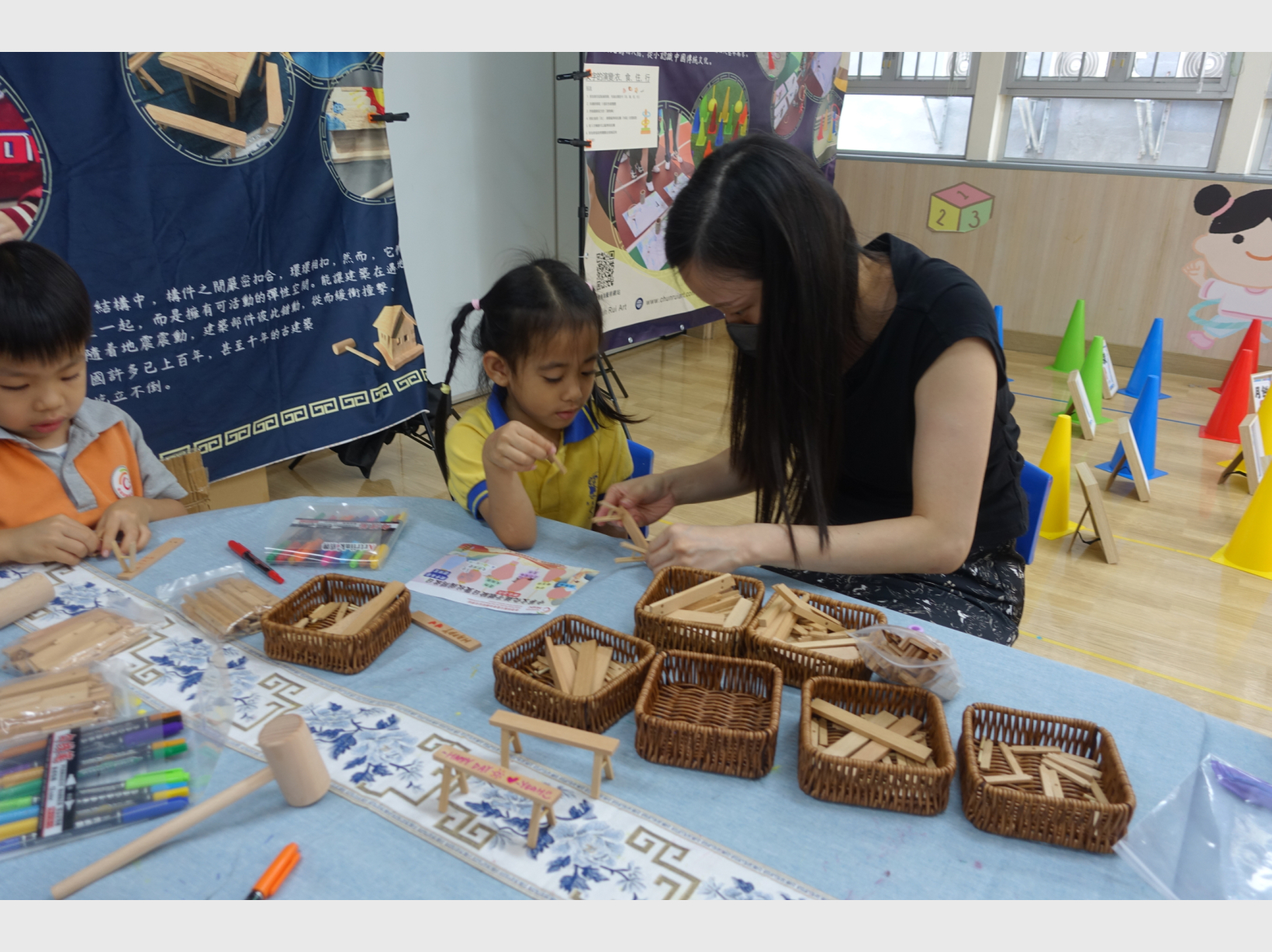
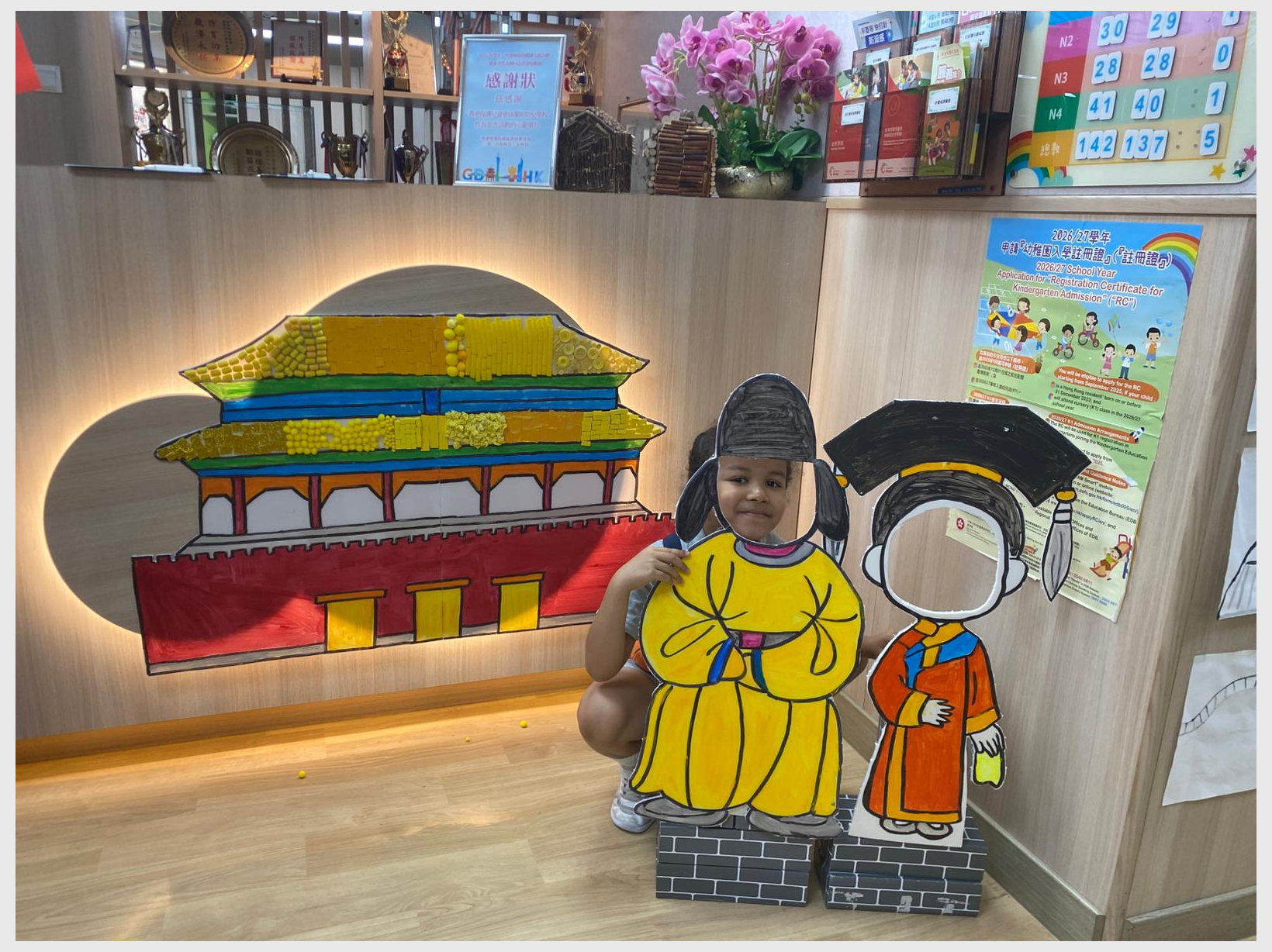
Through stories, visits, and games, N3 children learned about the evolution of houses from ancient times to the present. Through direct observation, they explored the structures, architectural features, and motifs of Chinese-style buildings. They created houses from different periods, such as caves, thatched huts, and wooden houses, and also designed works such as a siheyuan courtyard house, Chinese-style window frames and door locks, a patchwork quilt, homes, and the Forbidden City.
N4
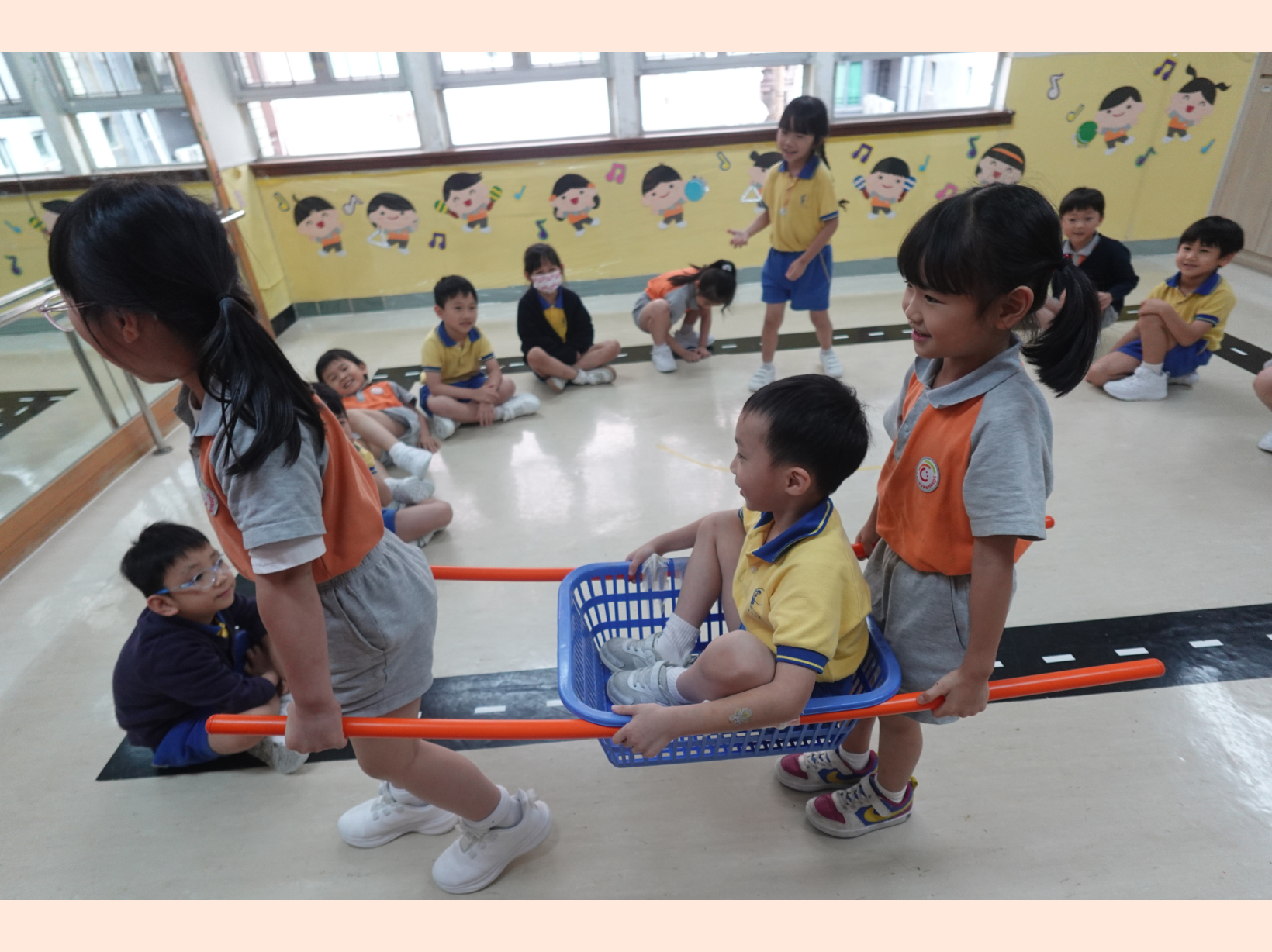
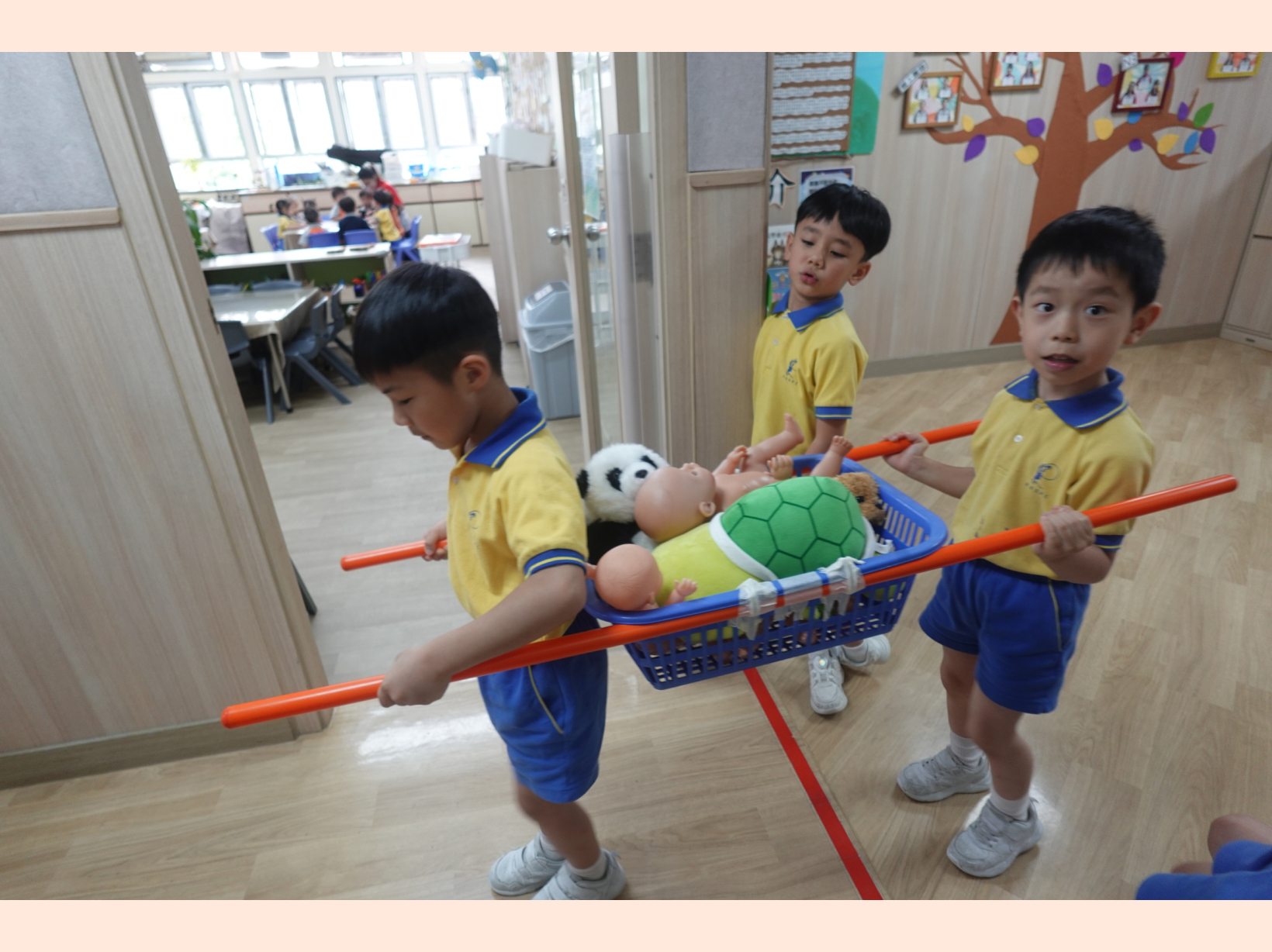
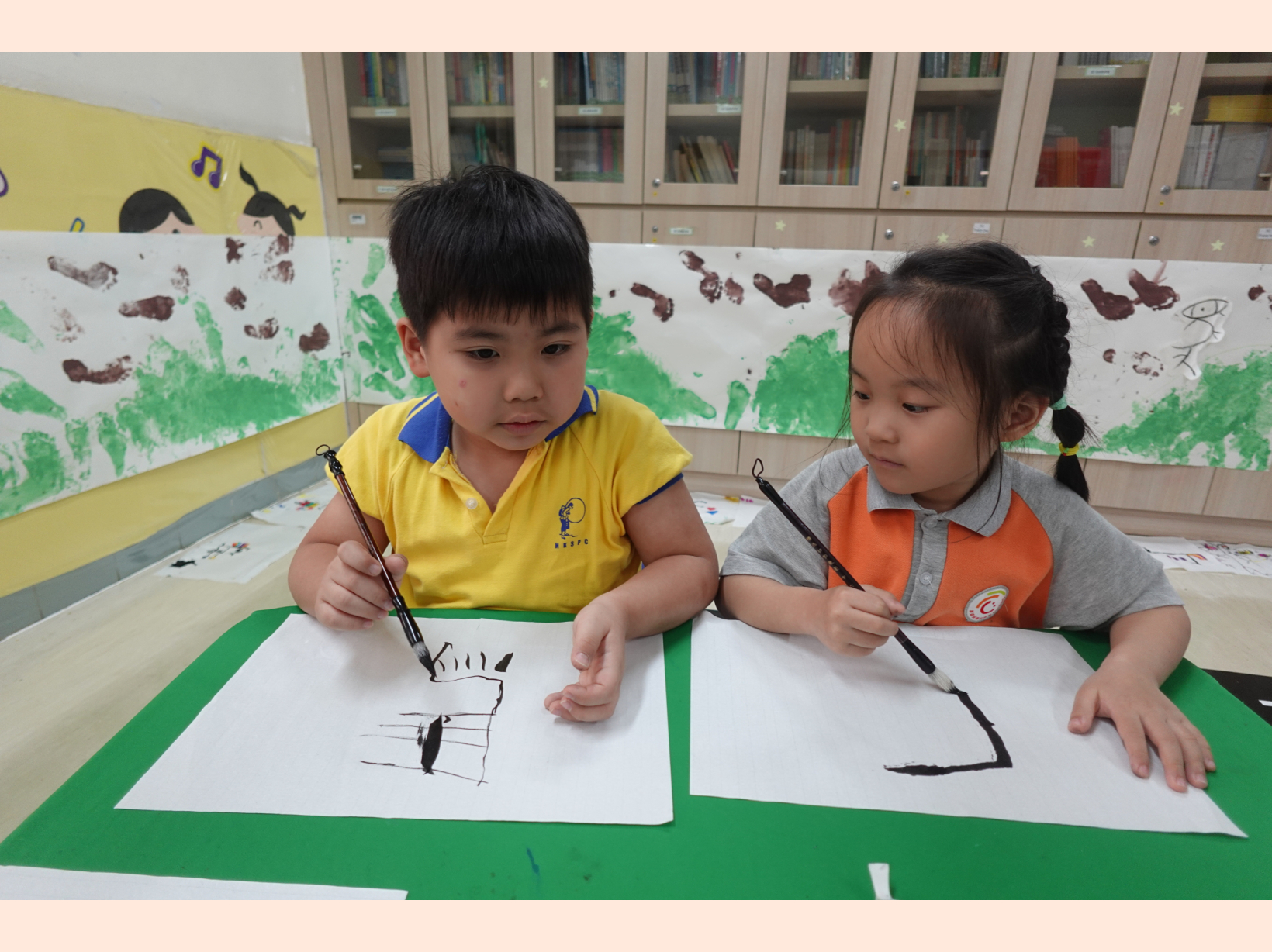
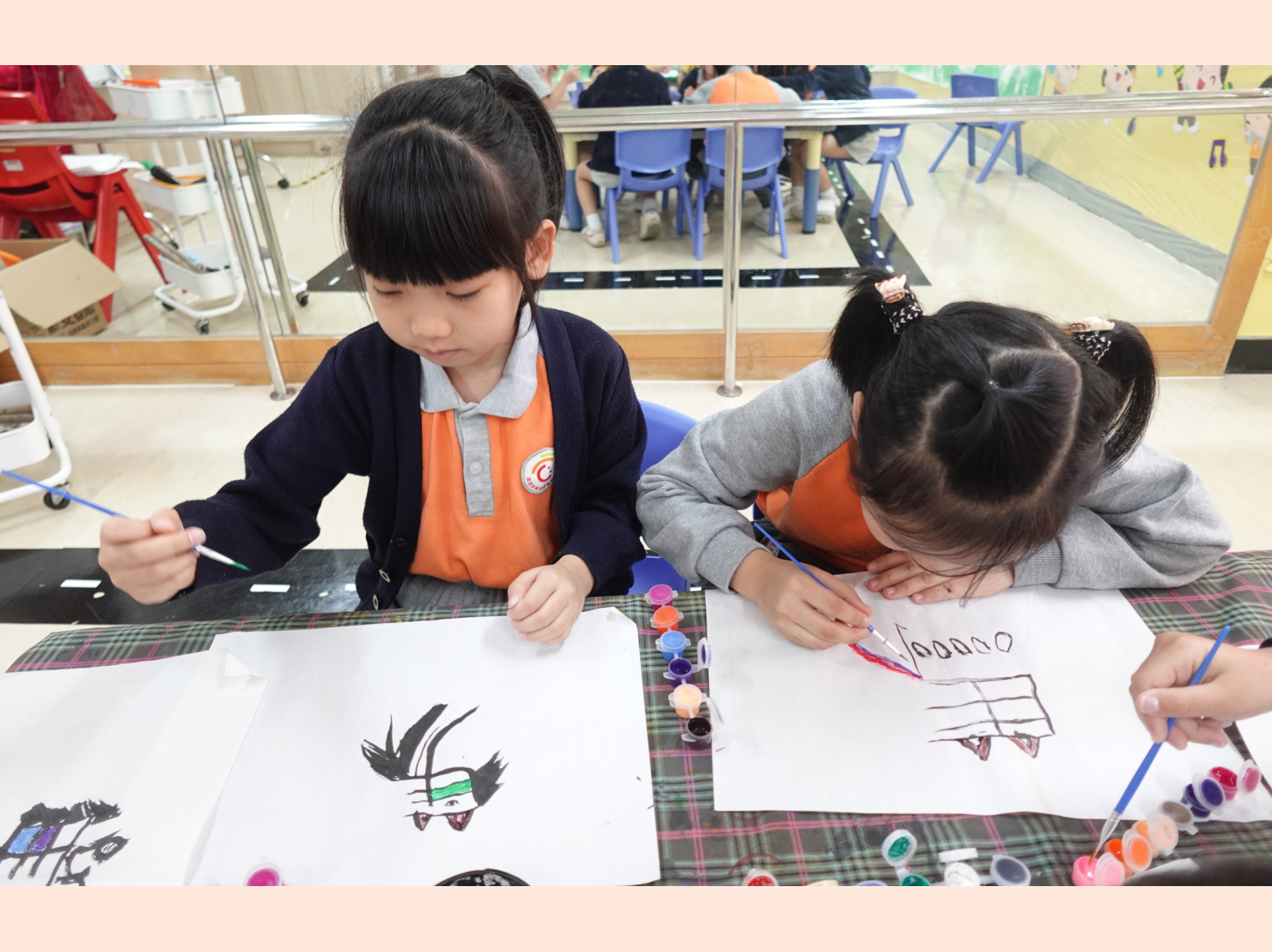
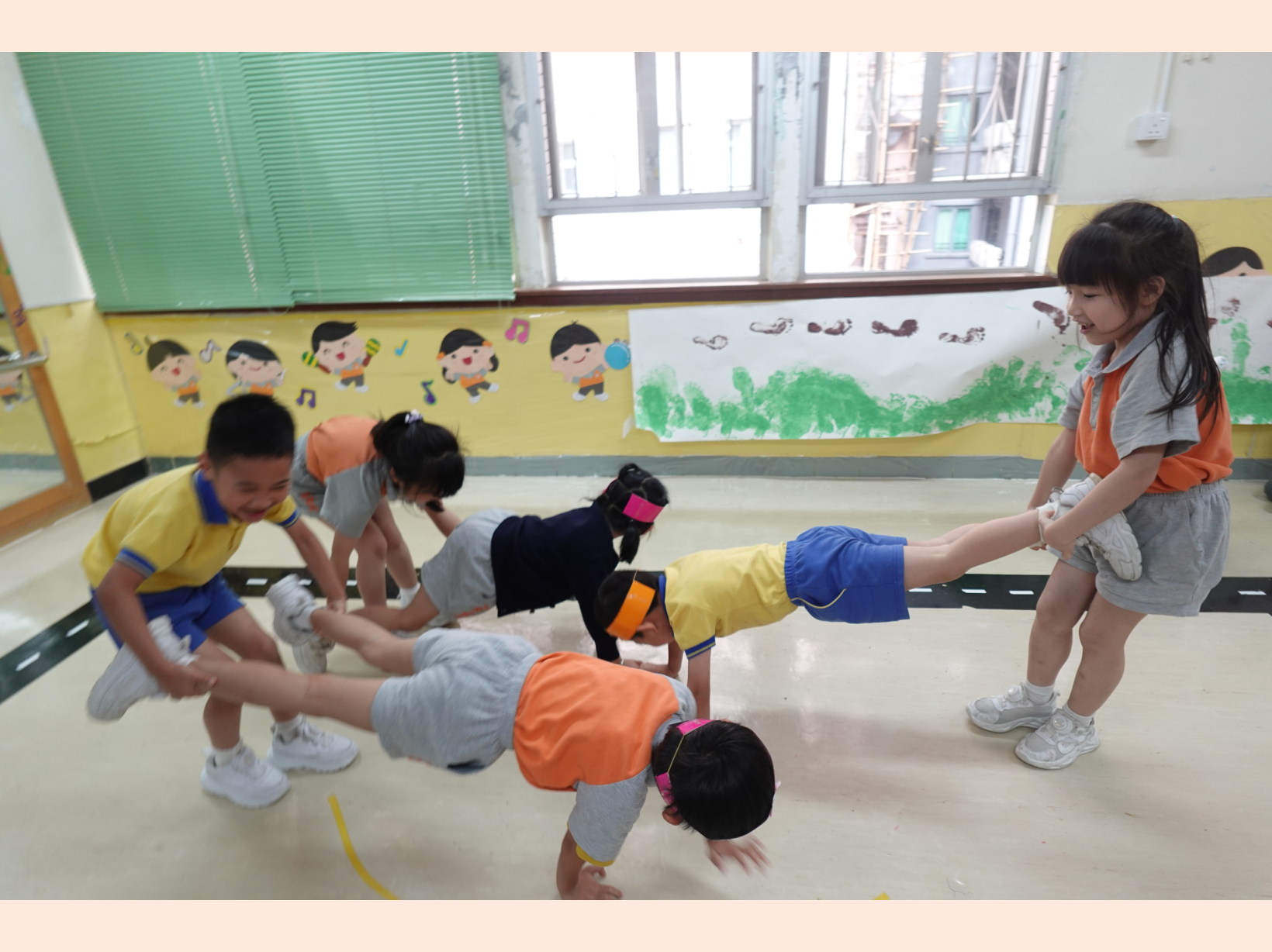
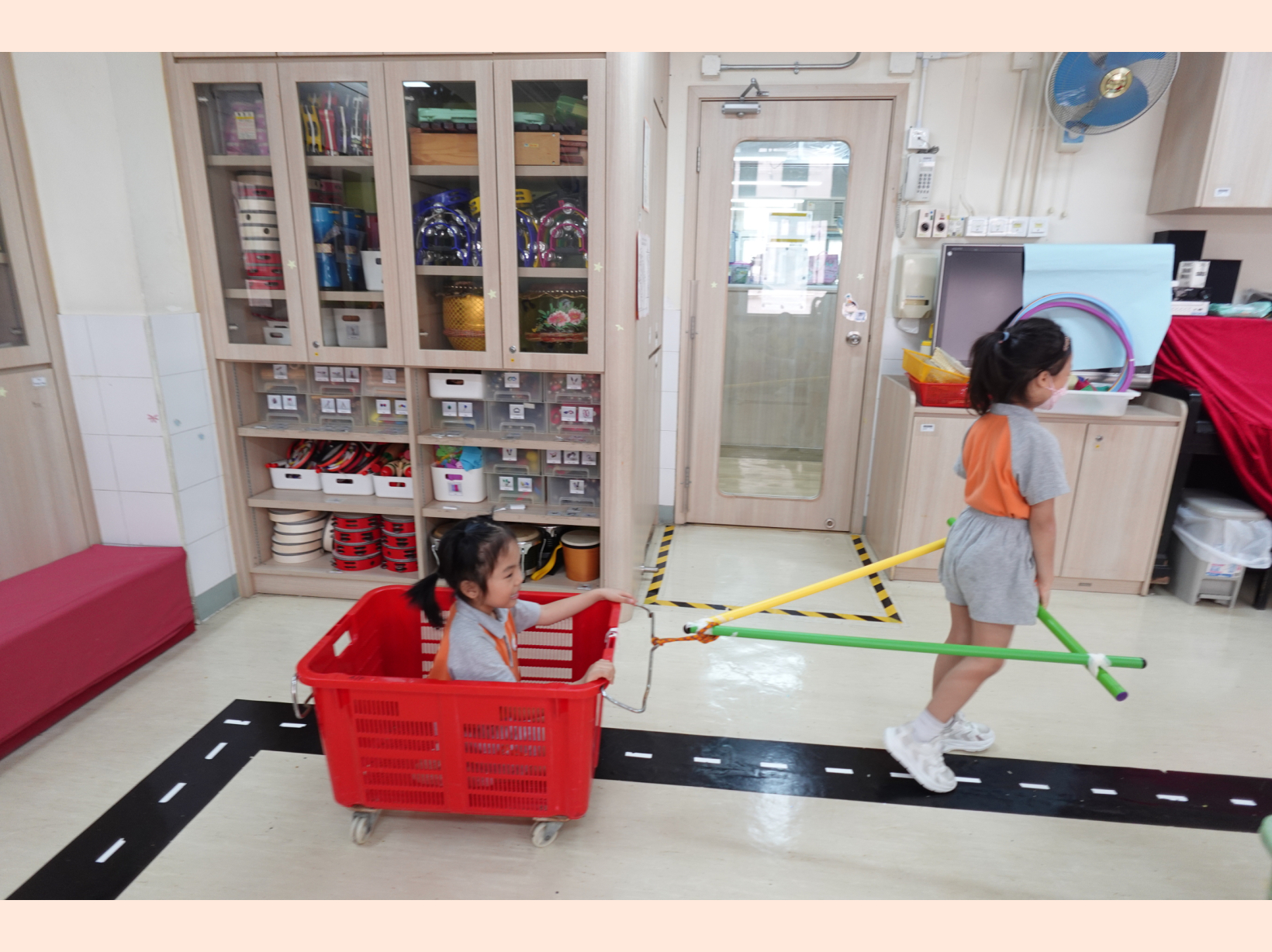
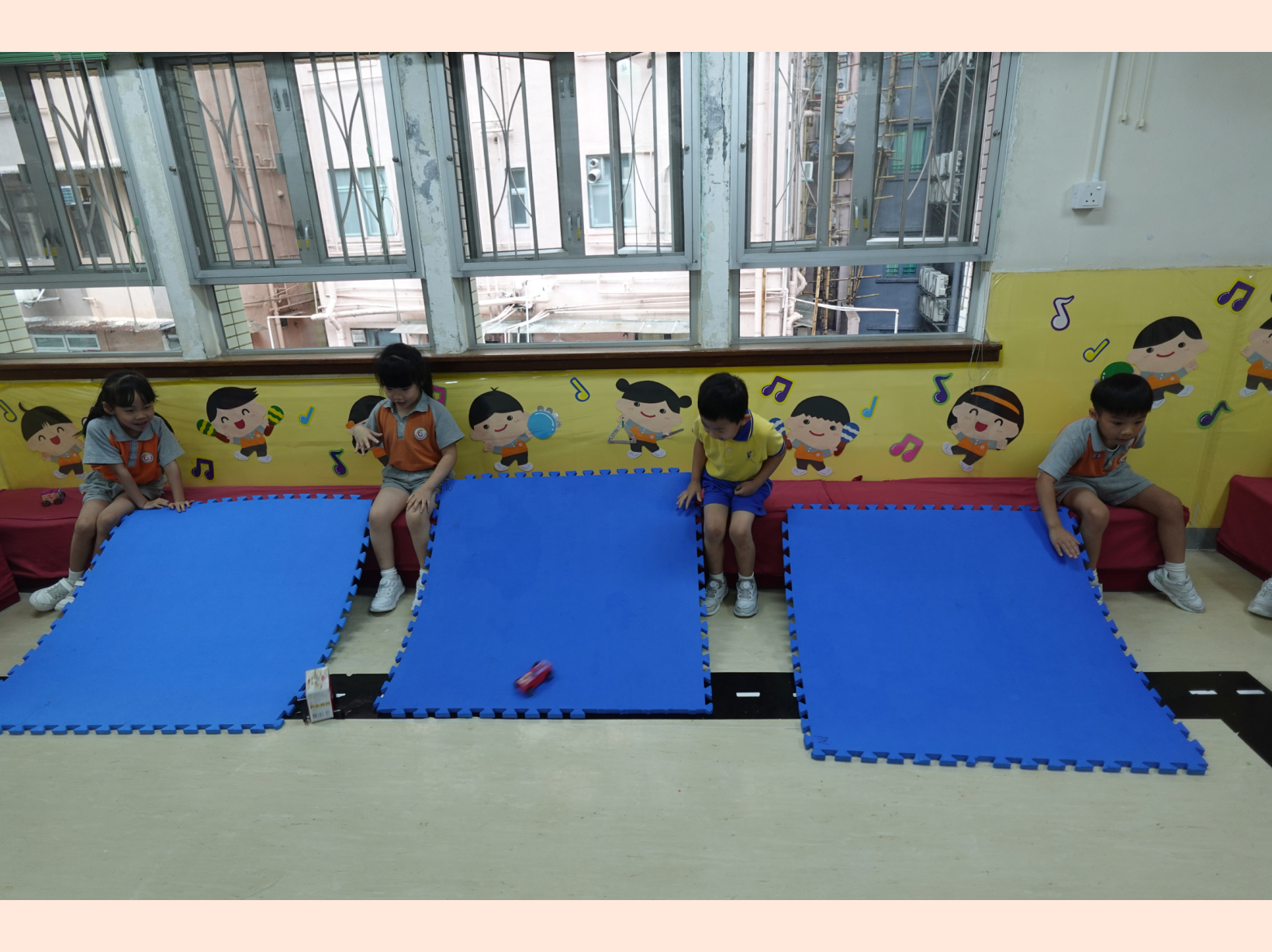
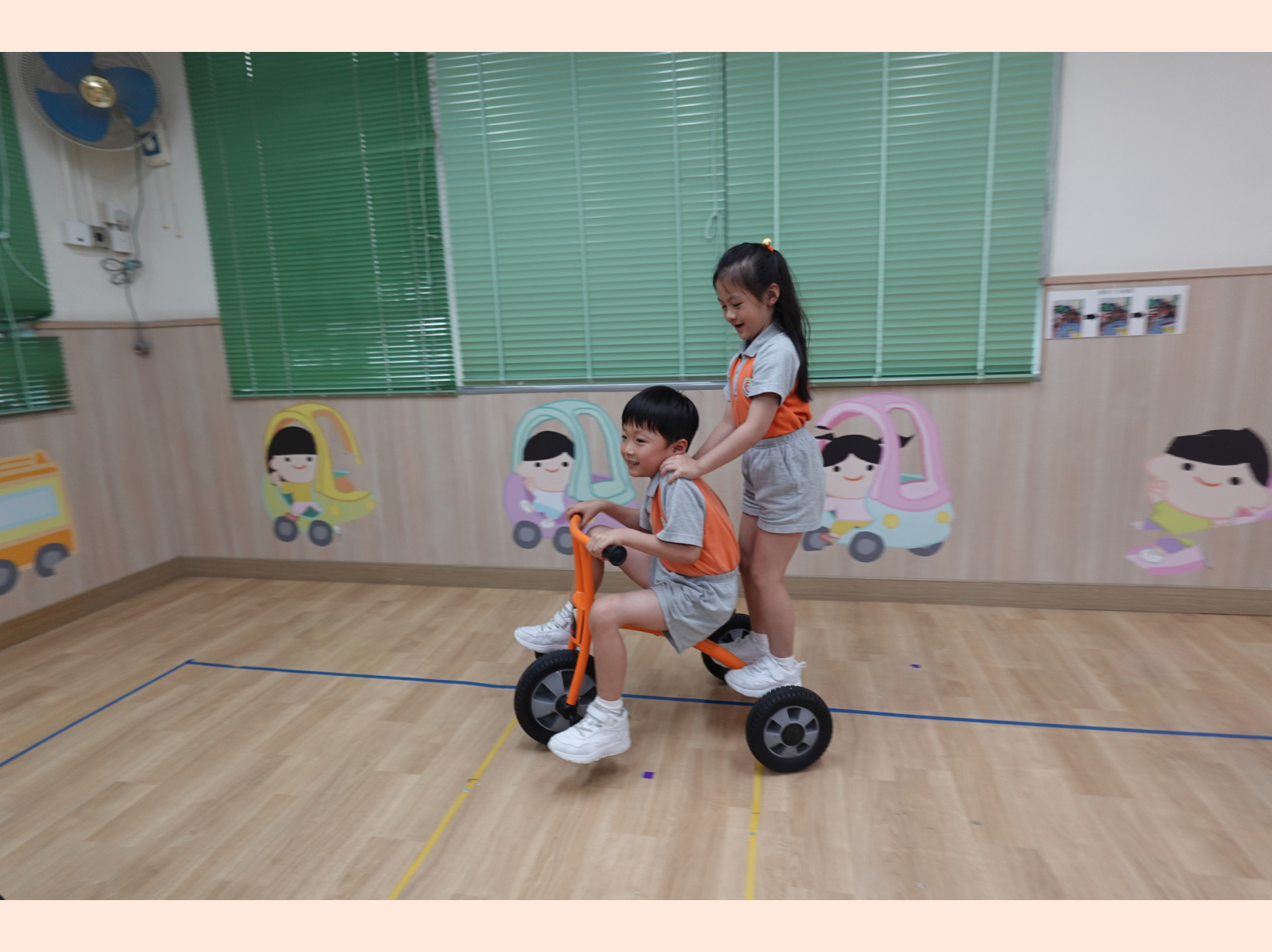
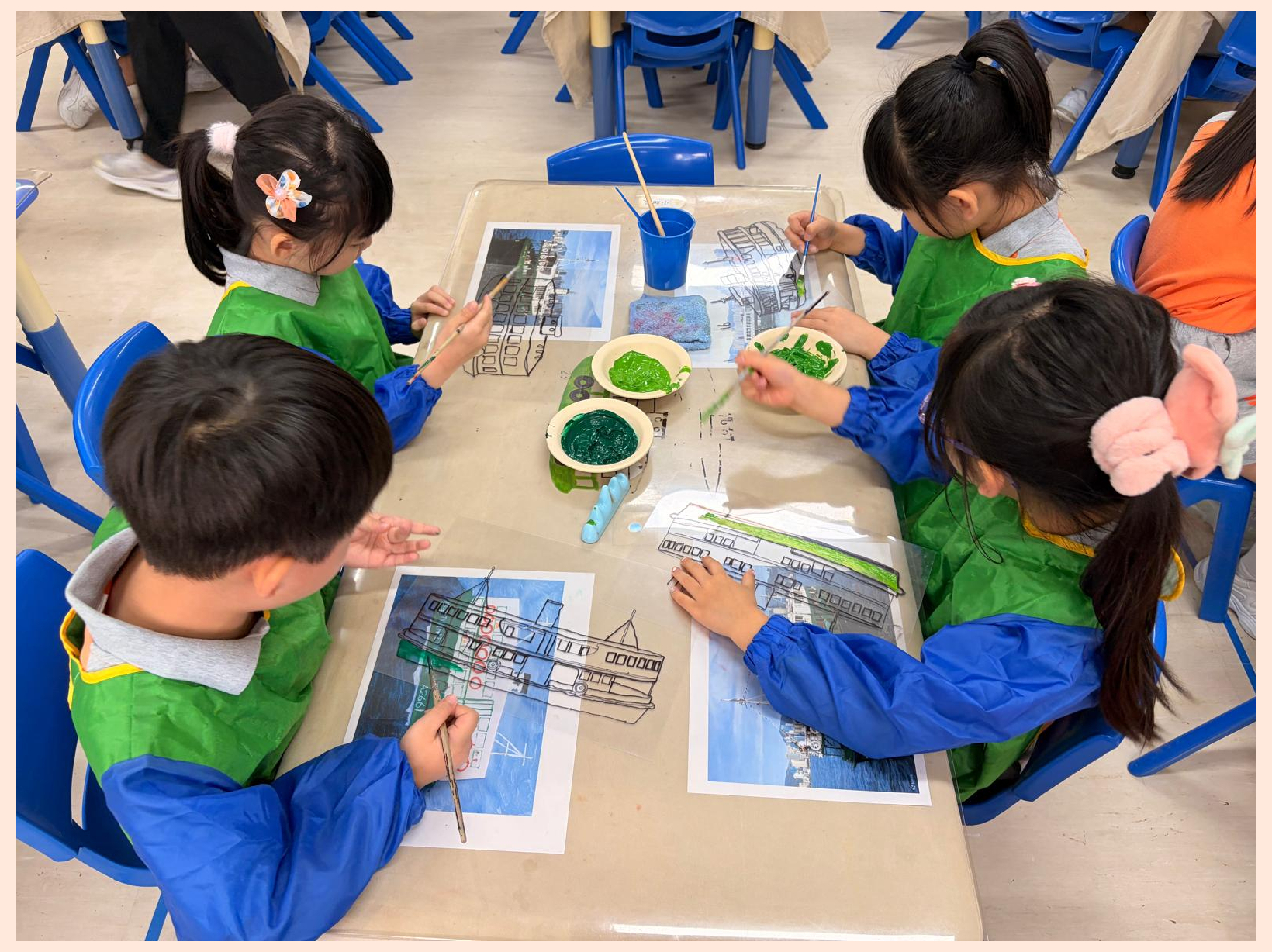
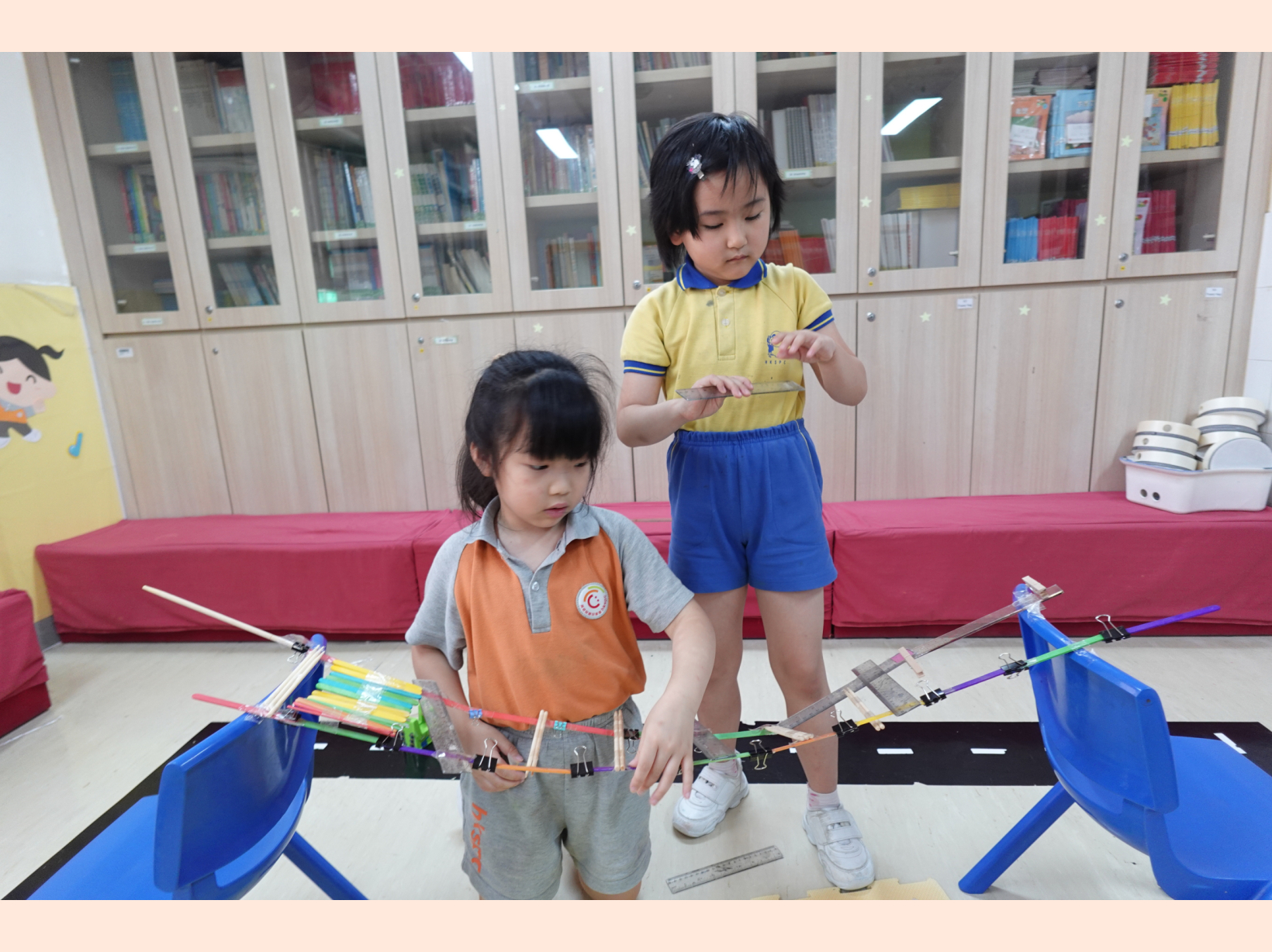
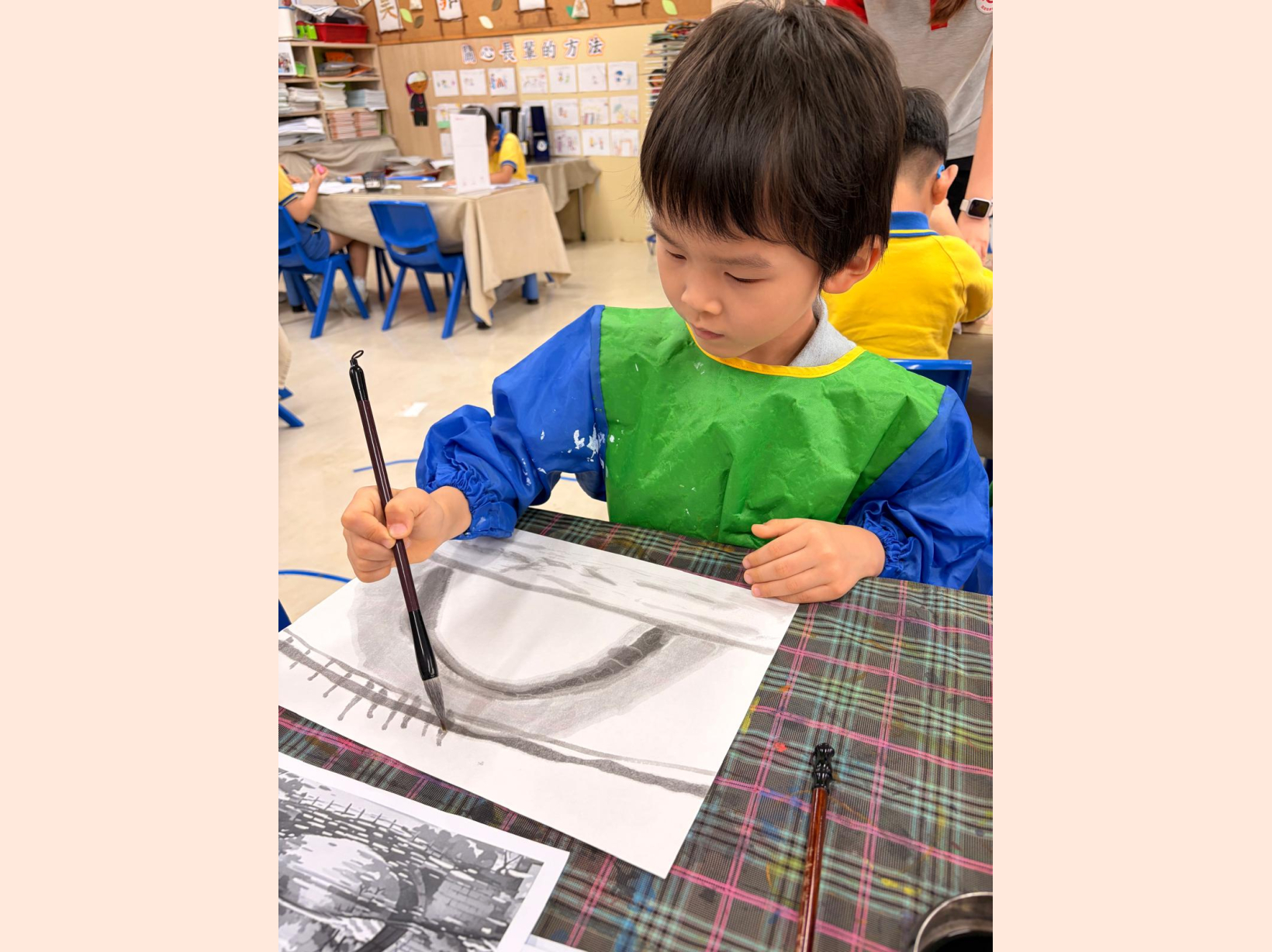
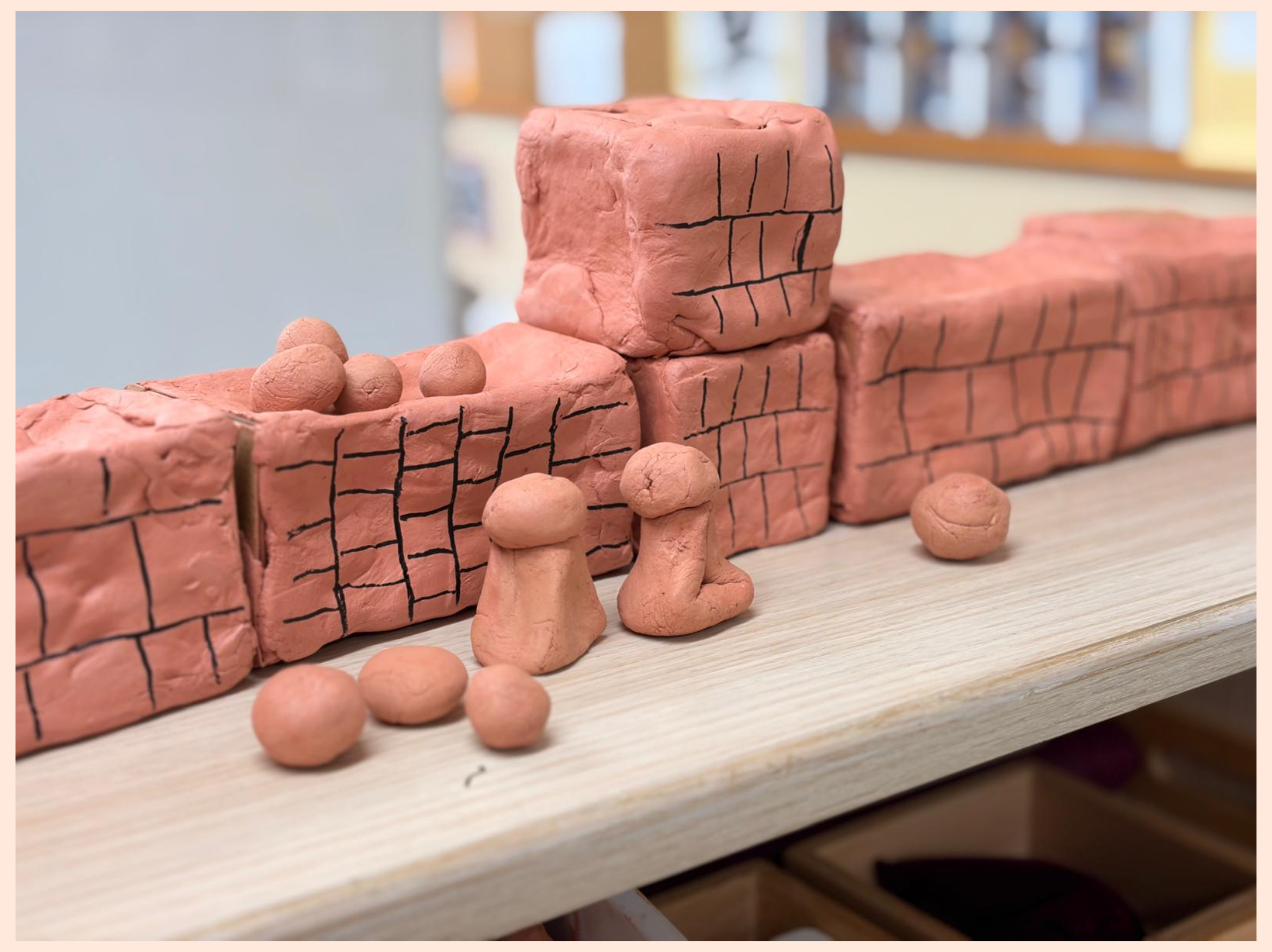
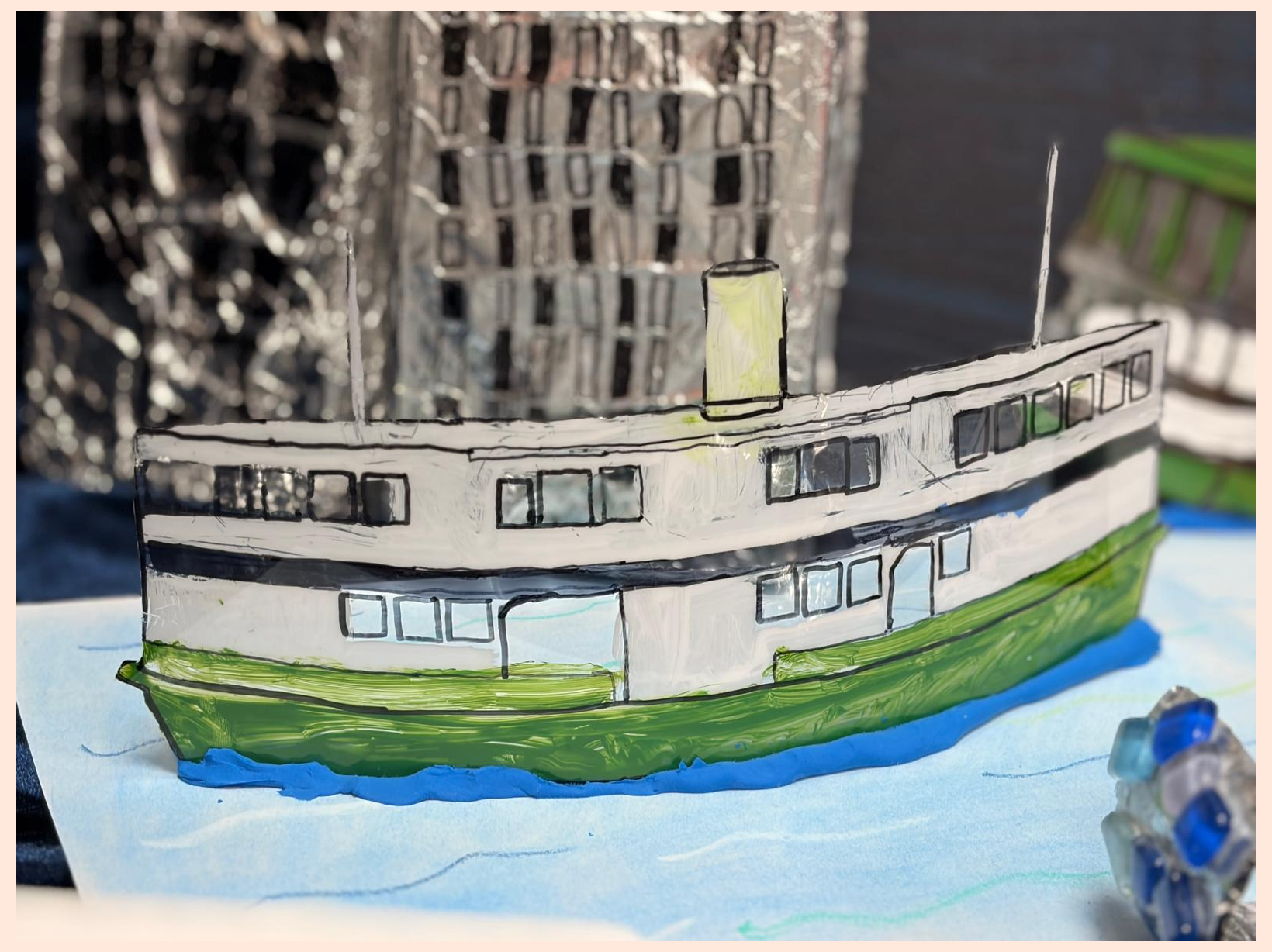
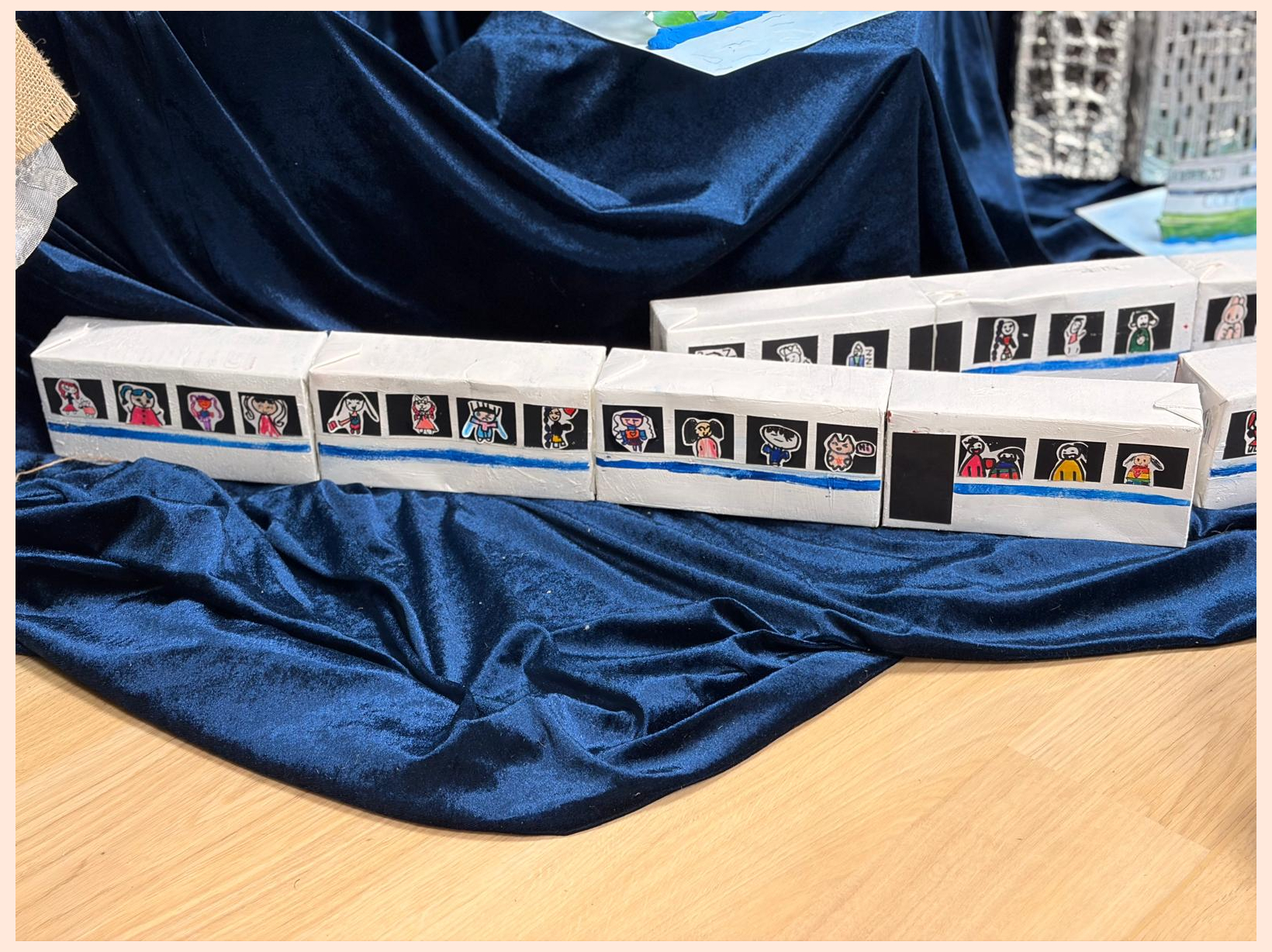
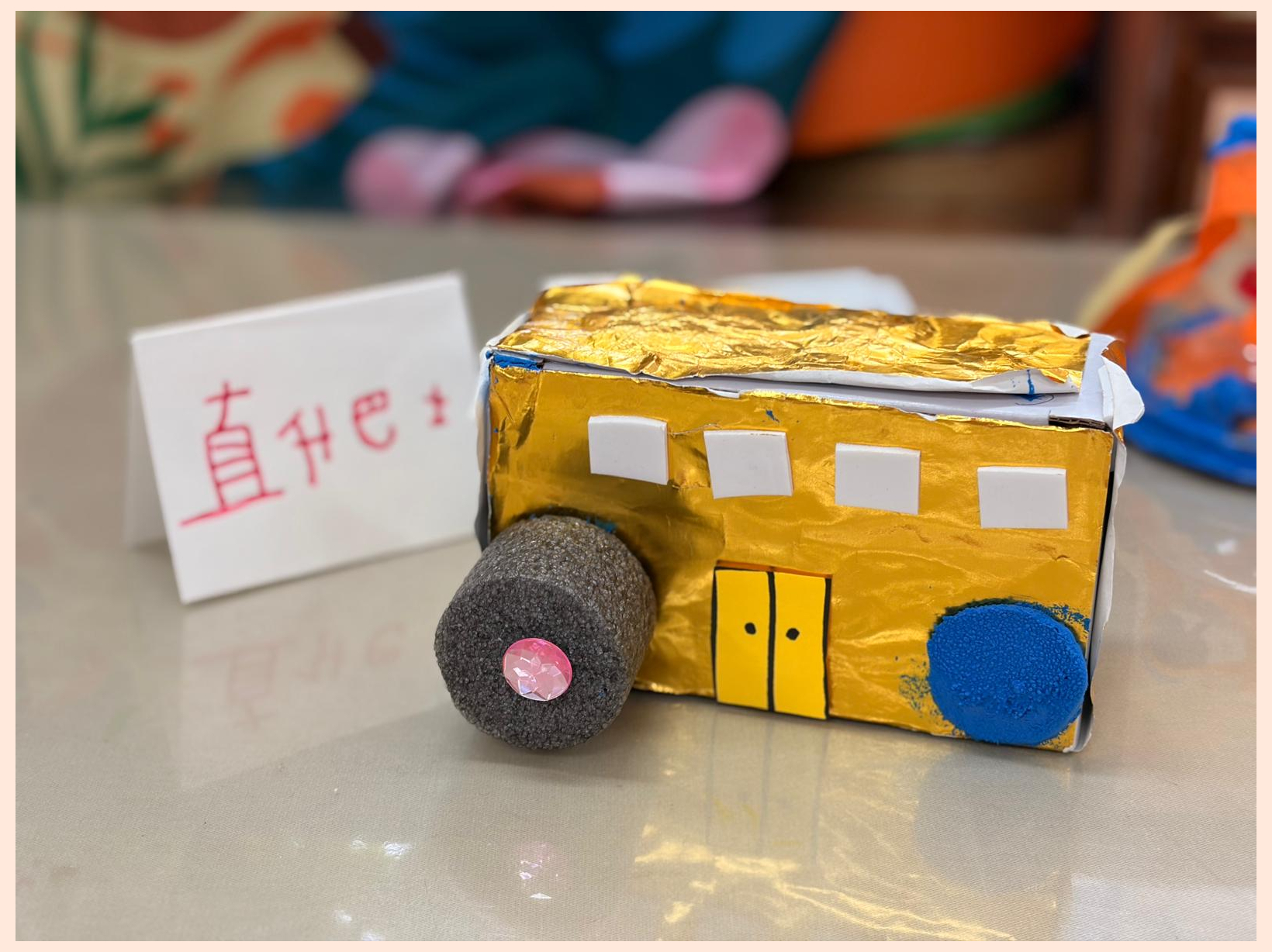
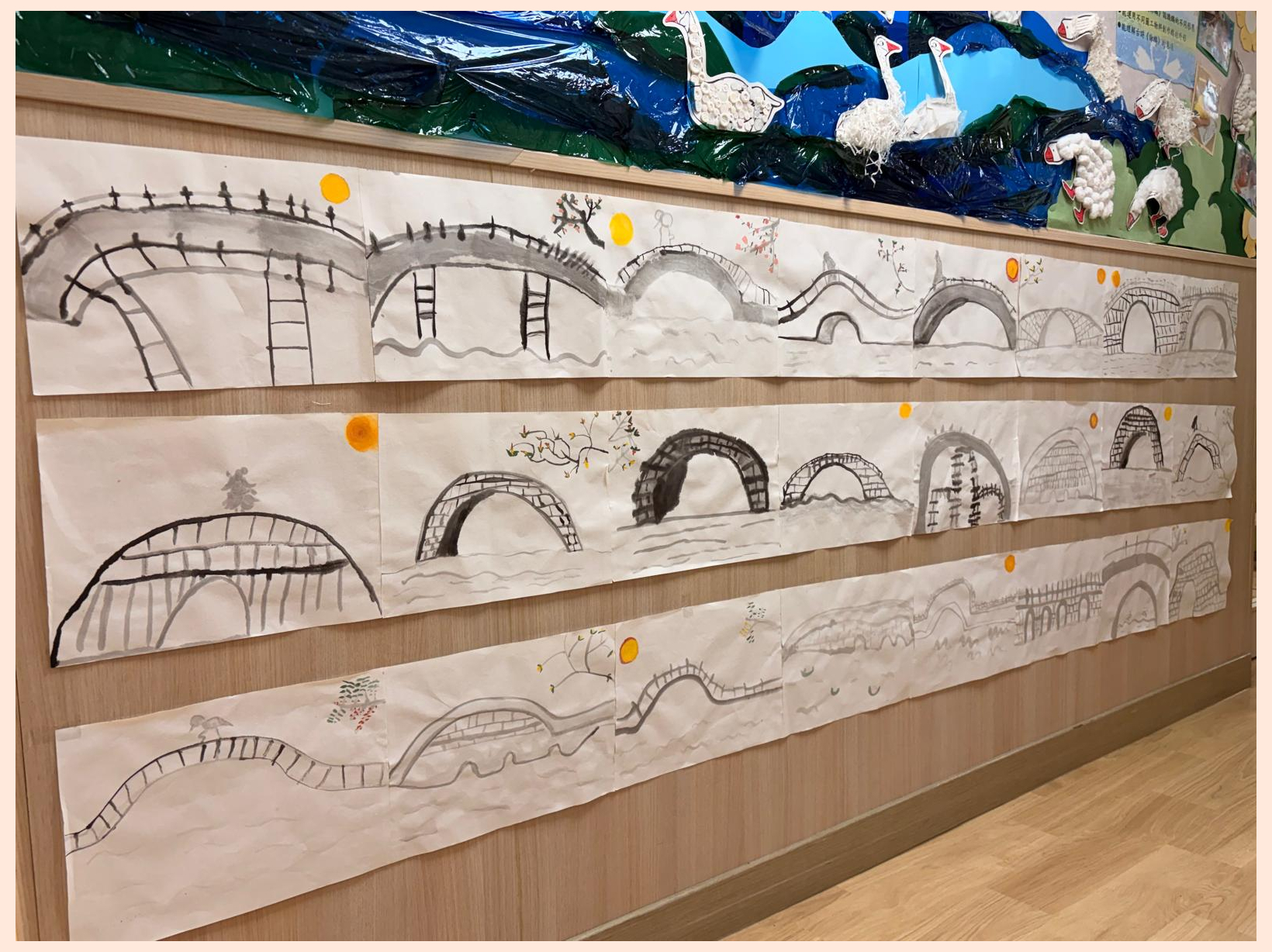
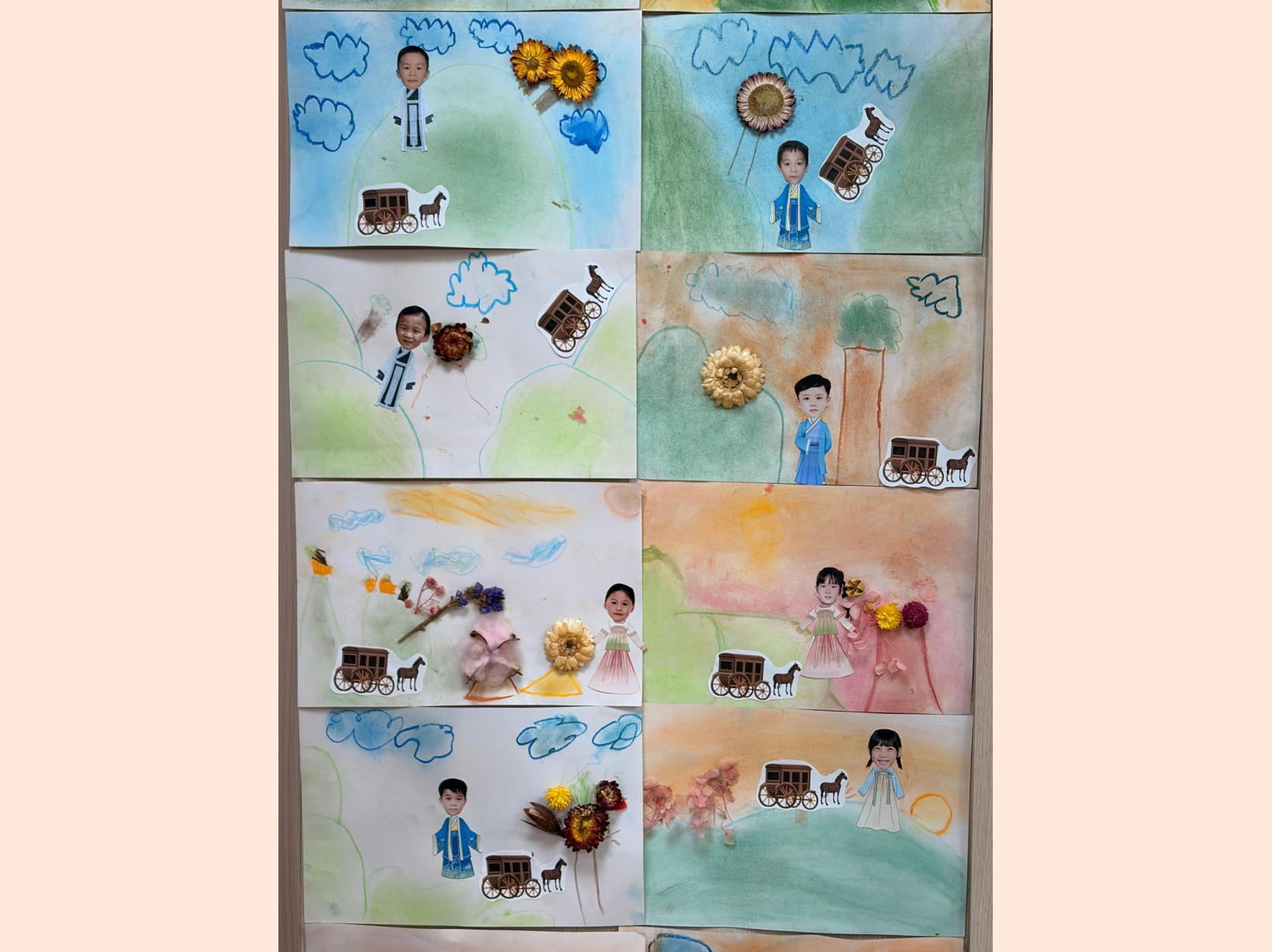
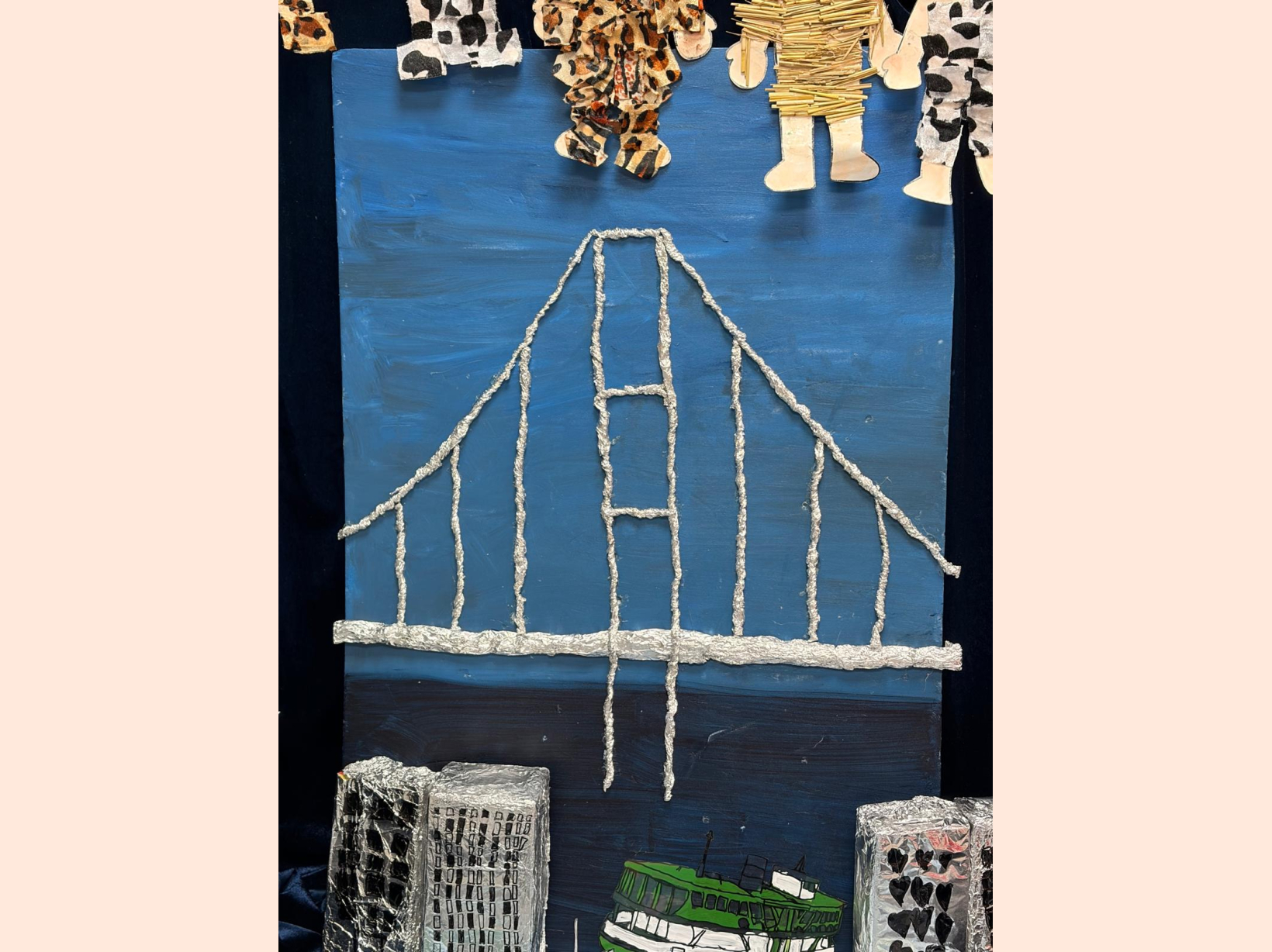
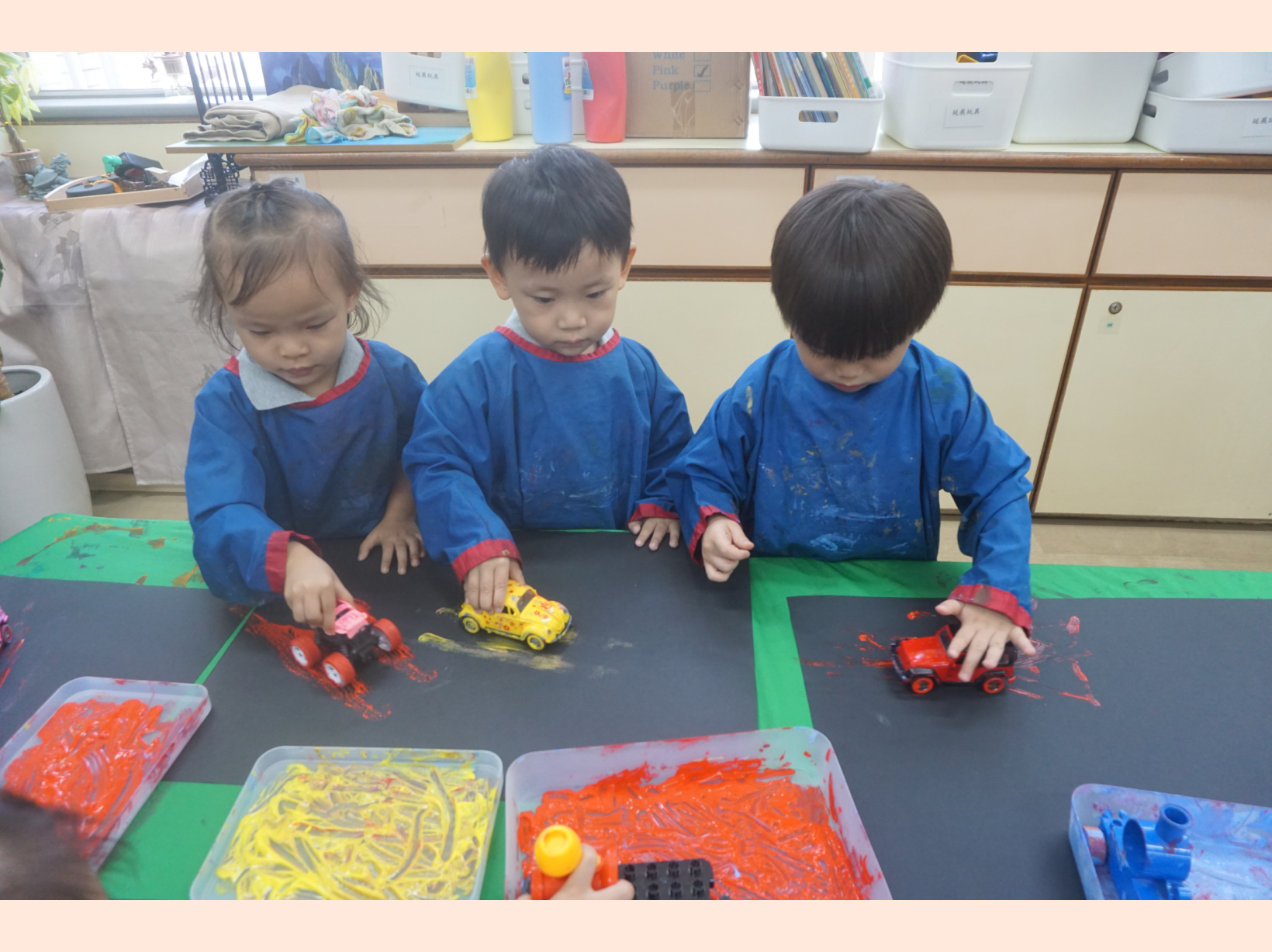
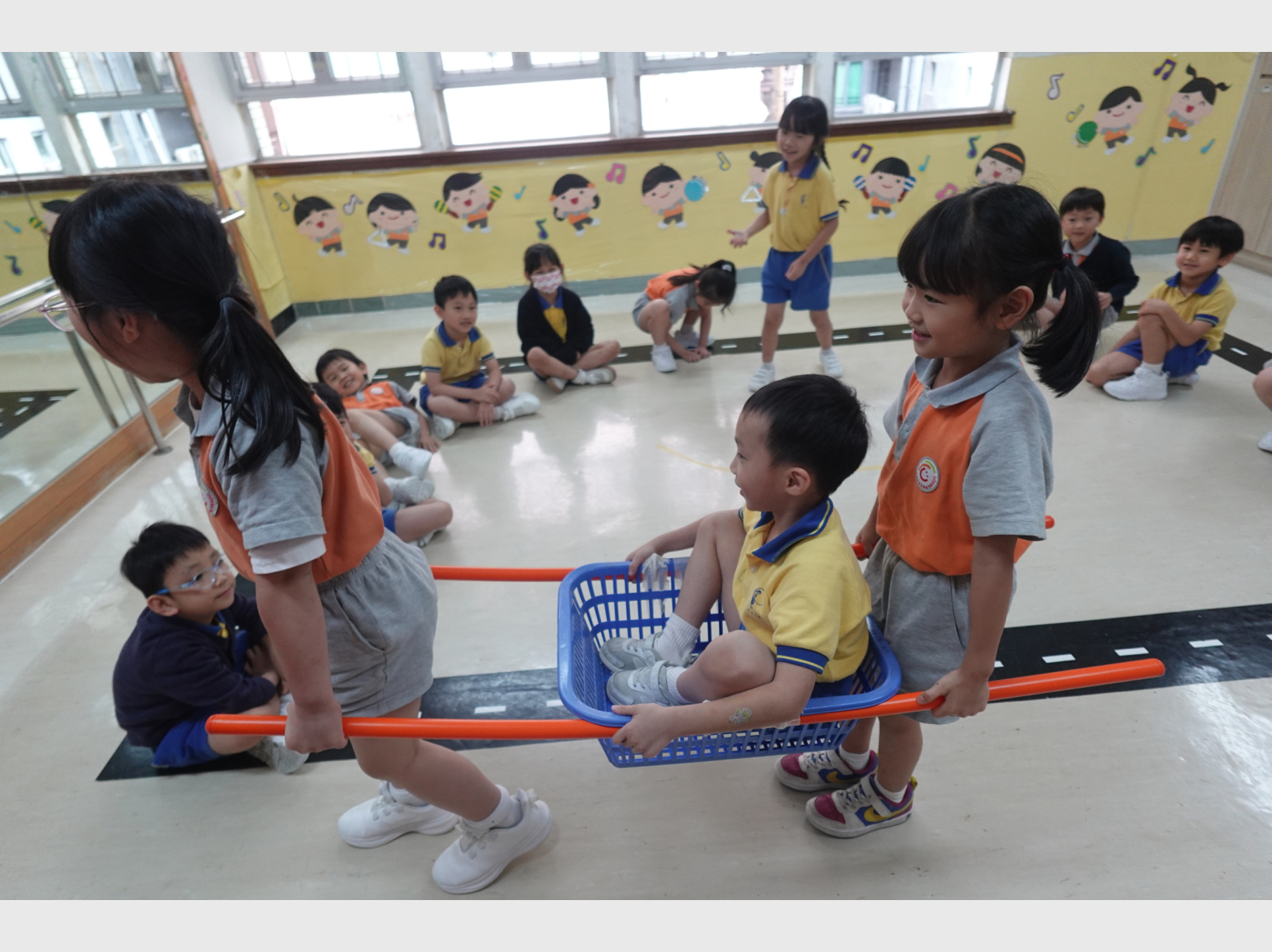
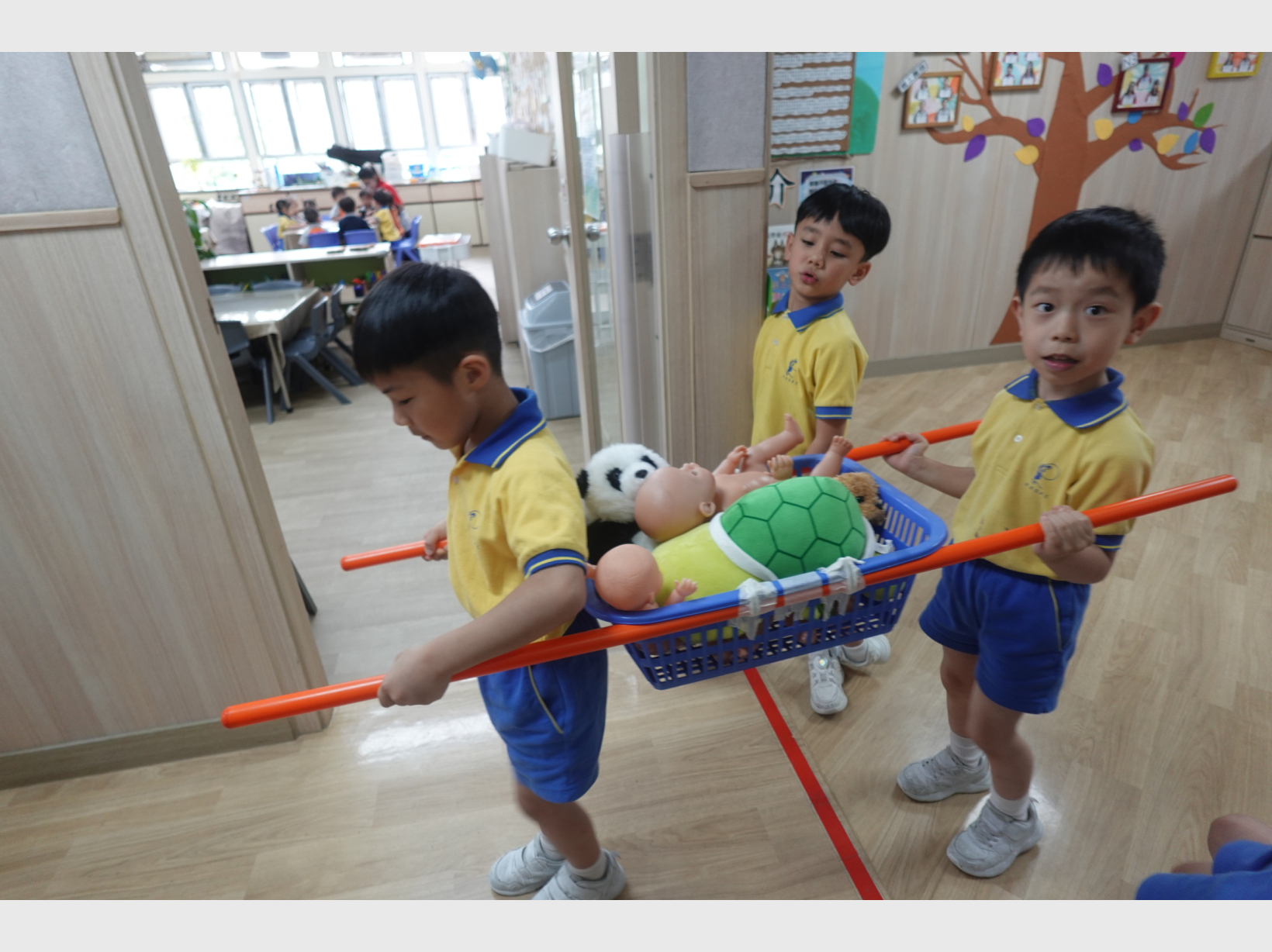
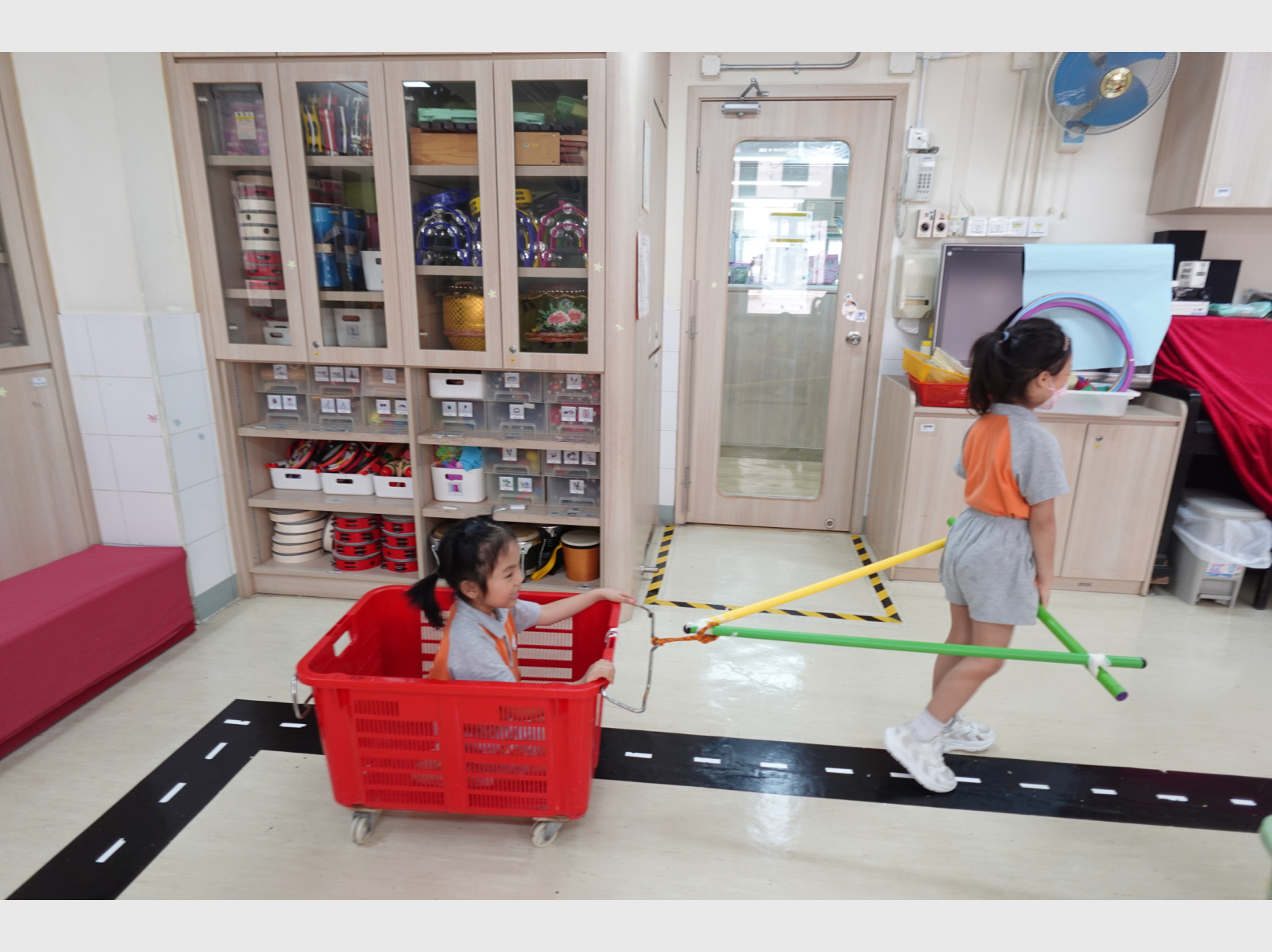
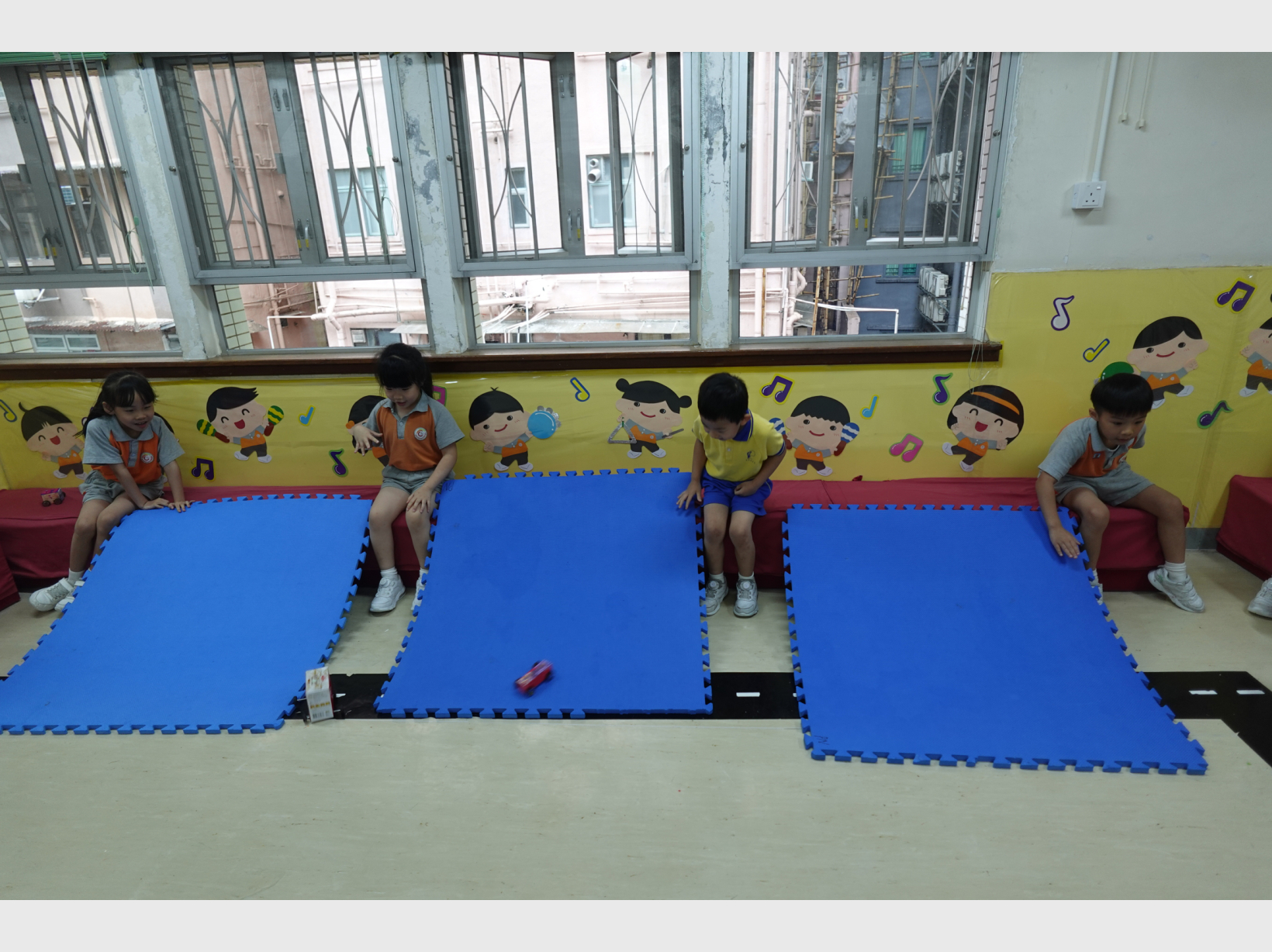
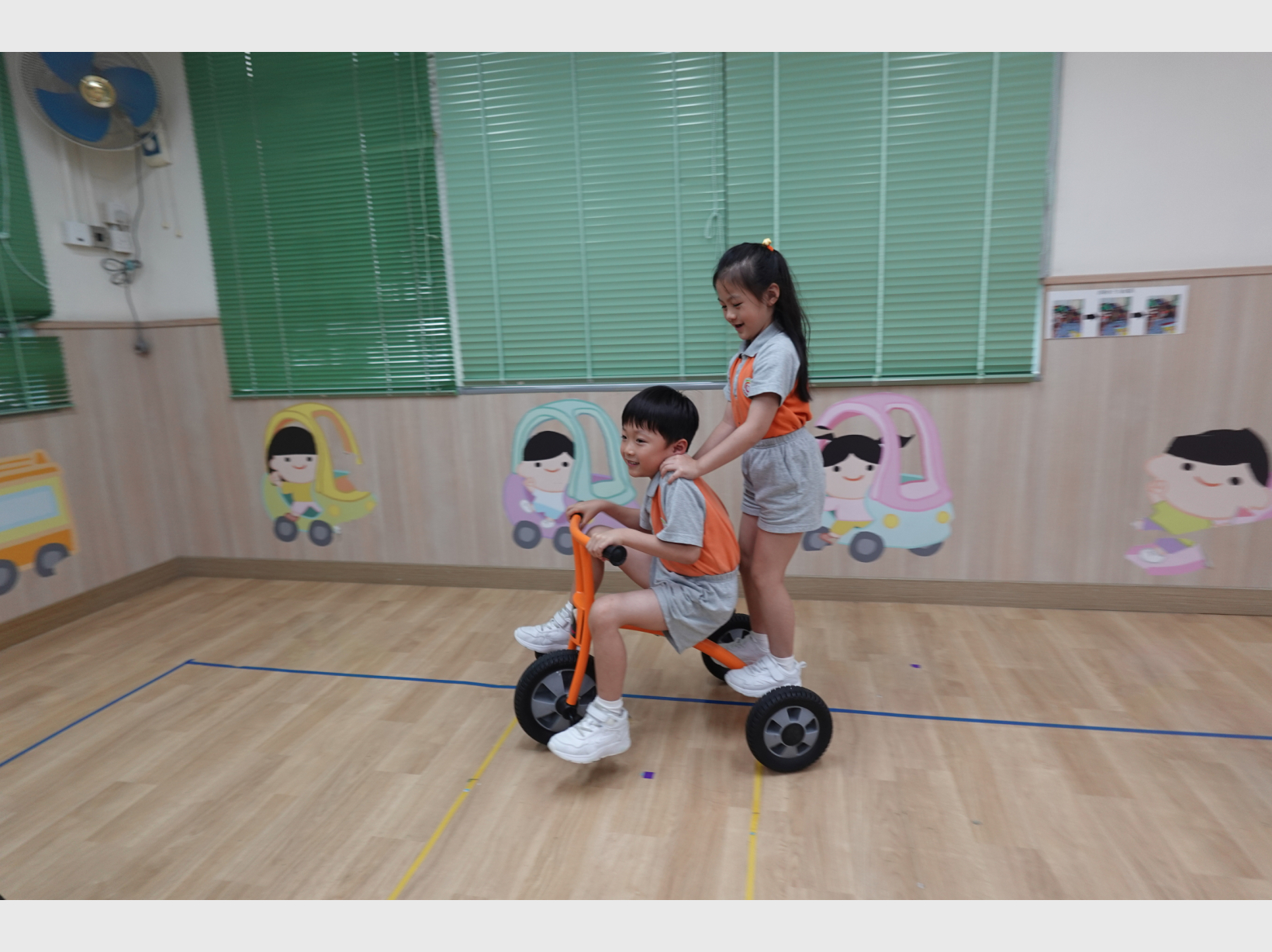
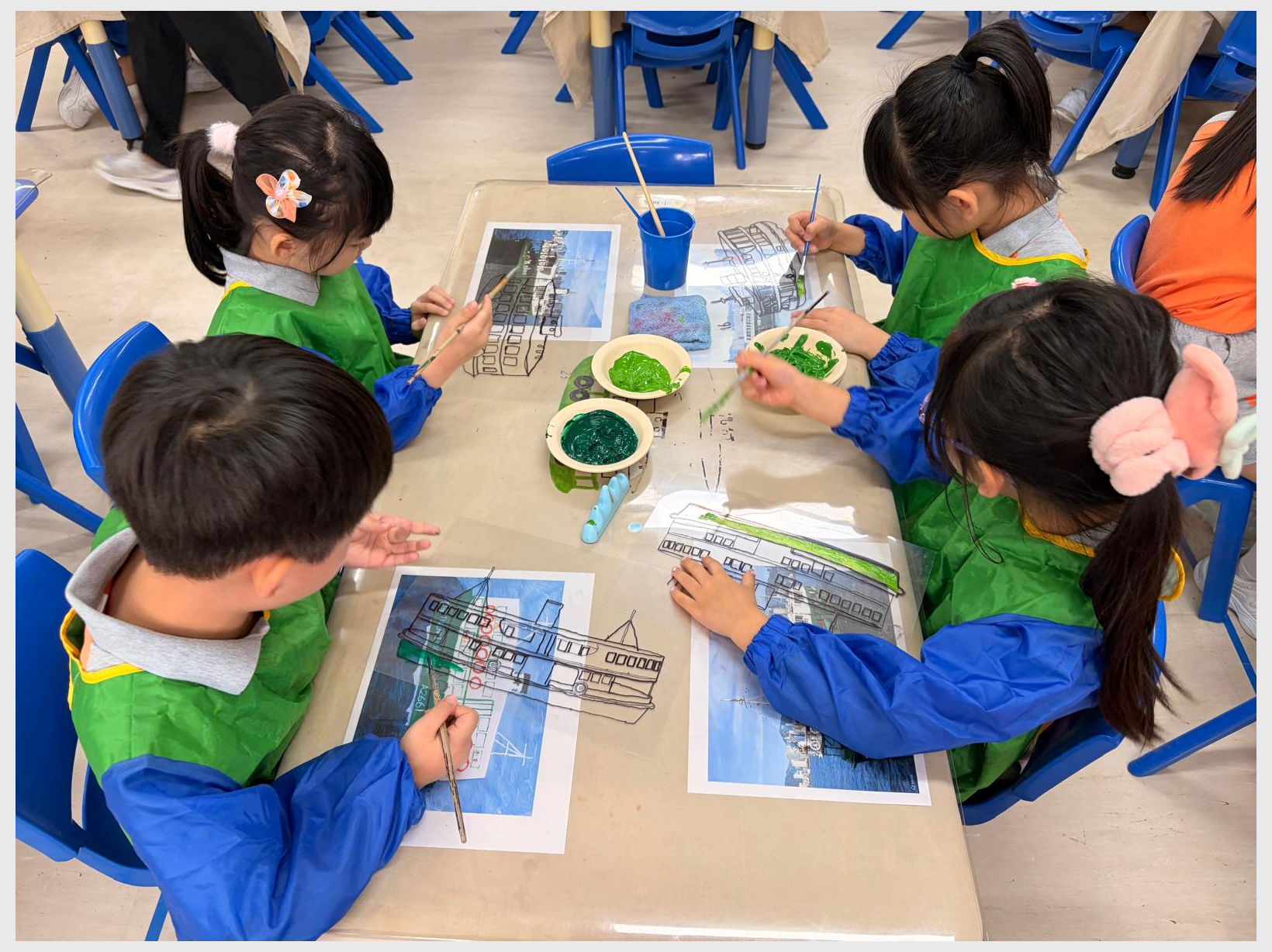
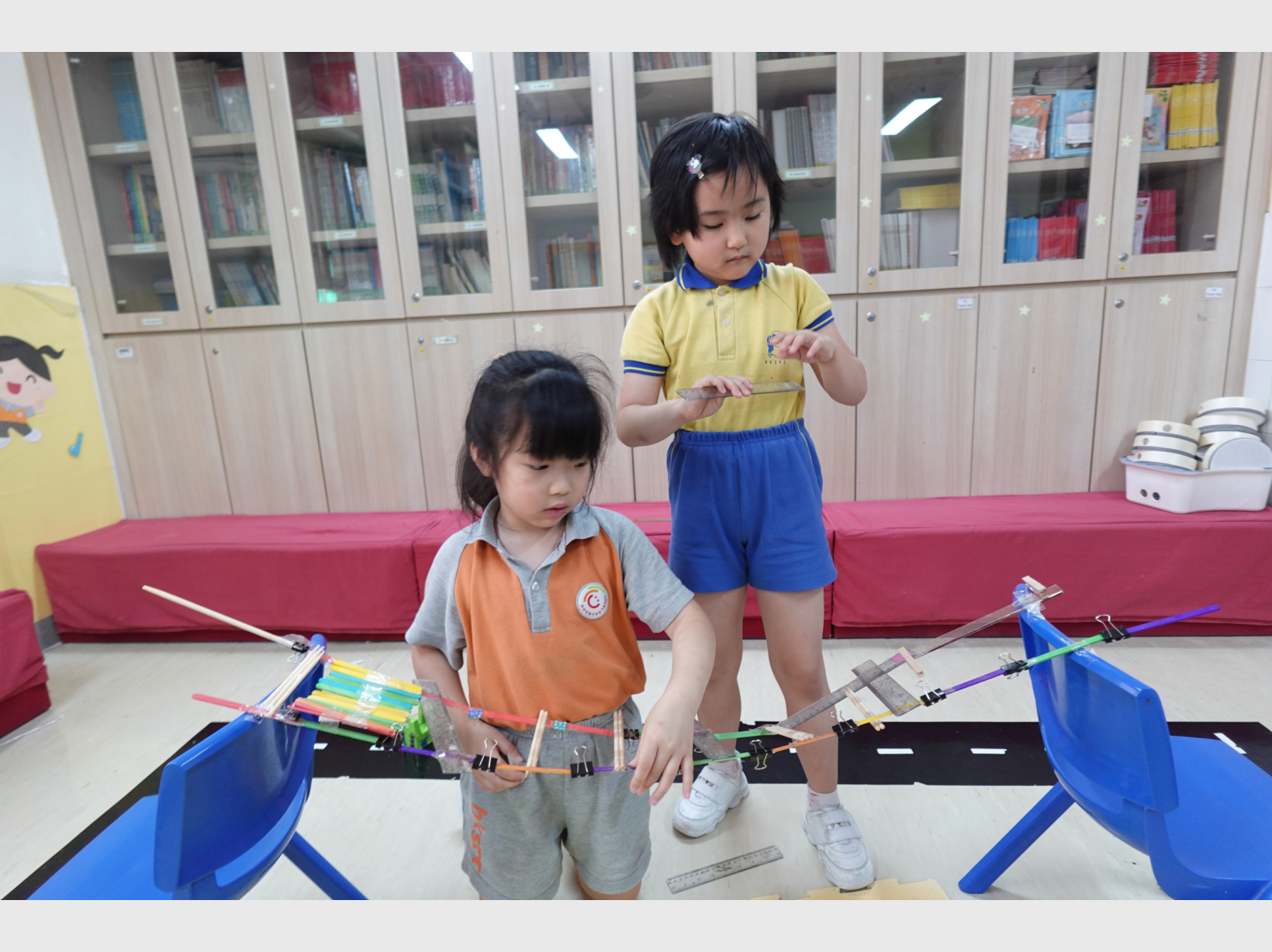
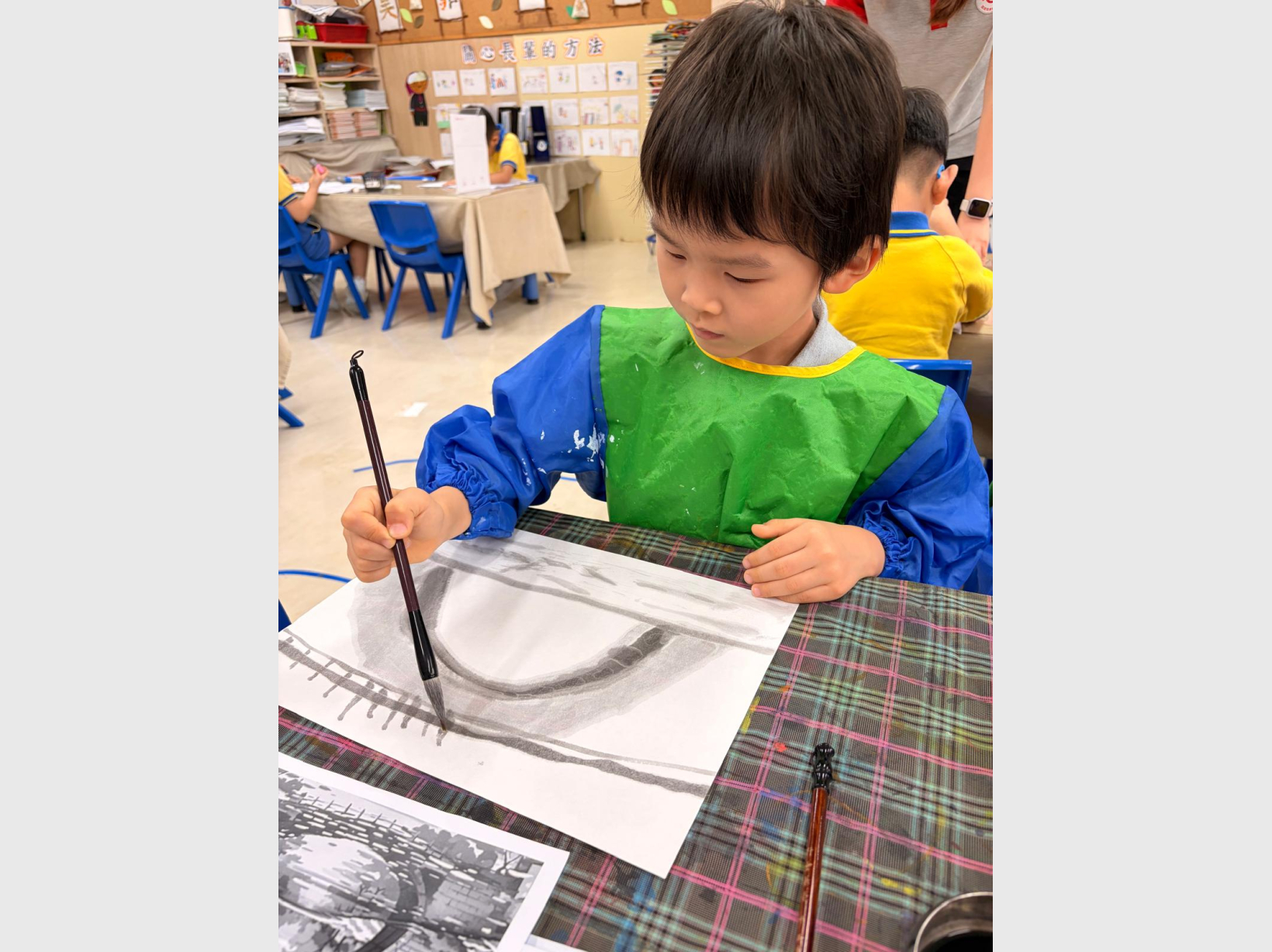
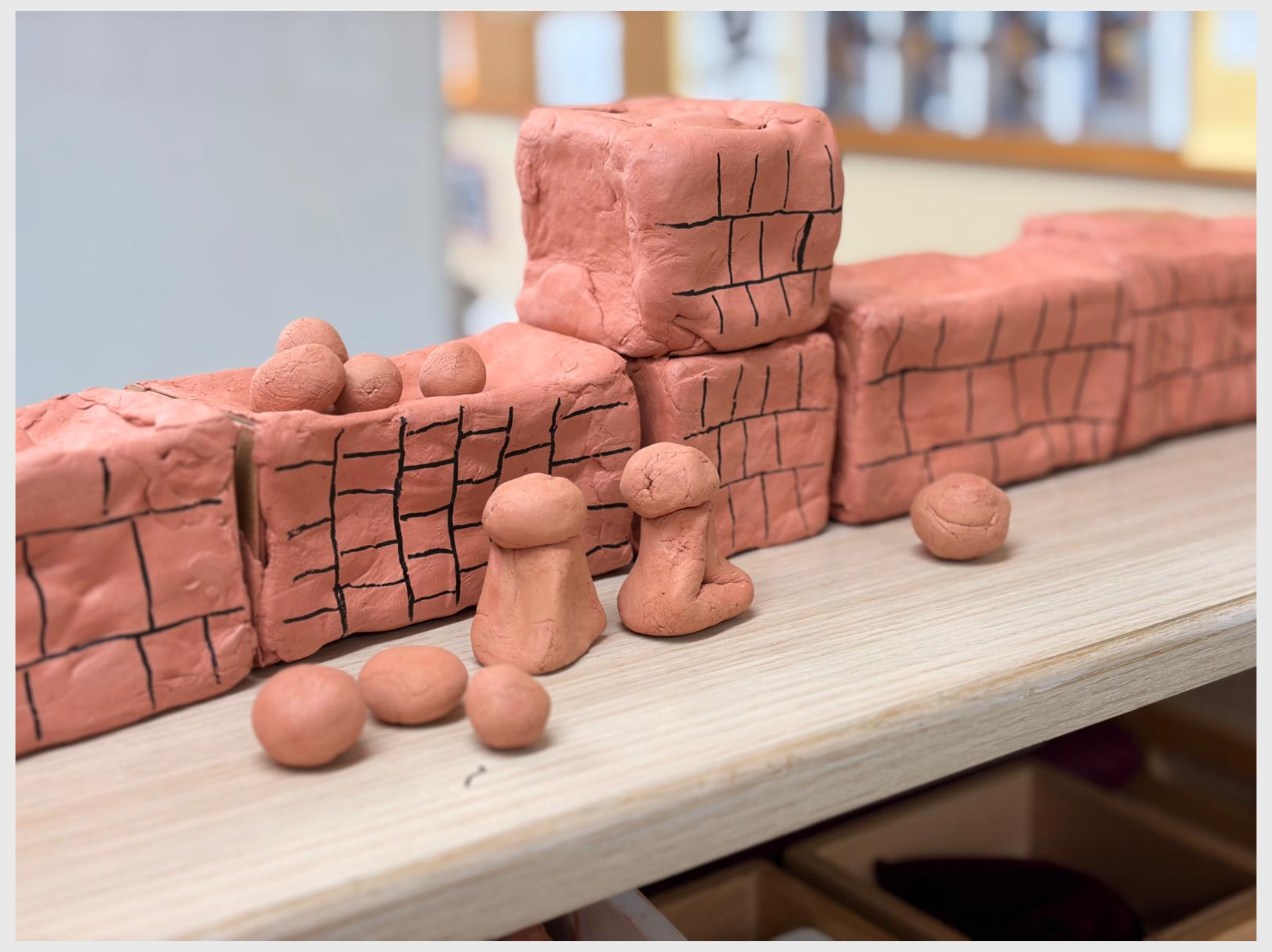
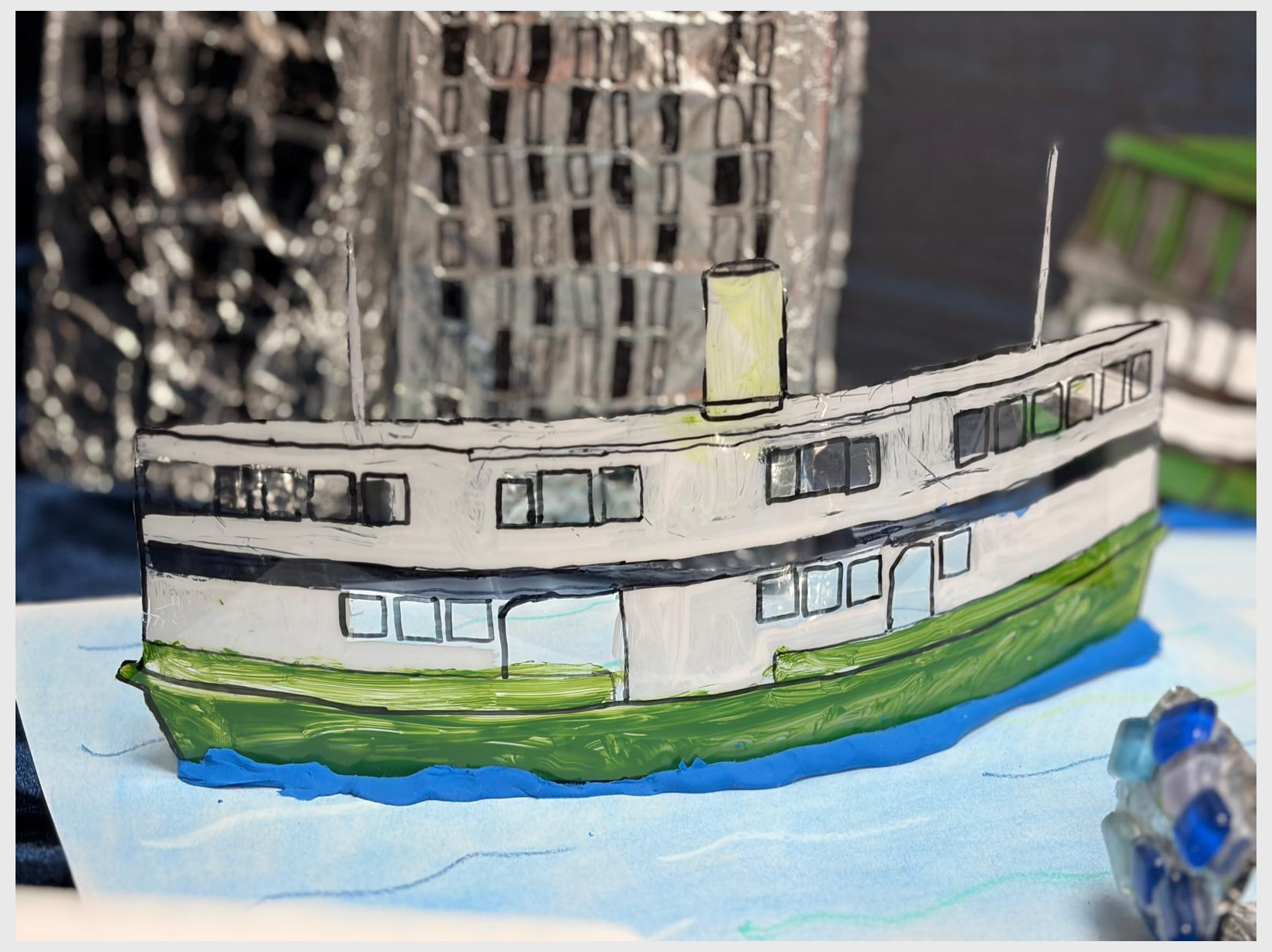
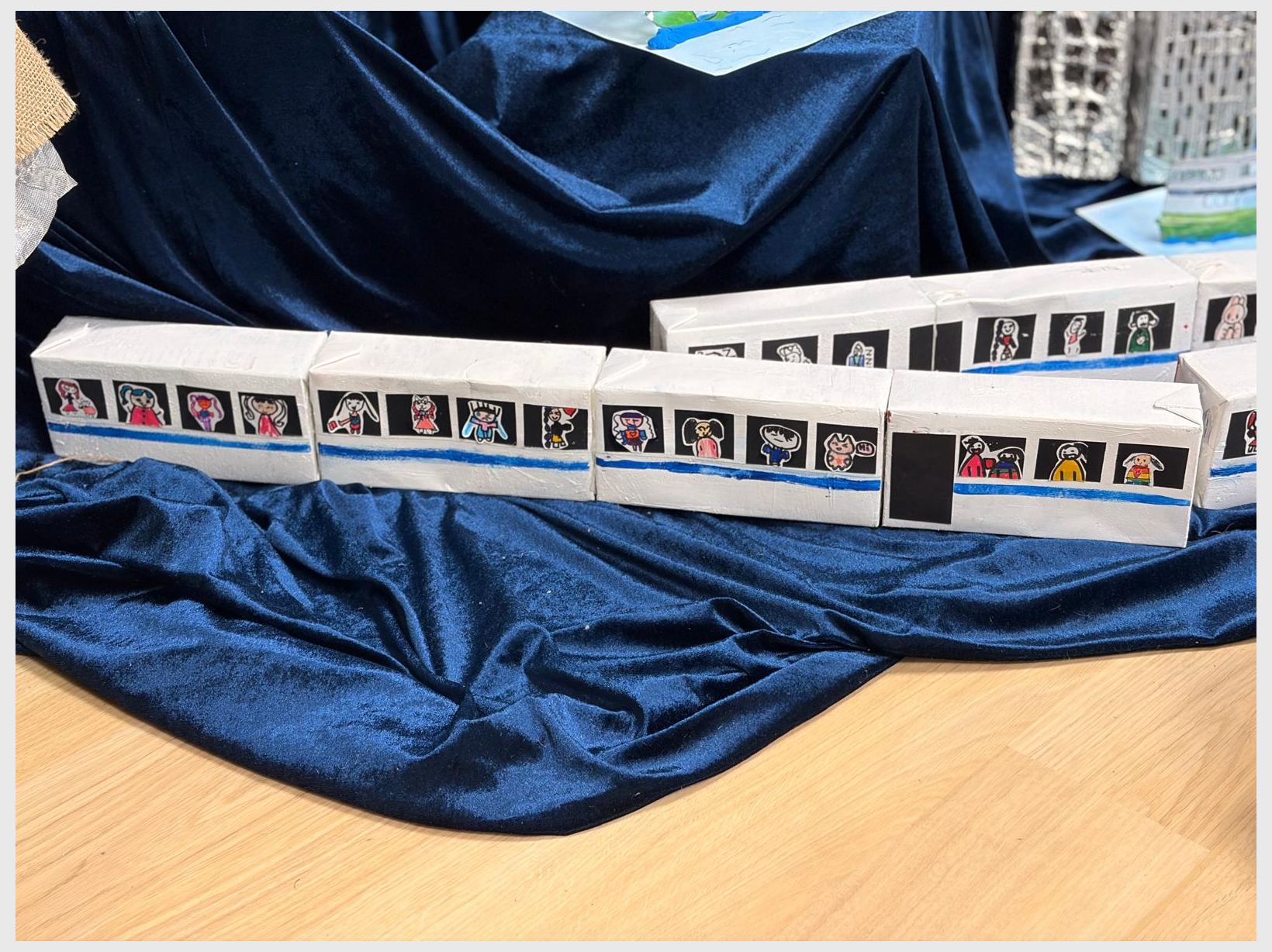
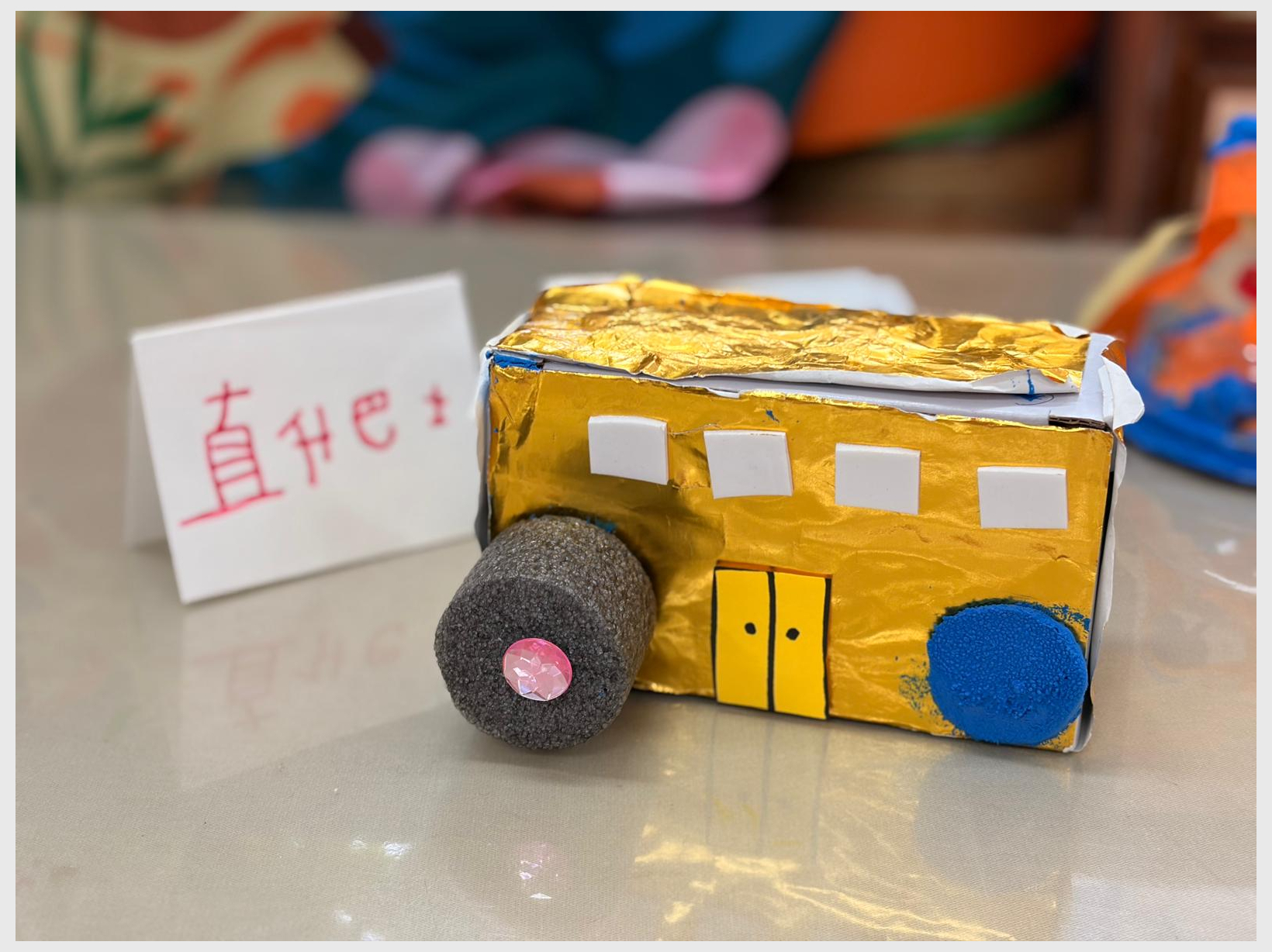
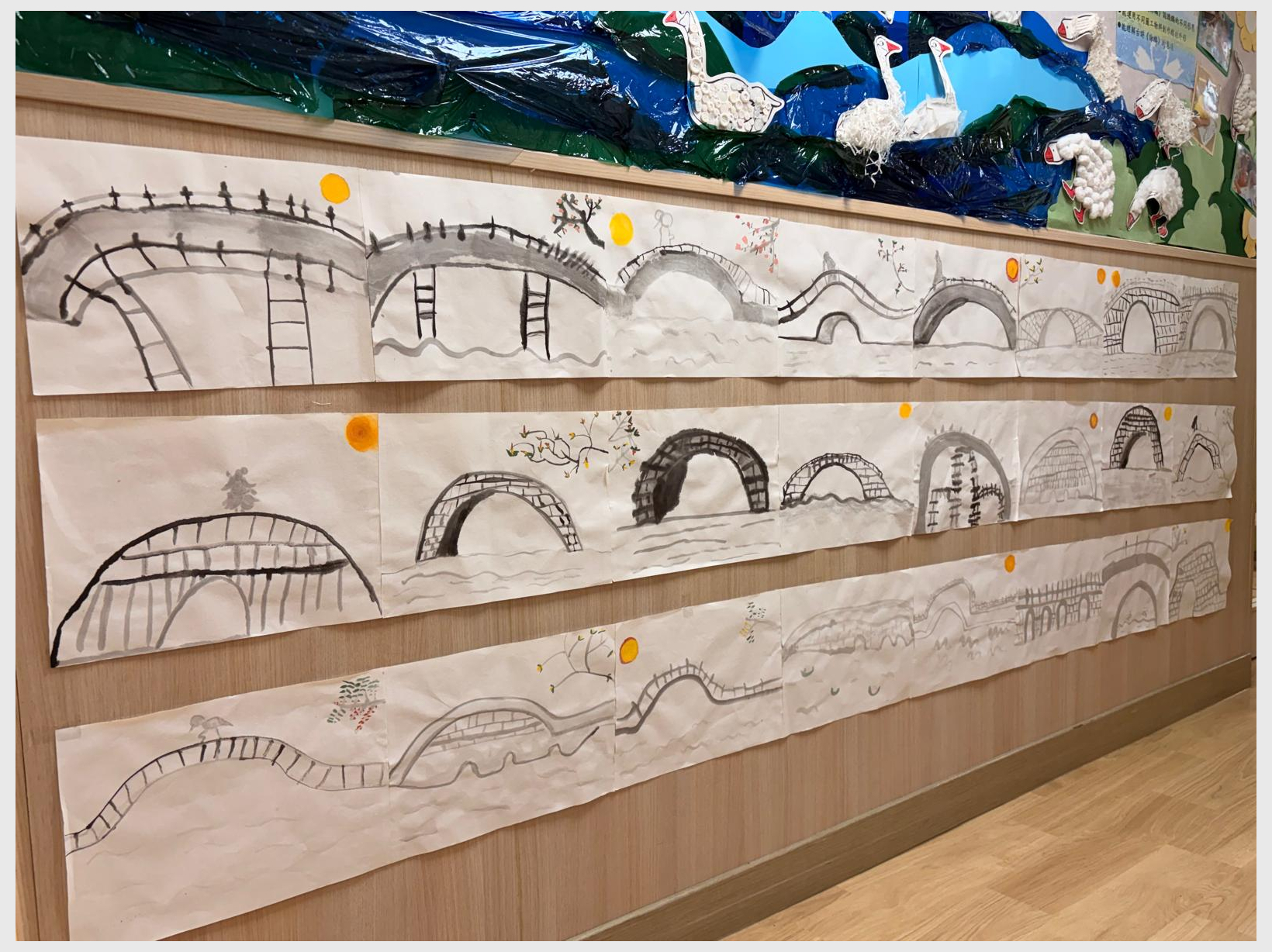
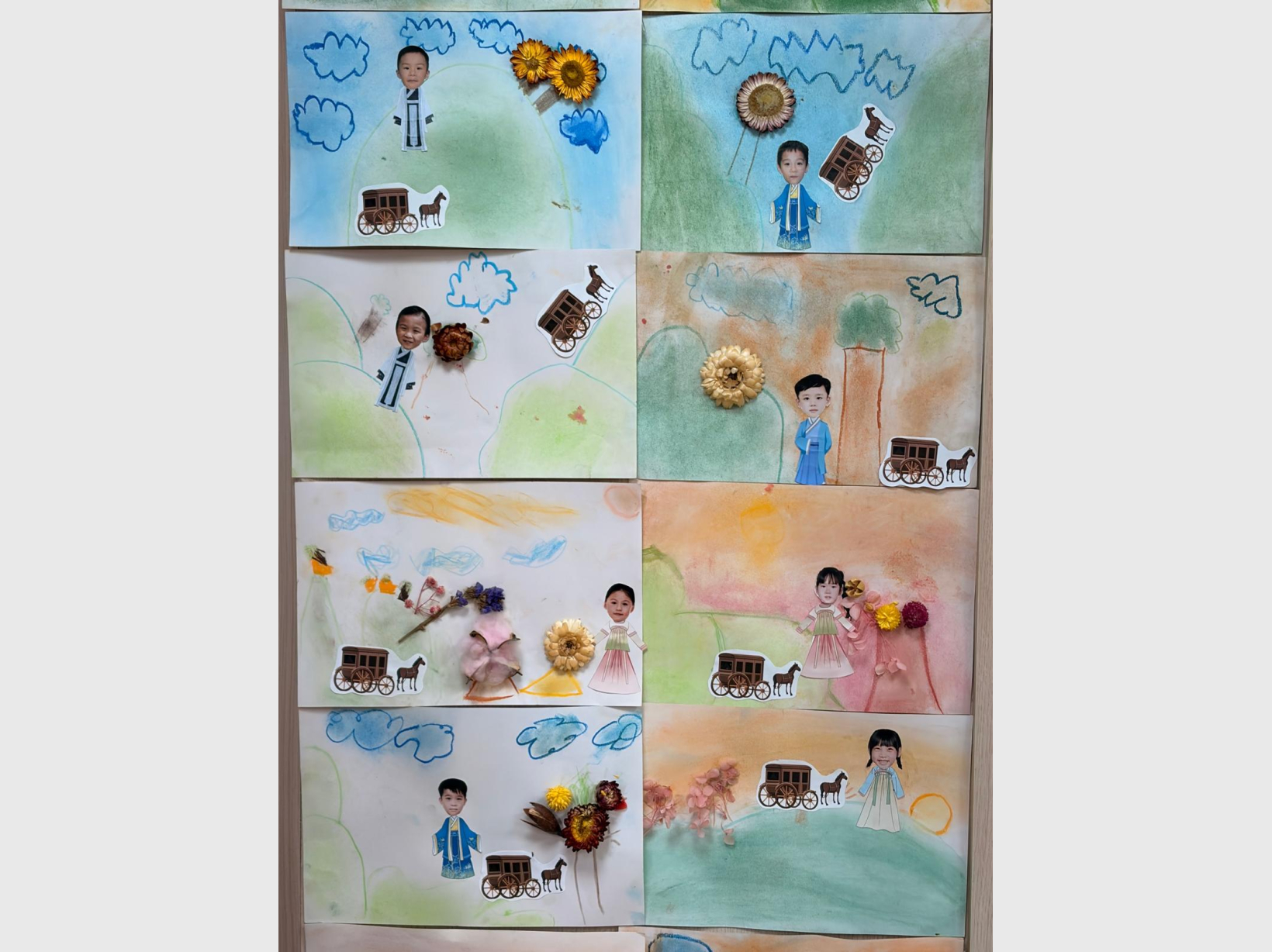
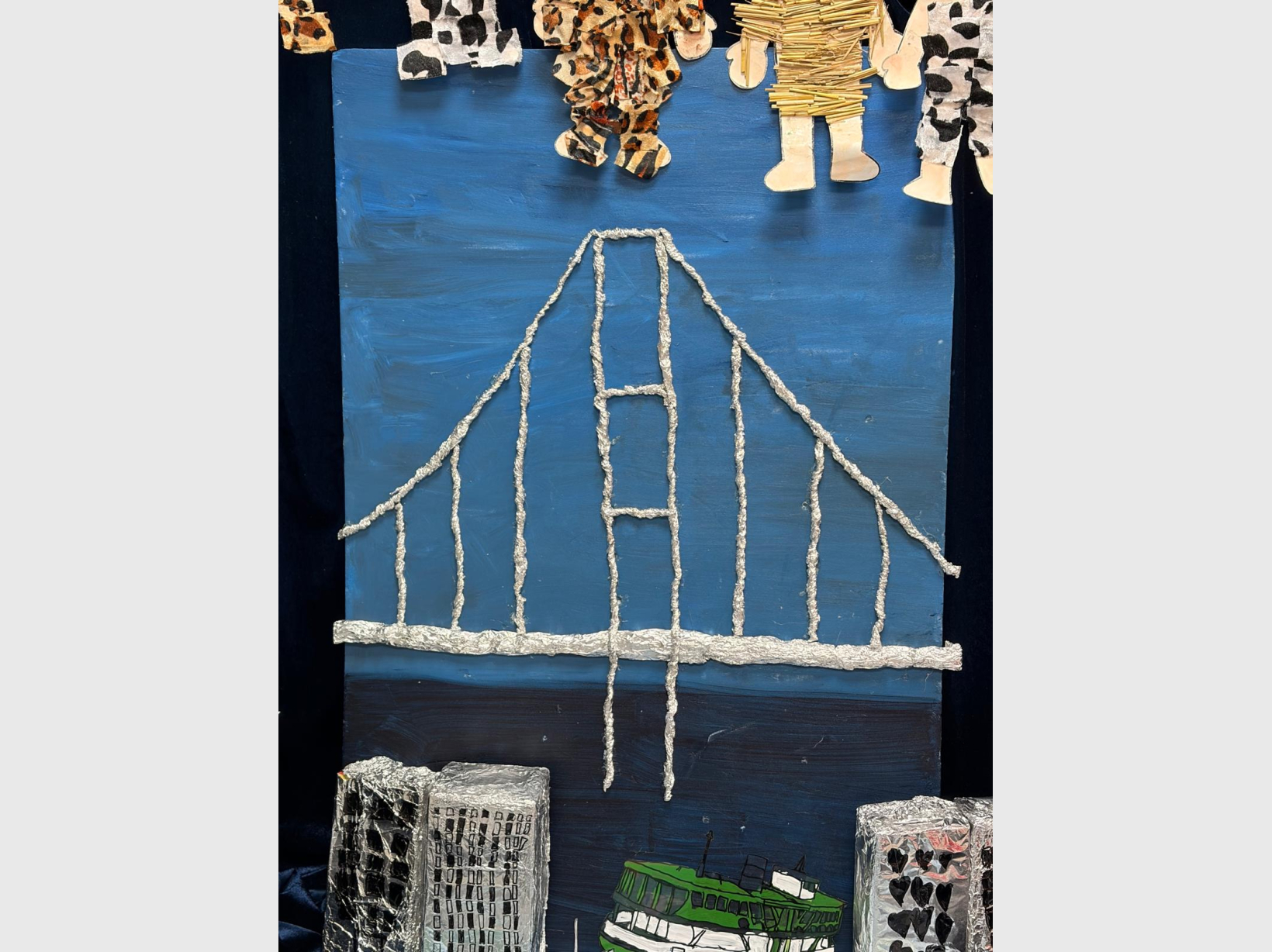
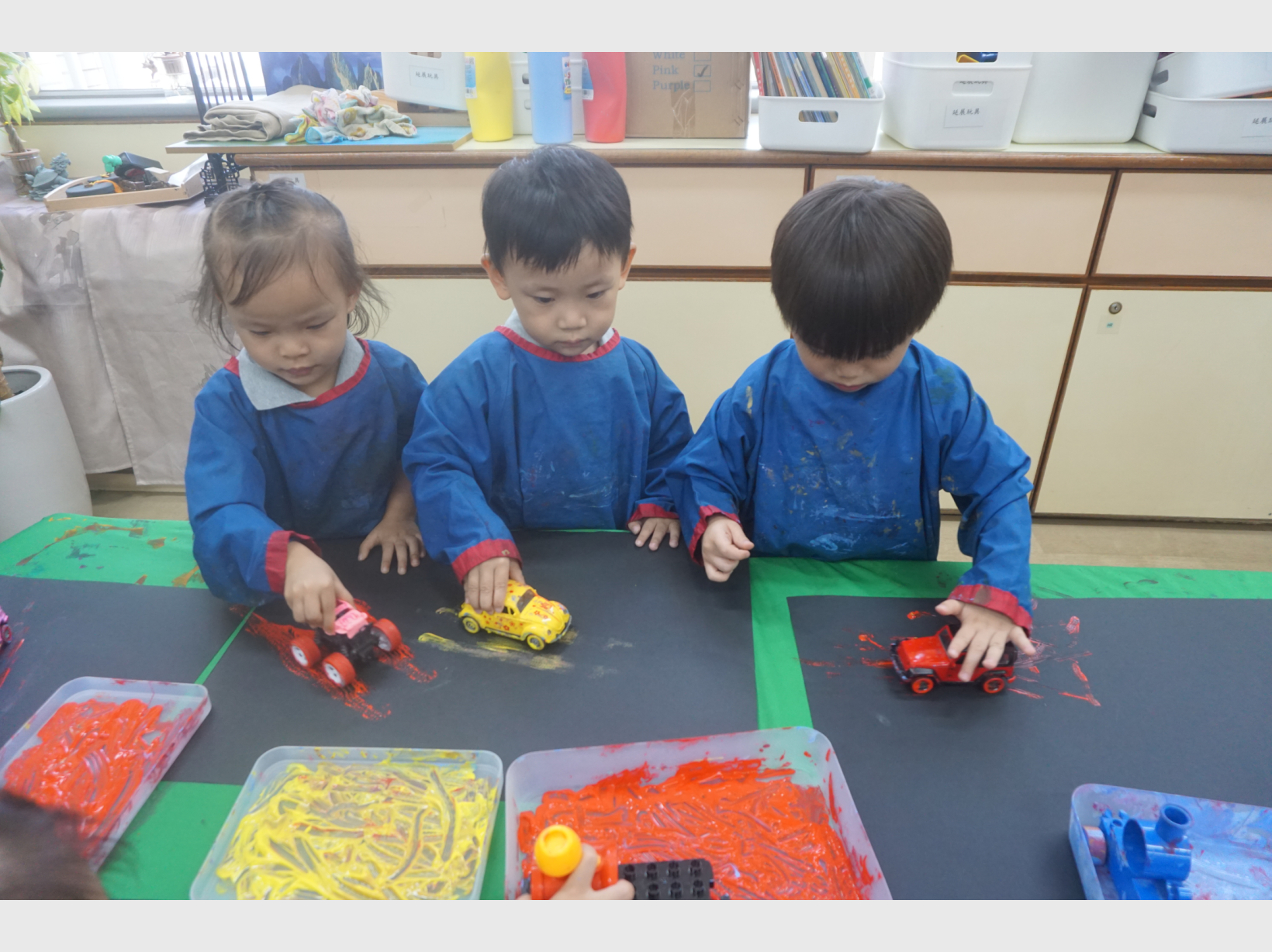
Through stories, exploratory activities, games, and interviews, N4 children learned about the development of transportation from ancient times to the present. This helped guide them to appreciate the wisdom of ancient Chinese people and the progress of modern technology. The children created works such as imaginative landscape mountain paintings, a model of the Great Wall, a Chinese-style arch bridge in ink painting, the Tsing Ma Bridge by day and night, the Star Ferry, high-speed rail, future city transportation planning maps, and future means of transport.
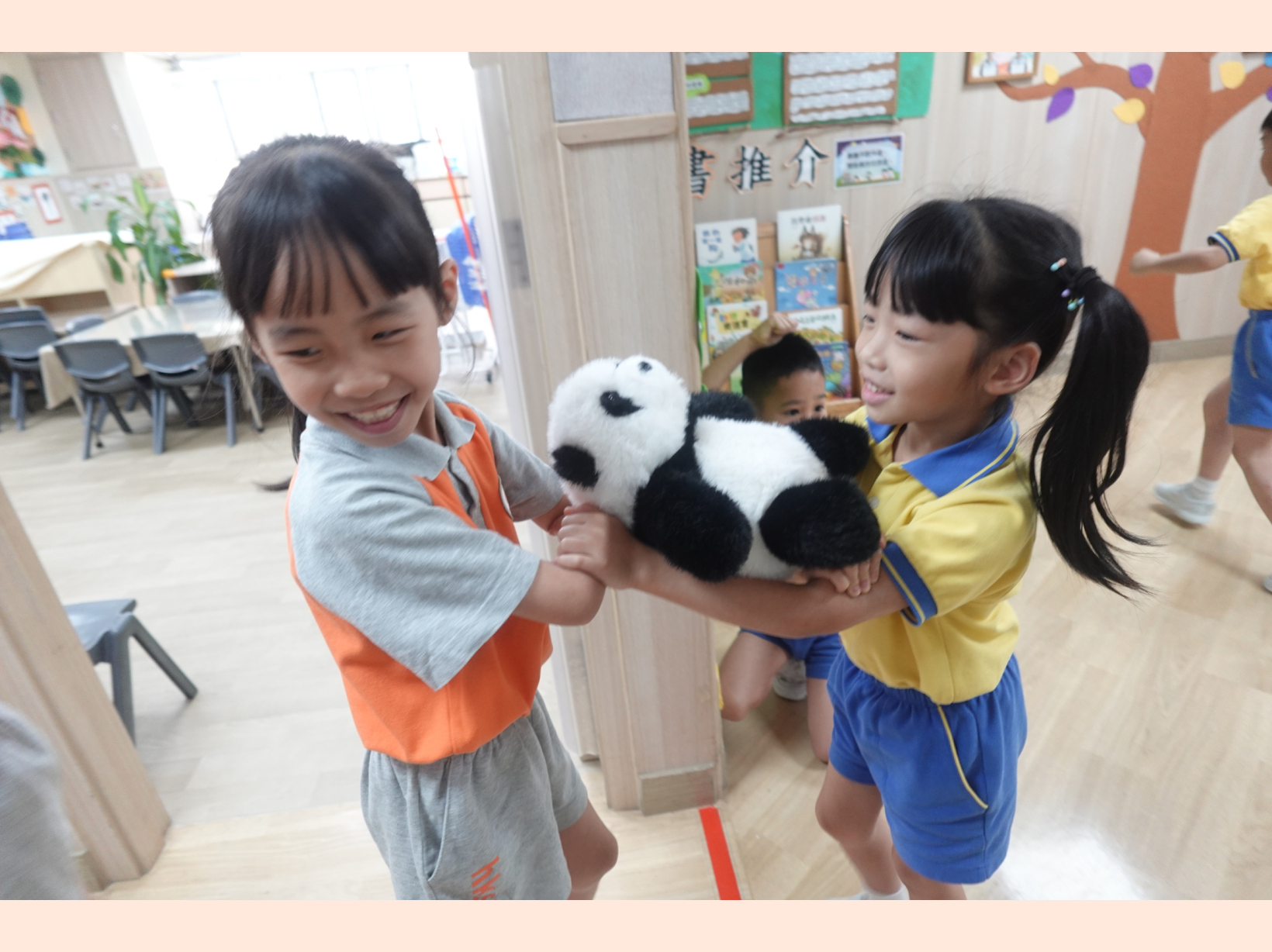
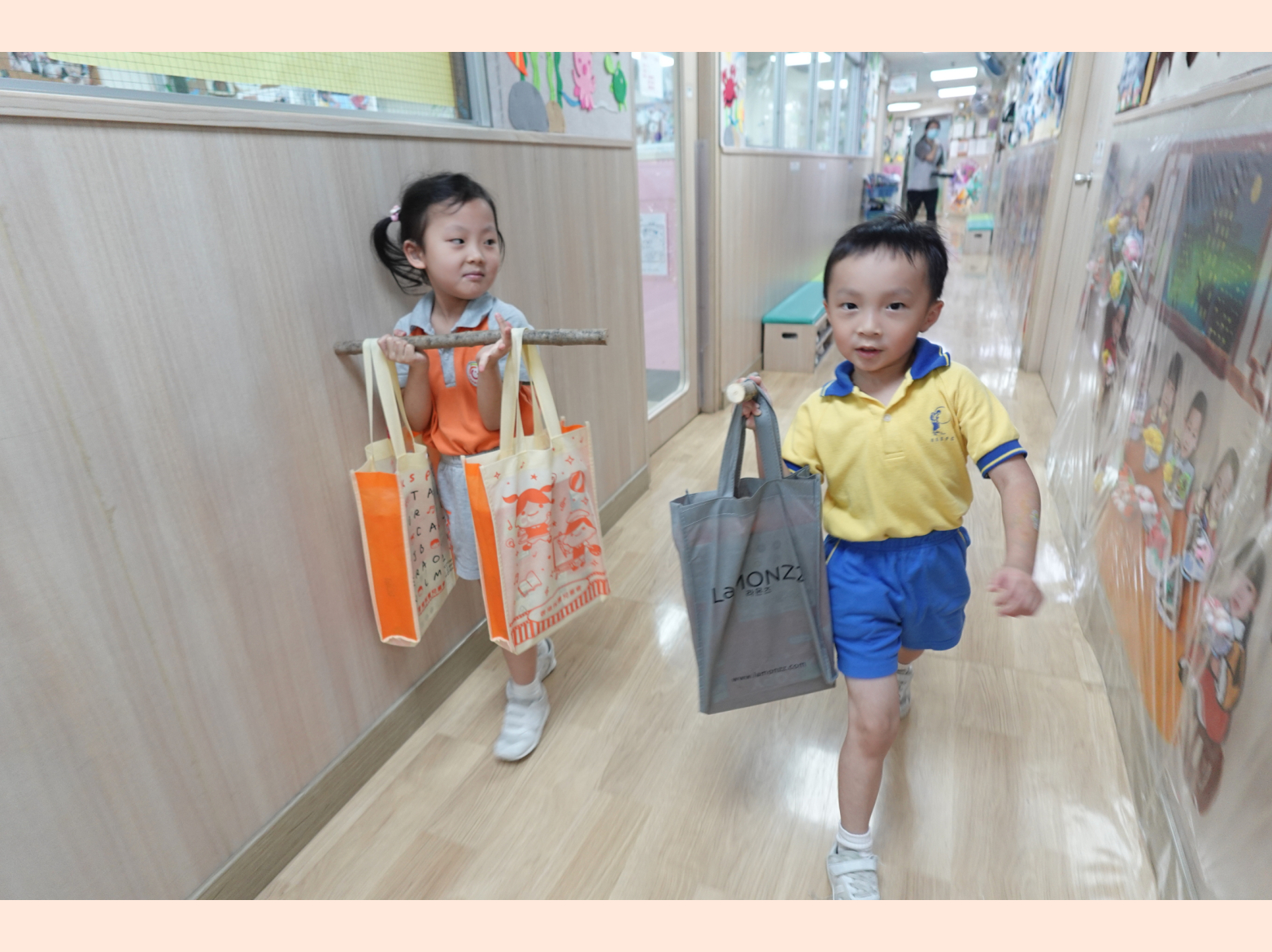
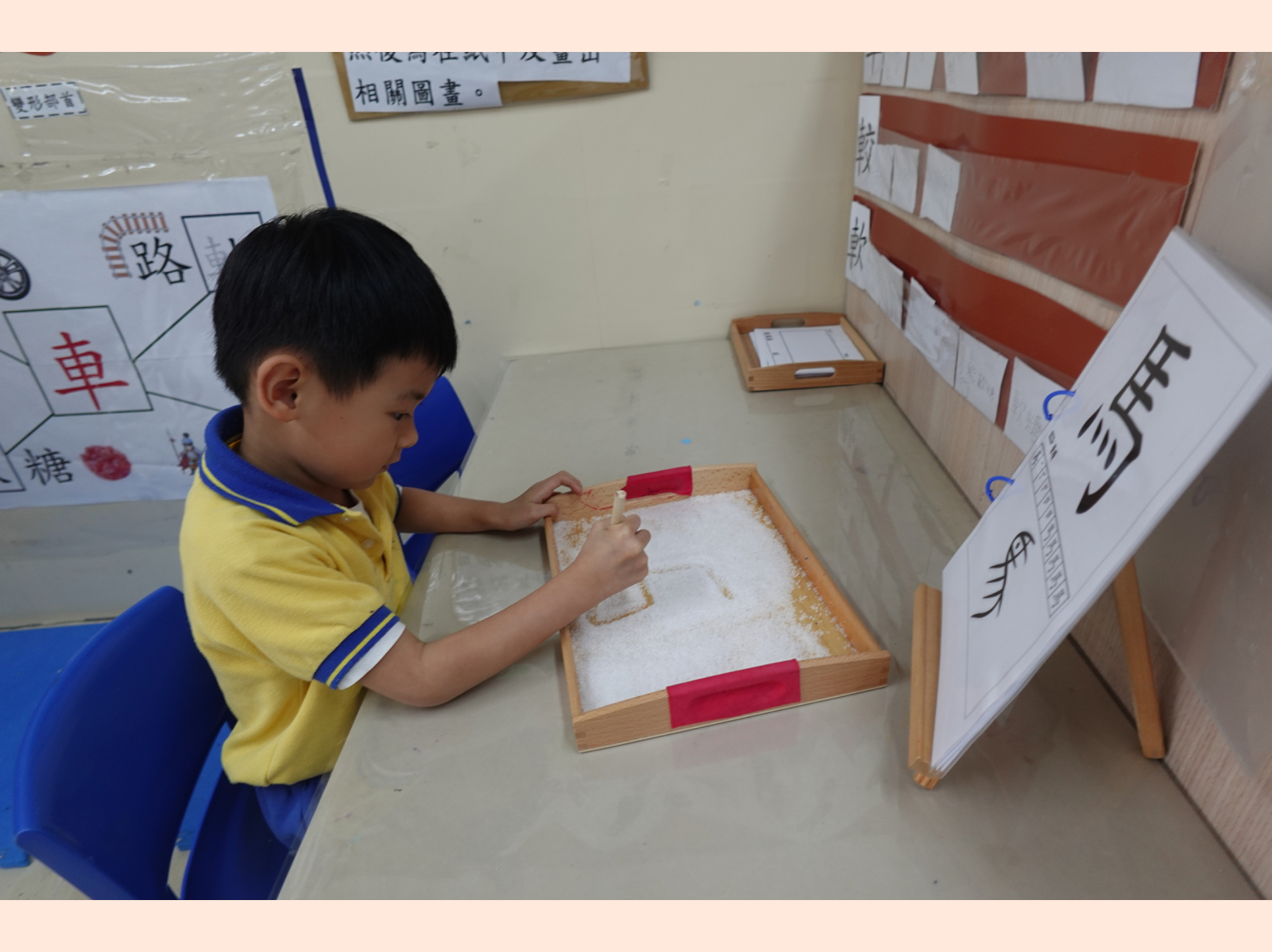
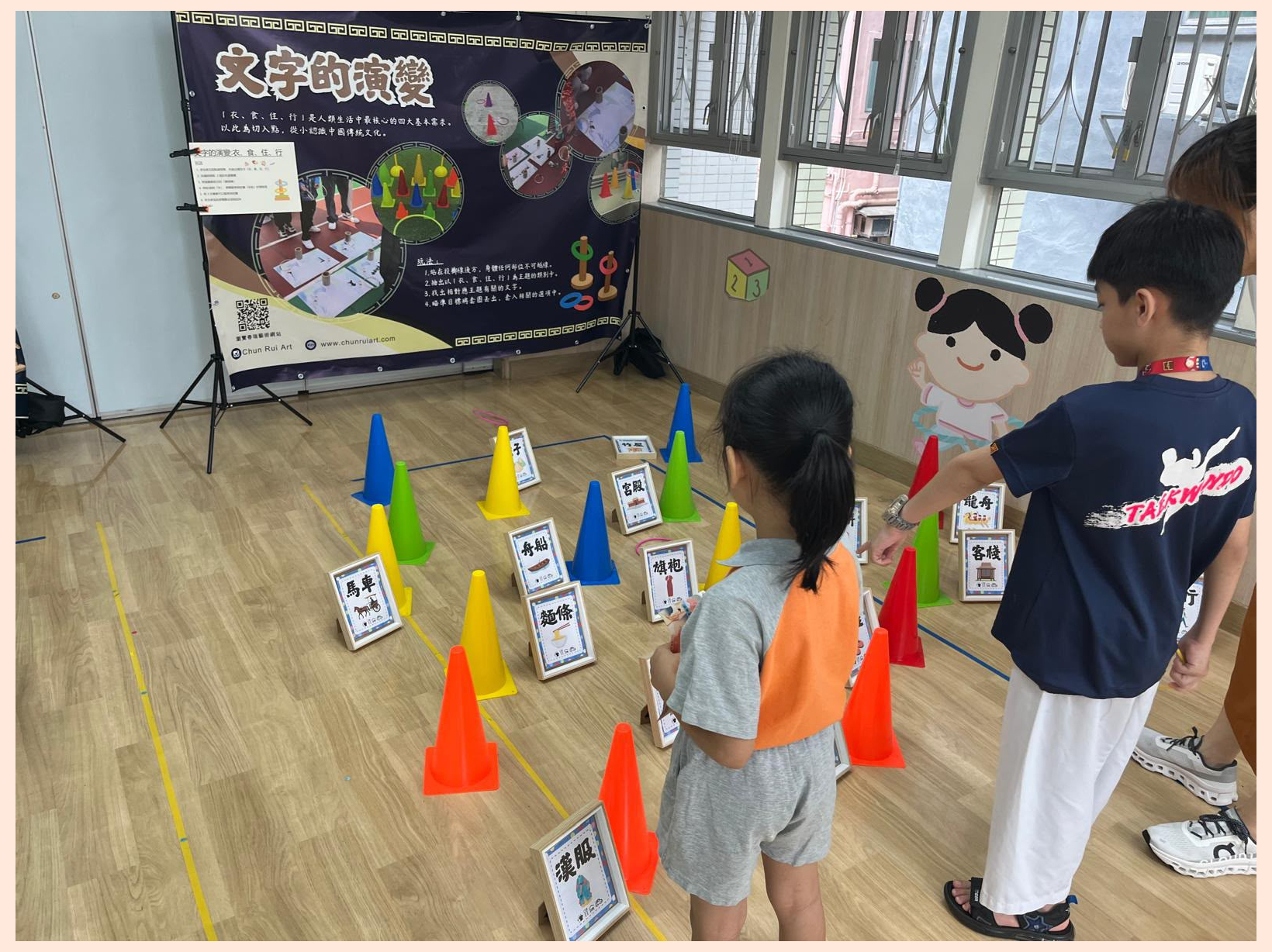
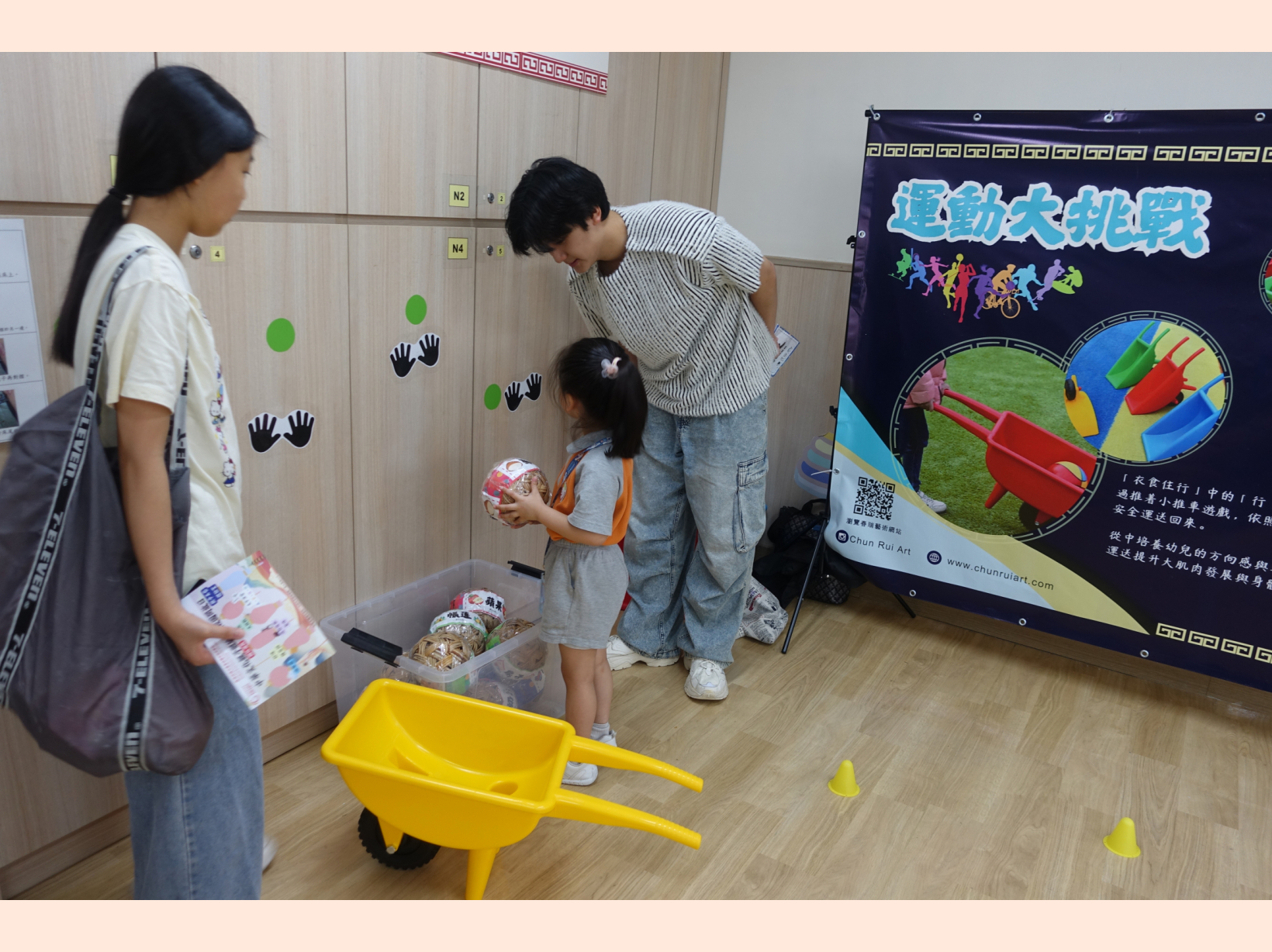
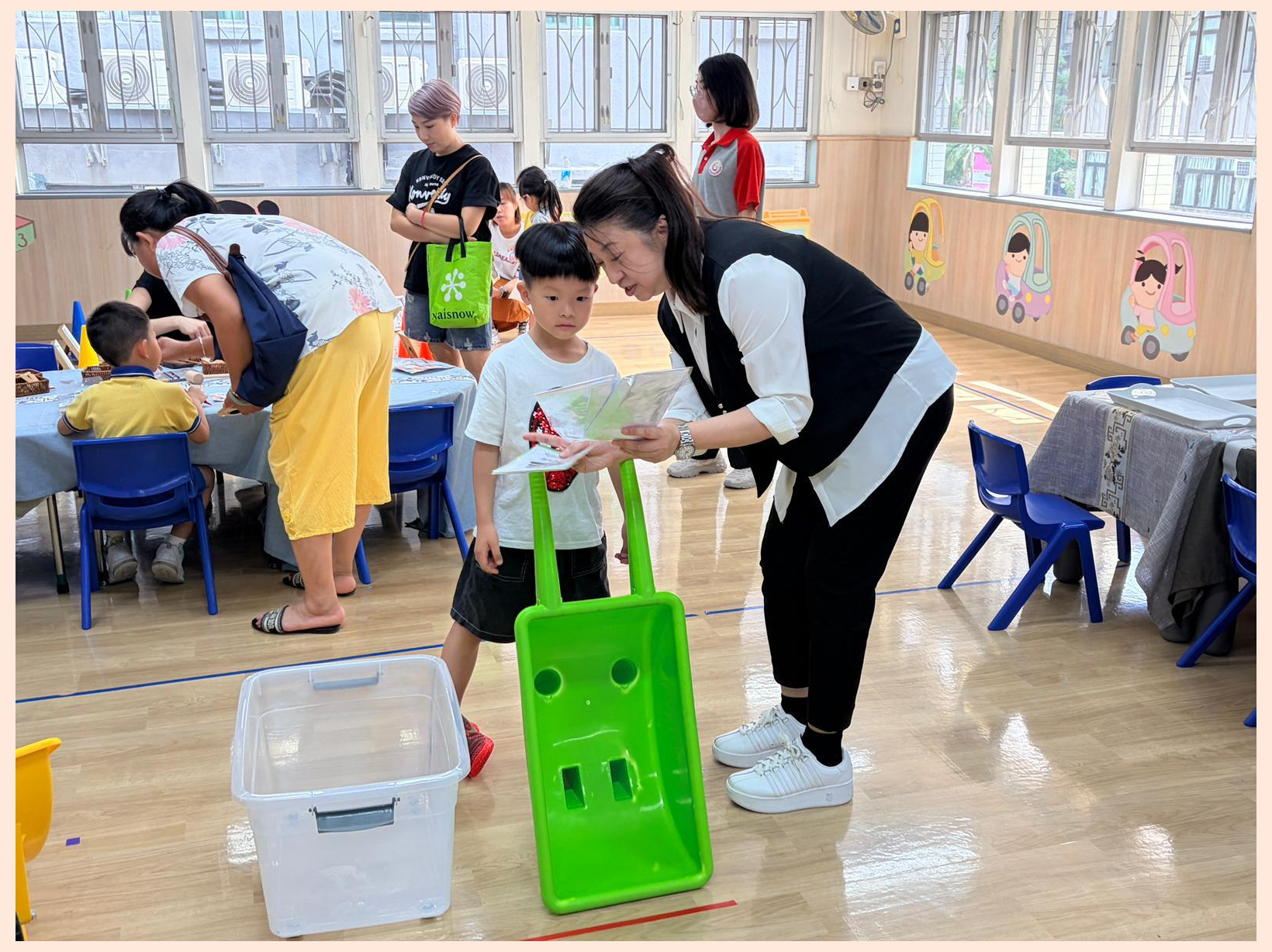
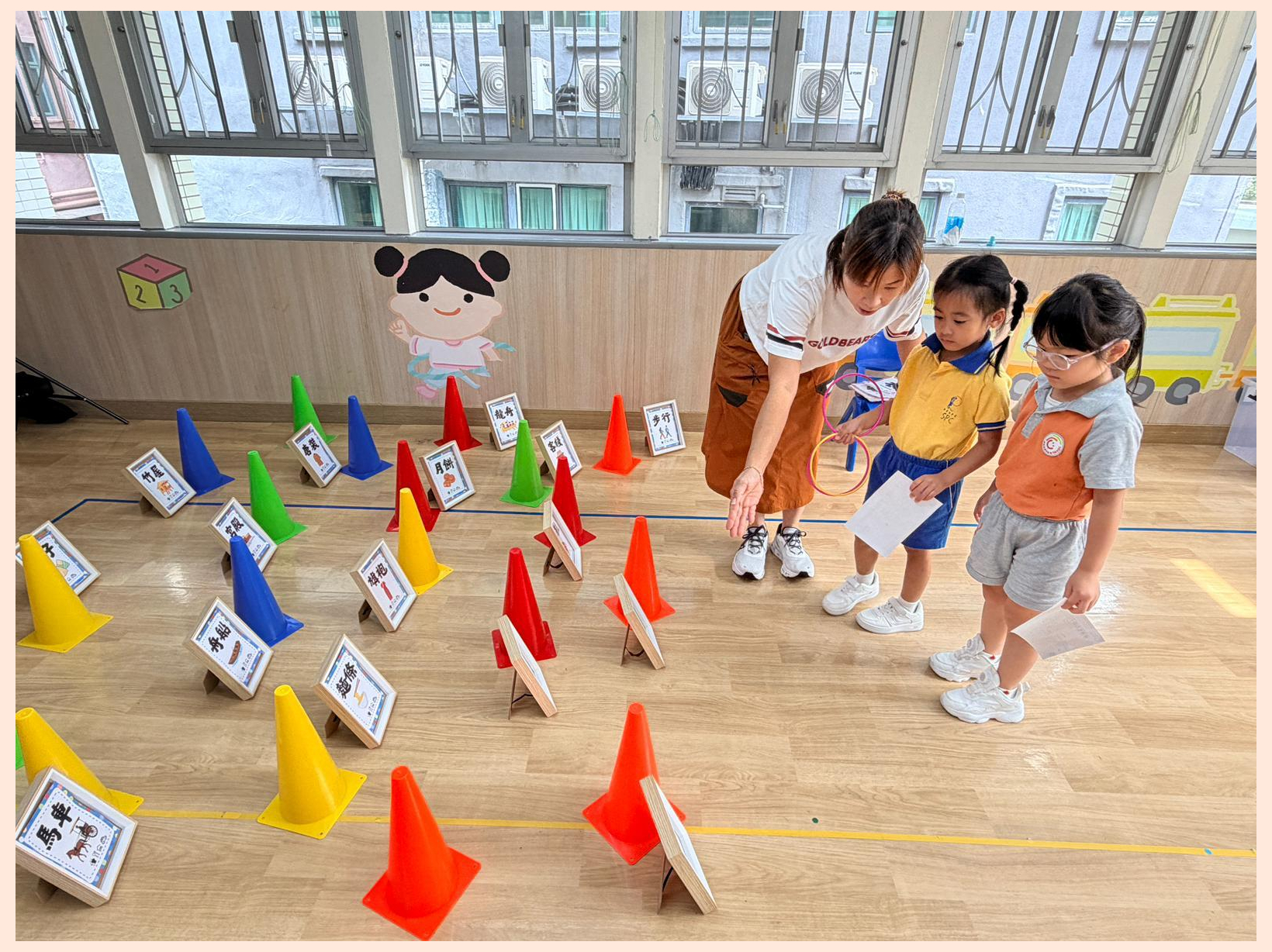
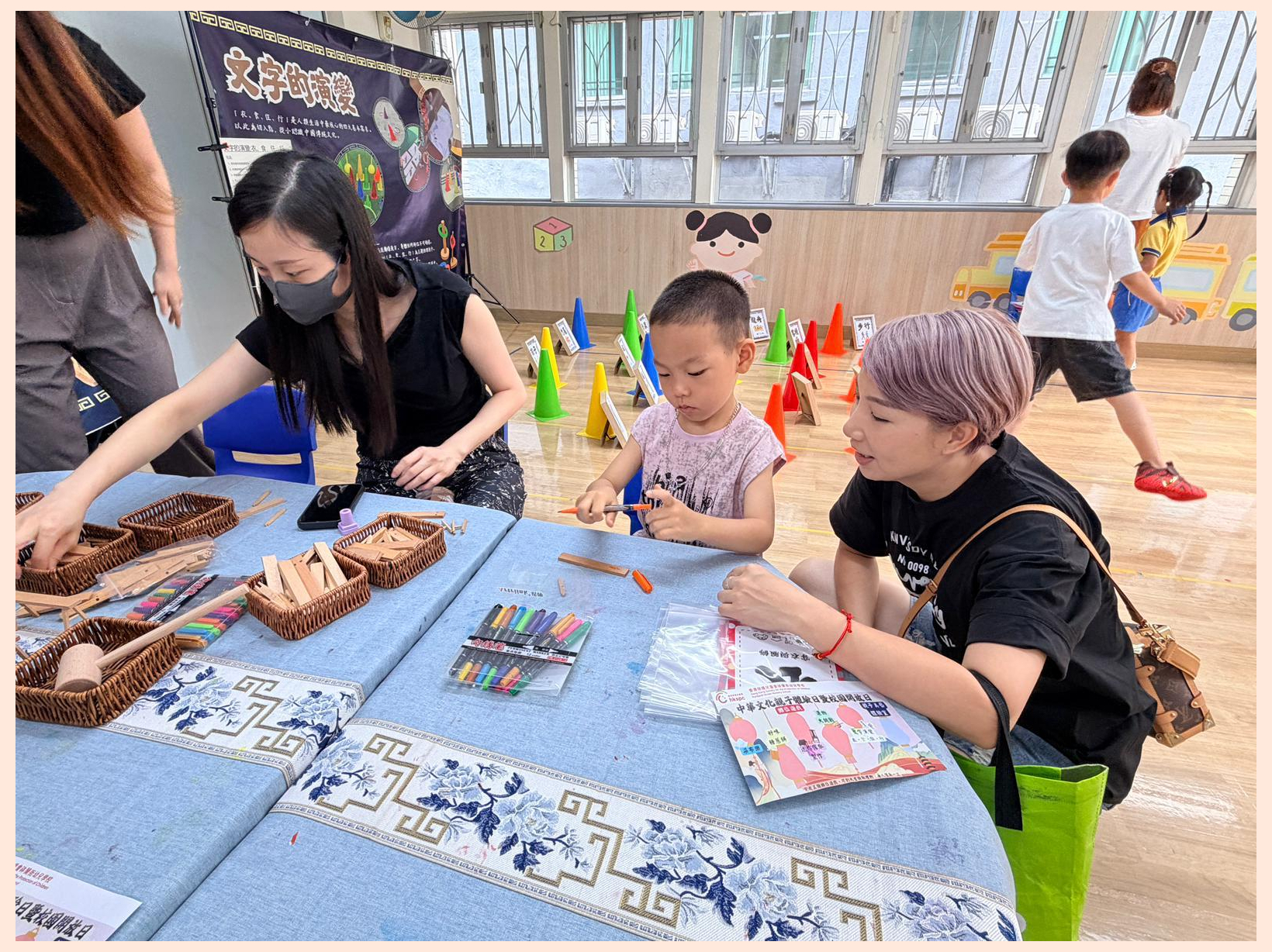
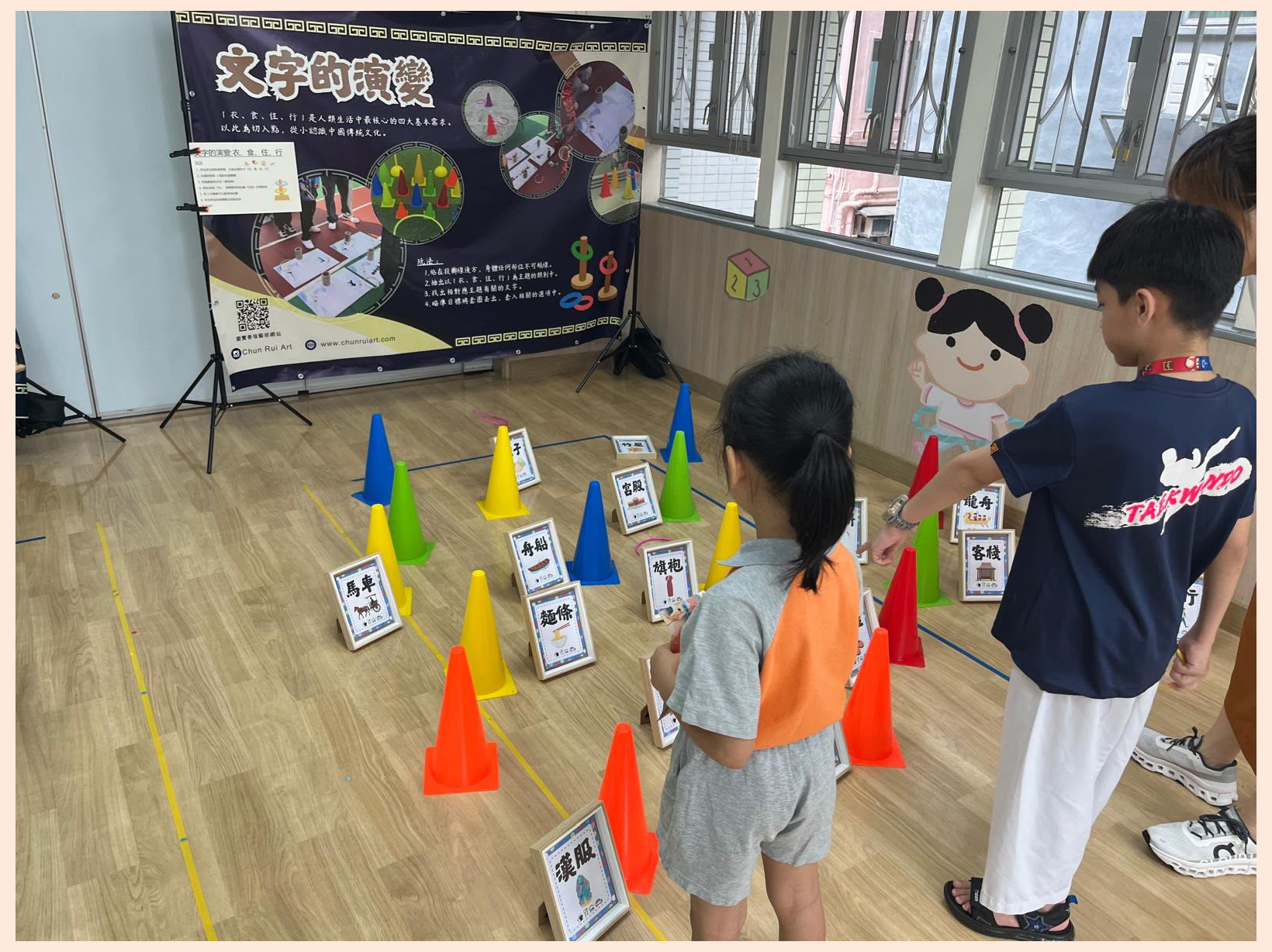
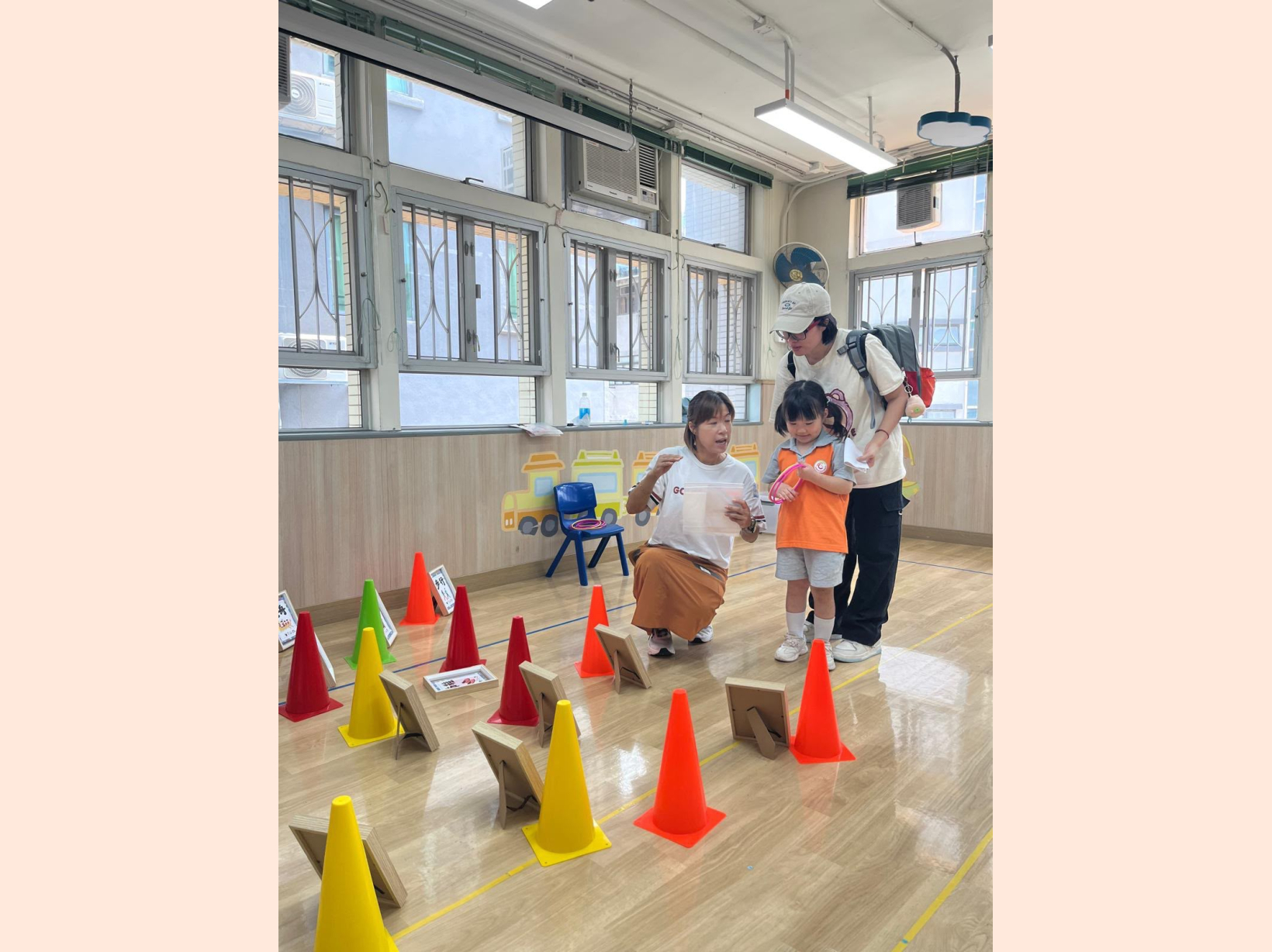
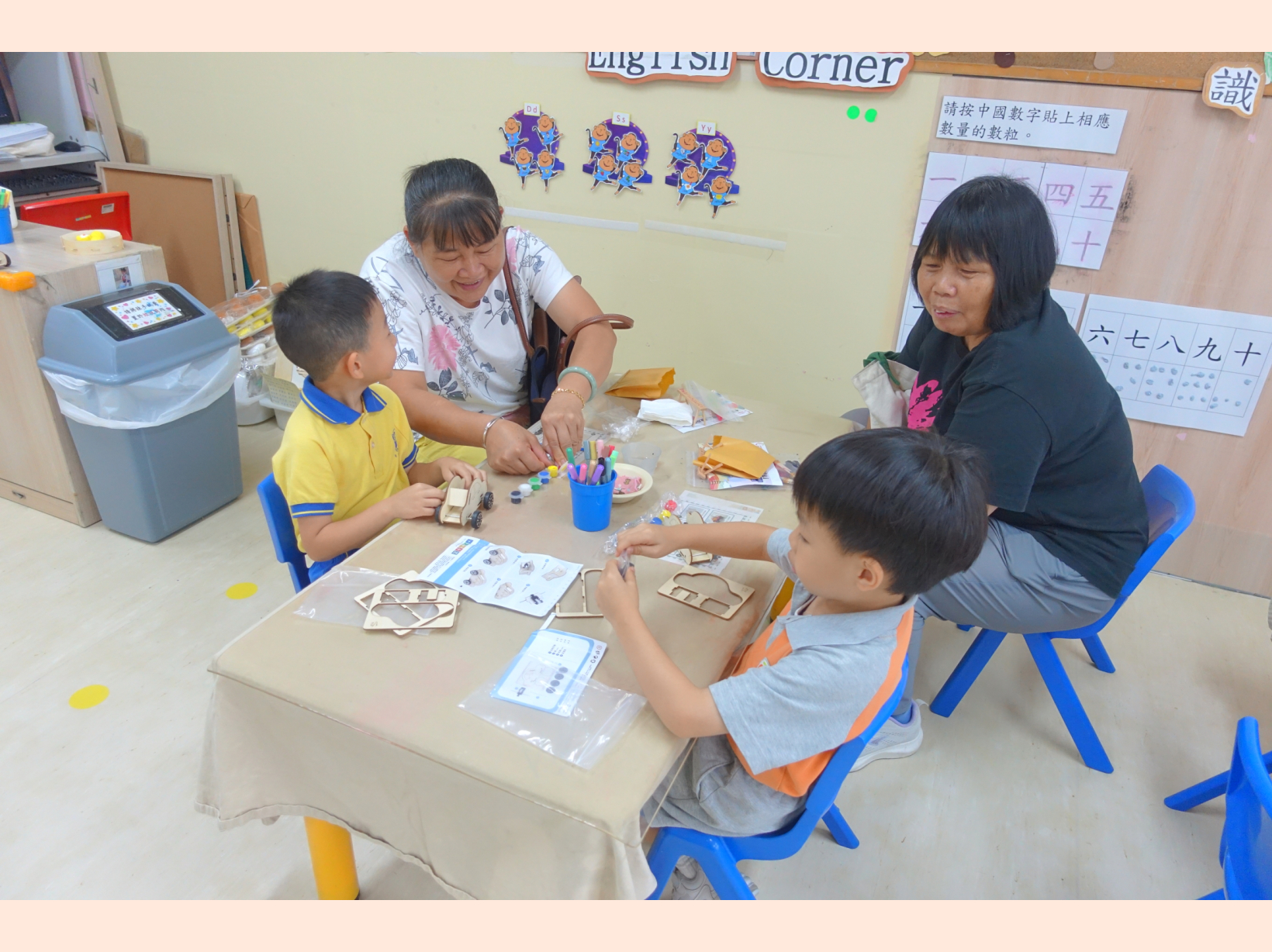
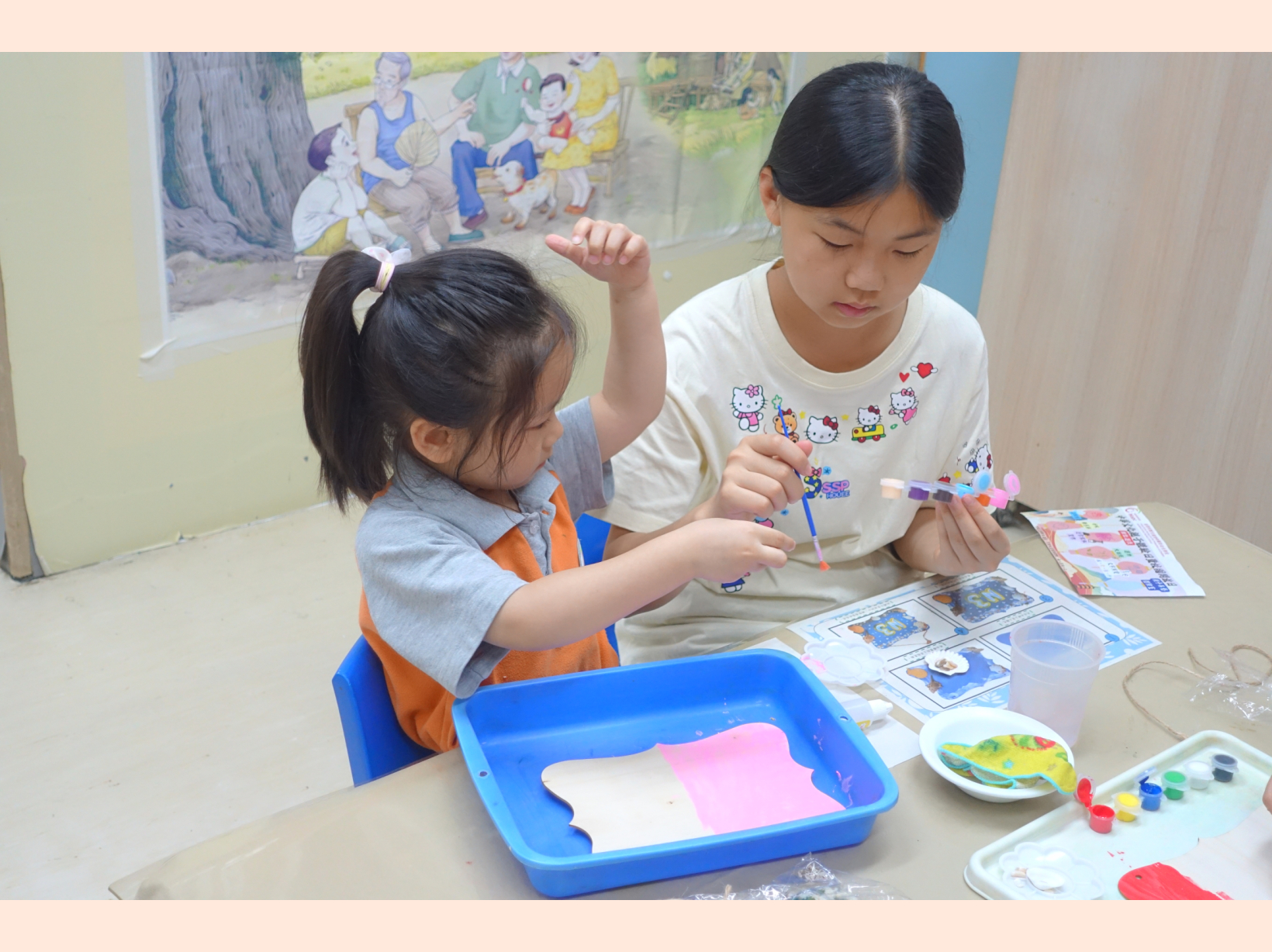
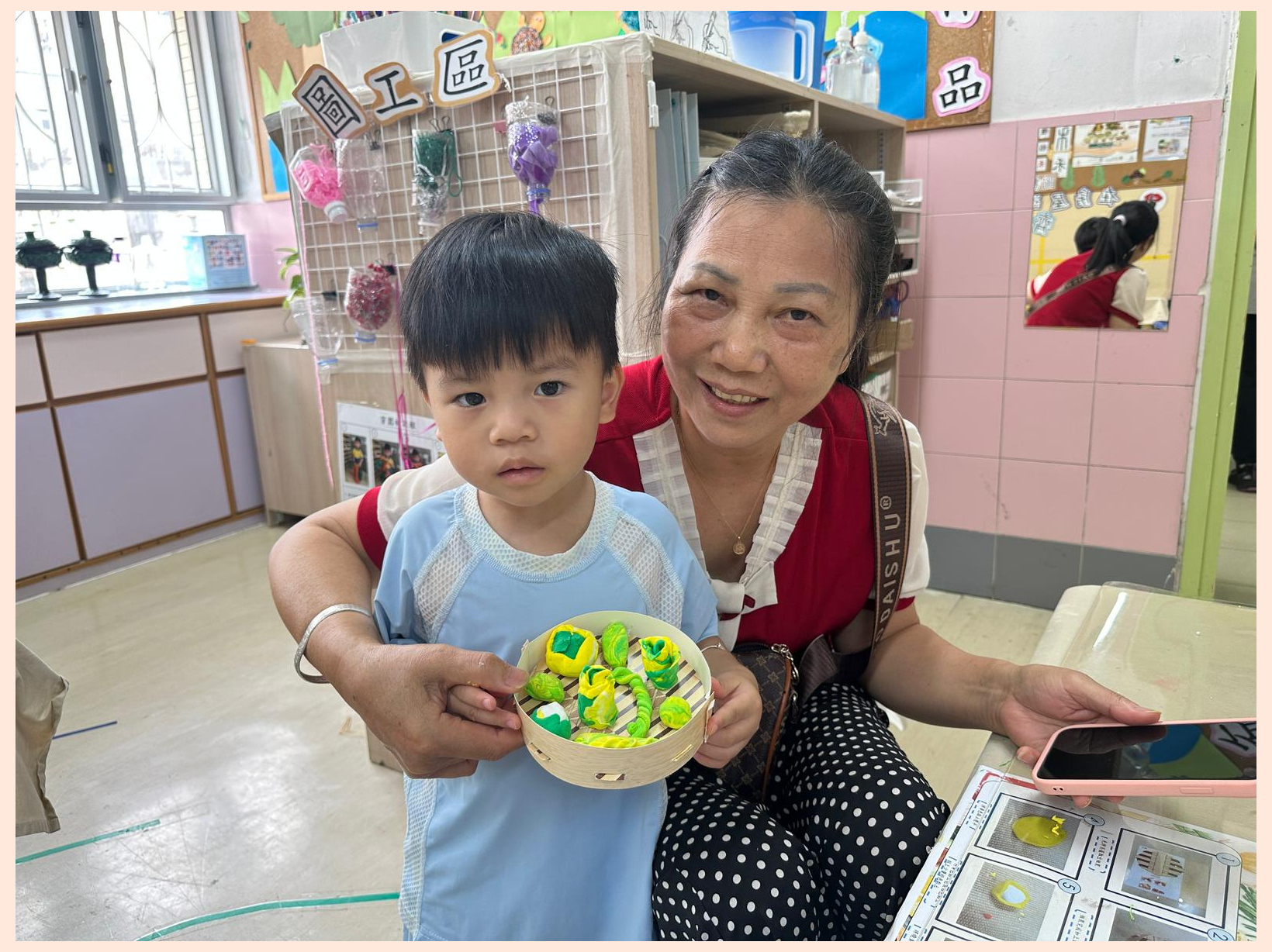
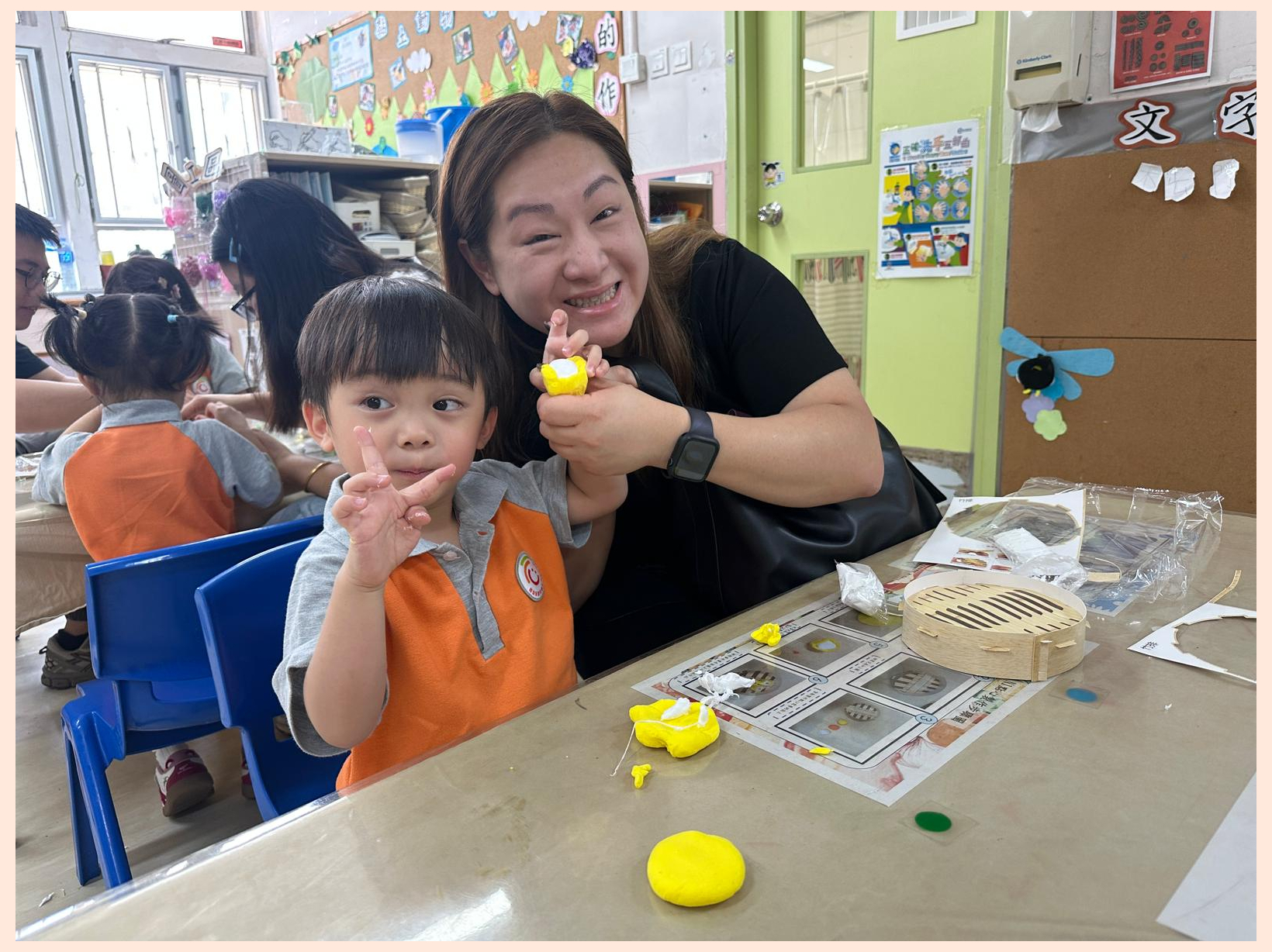
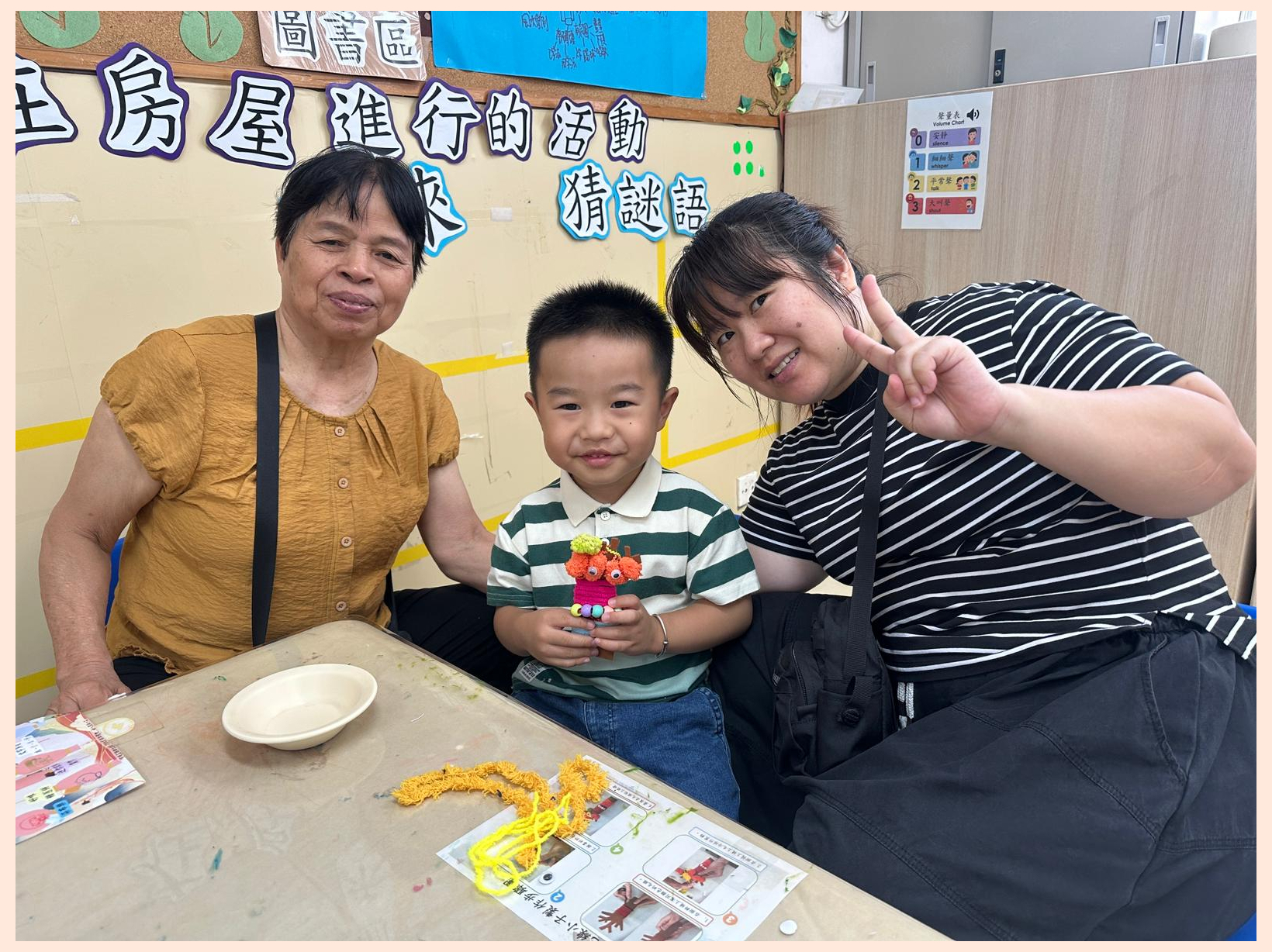
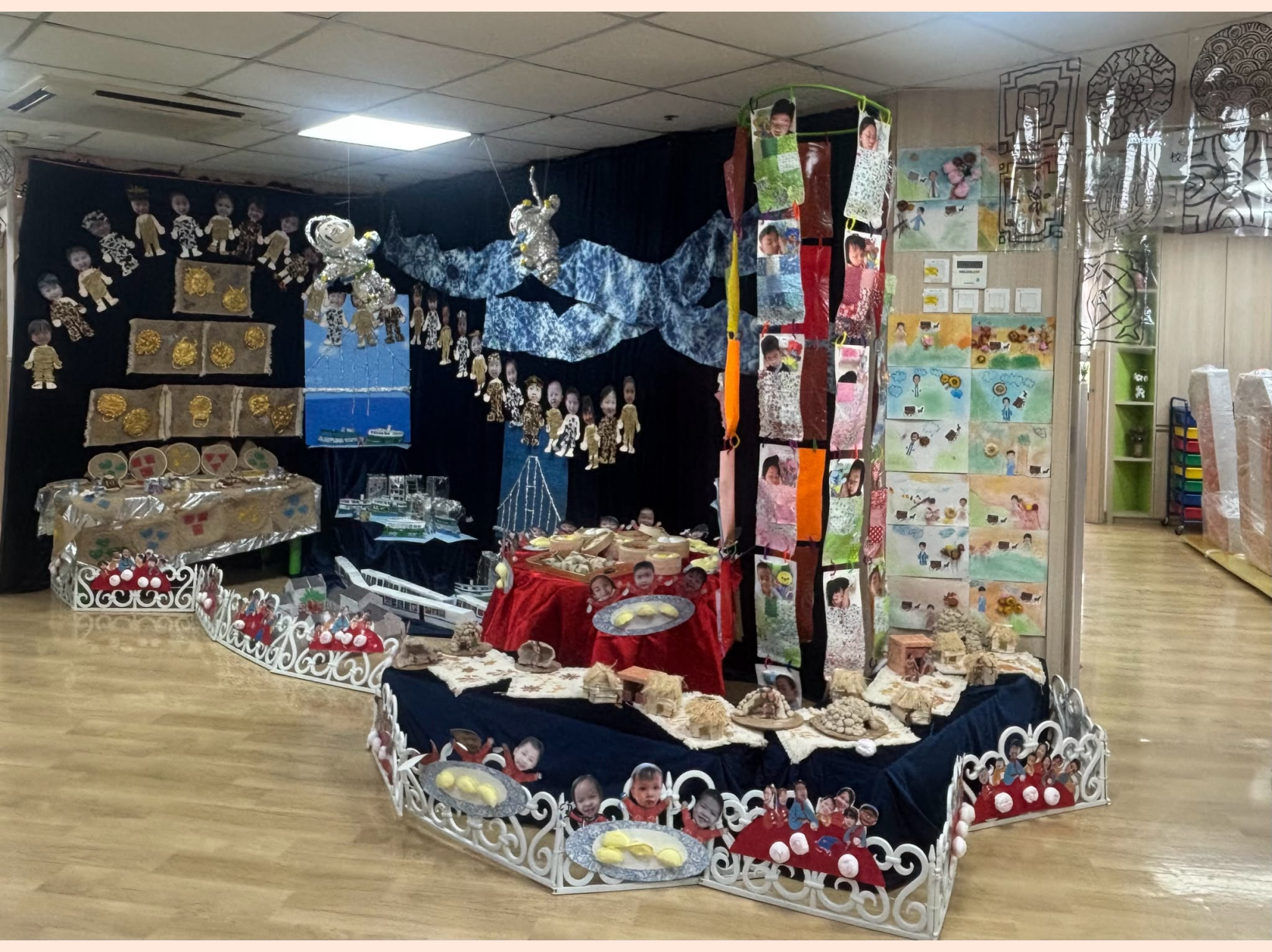
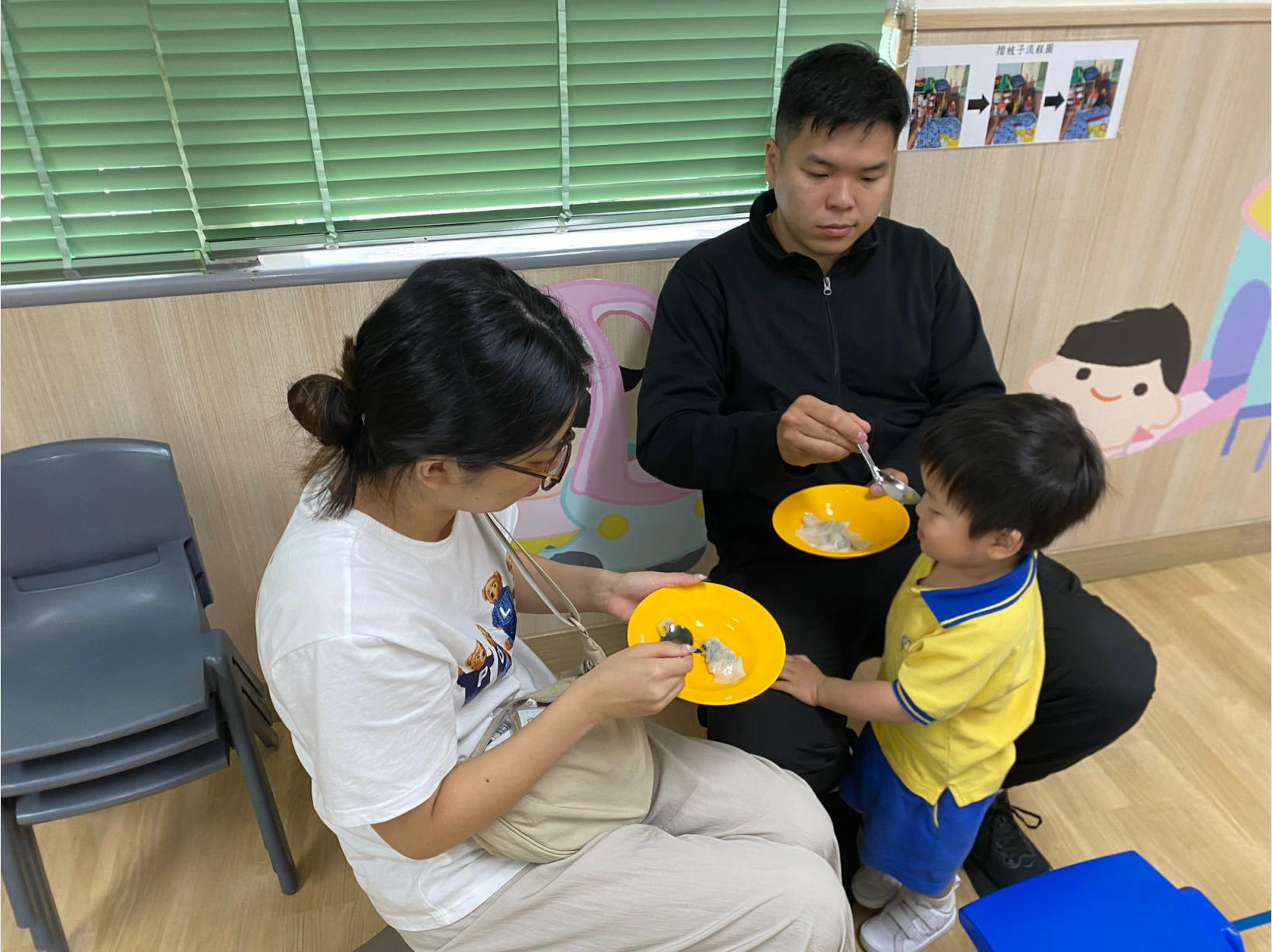
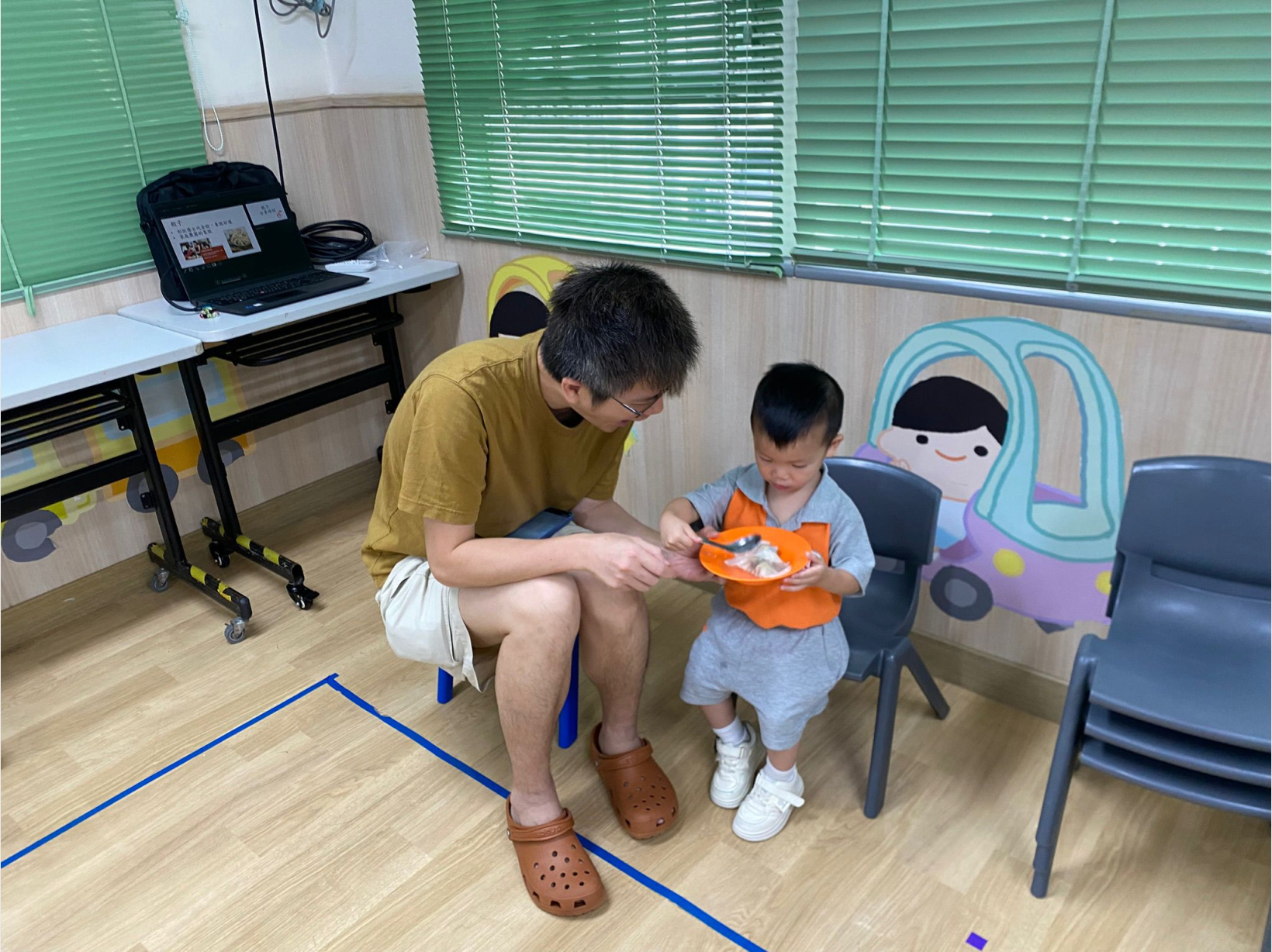
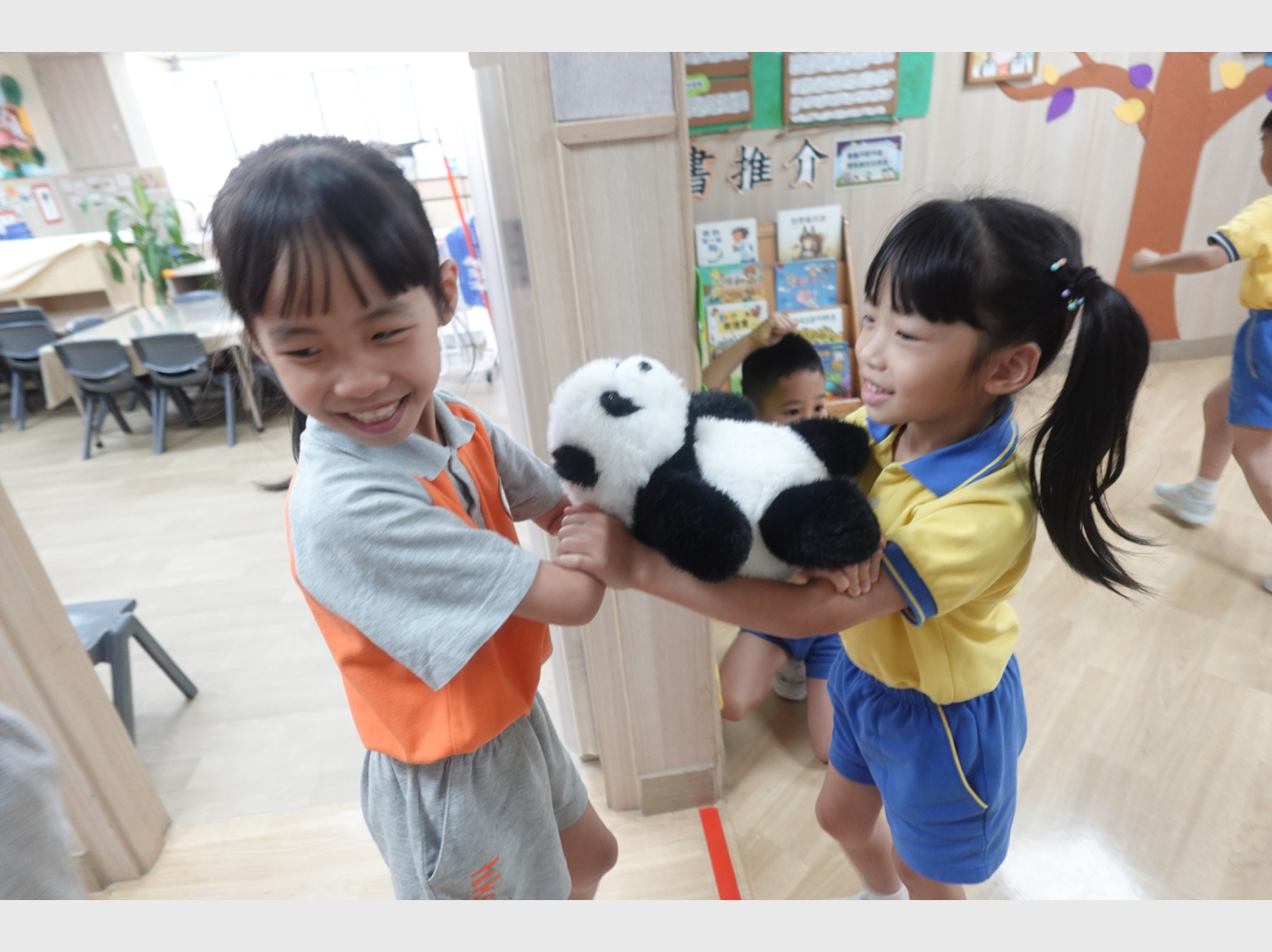
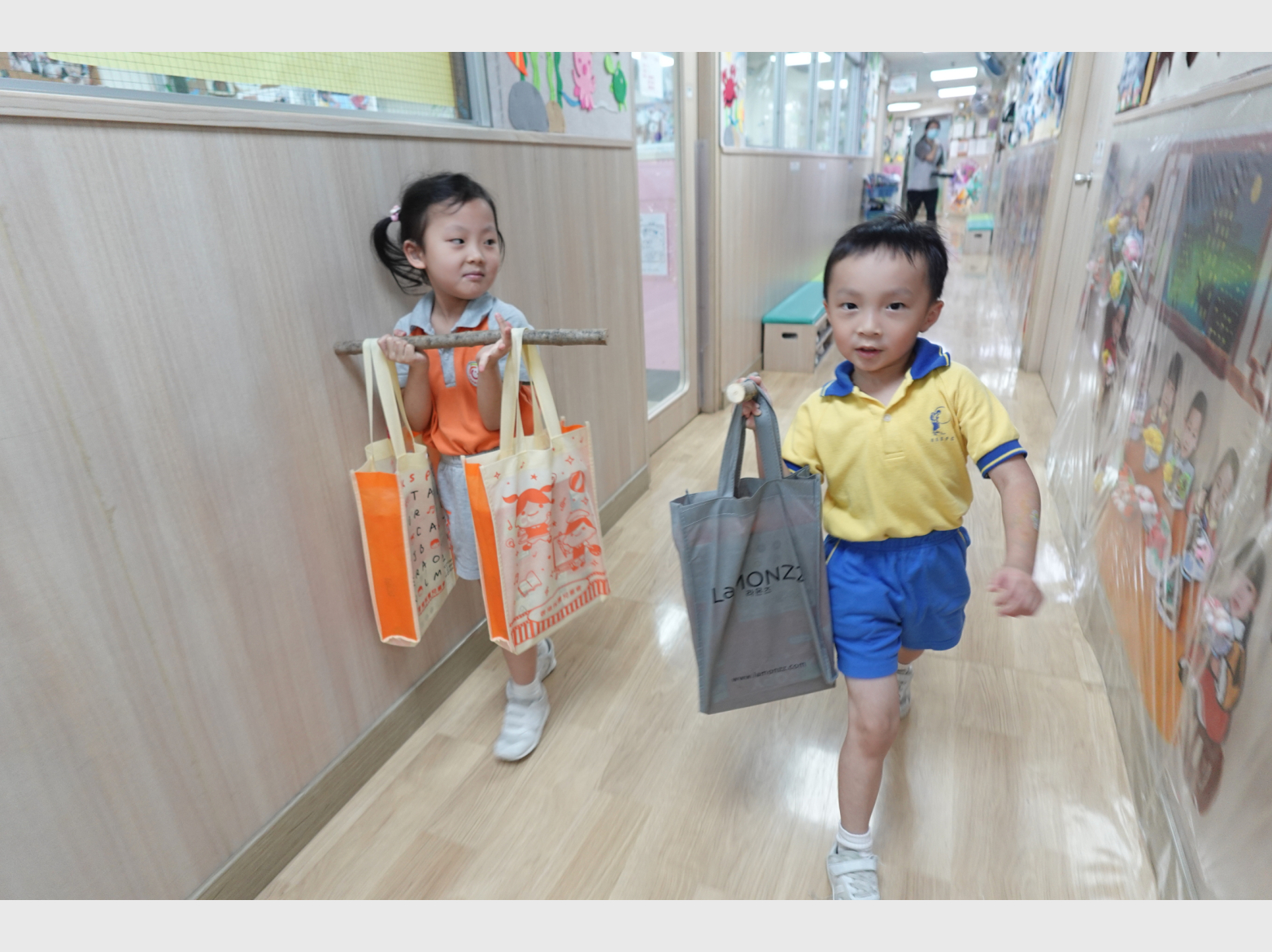
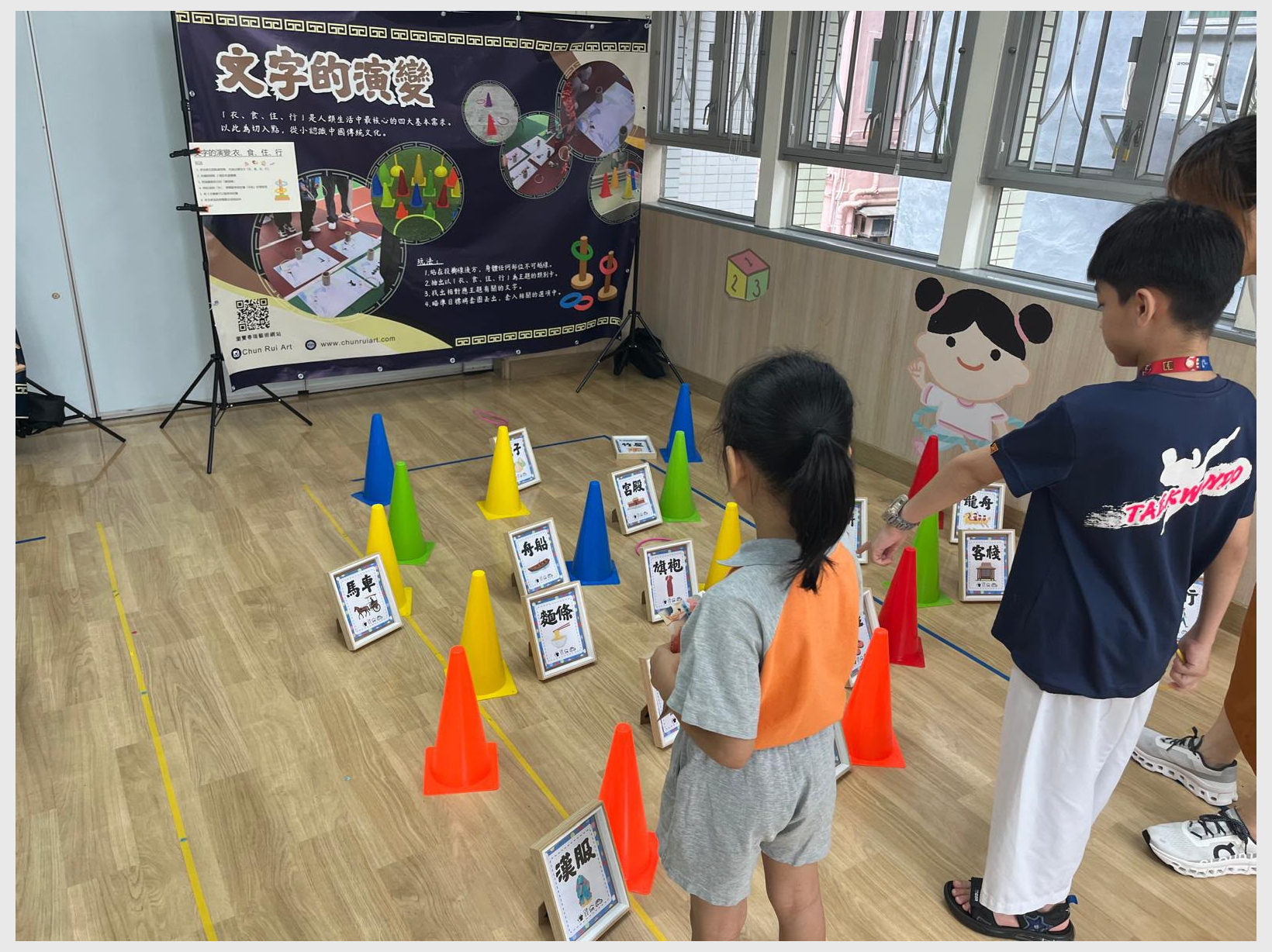
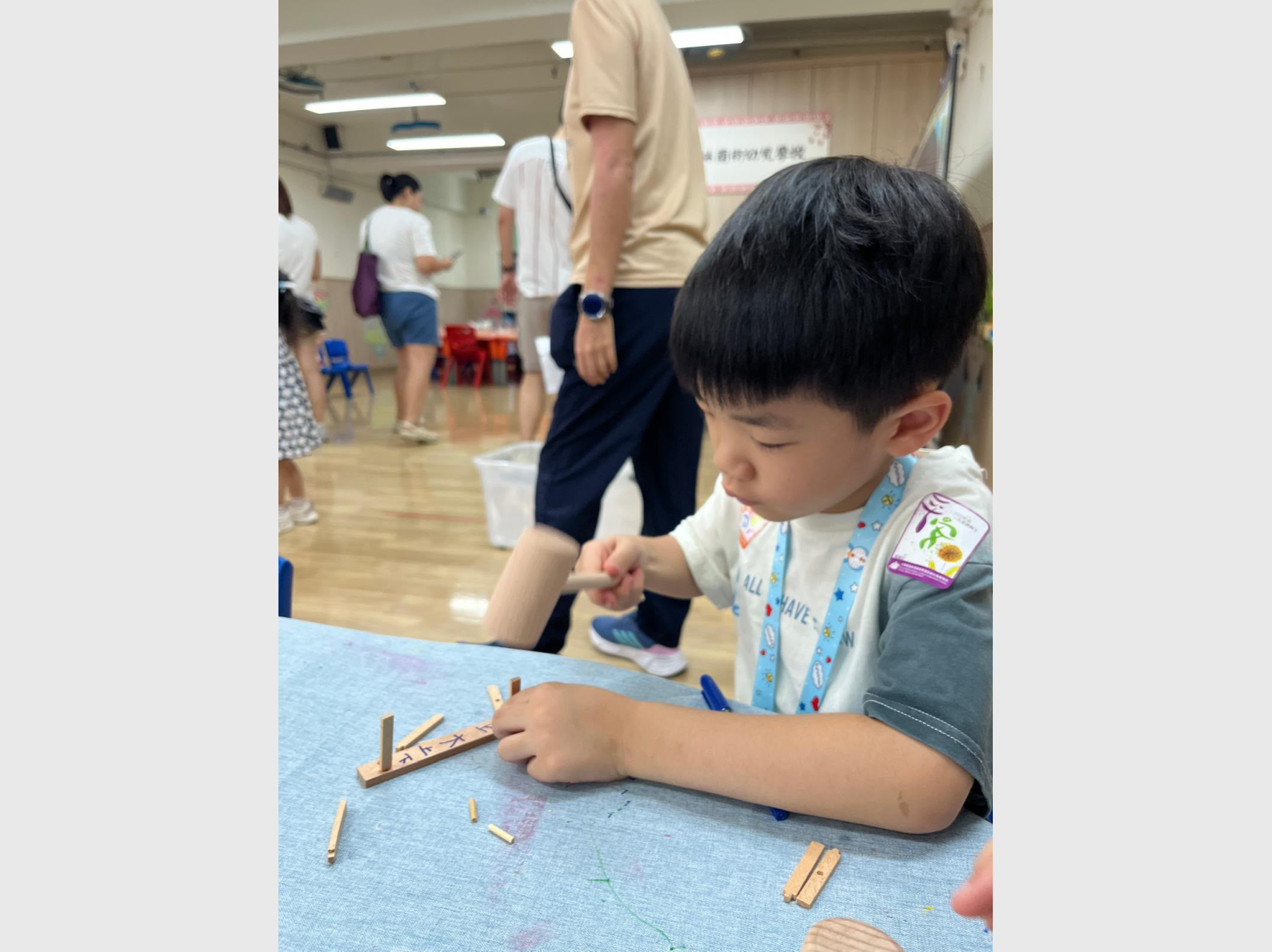
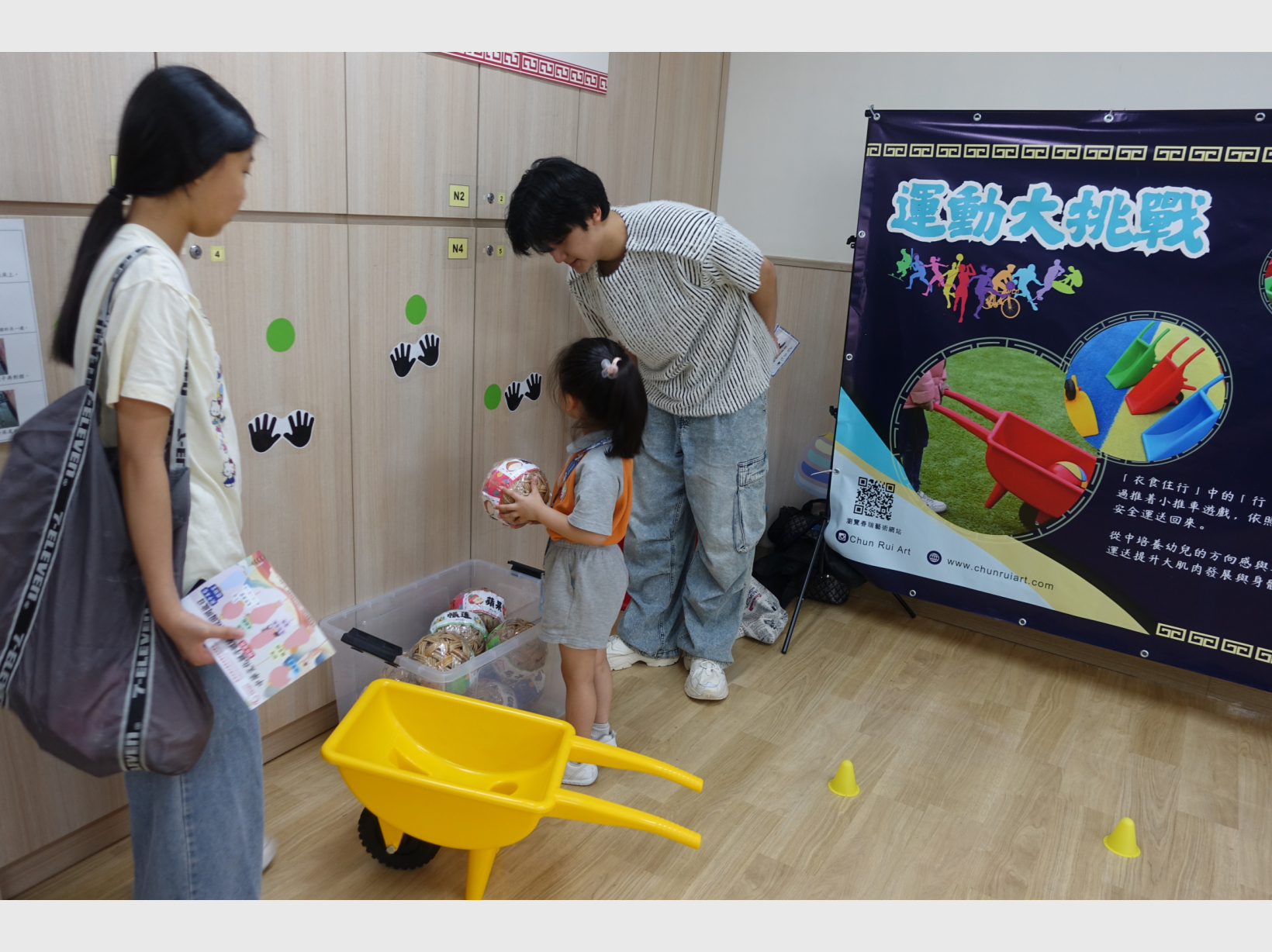
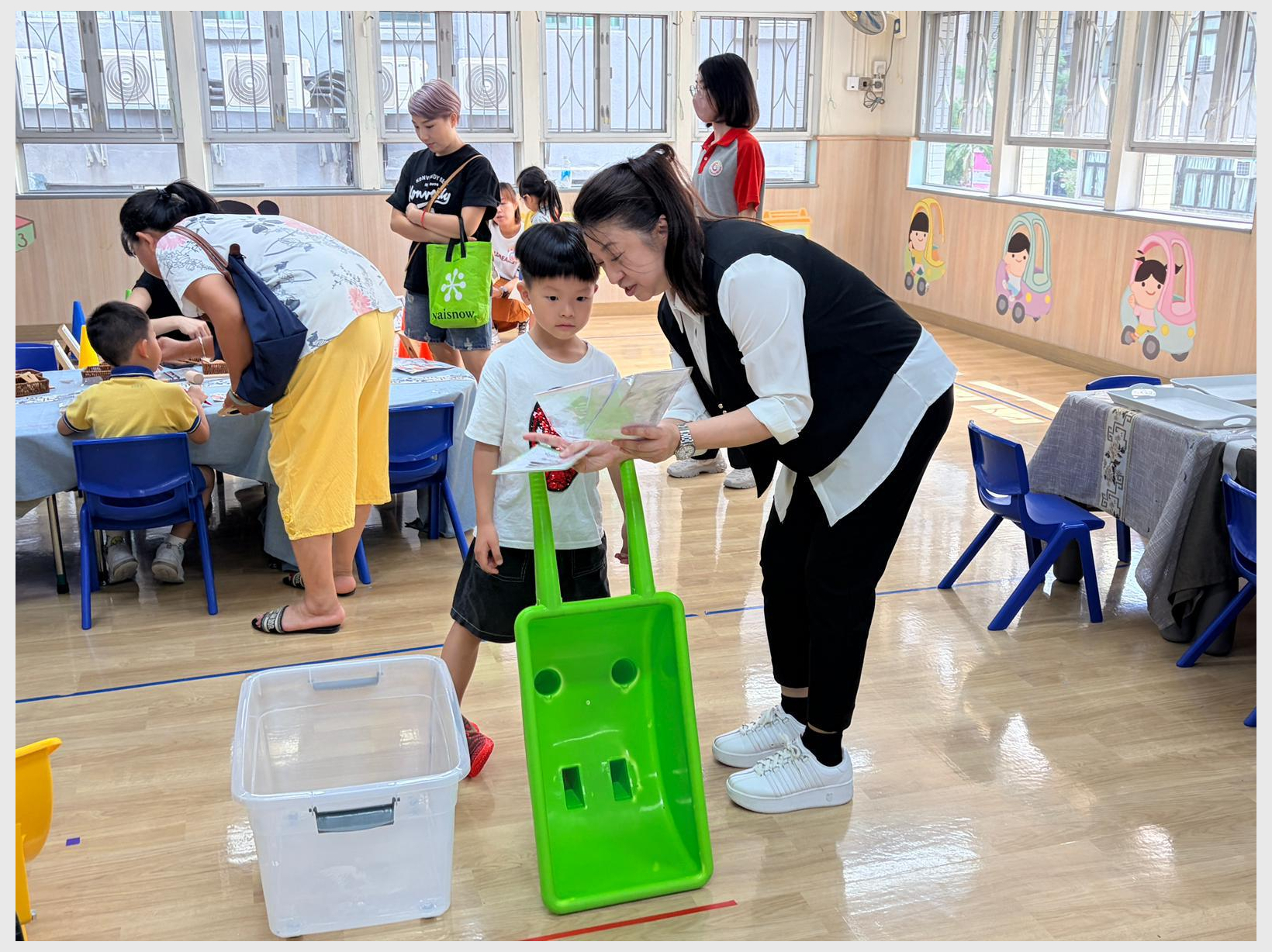
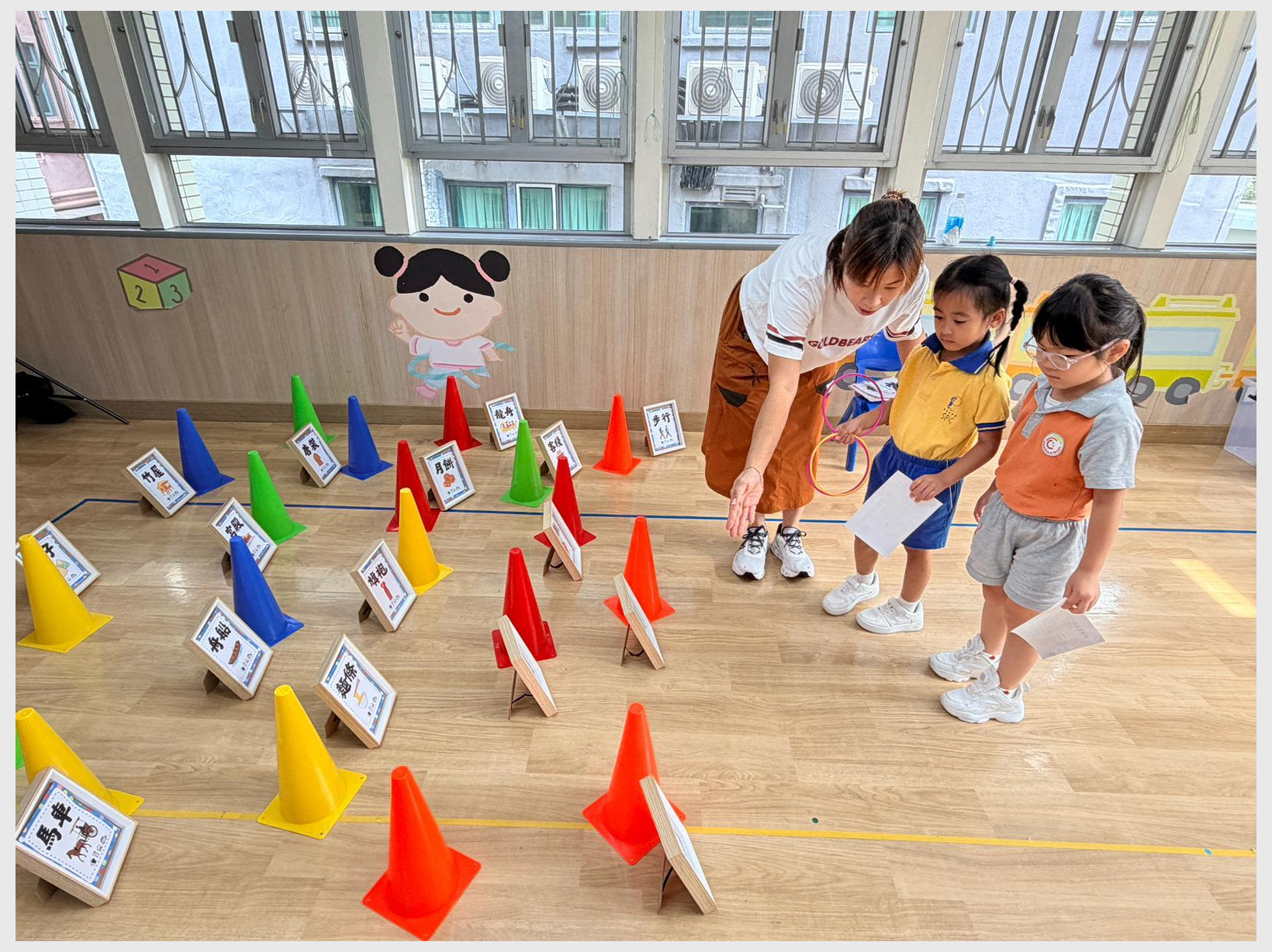
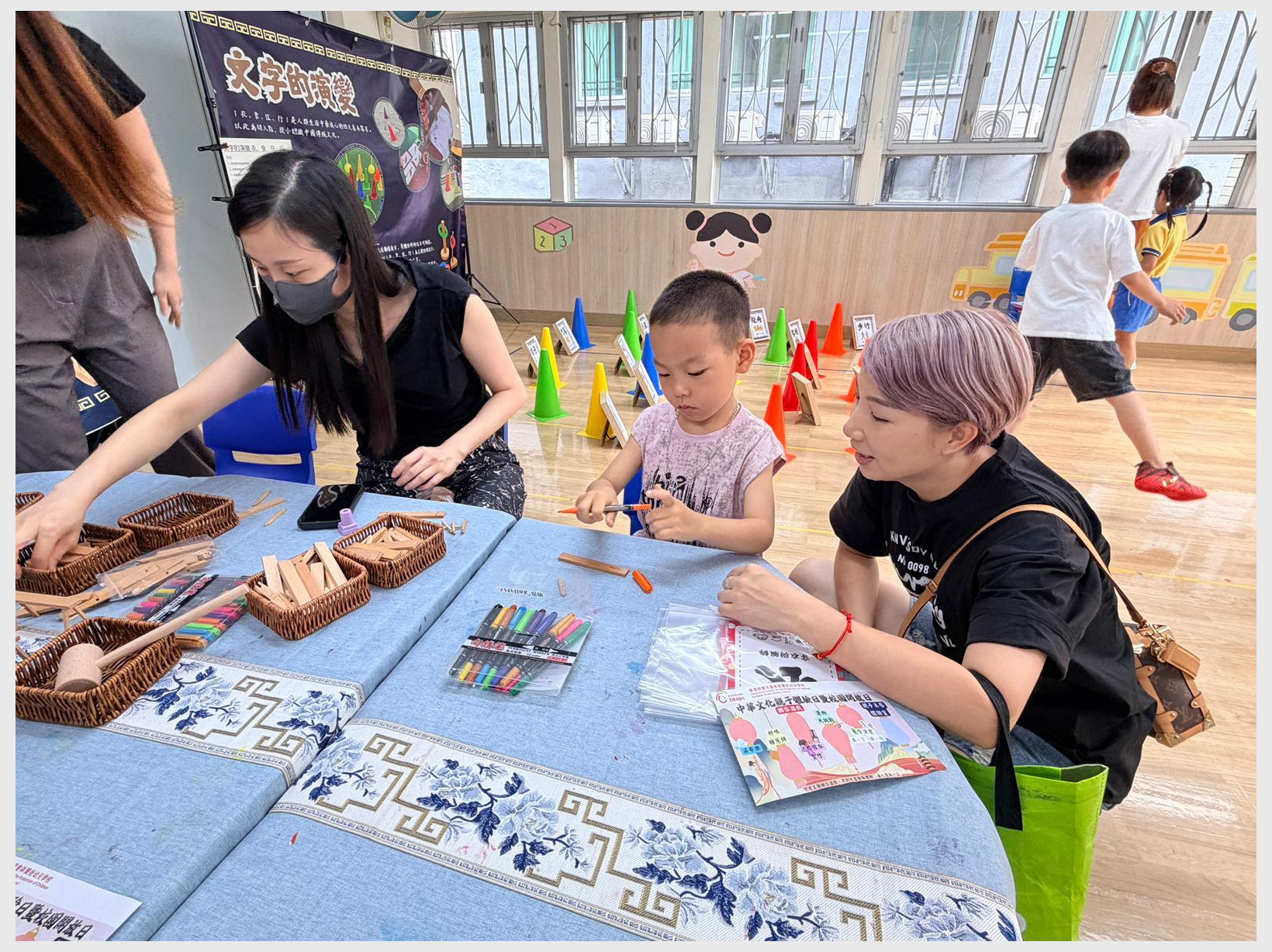
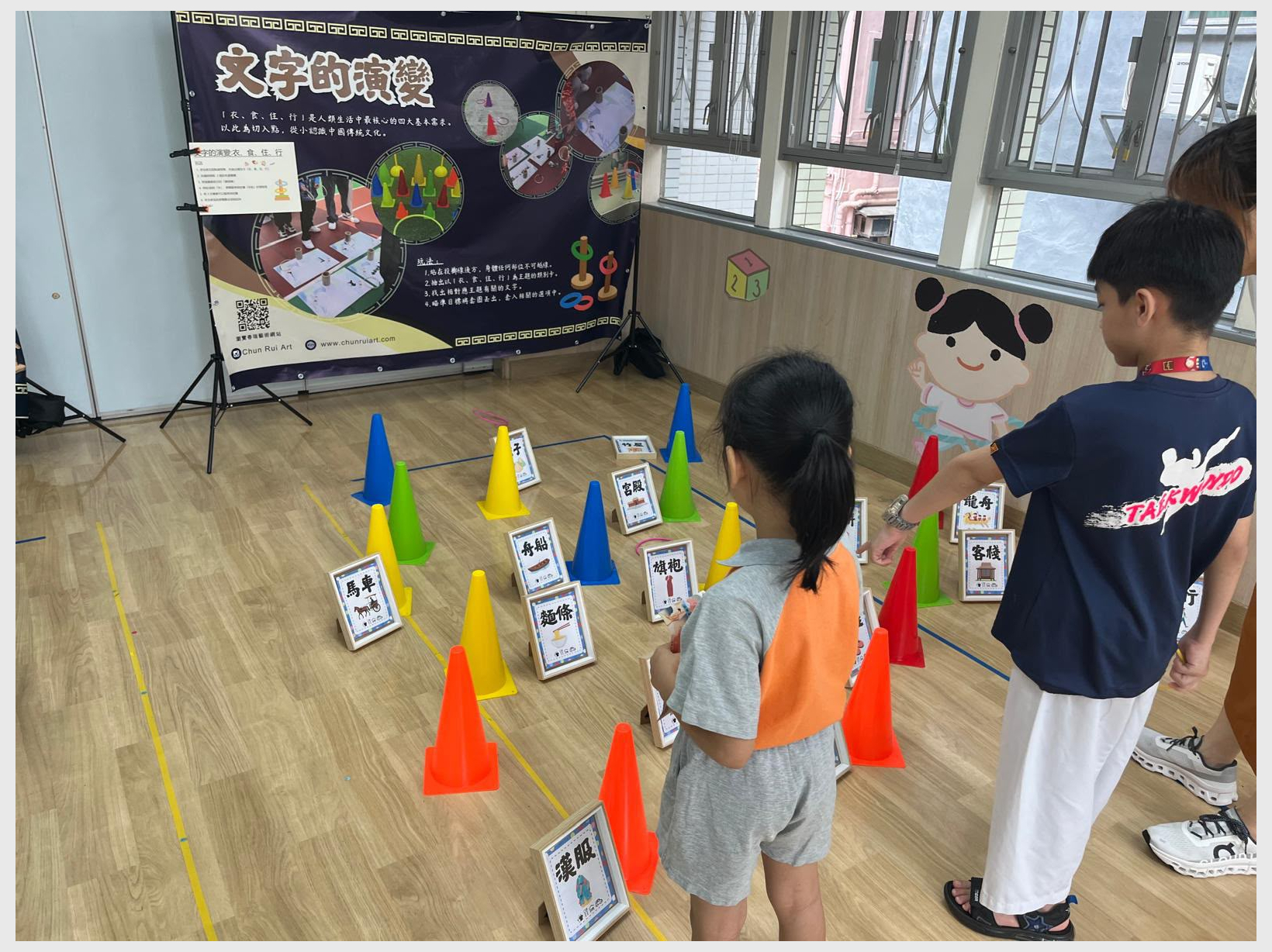
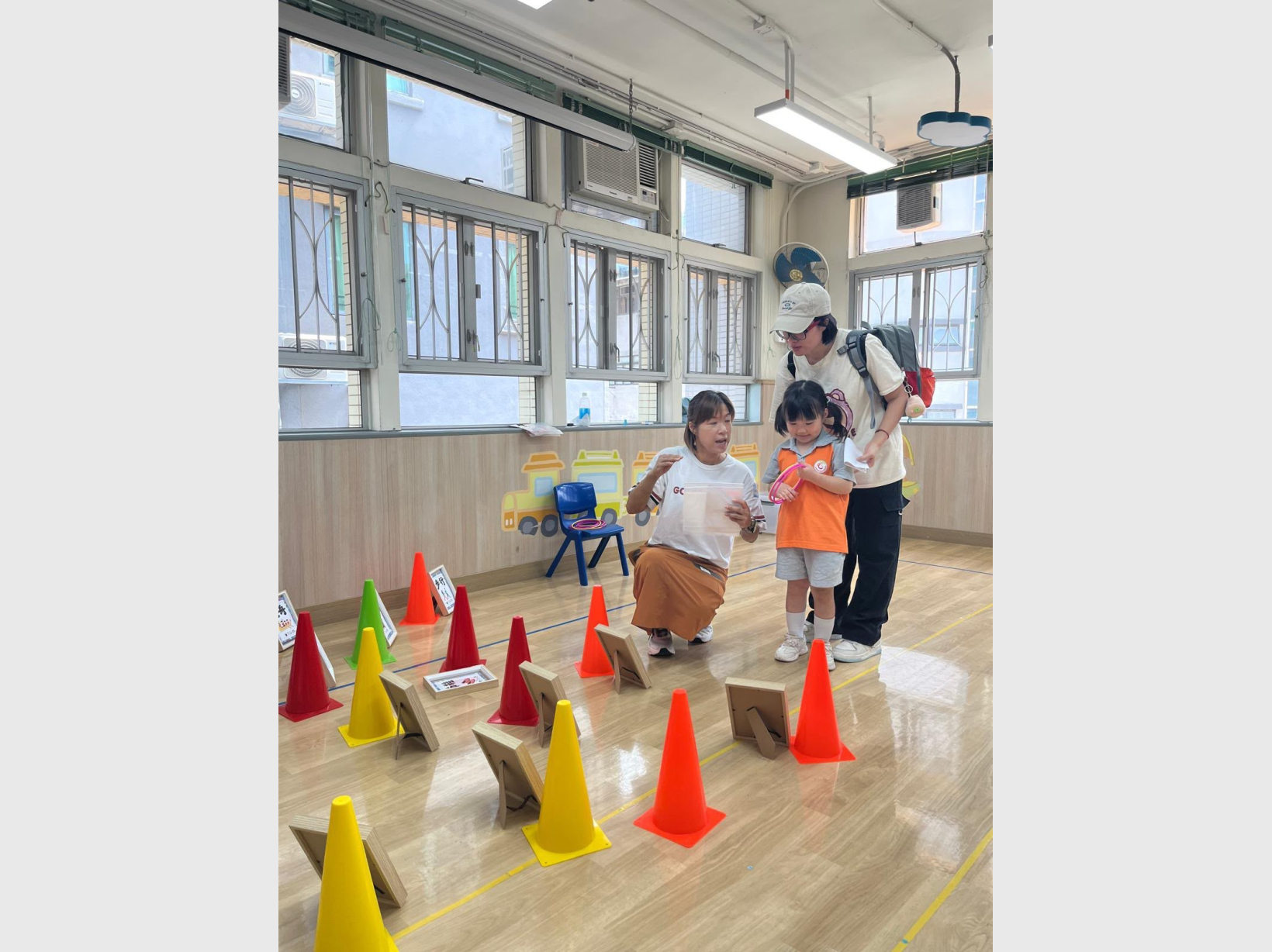
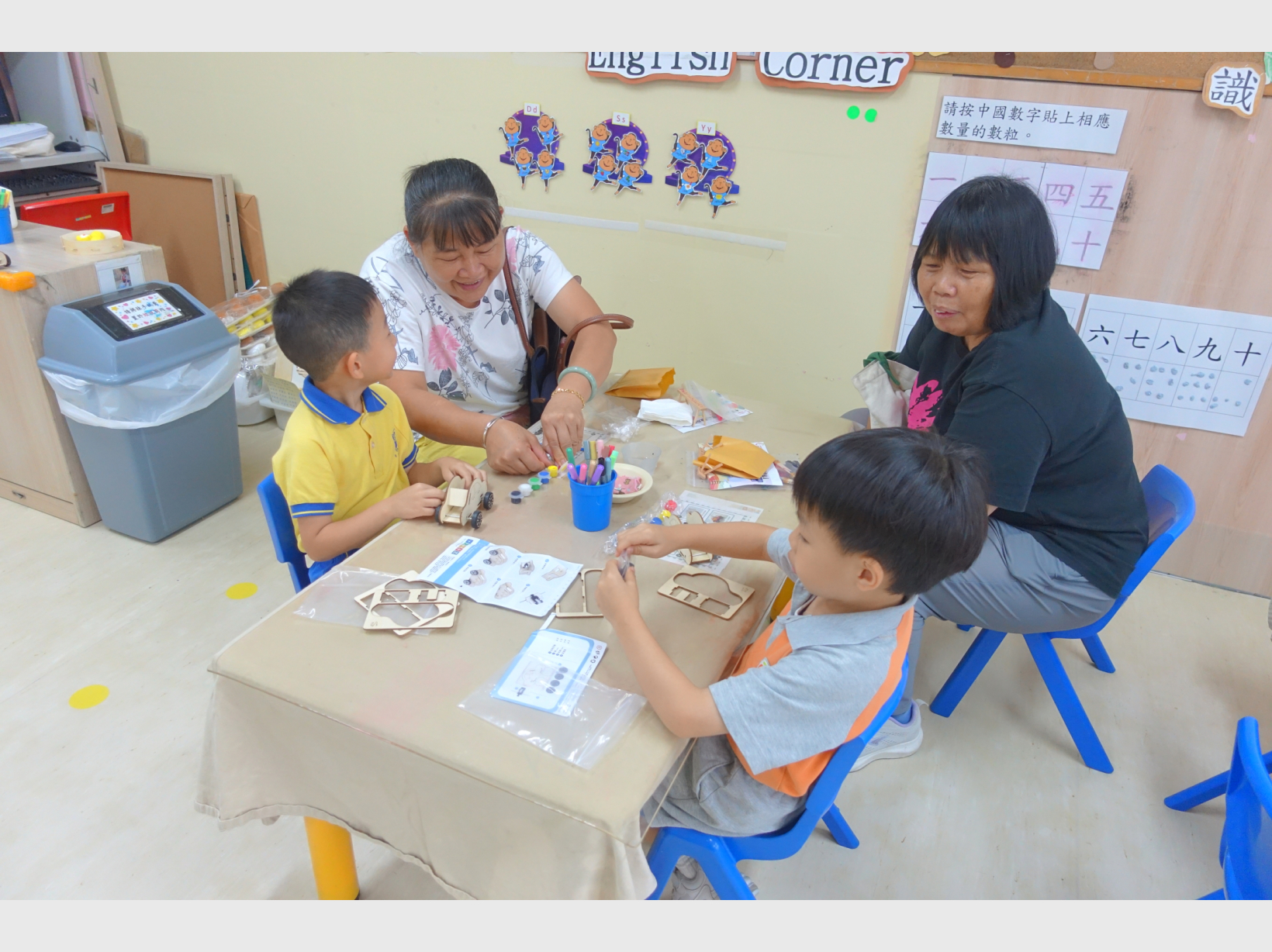
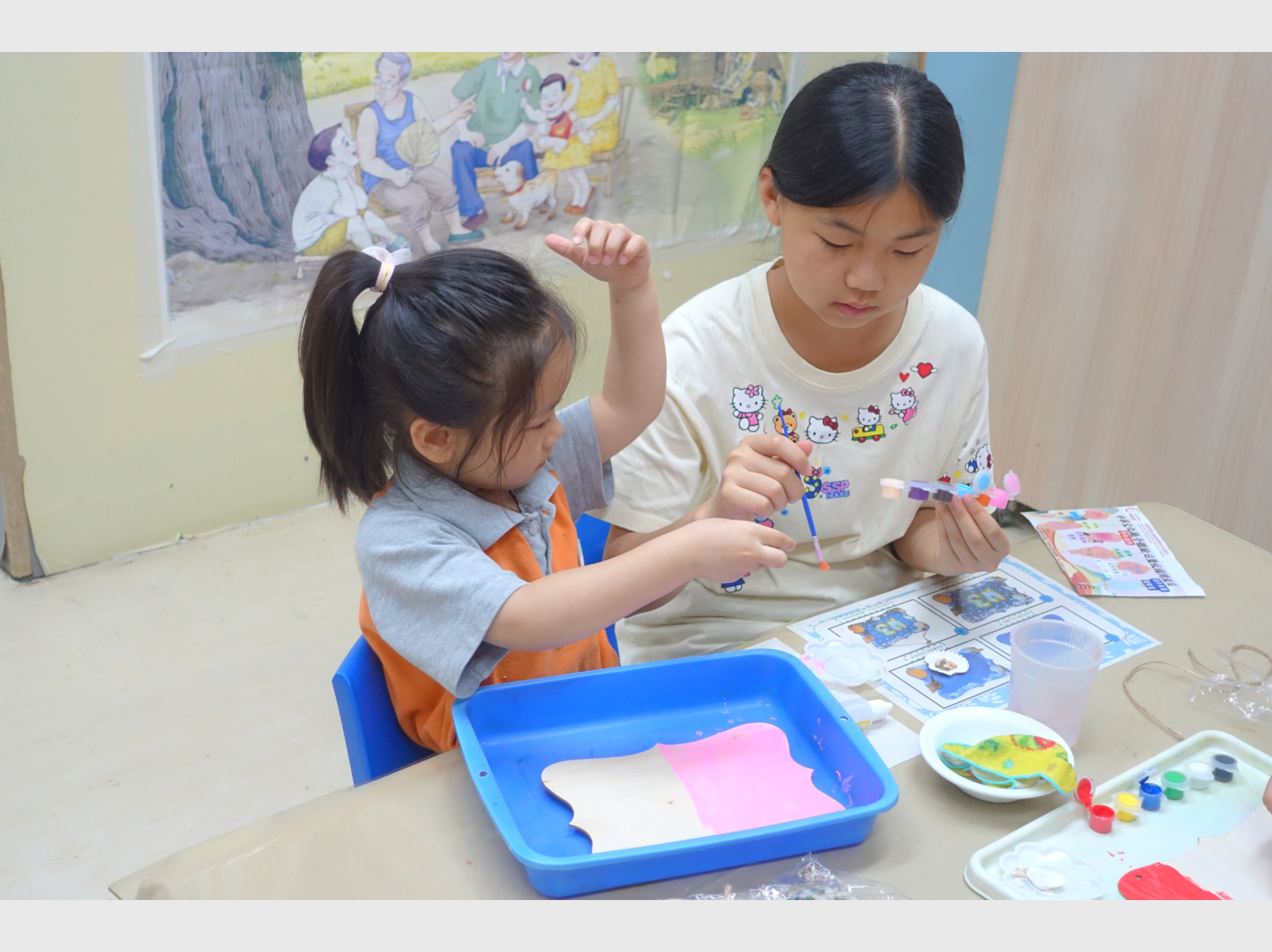
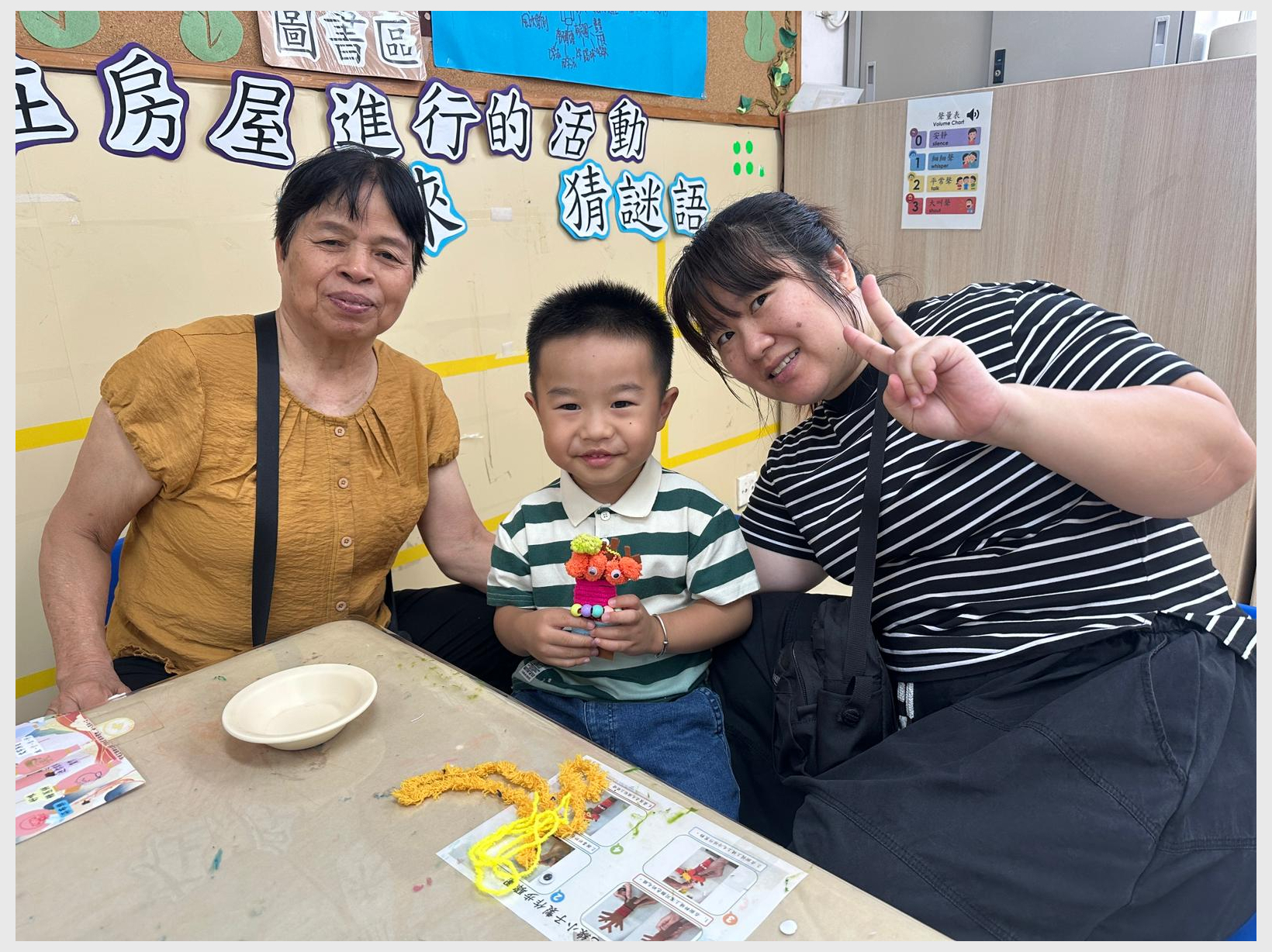
On May 30, 2026, our school held a Chinese Culture Parent-Child Experiential Day, during which the learning journeys and works of children from all levels were displayed in the hall. The children introduced their learning processes and成果 to their parents. In addition, the school designed a wide variety of hands-on and experiential activities, such as tie-dyeing, snack-making, object-carrying challenges, and mini-games on the evolution of Chinese characters, allowing children to understand the connection between culture and daily life through experience. Through these multi-sensory activities, their understanding of ancient and modern clothing, food, housing, and transportation was enhanced.
According to the event questionnaire survey, 100% of parents agreed that the activities helped them understand their children’s learning journey during Chinese Culture Month. In addition, 100% of parents agreed that the activities, presented in diverse ways, helped cultivate the children’s sense of national identity and also promoted parent-child relationships. Parents also stated in the questionnaire that the activities were rich and interesting, attracting both children and parents to participate.