





Objectives
- Learn about traditional Chinese culture—bean-based foods, ethnic costumes, Cantonese opera, and the art of tea
- Experience traditional Chinese culture and intangible cultural heritage
- Appreciate the beauty of traditional Chinese culture
- Use the seven senses to explore bean-based foods, ethnic costumes, Cantonese opera, and the art of tea
- Encourage children to introduce and promote Chinese cultural activities to their parents and experience them together
Brief Discriptions
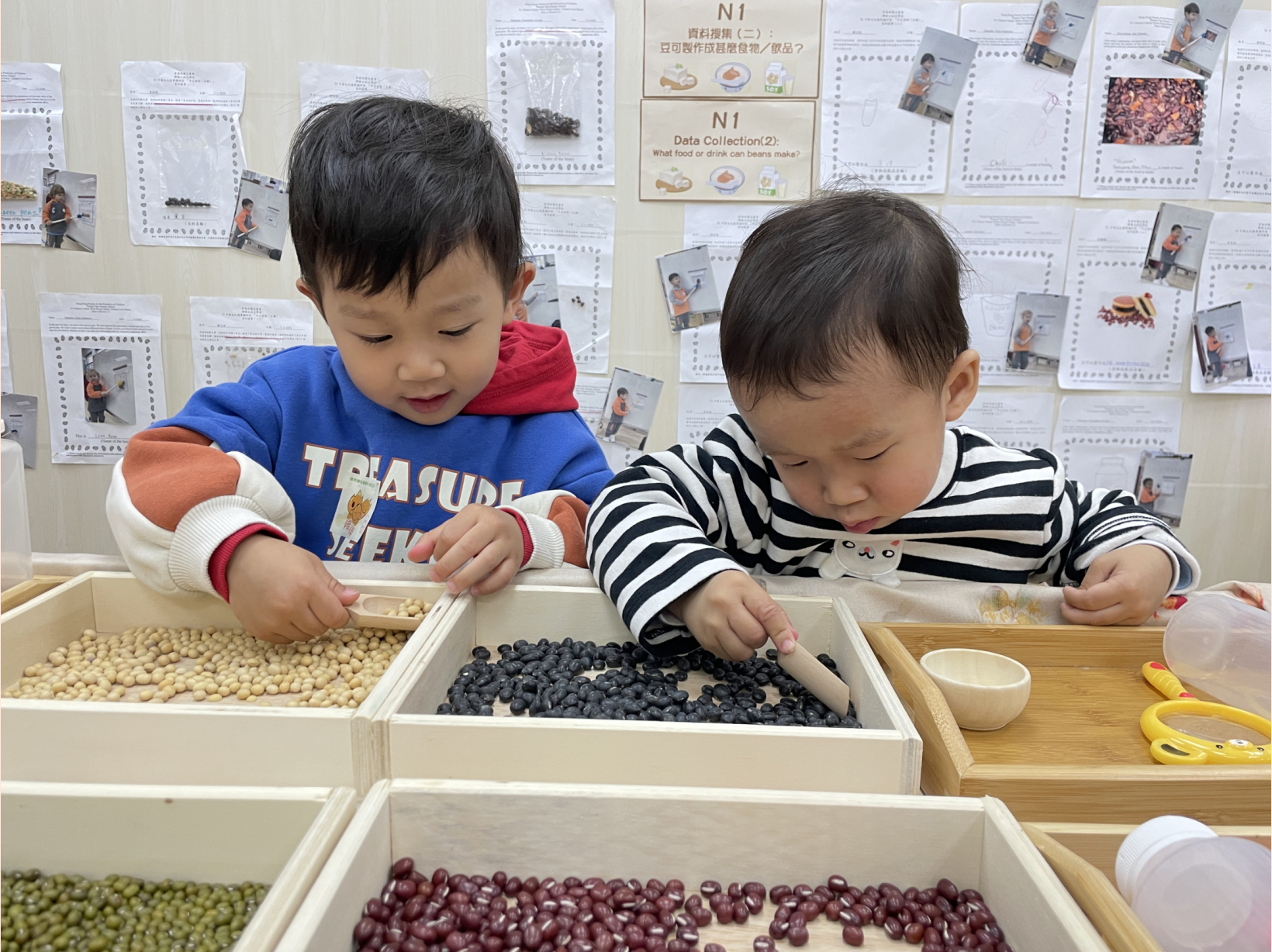
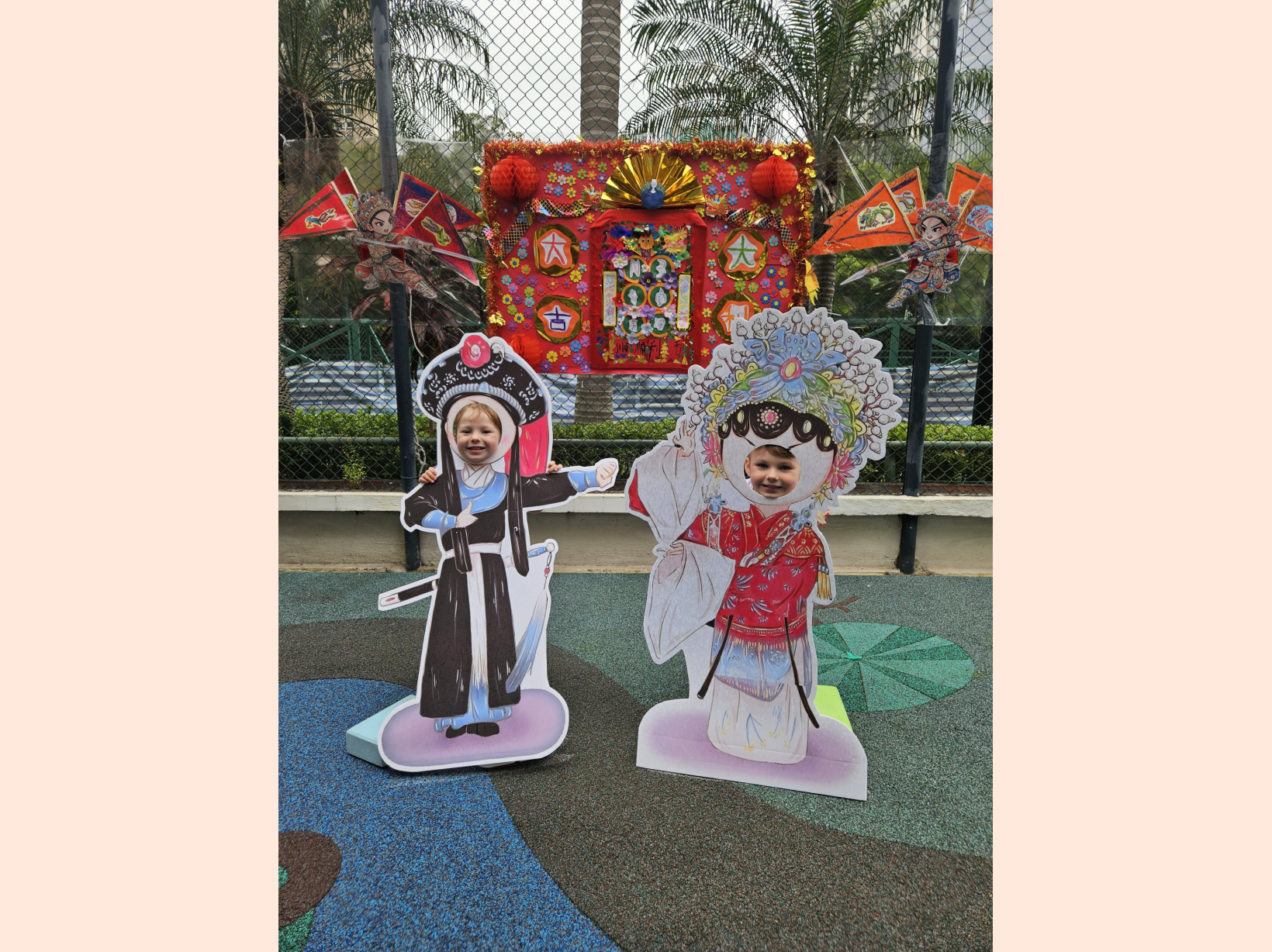
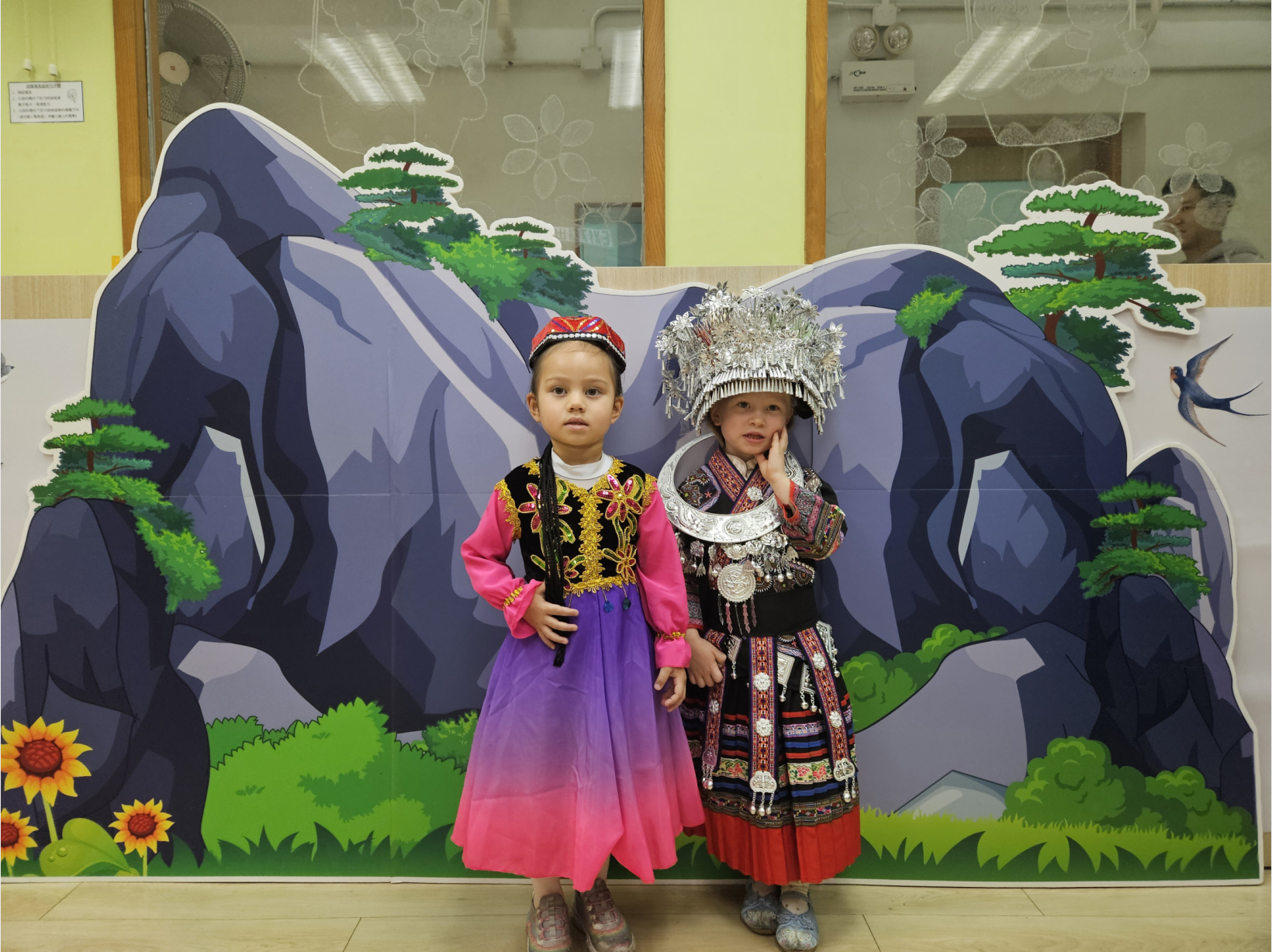
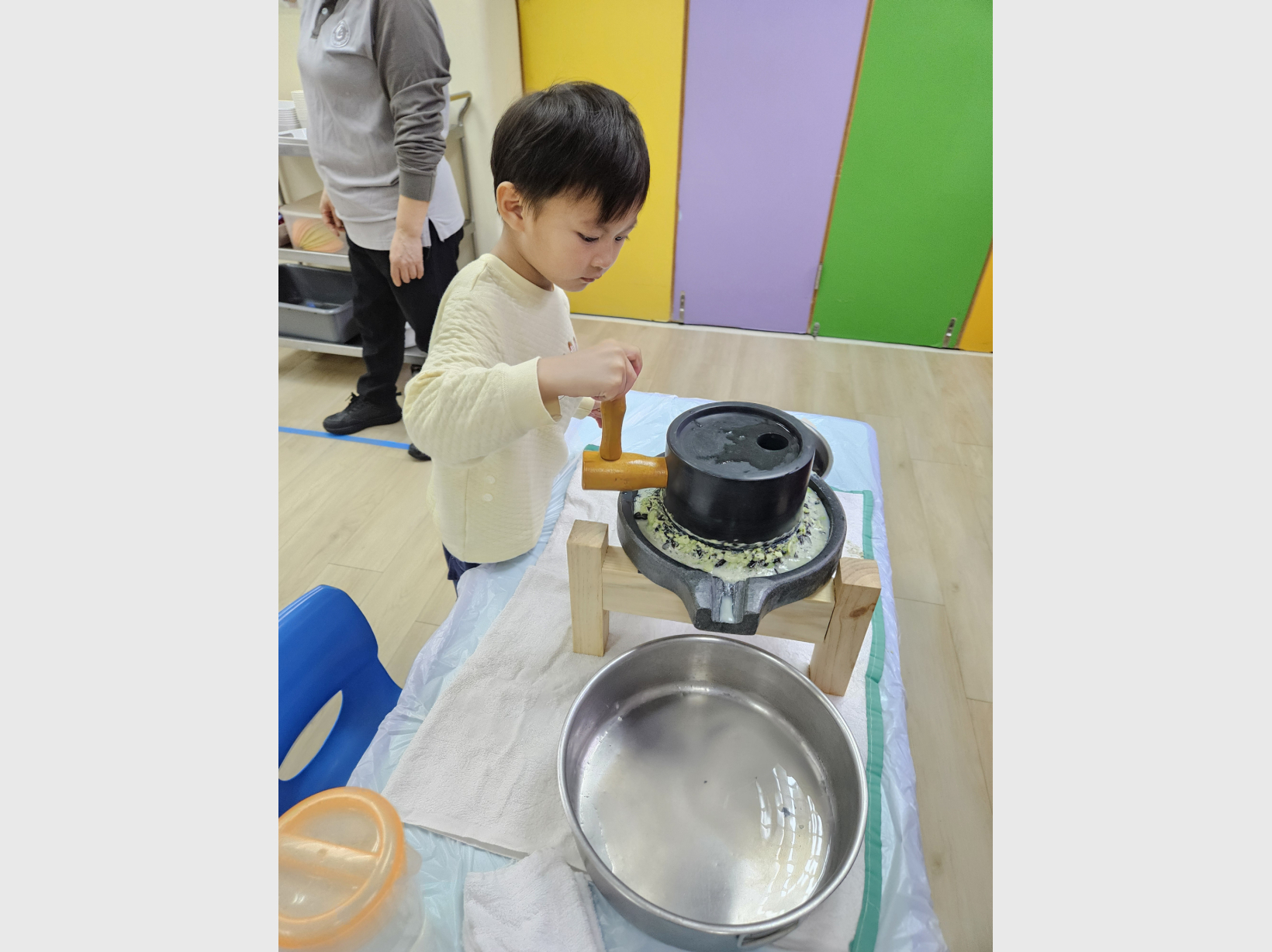
The theme of this special project was “Chinese Culture.” Through four weeks of learning activities, the children in each class, guided by their teachers, used their various senses to explore bean-based foods, ethnic costumes, Cantonese opera, and the art of tea ceremony. During the project study, teachers also engaged the children in various art and hands-on activities, allowing them to express their creativity and artistic talents. During the Chinese Culture Day, parents were invited to join their children in various activities on campus. Activities included:
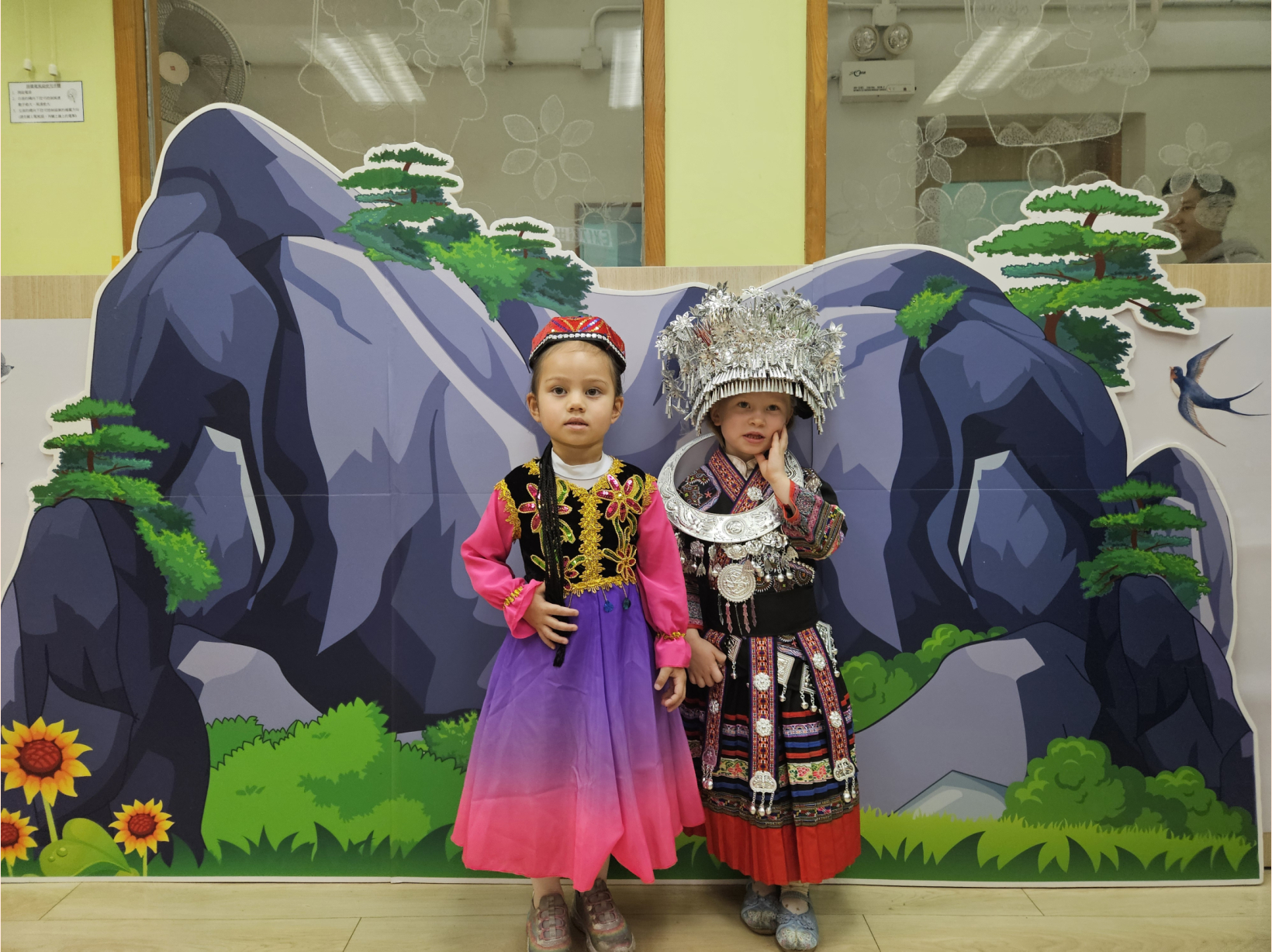
- “Mini Ethnic Village” (trying on different ethnic costumes, making ethnic accessories);
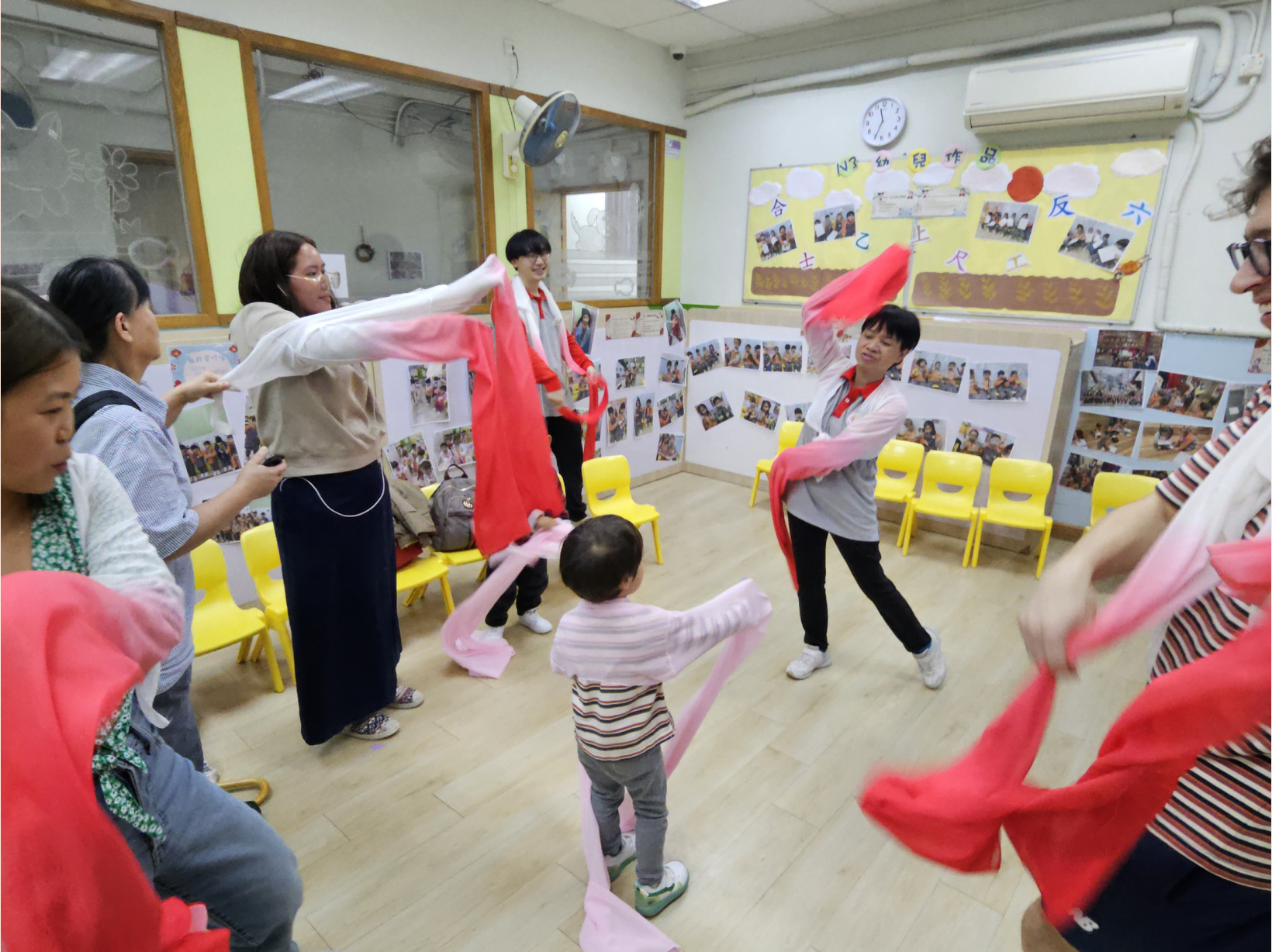
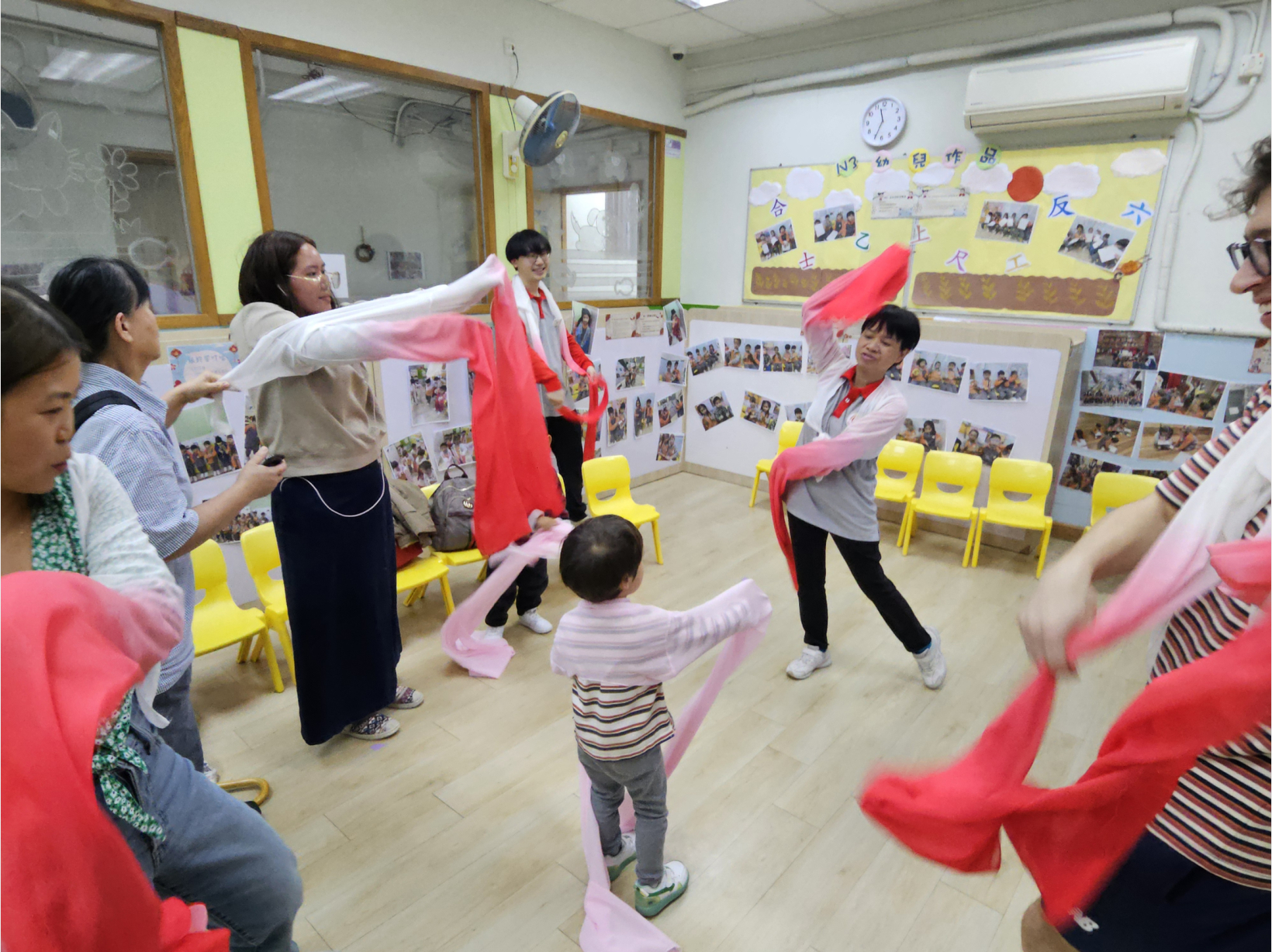
- “Water-Sleeve Dance/Ethnic Dance” (experiencing the music and dance of China’s Miao ethnic group, as well as Cantonese opera’s “Gongchepu” notation and water-sleeve dance);
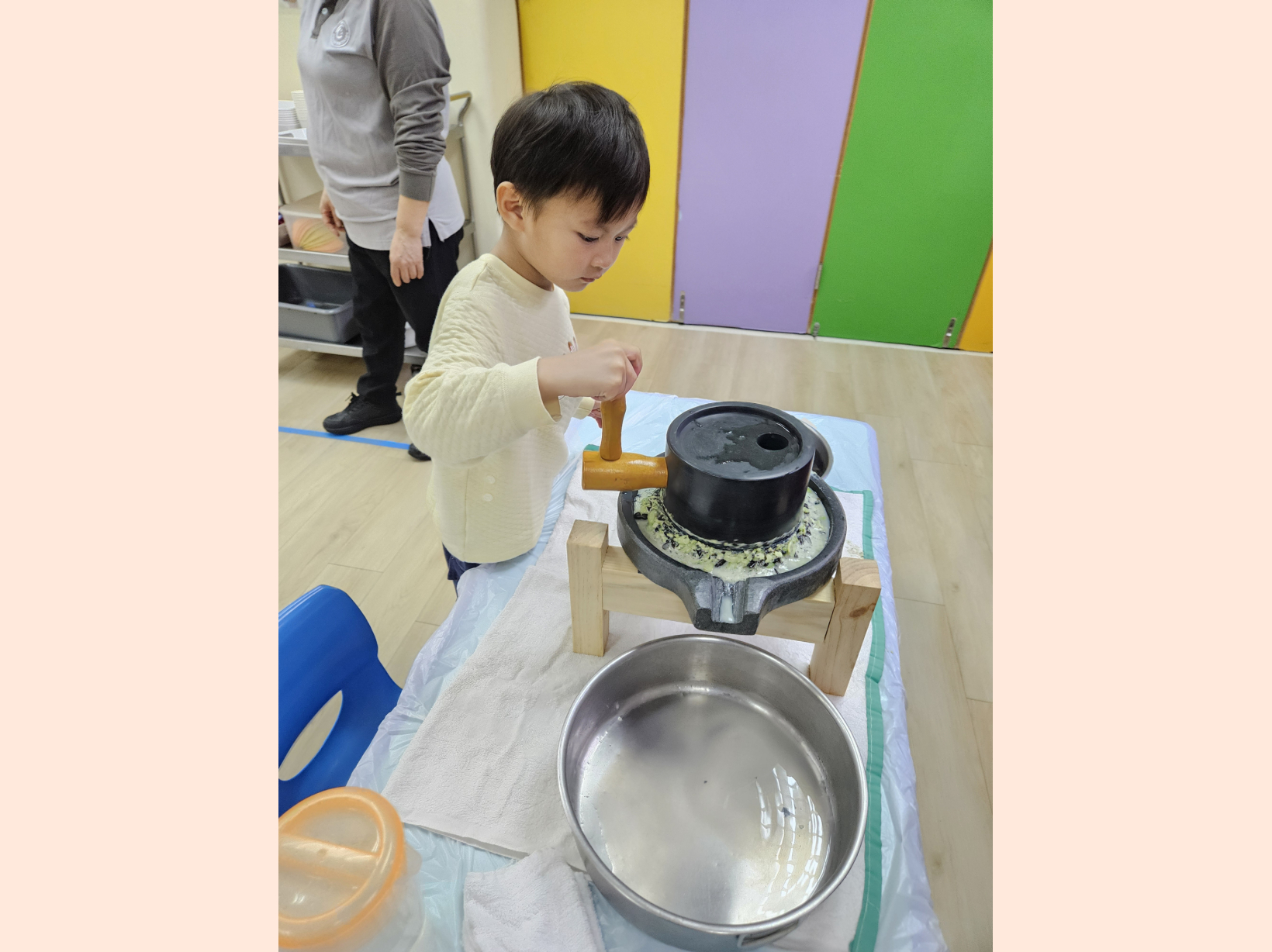
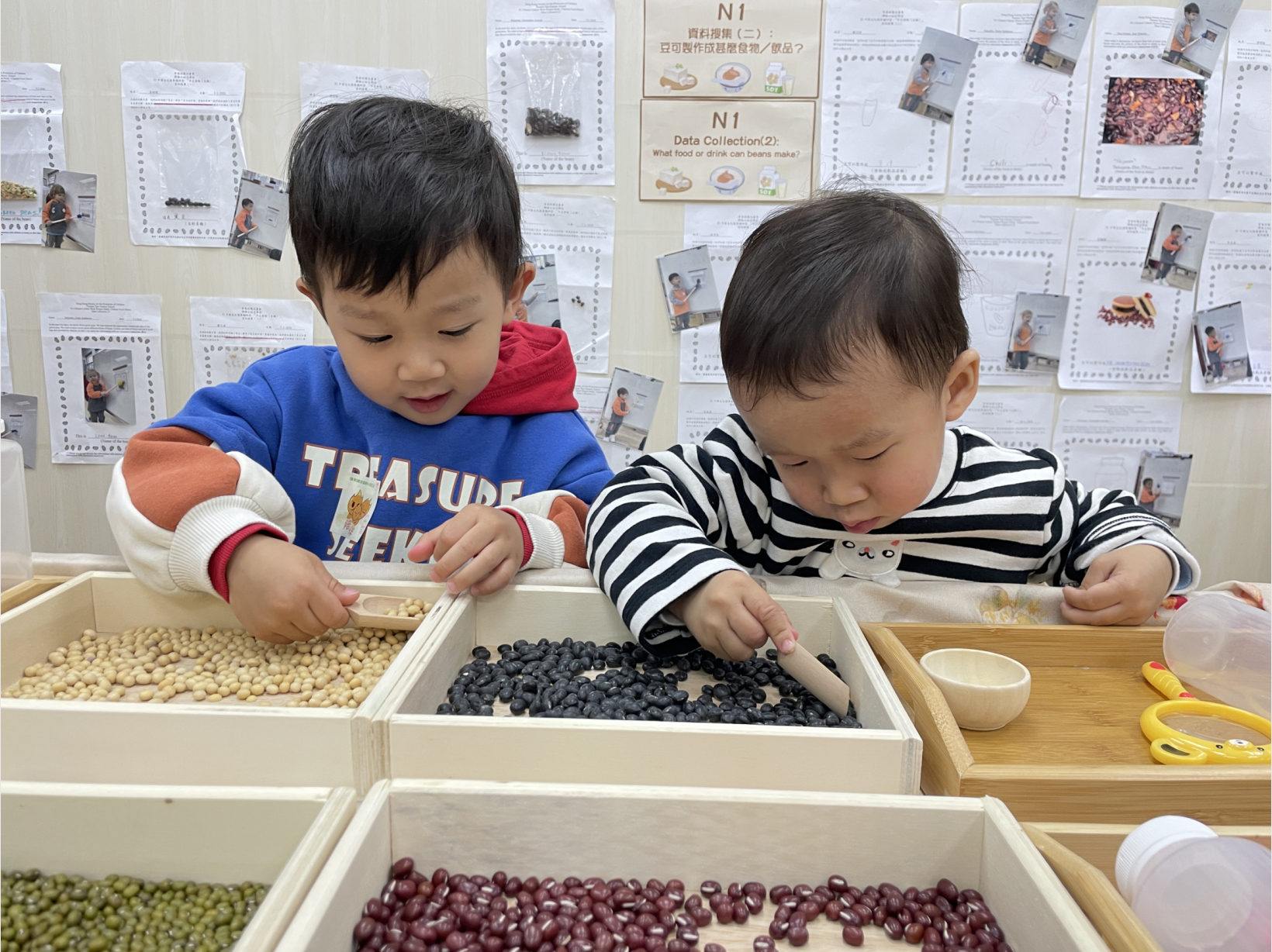
- “Bean Workshop” (exploring different types of beans through the senses, grinding black soybeans with a stone mill, and tasting bean products);
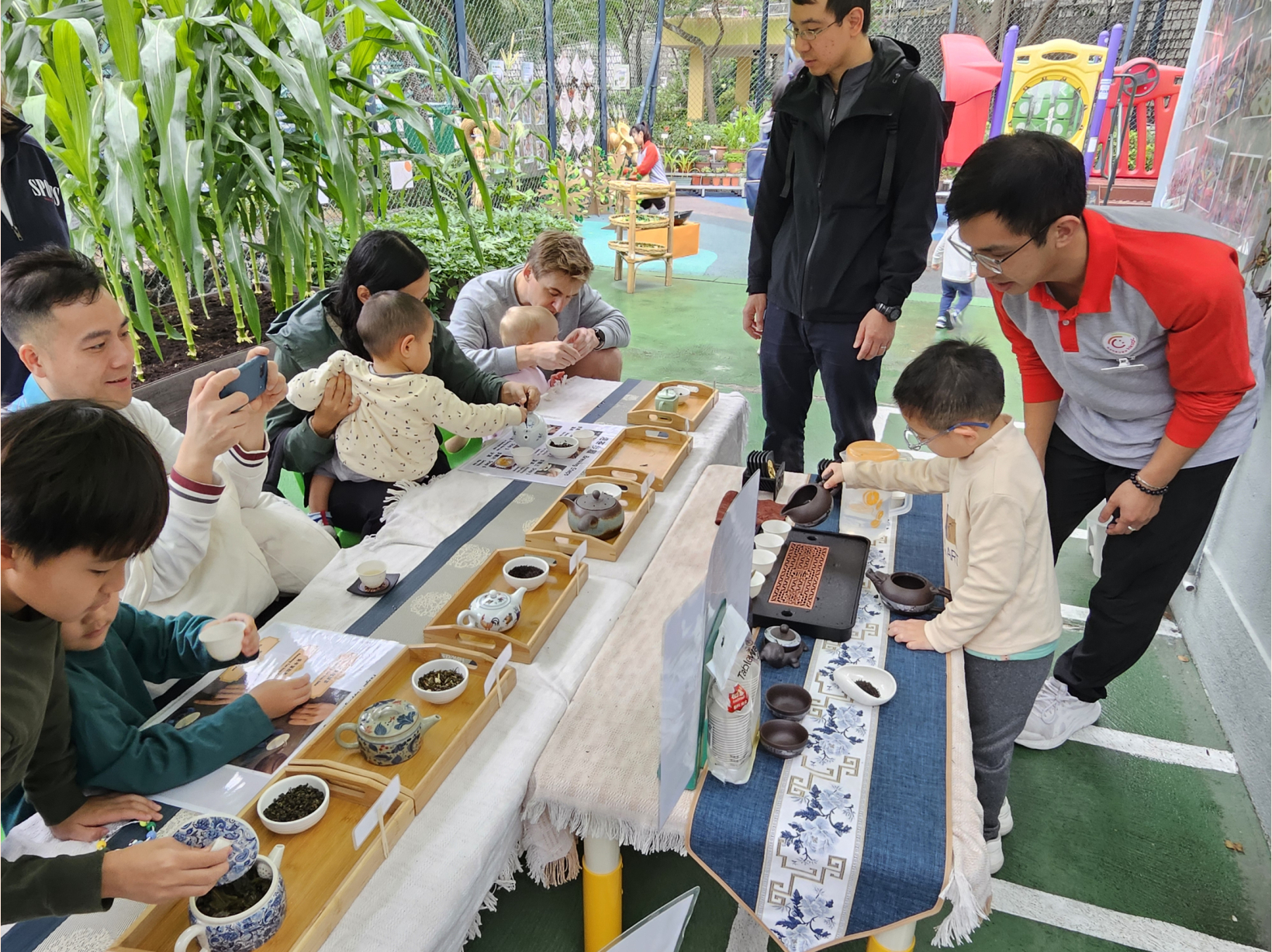
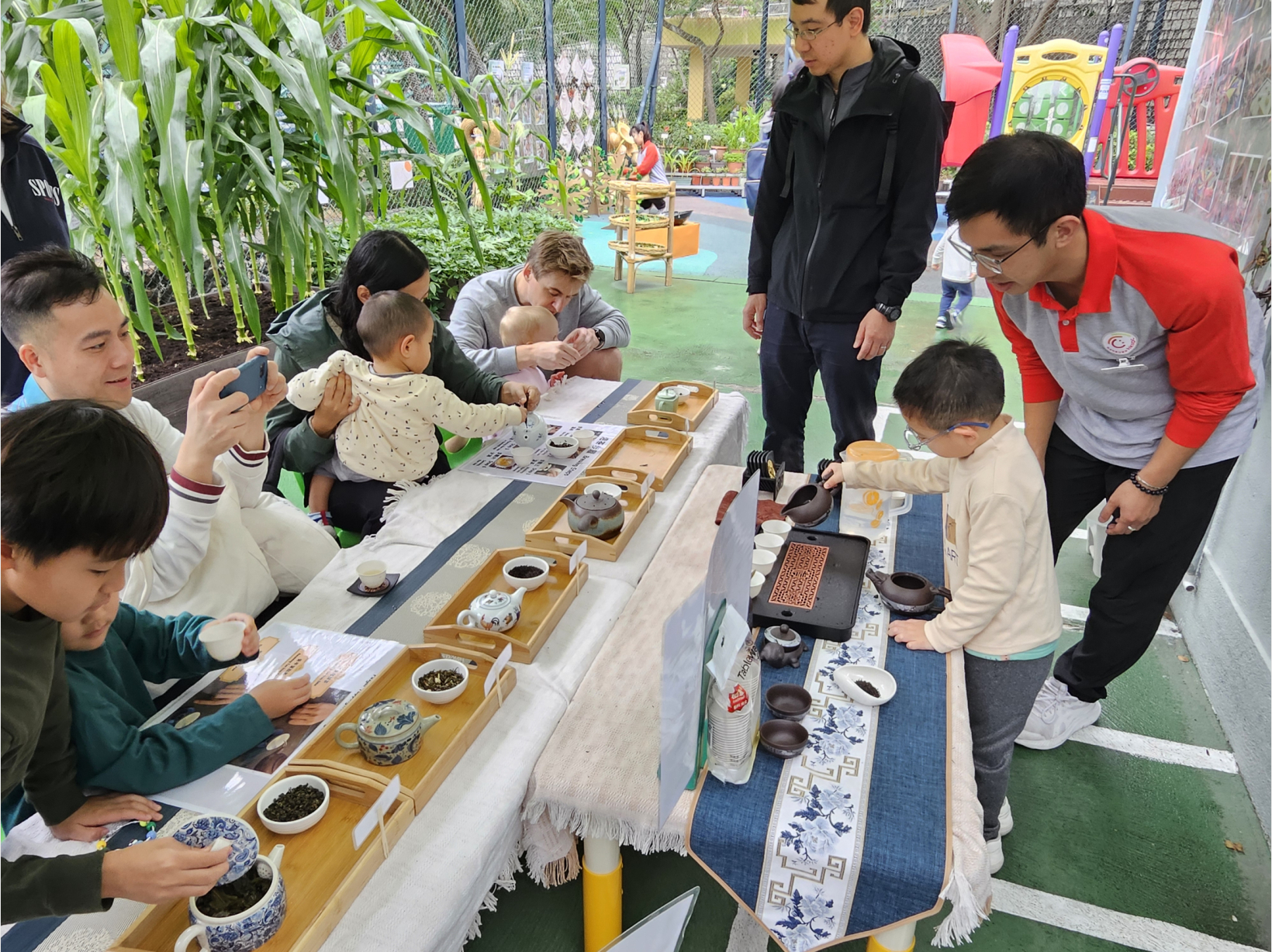
- “Tea Tasting Garden” (exploring different types of tea leaves with all five senses, N4 children acting as junior tea masters to demonstrate tea ceremonies, making flower tea bags, and role-playing as young tea farmers to simulate tea picking and processing);
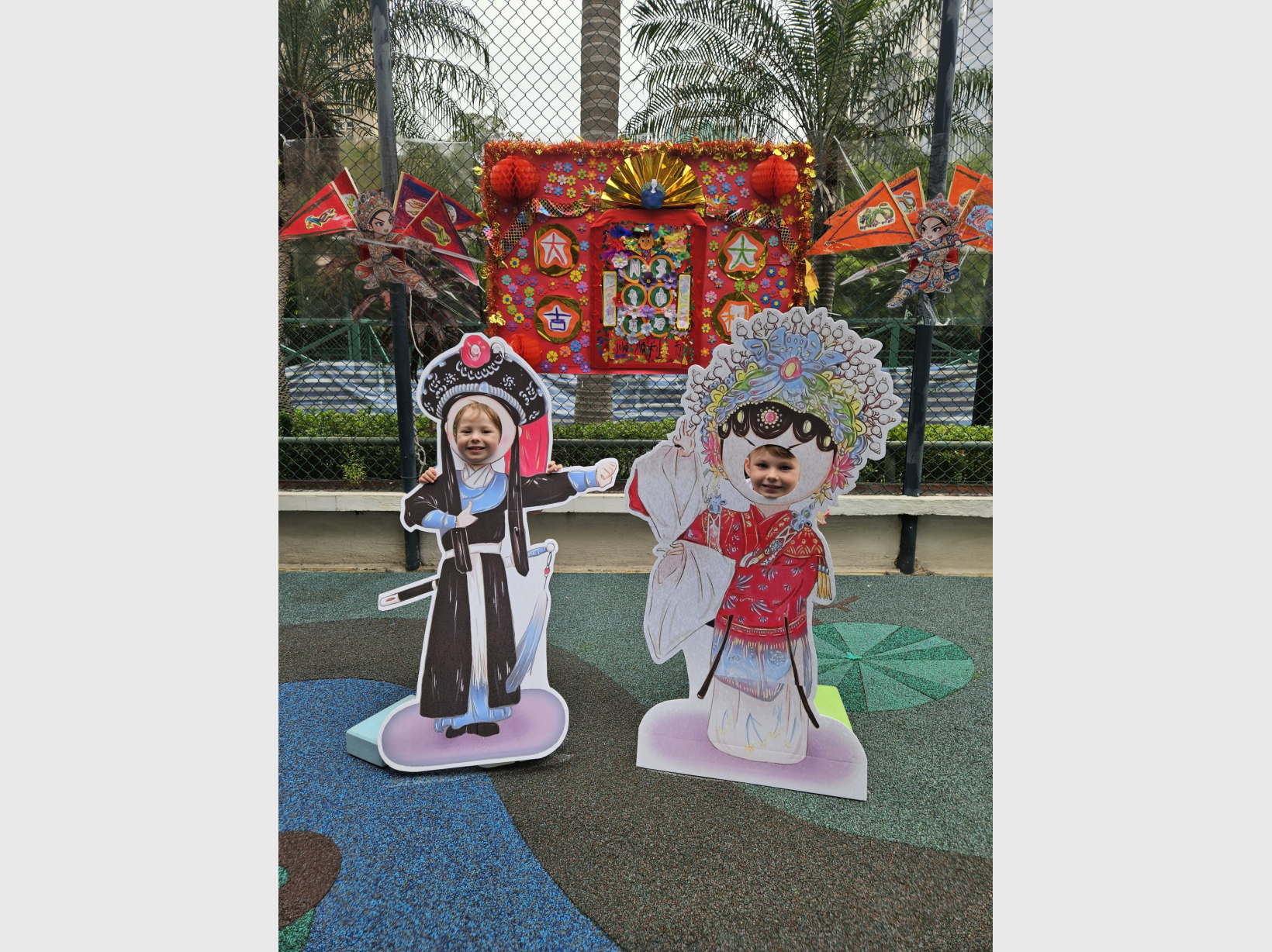
- “Cantonese Opera Stage” (making Cantonese Opera Flower Plaques for the Cantonese opera stage, posing for photos as Cantonese opera characters)
School-based Learning Activity of Chinese Culture Display Form