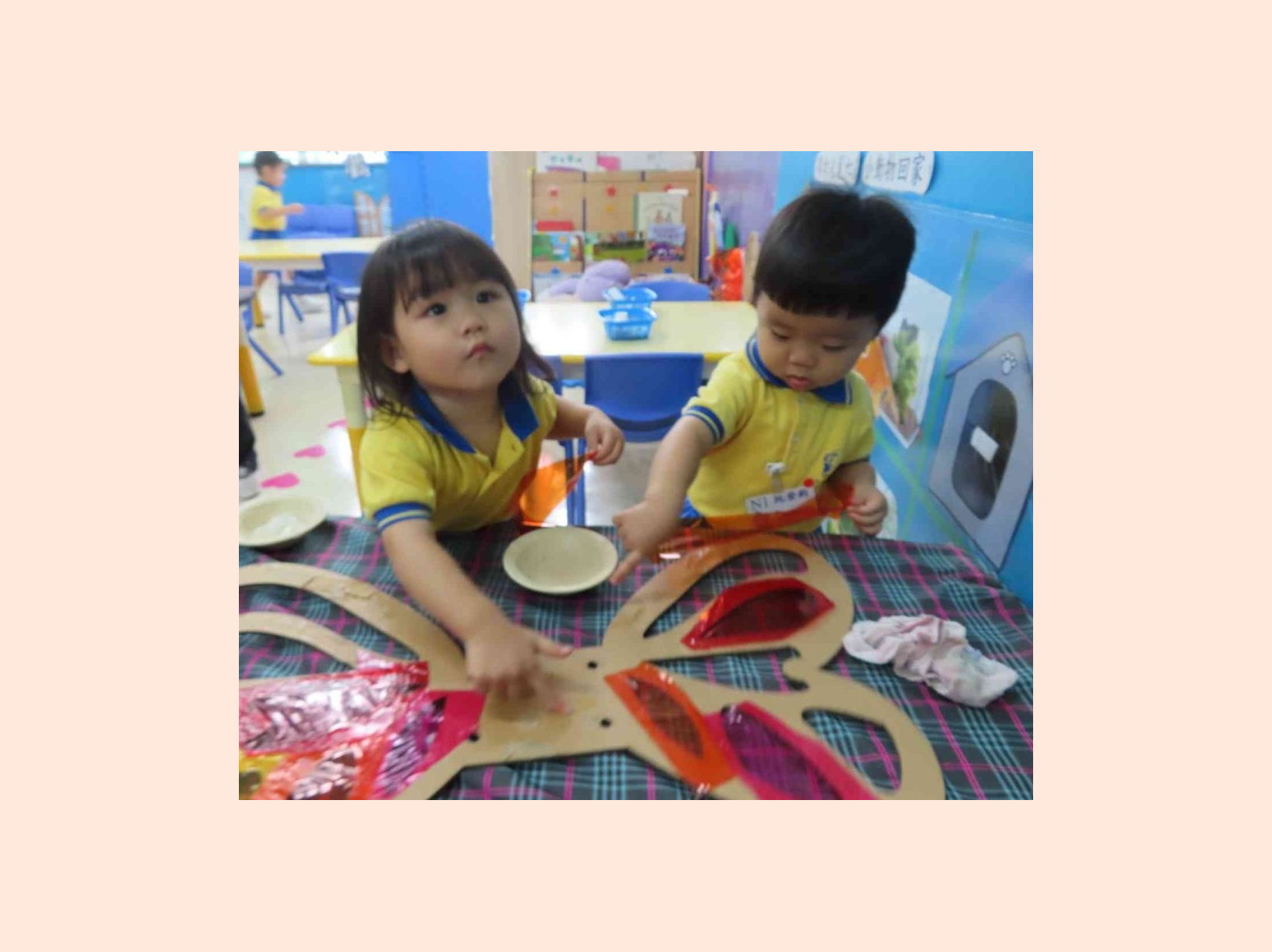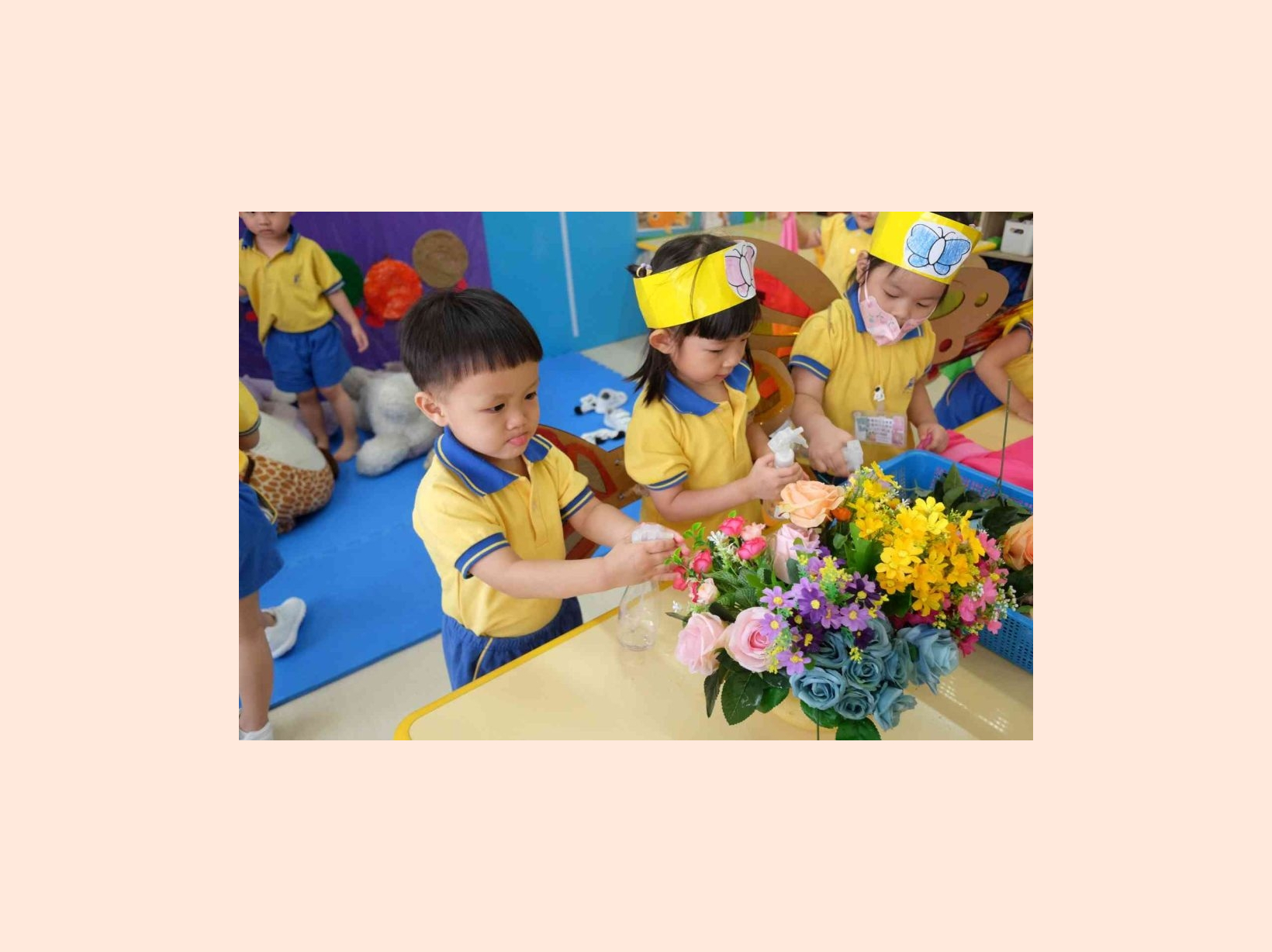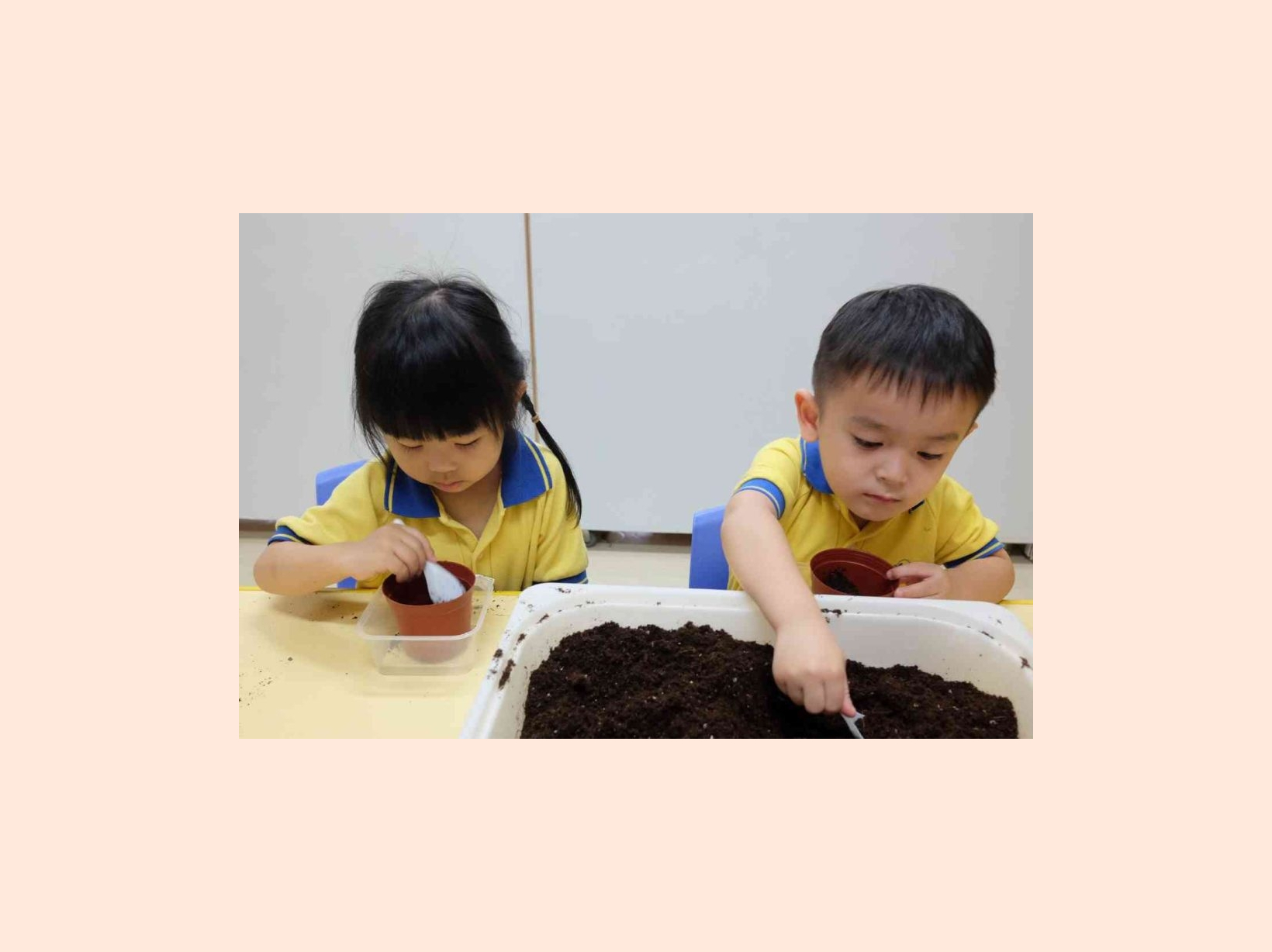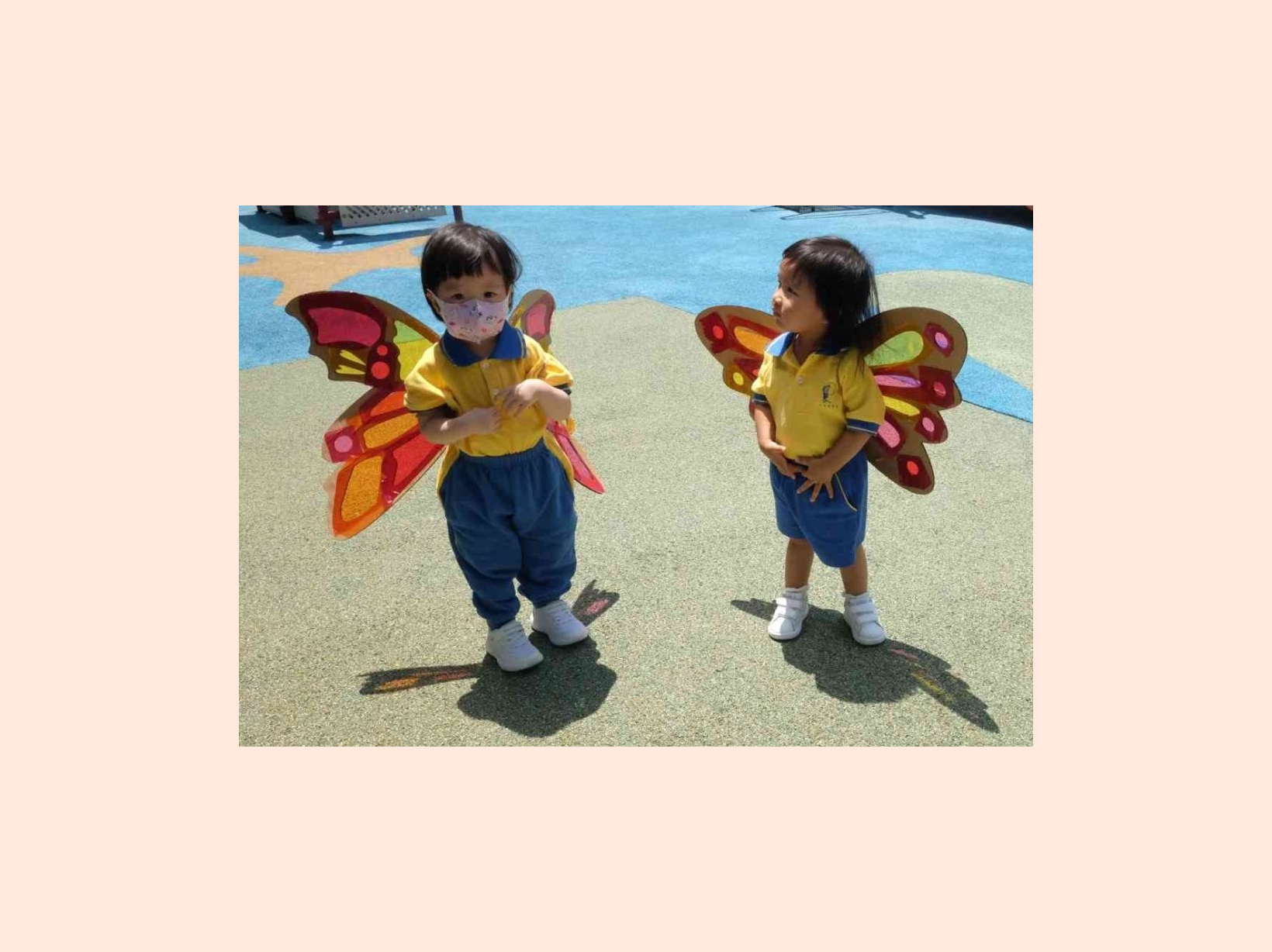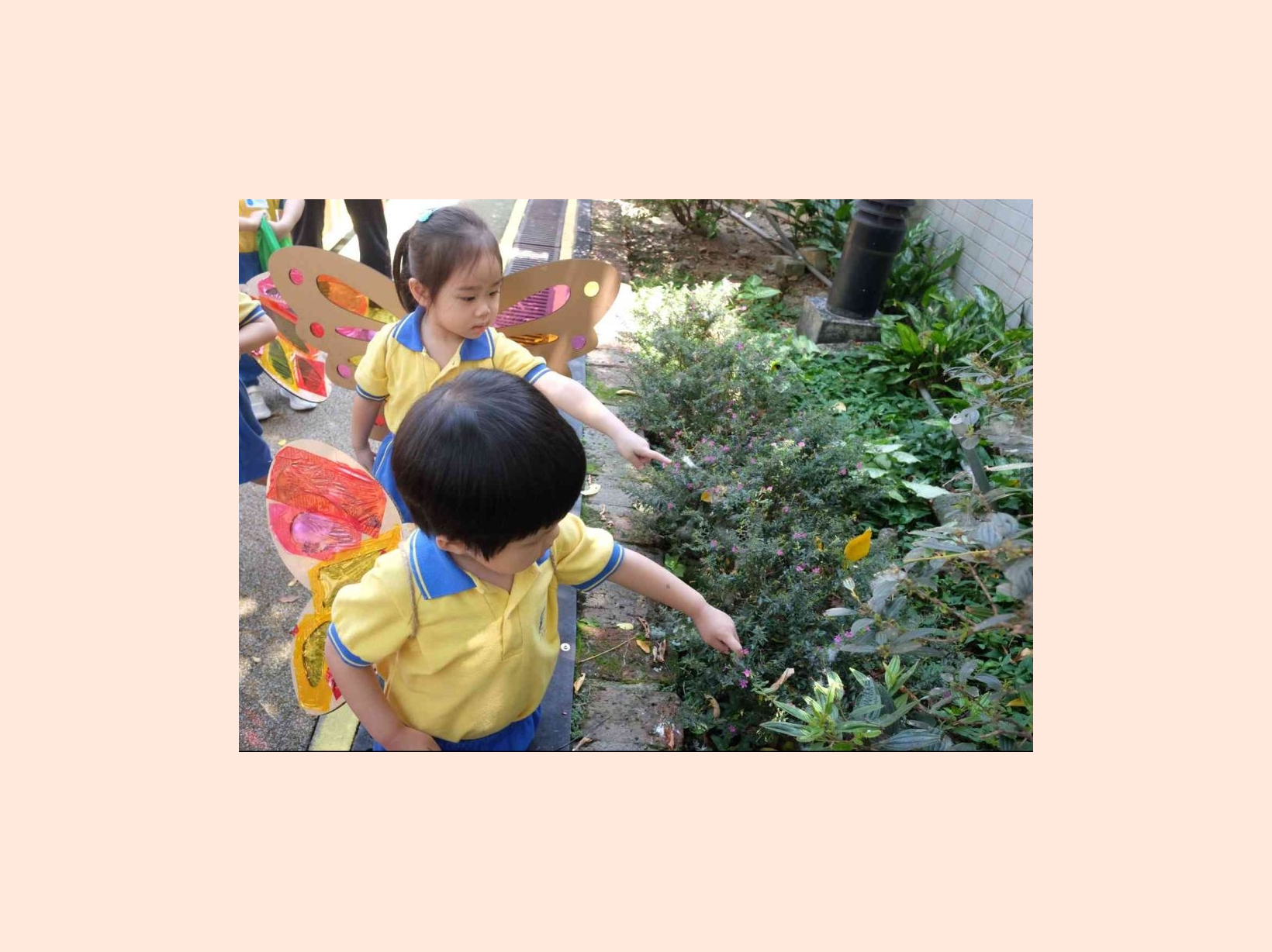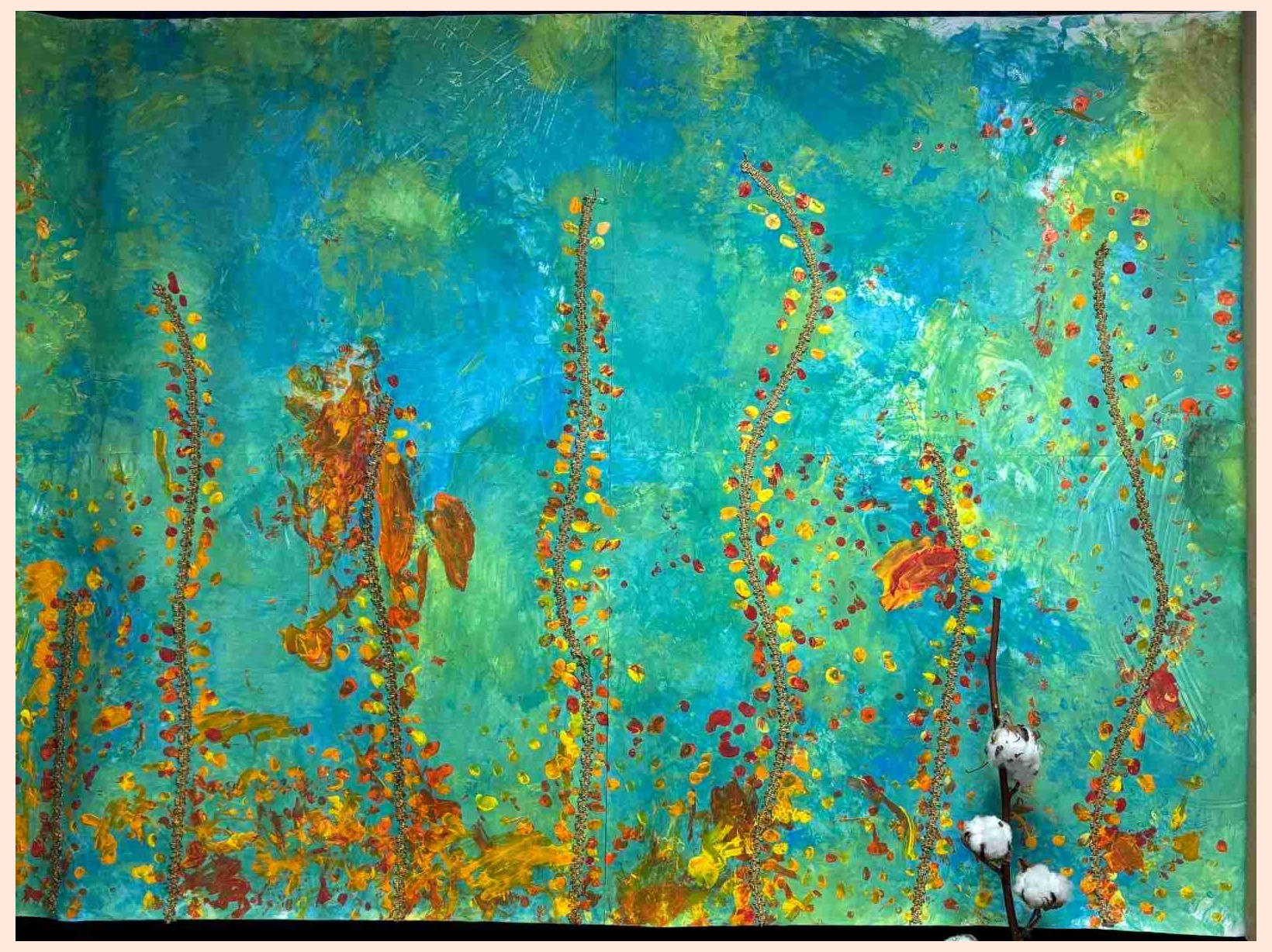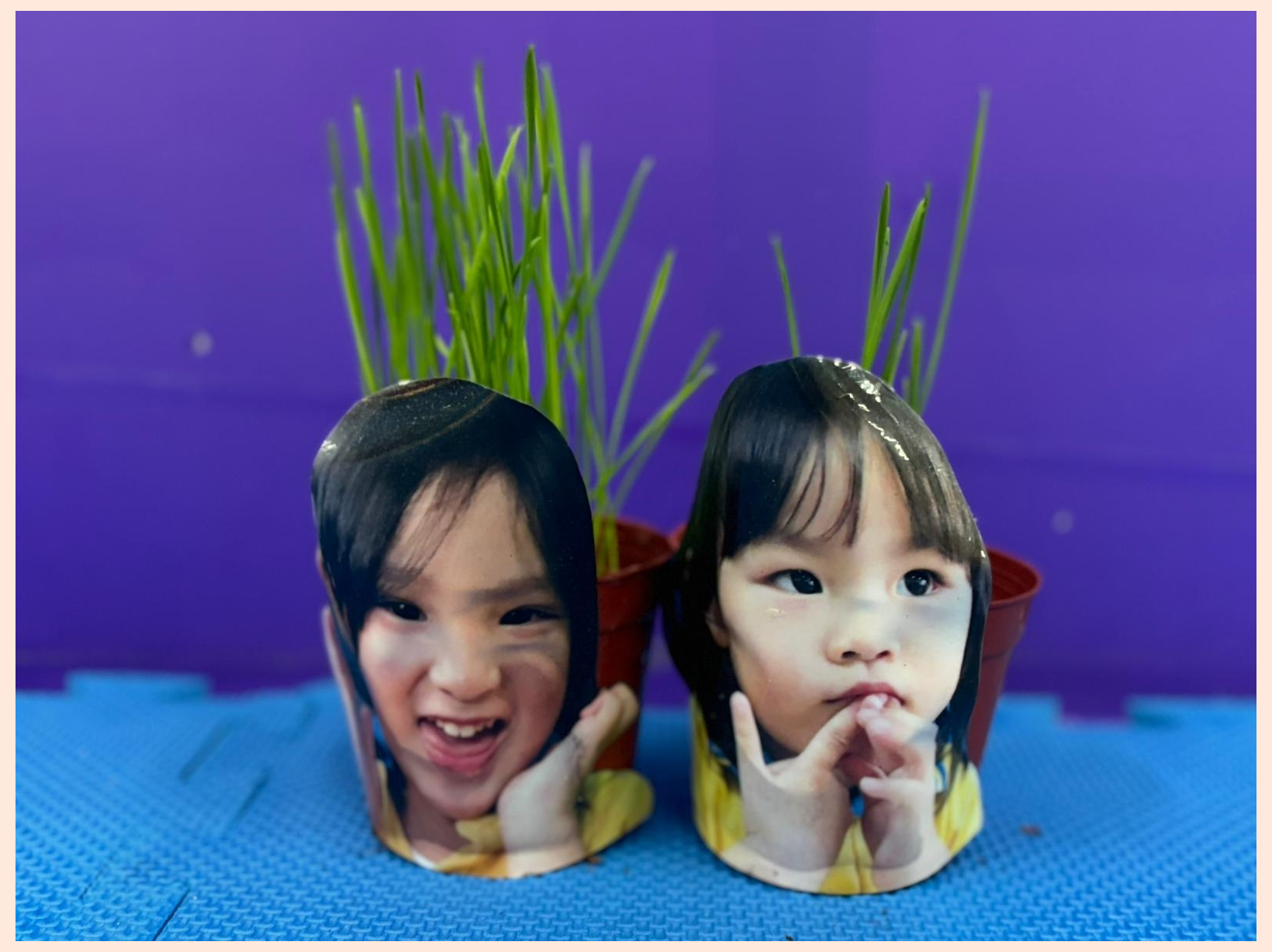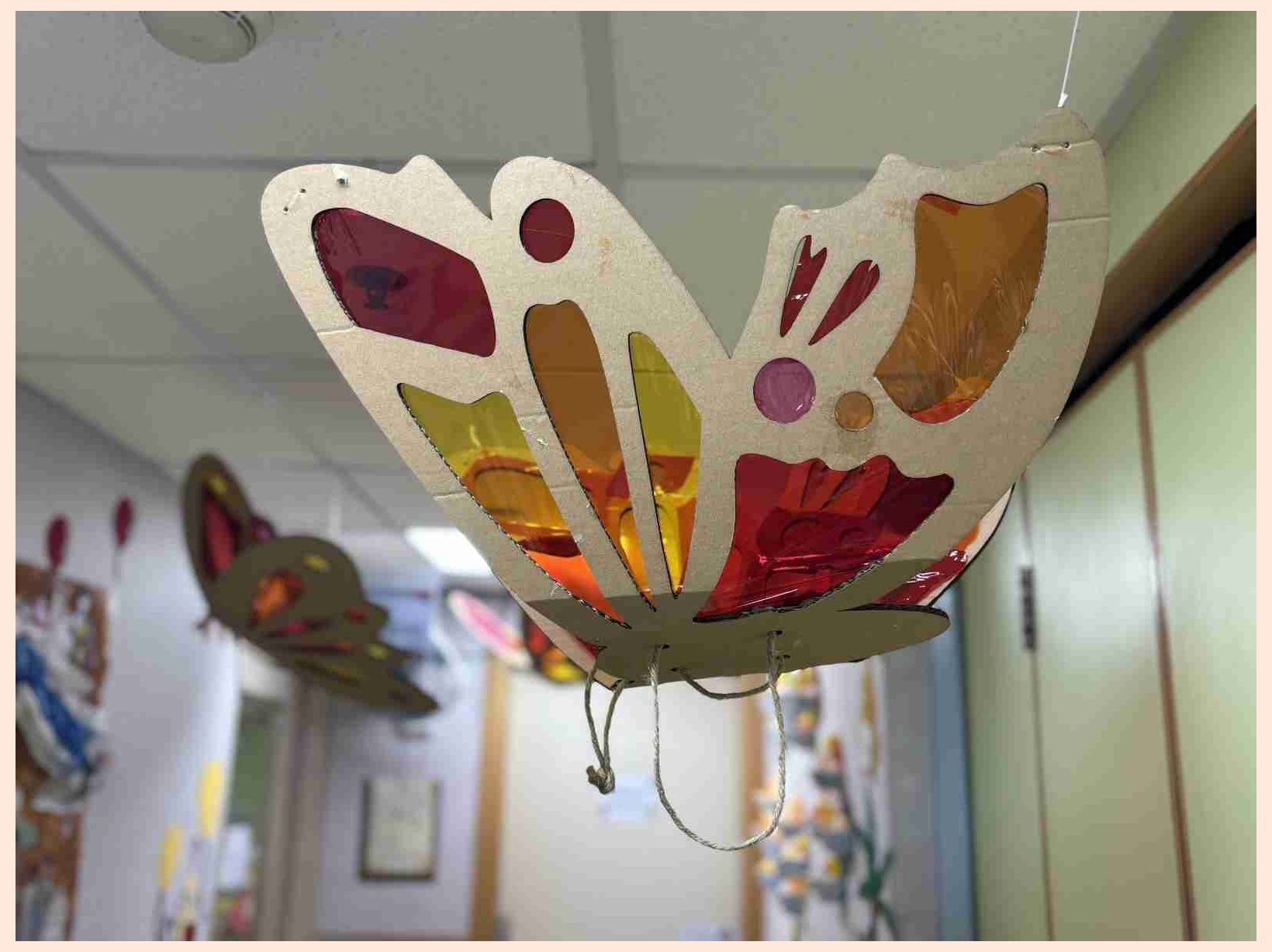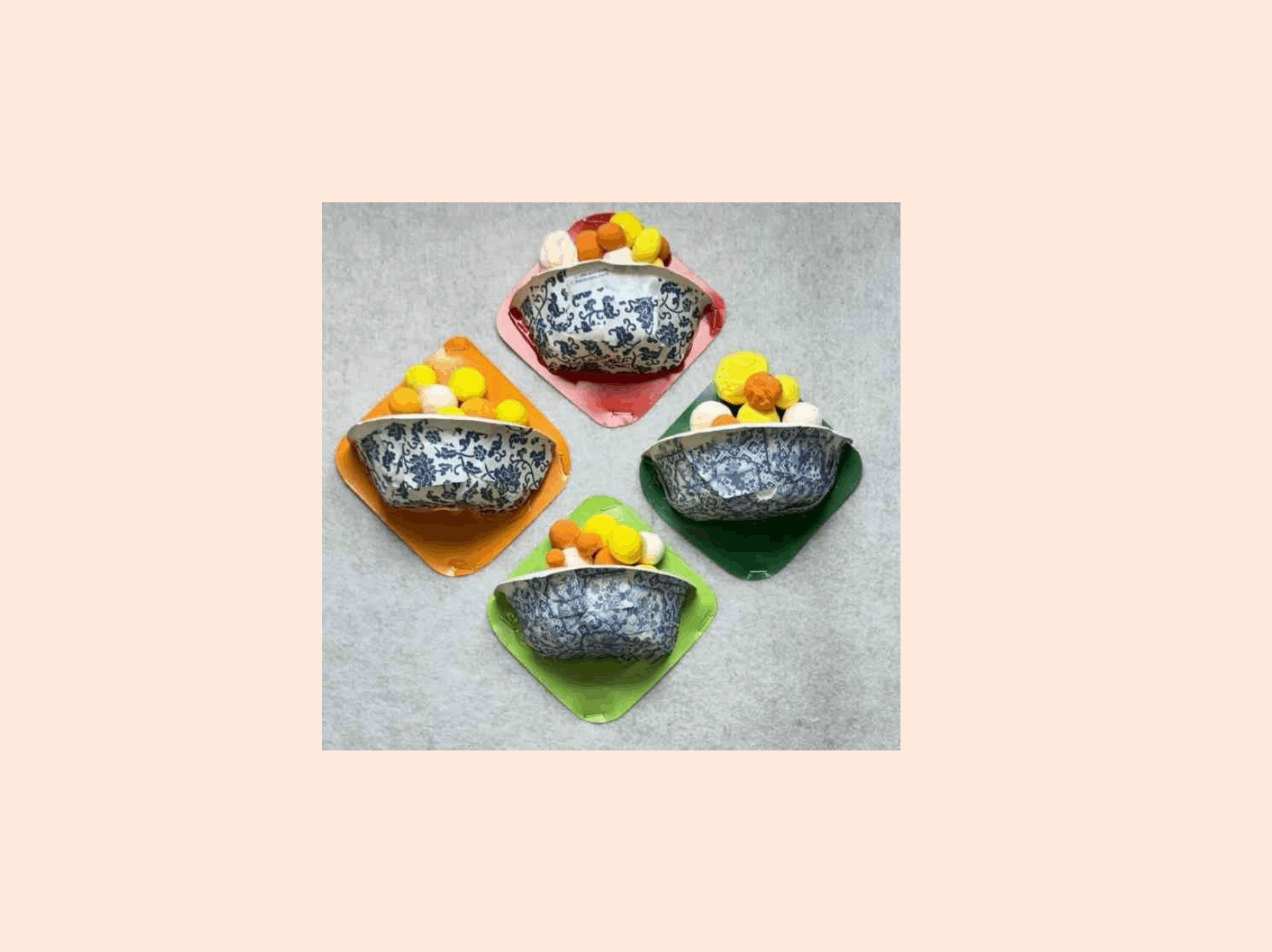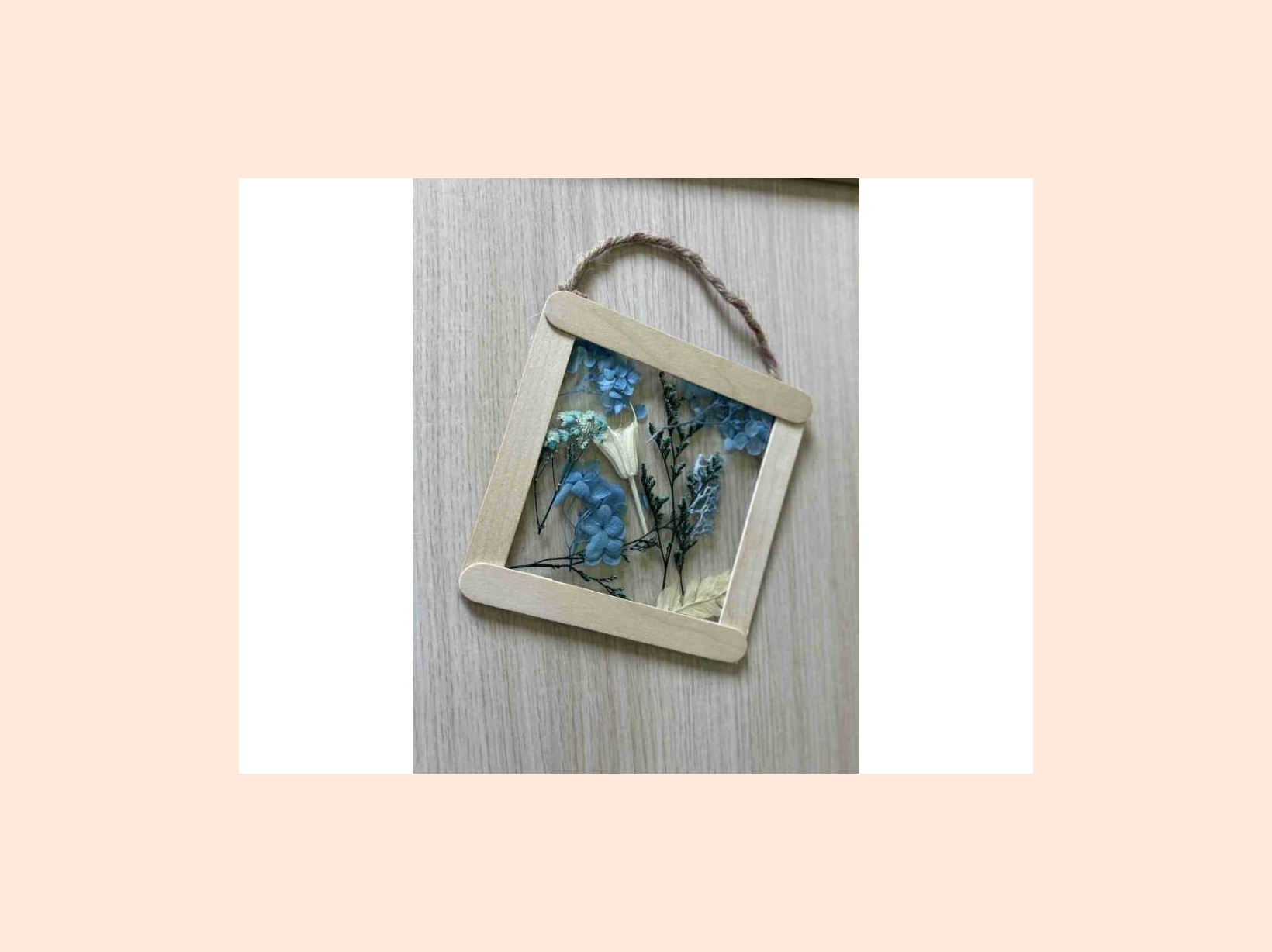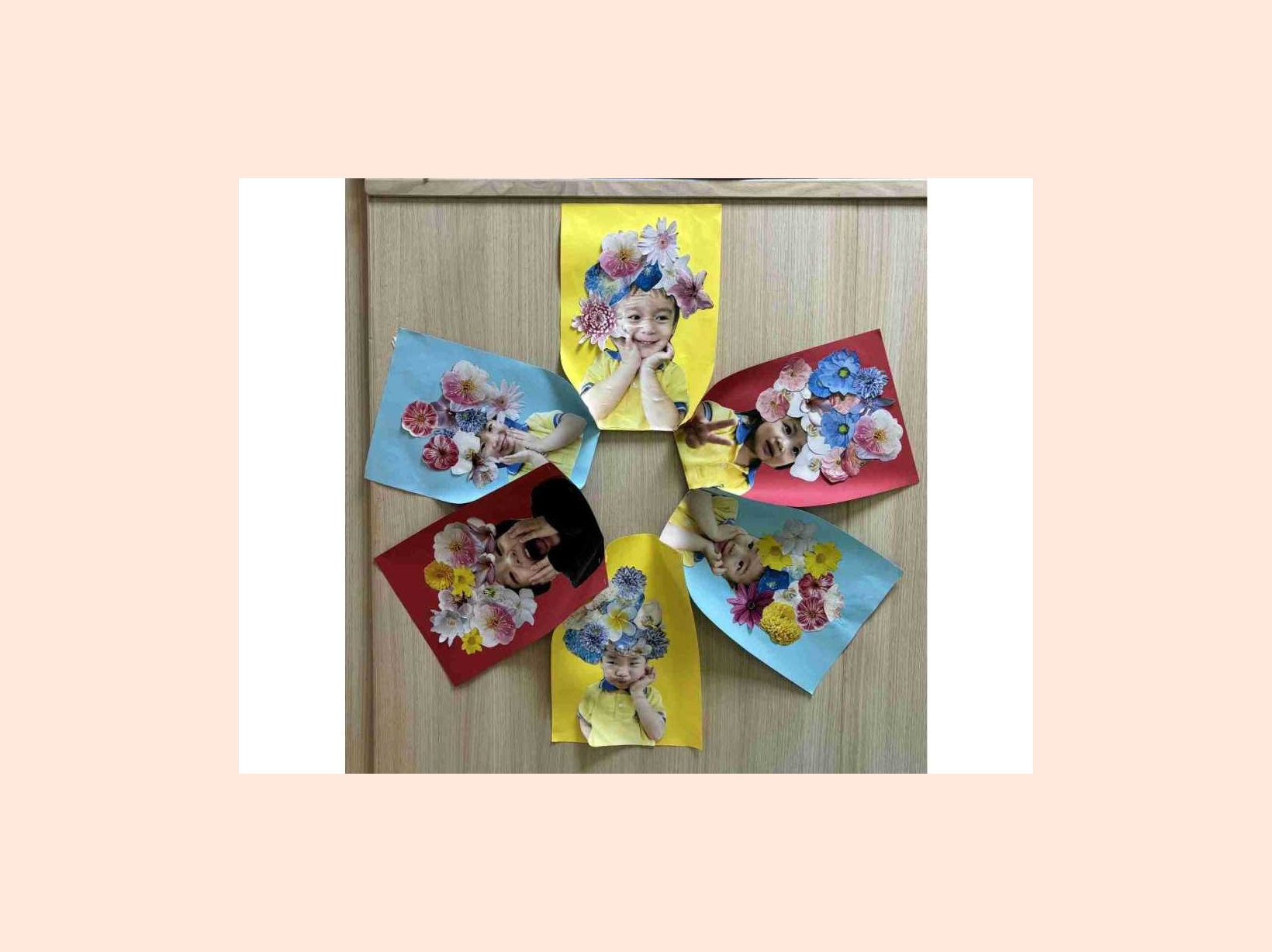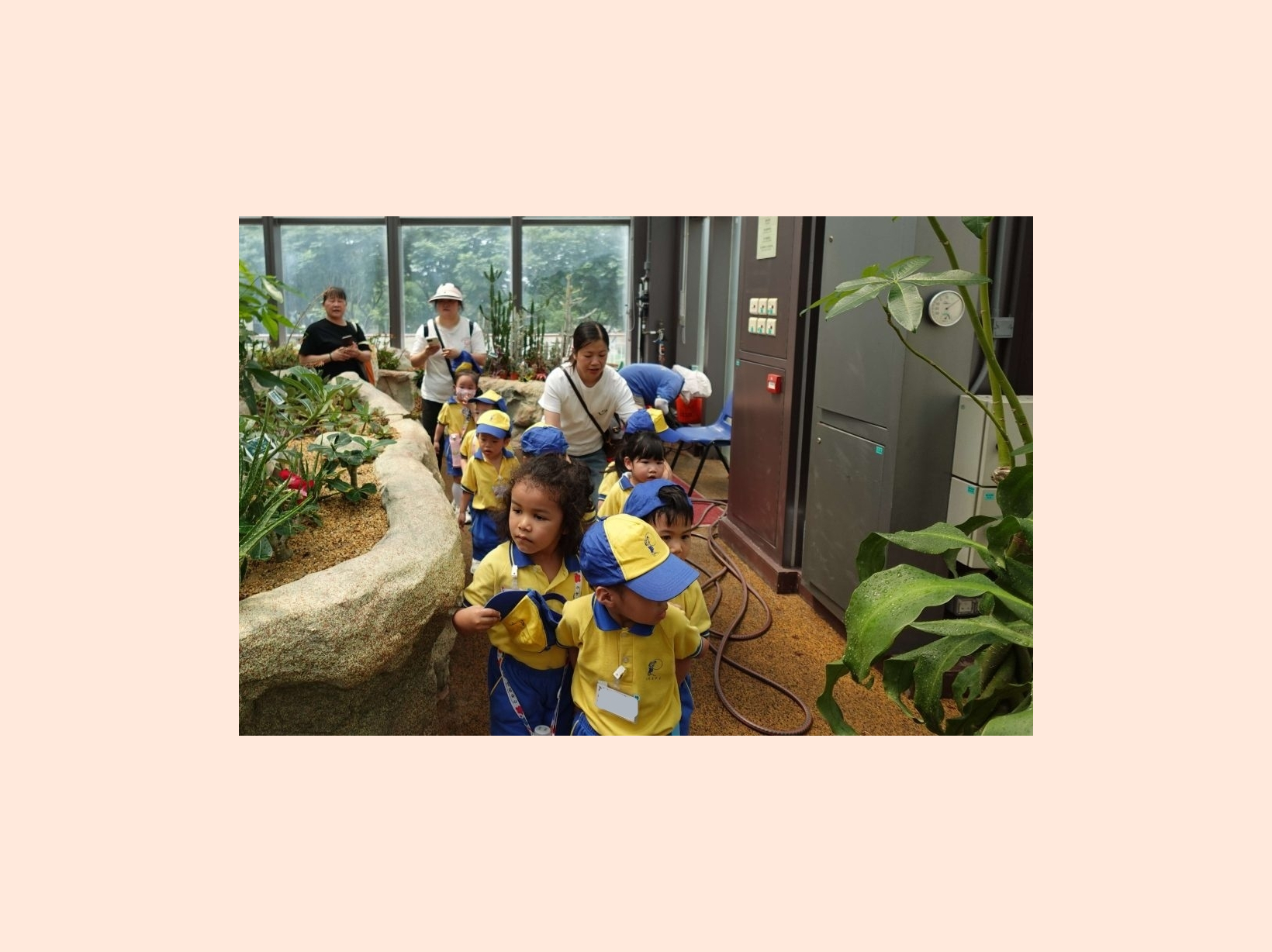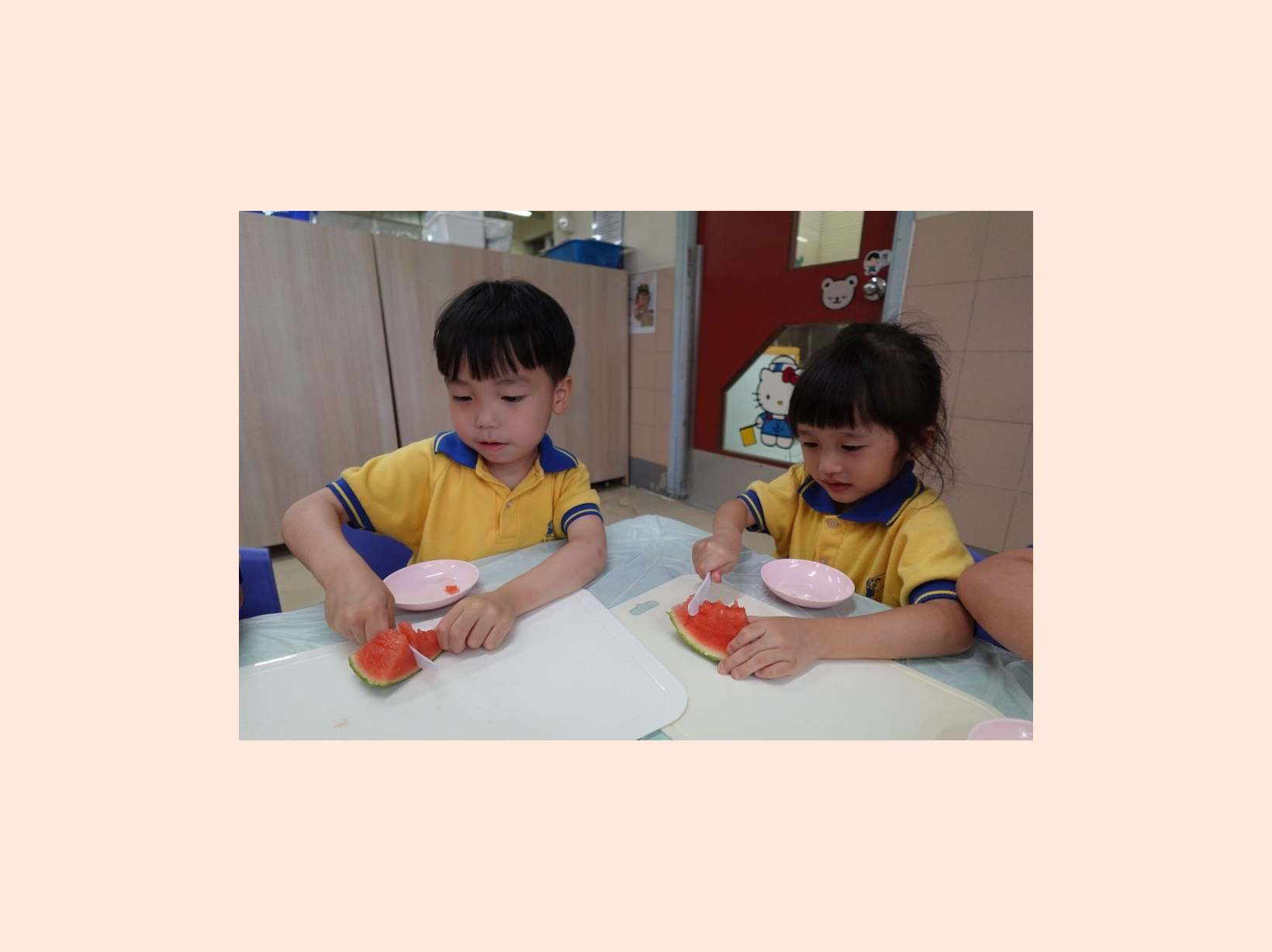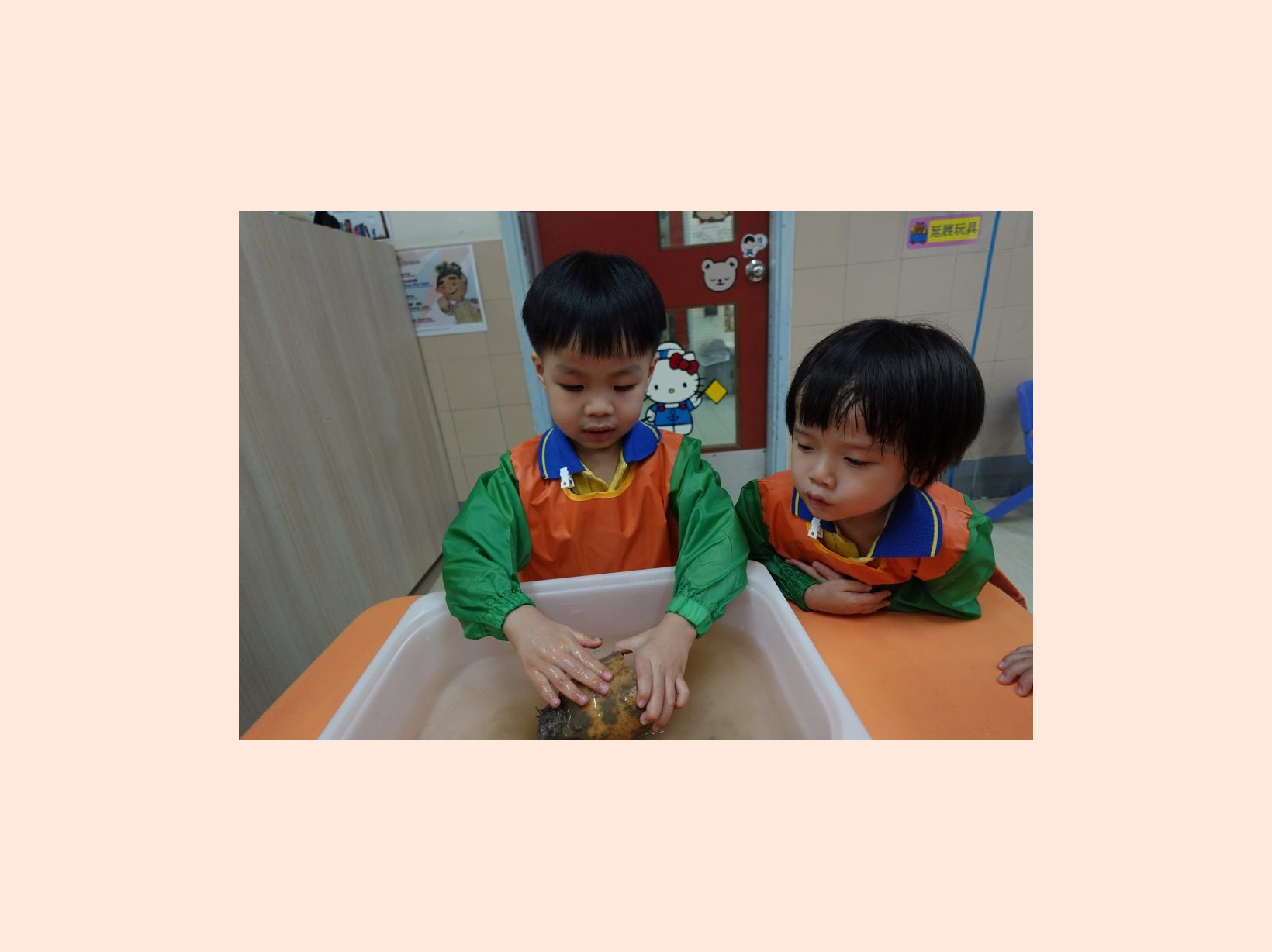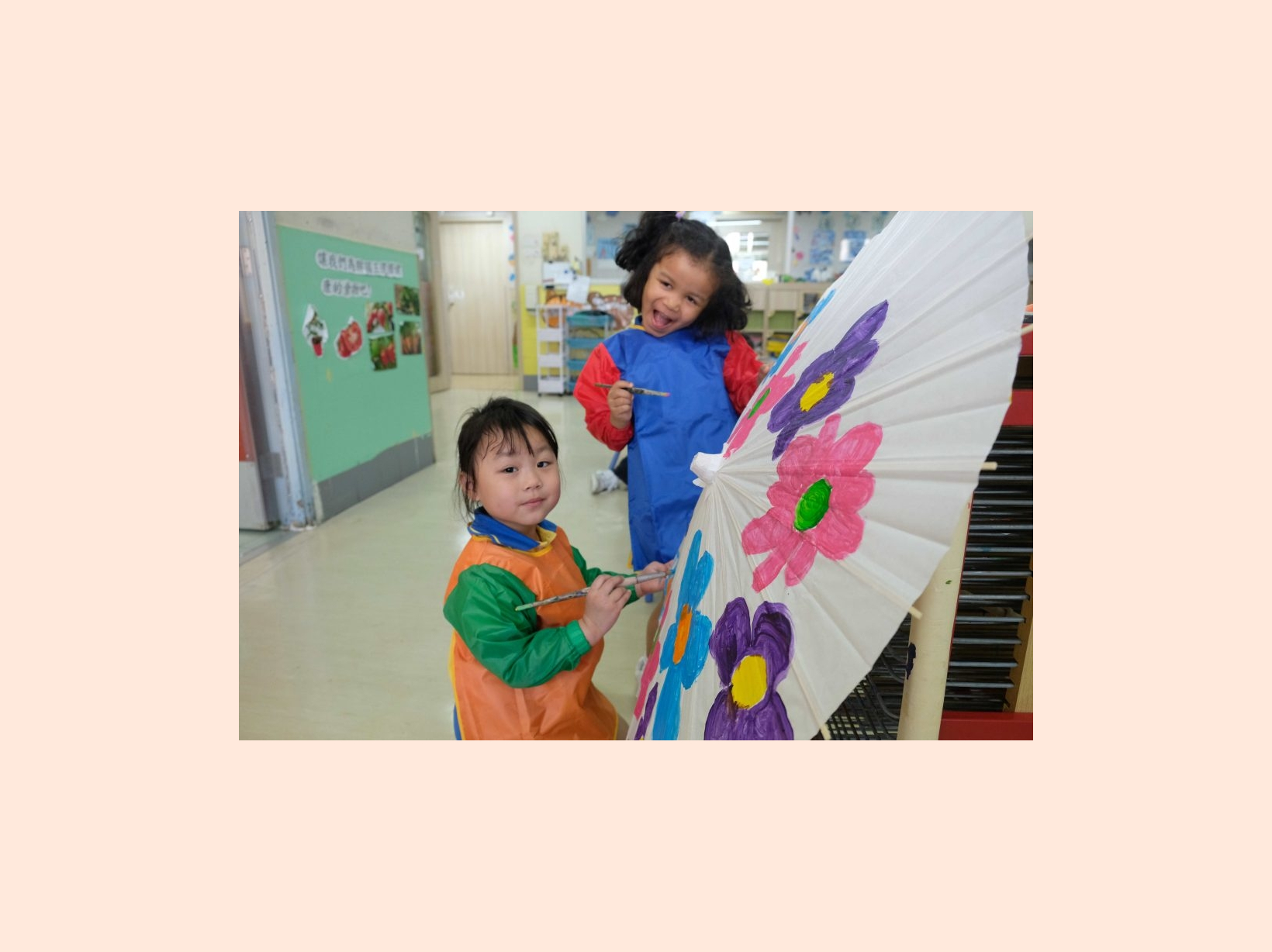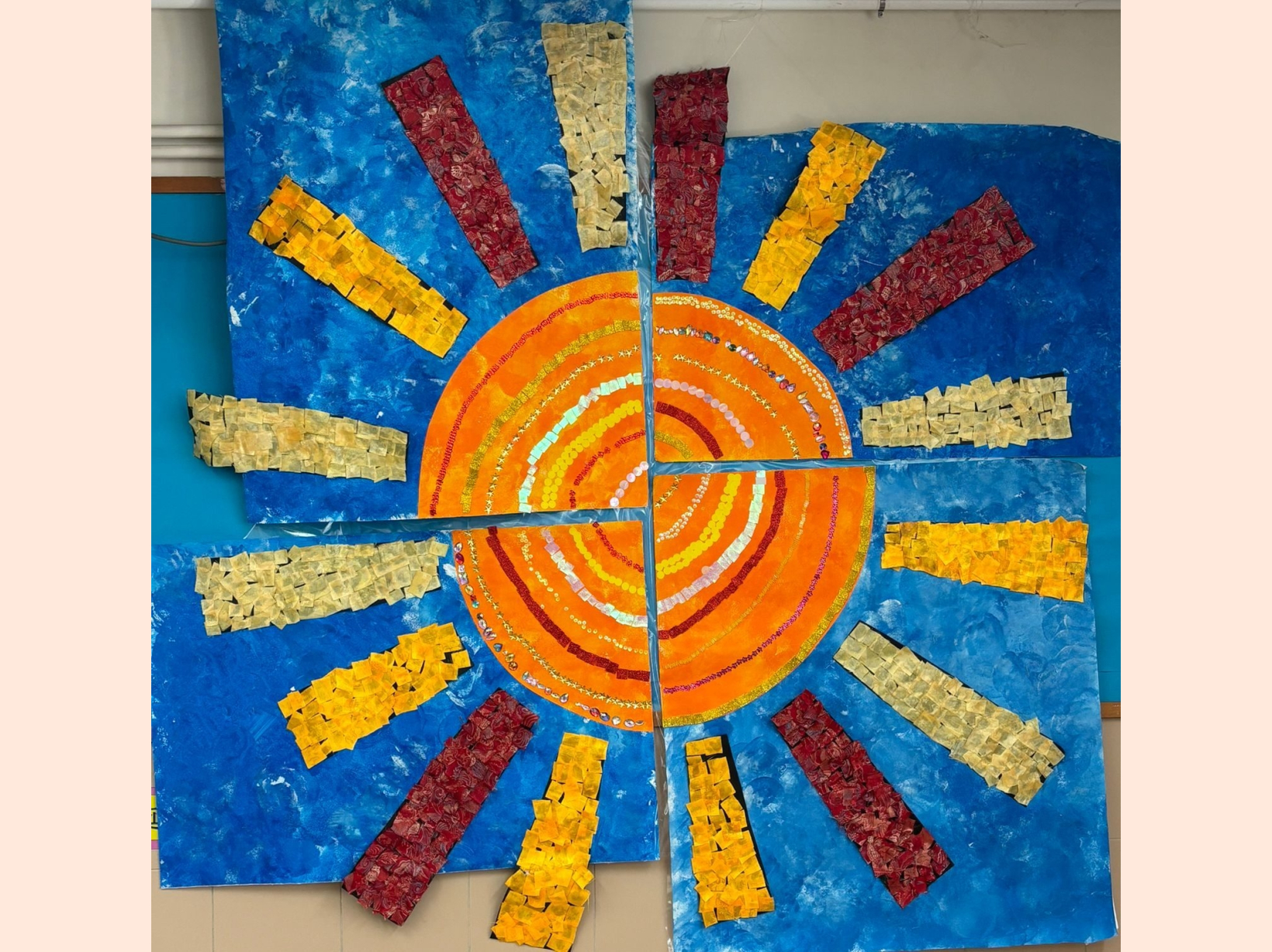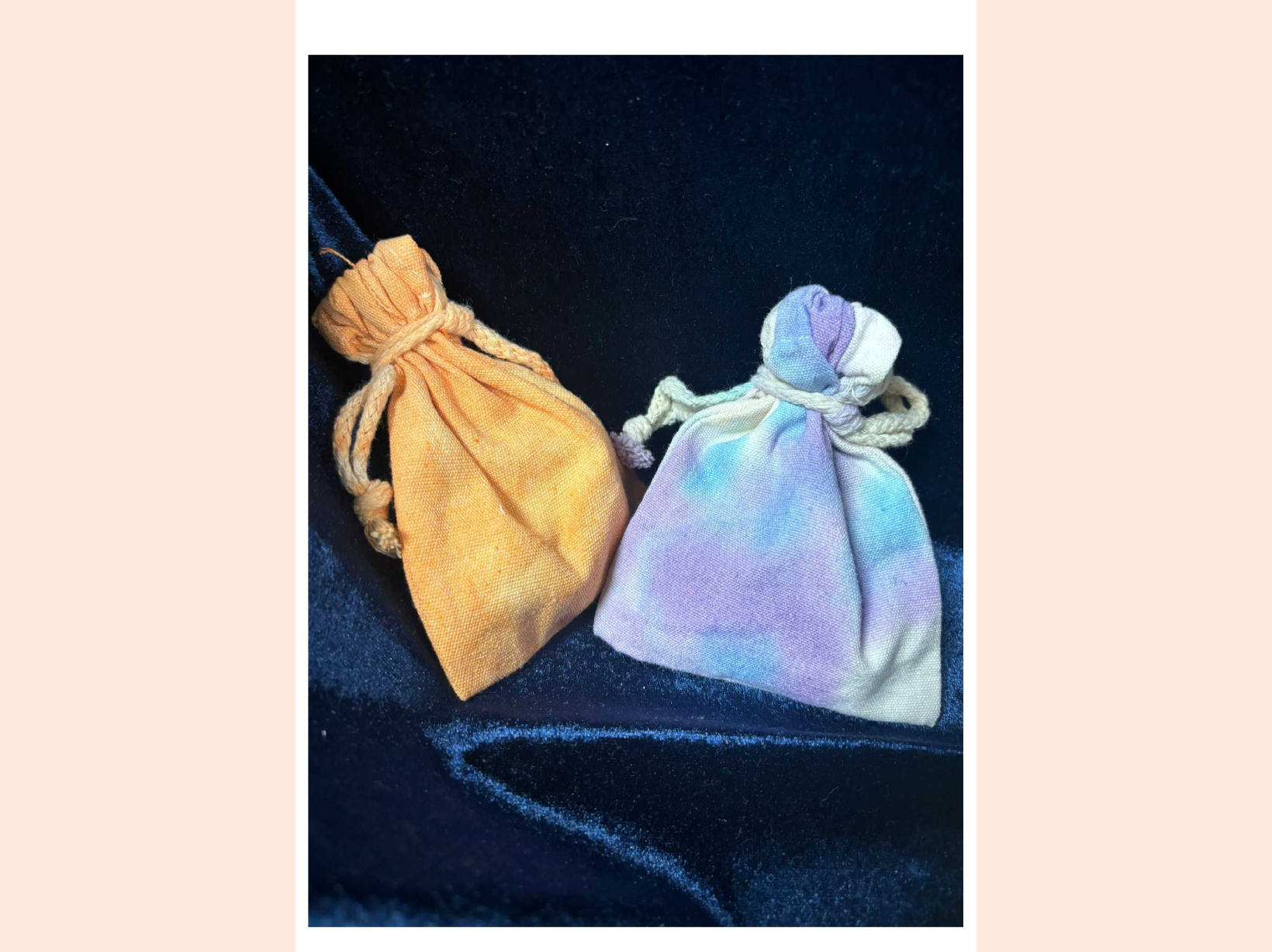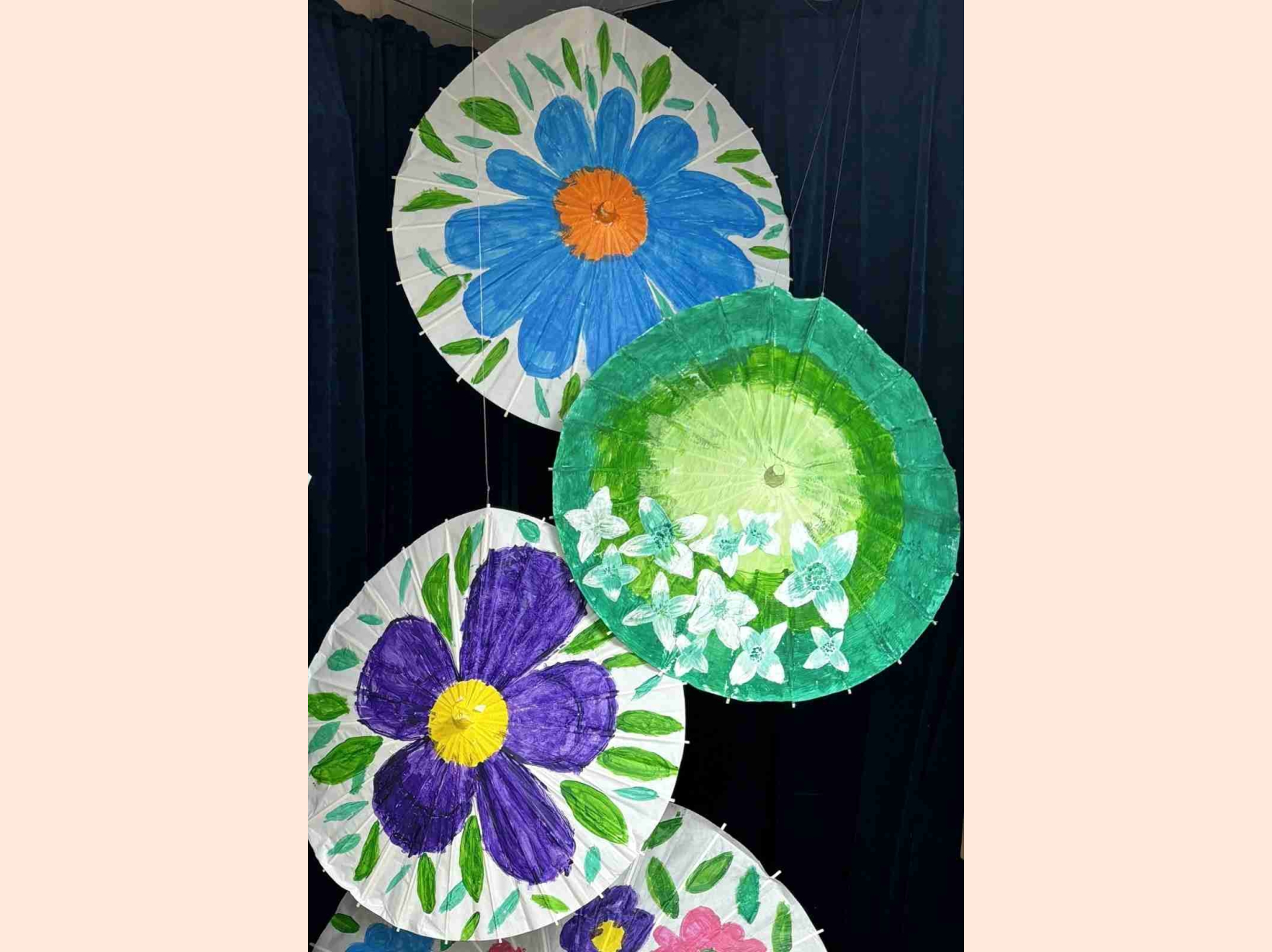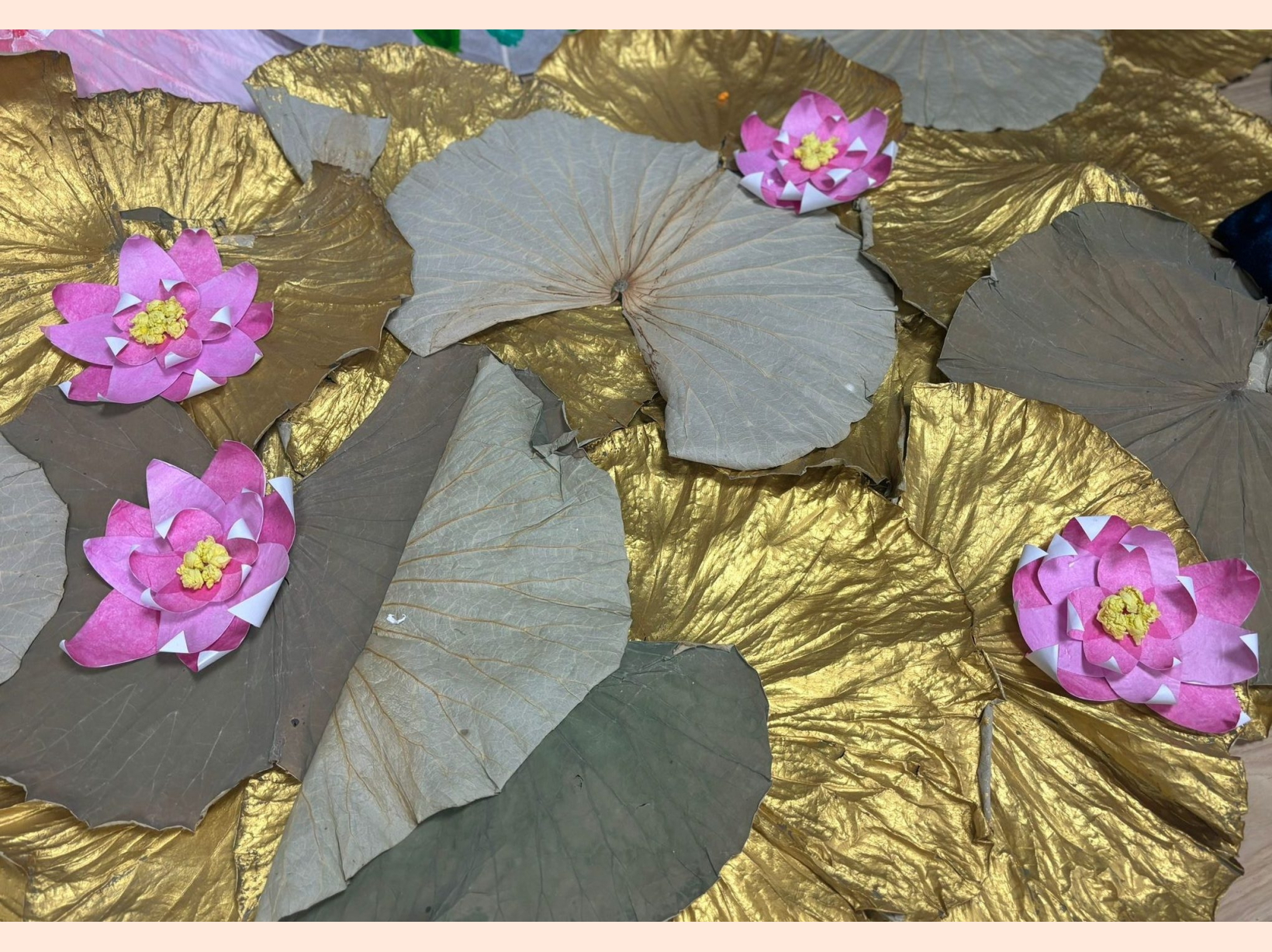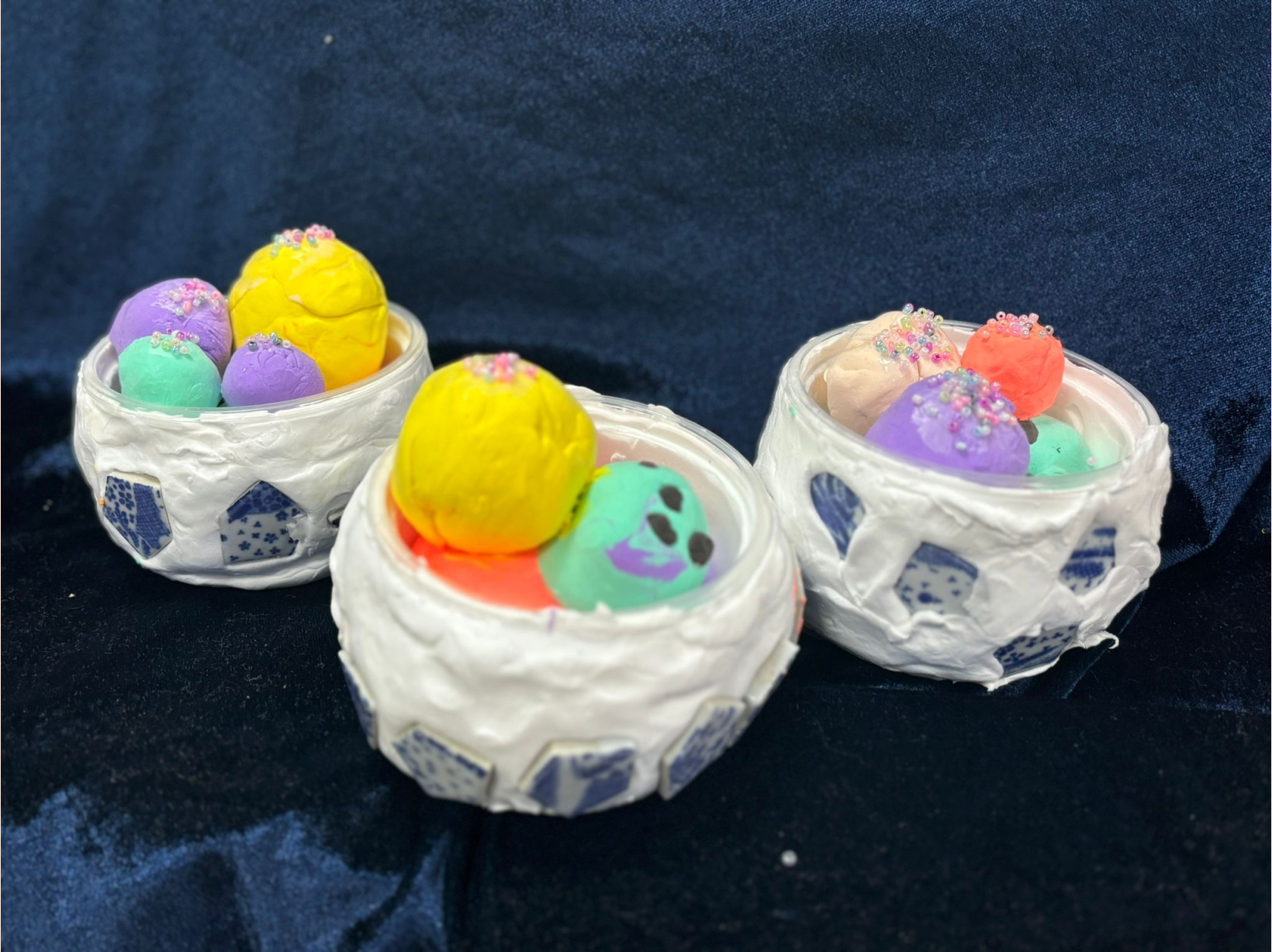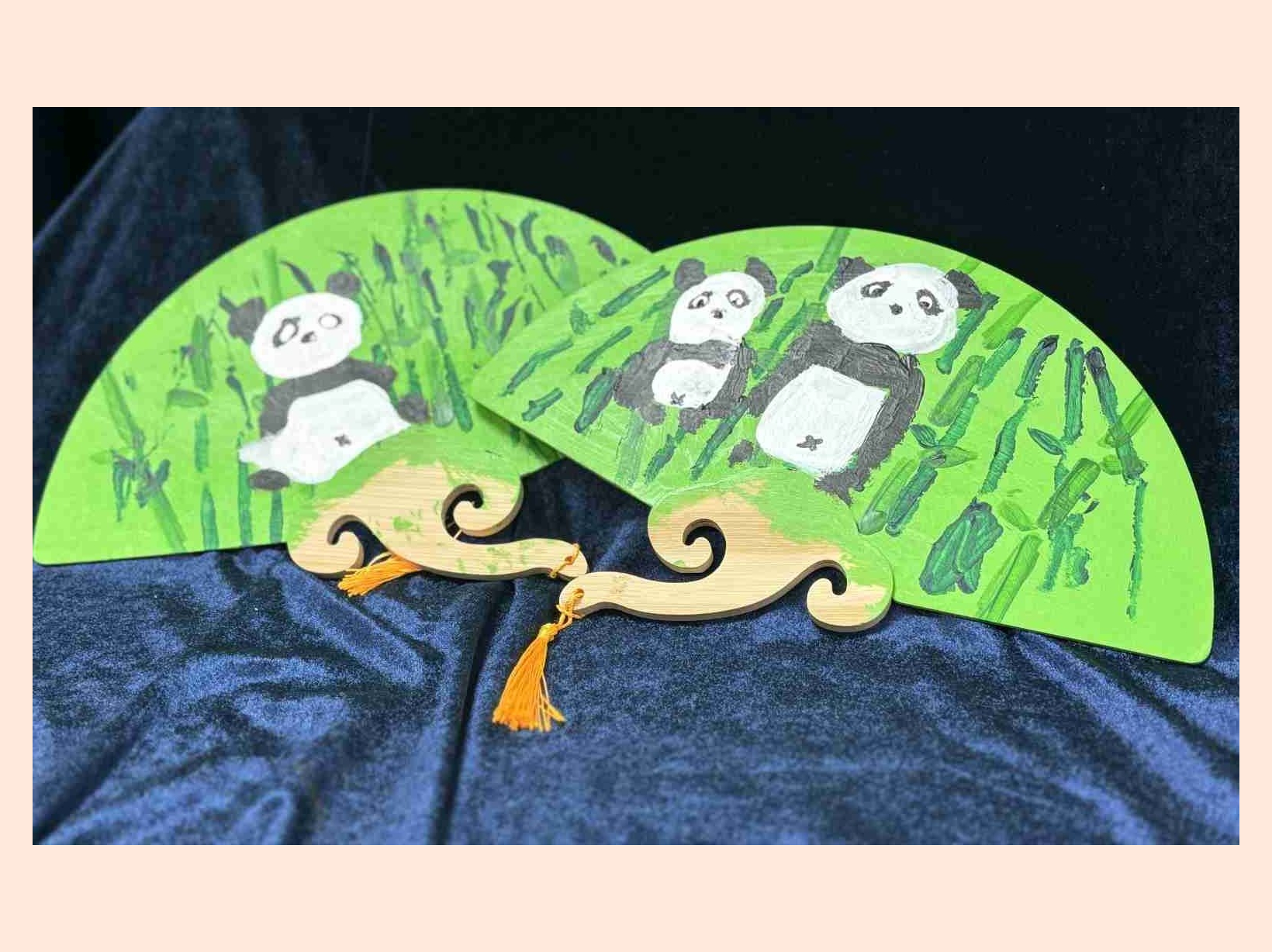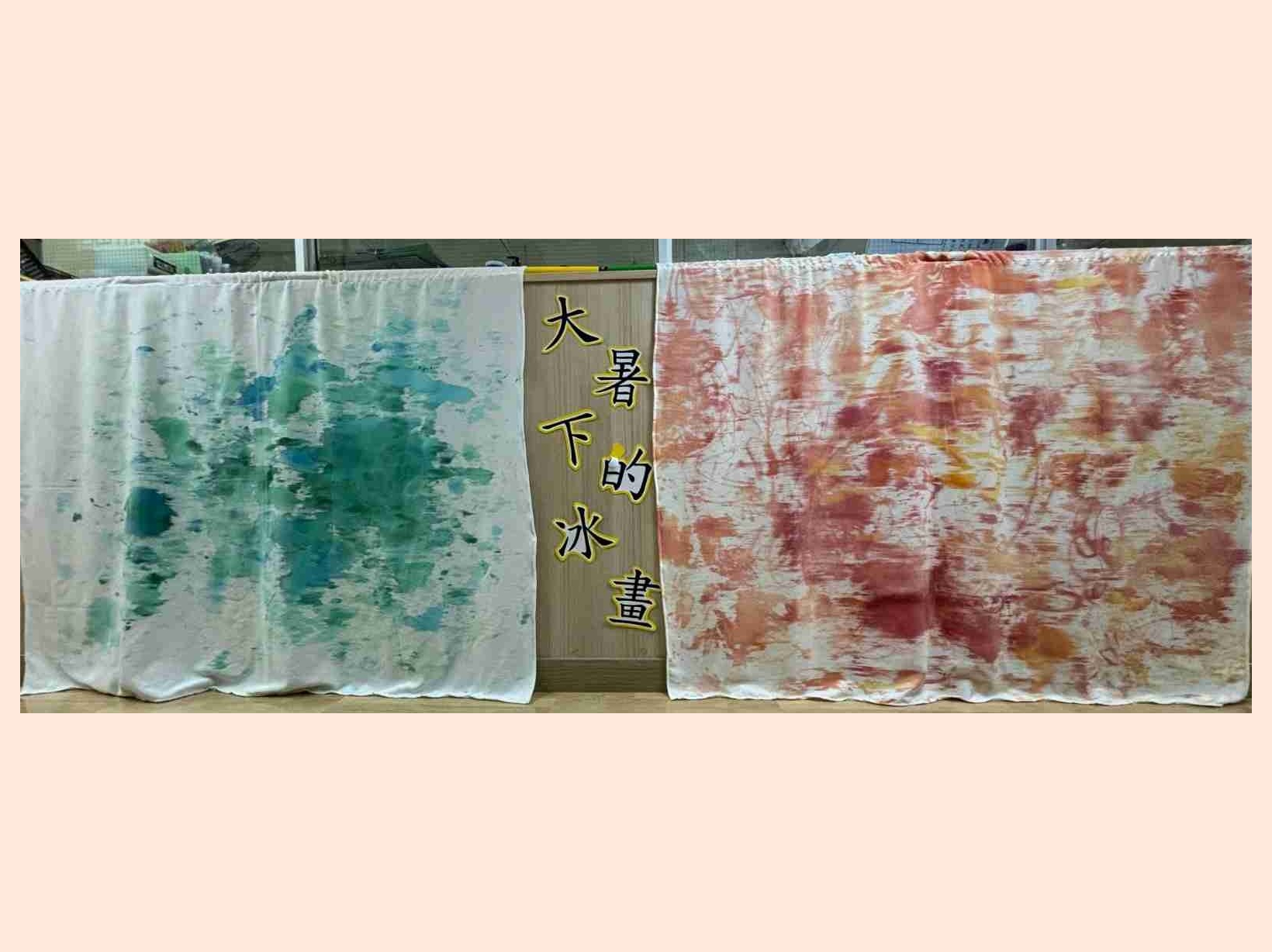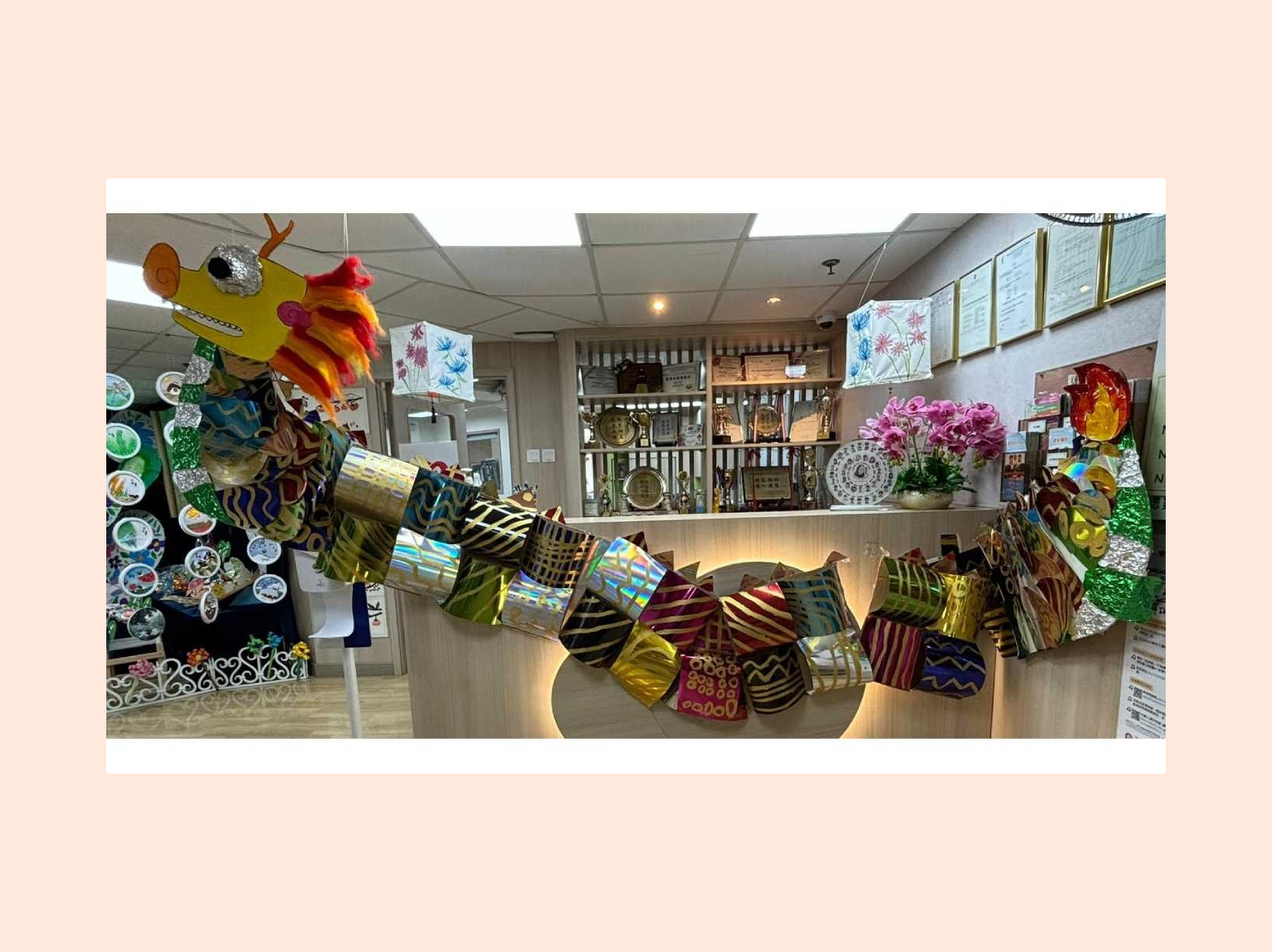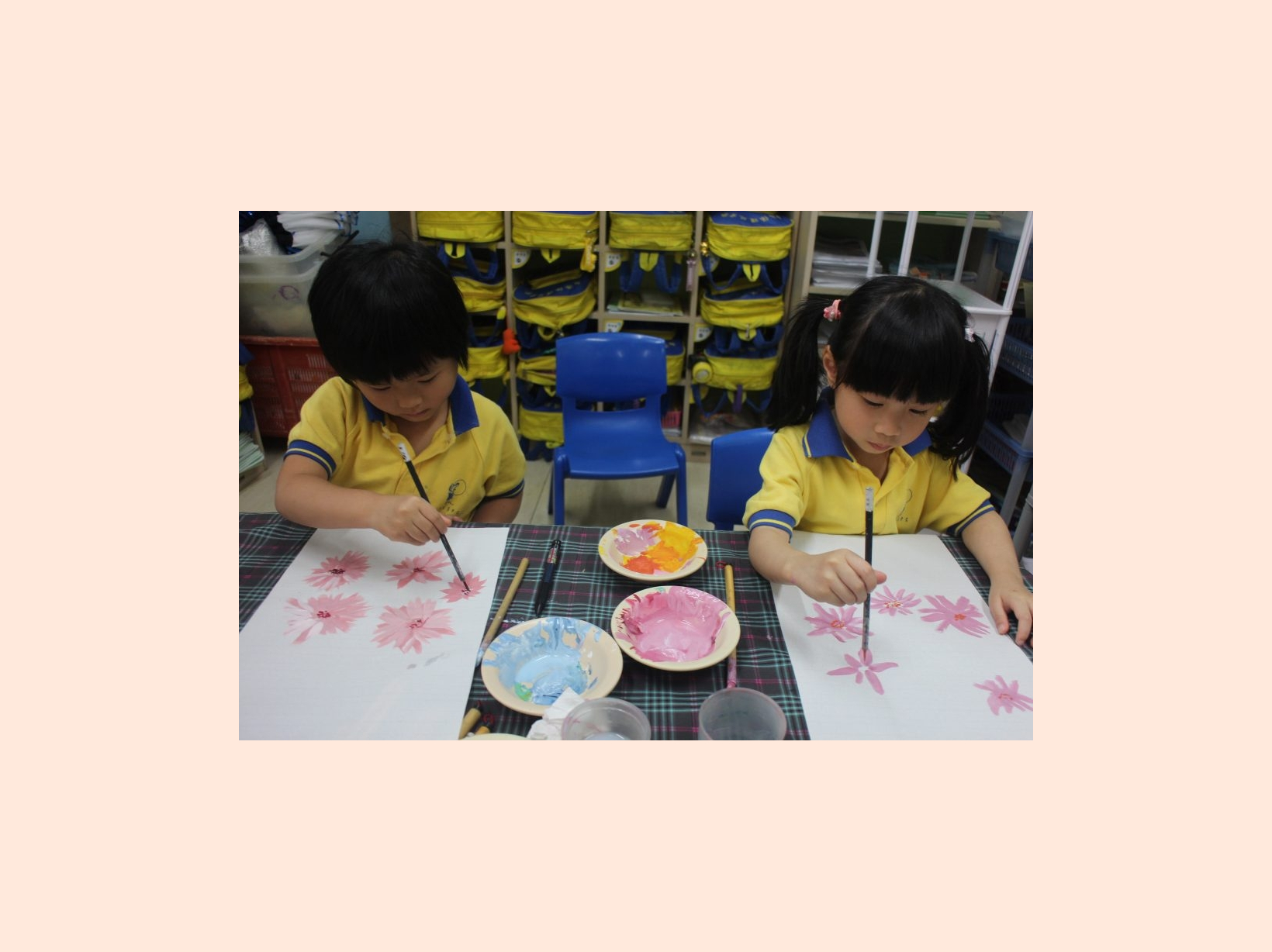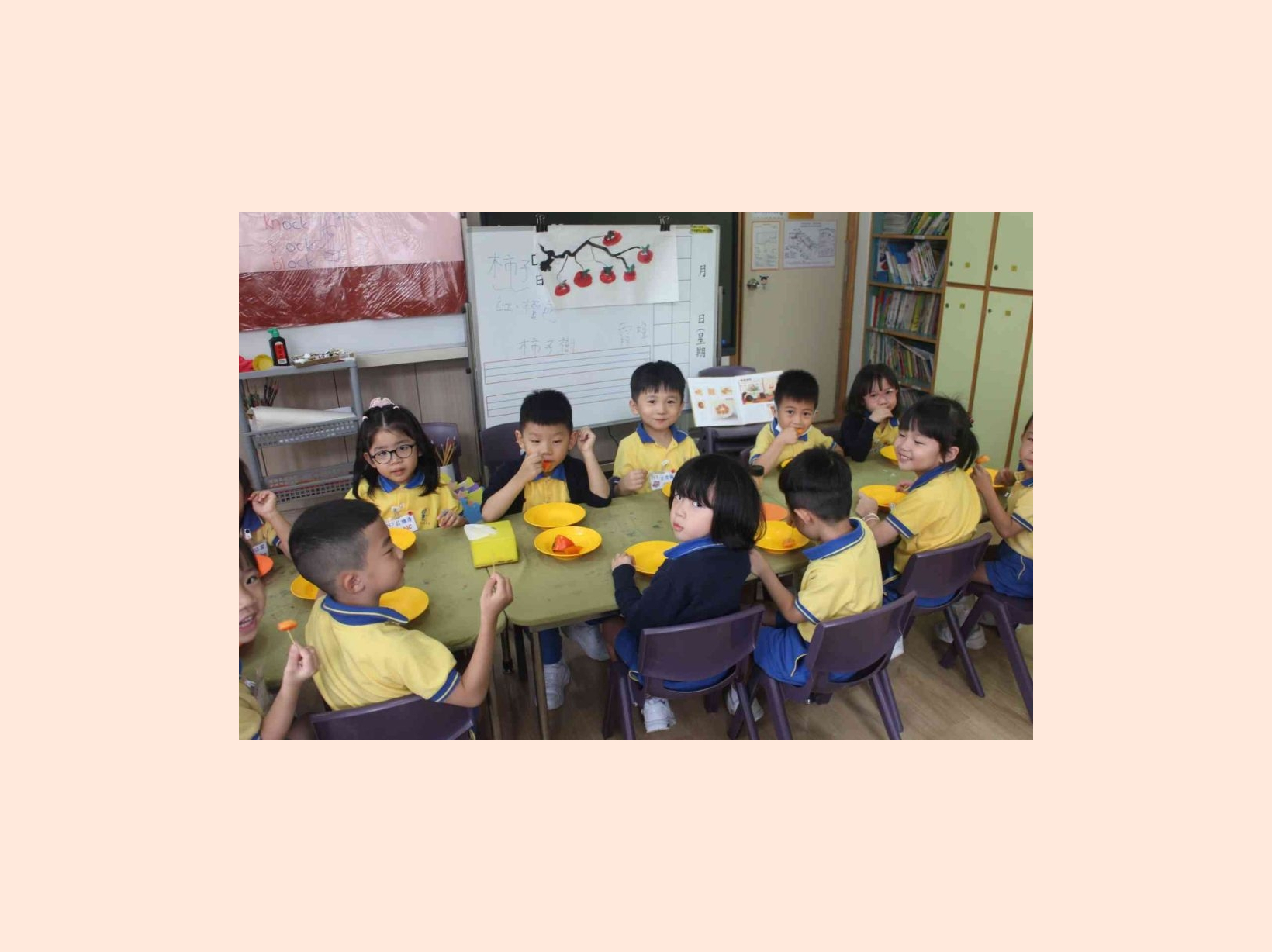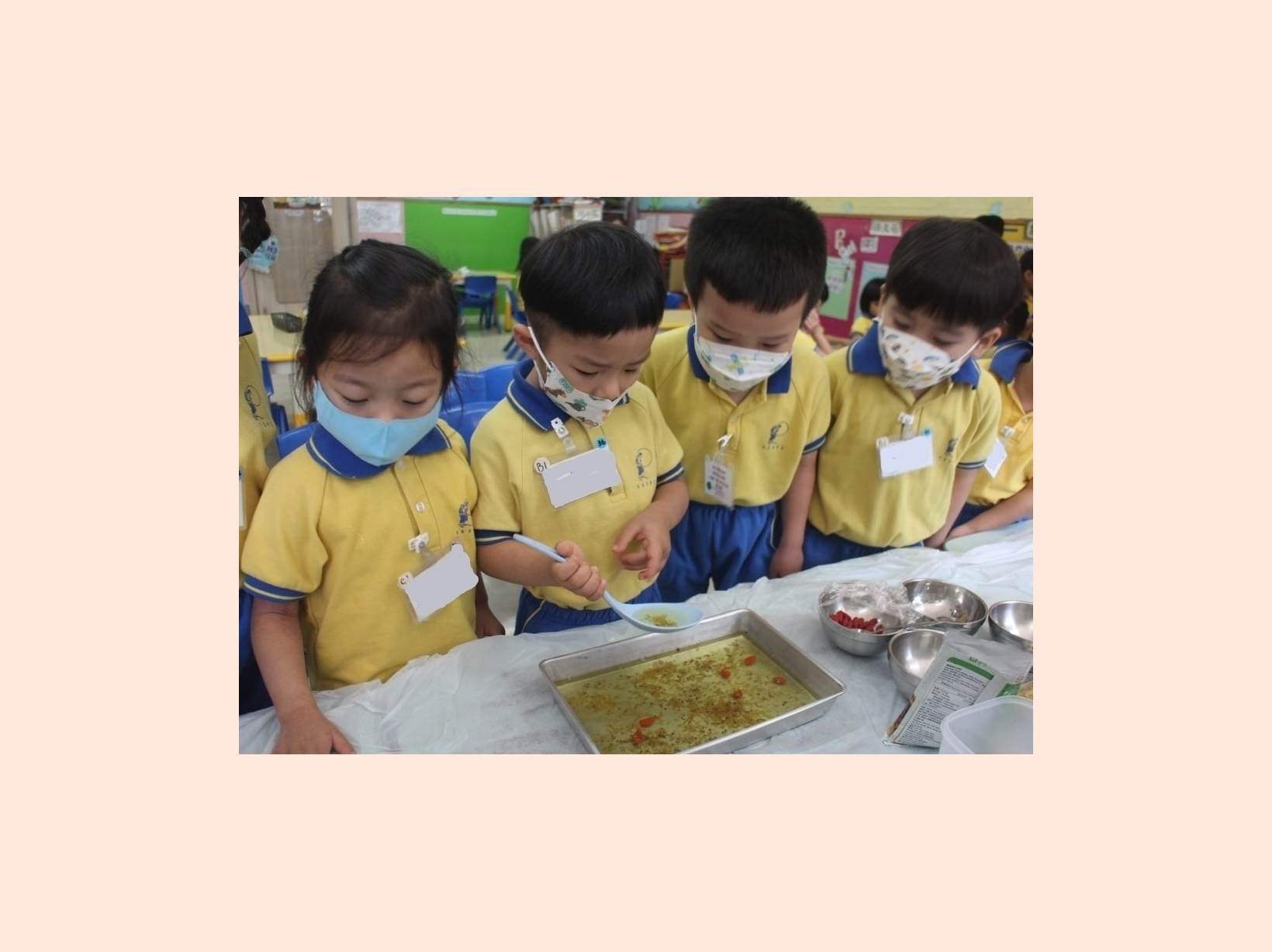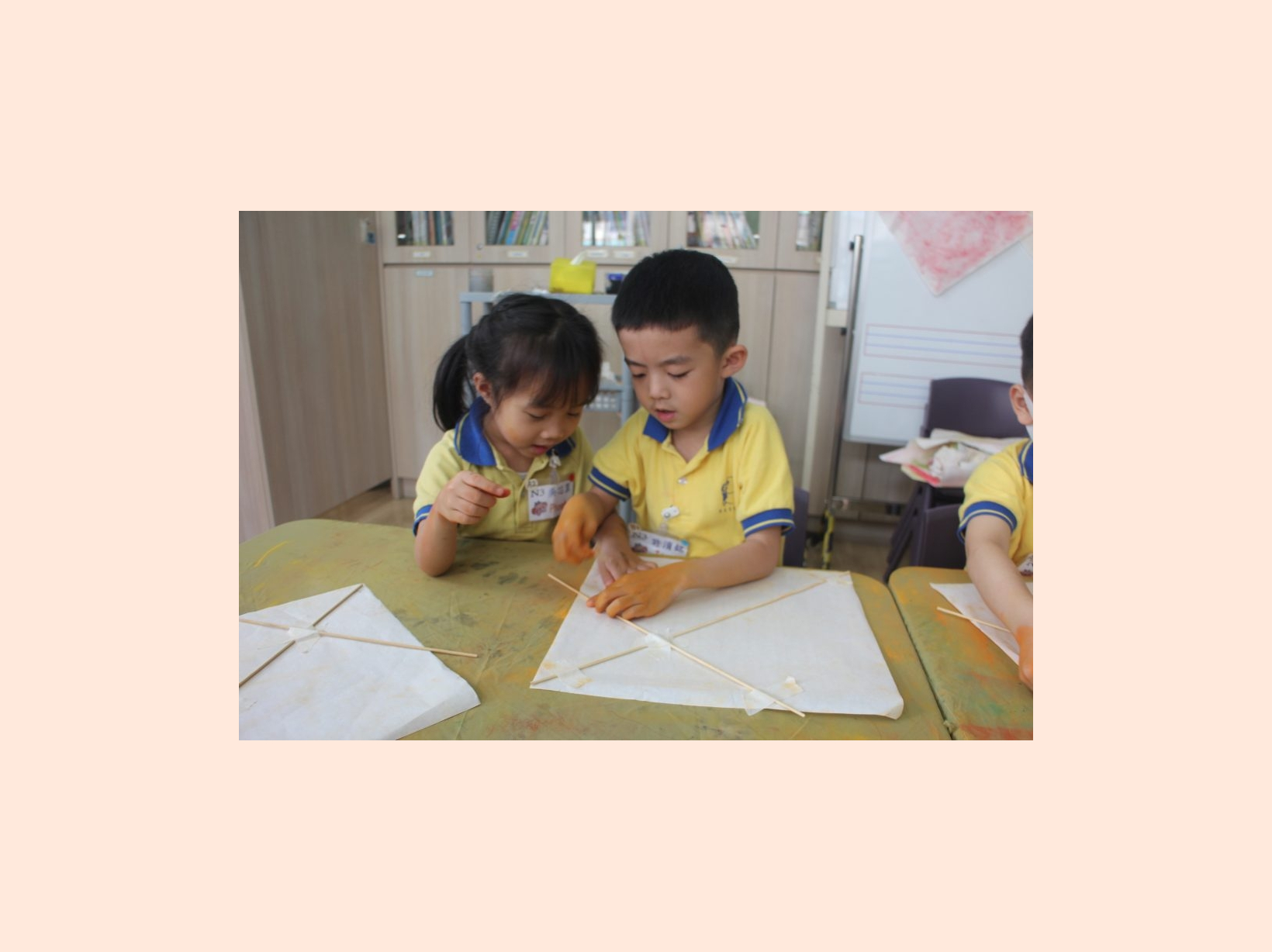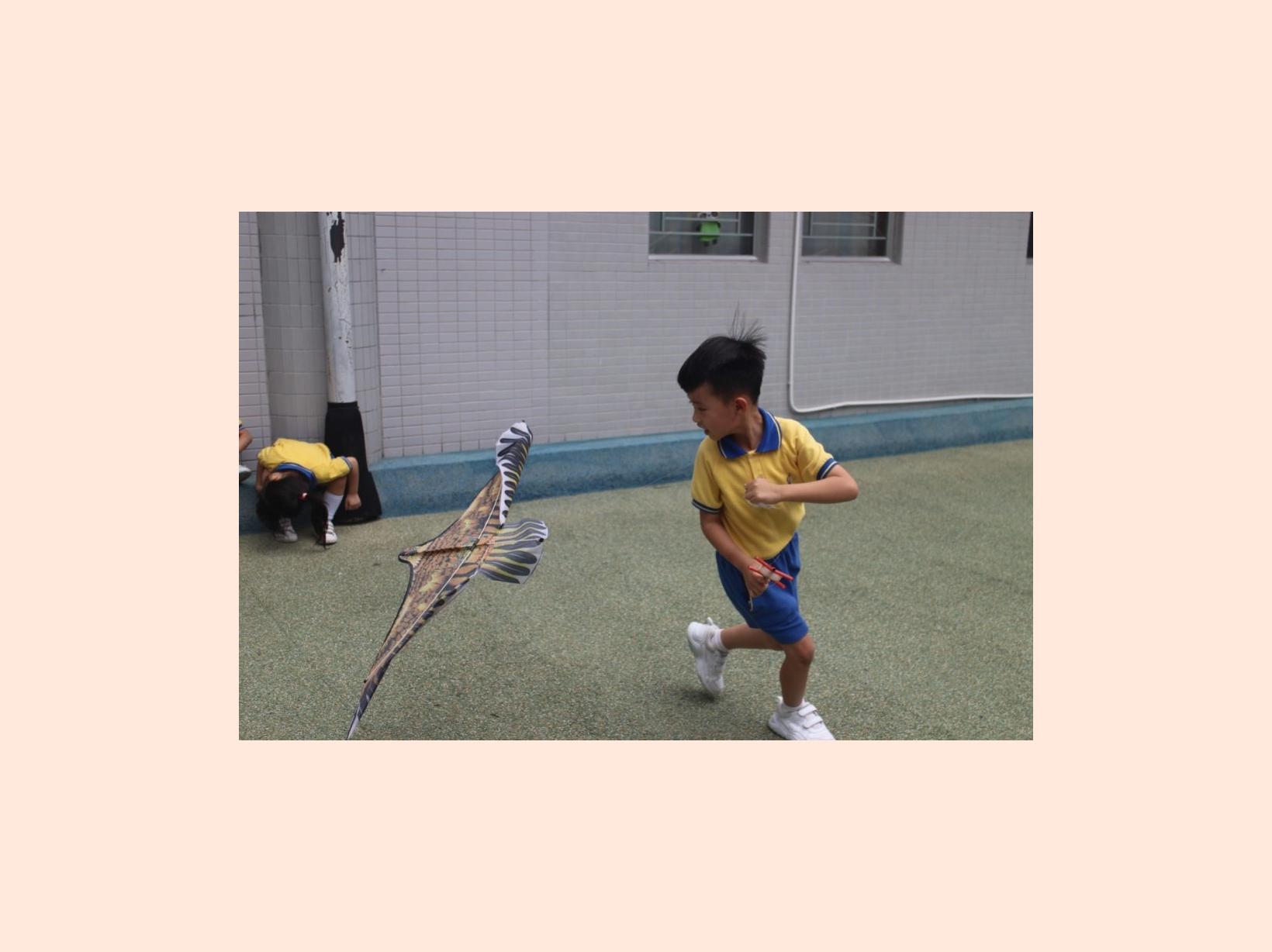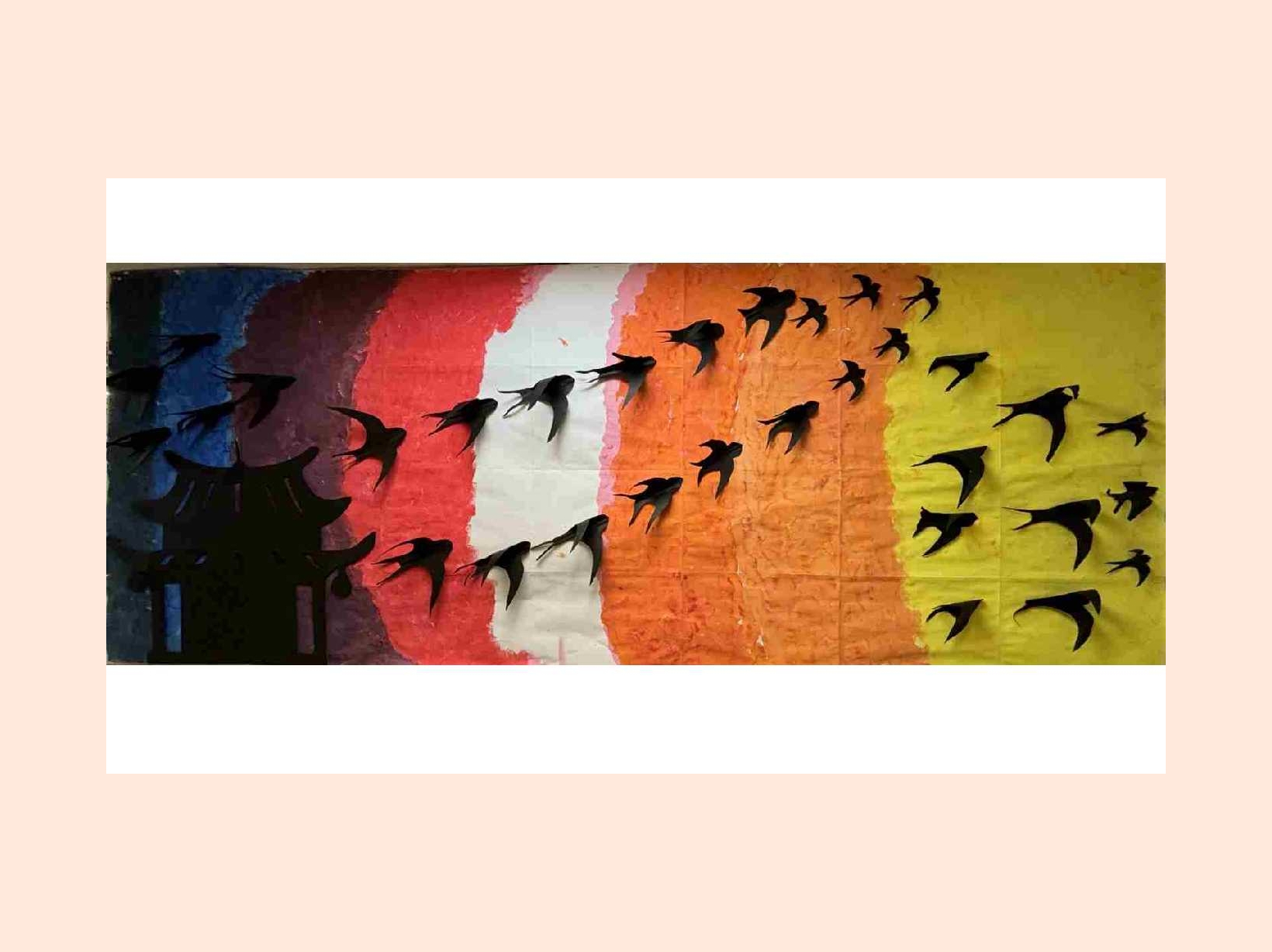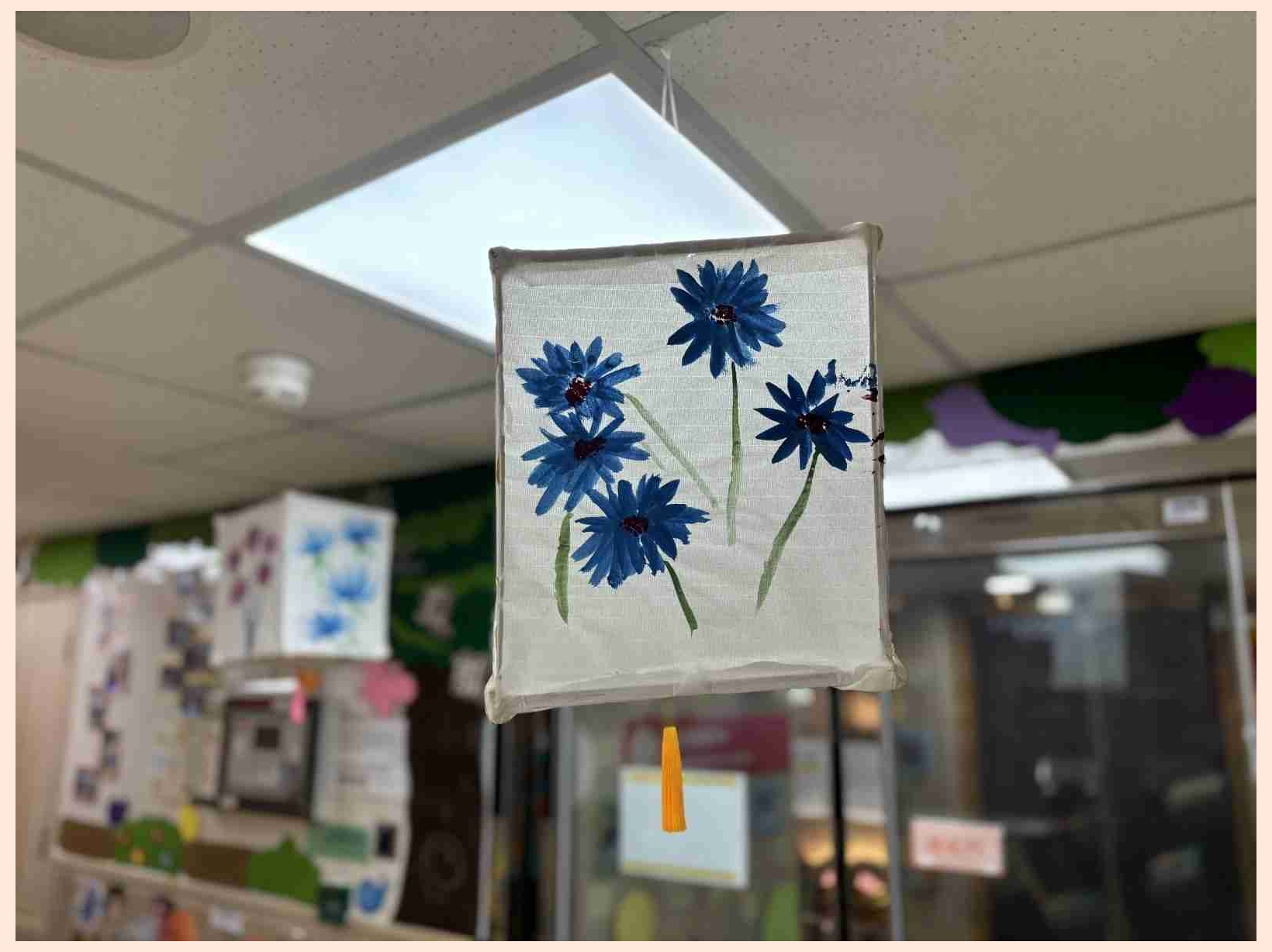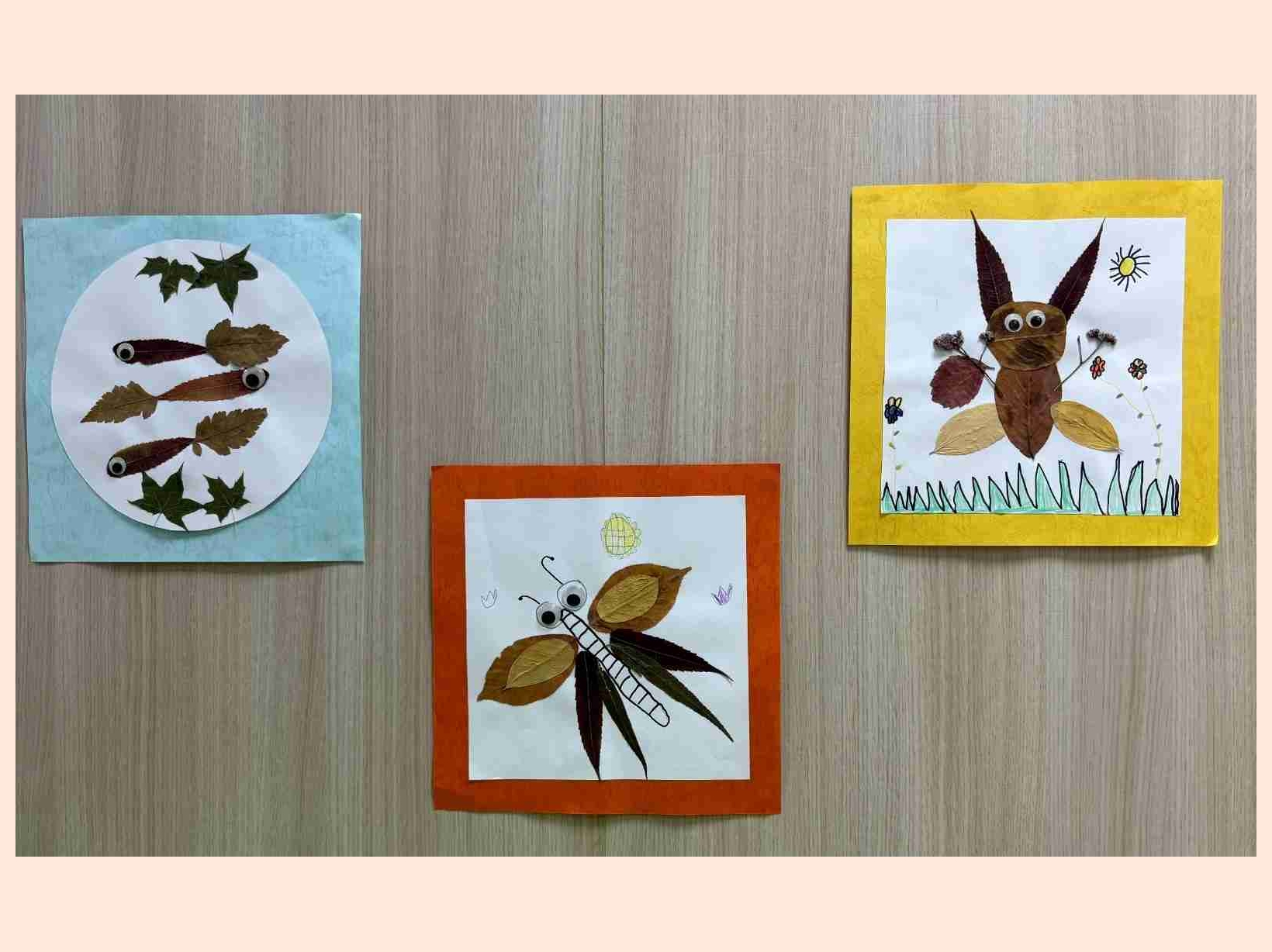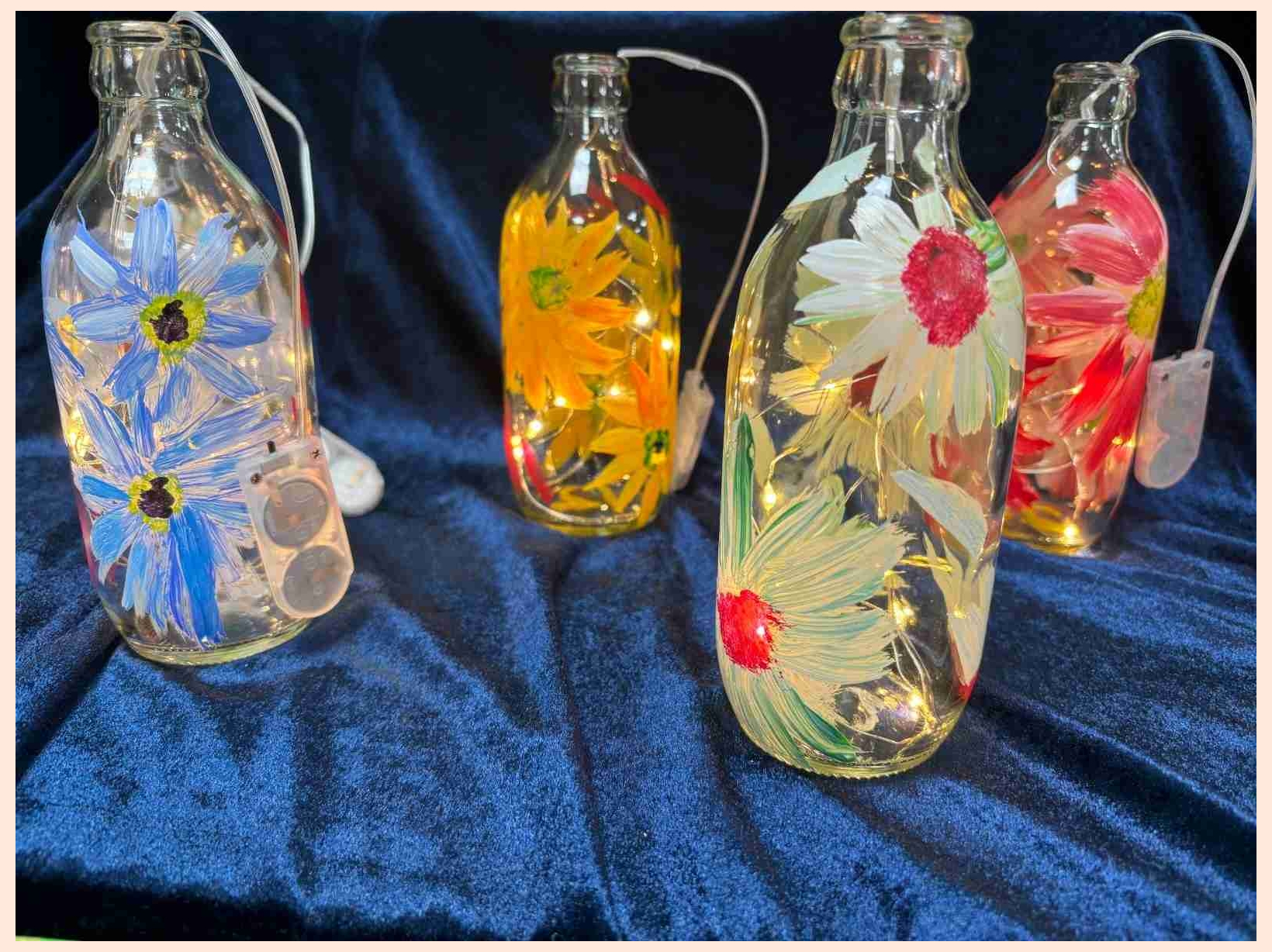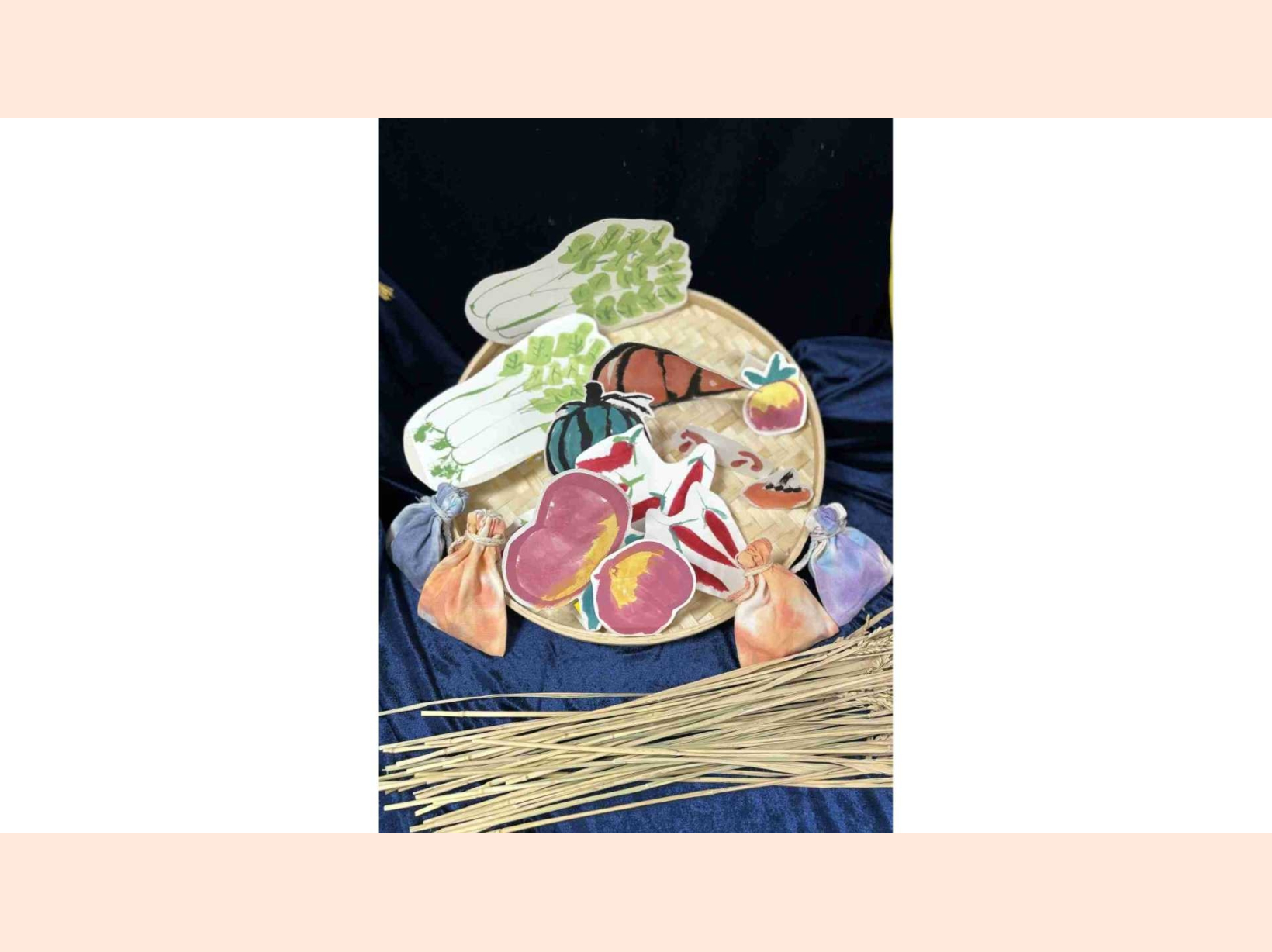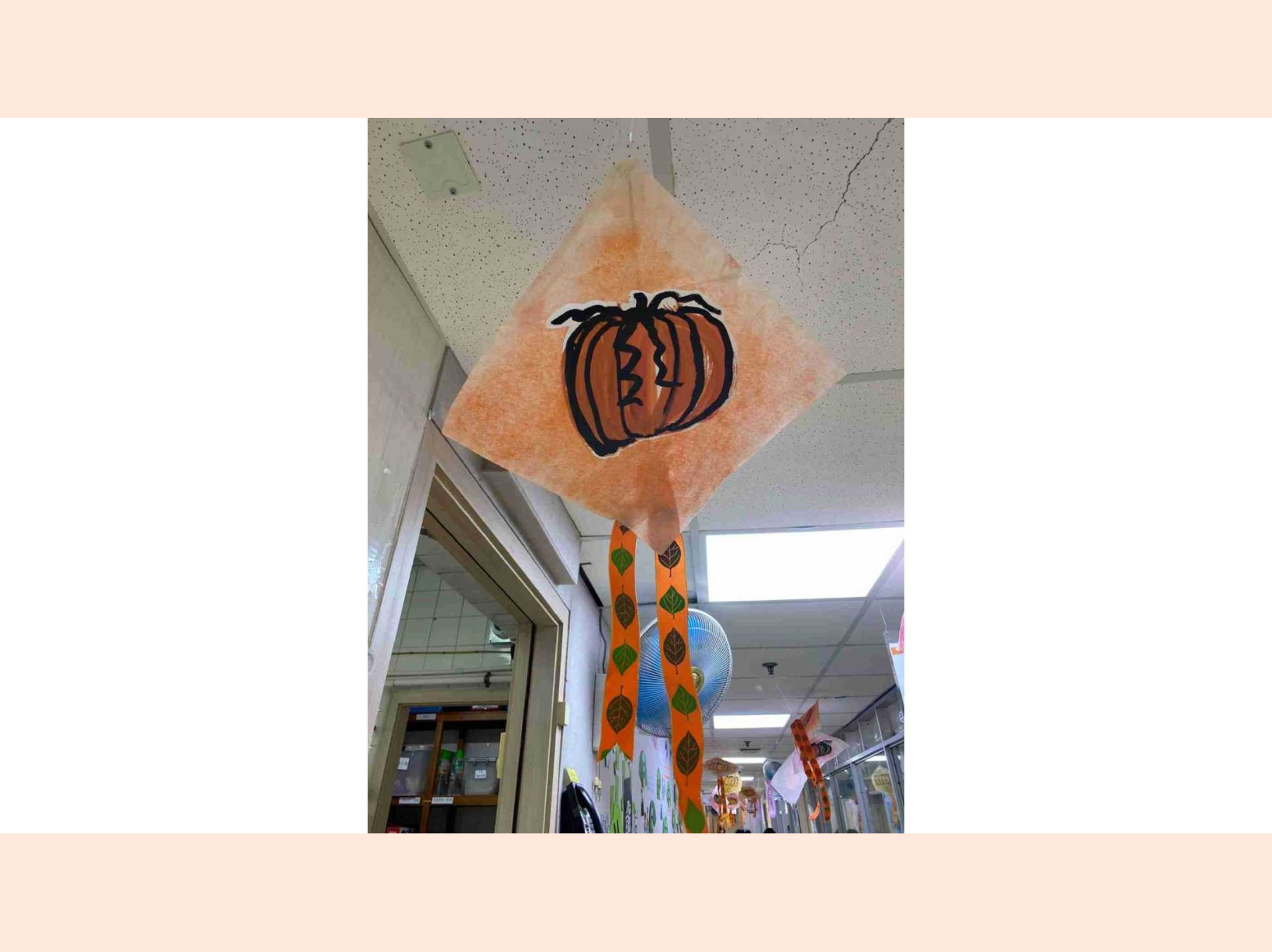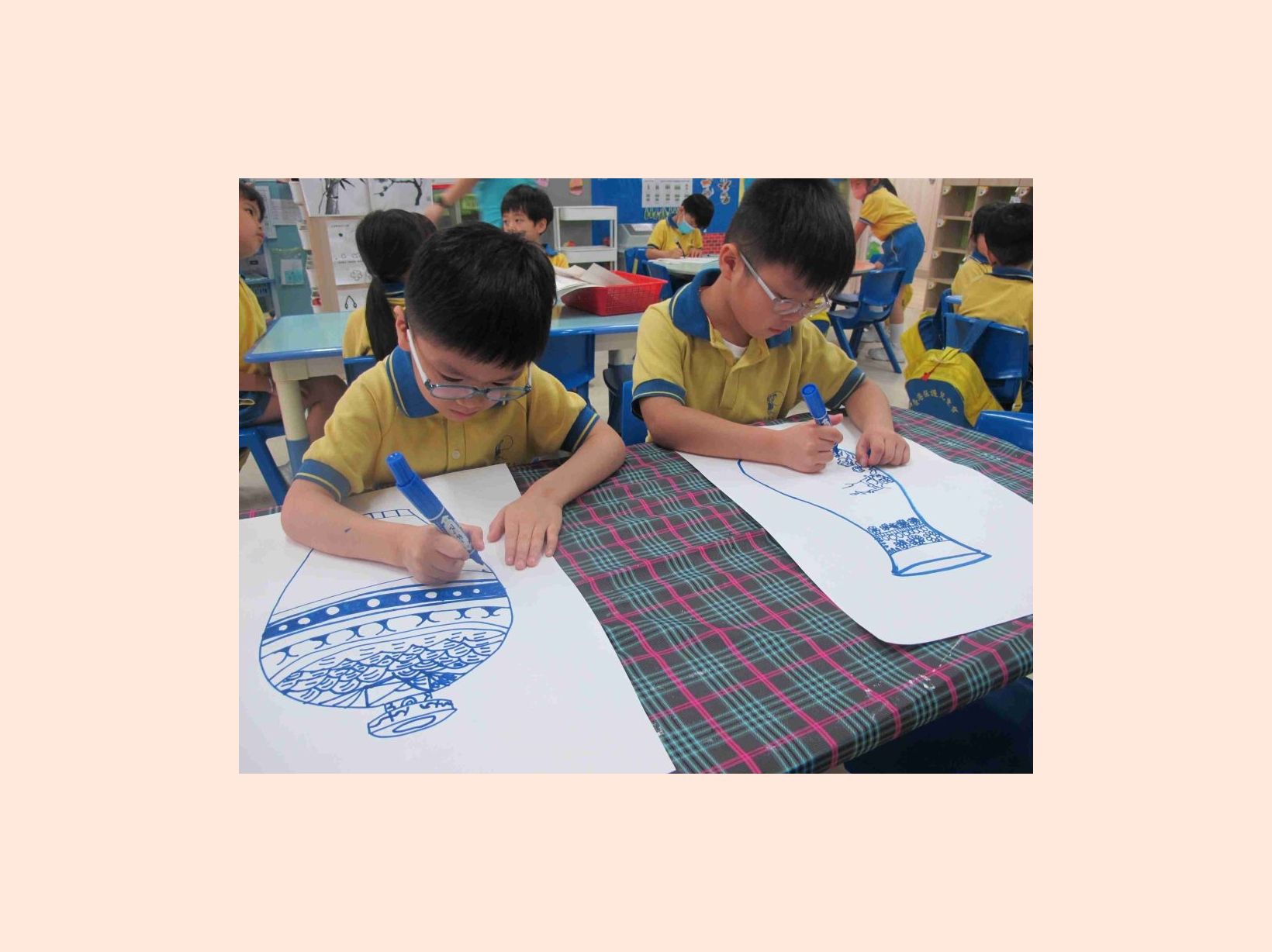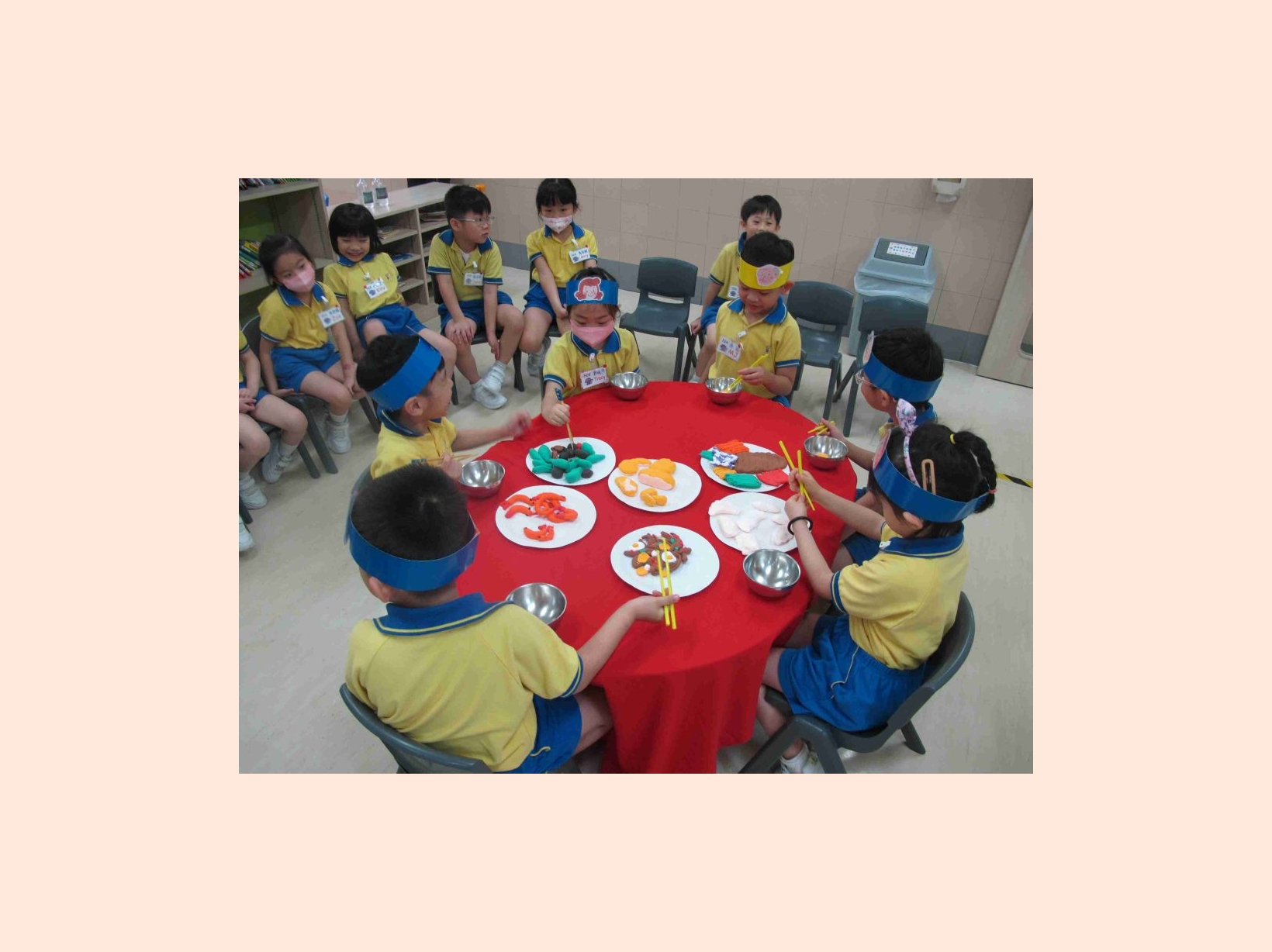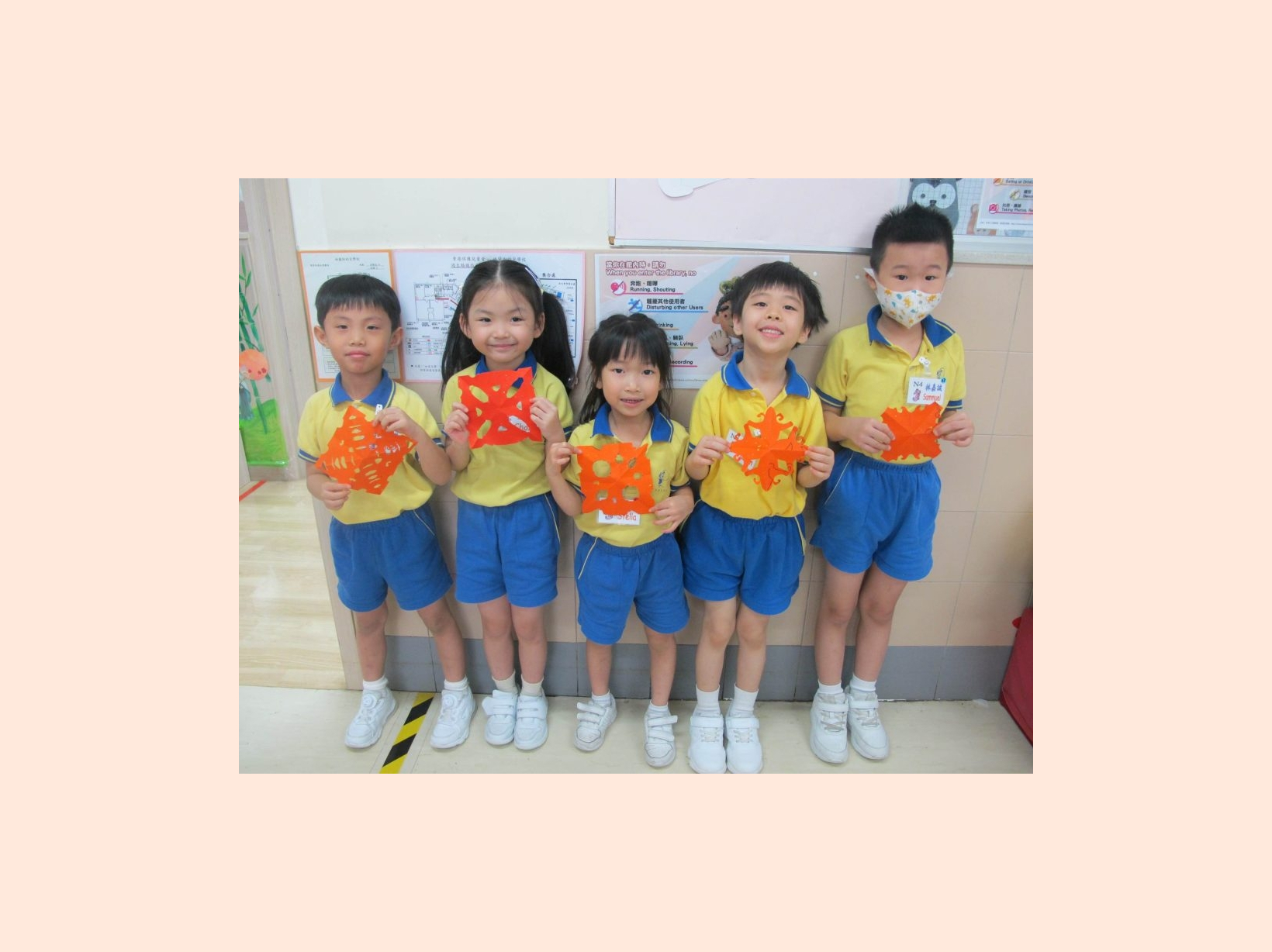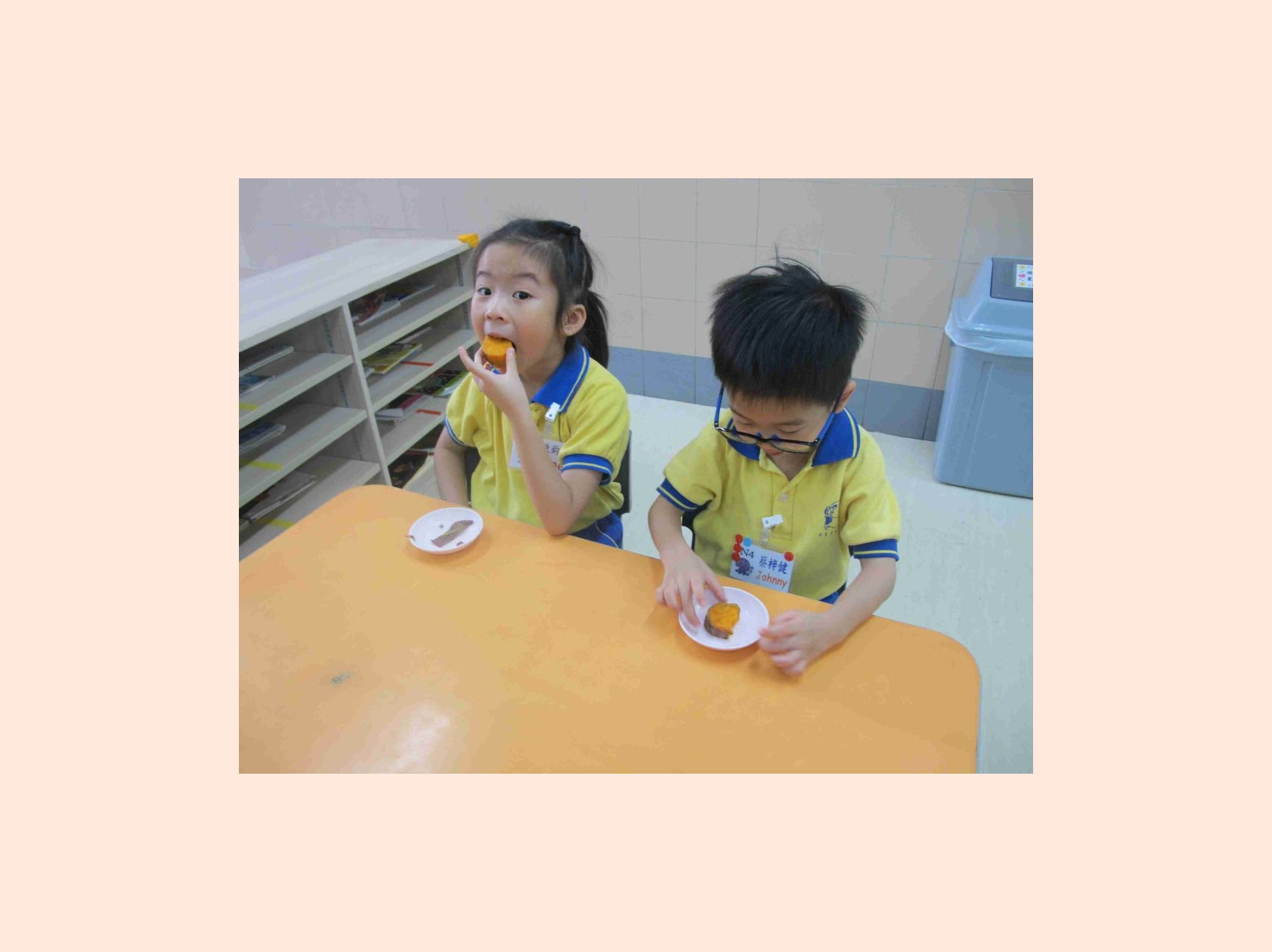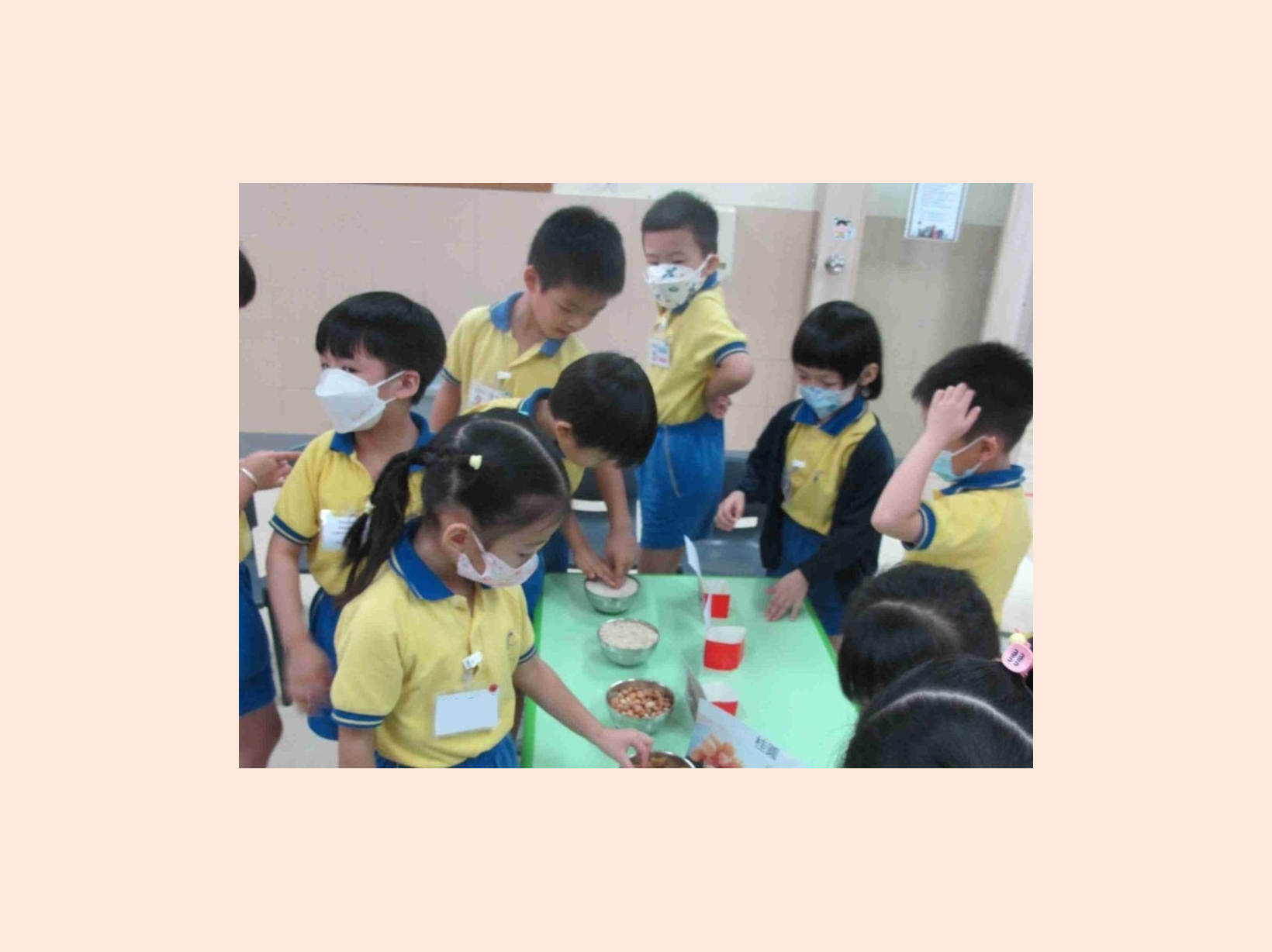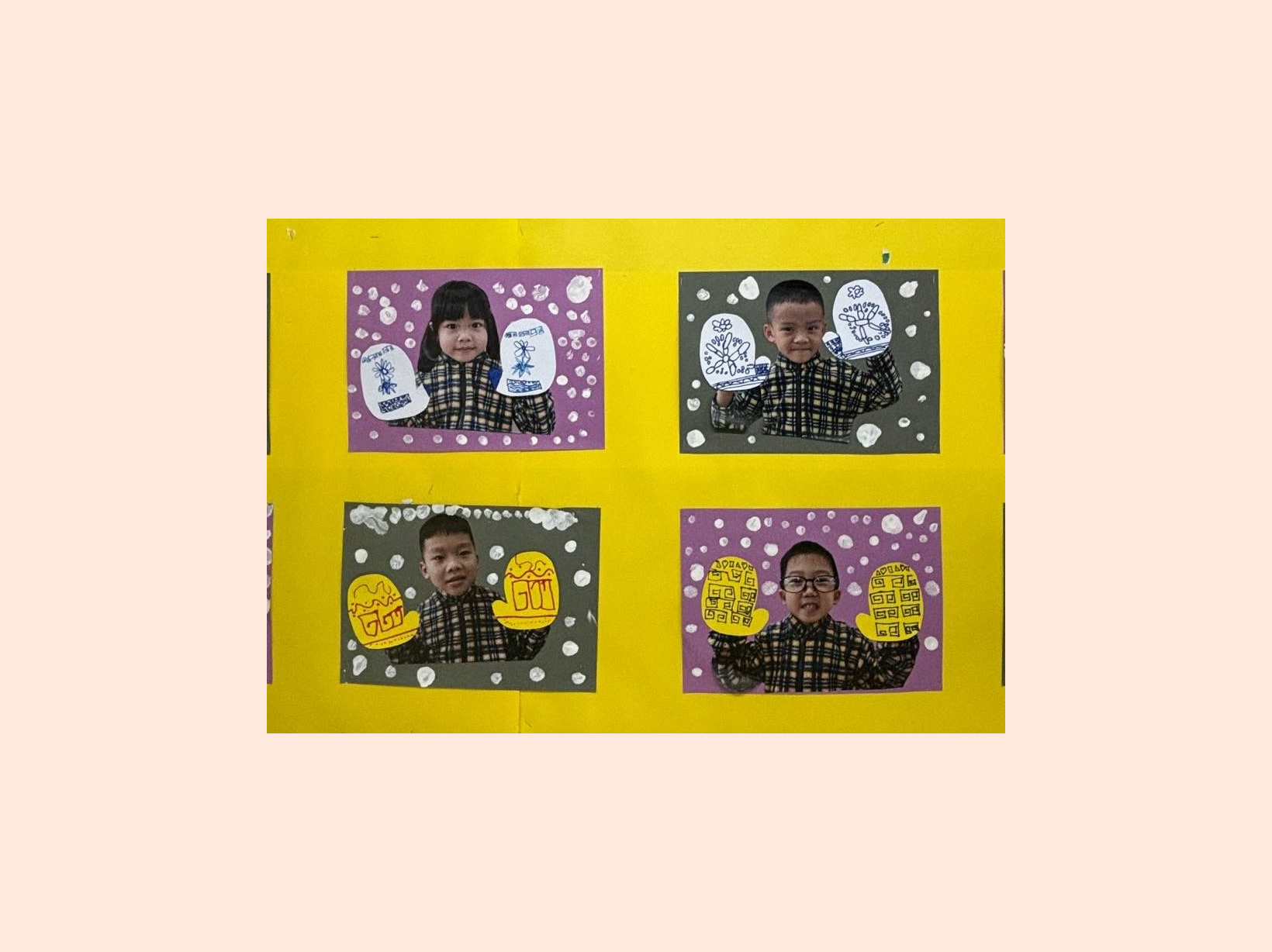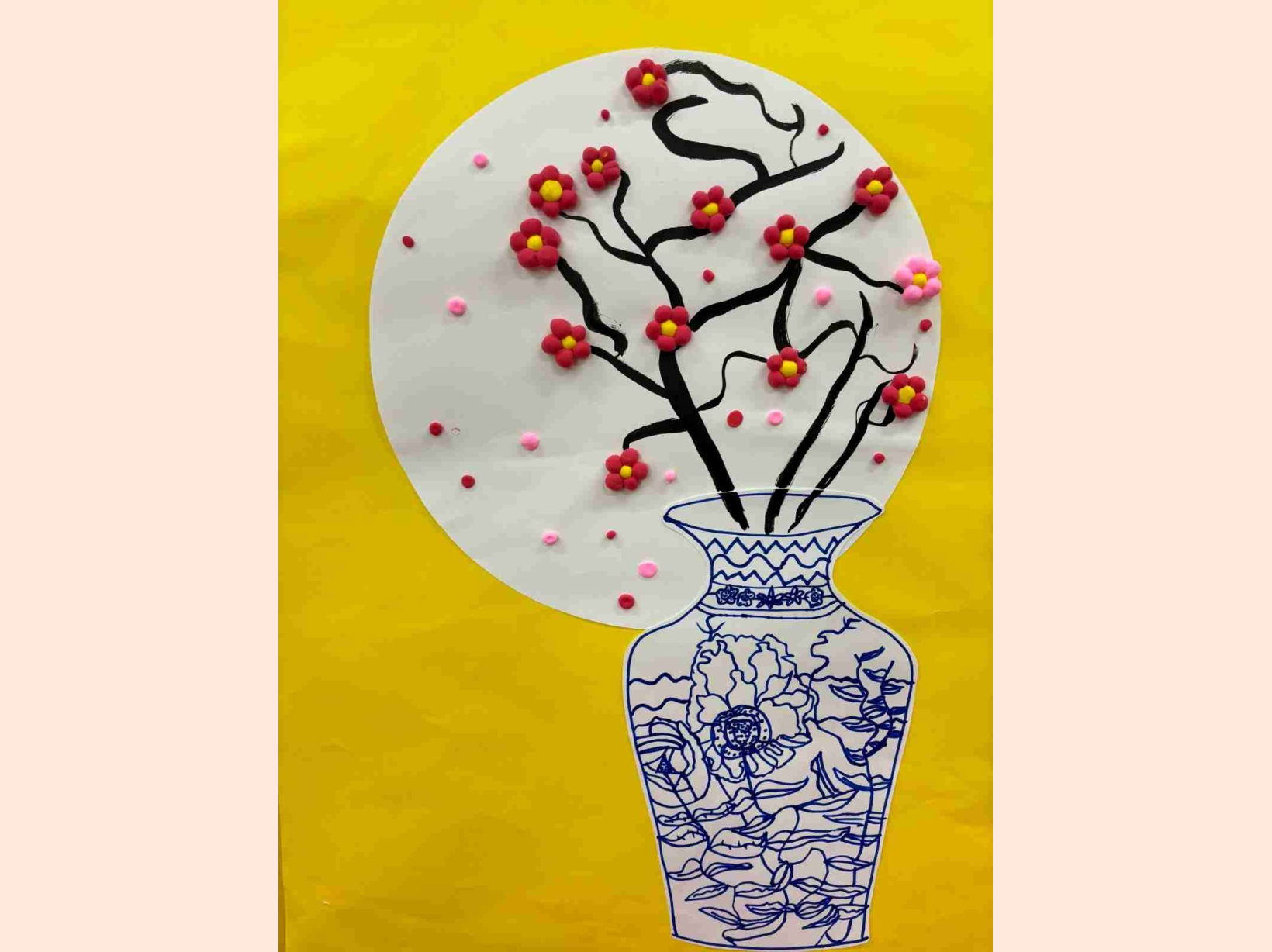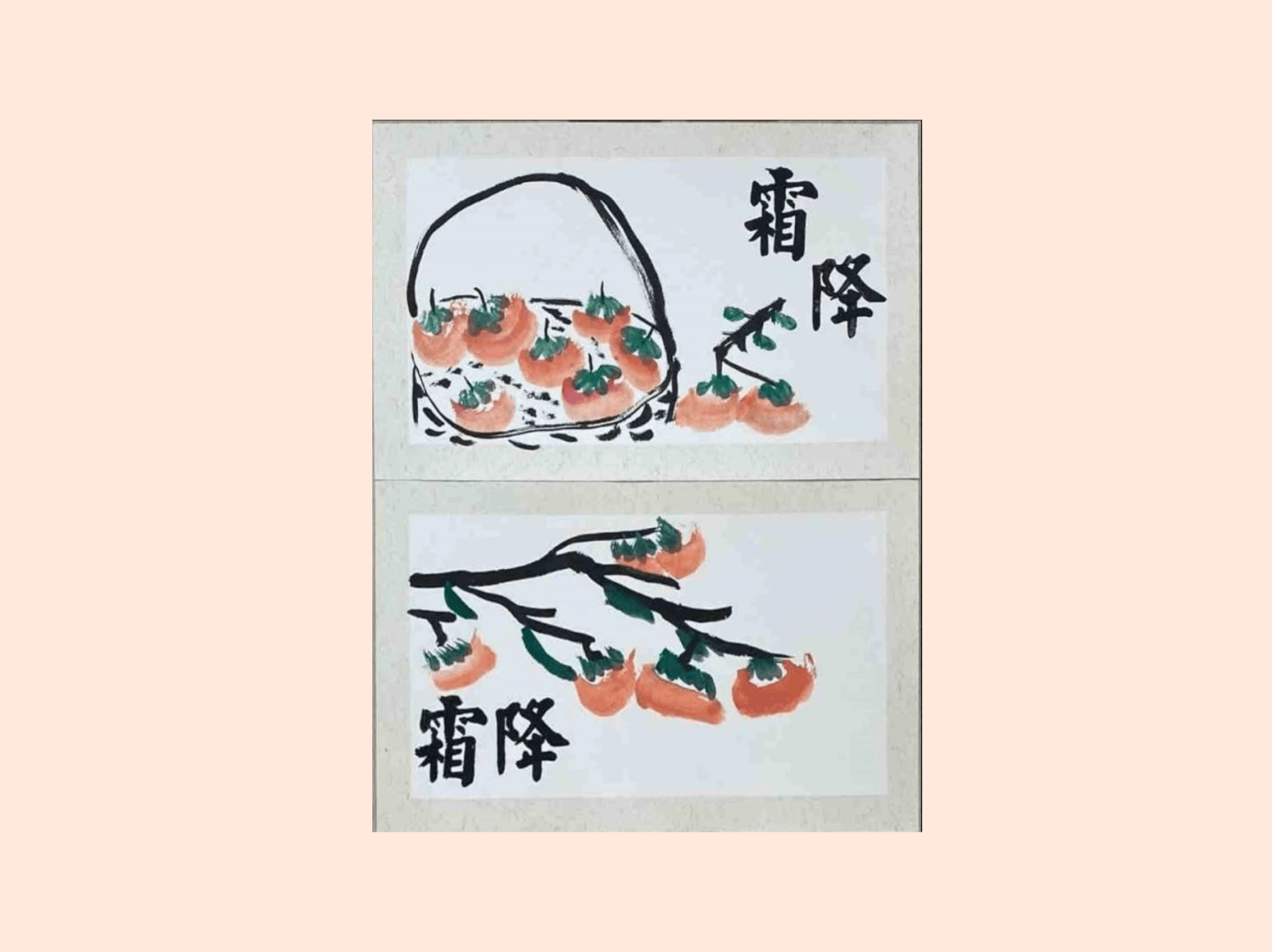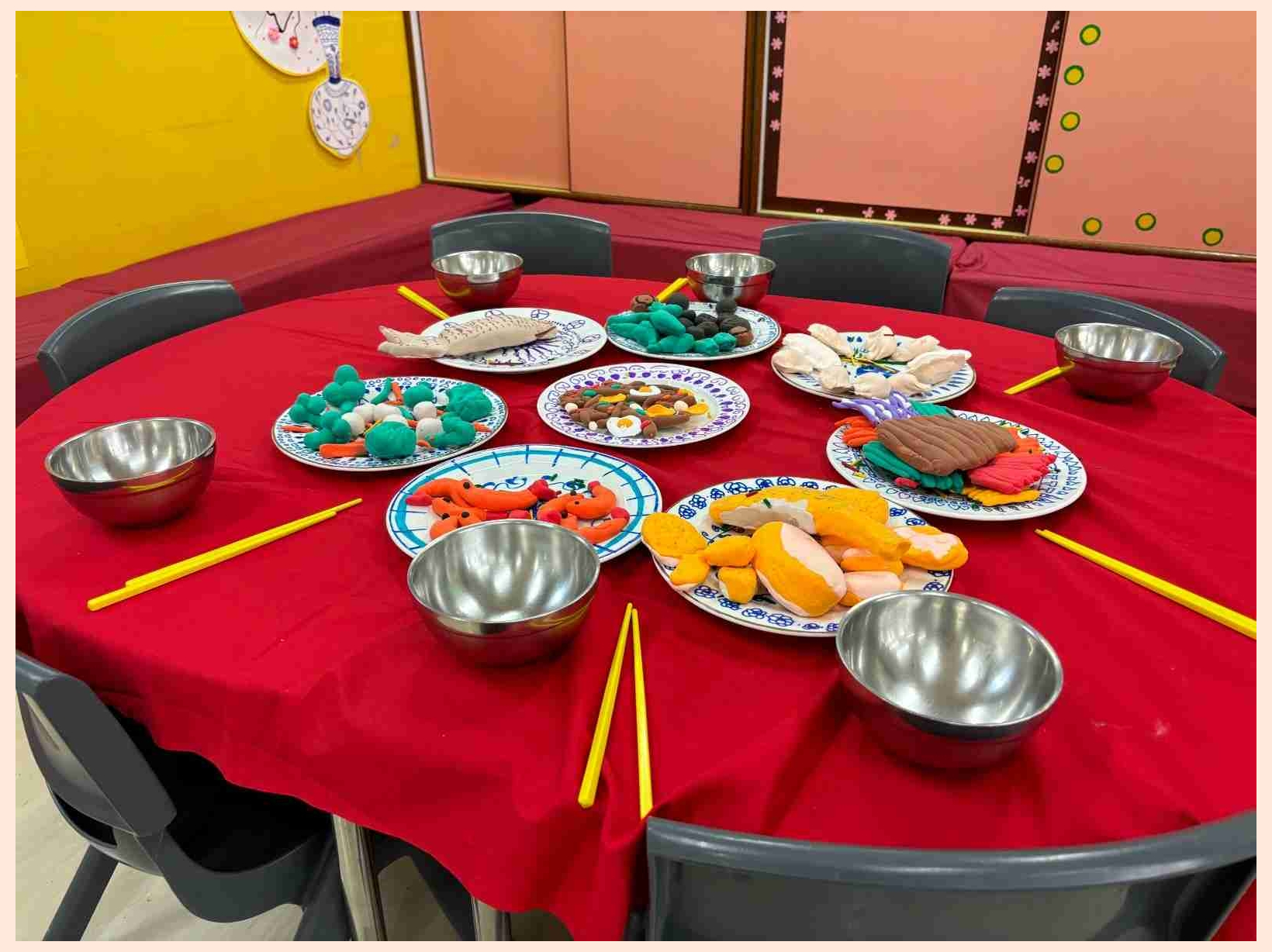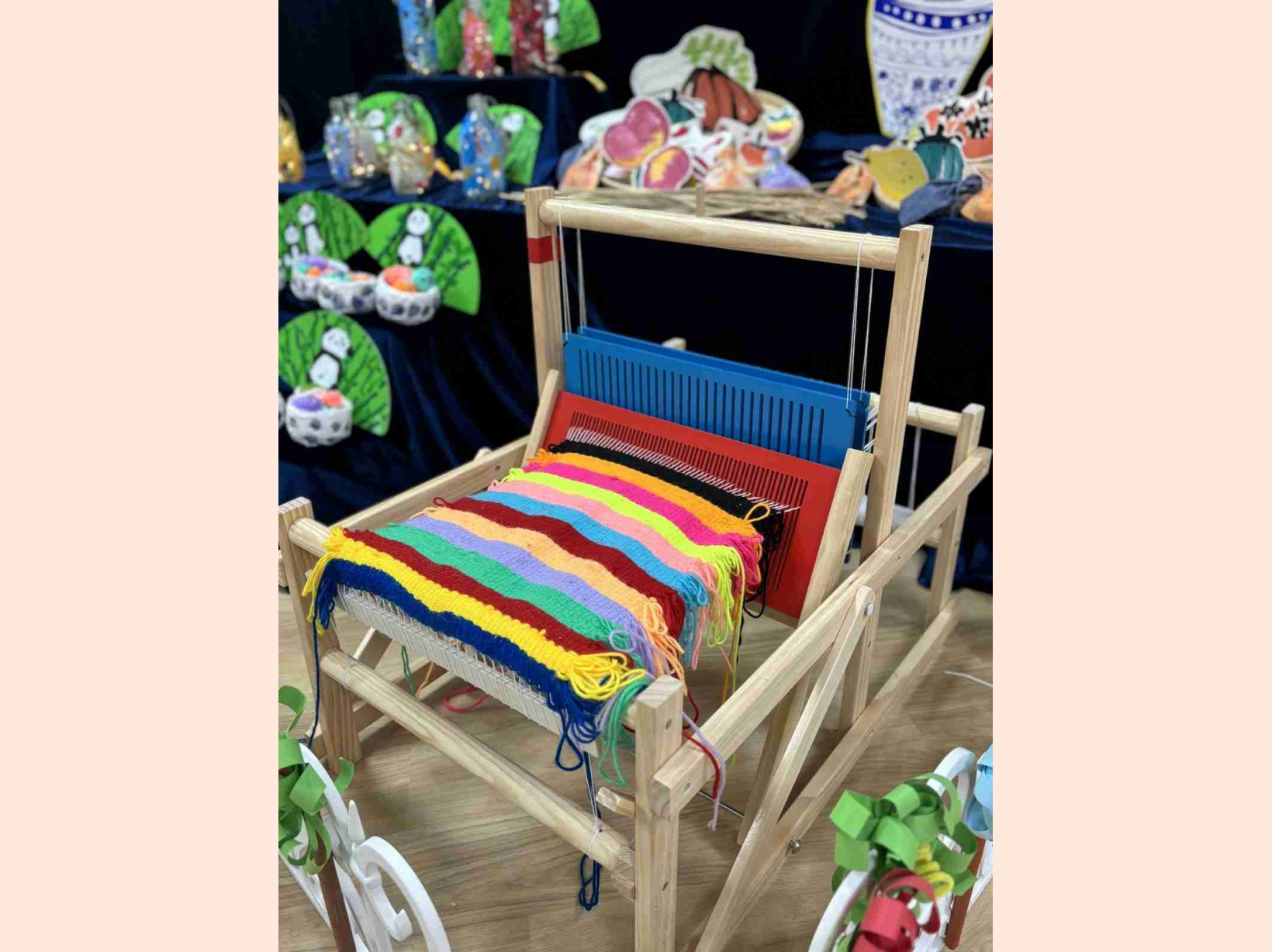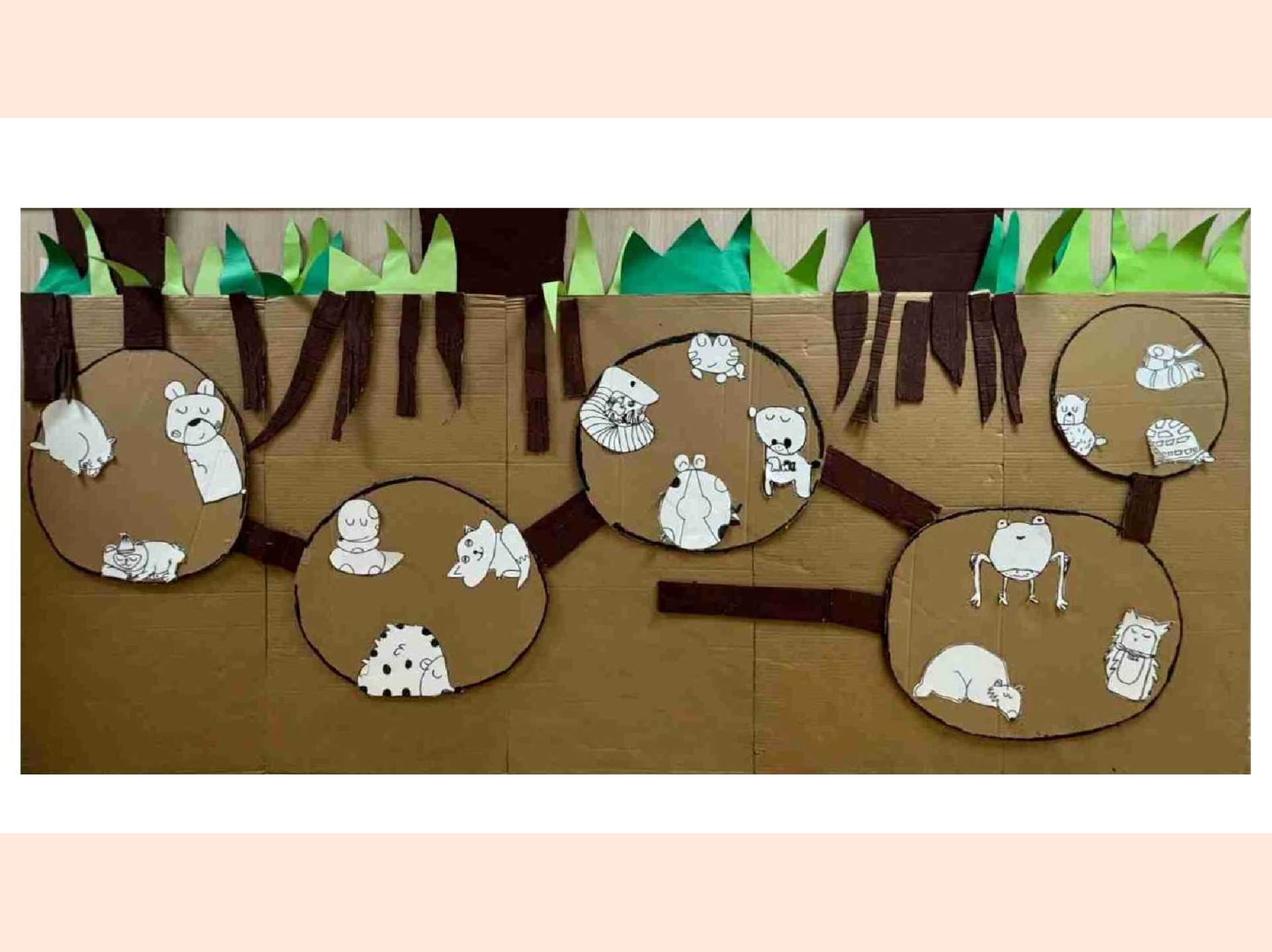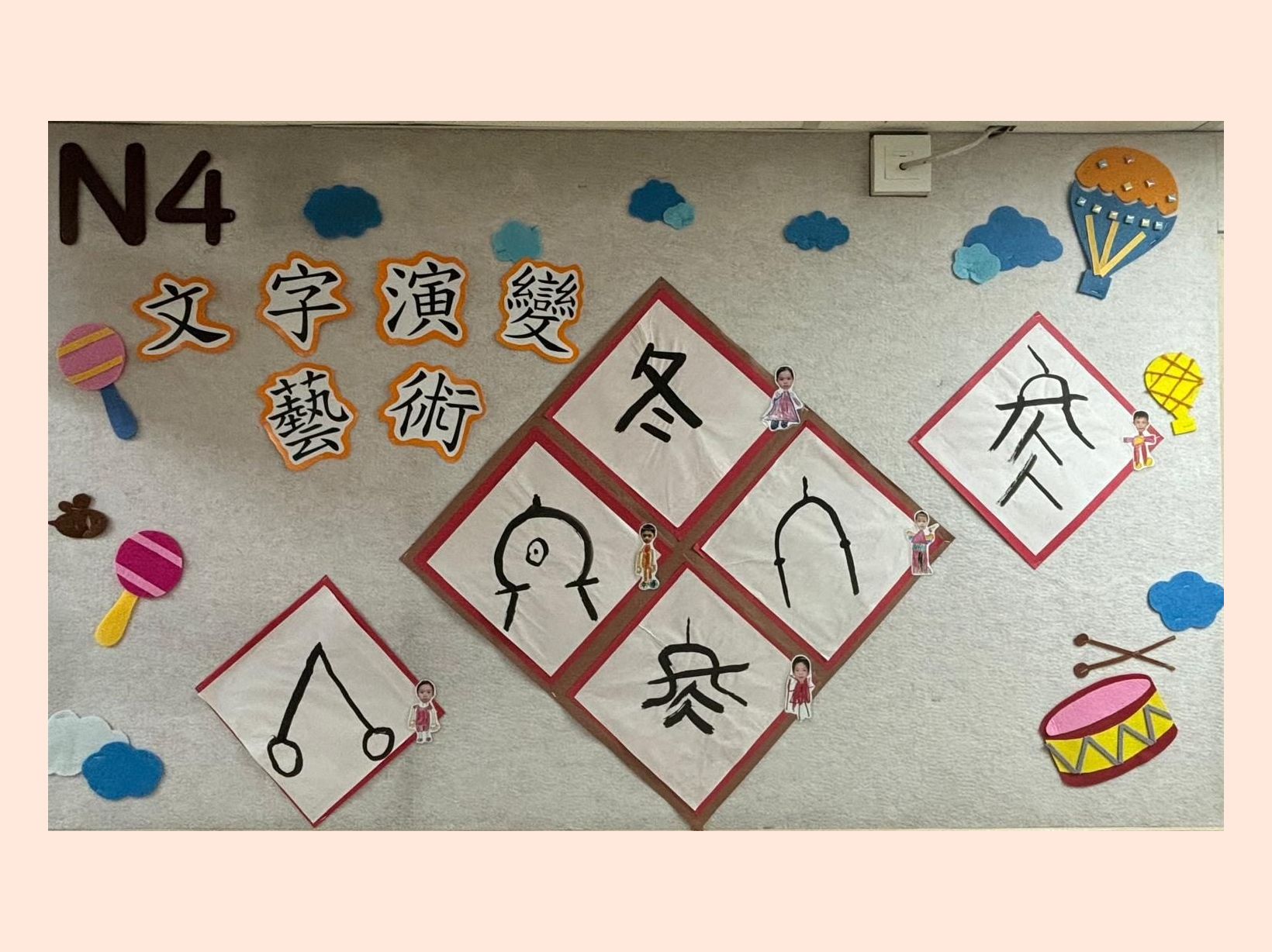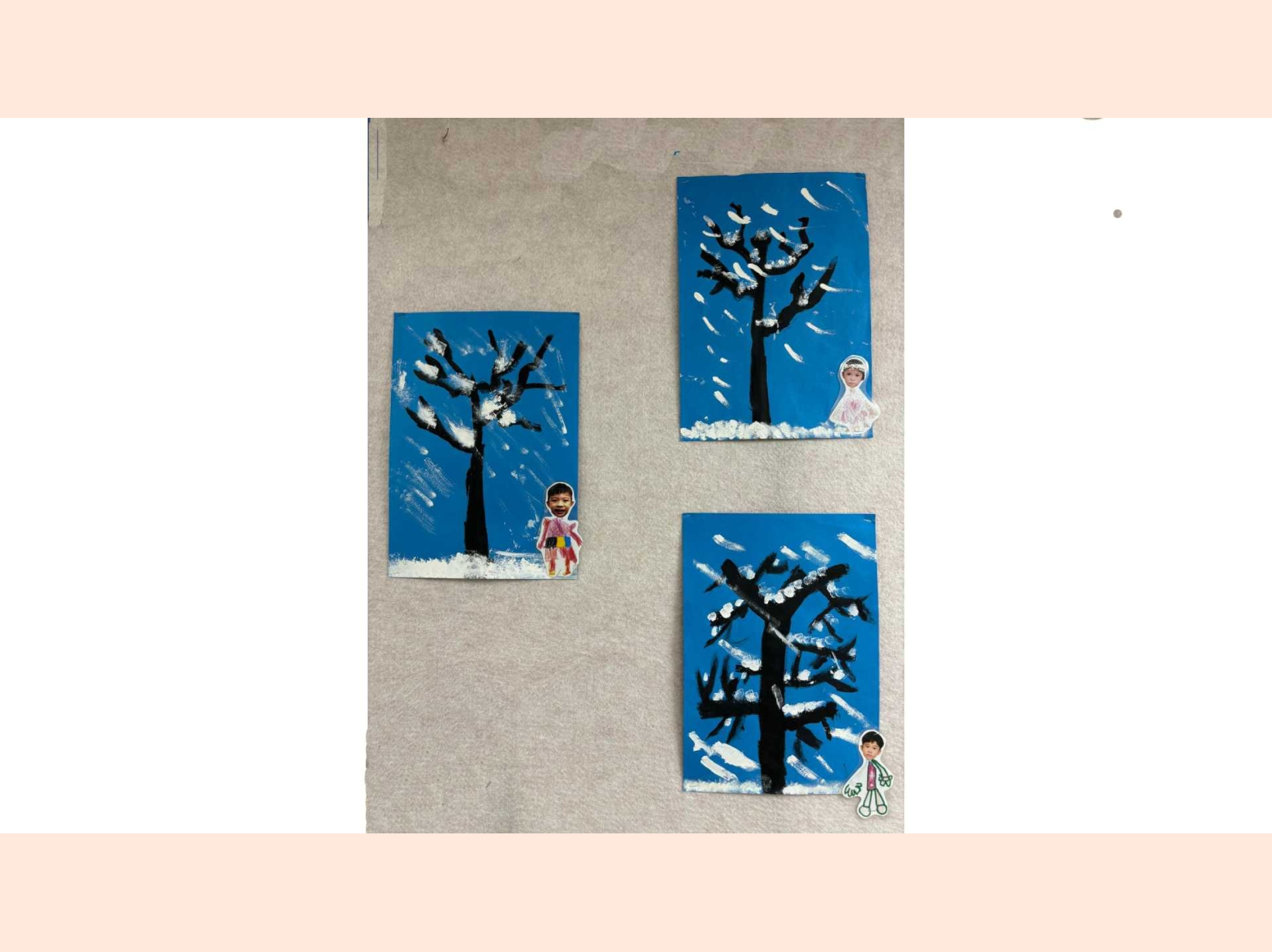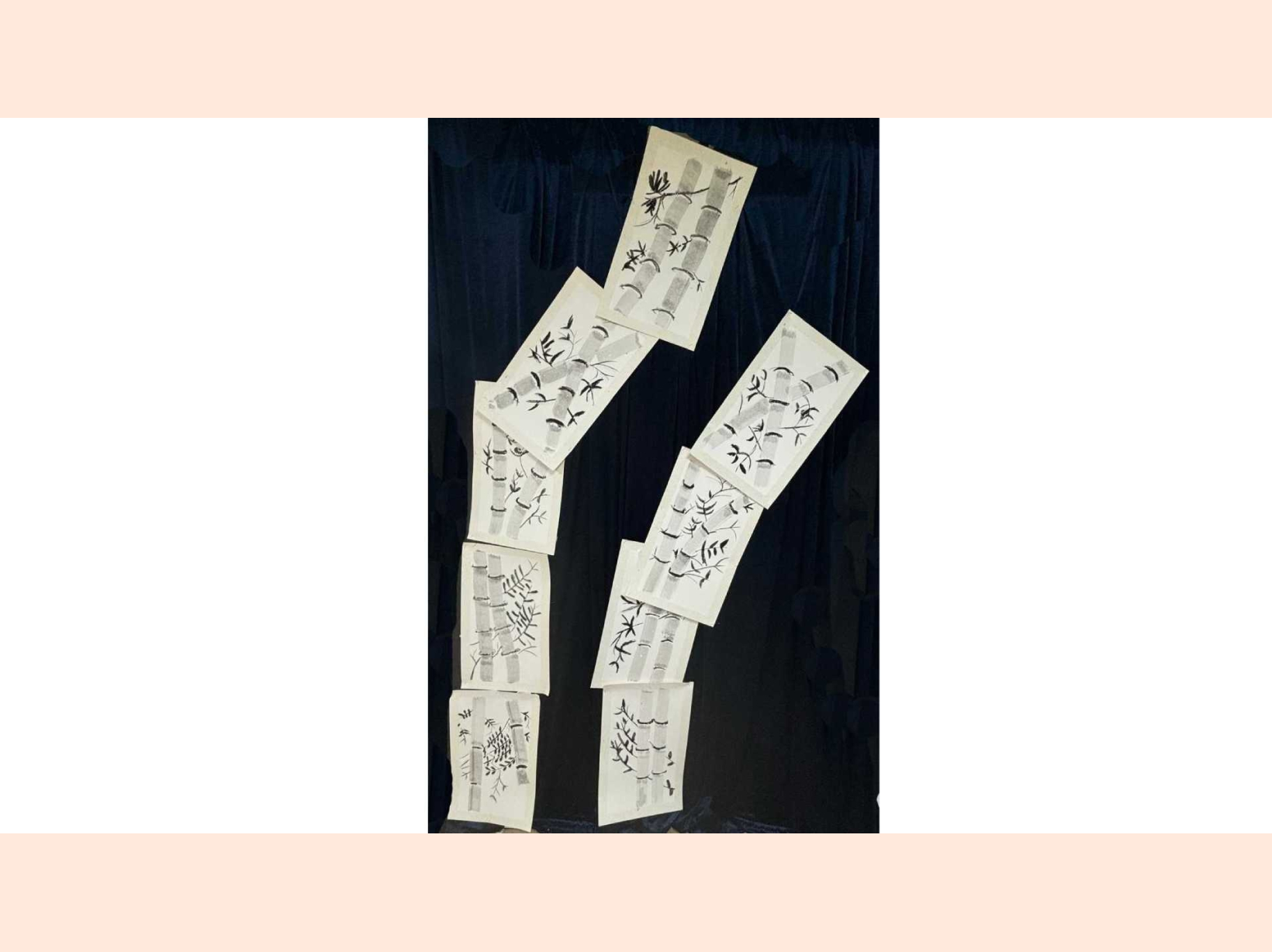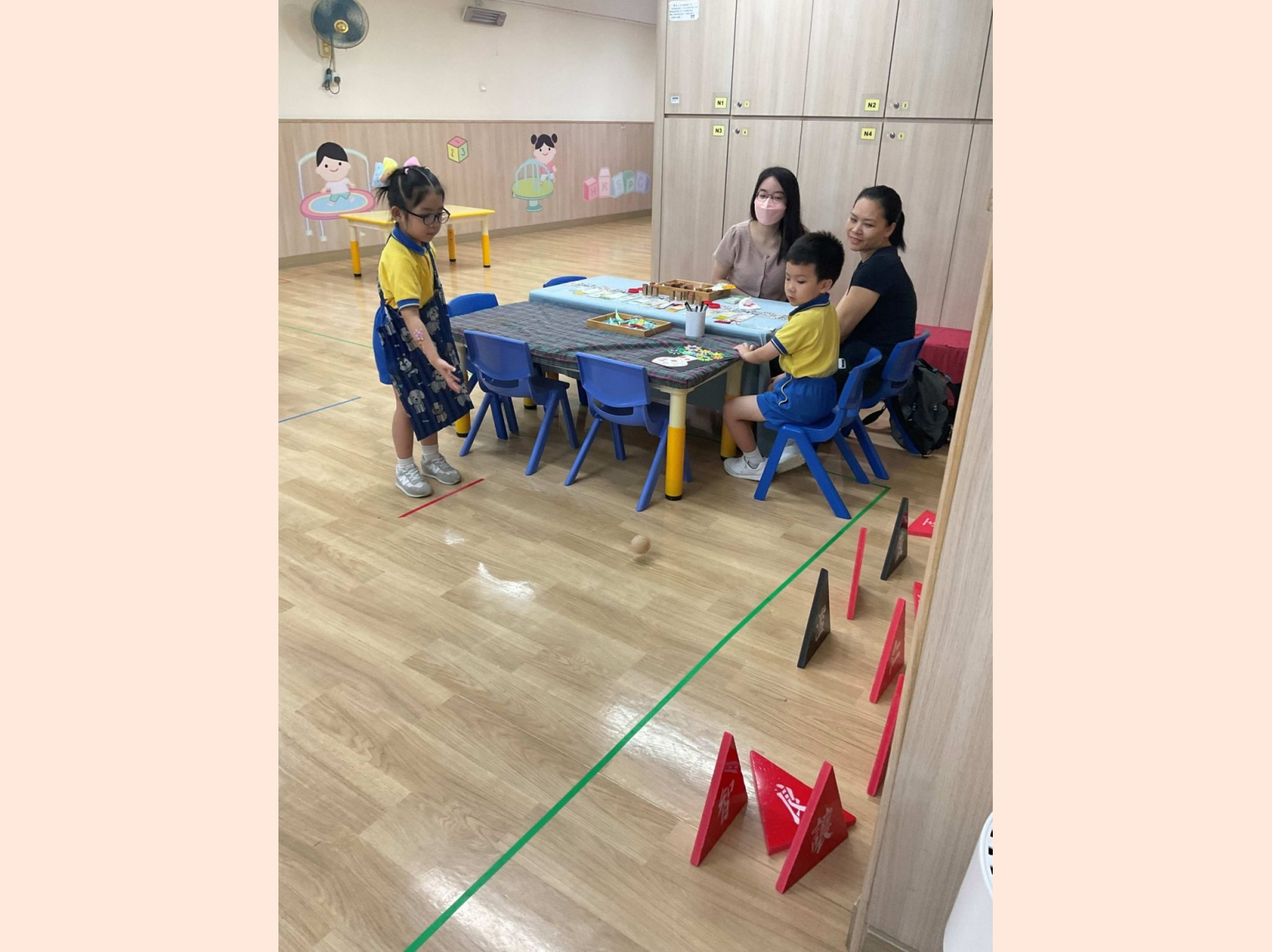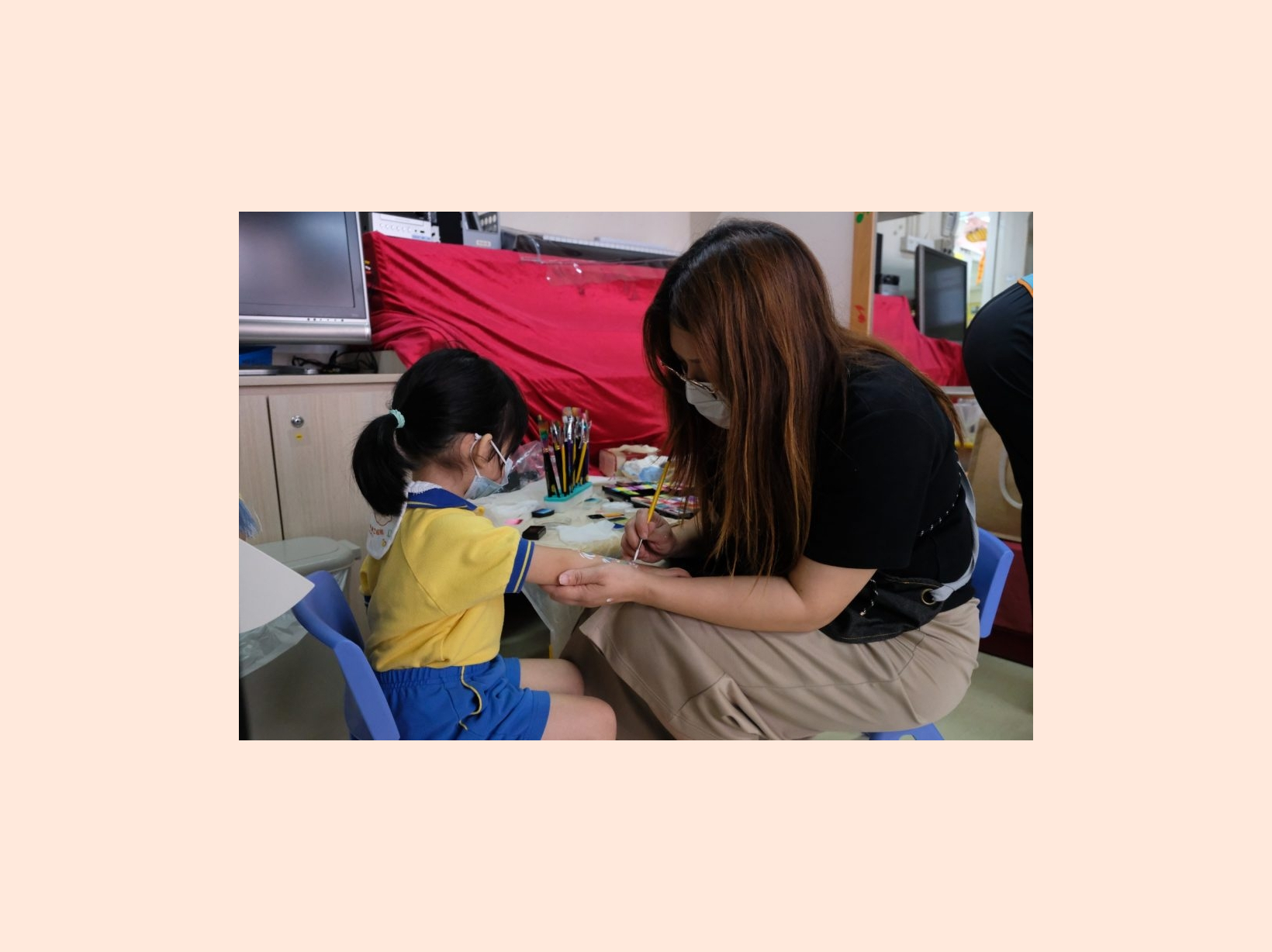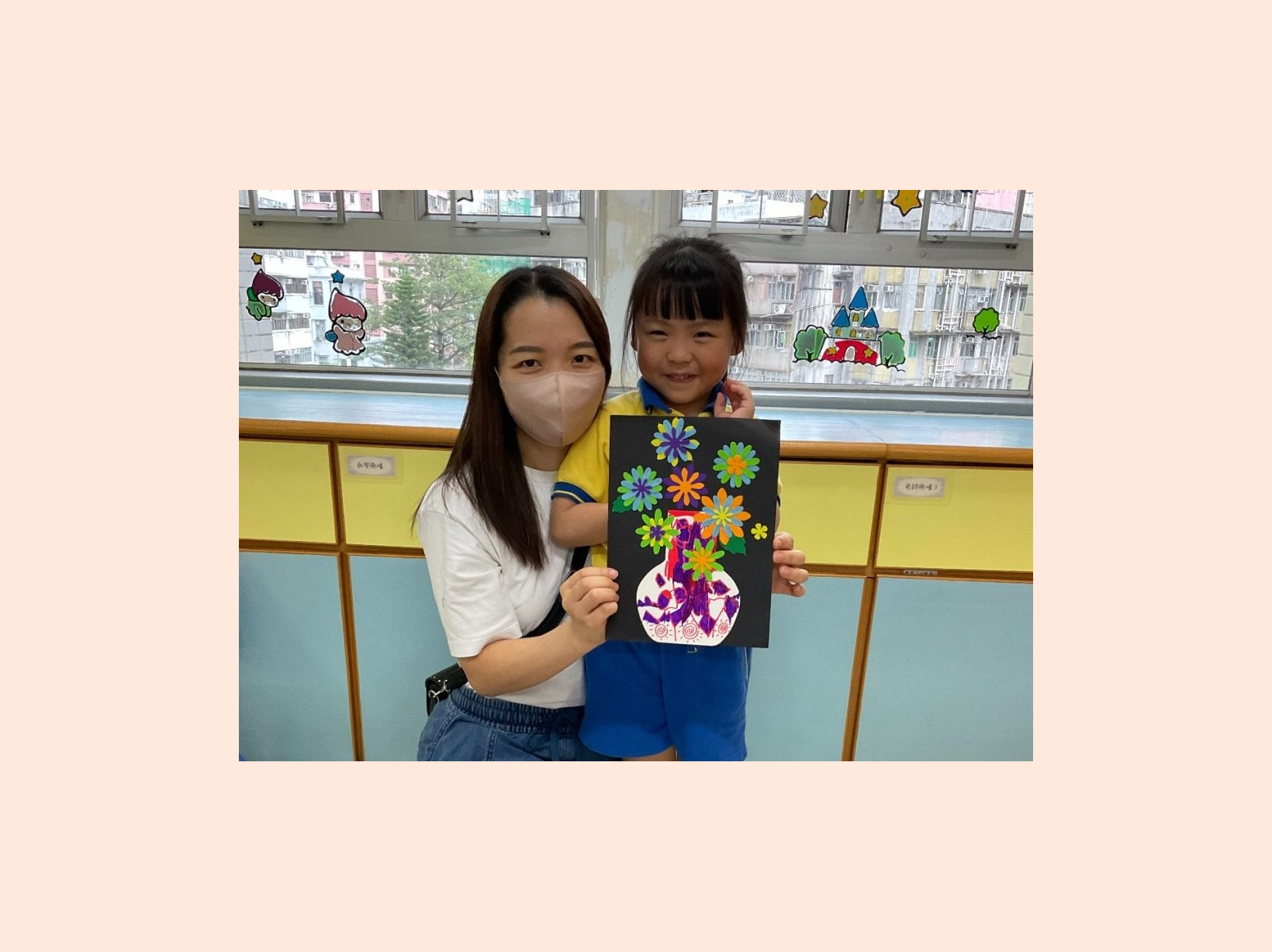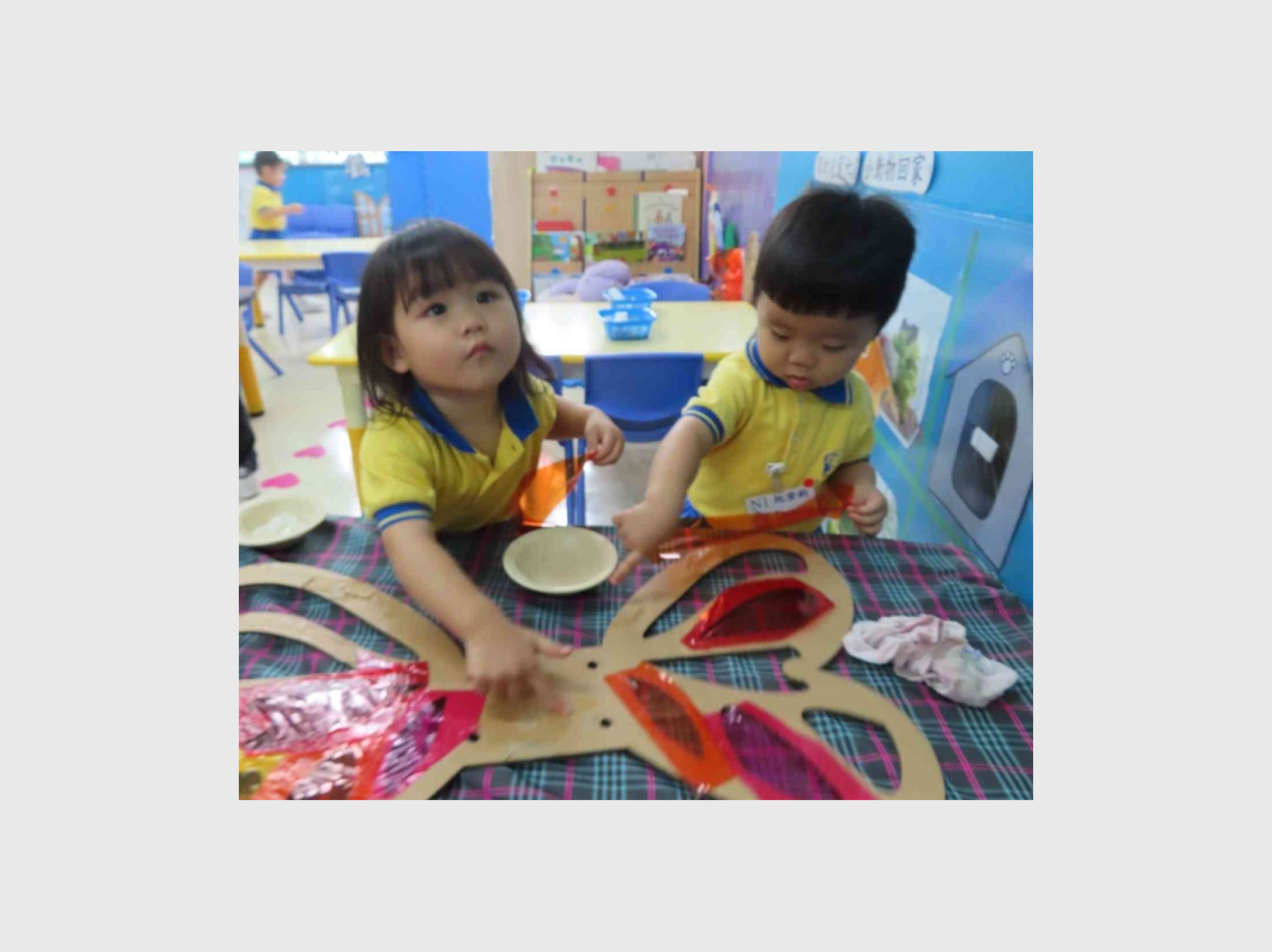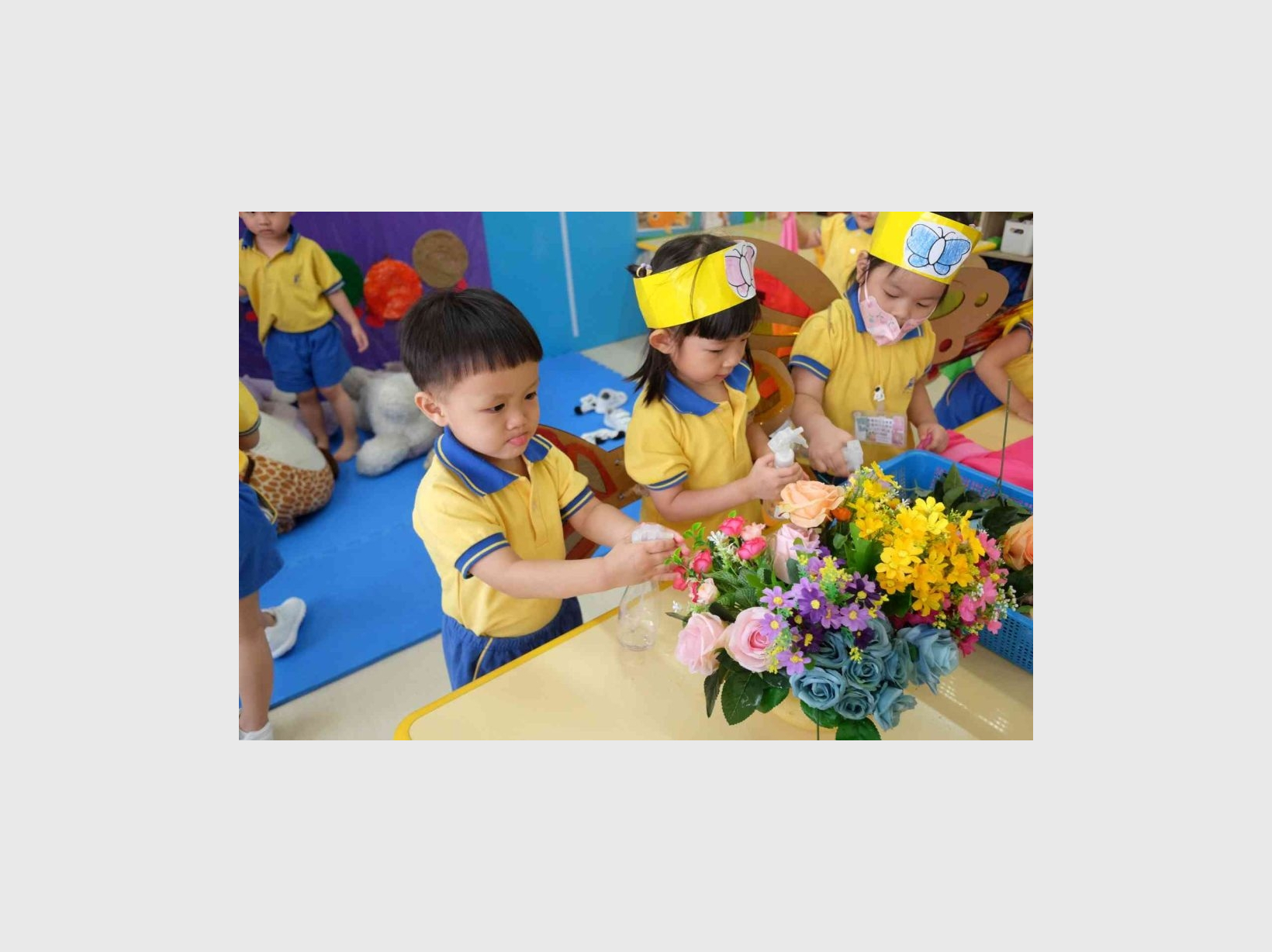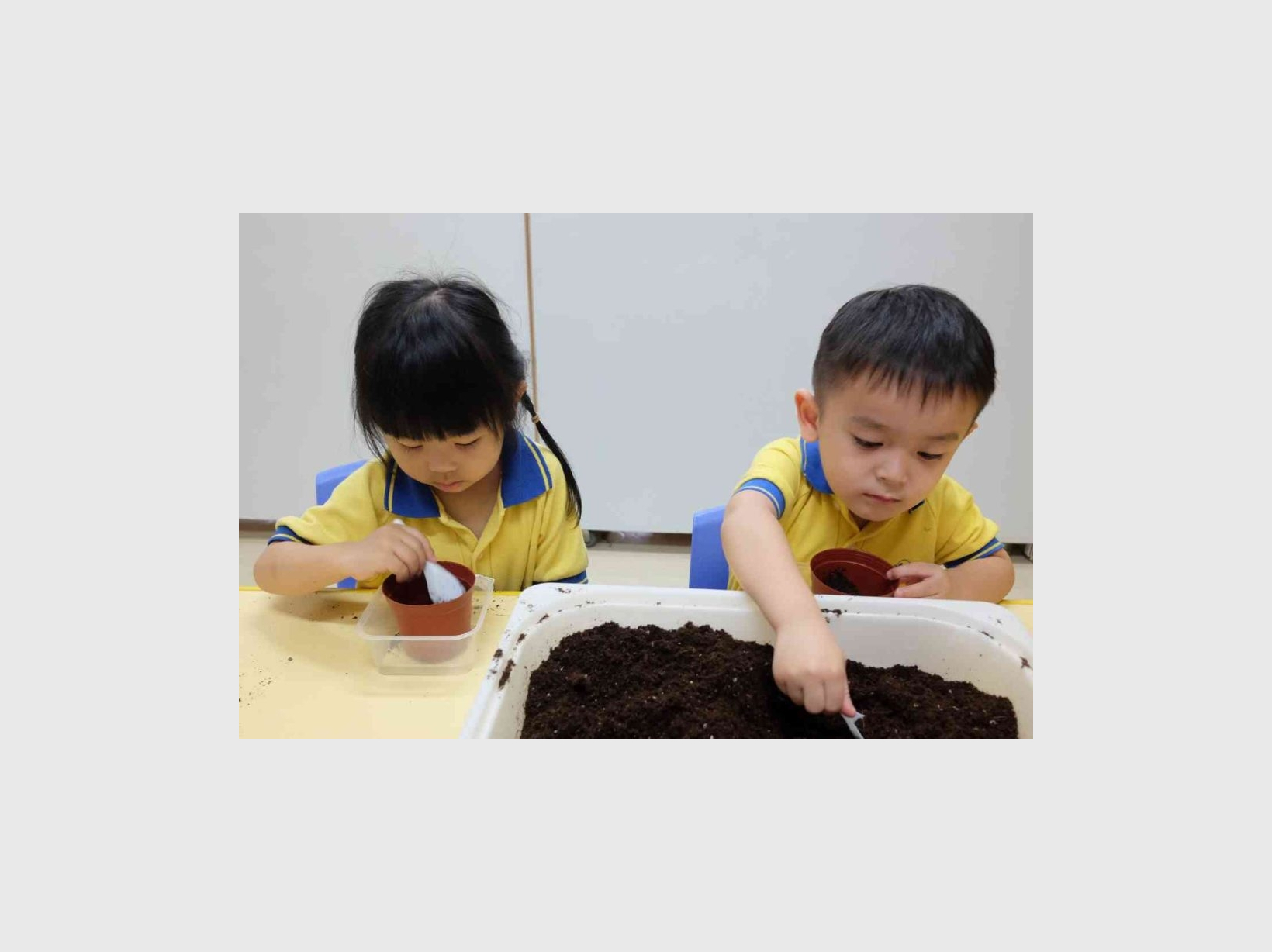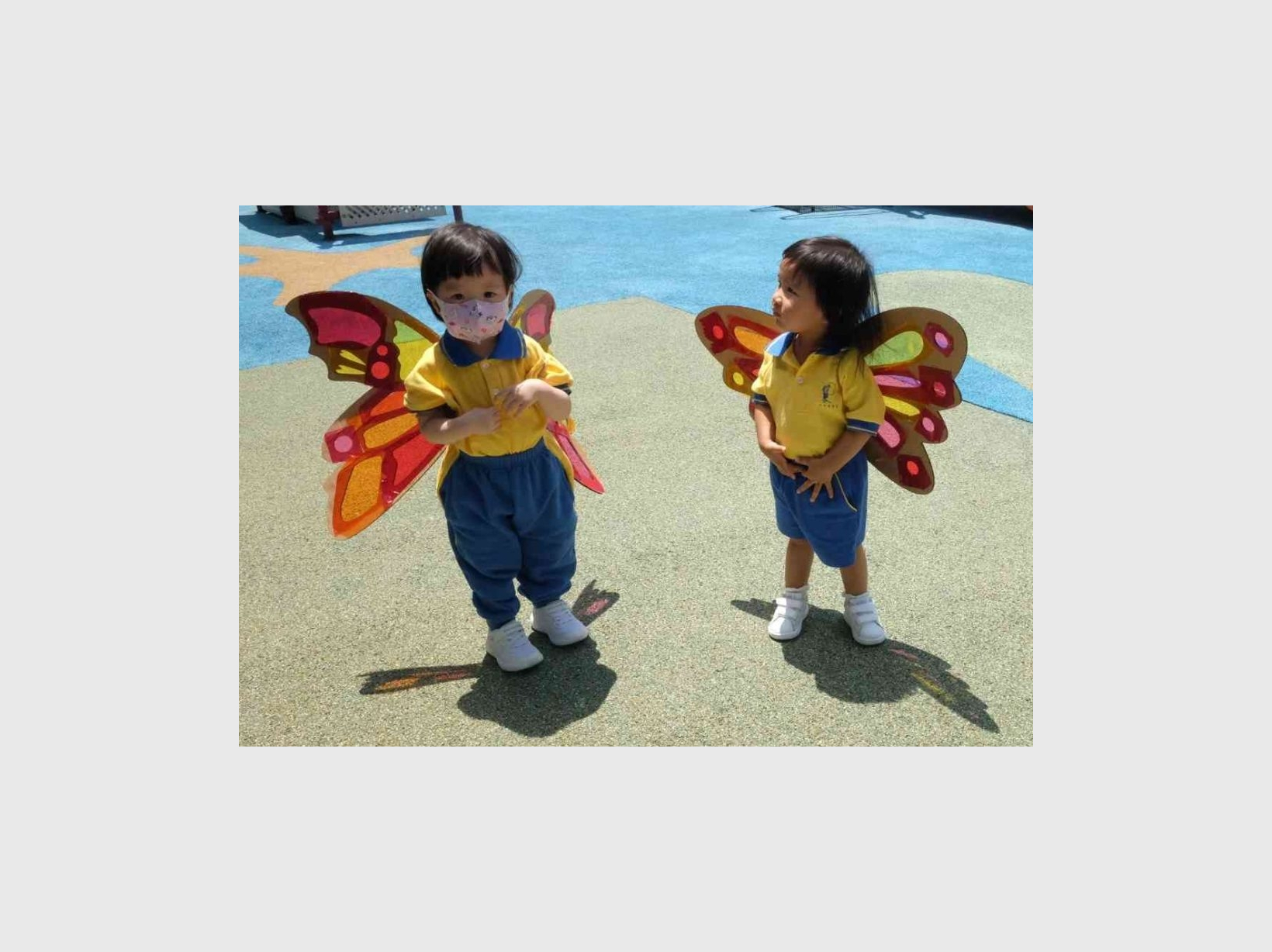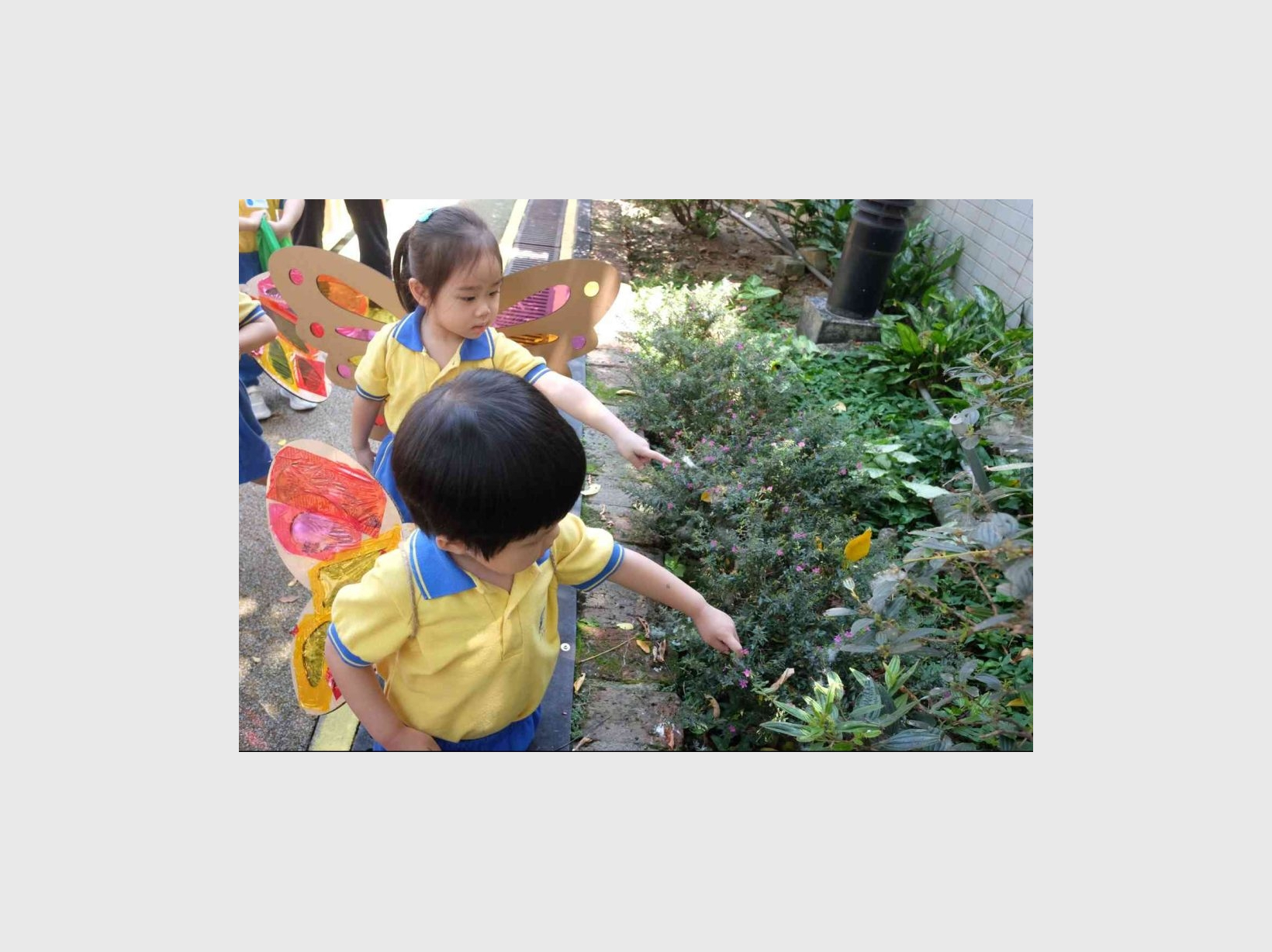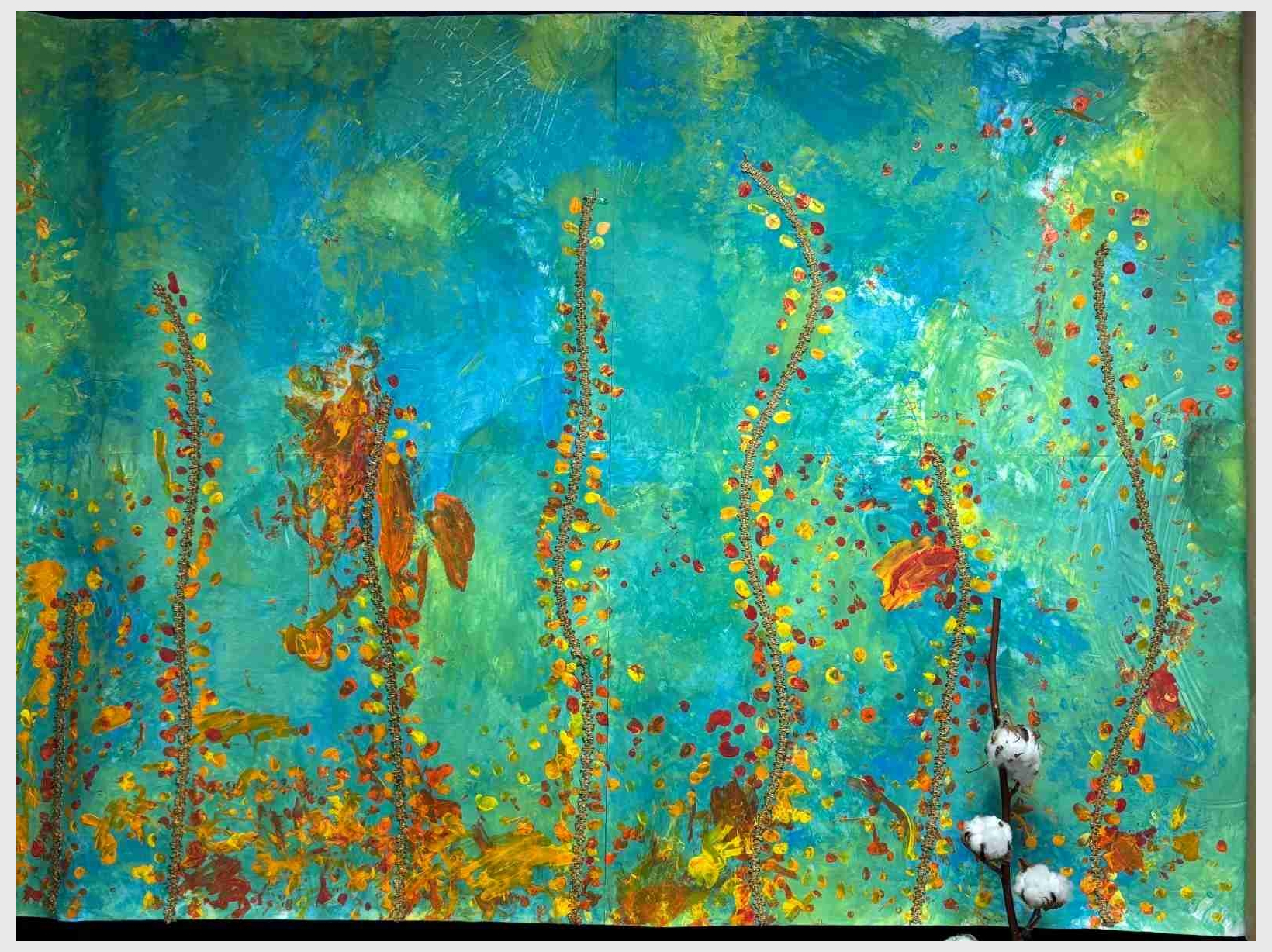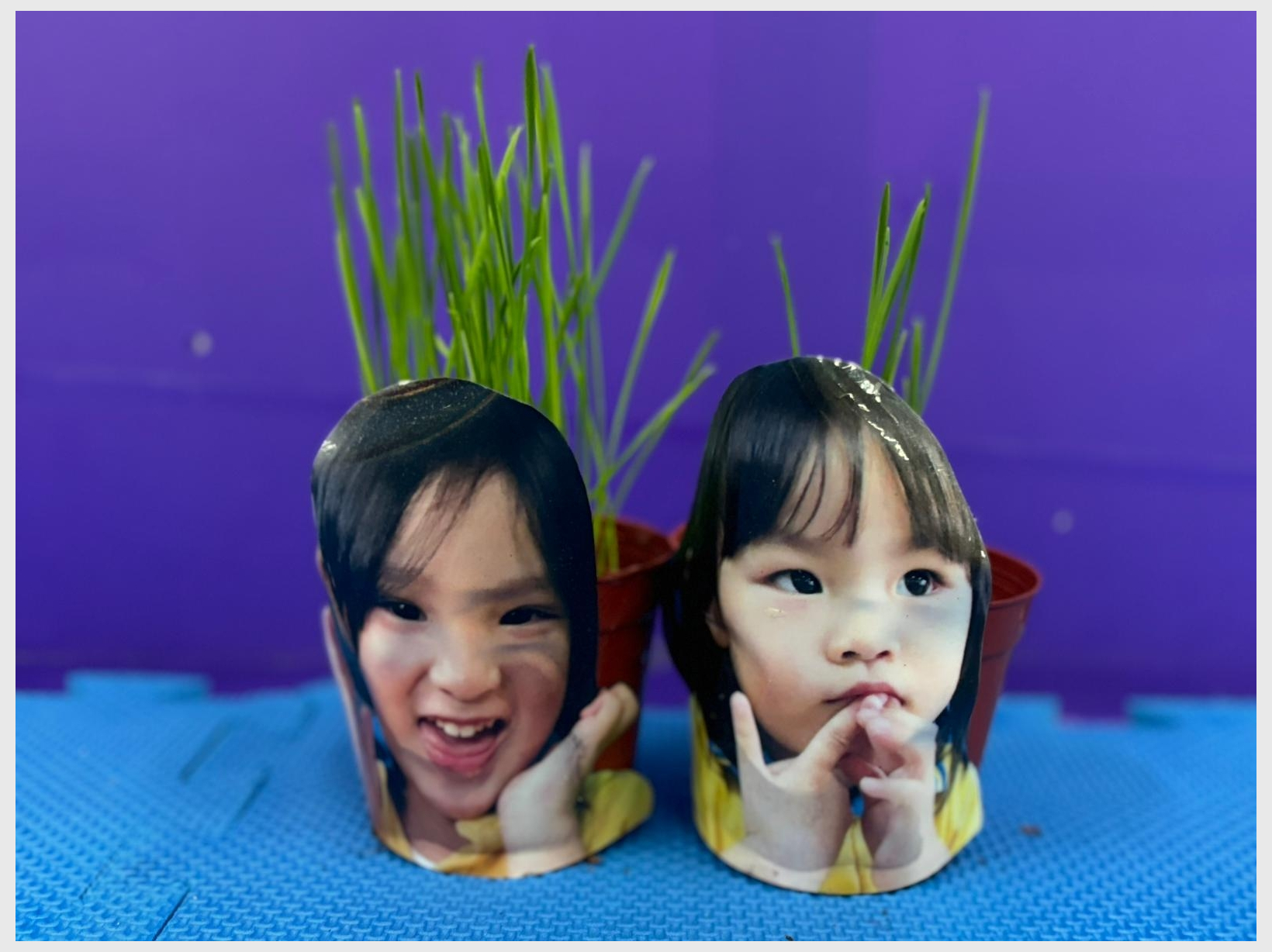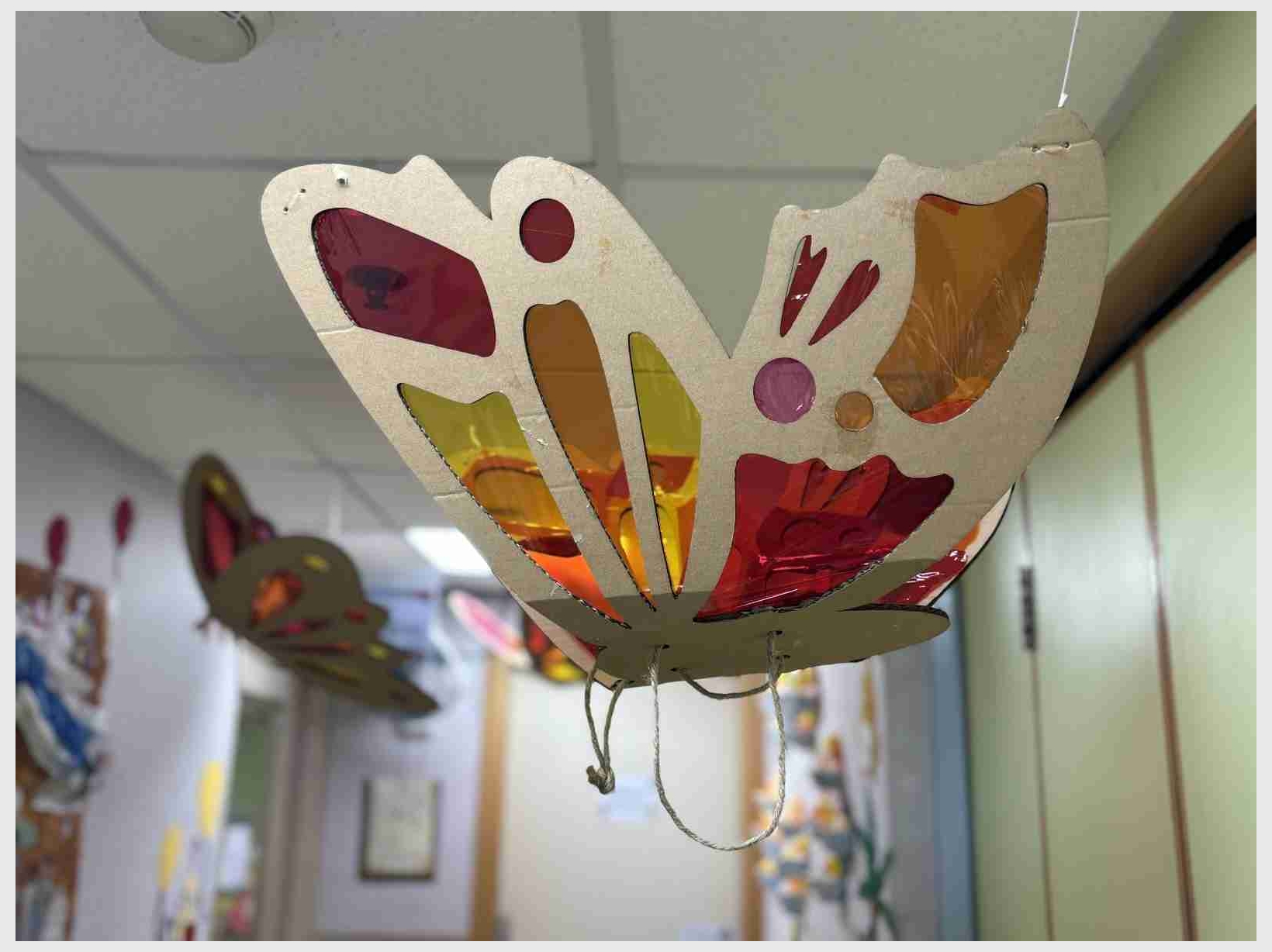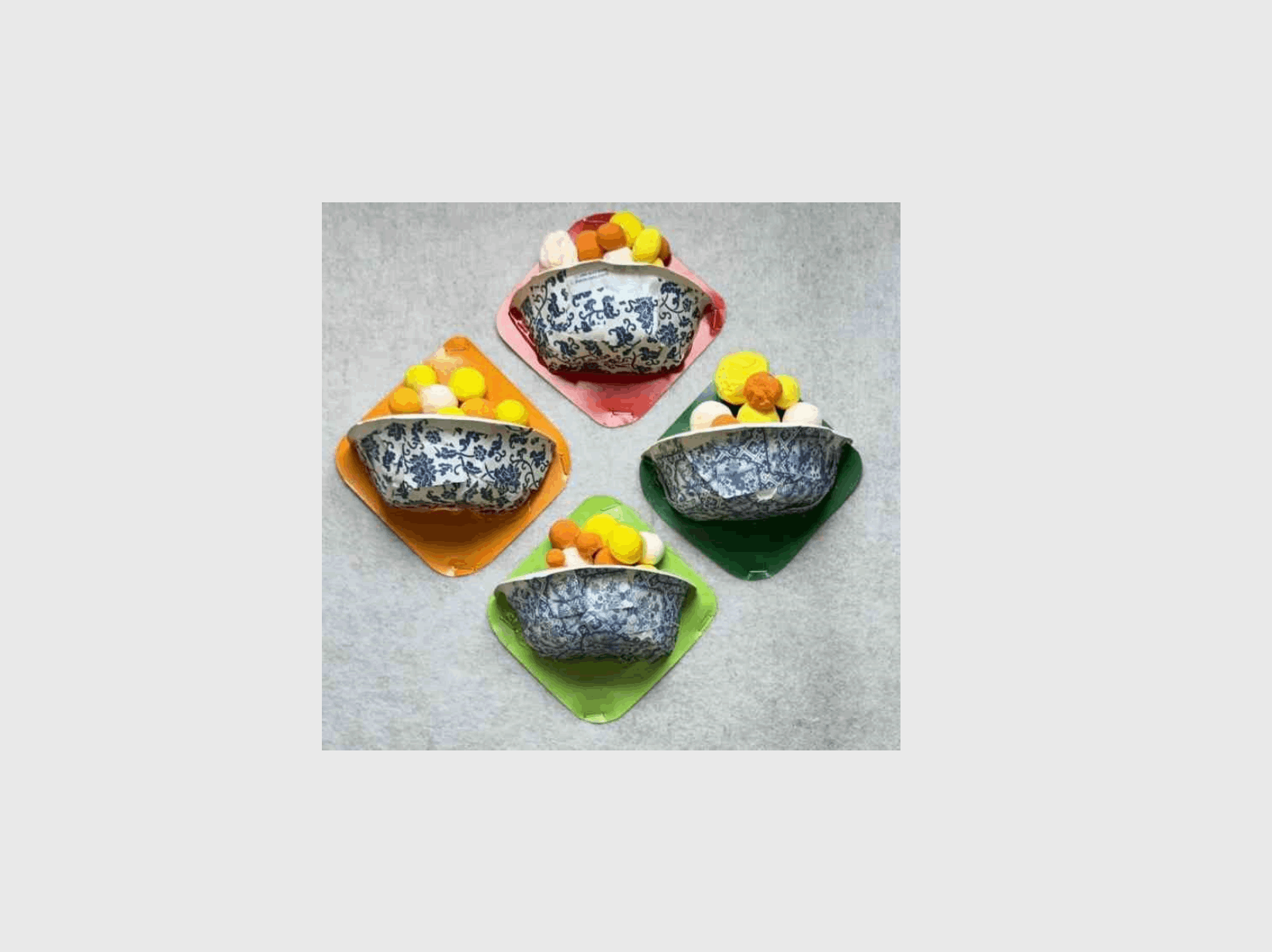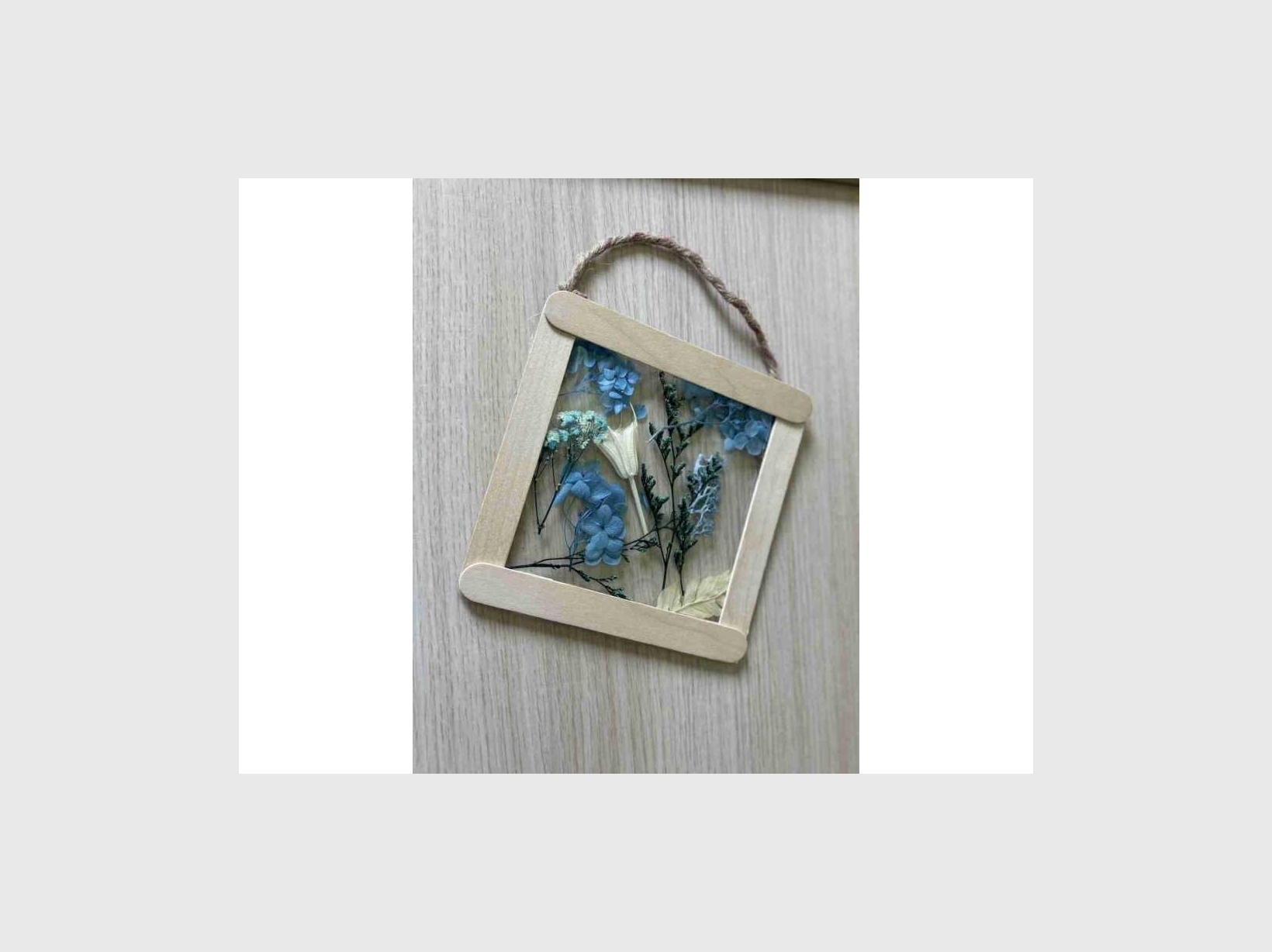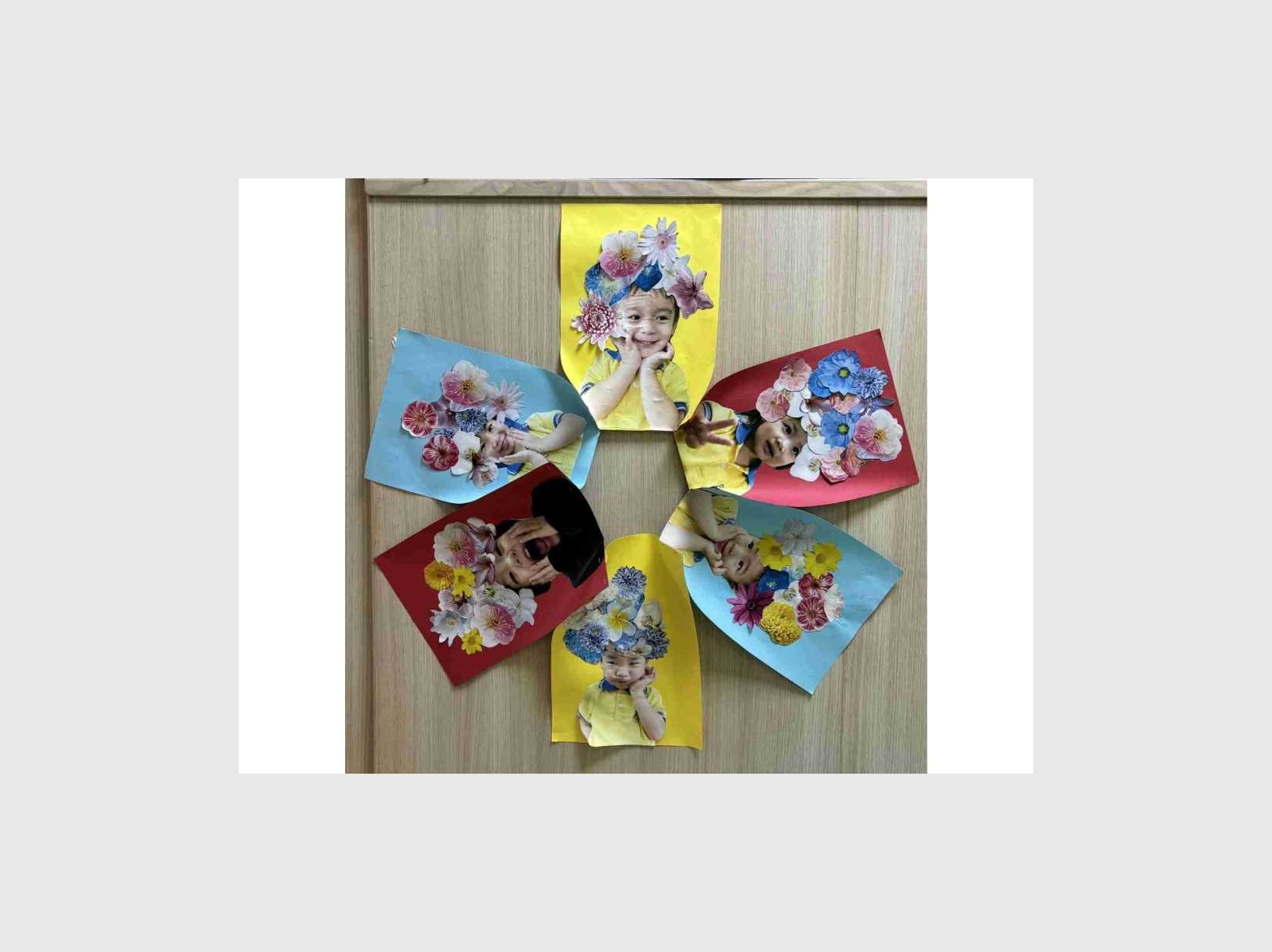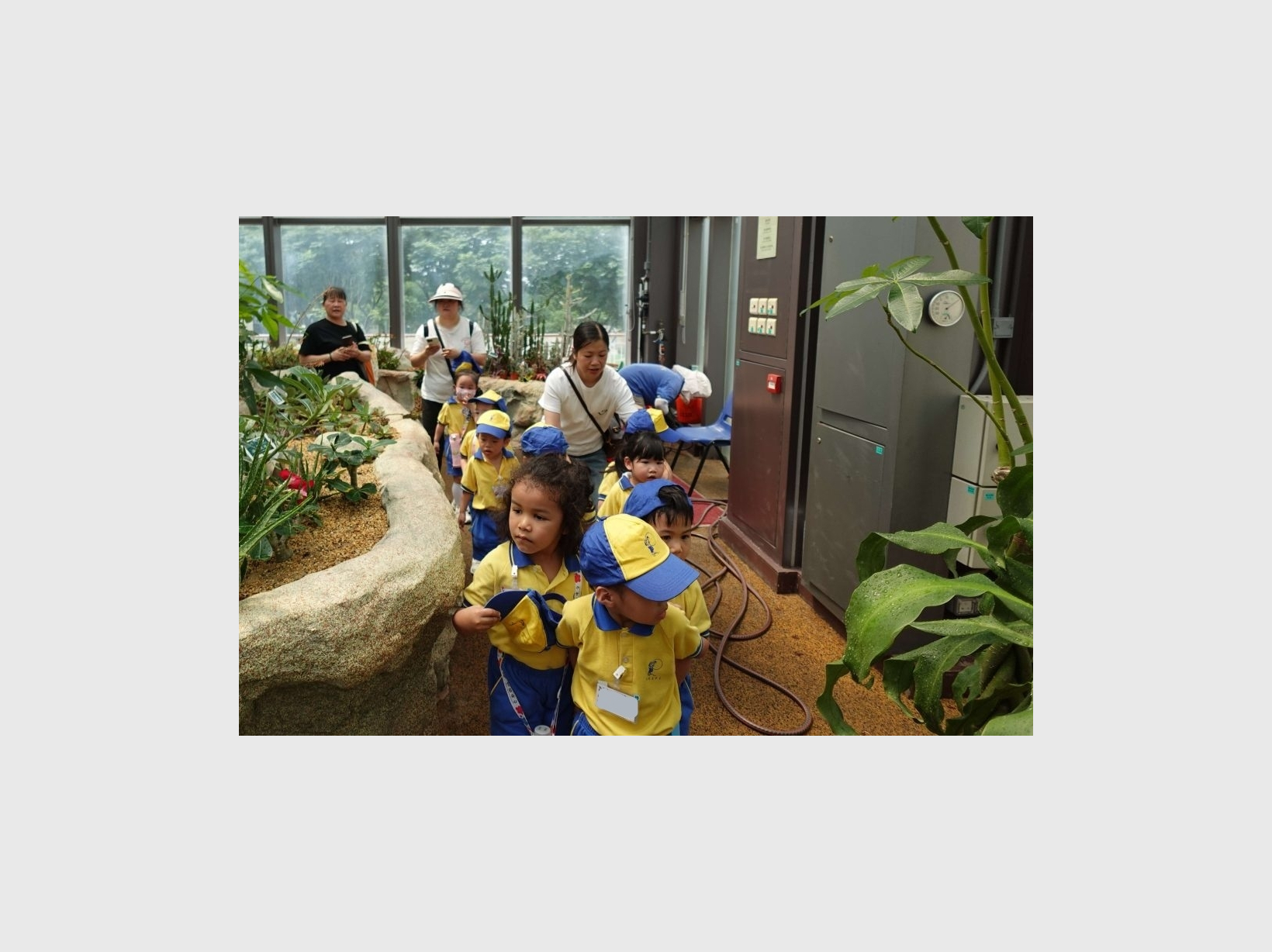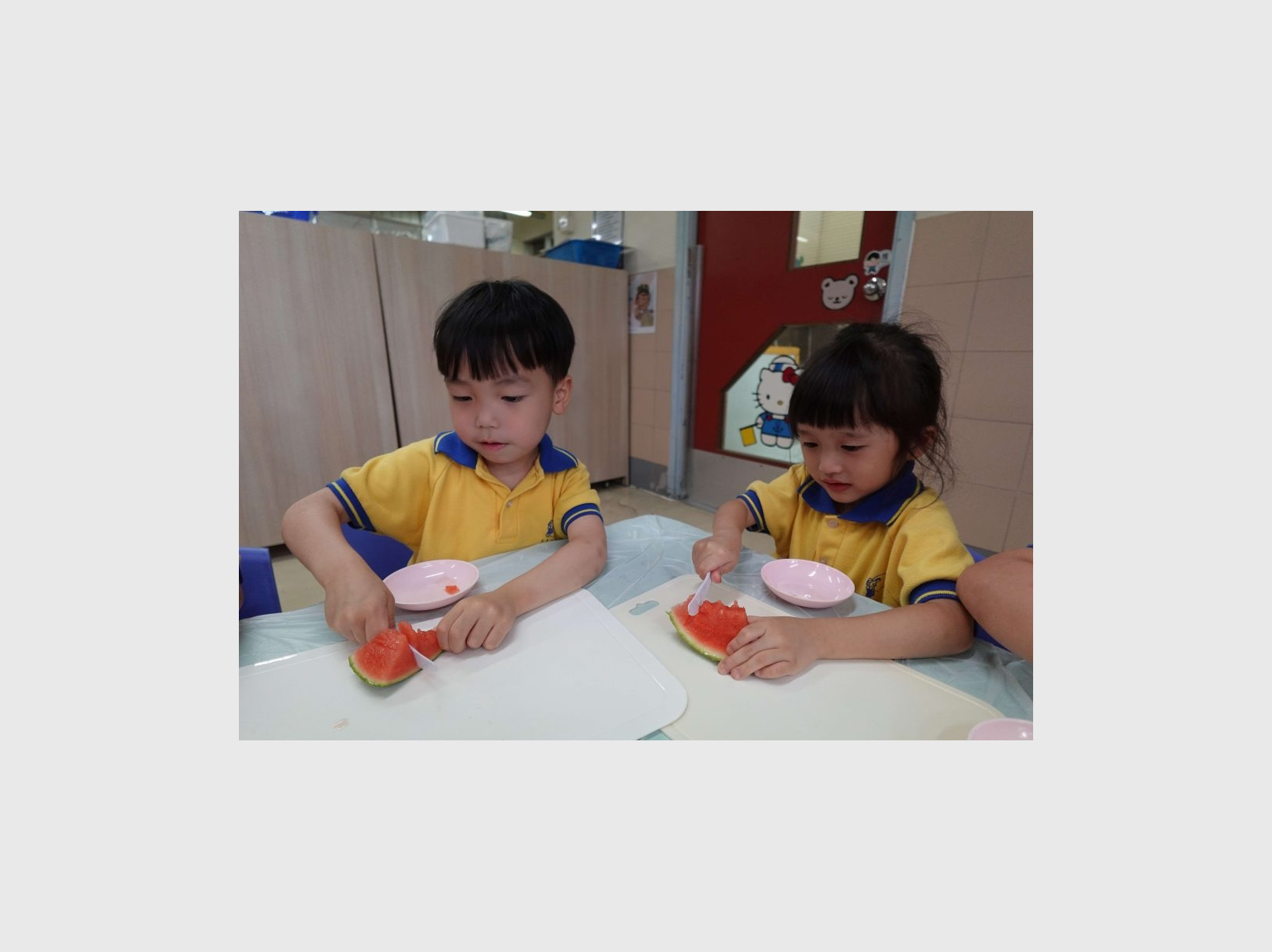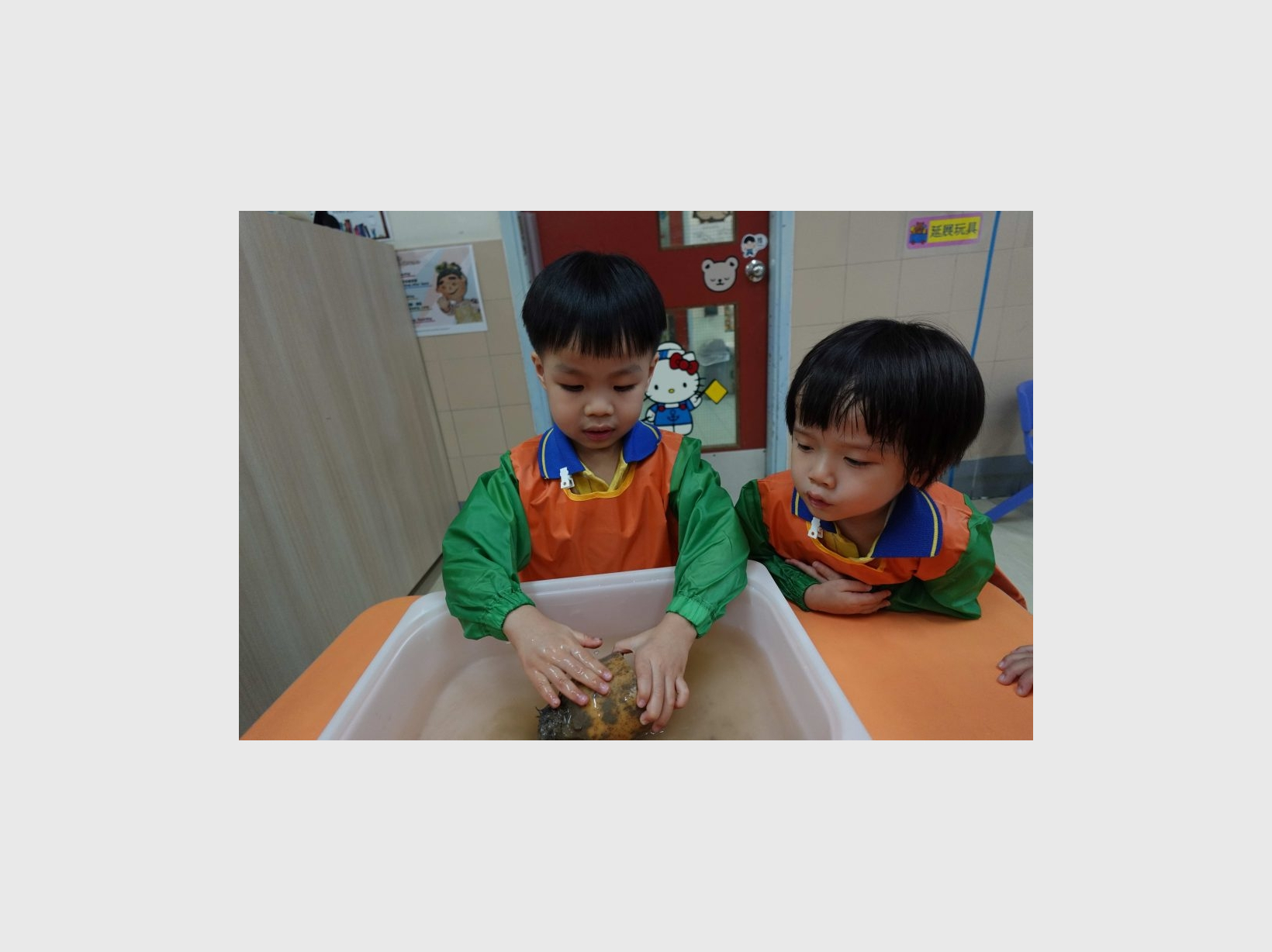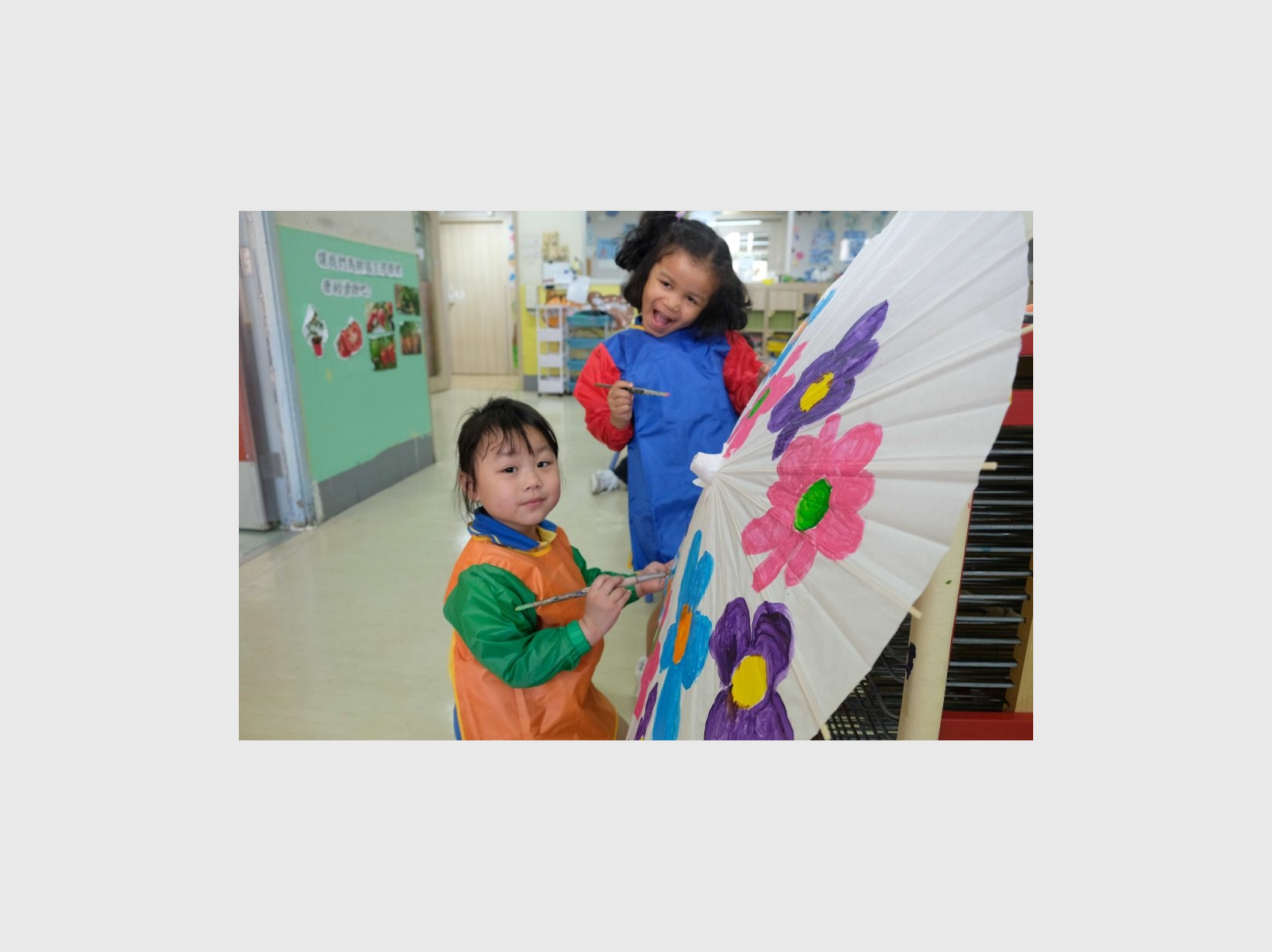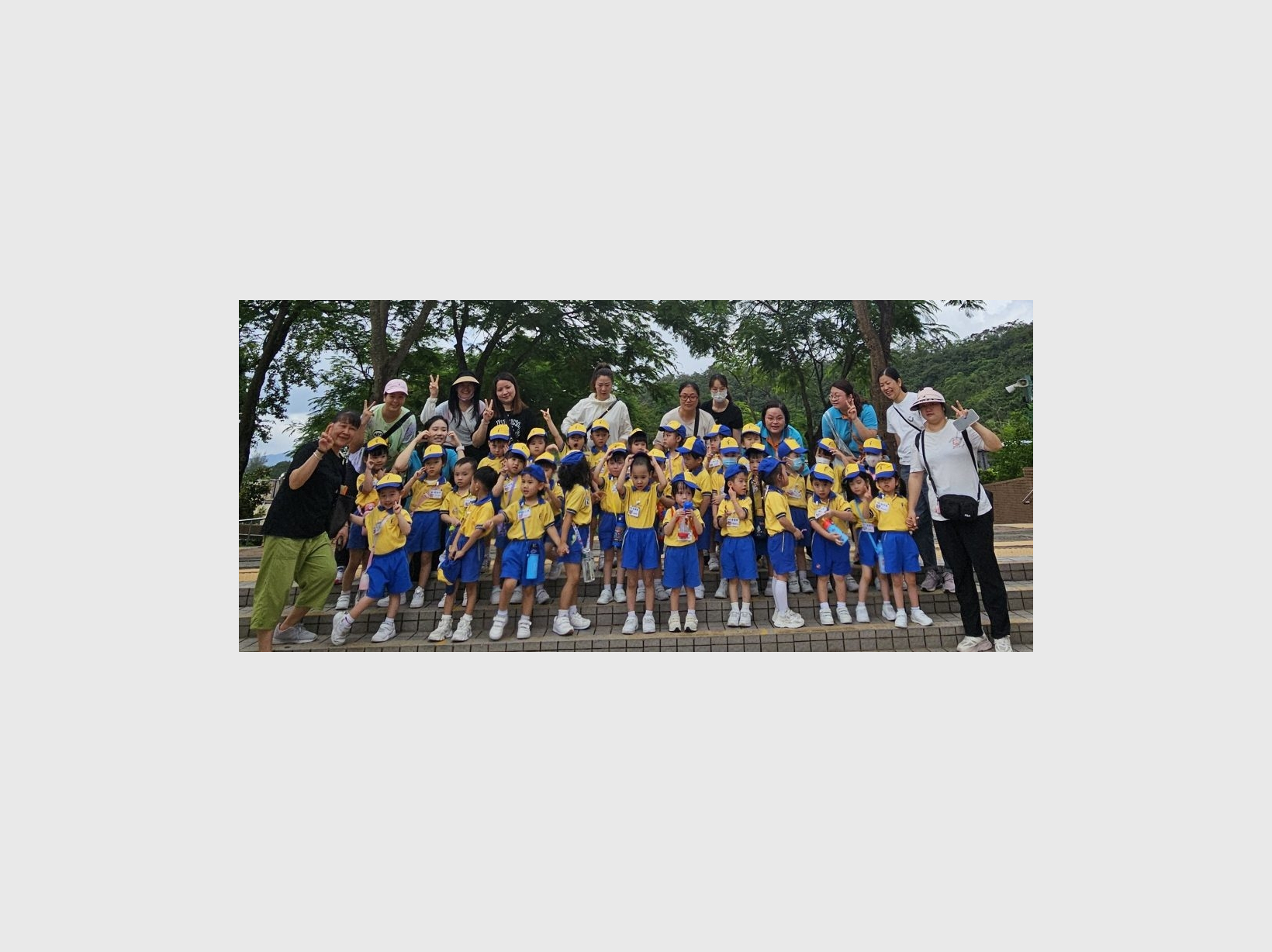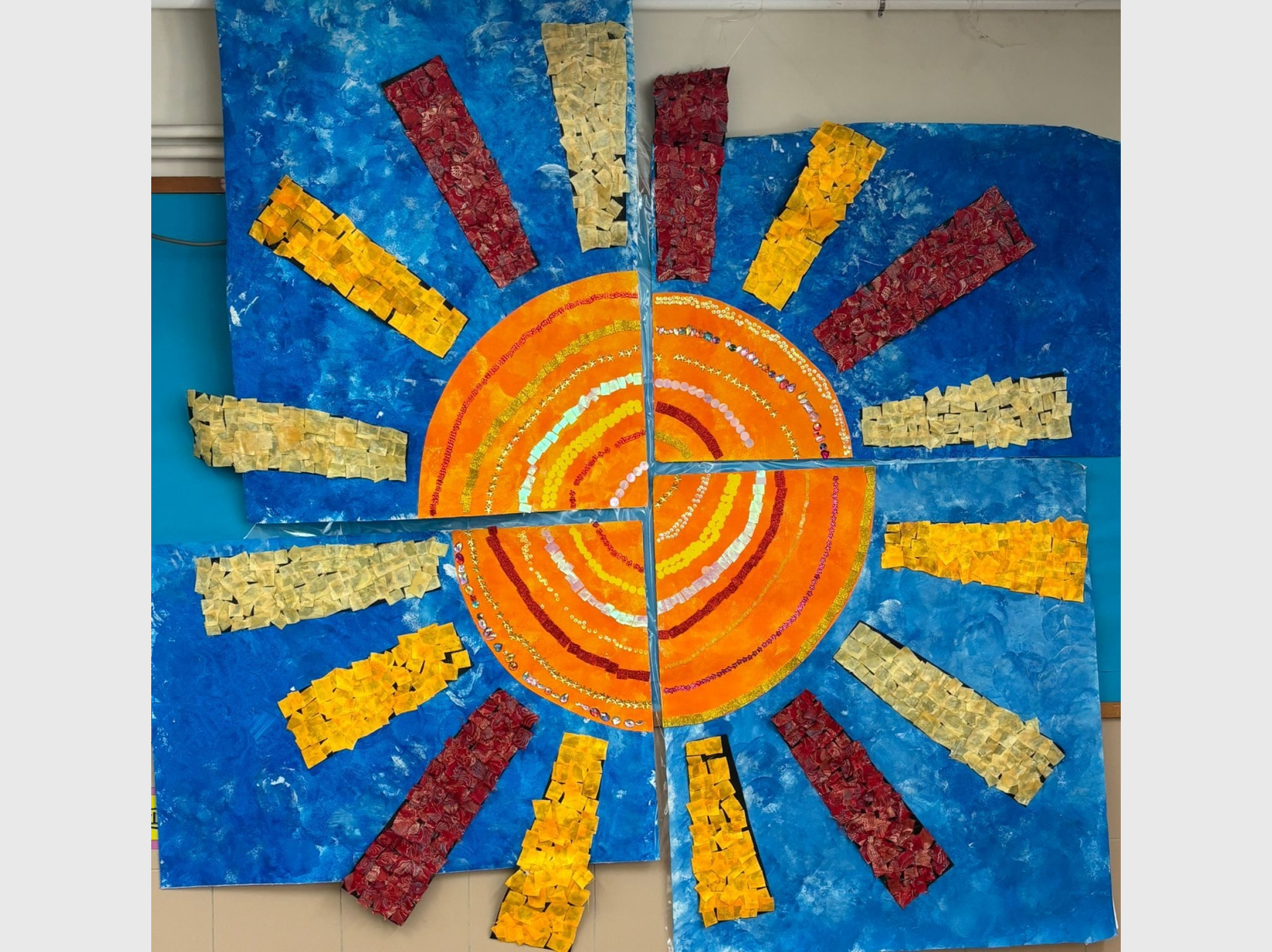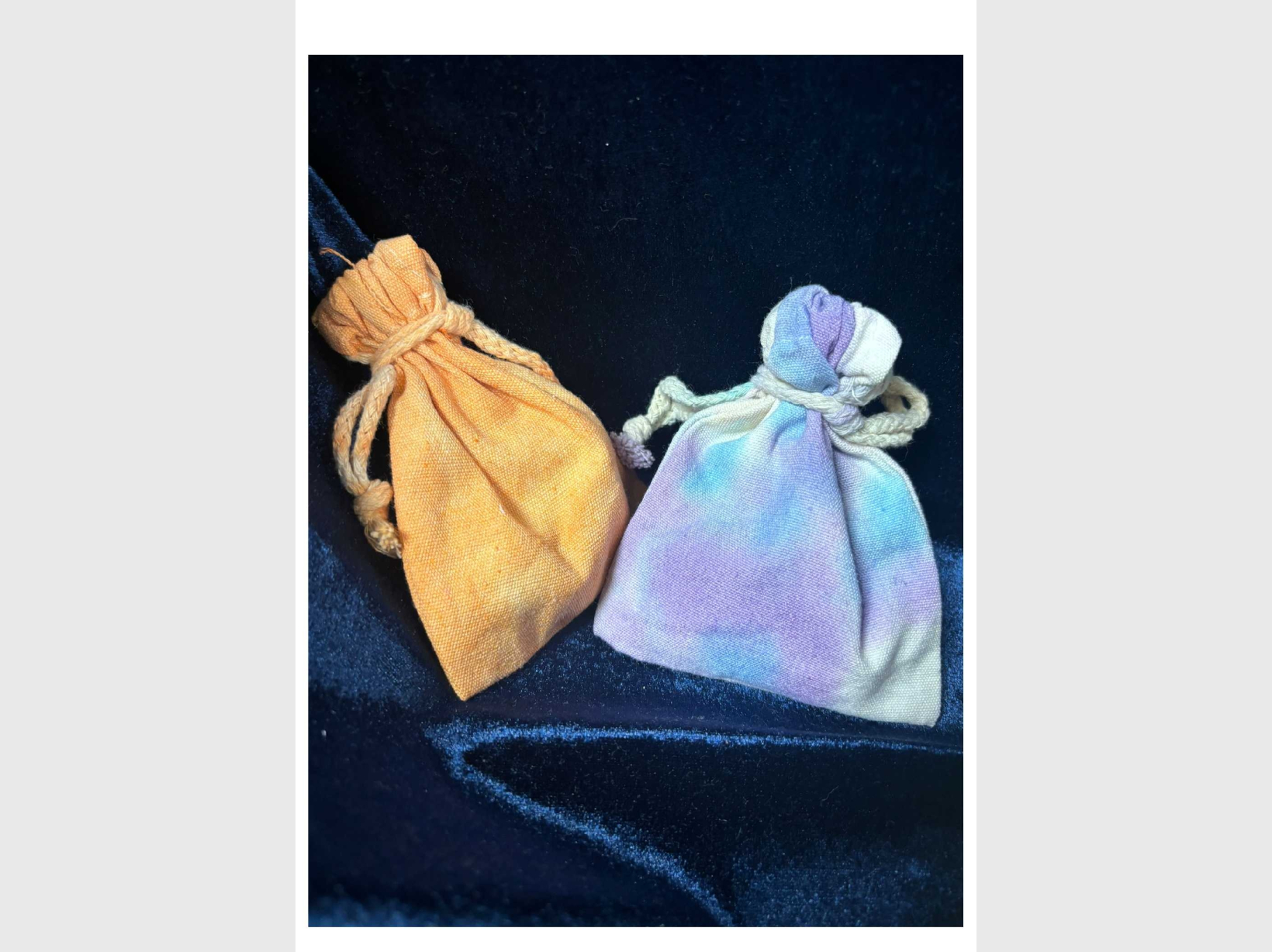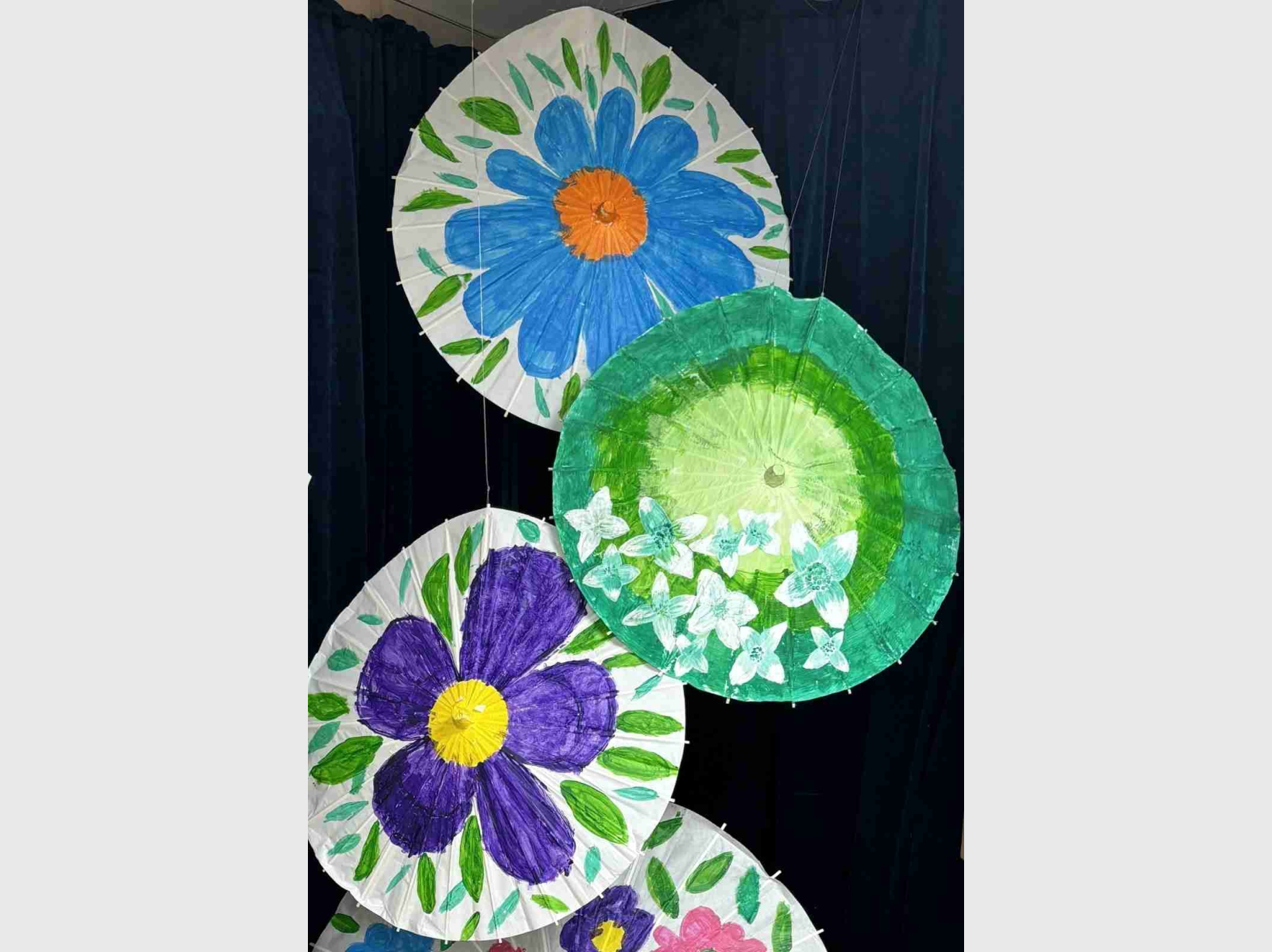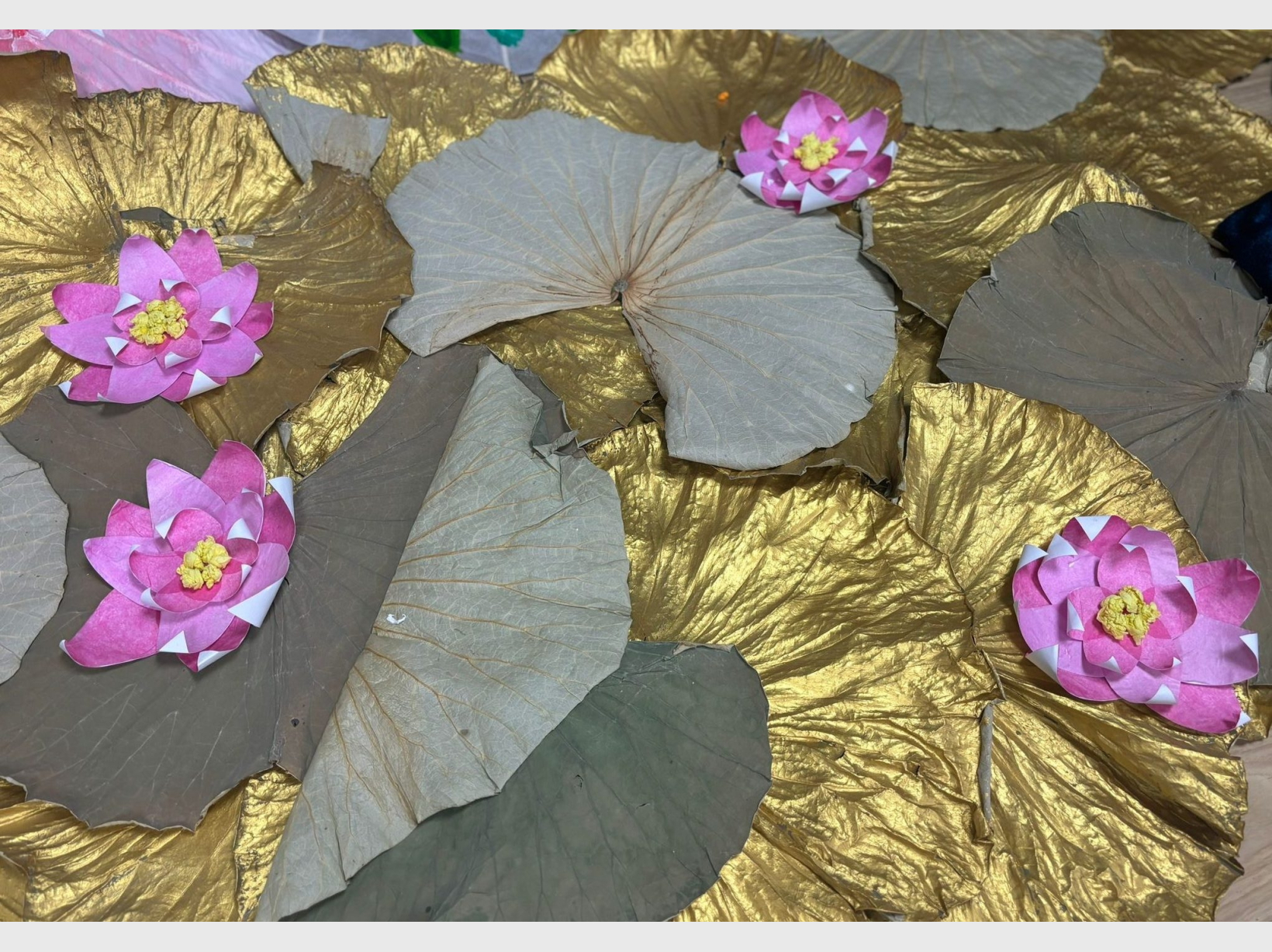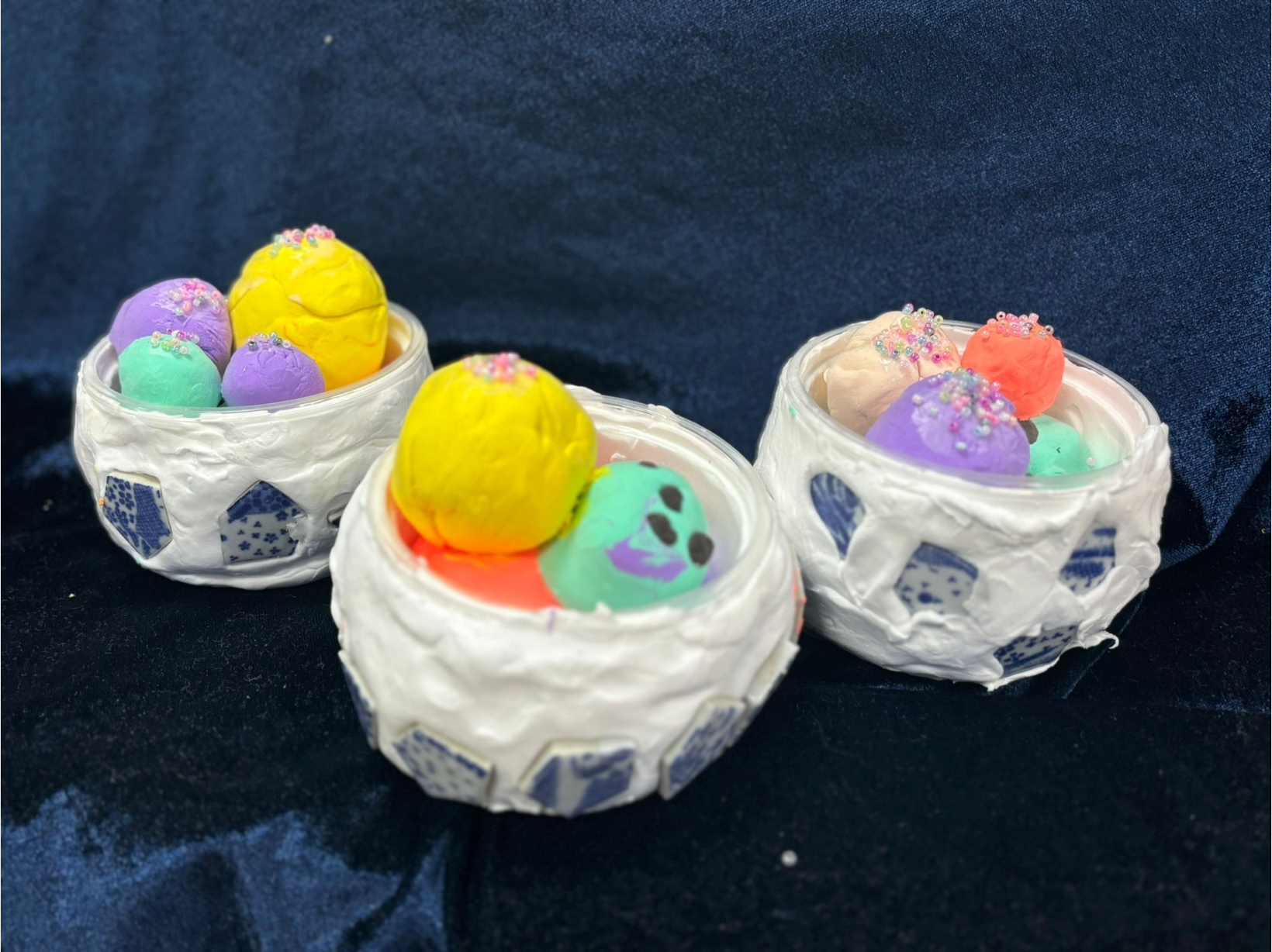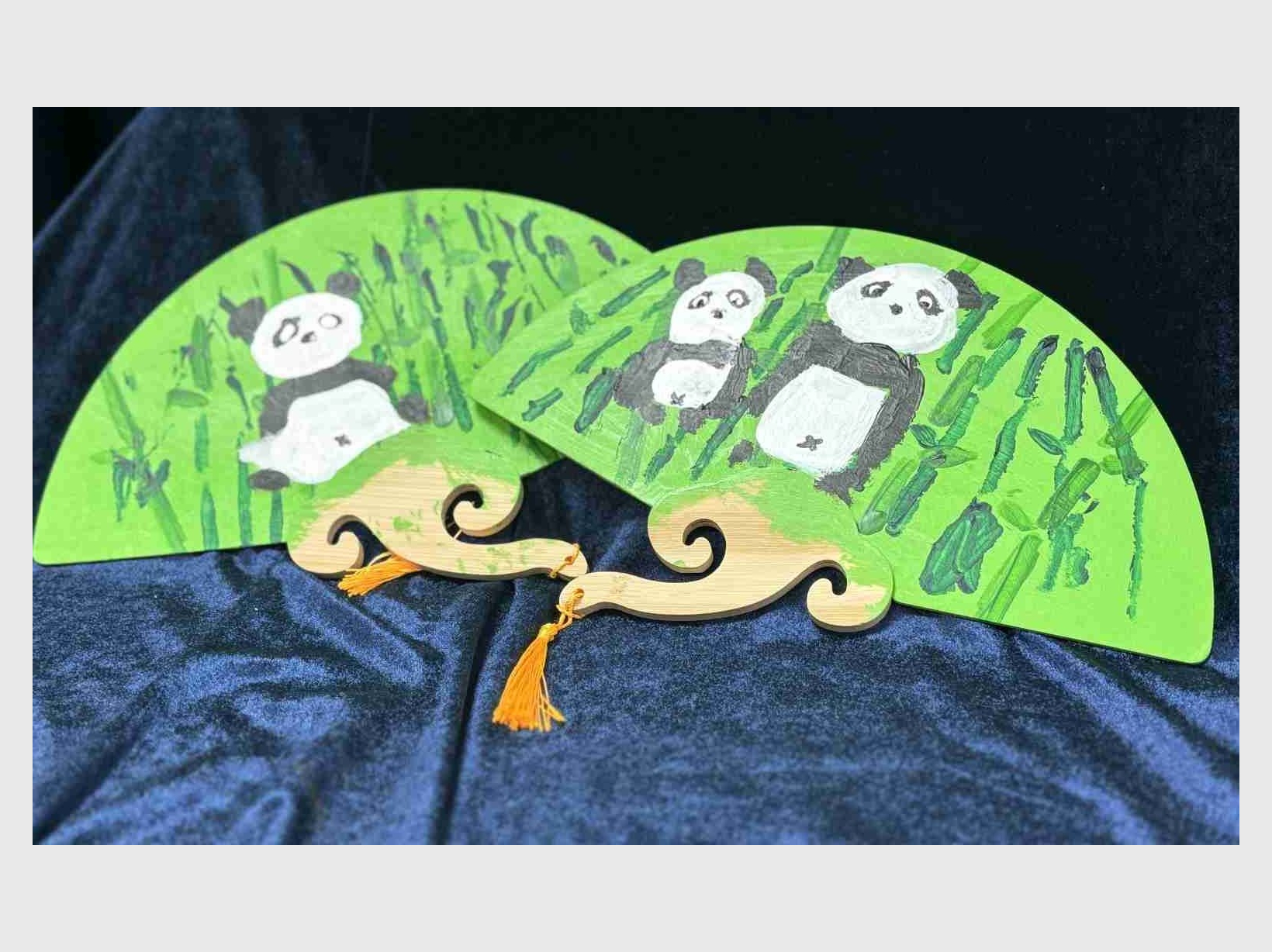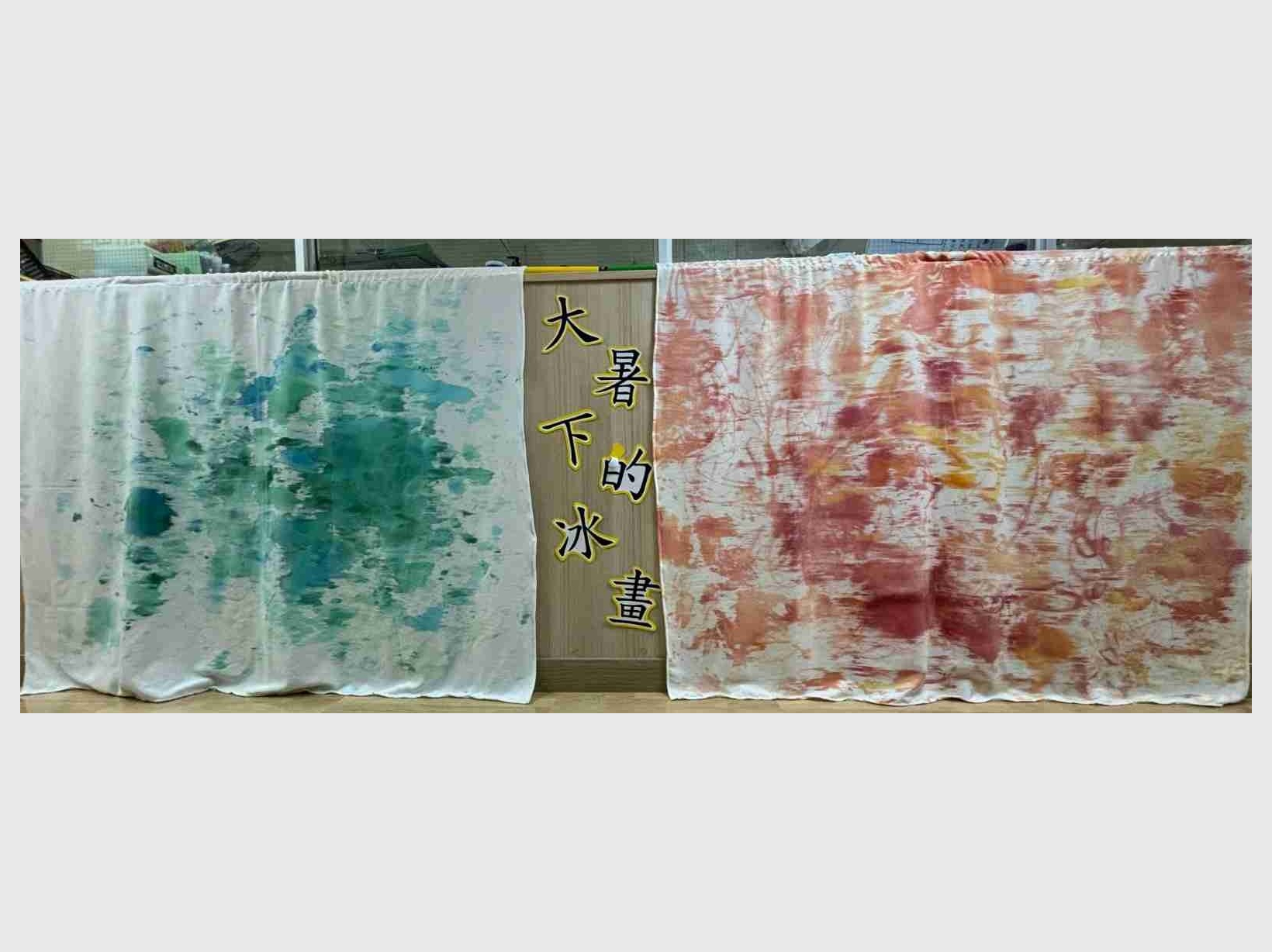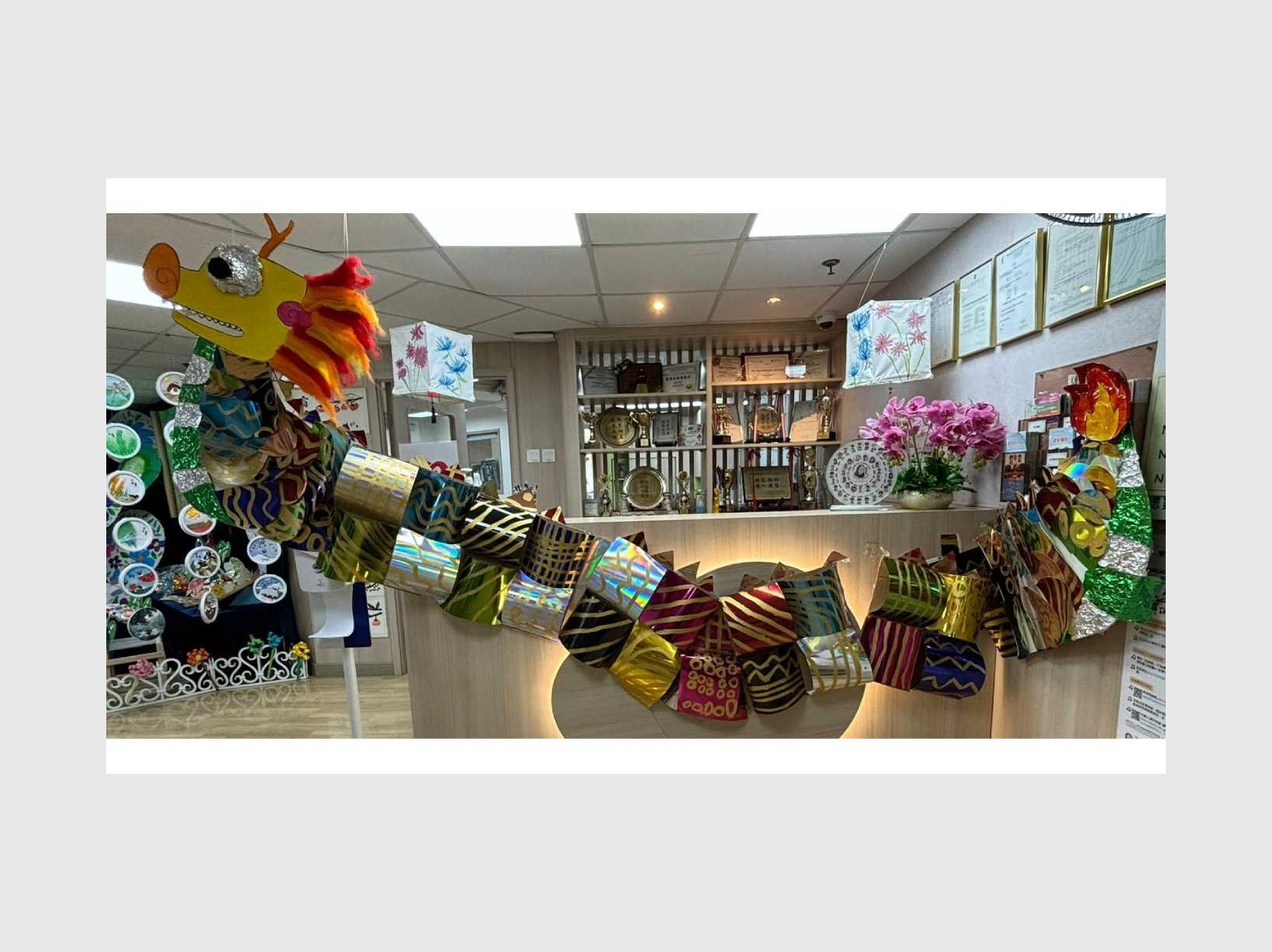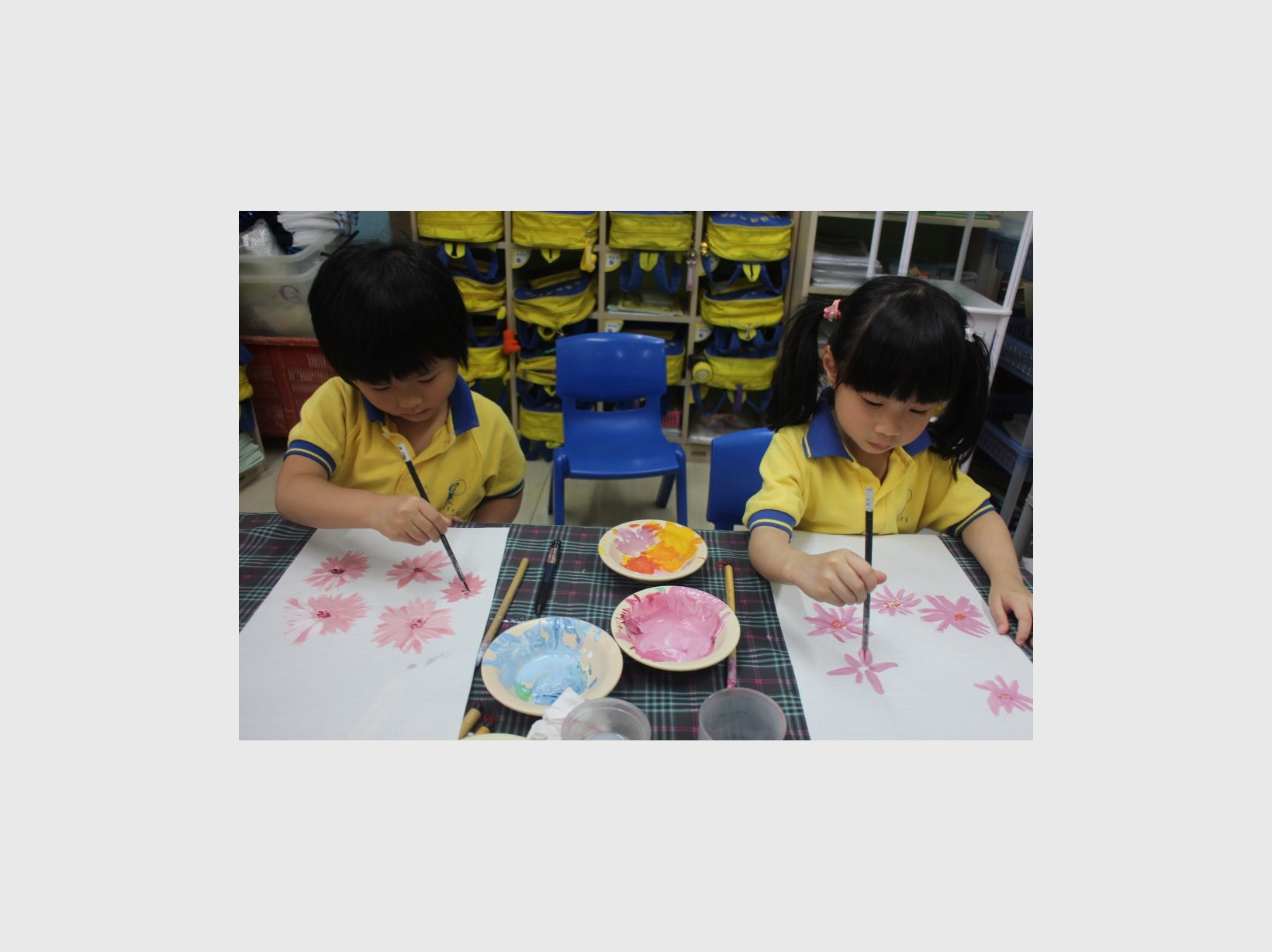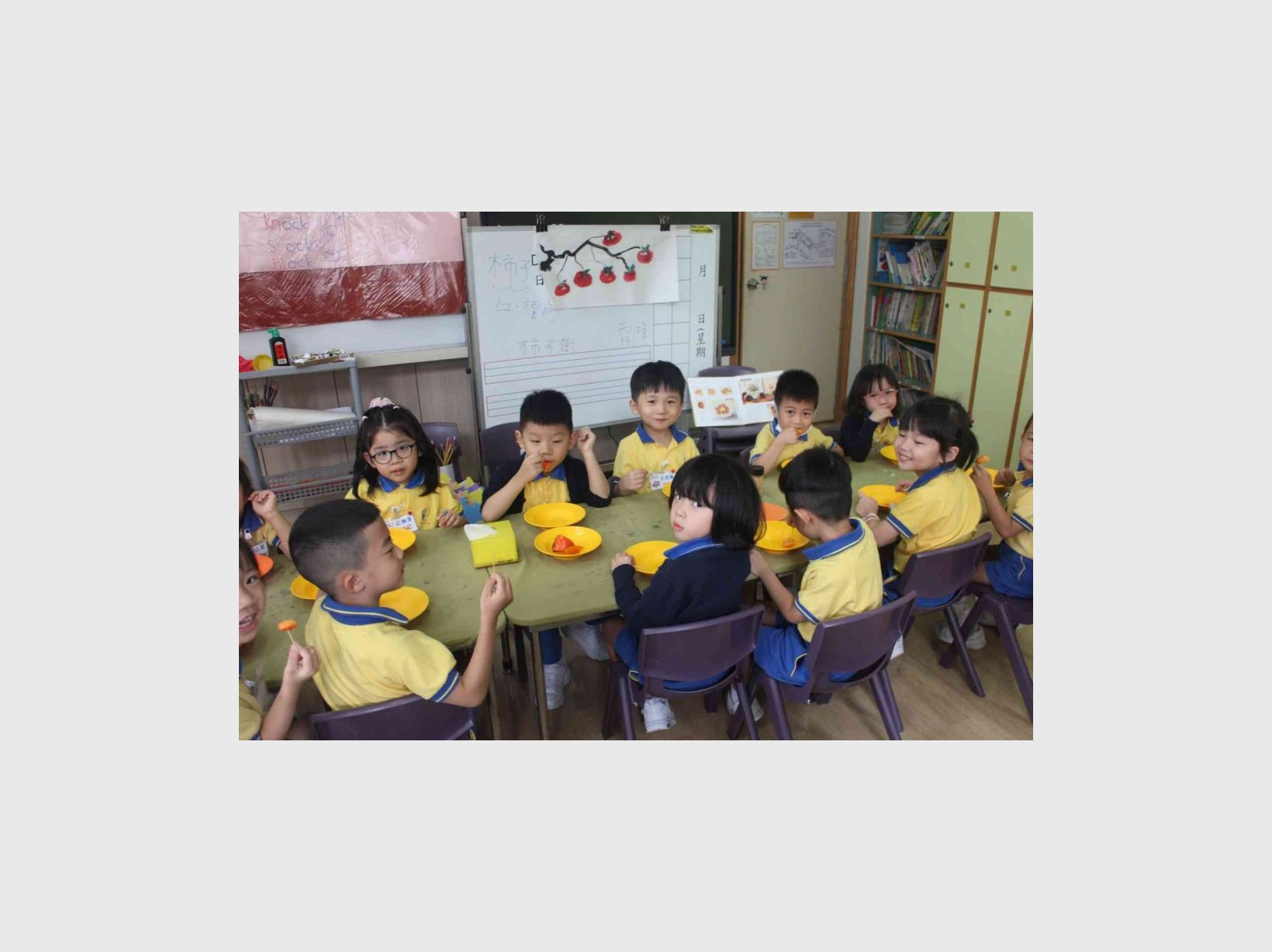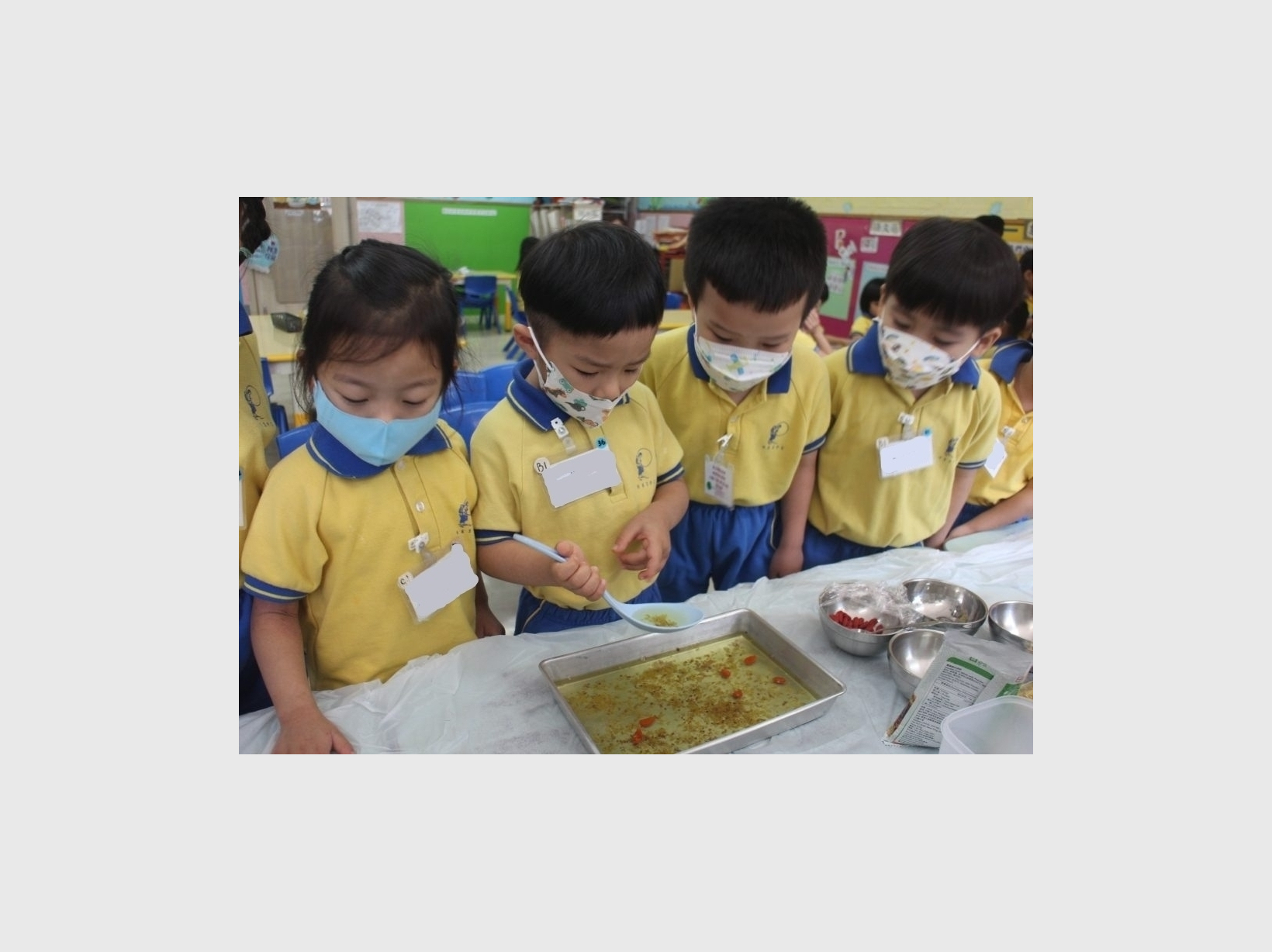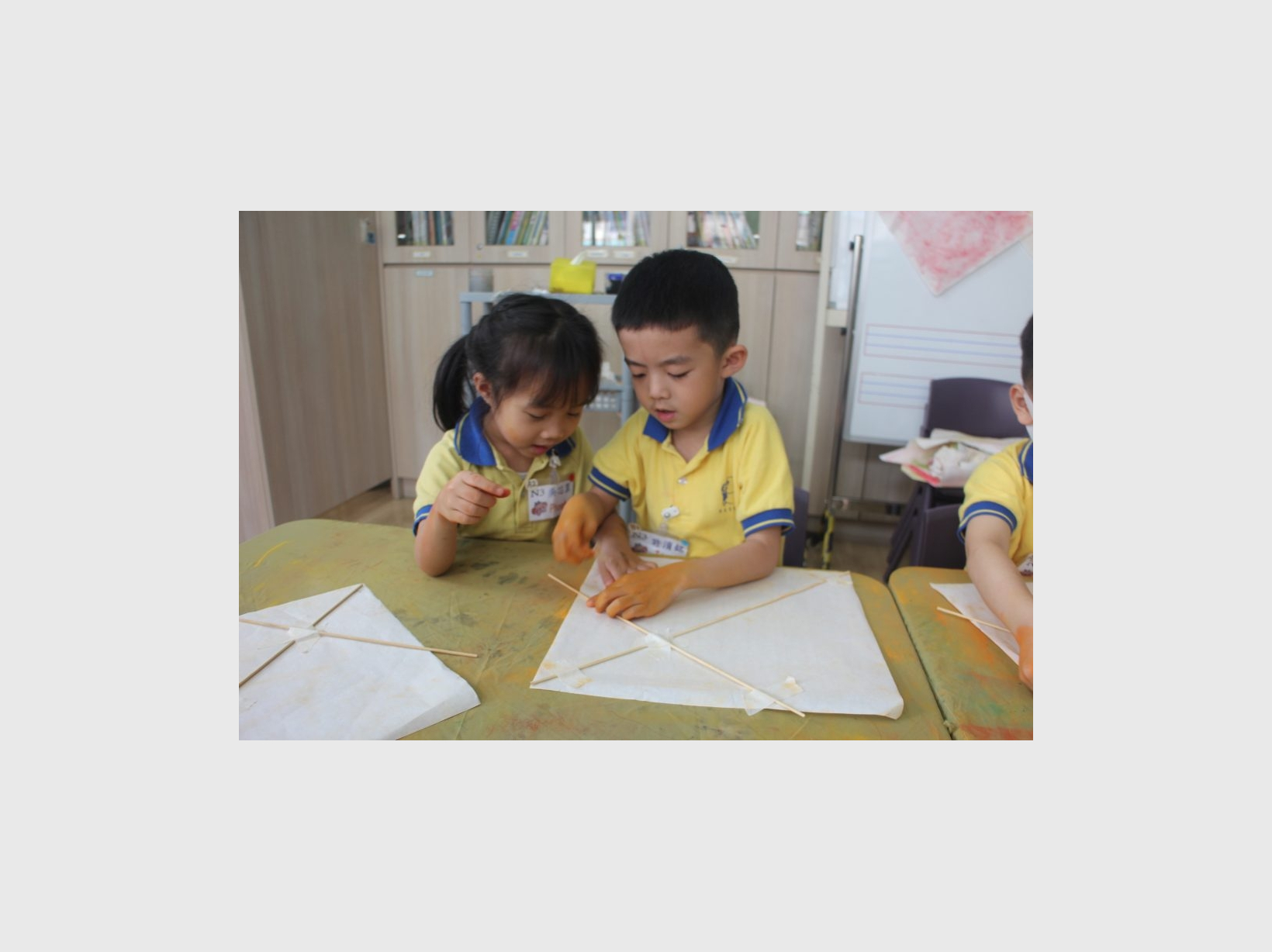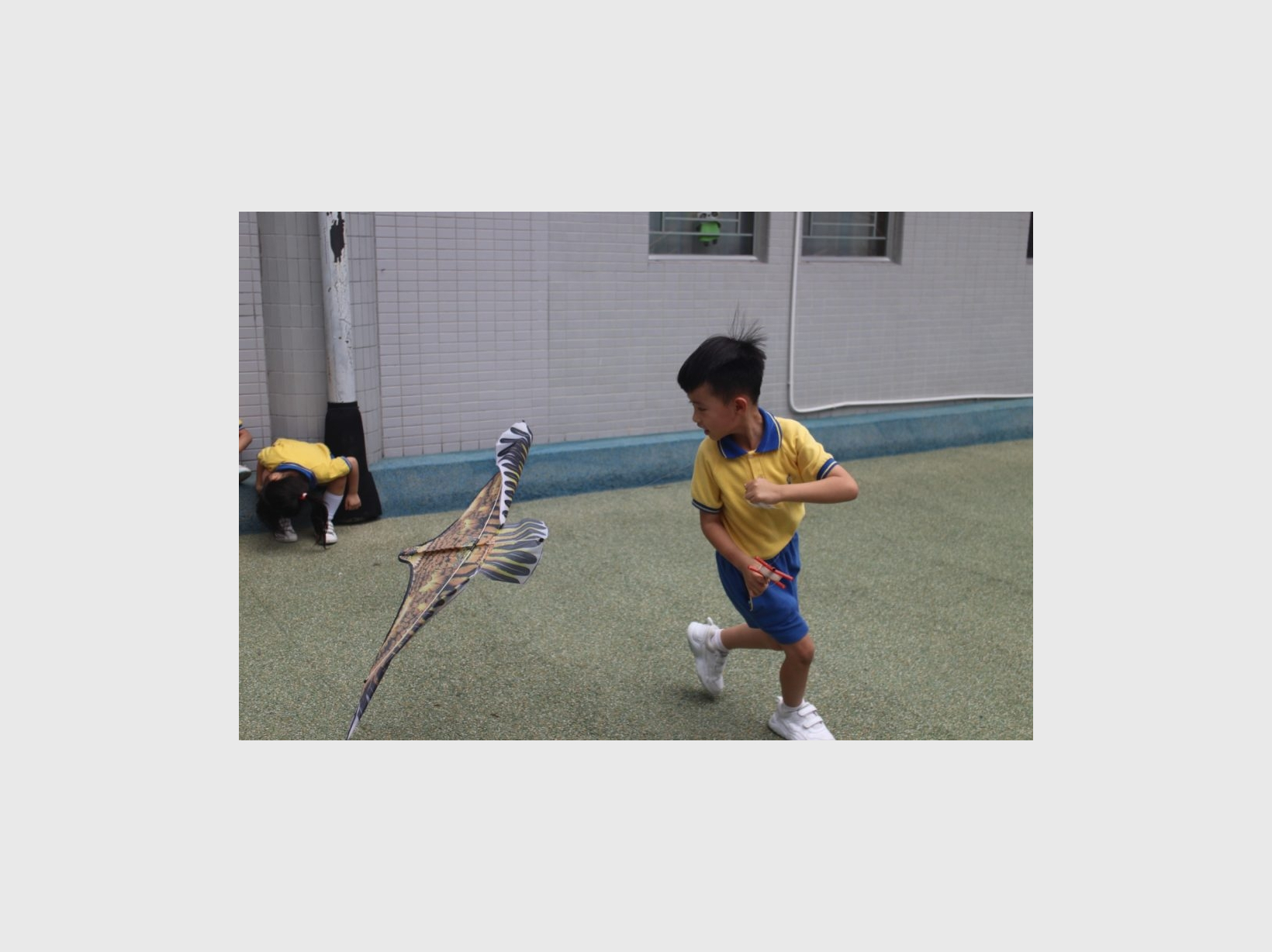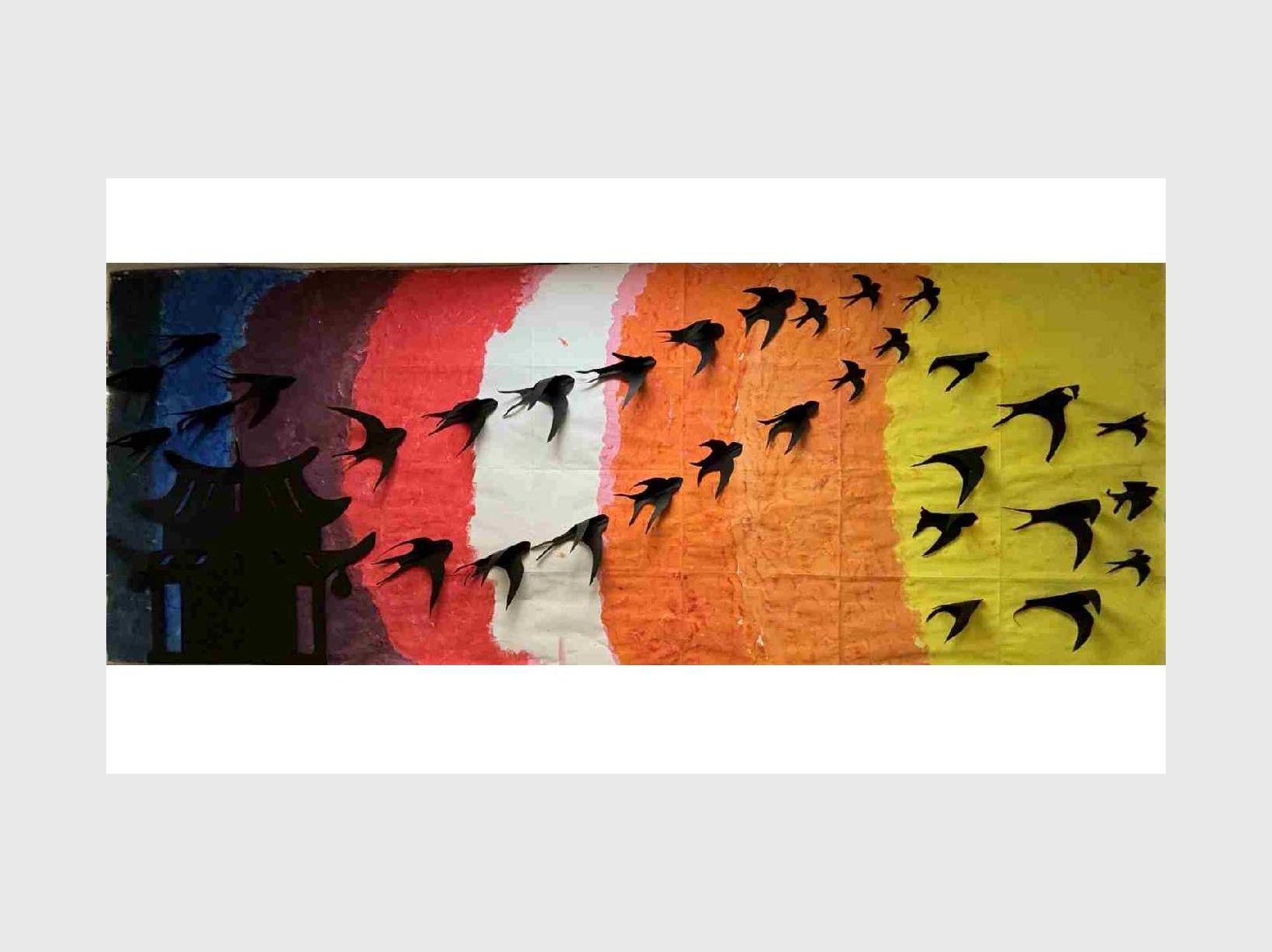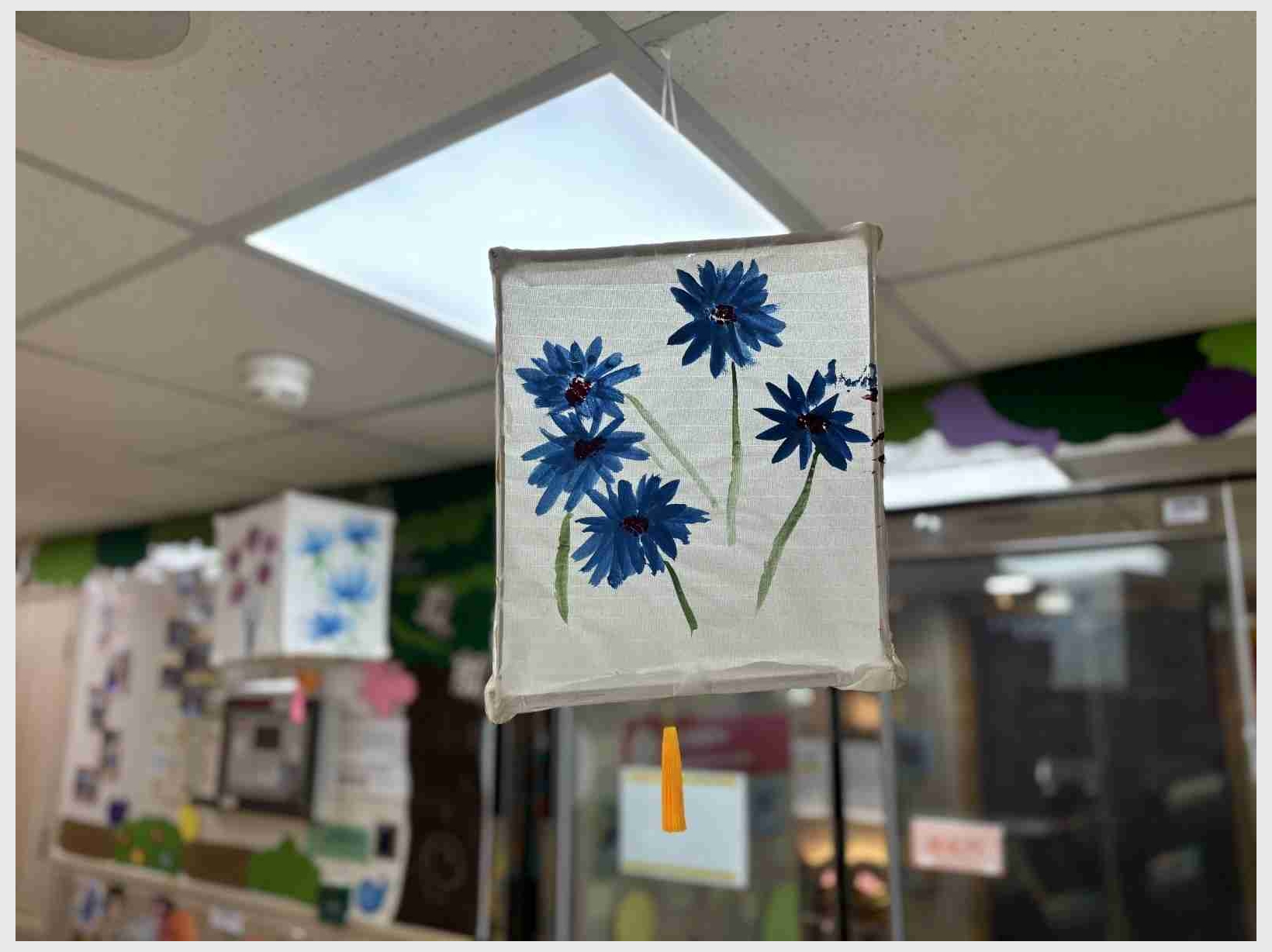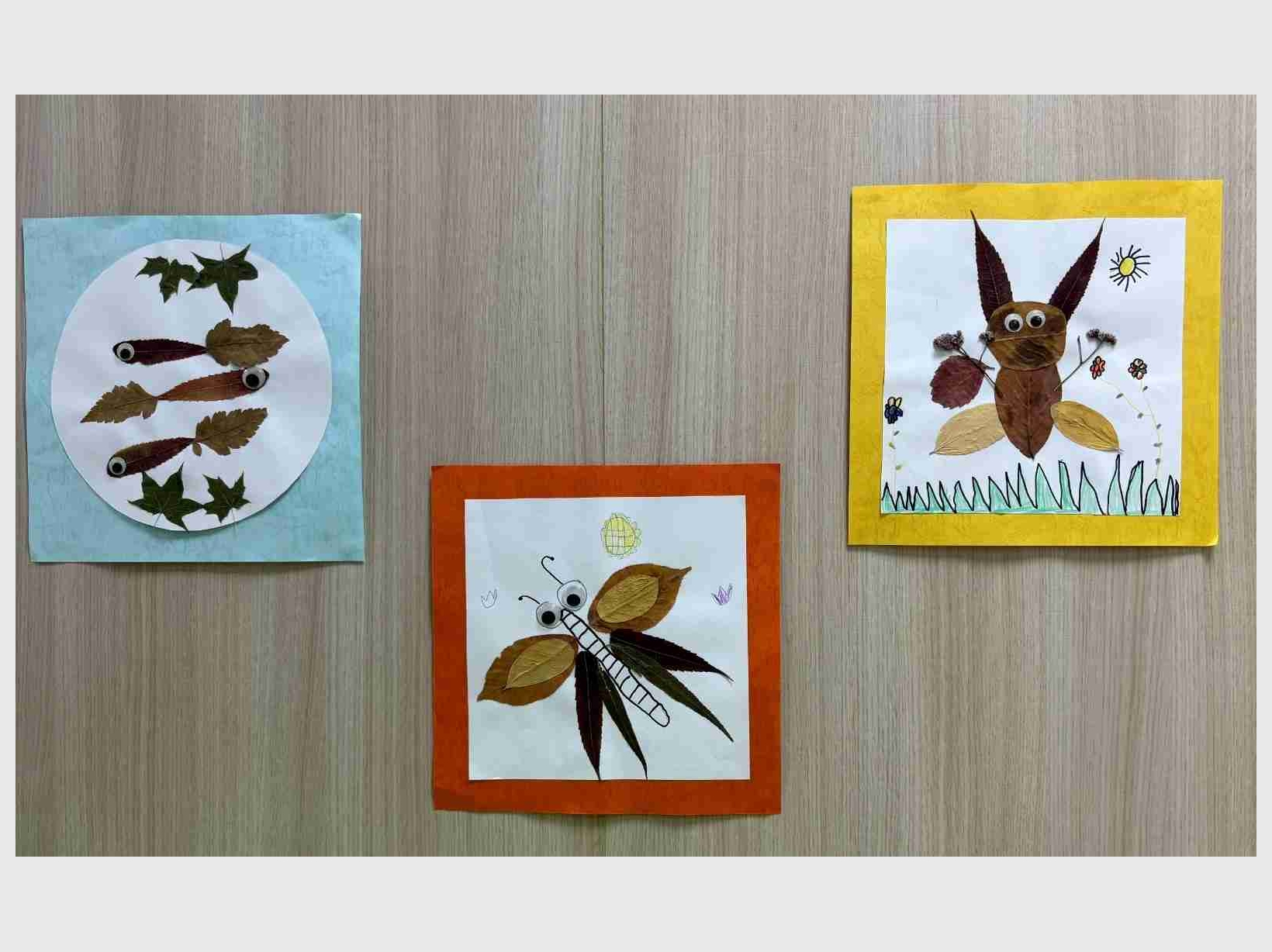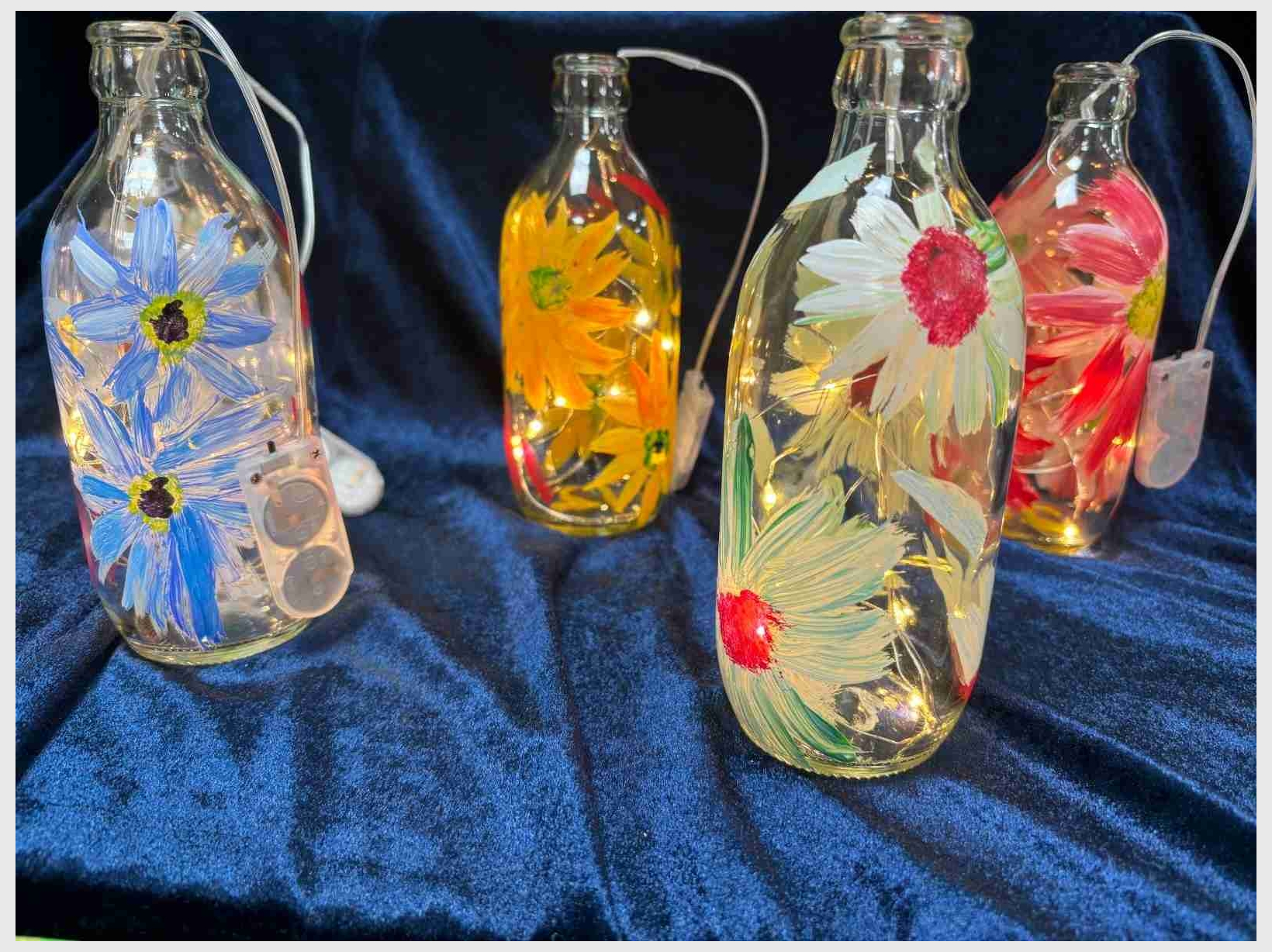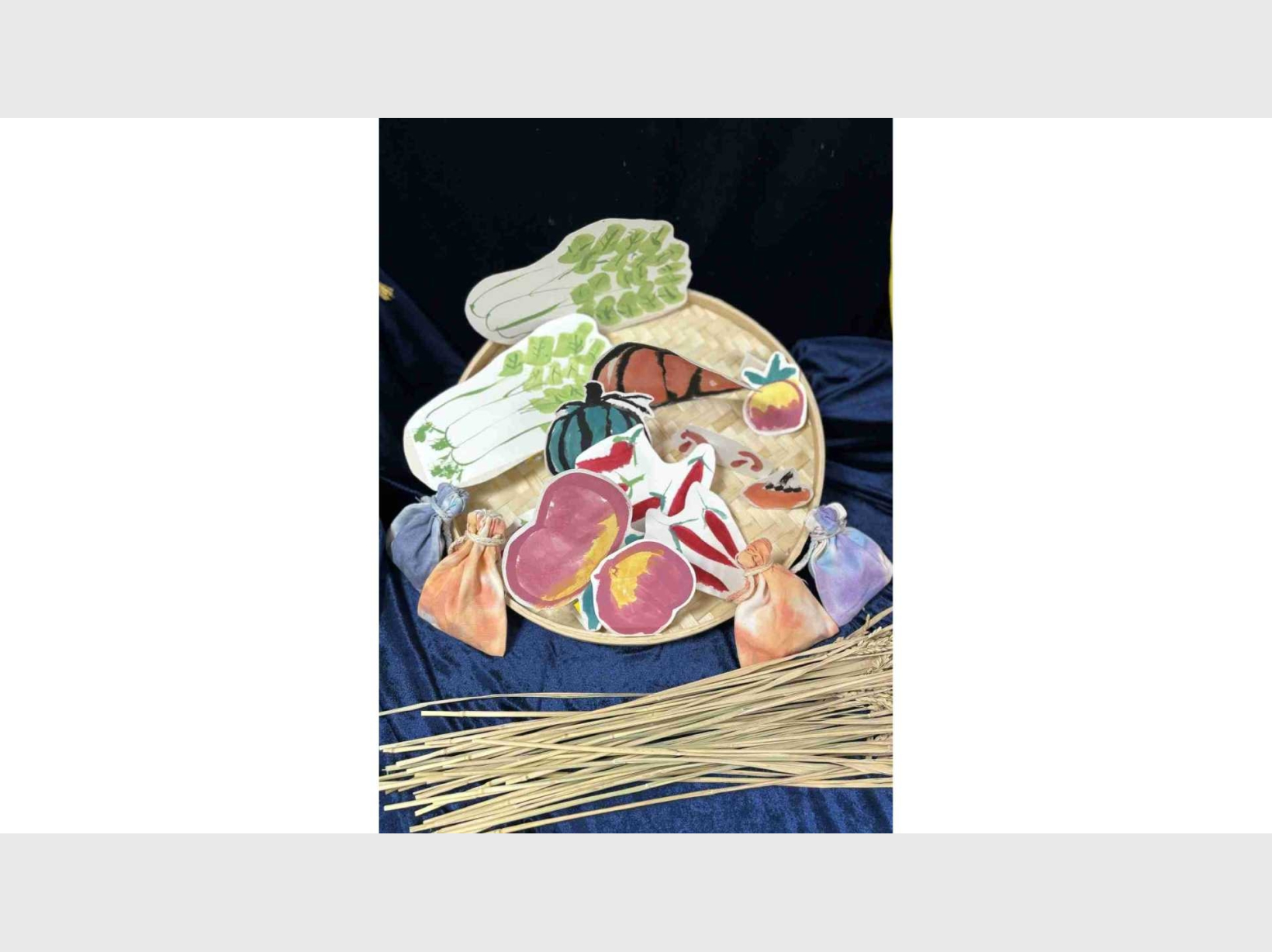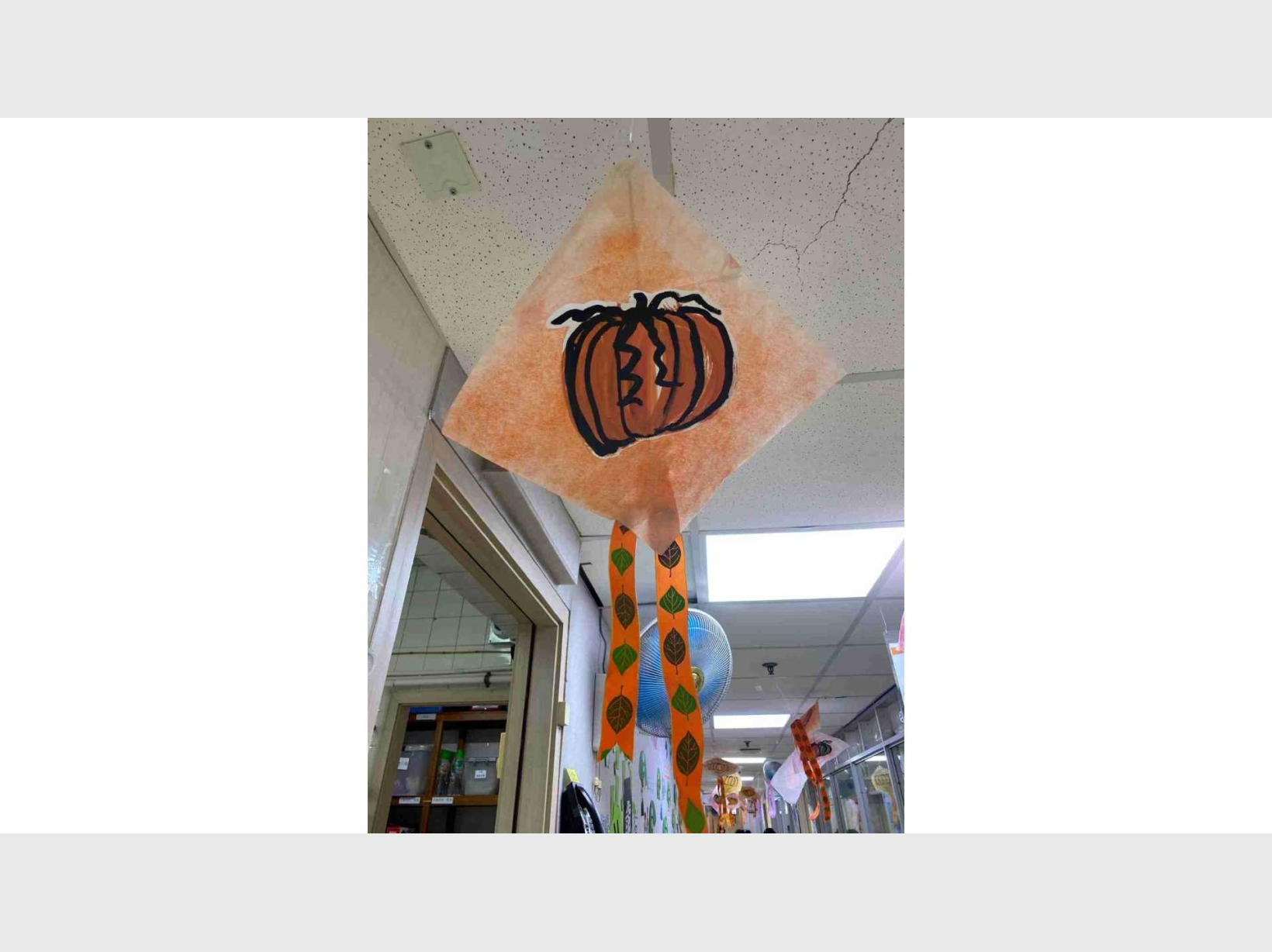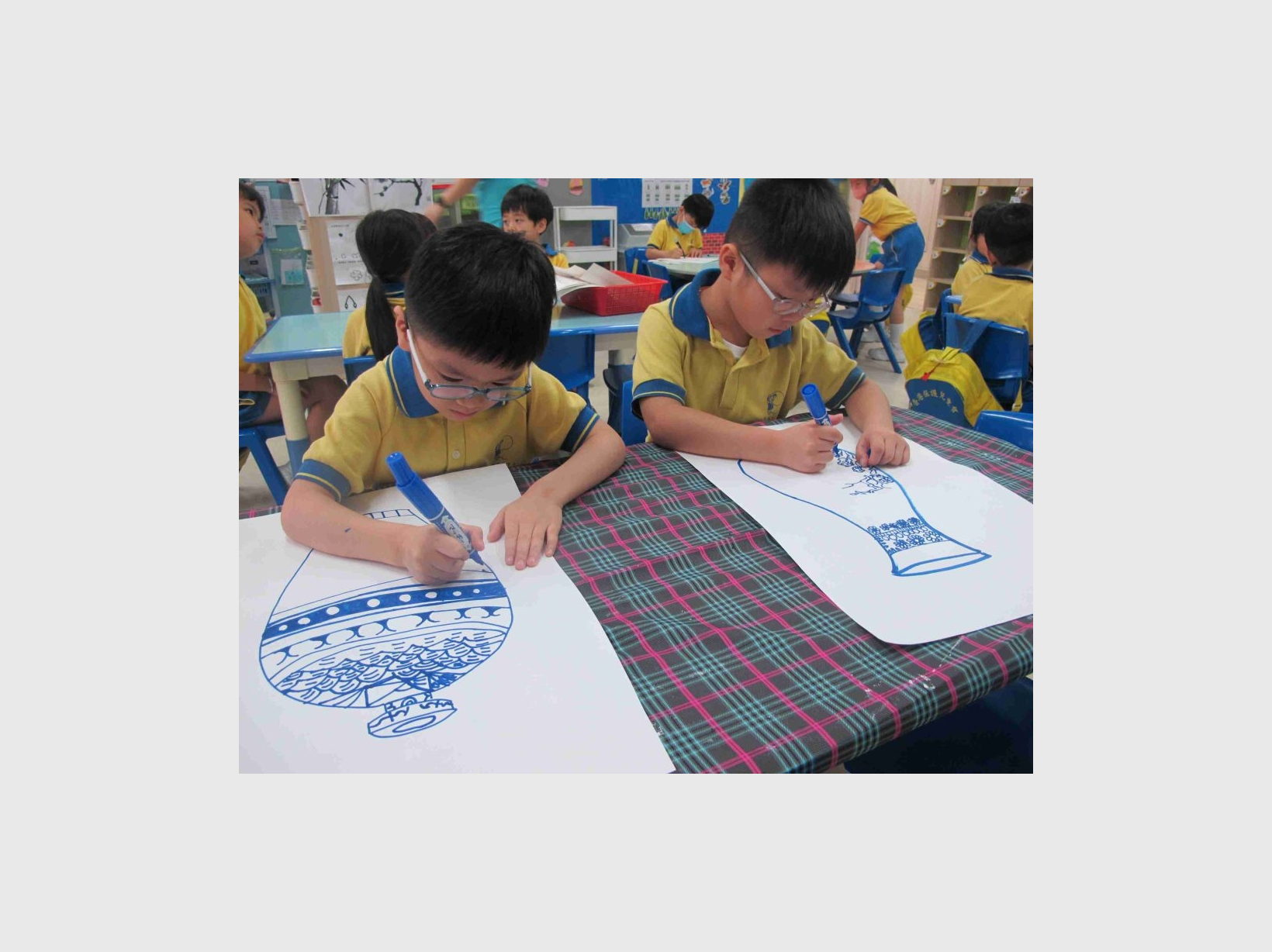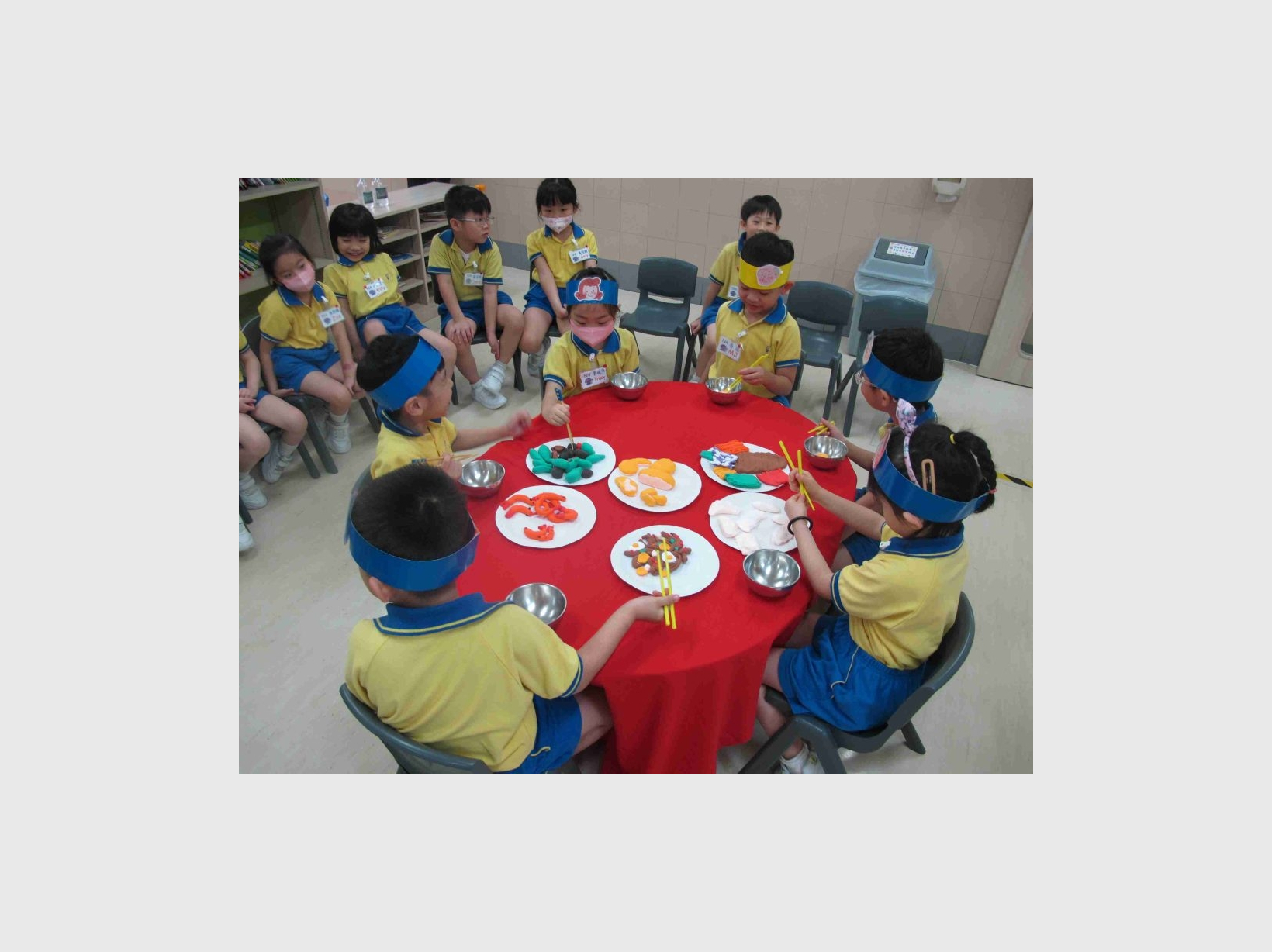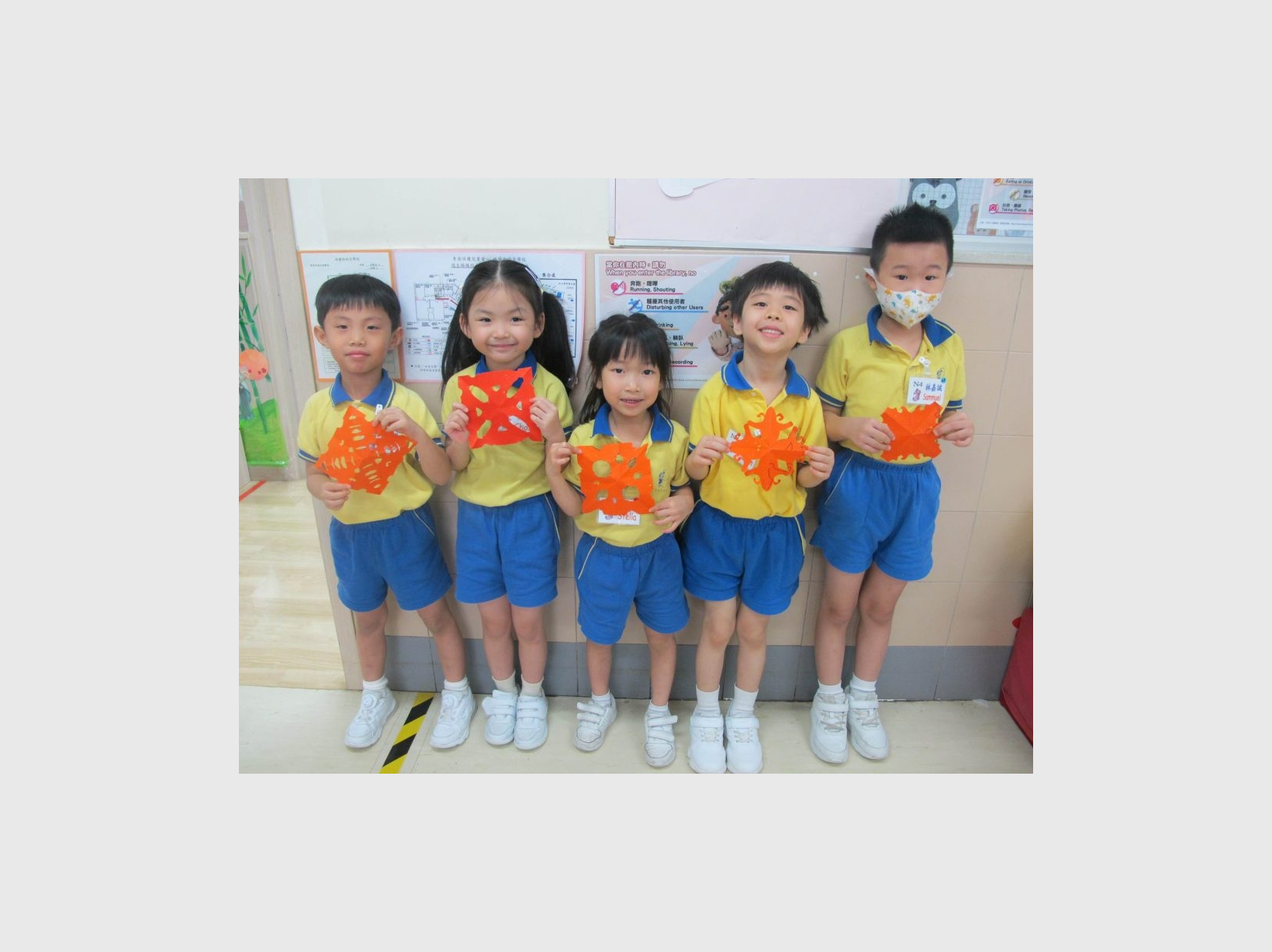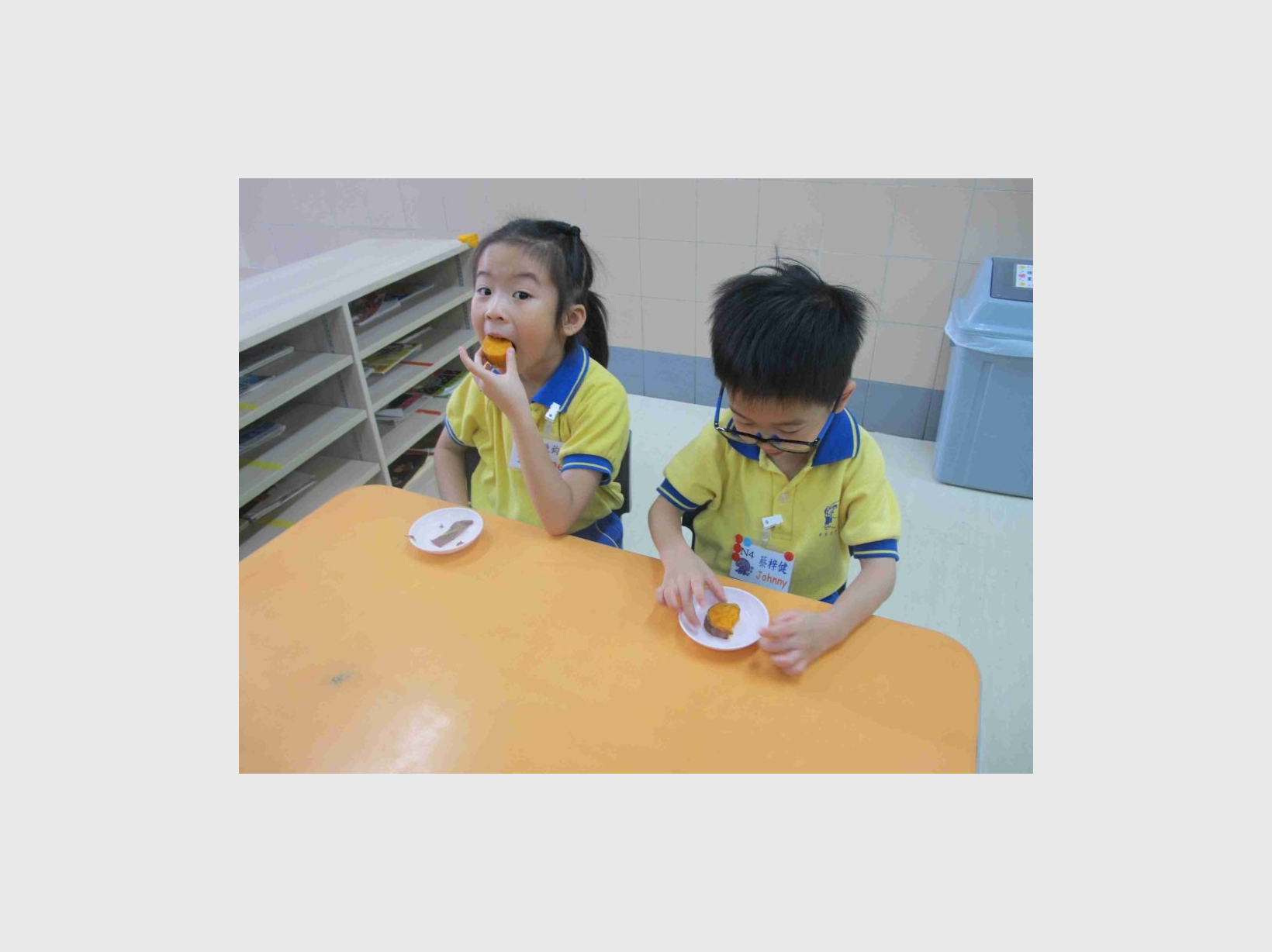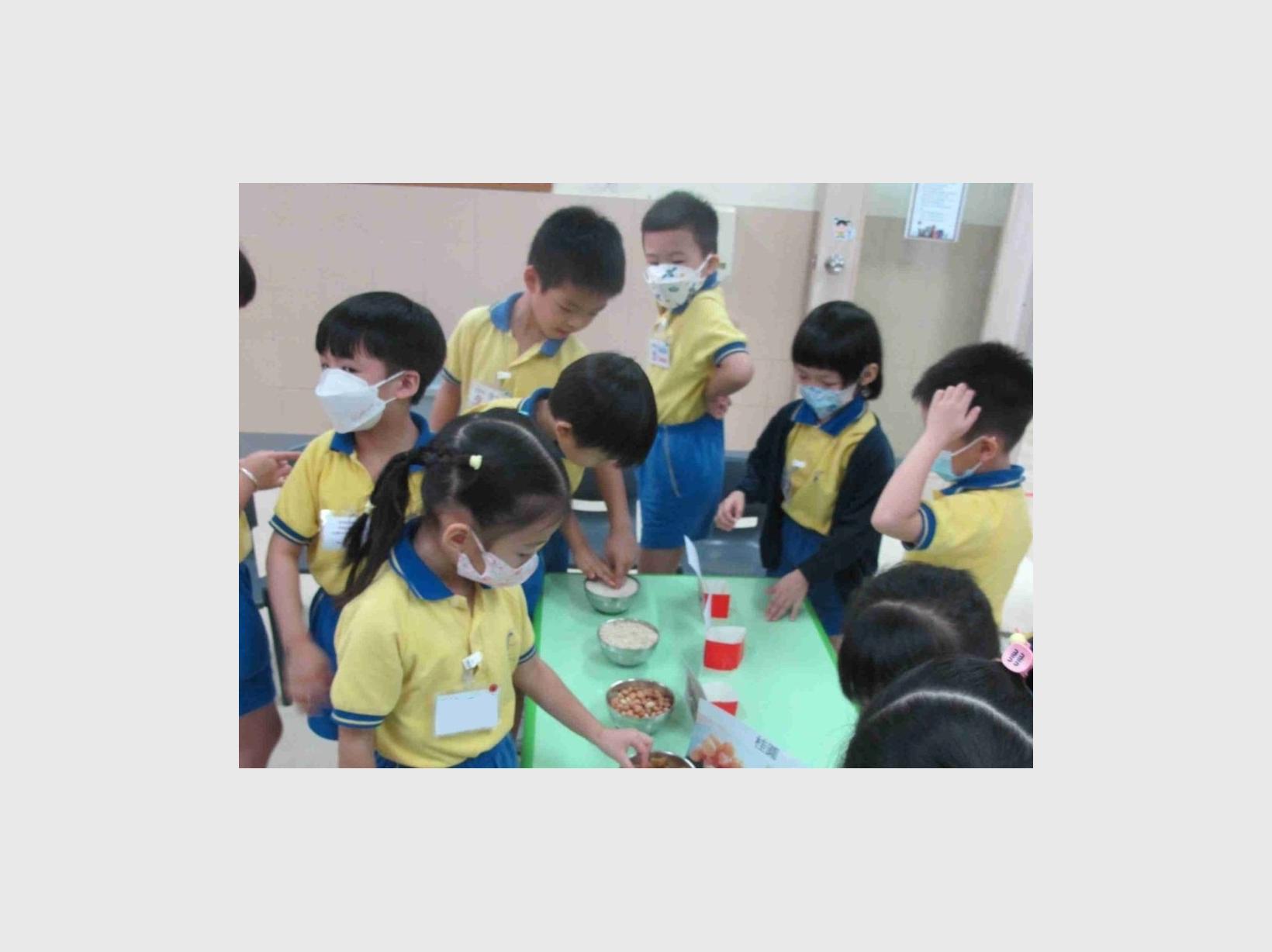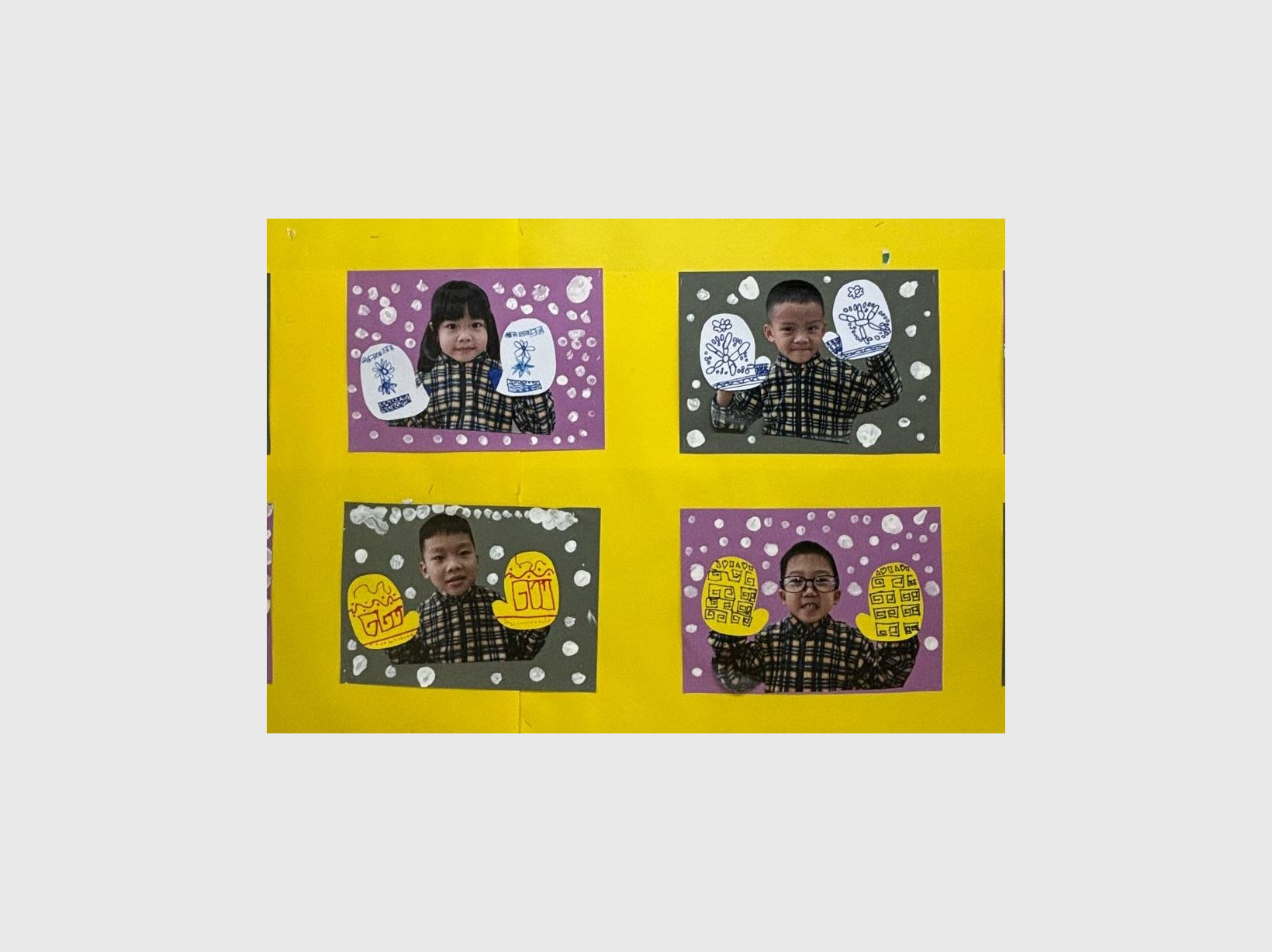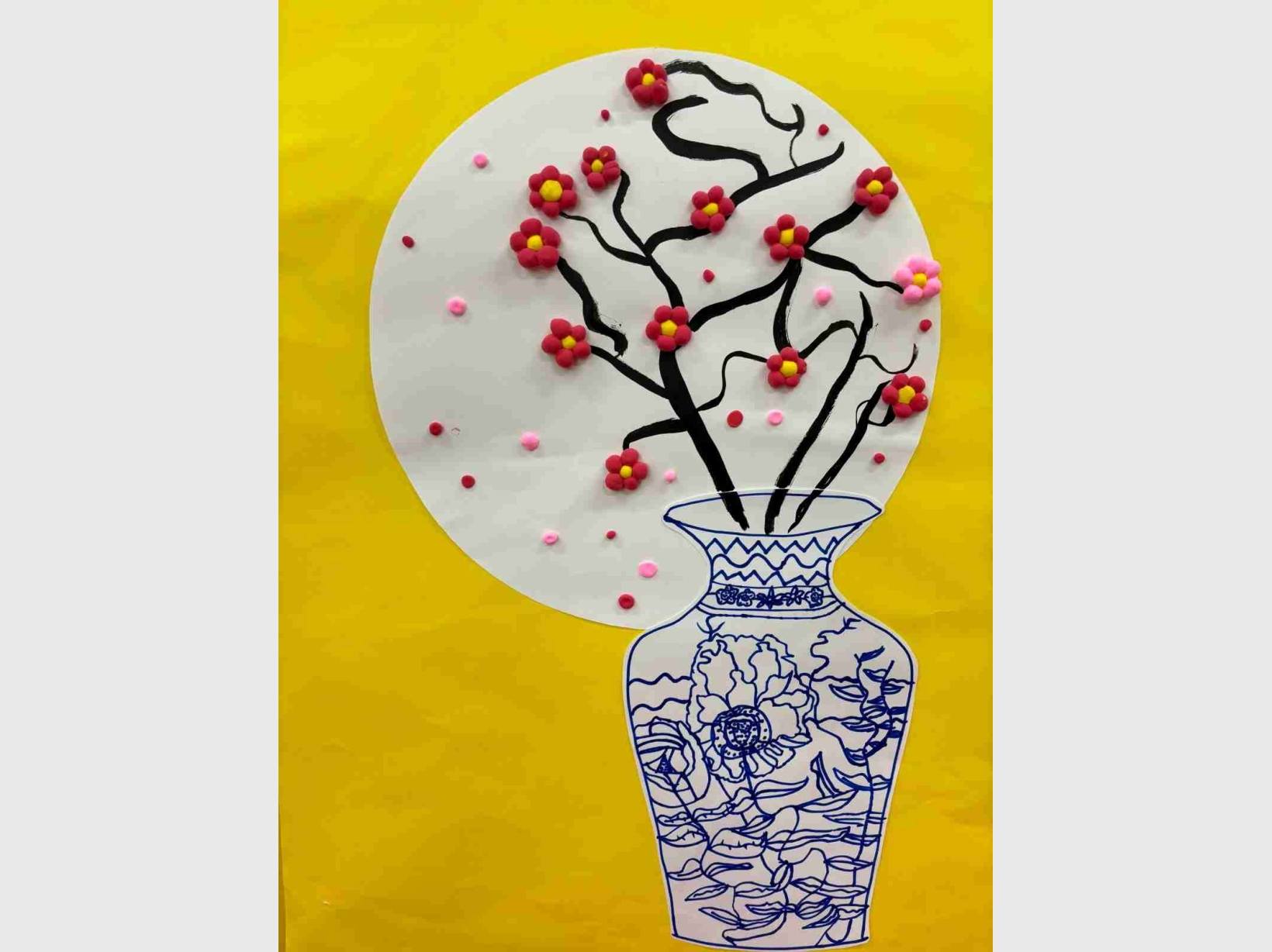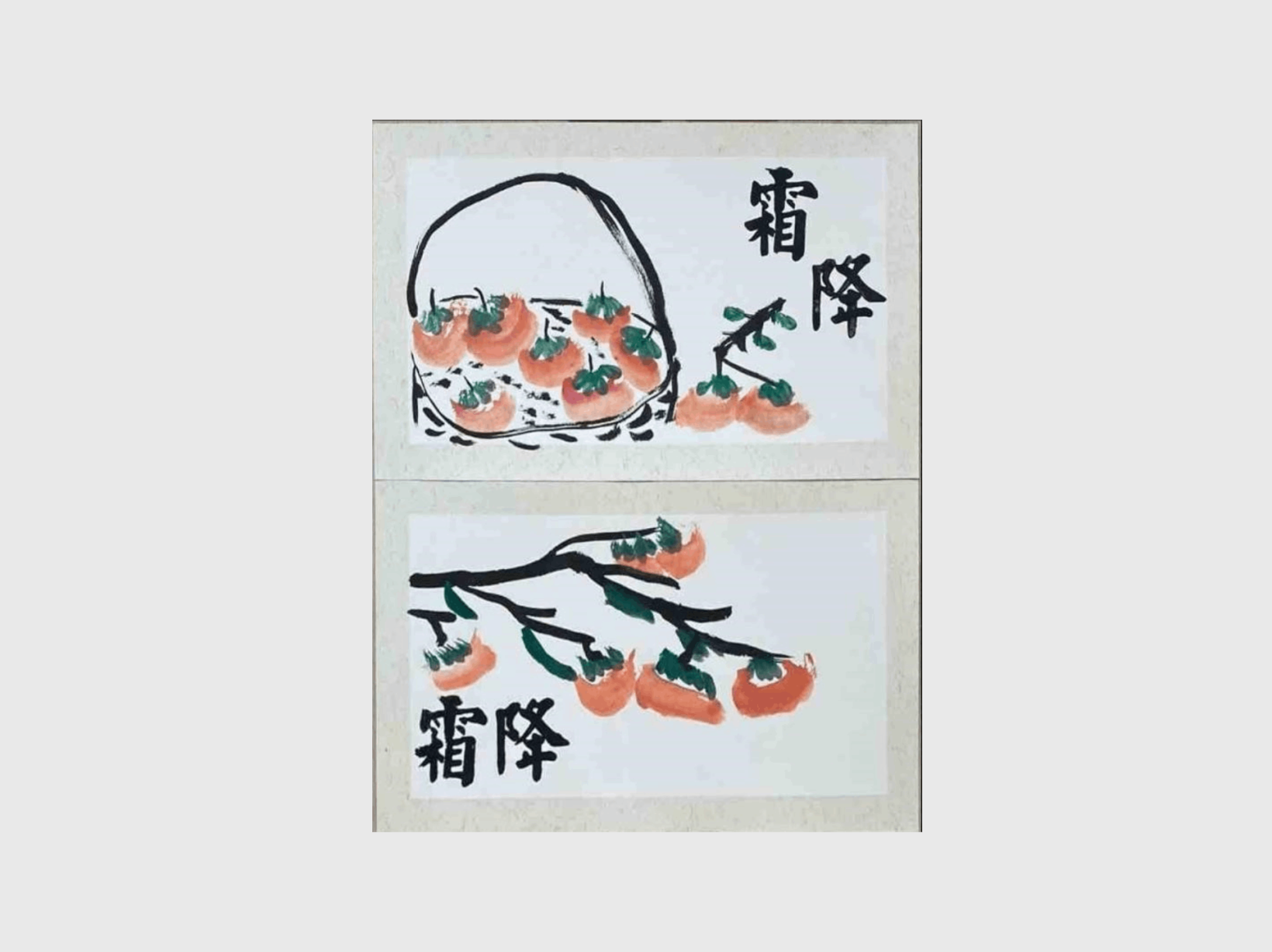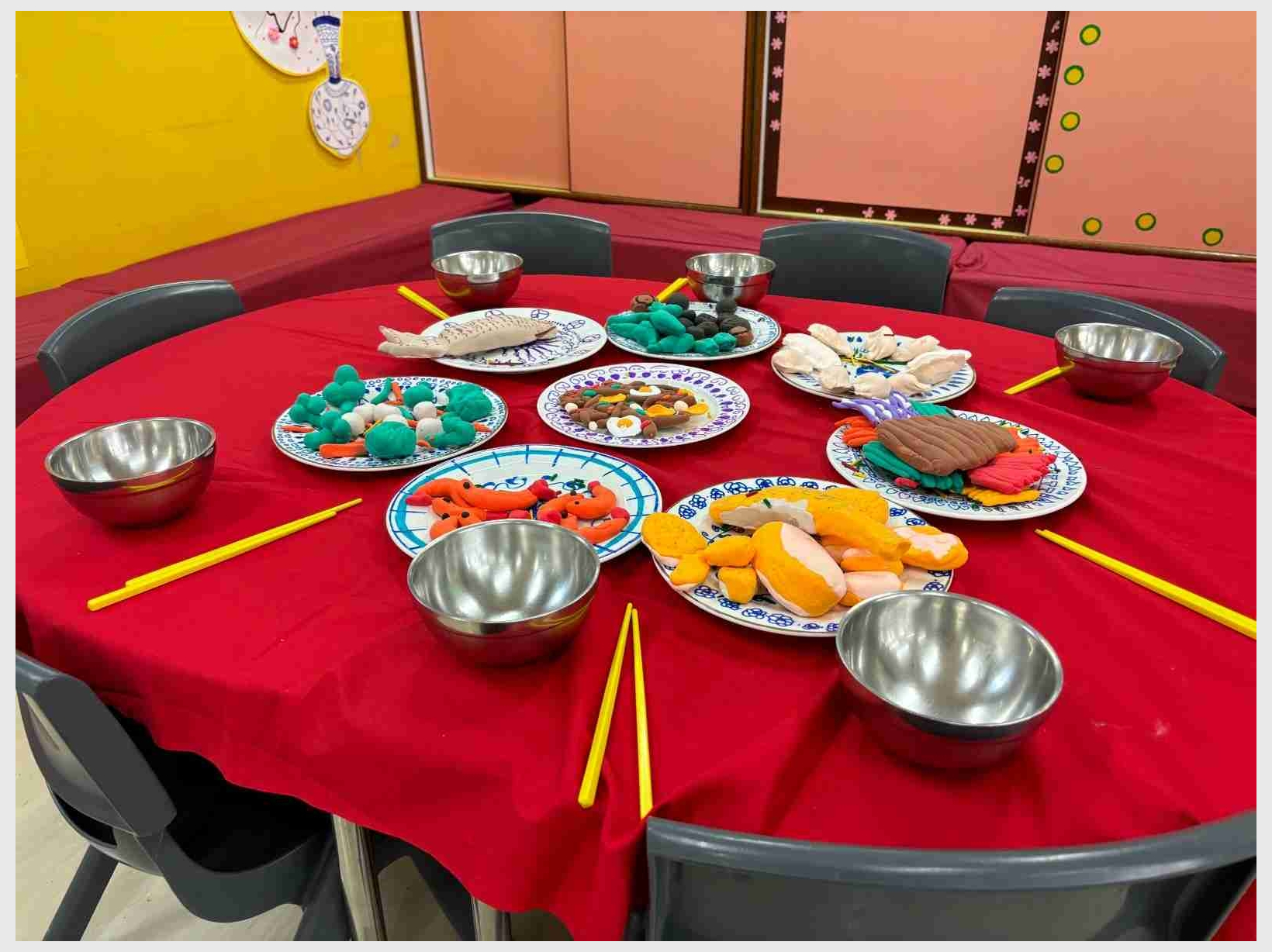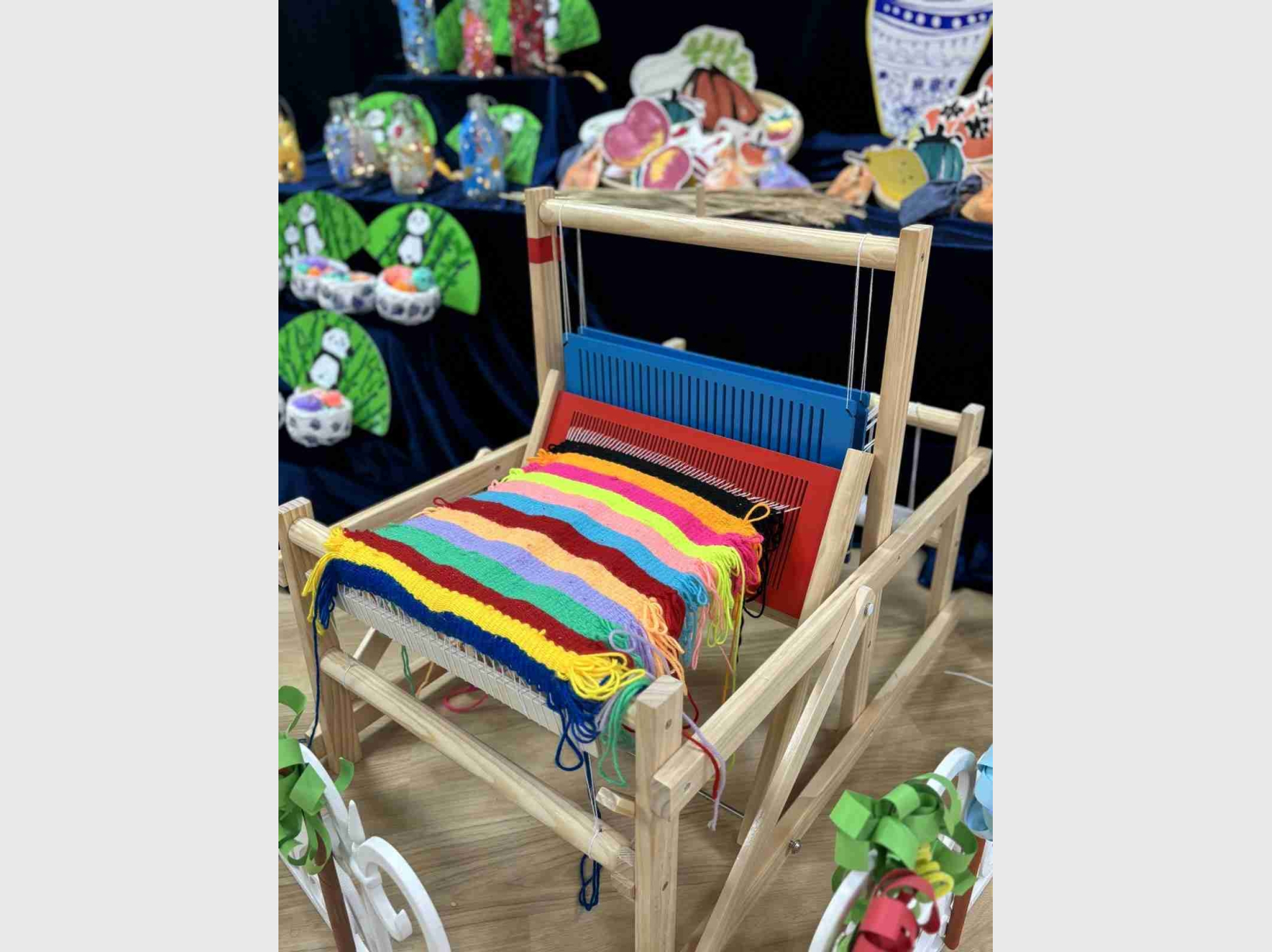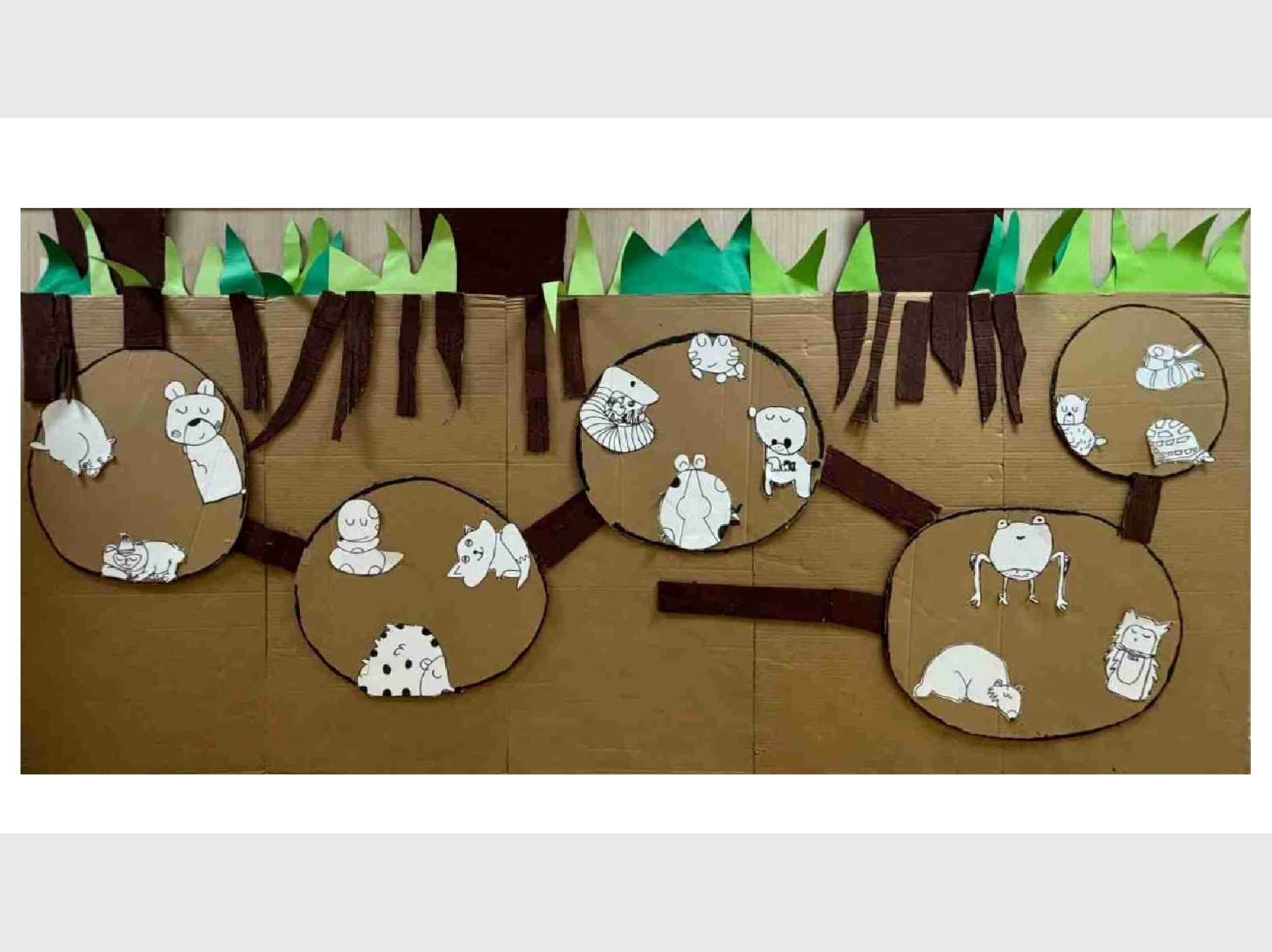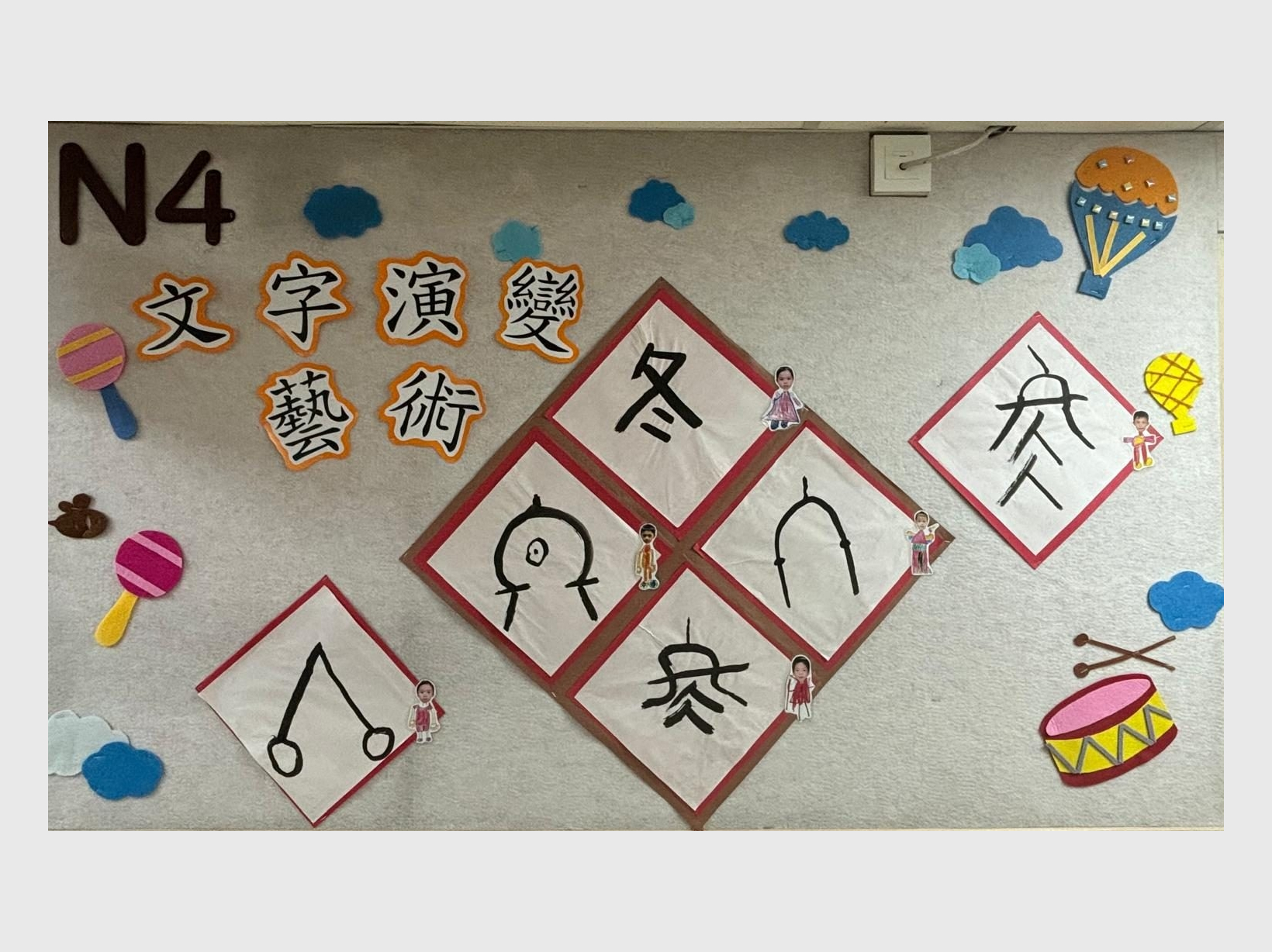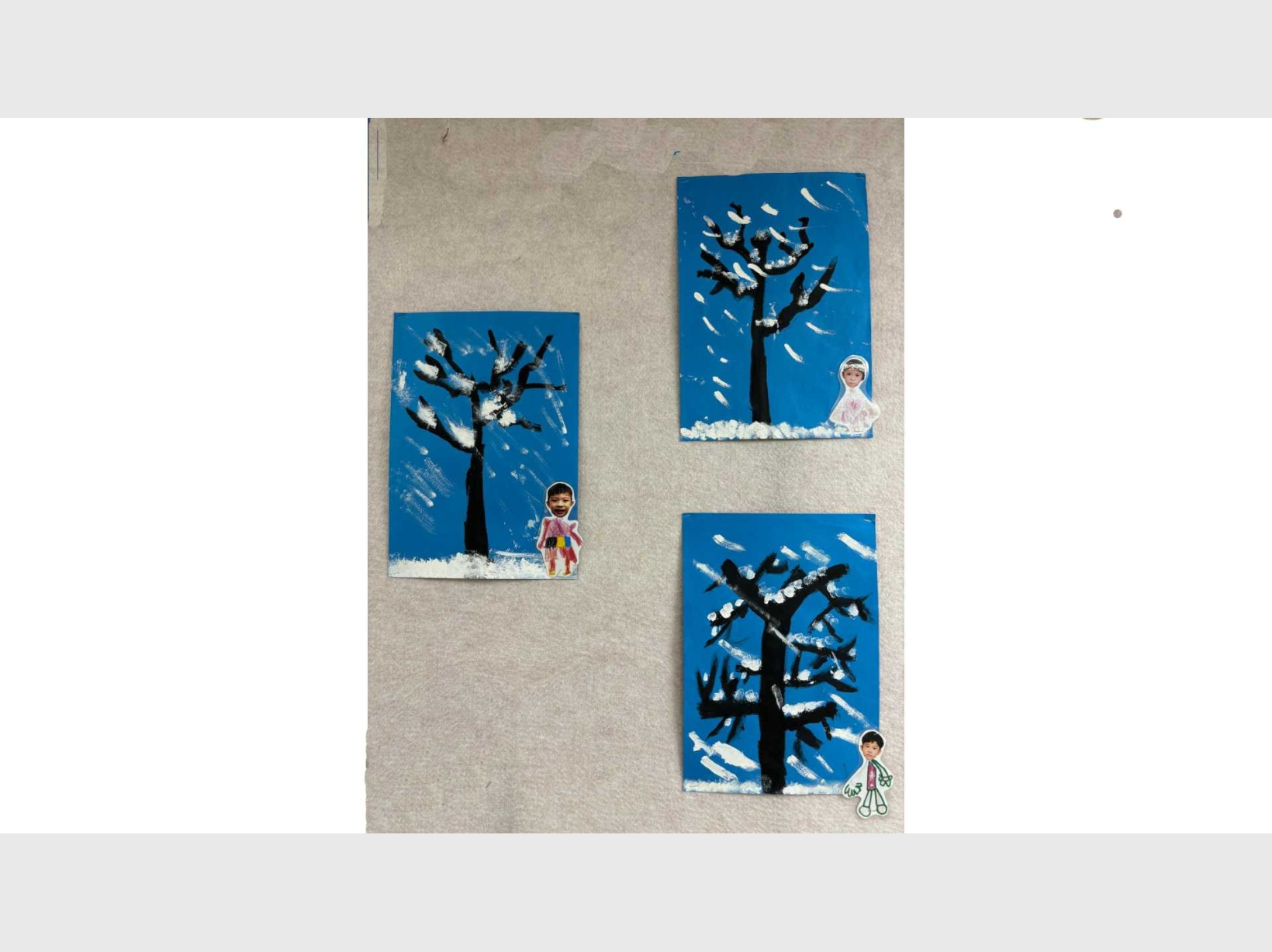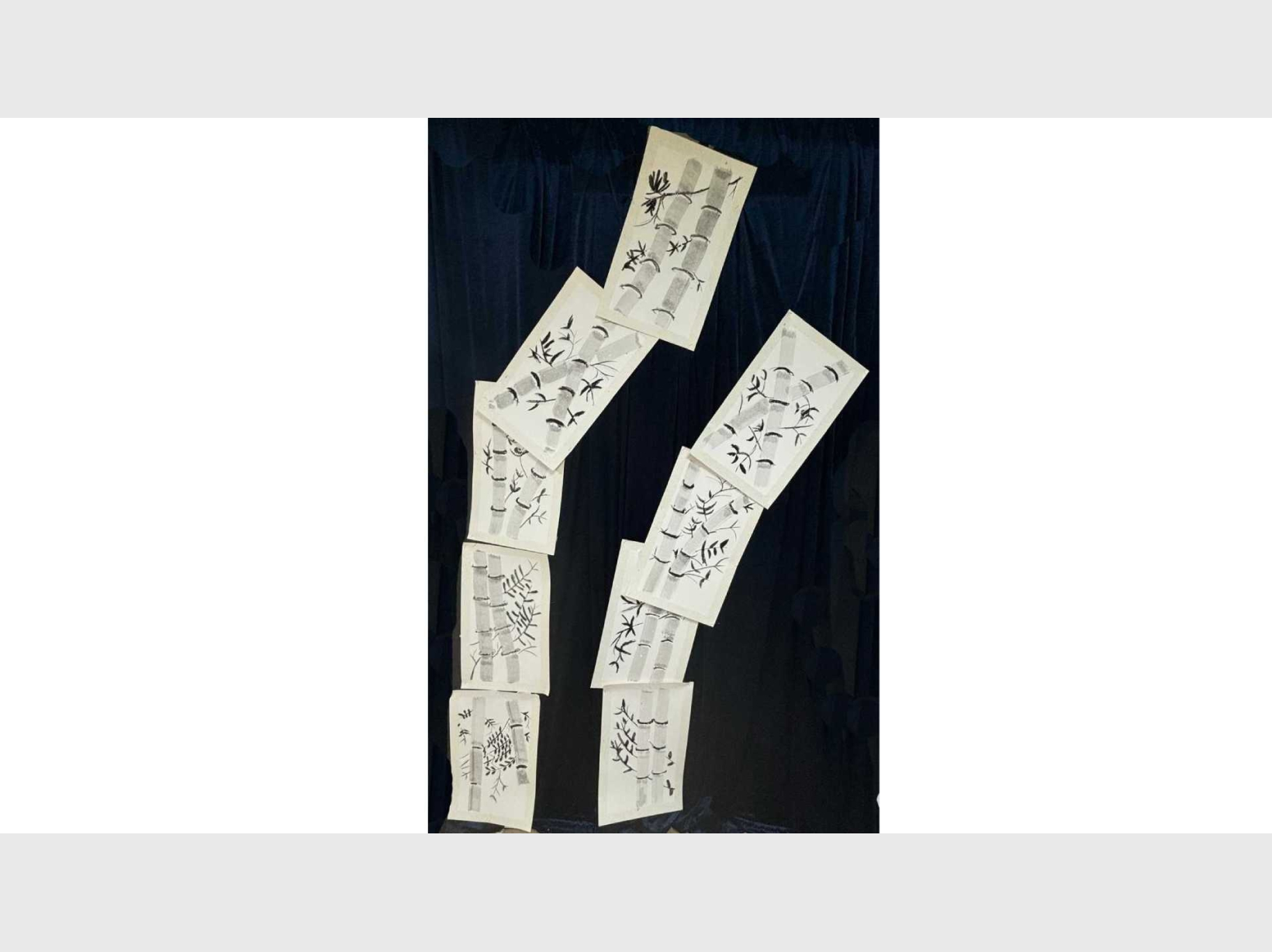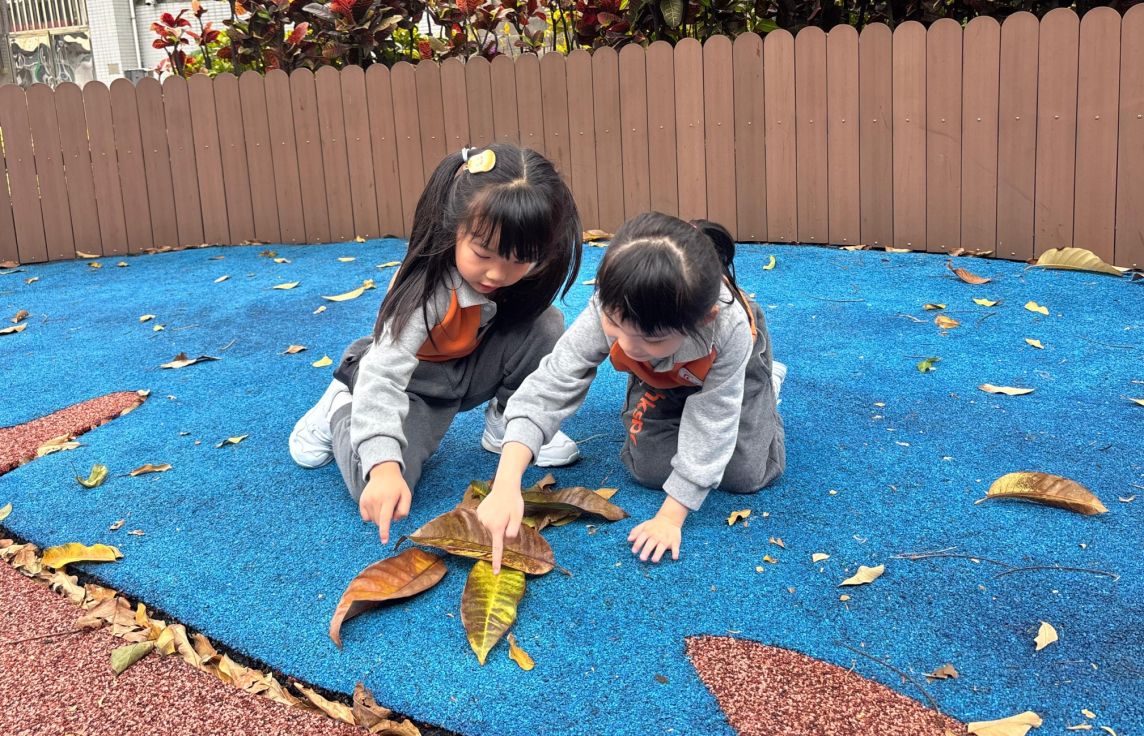






Through a series of teaching activities such as visits, storytelling, role-playing, famous artwork appreciation and games, children expressed various aspects of Chinese culture and art through creative and artistic means. The following illustrates the children’s learning process and achievements.
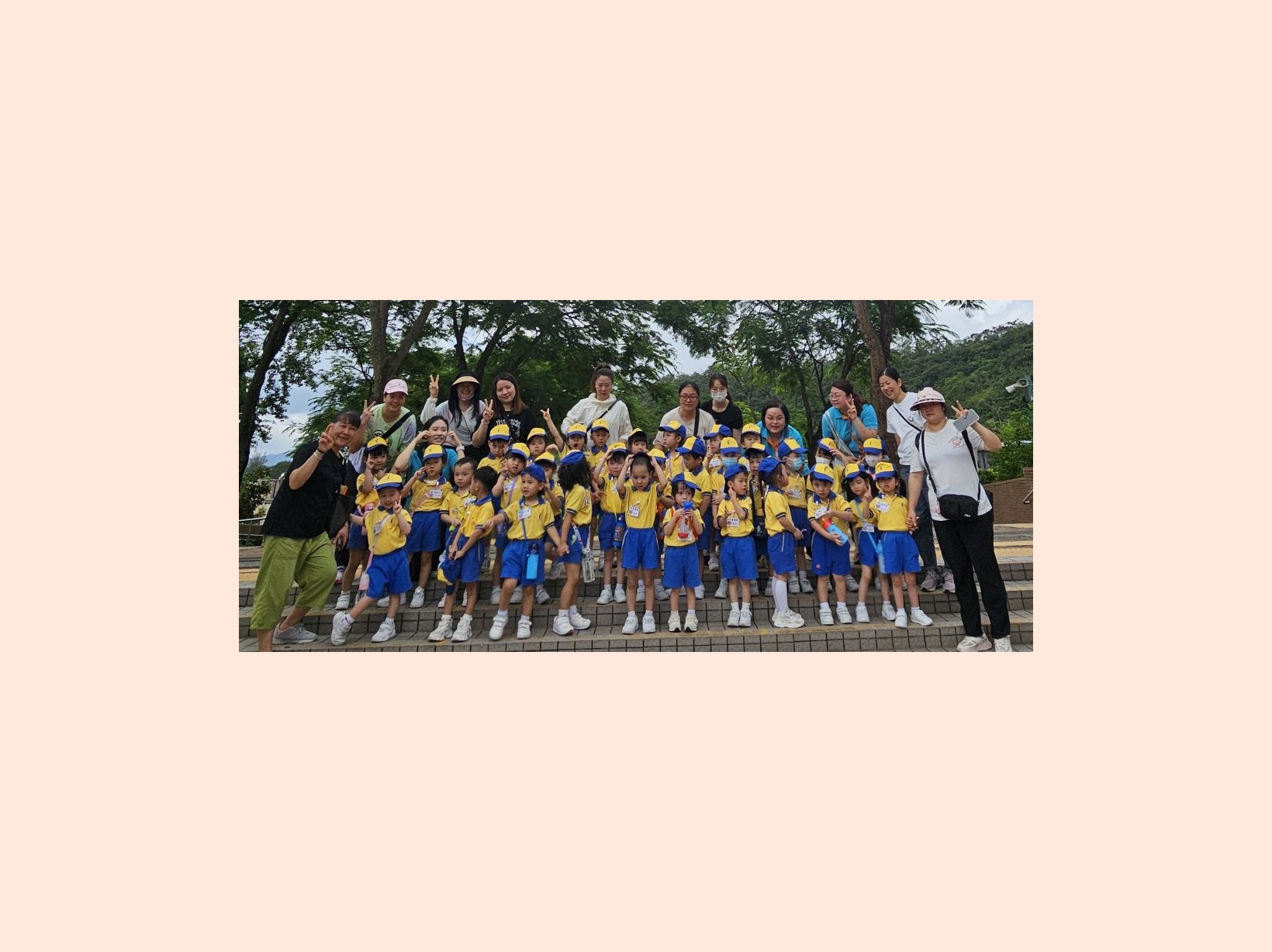
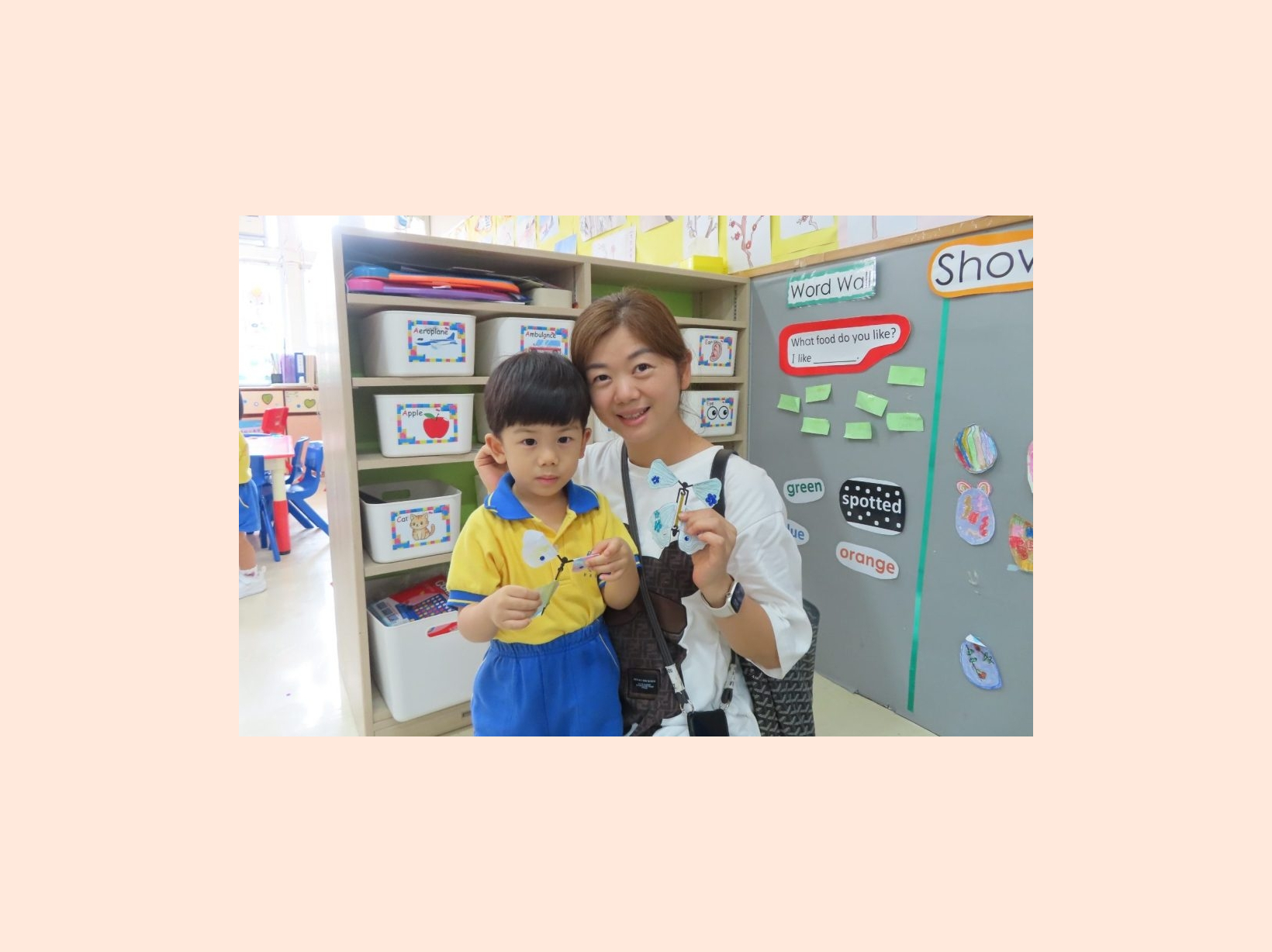
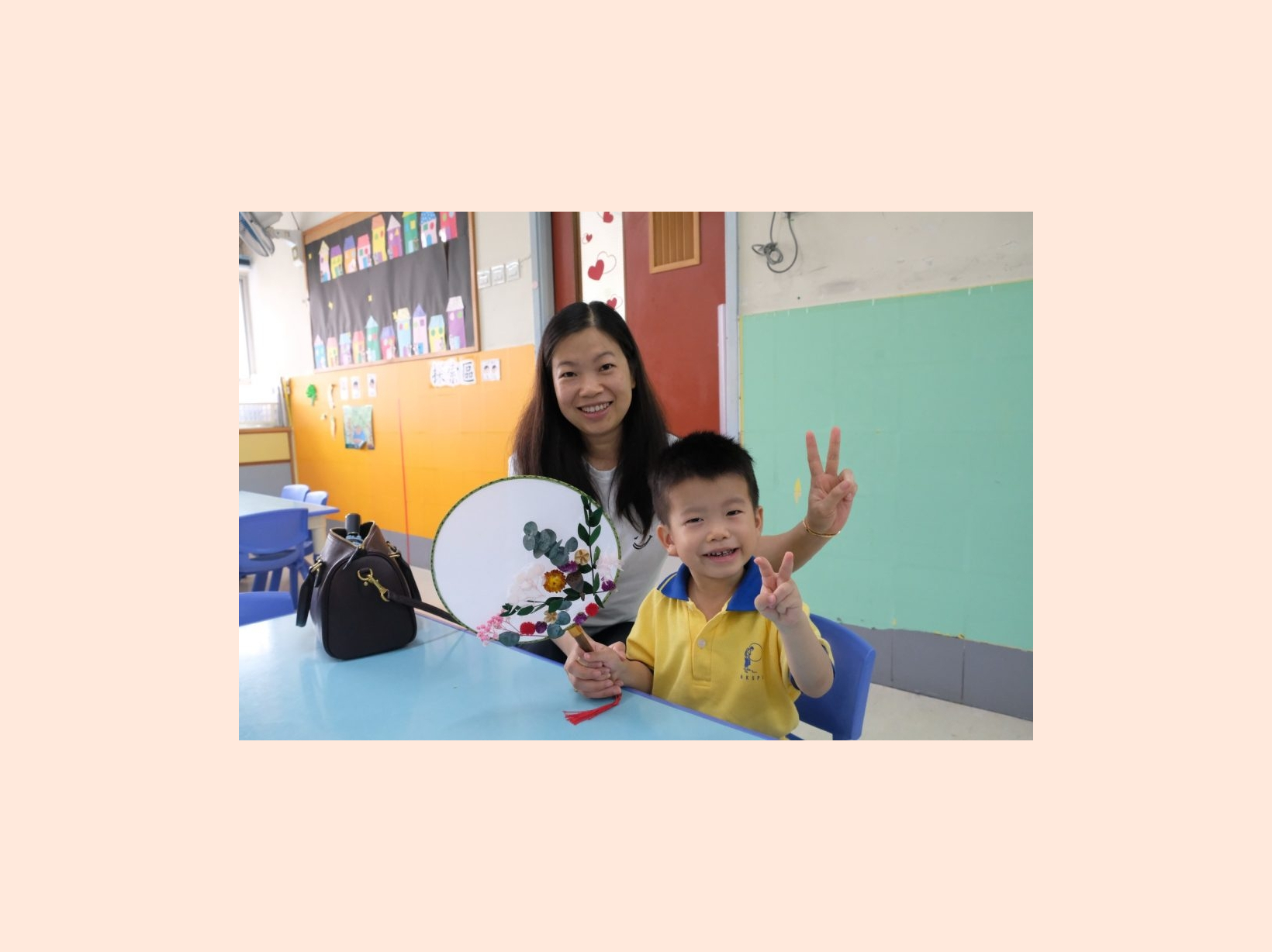
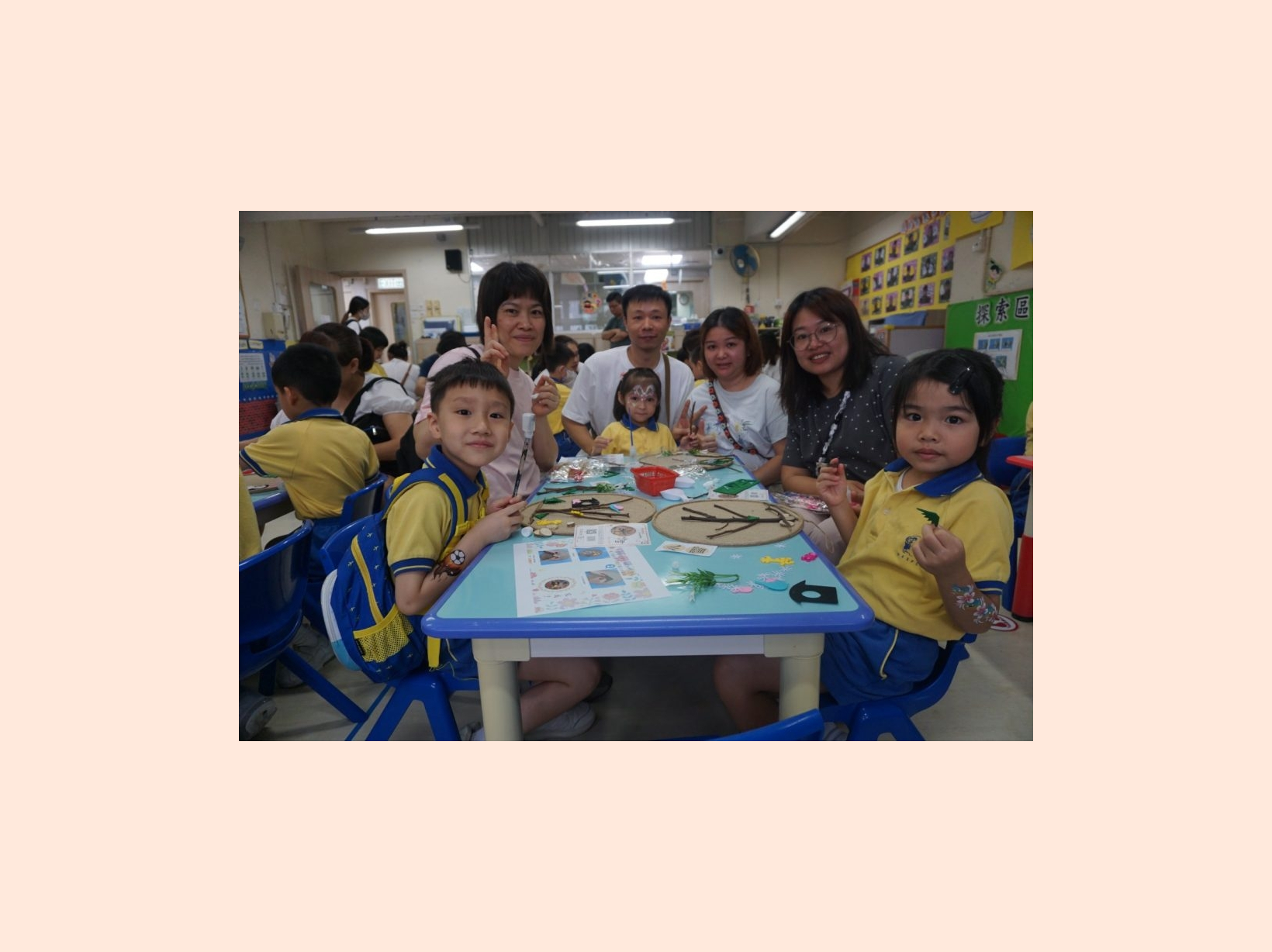
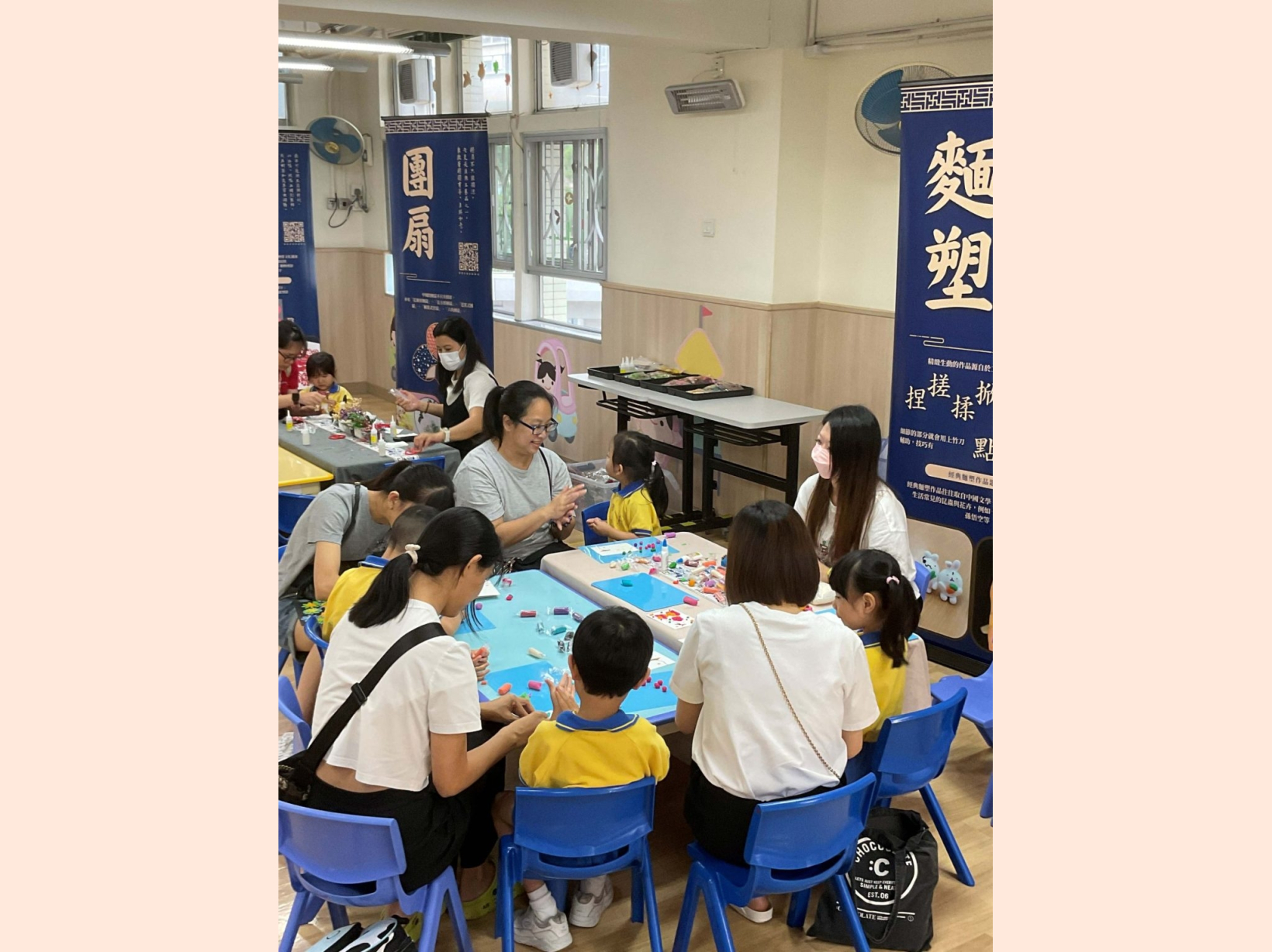
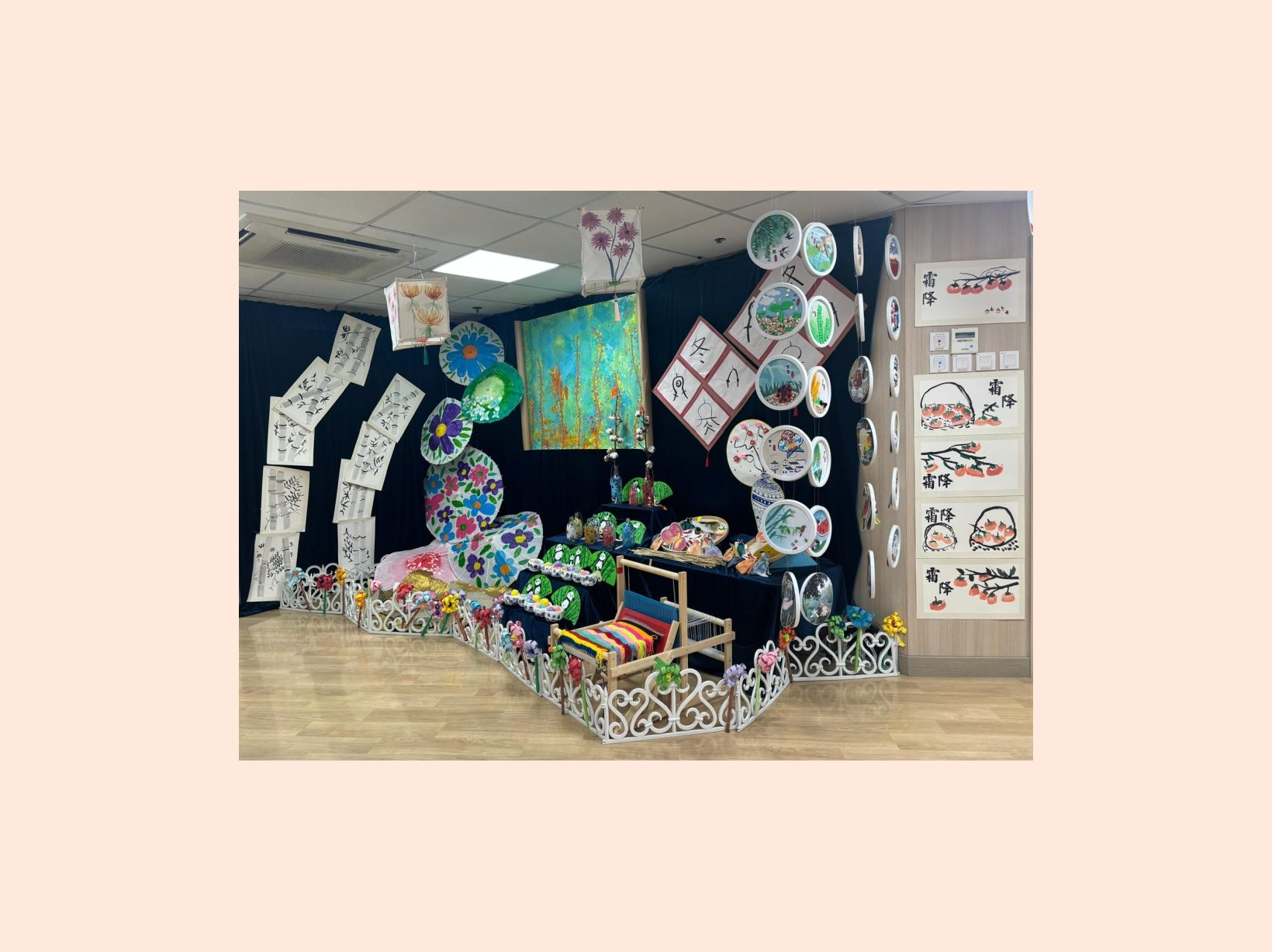
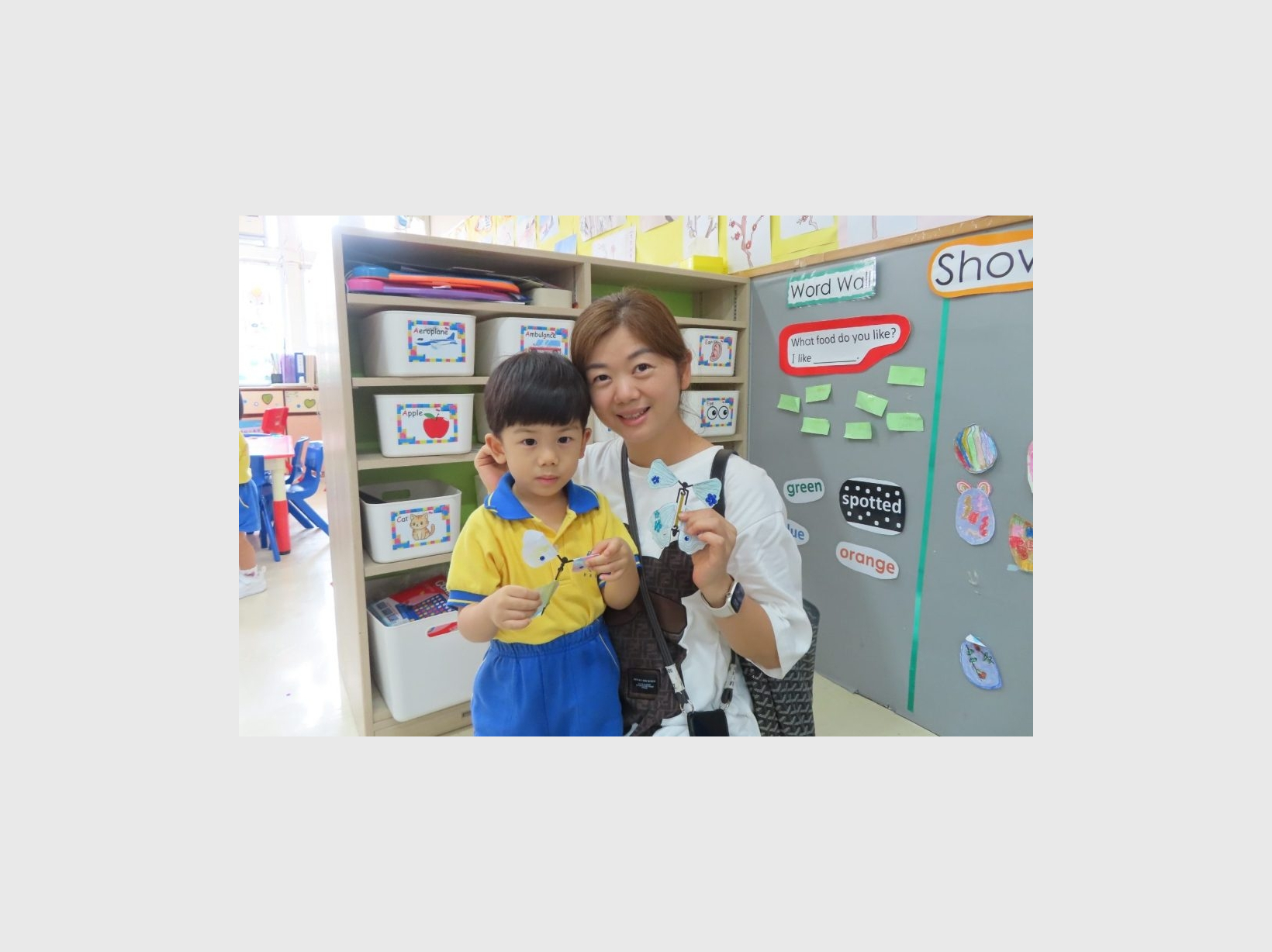
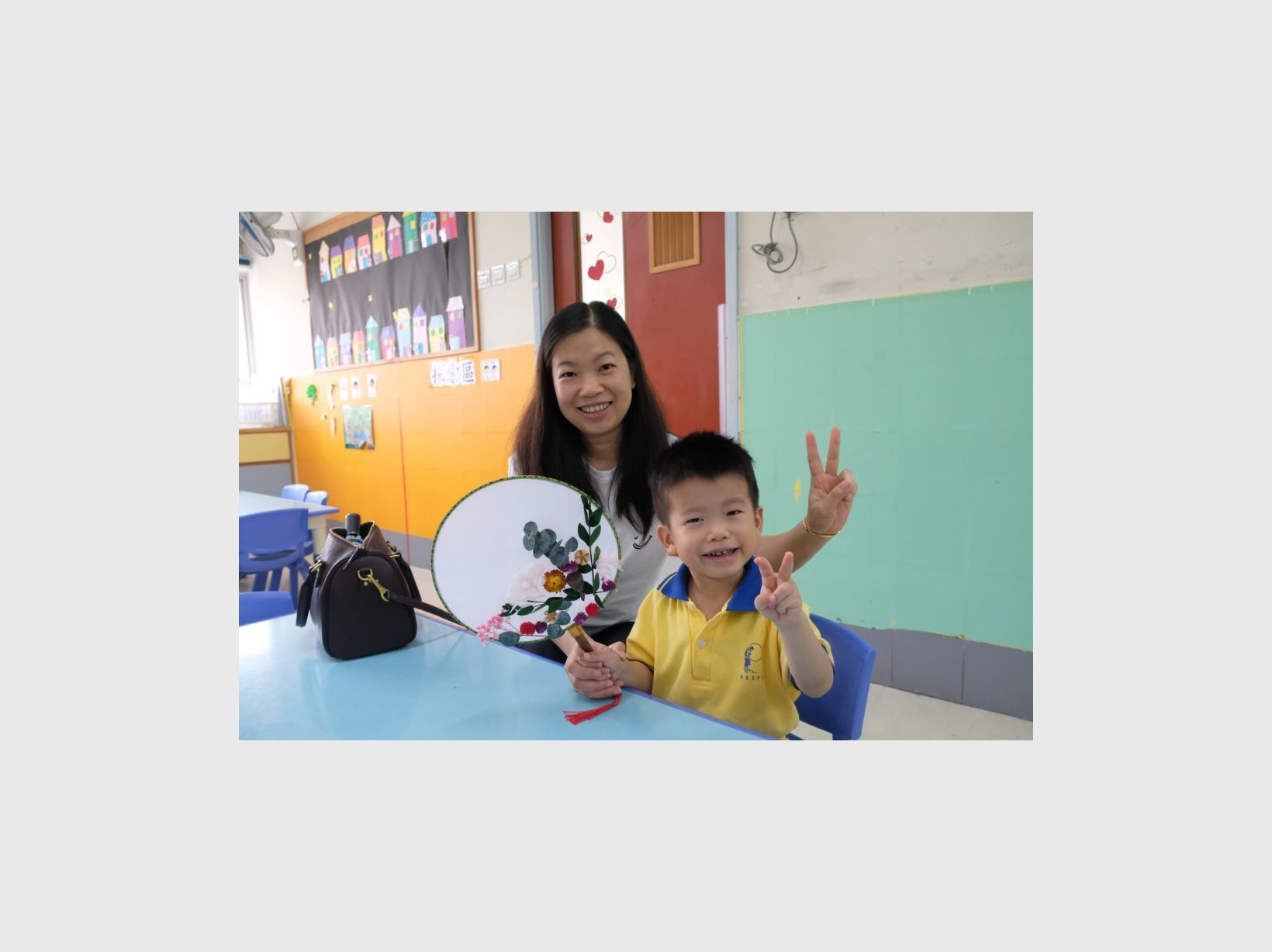
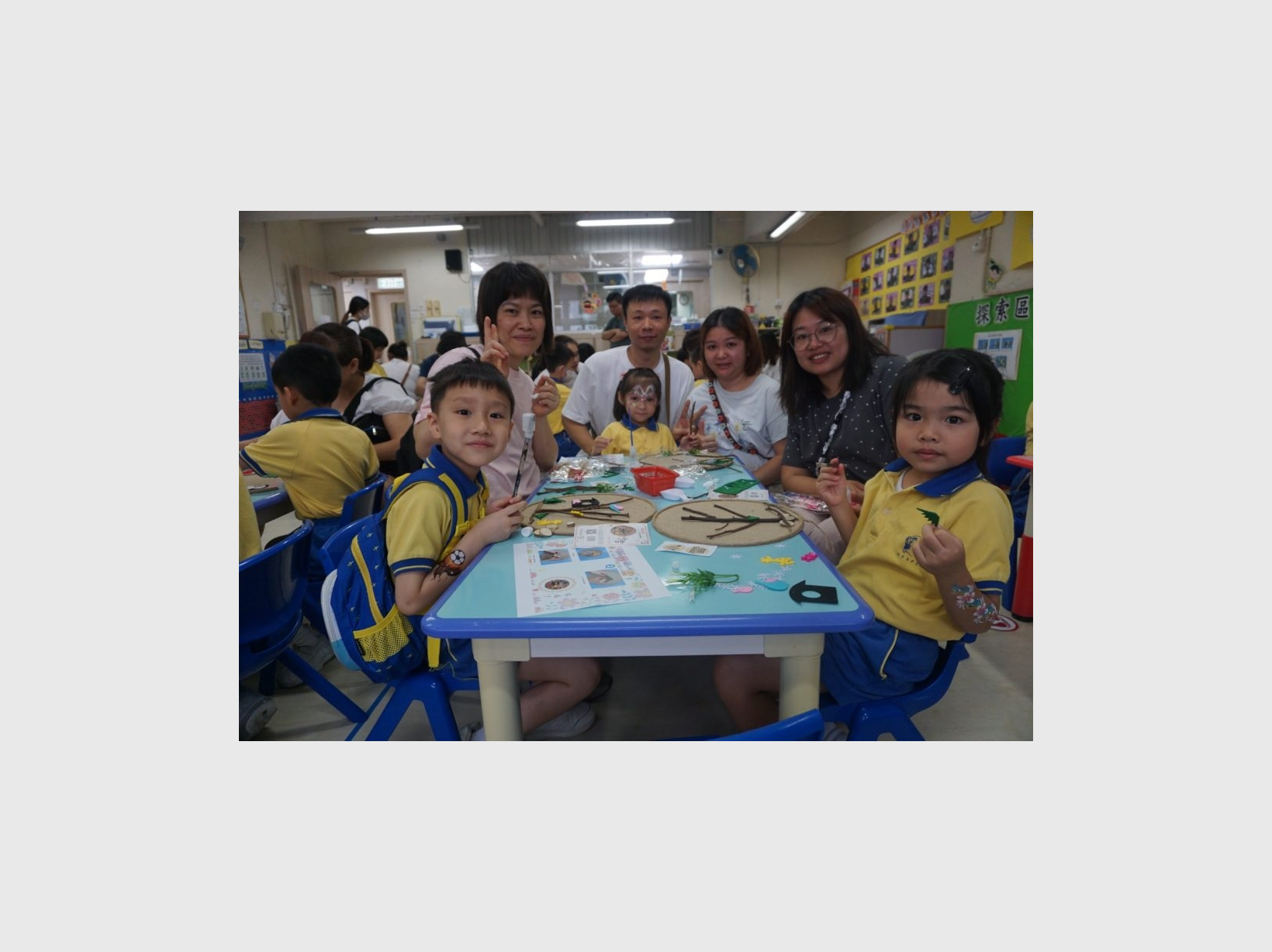
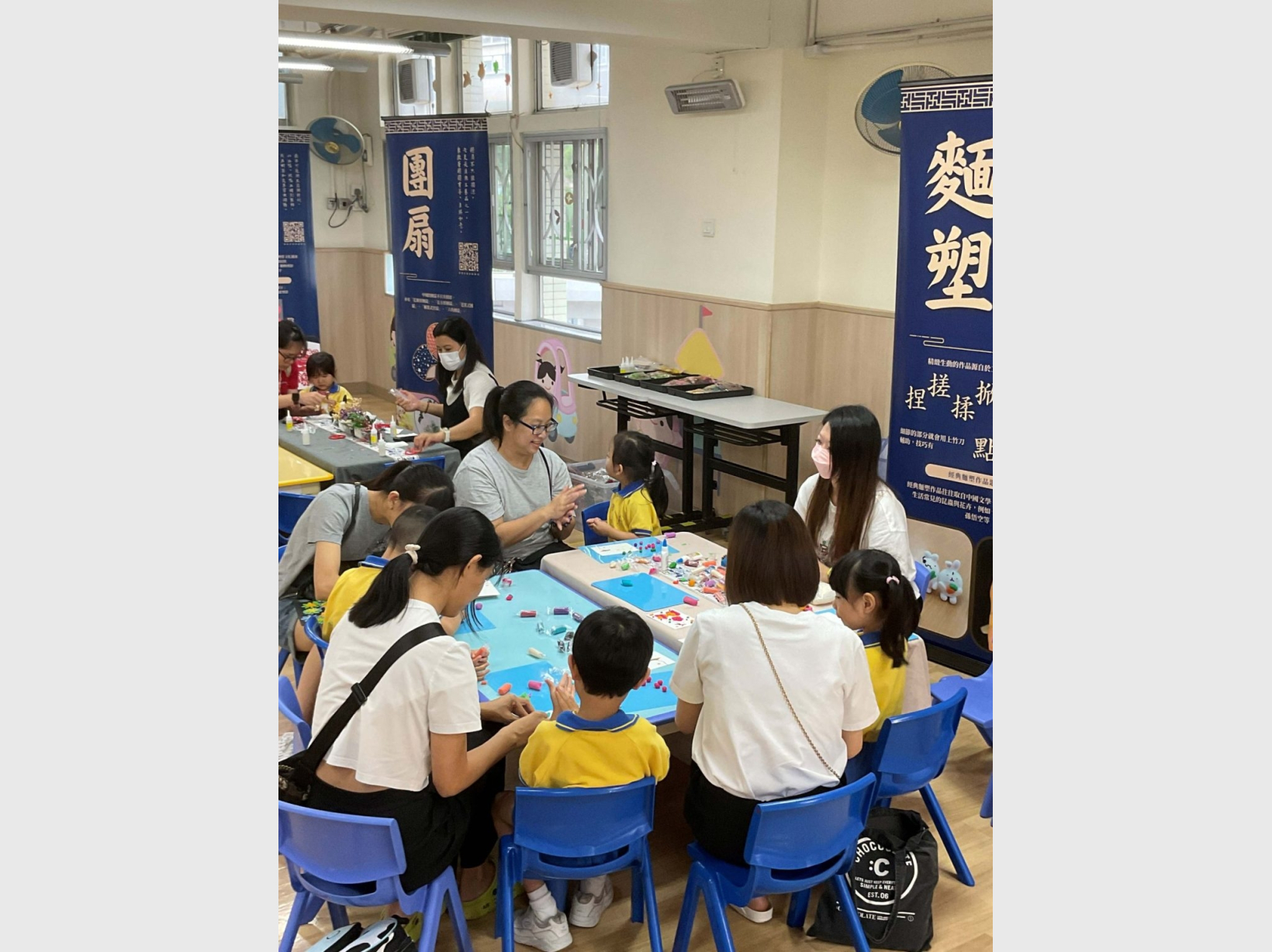
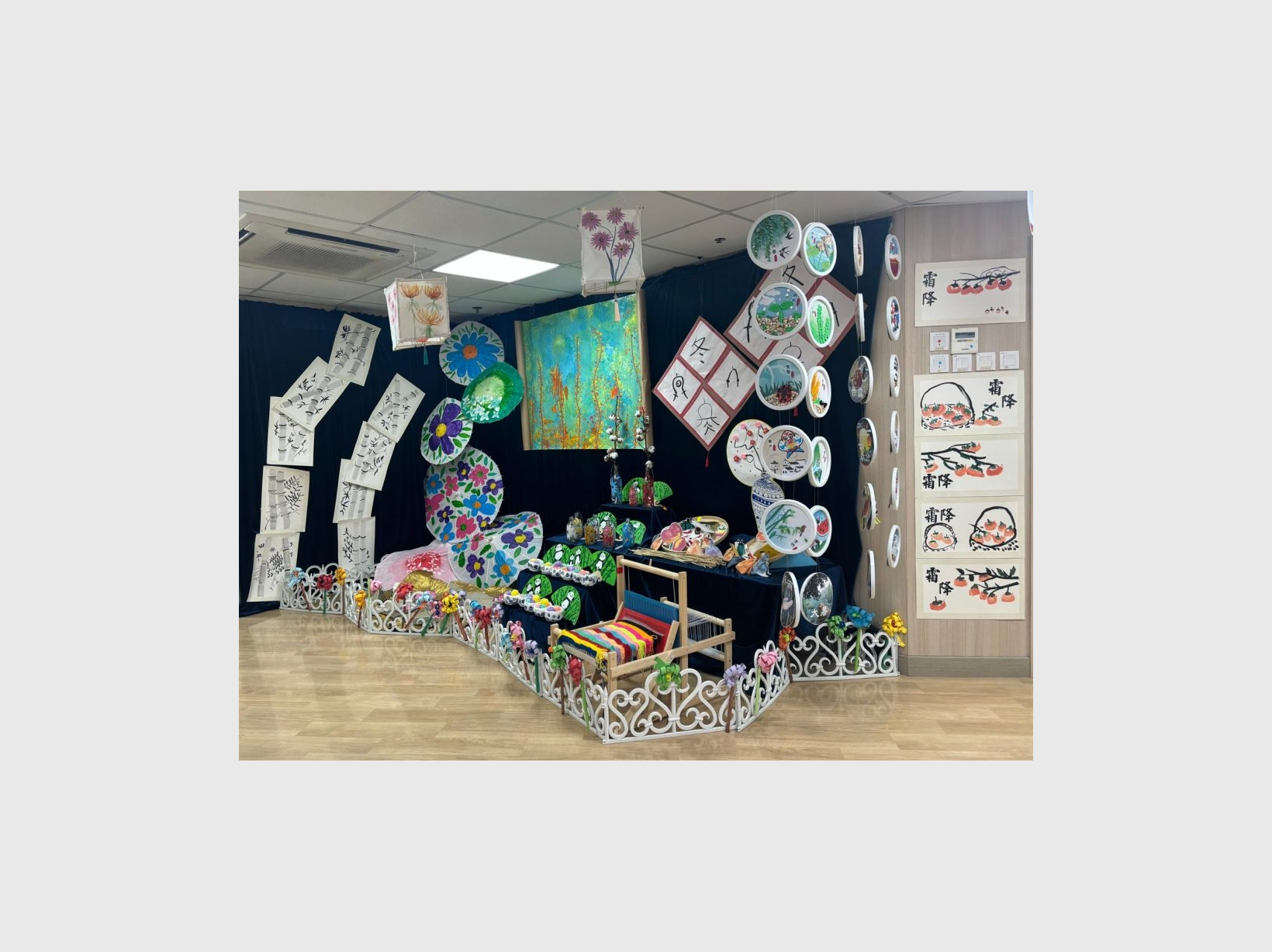
On June 1, 2024, our school held the Chinese Culture and Parent-Child Art Day. In the school lobby, children’s artworks from all grade levels were displayed, and in the activity room, videos showcasing their learning journeys related to the theme were played. The children enthusiastically introduced their learning experiences and achievements to their parents.
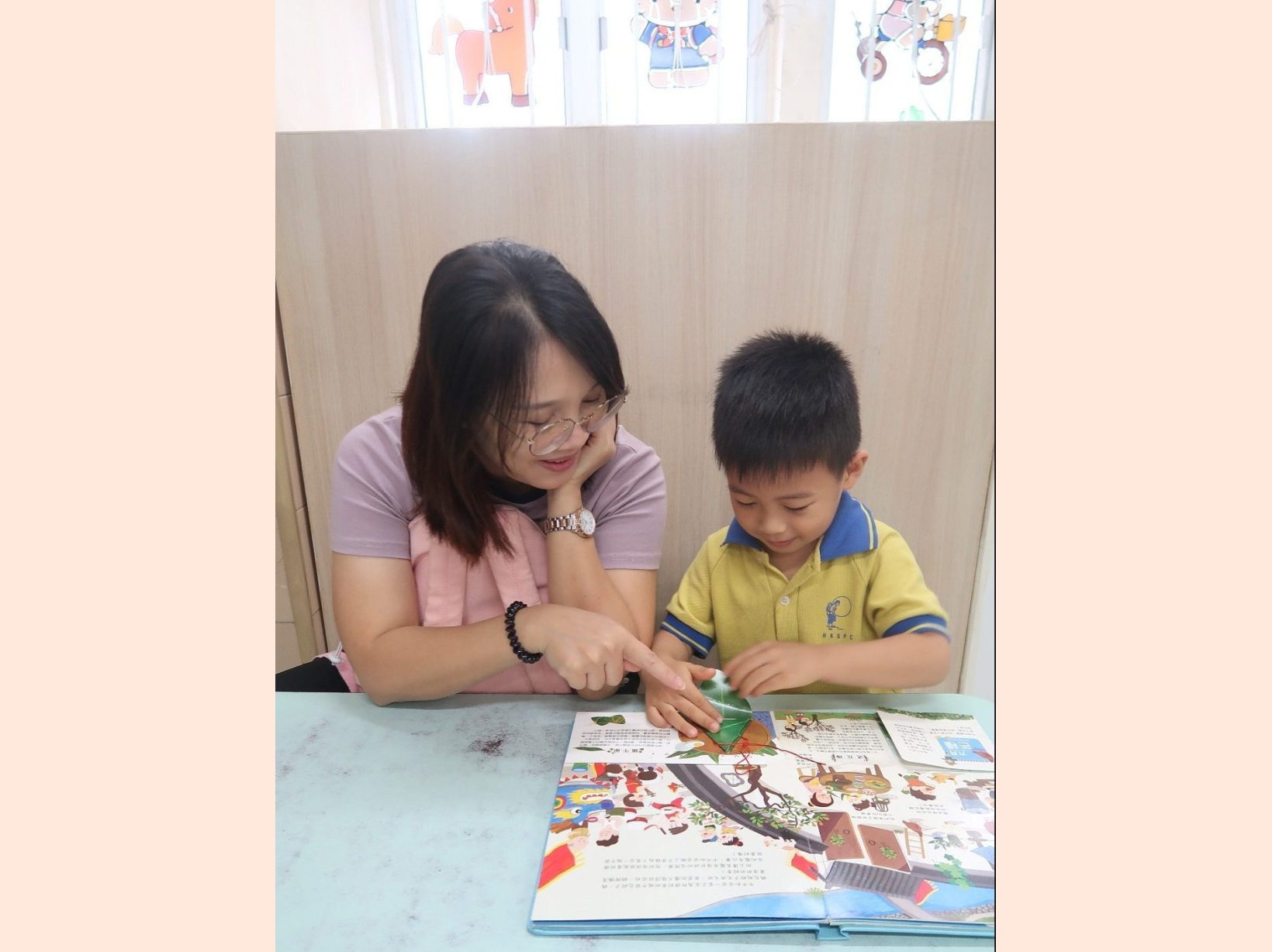
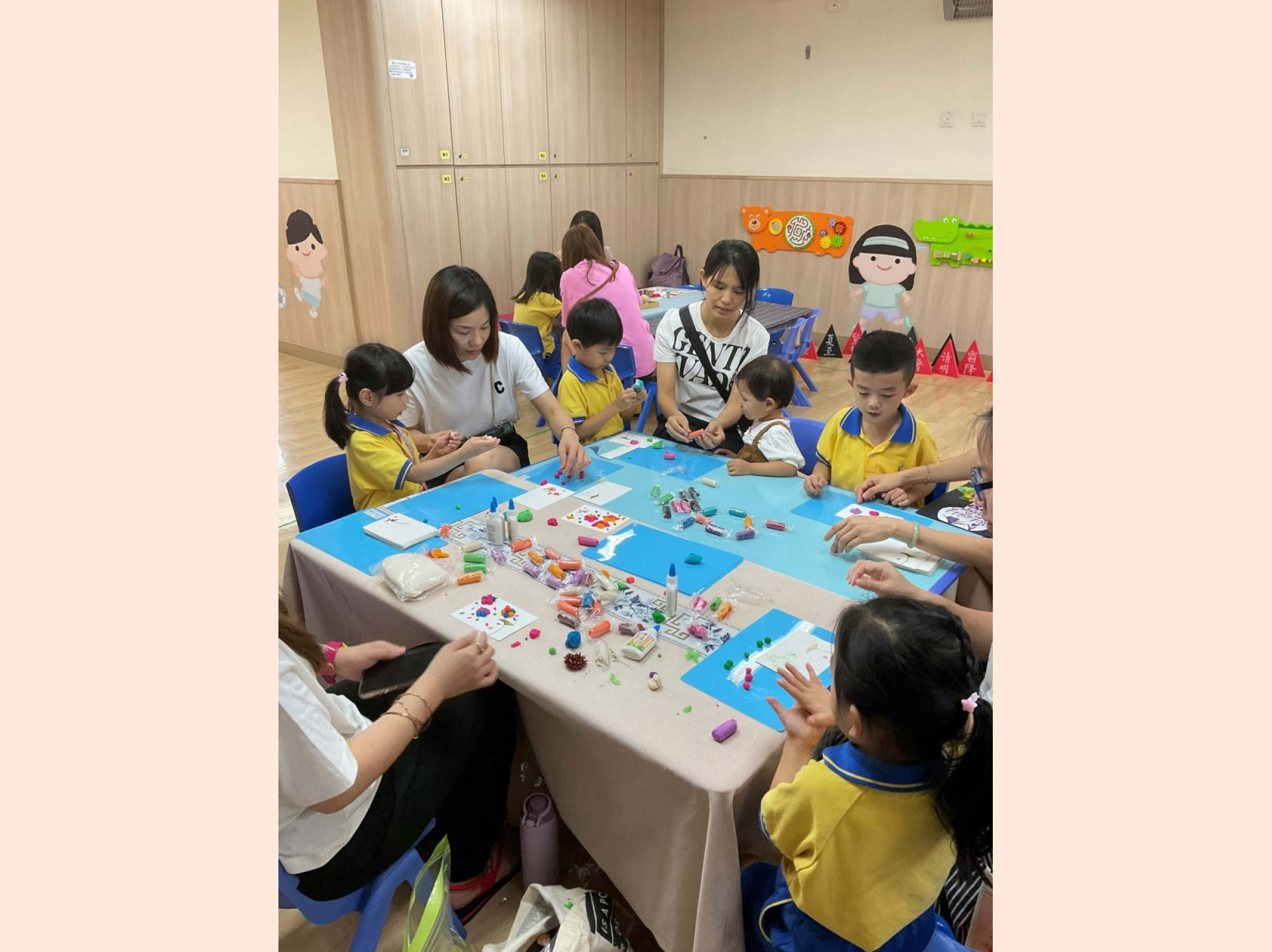
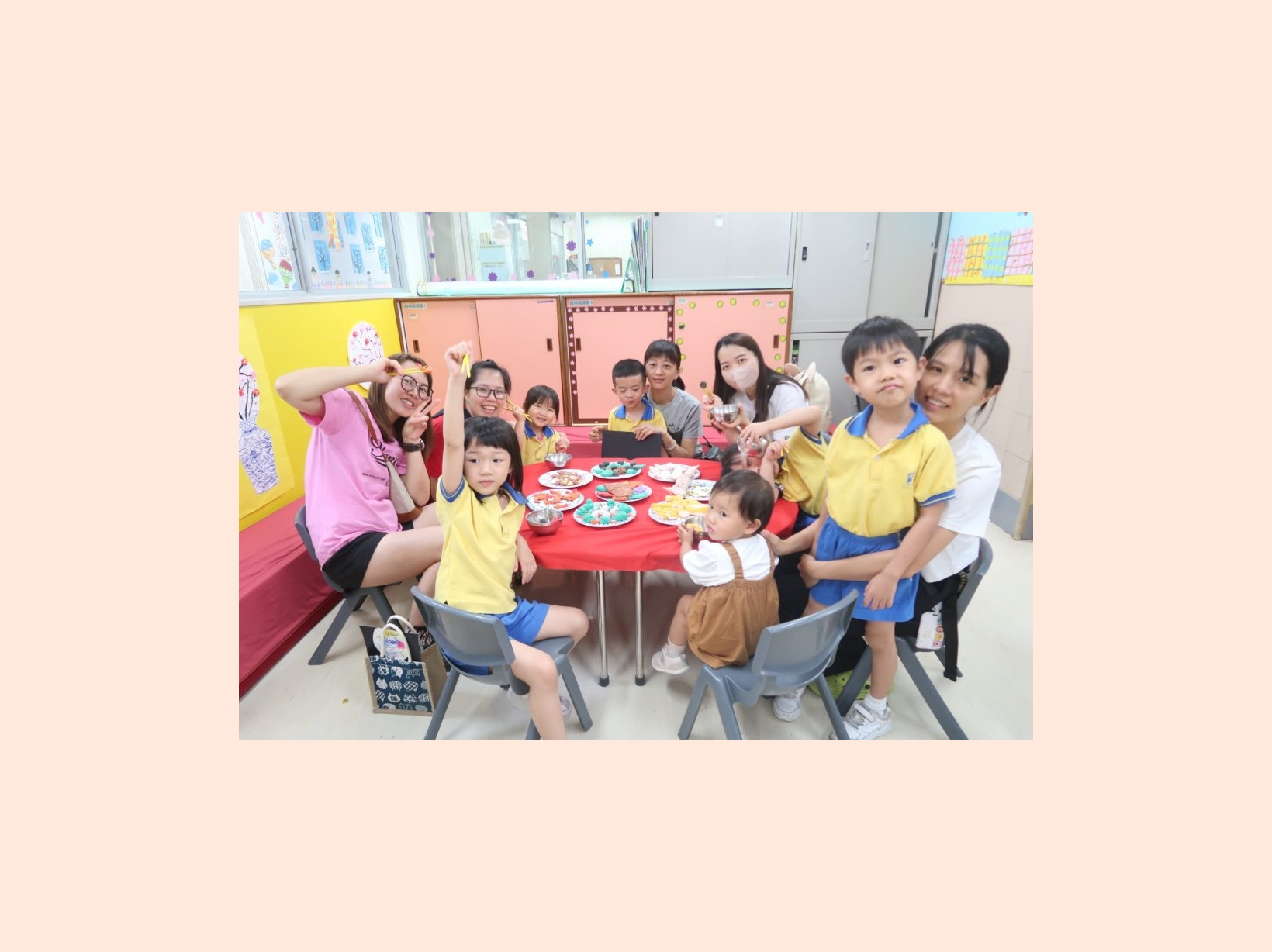
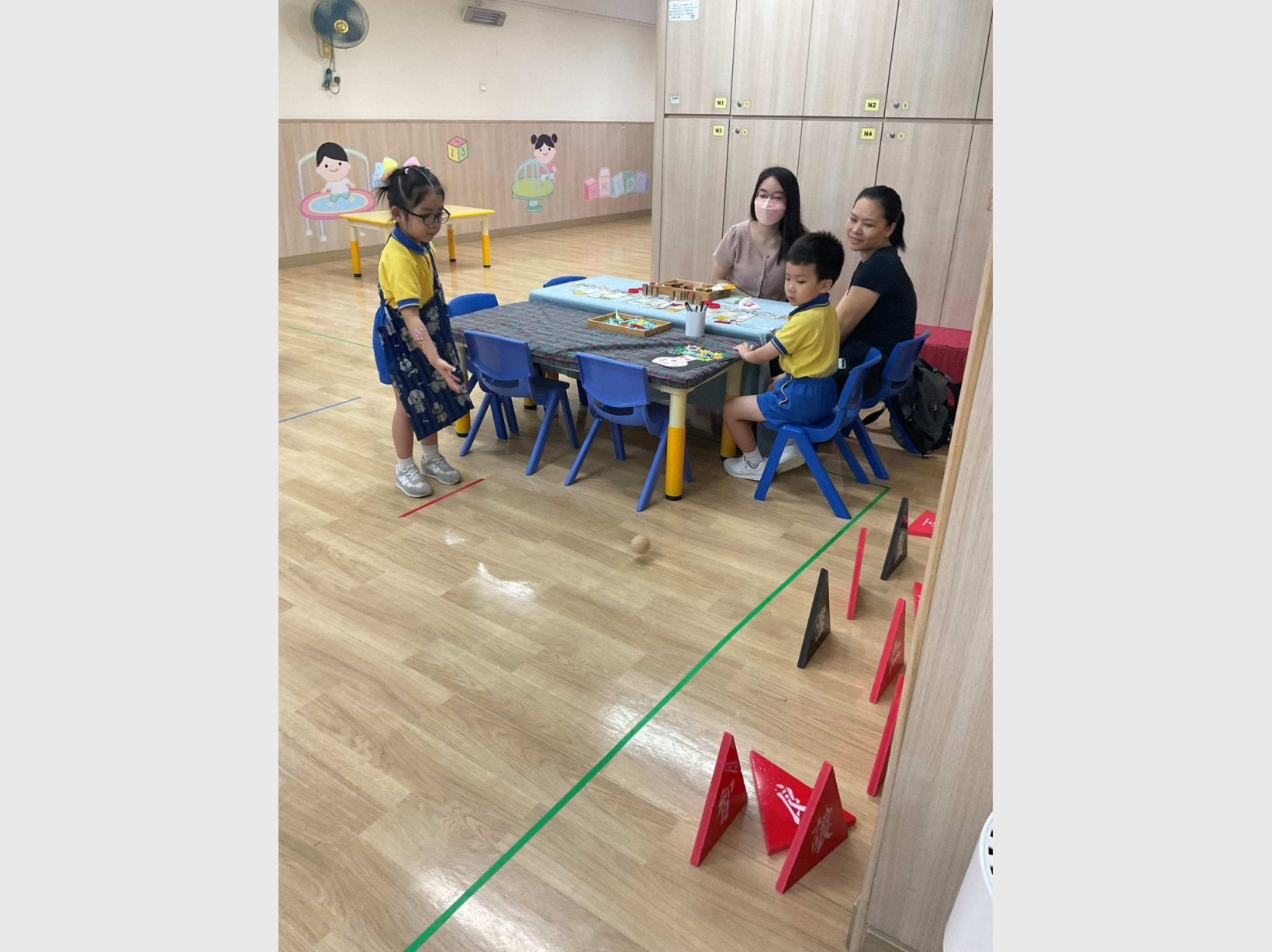
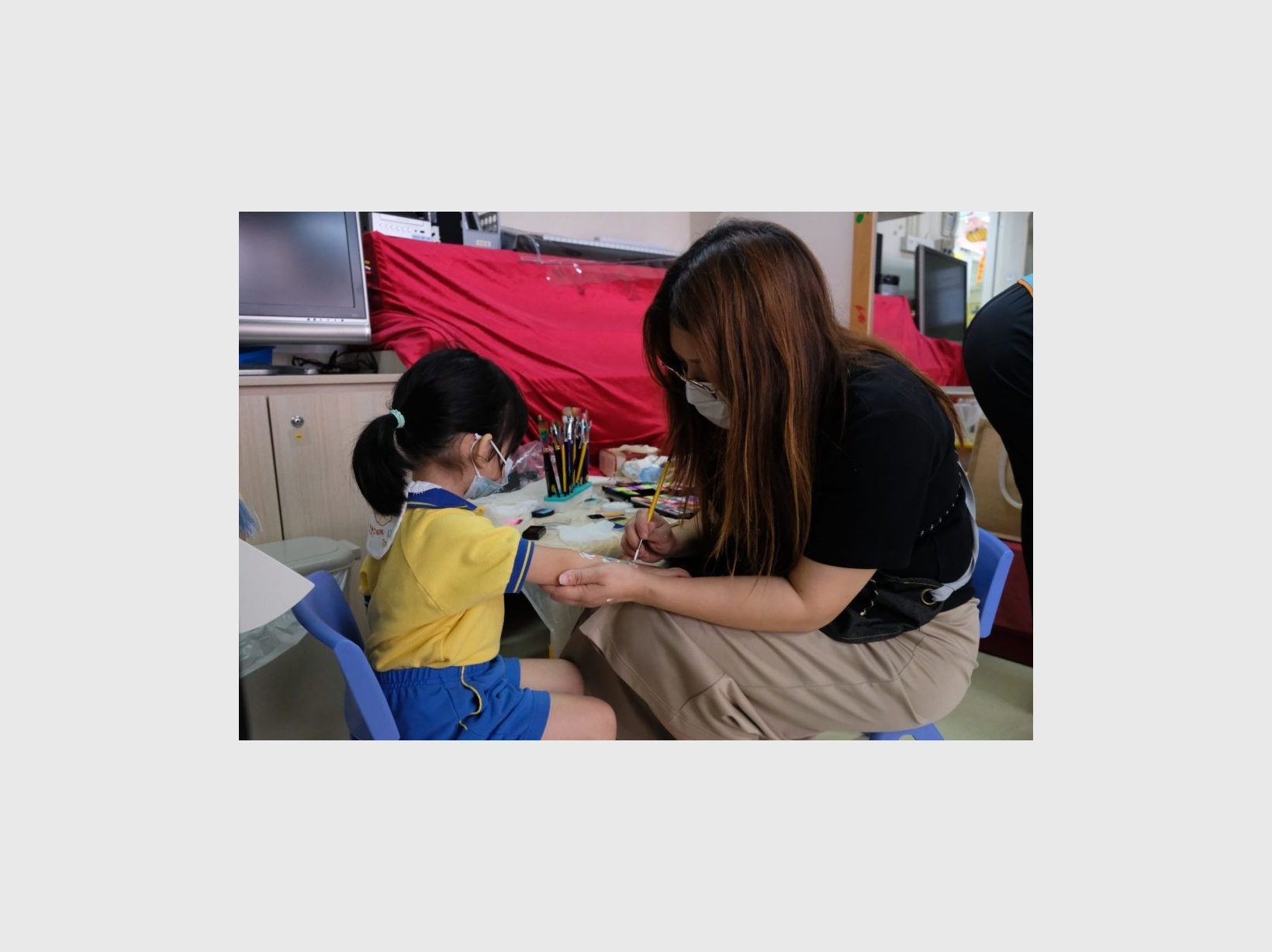
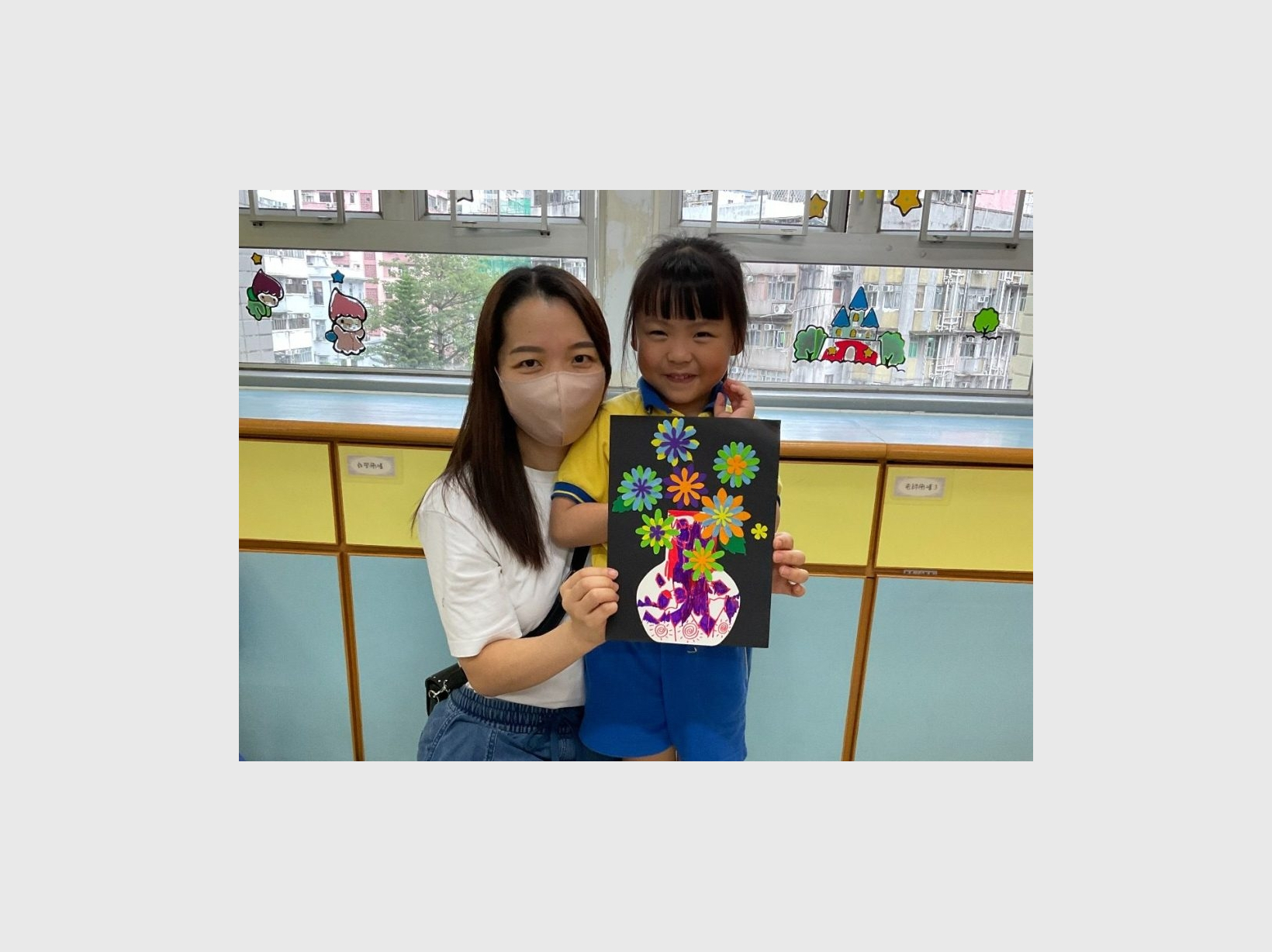
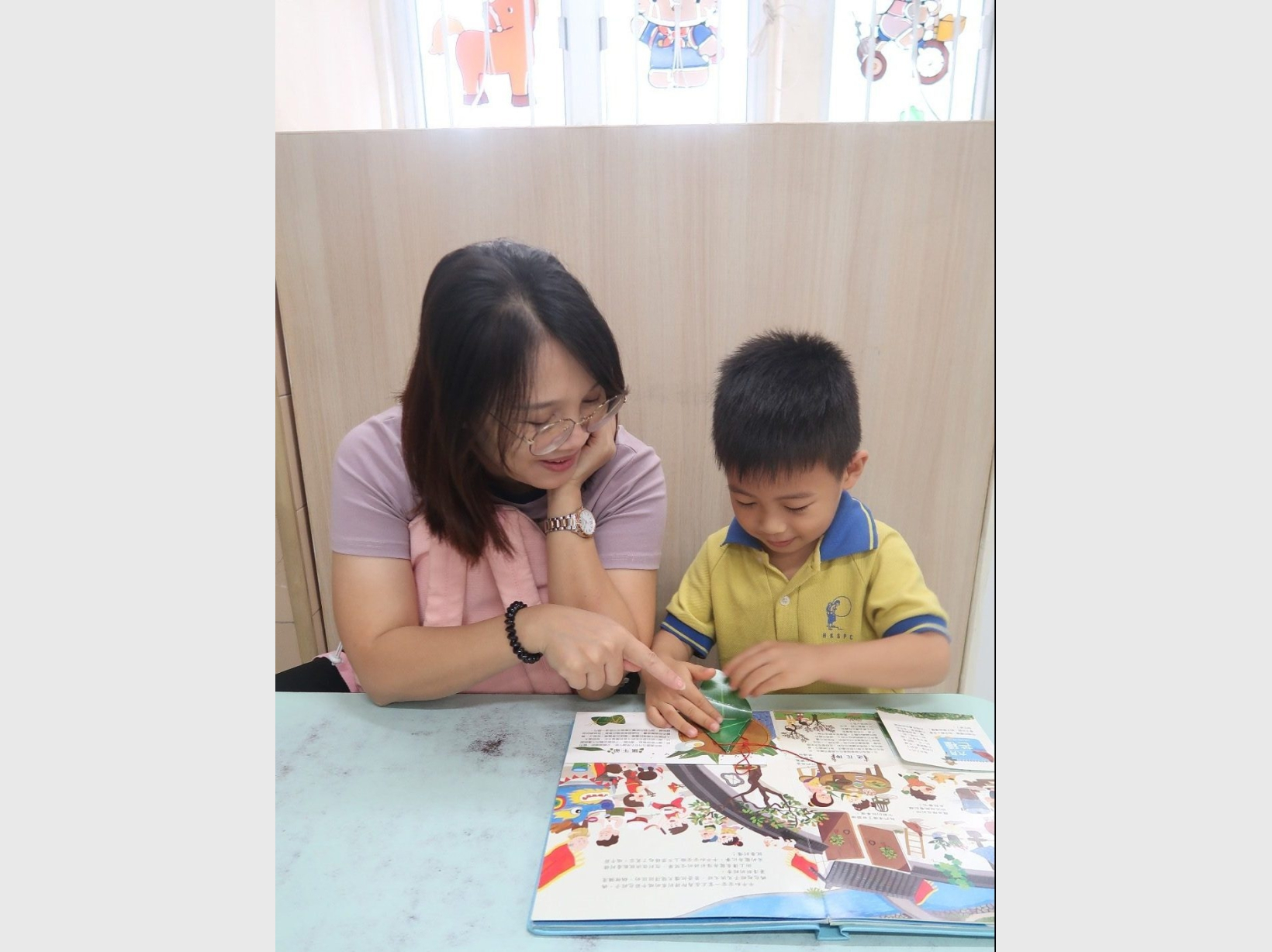
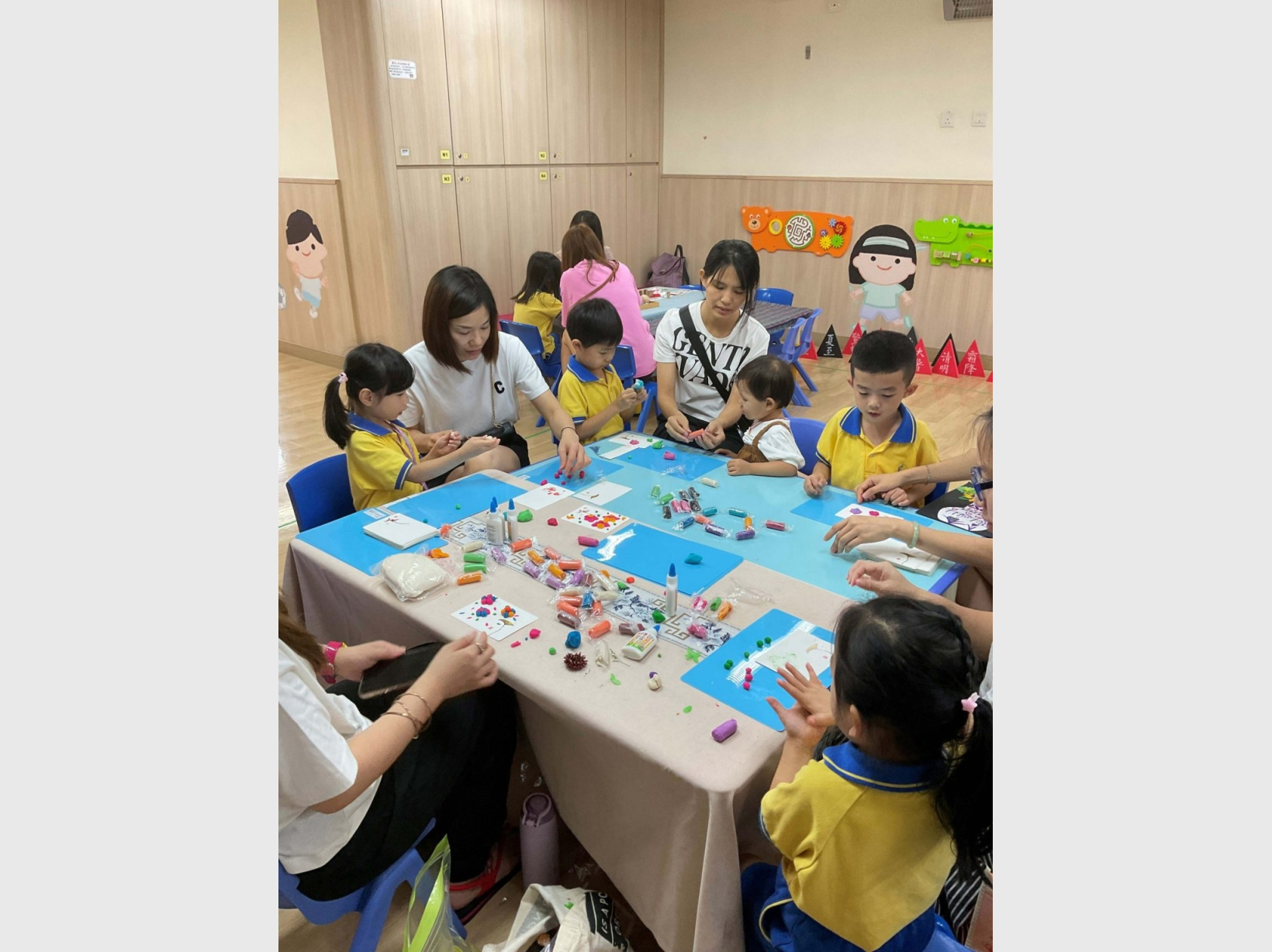
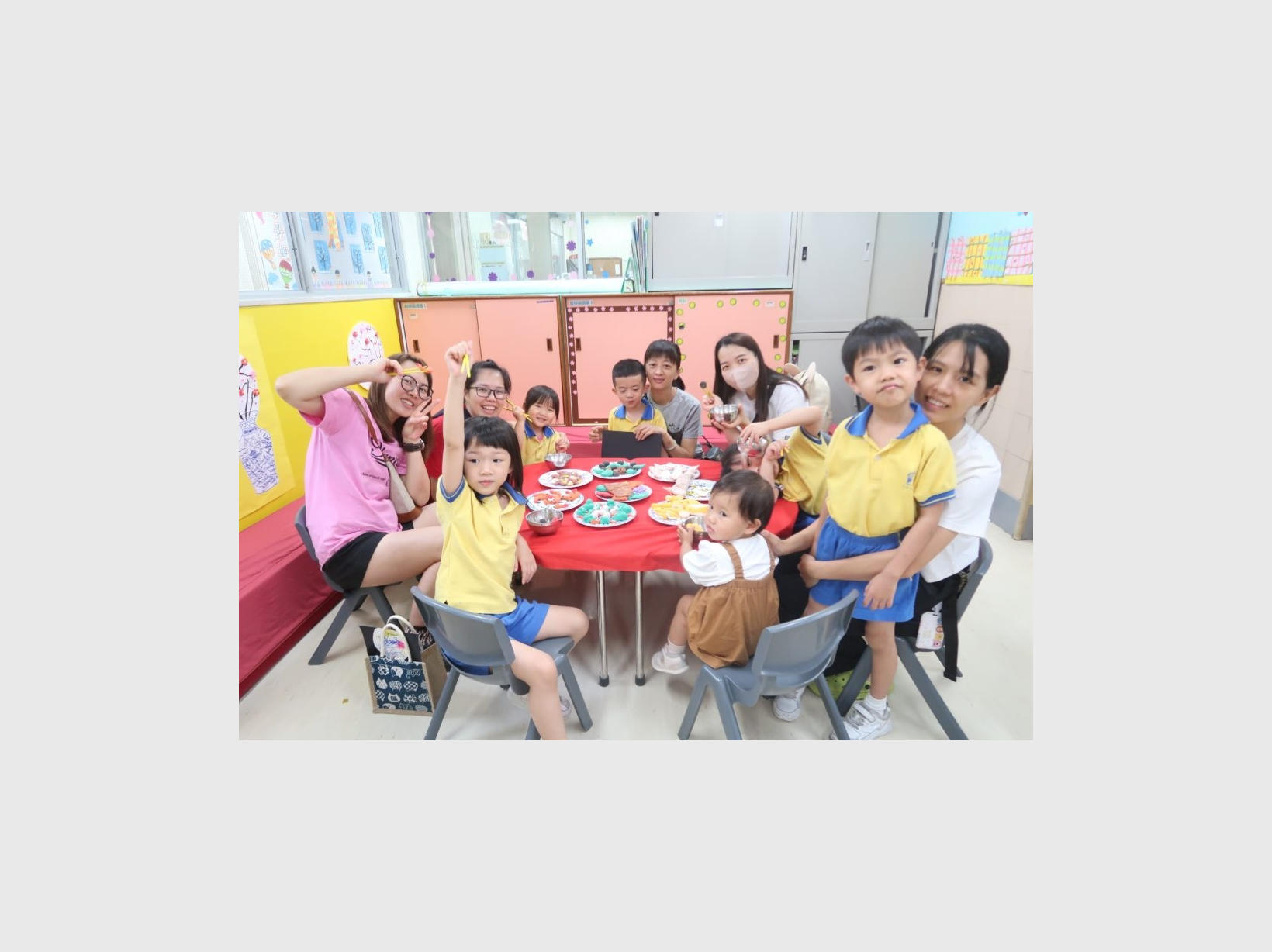
In addition, the school designed a series of parent-child activities that allowed parents and children to personally experience traditional Chinese arts and games, such as art creation, paper cutting, bookmark making, wooden archery, dough figurines, and body painting. These activities helped parents and children deepen their understanding of China’s twenty-four solar terms.
According to the parent survey results, 100% of parents agreed that the event helped them understand their children’s learning in the Chinese culture theme, enhanced both parents’ and children’s knowledge and interest in Chinese culture, and that the diverse and engaging activities helped foster children’s sense of national identity.